

Best Bamboo Baby Bowls and Spoons for Safe Feeding
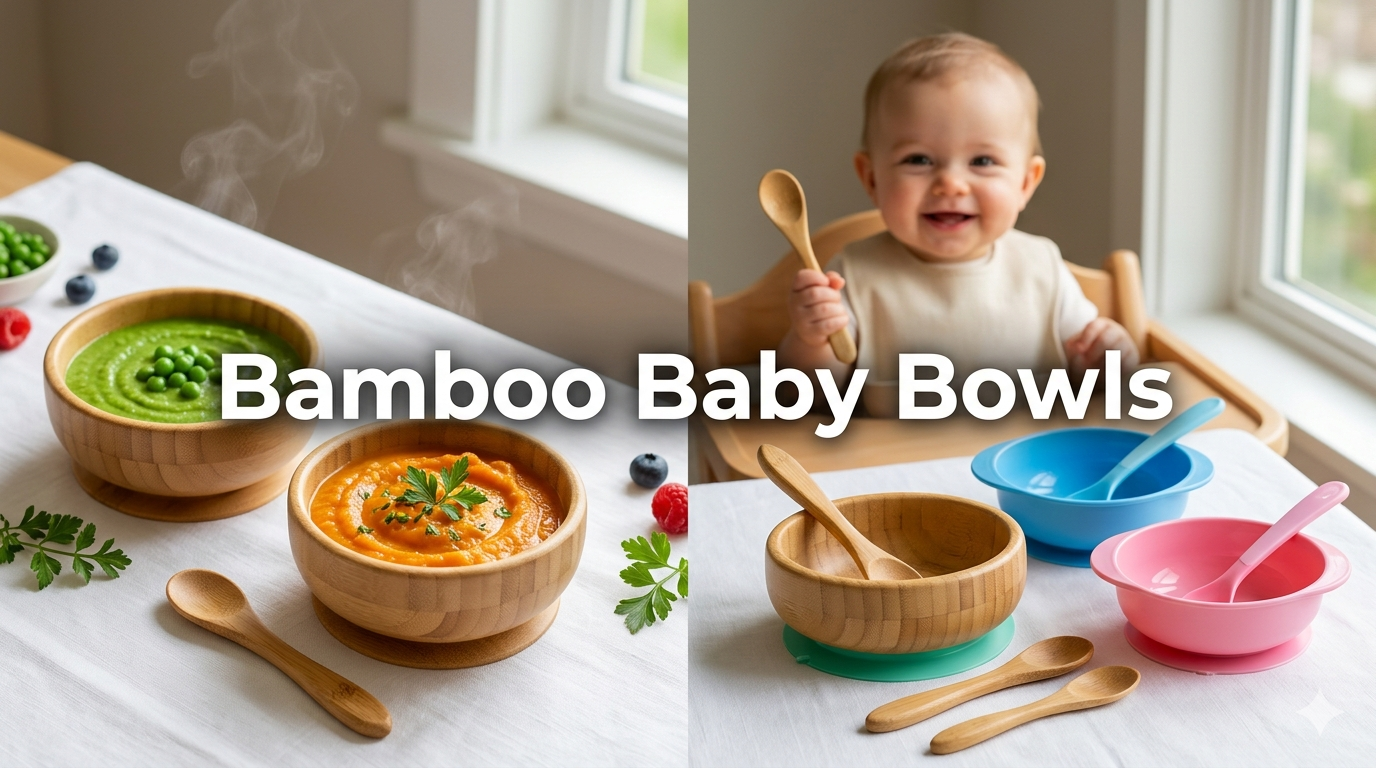
Why Bamboo Baby Bowls and Spoons Are the Safest Choice for Your Little One
As a parent, you want nothing but the best for your baby, especially when it comes to feeding time. The bowls and spoons that touch your baby's food every day matter more than you might think. While plastic baby bowls have dominated the market for decades, a growing body of research and parental awareness is shifting the conversation toward safer, more natural alternatives. Enter bamboo baby bowls and spoons—the eco-friendly, non-toxic solution that's transforming how we feed our little ones.
The problem with plastic baby feeding products isn't just an environmental concern; it's a health issue that affects your baby directly. From harmful chemicals leaching into food to microplastics entering your baby's developing system, the risks are real and documented. This comprehensive guide will walk you through everything you need to know about bamboo baby bowls and spoons, why they're superior to plastic, and how to choose the best products for safe, healthy feeding.
The Hidden Dangers of Plastic Baby Bowls
Understanding Chemical Leaching
Plastic baby bowls might seem convenient and affordable, but they come with hidden risks that many parents aren't aware of. When plastic comes into contact with food—especially warm or acidic food—chemicals can leach from the container into what your baby eats. This process accelerates when plastic is heated, scratched, or worn down over time.
BPA (Bisphenol A) was the most notorious chemical found in plastics until public concern led to "BPA-free" labels. However, the problem didn't disappear; manufacturers simply replaced BPA with similar chemicals like BPS (Bisphenol S) and BPF (Bisphenol F), which may be equally harmful. These endocrine-disrupting chemicals can interfere with your baby's hormonal system during critical developmental stages.
Research published in environmental health journals has shown that even BPA-free plastics can release estrogenic chemicals when exposed to heat, dishwashing, or UV light. For babies whose bodies are still developing, this exposure can potentially affect:
- Brain development and behavior
- Hormone regulation
- Metabolic function
- Immune system development
- Reproductive health later in life
Microplastics: The Invisible Threat
Beyond chemical leaching, plastic baby bowls contribute to another concerning issue: microplastics. As plastic bowls and spoons wear down from regular use, washing, and chewing (because let's face it, babies love to gnaw on everything), tiny plastic particles break off and can end up in your baby's food.
Studies have found microplastics in human blood, lungs, and even placentas. While research on the long-term health effects is ongoing, the precautionary principle suggests minimizing exposure, especially for infants and young children whose bodies are most vulnerable.
Environmental Impact Matters Too
While your baby's immediate health is the top priority, the environmental impact of plastic baby products is worth considering. Plastic baby bowls typically end up in landfills where they persist for hundreds of years, breaking down into smaller pieces but never truly biodegrading. By choosing bamboo alternatives, you're not only protecting your baby but also teaching sustainable values from an early age.
Why Bamboo Is the Superior Choice for Baby Feeding
Natural and Non-Toxic Properties
Bamboo baby bowls and spoons offer a compelling alternative to plastic for several important reasons. First and foremost, bamboo is a natural material that doesn't contain the synthetic chemicals found in plastics. When you feed your baby from a bamboo bowl, you don't have to worry about BPA, phthalates, PVC, or other harmful substances leaching into their food.
Bamboo is naturally antimicrobial, which means it resists bacterial growth better than plastic. This property is particularly valuable for baby feeding products that go through frequent use and washing. The natural compounds in bamboo help inhibit the growth of bacteria, mold, and mildew, keeping your baby's feeding items cleaner between washes.
Sustainability and Environmental Benefits
Bamboo is one of the most sustainable materials on Earth. It's technically a grass, not a tree, and it grows incredibly fast—some species can grow up to 35 inches in a single day. Bamboo requires no pesticides or fertilizers to thrive, needs minimal water compared to cotton or trees, and regenerates from its own roots after harvesting, meaning no replanting is necessary.
When bamboo products reach the end of their life, they biodegrade naturally, returning to the earth without leaving harmful residues. This is in stark contrast to plastic baby bowls that persist in landfills for 450-1000 years. By choosing bamboo, you're making an environmentally responsible choice that aligns with the world you want to leave for your child.
Durability and Practicality
Despite being lightweight, bamboo is remarkably strong and durable. Bamboo baby bowls can withstand daily use, drops, and the rough handling that comes with feeding toddlers. They're more resistant to cracking and breaking than ceramic or glass options, making them safer for little hands.
Bamboo feeding products are also naturally smooth and splinter-free when properly manufactured, so you don't have to worry about rough edges hurting your baby's mouth or hands. The material has a naturally warm, pleasant texture that babies tend to prefer over cold, hard plastic or metal.
What to Look for When Buying Bamboo Baby Bowls and Spoons
Quality and Safety Standards
Not all bamboo baby products are created equal, and it's crucial to know what to look for to ensure you're getting safe, high-quality items. The best bamboo baby bowls and spoons should meet several key criteria:
Certification and testing: Look for products that are FDA-approved, LFGB certified (European food safety standard), or have other recognized safety certifications. These certifications ensure the products have been tested for harmful substances and are safe for food contact.
100% natural bamboo fiber: High-quality bamboo baby bowls are made from natural bamboo fiber combined with food-grade, plant-based binders. Avoid products that use melamine or other synthetic resins, as these can negate the benefits of choosing bamboo. Some manufacturers cut corners by mixing bamboo with plastic—always check the product description carefully.
Non-toxic finishes: The bowls and spoons should be finished with food-safe, non-toxic coatings or left natural. Avoid products with chemical sealants or paints that could chip or wear off over time.
Design Features for Safe Feeding
Beyond material safety, consider these practical design features:
Suction base: Many bamboo baby bowls come with silicone suction bases that stick to high chairs and tables, preventing your baby from throwing or tipping the bowl. This feature is invaluable during the messy self-feeding stage.
Appropriate size and depth: Baby bowls should be the right size for little portions and deep enough to help babies scoop food easily but not so deep that food gets stuck at the bottom. Look for bowls with gently sloped sides.
Ergonomic spoons: Bamboo baby spoons should have soft, rounded edges that won't hurt your baby's gums and a handle that's easy for both you and eventually your toddler to grip. Some spoons come with silicone tips for extra gentleness.
Easy to clean: While bamboo is naturally antimicrobial, you still need to clean bowls and spoons thoroughly. Look for products that are dishwasher-safe (top rack) or easy to hand wash without trapping food particles.
Age-Appropriate Options
Different stages of baby feeding require different products:
For babies 4-6 months: Start with small, shallow bowls and soft-tipped bamboo spoons for introducing purees and first foods.
For babies 6-9 months: As your baby begins self-feeding, look for bowls with suction bases and spoons with easy-grip handles.
For toddlers 12+ months: Larger bowls with divided sections for different foods and sturdy spoons that can handle more independent use.
How to Care for Bamboo Baby Bowls and Spoons
Proper Cleaning and Maintenance
To ensure your bamboo baby bowls and spoons last as long as possible and remain safe for your baby, proper care is essential. Here's how to maintain them:
Initial cleaning: Before first use, wash all bamboo feeding products with warm, soapy water and rinse thoroughly. This removes any dust or residue from manufacturing and packaging.
Daily cleaning: After each use, wash with mild dish soap and warm water. Use a soft sponge or cloth—avoid abrasive scrubbers that can damage the bamboo surface. Most quality bamboo baby bowls are top-rack dishwasher safe, but hand washing extends their lifespan.
Drying properly: Always dry bamboo products thoroughly after washing. Don't let them soak in water or sit in a dish drainer for extended periods, as prolonged moisture exposure can cause warping or cracking. Air dry completely before storing.
Avoid microwave and oven: Never put bamboo bowls in the microwave or conventional oven. While bamboo can handle warm food, direct high heat can damage the material and any natural binders used in construction.
When to Replace Bamboo Feeding Products
Even with proper care, bamboo baby bowls and spoons won't last forever. Here are signs it's time to replace them:
- Visible cracks or splits in the bamboo
- Deep scratches that trap food particles
- Discoloration that doesn't wash away
- Unusual odors that persist after cleaning
- Warping that prevents the bowl from sitting flat
- Suction base that no longer sticks properly
With regular use and proper care, quality bamboo baby bowls should last 6-12 months, sometimes longer. This is comparable to or better than plastic alternatives, with the added benefit of being biodegradable at the end of their life.
Top Features of the Best Bamboo Baby Bowl Sets
Complete Feeding Solutions
The best bamboo baby feeding sets typically include multiple pieces designed to grow with your baby. Look for sets that offer:
Bowl and spoon combinations: A complete set should include at least one bowl and one spoon, but many offer multiple sizes for different stages. Some sets include 2-3 bowls in different sizes and 2-3 spoons.
Divided plates: As your baby progresses to more varied meals, divided bamboo plates help keep different foods separate, which many babies prefer. These are excellent for toddler meals.
Silicone accessories: Many bamboo bowl sets include silicone suction bases, silicone spoon tips, or silicone lids for storage. These hybrid designs combine the best of both natural materials.
Storage solutions: Some premium sets come with bamboo lids or storage containers, making it easy to prepare meals in advance or save leftovers safely.
Color and Design Options
While natural bamboo has a beautiful, warm tone, many parents appreciate color options. The safest bamboo baby bowls use natural, plant-based dyes if any color is added. Popular options include:
- Natural bamboo (light tan/beige)
- Pastel colors from natural dyes
- Minimal printed designs using non-toxic inks
- Two-tone designs with natural and colored sections
Avoid products with bright, synthetic-looking colors or printed designs that might chip or wear off, as these could indicate the use of chemical dyes or coatings.
Bamboo vs. Other Baby Bowl Materials: A Comparison
Bamboo vs. Plastic
We've already covered the dangers of plastic, but to summarize:
Bamboo advantages: - Non-toxic, no chemical leaching - Naturally antimicrobial - Biodegradable and sustainable - More durable and heat-resistant - Better for the environment - Warmer, more pleasant texture
Plastic advantages: - Lower initial cost - Lightweight - Wide variety of colors and designs - Often dishwasher and microwave safe (though this increases chemical leaching risk)
The verdict: While plastic may be cheaper upfront, bamboo offers better long-term value when you consider health, safety, and environmental impact.
Bamboo vs. Stainless Steel
Stainless steel is another popular alternative to plastic:
Bamboo advantages: - Warmer to the touch (steel can be cold) - Lighter weight - Softer on baby's mouth and gums - More affordable - Doesn't show fingerprints or water spots
Stainless steel advantages: - Extremely durable - Can handle high heat - Won't stain or absorb odors - Lasts longer (often years)
The verdict: Both are excellent non-toxic choices. Bamboo is better for younger babies and everyday use, while stainless steel is great for durability and can be a long-term investment.
Bamboo vs. Silicone
Food-grade silicone is another popular baby feeding material:
Bamboo advantages: - More rigid (easier for babies to learn self-feeding) - Natural material vs. synthetic - Better for scooping - More sustainable production
Silicone advantages: - Softer and more flexible - Excellent suction properties - Can handle high heat - Often collapsible for travel
The verdict: Many parents use both! Bamboo bowls with silicone suction bases or silicone-tipped bamboo spoons offer the best of both worlds.
Common Concerns About Bamboo Baby Products Addressed
Are Bamboo Bowls Really Safe?
Yes, high-quality bamboo baby bowls made from 100% natural bamboo fiber with food-grade, plant-based binders are completely safe for baby feeding. The key is choosing reputable brands that provide safety certifications and avoid products mixed with melamine or plastic.
Look for these safety indicators: - FDA approval or LFGB certification - BPA-free, phthalate-free, PVC-free labels - Clear ingredient lists - Positive reviews from other parents - Transparent manufacturing practices
Do Bamboo Bowls Harbor Bacteria?
This is a common misconception. Bamboo is naturally antimicrobial and actually resists bacterial growth better than plastic. The porous nature of bamboo that some worry about is sealed during the manufacturing process when bamboo fiber is compressed with natural binders.
To keep bamboo bowls bacteria-free: - Wash thoroughly after each use - Dry completely before storing - Don't let food sit in bowls for extended periods - Replace when deeply scratched or cracked - Occasionally sanitize with vinegar solution
Can Bamboo Bowls Go in the Dishwasher?
Most quality bamboo baby bowls are top-rack dishwasher safe, but hand washing is recommended to extend their lifespan. The high heat and harsh detergents in dishwashers can eventually cause bamboo to dry out, crack, or lose its finish.
If you do use the dishwasher: - Place on top rack only - Use mild, eco-friendly detergent - Remove promptly after cycle ends - Dry thoroughly before storing - Consider occasional oiling with food-grade mineral oil
Making the Switch: Transitioning to Bamboo Feeding Products
Where to Start
If you're currently using plastic baby bowls and want to make the switch to bamboo, you don't need to replace everything at once. Here's a practical approach:
Start with the essentials: Begin with one or two bamboo bowls and a set of bamboo spoons for daily use. This lets you test the products and see how your baby responds before investing in a complete set.
Replace as needed: As your plastic bowls wear out, crack, or stain, replace them with bamboo alternatives rather than buying more plastic. This spreads out the cost and reduces waste.
Prioritize high-use items: Replace the bowls and spoons your baby uses most frequently first, especially those used for warm foods where chemical leaching from plastic is most concerning.
Budget Considerations
Bamboo baby bowls typically cost more upfront than plastic alternatives, but they offer better value when you consider:
- Longer lifespan with proper care
- Better health outcomes (priceless)
- Environmental benefits
- Often sold in sets that last through multiple feeding stages
Money-saving tips: - Buy sets instead of individual pieces - Watch for sales at baby stores or online retailers - Register for bamboo feeding sets on baby registries - Choose quality over quantity—one good set is better than multiple cheap ones
Real Parent Experiences: What Families Say About Bamboo Bowls
Common Feedback from Parents
Parents who've switched to bamboo baby bowls and spoons consistently report several benefits:
"My baby actually eats more!" Many parents notice their babies seem more willing to eat from bamboo bowls, possibly because the material is warmer and softer than plastic or metal.
"No more staining!" Unlike plastic bowls that turn orange from carrot puree or red from tomato sauce, bamboo bowls resist staining and look new much longer.
"I feel better about what touches my baby's food." Perhaps the most common sentiment is peace of mind. Parents appreciate knowing they're not exposing their babies to harmful chemicals.
"They're so much cuter than plastic!" The natural aesthetic of bamboo appeals to many parents who prefer minimalist, eco-friendly nursery and feeding products.
Addressing Challenges
Some parents do note challenges:
"They require more careful washing." Bamboo does need gentler care than plastic, but most parents find this a small trade-off for the benefits.
"The suction isn't as strong as silicone." While many bamboo bowls have silicone bases, the suction may not be quite as strong as 100% silicone bowls. However, it's usually sufficient for most babies.
"They're more expensive." The higher upfront cost is real, but most parents find the investment worthwhile for health and environmental reasons.
The Future of Baby Feeding: Why Bamboo Is Leading the Way
Growing Awareness and Demand
The shift toward bamboo baby products reflects a broader movement in parenting: greater awareness of environmental impact and chemical exposure. As research on microplastics, endocrine disruptors, and environmental toxins continues to emerge, more parents are making conscious choices about the products they bring into their homes.
Bamboo represents the intersection of safety, sustainability, and practicality. It's not just a trendy alternative; it's a return to natural materials that have been used safely for thousands of years, updated with modern manufacturing techniques to meet today's safety standards.
Innovation in Bamboo Products
The bamboo baby product industry continues to innovate, with new designs and features emerging regularly:
- Improved suction technology
- Better ergonomic designs for self-feeding
- Hybrid products combining bamboo with other safe materials
- Travel-friendly options
- Complete feeding systems that grow with your child
As demand grows, prices are becoming more competitive, making bamboo products accessible to more families. Manufacturing processes are also becoming more efficient and sustainable.
Making an Informed Choice for Your Baby
Your Baby Deserves the Best
Feeding time is about more than just nutrition—it's a bonding experience, a learning opportunity, and a foundation for healthy eating habits. The bowls and spoons you choose play a role in making this time safe, enjoyable, and stress-free.
Bamboo baby bowls and spoons offer: - Peace of mind from chemical-free feeding - Durability that withstands daily use - Environmental responsibility - Natural beauty and warmth - Support for your baby's healthy development
While plastic may seem convenient and affordable, the potential risks to your baby's health and the environment make it a choice that's increasingly hard to justify. Bamboo provides a proven, safe alternative that doesn't compromise on functionality or quality.
Take Action Today
Making the switch to bamboo baby bowls and spoons is one of the simplest yet most impactful changes you can make for your baby's health and the planet. Start with one set, see how it works for your family, and join the growing community of parents choosing natural, safe feeding solutions.
Your baby's first foods deserve to be served in bowls and spoons that are as pure and natural as the love you put into preparing them. Bamboo baby feeding products deliver exactly that—a safe, sustainable, and beautiful way to nourish your little one.
Remember, every small change adds up. By choosing bamboo over plastic, you're not just protecting your baby; you're contributing to a healthier planet for their future. That's a legacy worth investing in.
Ready to make the switch? Look for certified, high-quality bamboo baby bowls and spoons from reputable brands, and give your baby the gift of safe, natural feeding from the very first bite.