

Antioxidants in Skincare: Your Essential Second Step
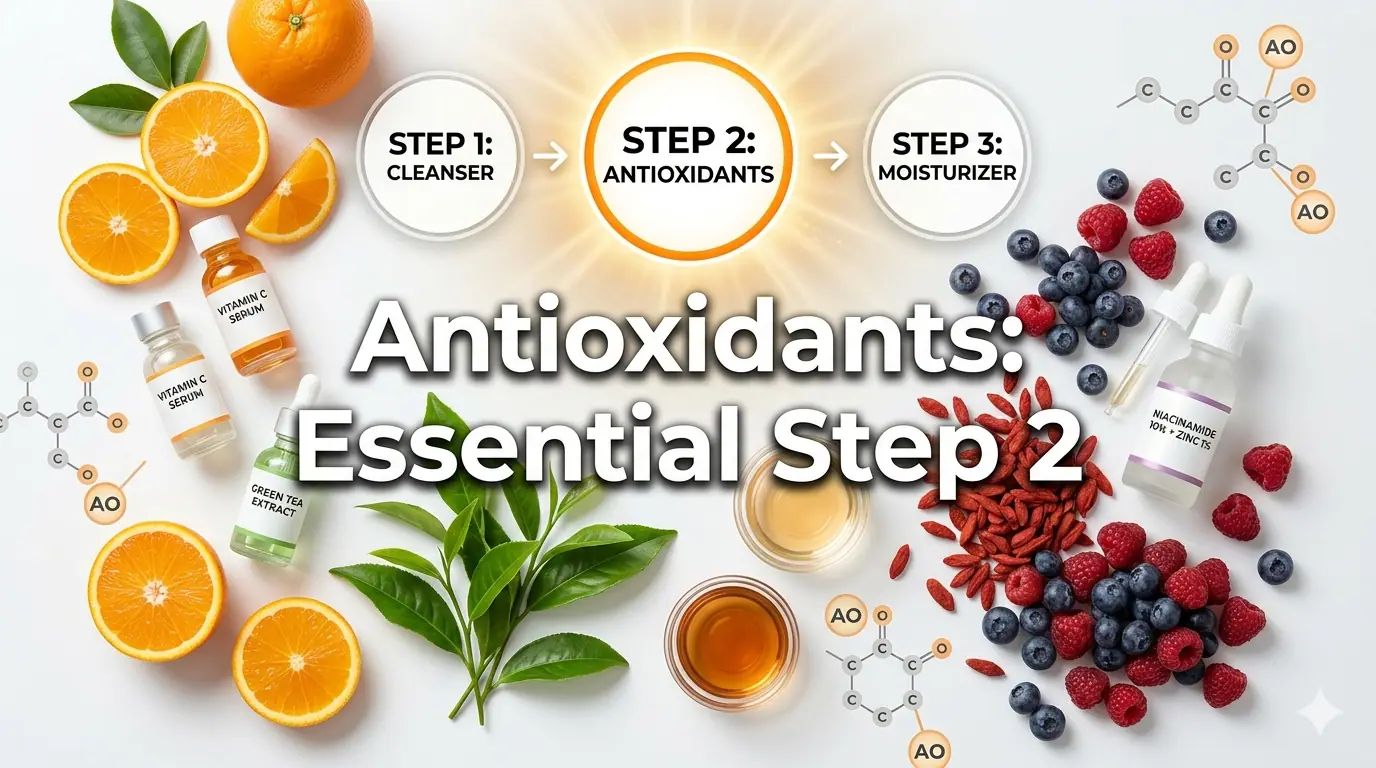
Antioxidants in Skincare: Your Essential Second Step
In the world of skincare, where trends come and go with dizzying speed, one principle remains constant: antioxidants are non-negotiable for healthy, radiant skin. Yet despite their proven benefits, many people relegate antioxidant serums to optional status or apply them at the wrong step in their routine, dramatically reducing their effectiveness. If you're serious about protecting your skin from premature aging, environmental damage, and oxidative stress, antioxidants deserve a prime position as your essential second step—applied immediately after cleansing and before any other treatment or moisturizer.
This comprehensive guide will transform your understanding of antioxidants in skincare. We'll explore the science behind how these powerful compounds neutralize free radicals, prevent collagen breakdown, and brighten complexion. You'll discover which antioxidants deliver the most dramatic results, how to layer them correctly for maximum absorption, and why applying them as step two in your routine is critical for efficacy. Whether you're battling hyperpigmentation, fine lines, dullness, or simply want to future-proof your skin against environmental aggressors, mastering antioxidant application is your most powerful weapon.
Beyond the basics of vitamin C (though we'll cover that extensively), we'll examine emerging antioxidant stars like ferulic acid, resveratrol, green tea polyphenols, and niacinamide. You'll learn how to combine antioxidants for synergistic effects, which formulations offer superior stability and penetration, and how to avoid common mistakes that render these expensive serums ineffective. By the end of this guide, you'll understand exactly why dermatologists and skincare experts universally recommend antioxidants as the cornerstone of any effective skincare routine—and how to harness their power correctly.
Why Antioxidants Belong as Step Two in Your Routine
The order in which you apply skincare products isn't arbitrary—it's based on molecular size, formulation texture, and the principle of thinnest to thickest consistency. Antioxidant serums, typically water-based and containing small, active molecules, are designed to penetrate deeply into the skin where they can neutralize free radicals at the cellular level. Applying them as your second step, immediately after cleansing, ensures maximum absorption without barriers.
When you cleanse your skin, you remove surface debris, excess oil, and environmental pollutants, creating a clean canvas. Your skin's absorption capacity is at its peak immediately after cleansing, before other products create layers that can block penetration. If you apply antioxidant serum after moisturizer or oil-based products, the larger molecules in those formulations create a barrier that prevents antioxidants from reaching their target depth in the epidermis and dermis.
Think of it this way: antioxidants are like bodyguards for your skin cells, protecting against damage from UV radiation, pollution, and metabolic processes. For them to do their job effectively, they need direct access to skin cells. Applying them second in your routine—after cleansing but before thicker treatments, moisturizers, or sunscreen—ensures they can penetrate deeply and provide comprehensive protection throughout the day or support repair overnight.
Additionally, many antioxidants work synergistically with other products applied later in your routine. Vitamin C, for example, enhances the photoprotective effects of sunscreen when applied underneath. Niacinamide strengthens the skin barrier, improving the efficacy of moisturizers applied afterward. By positioning antioxidants as step two, you create a foundation that amplifies the benefits of every subsequent product.
Understanding Free Radicals and Oxidative Stress
To appreciate why antioxidants are essential, you must first understand the threat they combat: free radicals and oxidative stress. Free radicals are unstable molecules with unpaired electrons that steal electrons from healthy skin cells, causing a chain reaction of damage. This process, called oxidative stress, is a primary driver of premature aging, inflammation, and various skin conditions.
Free radicals are generated through both internal and external factors. Internally, they're produced as byproducts of normal cellular metabolism—every time your cells convert oxygen and nutrients into energy, free radicals are created. Externally, the culprits are more numerous and damaging: UV radiation from the sun is the most significant source, but air pollution, cigarette smoke, harsh chemicals, blue light from screens, and even stress contribute to free radical formation.
When free radicals attack skin cells, they damage cellular DNA, degrade collagen and elastin fibers, trigger inflammatory responses, and disrupt the skin barrier. This manifests visibly as fine lines, wrinkles, sagging, hyperpigmentation, dullness, and increased sensitivity. Over time, cumulative oxidative stress accelerates the aging process far beyond what would occur naturally.
Antioxidants neutralize free radicals by donating electrons without becoming unstable themselves, effectively stopping the chain reaction of cellular damage. Think of antioxidants as sacrificial molecules that absorb the damage so your skin cells don't have to. However, your body's natural antioxidant defenses decline with age and can be overwhelmed by modern environmental exposures, making topical antioxidant application essential for comprehensive protection.
Research published in the Journal of Clinical and Aesthetic Dermatology demonstrates that topical antioxidants can significantly reduce markers of oxidative stress in skin, improve visible signs of aging, and enhance protection against UV-induced damage. Unlike oral antioxidants, which must be distributed throughout the entire body, topical application delivers concentrated protection directly where it's needed most.
Vitamin C: The Gold Standard Antioxidant
Vitamin C (L-ascorbic acid) remains the most researched and proven topical antioxidant in dermatology, earning its reputation as the gold standard for good reason. This water-soluble vitamin performs multiple critical functions: it neutralizes free radicals, stimulates collagen synthesis, inhibits melanin production to brighten hyperpigmentation, and enhances the effectiveness of sunscreen.
The collagen-boosting properties of vitamin C are particularly significant. Vitamin C is a necessary cofactor for the enzymes that stabilize and cross-link collagen molecules. Without adequate vitamin C, collagen synthesis is impaired, leading to weaker skin structure and accelerated aging. Topical application has been shown to increase collagen production by up to 80% in some studies, resulting in firmer, plumper skin with reduced fine lines.
For hyperpigmentation, vitamin C works by inhibiting tyrosinase, the enzyme responsible for melanin production. Regular use can fade dark spots, even skin tone, and prevent new pigmentation from forming. This makes it particularly valuable for treating melasma, post-inflammatory hyperpigmentation from acne, and sun damage.
However, not all vitamin C formulations are created equal. L-ascorbic acid is the most biologically active form but is also the most unstable, oxidizing quickly when exposed to light, air, or heat. Look for concentrations between 10-20%—lower concentrations may be ineffective, while higher concentrations increase irritation risk without additional benefits. The ideal pH for L-ascorbic acid is below 3.5, which enhances penetration but can cause sensitivity in some individuals.
Stability is crucial. Vitamin C serums should be packaged in opaque, air-tight containers (preferably dark glass bottles with pump dispensers) and stored away from light and heat. The serum should be clear or slightly yellow; if it turns dark orange or brown, it has oxidized and lost effectiveness. Some formulations include vitamin E and ferulic acid, which stabilize vitamin C and provide synergistic antioxidant benefits.
For those with sensitive skin who can't tolerate L-ascorbic acid, derivatives like sodium ascorbyl phosphate, magnesium ascorbyl phosphate, or tetrahexyldecyl ascorbate offer gentler alternatives, though they may be less potent and require conversion to active vitamin C in the skin.
Powerful Antioxidant Alternatives and Complements
While vitamin C deserves its star status, it's not the only antioxidant worthy of your skincare routine. Different antioxidants target different types of free radicals and offer unique benefits, making combination or rotation strategies highly effective.
Vitamin E (Tocopherol): This fat-soluble antioxidant works beautifully alongside vitamin C. While vitamin C is water-soluble and protects the aqueous parts of cells, vitamin E protects cell membranes (which are lipid-based). Together, they provide comprehensive protection. Vitamin E also has moisturizing properties and helps stabilize vitamin C in formulations. The combination of 15% vitamin C, 1% vitamin E, and 0.5% ferulic acid has become the gold standard formulation, shown to provide eight times the photoprotection of vitamin C alone.
Niacinamide (Vitamin B3): This multi-tasking antioxidant has gained immense popularity for good reason. Niacinamide reduces inflammation, minimizes pore appearance, regulates oil production, strengthens the skin barrier, and fades hyperpigmentation. Unlike many antioxidants, it's exceptionally stable and well-tolerated by most skin types, including sensitive and acne-prone skin. Studies show 4-5% concentrations are effective for most concerns, though higher concentrations (10%) are available for targeted treatment.
Ferulic Acid: This plant-based antioxidant is a stabilizer and amplifier. On its own, ferulic acid provides moderate antioxidant protection, but when combined with vitamins C and E, it doubles their photoprotective effects and significantly improves stability. It also has anti-inflammatory properties and can help reduce the appearance of fine lines.
Green Tea Extract (EGCG): Epigallocatechin gallate (EGCG), the primary polyphenol in green tea, is a potent antioxidant with impressive anti-inflammatory and anti-carcinogenic properties. It's particularly effective at protecting against UV damage and reducing redness. Green tea extract is gentle enough for sensitive skin and can soothe conditions like rosacea and acne. Look for formulations with at least 90% polyphenol content for maximum efficacy.
Resveratrol: Found in grape skins, red wine, and berries, resveratrol is a powerful antioxidant that activates longevity genes and protects against environmental stressors. It has anti-inflammatory, antimicrobial, and tyrosinase-inhibiting properties, making it valuable for anti-aging, acne prevention, and brightening. Resveratrol is relatively unstable, so look for stabilized formulations or combination products.
Coenzyme Q10 (Ubiquinone): This antioxidant is naturally produced by your body but declines with age. Topical CoQ10 helps energize skin cells, reduce fine lines, and protect against UV damage. It's particularly beneficial for mature skin and works well in combination with other antioxidants.
Astaxanthin: Derived from algae and responsible for the pink color in salmon and flamingos, astaxanthin is one of the most powerful natural antioxidants—up to 6,000 times stronger than vitamin C in some studies. It provides exceptional protection against UV damage and reduces inflammation, though research on topical application is still emerging.
How to Layer Multiple Antioxidants Safely
With so many beneficial antioxidants available, you might wonder if you can—or should—use multiple in your routine. The answer is yes, but strategic layering is essential to avoid irritation and maximize benefits.
The Compatibility Rule: Some antioxidants work synergistically, while others can cancel each other out or cause irritation when combined. Vitamin C, vitamin E, and ferulic acid are the classic synergistic trio. Niacinamide pairs well with most antioxidants, though older research suggested avoiding it with vitamin C—this has been largely debunked, as the problematic interaction only occurs at extremely high temperatures and incompatible pH levels not found in properly formulated products.
Morning vs. Evening Strategy: One approach is to use different antioxidants at different times. Apply vitamin C in the morning for its photoprotective benefits and UV damage prevention. Reserve antioxidants like retinol (technically not an antioxidant but often grouped with actives), peptides, or growth factors for evening when skin undergoes repair. Alternatively, use vitamin C in the morning and niacinamide or green tea extract at night.
Layering Order: When using multiple antioxidants in the same routine, apply them from thinnest to thickest consistency and from lowest to highest pH. Water-based serums go before oil-based formulations. If you're using a vitamin C serum (low pH) and a niacinamide serum (higher pH), apply vitamin C first, wait 10-15 minutes for absorption and pH normalization, then apply niacinamide.
Don't Overload: More isn't always better. Using too many active ingredients simultaneously can overwhelm your skin barrier, causing irritation, sensitivity, and paradoxically, more free radical production from inflammation. Start with one antioxidant, introduce it slowly, and only add a second once your skin has acclimated. Most people benefit from 1-2 antioxidants in their morning routine and perhaps one additional treatment at night.
Patch Testing: Always patch test new antioxidant products, especially if you plan to layer them. Apply a small amount behind your ear or on your inner arm for 3-5 days to check for adverse reactions before applying to your face.
Common Antioxidant Mistakes That Sabotage Results
Even with the best antioxidant serum, common application errors can render it ineffective or even harmful. Avoid these mistakes to ensure you're getting maximum benefit from your products.
Mistake 1: Applying to Dirty Skin
Antioxidants need clean skin to penetrate effectively. If you apply serum over makeup, sunscreen, or accumulated oil and debris, the active ingredients can't reach skin cells. Always cleanse thoroughly before applying antioxidant serum. For morning routines, a gentle cleanser or even just rinsing with water is sufficient if you cleansed thoroughly the night before.
Mistake 2: Using Oxidized Products
Vitamin C and some other antioxidants degrade when exposed to light, air, and heat. An oxidized serum won't provide benefits and may even cause free radical damage. Check your vitamin C serum regularly—if it's turned dark orange or brown, discard it. Store serums in cool, dark places (not your humid bathroom) and choose products in opaque, air-tight packaging.
Mistake 3: Skipping Sunscreen
While antioxidants provide some photoprotection, they're not a substitute for sunscreen. In fact, some antioxidants like vitamin C can increase sun sensitivity initially. Always apply broad-spectrum SPF 30 or higher as your final morning step. The combination of antioxidants plus sunscreen provides exponentially better protection than either alone.
Mistake 4: Expecting Overnight Results
Antioxidants work preventively and cumulatively. While you might notice immediate brightness from vitamin C, significant improvements in fine lines, hyperpigmentation, and skin texture take 8-12 weeks of consistent use. This is the time it takes for skin cells to turnover and for collagen synthesis to increase. Patience and consistency are essential.
Mistake 5: Using Too Much Product
A pea-sized amount (or 2-3 drops) of antioxidant serum is sufficient for your entire face and neck. Using more won't increase benefits and may cause irritation or pilling under other products. Remember, antioxidants work at the cellular level—you don't need to drench your skin.
Mistake 6: Mixing Incompatible Actives
Combining antioxidants with certain other actives can cause irritation or deactivate ingredients. Avoid using vitamin C with retinol in the same routine (use them at different times). Be cautious combining multiple exfoliating acids with antioxidants, as this can compromise your skin barrier. When in doubt, separate actives between morning and evening routines.
Choosing the Right Antioxidant for Your Skin Type
Not all antioxidants suit all skin types. Selecting formulations tailored to your specific needs maximizes benefits while minimizing irritation.
Oily/Acne-Prone Skin: Look for lightweight, water-based serums with niacinamide (regulates oil, minimizes pores), vitamin C (brightens post-acne marks), and green tea extract (anti-inflammatory, antibacterial). Avoid heavy, oil-based antioxidant formulations that could clog pores. Sodium ascorbyl phosphate (a vitamin C derivative) has antimicrobial properties particularly beneficial for acne-prone skin.
Dry/Dehydrated Skin: Choose antioxidant serums with added hydrating ingredients like hyaluronic acid, glycerin, or vitamin E. L-ascorbic acid can be drying, so consider gentler derivatives or formulations with emollient bases. Resveratrol and CoQ10 are excellent choices for mature, dry skin.
Sensitive Skin: Opt for gentle, well-tolerated antioxidants like niacinamide, green tea extract, or licorice root extract. Avoid high-concentration L-ascorbic acid, which can cause stinging and redness. Look for fragrance-free formulations and introduce products slowly, starting with 2-3 times weekly.
Mature Skin: Prioritize collagen-boosting antioxidants like vitamin C, peptides combined with antioxidants, and CoQ10. Combination formulas with multiple antioxidants provide comprehensive protection against cumulative damage. Don't neglect neck and décolletage, which show aging early.
Hyperpigmentation/Melasma: Vitamin C is your best friend, particularly L-ascorbic acid at 10-20% concentration. Combine with niacinamide and licorice root extract for enhanced brightening. Always pair with rigorous sun protection, as UV exposure worsens pigmentation.
Maximizing Antioxidant Stability and Potency
Antioxidants are notoriously unstable compounds. Proper storage and usage habits preserve their potency and extend product life.
Storage Matters: Keep antioxidant serums in a cool, dark place away from direct sunlight and heat. Your bathroom cabinet, exposed to daily temperature fluctuations from showers, isn't ideal. A bedroom drawer or refrigerator (for vitamin C particularly) works better. Some people enjoy the cooling sensation of refrigerated serum, and it definitely slows oxidation.
Air-Tight Packaging: Choose products in opaque glass bottles with pump dispensers or airless pumps. These minimize exposure to light and air, the two biggest enemies of antioxidant stability. Avoid clear bottles or jars that require dipping fingers, which introduce bacteria and oxygen.
Fresh is Best: Once opened, most antioxidant serums remain effective for 3-6 months. Mark the opening date on the bottle and discard after this period, even if product remains. Vitamin C oxidizes fastest—use within 3 months of opening for optimal results.
Application Timing: Apply antioxidant serum to slightly damp skin. This enhances penetration of water-soluble antioxidants like vitamin C. However, don't wait too long after cleansing—apply within 60 seconds while skin is still slightly moist.
Wait Before Layering: After applying antioxidant serum, wait 2-5 minutes before applying the next product. This allows absorption and prevents dilution. If using vitamin C followed by another active with different pH requirements, wait 10-15 minutes.
Frequently Asked Questions
Can I use antioxidants if I'm pregnant or breastfeeding?
Most topical antioxidants are considered safe during pregnancy and breastfeeding, including vitamin C, vitamin E, niacinamide, and green tea extract. However, always consult your obstetrician before introducing new skincare products during pregnancy. Avoid high-dose retinol or prescription-strength ingredients unless explicitly approved by your healthcare provider.
How long does it take to see results from antioxidant serums?
You may notice immediate effects like increased radiance and smoother texture within days to weeks. However, significant improvements in fine lines, hyperpigmentation, and overall skin quality typically require 8-12 weeks of consistent use. This timeline reflects the skin's natural cell turnover cycle and the time needed for collagen synthesis to increase. Consistency is far more important than concentration.
Can I mix antioxidant serum with my moisturizer?
While you can physically mix them, it's not recommended. Mixing dilutes the antioxidant concentration and may affect the pH, reducing efficacy. Additionally, you lose control over the amount of active ingredient you're applying. Apply serum to clean skin, allow it to absorb, then layer moisturizer on top for optimal results.
Do natural antioxidants work as well as synthetic ones?
"Natural" versus "synthetic" is less important than stability, concentration, and bioavailability. Synthetic L-ascorbic acid is identical to vitamin C found in oranges and is the most researched form. Some plant extracts offer unique antioxidant compounds not available in synthetic forms. Focus on clinically-proven ingredients in stable, well-formulated products rather than marketing claims about natural versus synthetic.
Should I use antioxidants morning, night, or both?
Morning application is essential for protection against daytime environmental damage, particularly when combined with sunscreen. Evening application supports skin's natural repair processes. If using one antioxidant, prioritize morning. If using two, apply vitamin C in the morning and a different antioxidant like niacinamide or peptides at night. Avoid overloading your skin with too many actives simultaneously.
Can antioxidants replace sunscreen?
Absolutely not. While antioxidants provide some photoprotection by neutralizing free radicals generated by UV exposure, they don't absorb or reflect UV rays like sunscreen does. Think of antioxidants as your internal defense system and sunscreen as your external shield. You need both for comprehensive protection. Always apply broad-spectrum SPF 30 or higher as your final morning step.
Conclusion: Make Antioxidants Your Non-Negotiable Step Two
Antioxidants aren't just another trendy skincare ingredient—they're essential tools for protecting, repairing, and optimizing your skin's health. By positioning them as your essential second step, applied immediately after cleansing and before other treatments, you ensure maximum penetration and efficacy. This simple positioning decision can dramatically amplify the results you see from your entire skincare routine.
The science is clear: antioxidants neutralize free radicals, prevent collagen breakdown, brighten hyperpigmentation, and protect against environmental damage. Vitamin C remains the gold standard, but niacinamide, green tea extract, resveratrol, and other antioxidants offer unique benefits that can complement or substitute based on your skin's needs. The key is consistency, proper application, and realistic expectations.
Remember, antioxidants work preventively. They're an investment in your skin's future health, not just a quick fix for current concerns. Starting an antioxidant routine in your twenties provides cumulative protection that pays dividends for decades. But it's never too late to begin—skin at any age benefits from reduced oxidative stress and enhanced cellular repair.
Choose formulations suited to your skin type, store them properly to maintain potency, and pair them with daily sunscreen for comprehensive protection. Be patient, be consistent, and trust the process. Your future skin will thank you for making antioxidants your non-negotiable step two.
The best antioxidant is the one you'll use consistently. Start with a well-formulated vitamin C serum if you're new to antioxidants, or choose niacinamide if you have sensitive skin. Master the application technique, observe how your skin responds, and build from there. With time and consistency, you'll see the transformative power of these remarkable compounds—and wonder how you ever skipped this essential step.