
Corporate Athlete: Fitness Mastery for 9-to-5 Professionals
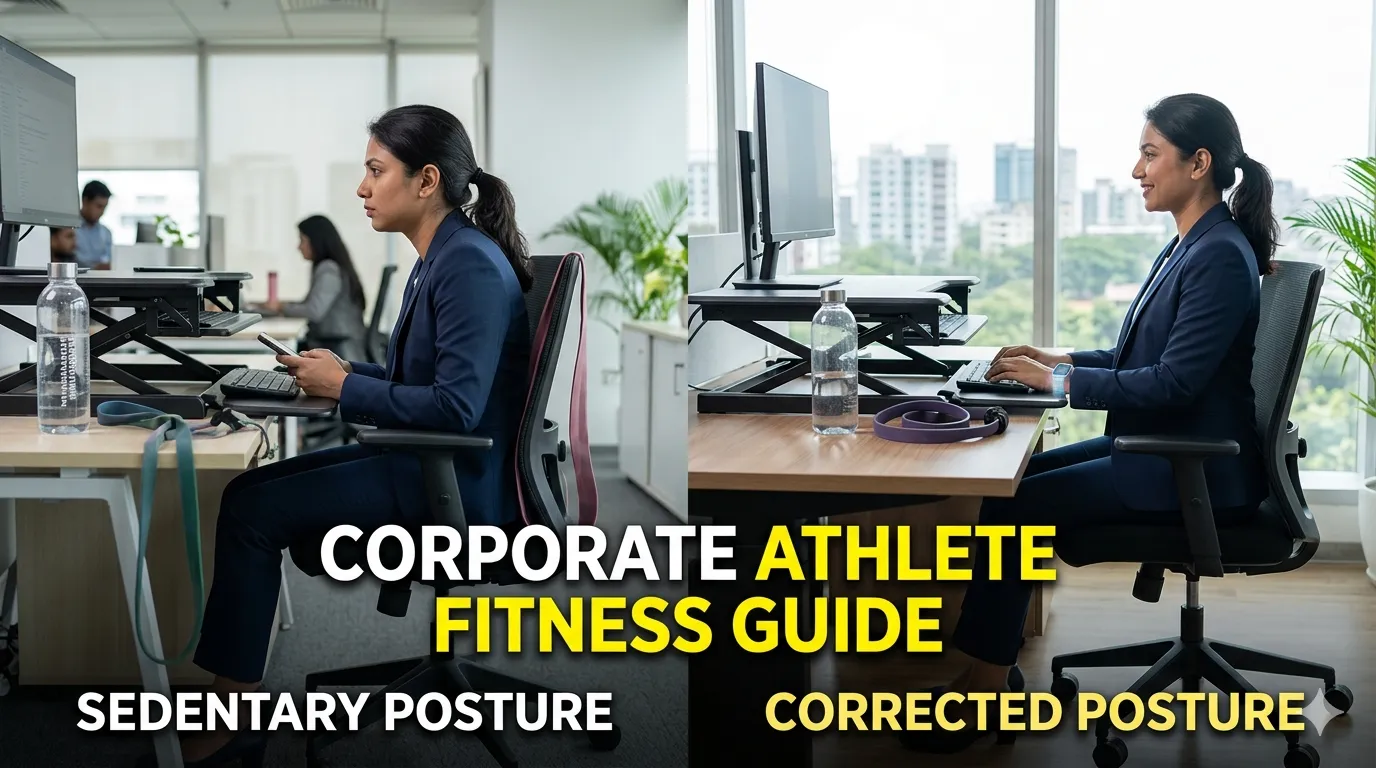
Picture this: You've just finished back-to-back video calls, your lower back aches from hours in the same chair, your shoulders feel tight from hunching over a keyboard, and the thought of dragging yourself to the gym after a mentally draining day feels impossible. If this resonates, you're not lazy—you're navigating one of modern life's most common challenges: maintaining fitness while working a demanding 9-to-5 desk job.
The rise of remote work, hybrid schedules, and screen-dominated careers has created a new category of professional: the corporate athlete. This isn't about becoming a CrossFit competitor or training for a marathon (unless that's your goal). It's about recognizing that your body is your most valuable professional asset—and that strategic, sustainable fitness practices can enhance your energy, focus, resilience, and career longevity just as much as any skill certification or networking event.
The good news? You don't need two-hour gym sessions, expensive equipment, or superhuman willpower to thrive as a corporate athlete. What you need is a framework that fits your reality: short, targeted movements that counteract sitting; micro-habits that compound into major health gains; and mindset shifts that reframe fitness as professional development, not another item on your to-do list.
This comprehensive guide delivers a practical, evidence-based protocol for mastering fitness while working a 9-to-5 desk job. You'll learn why desk work uniquely challenges your body, discover time-efficient strategies that fit into a packed schedule, build a personalized movement routine that prevents pain and boosts performance, and understand how to sustain these practices long-term without burnout. Whether you're in a corporate office, working from home, or navigating a hybrid schedule, you'll find actionable solutions to feel stronger, more energized, and more resilient—without sacrificing your career ambitions.
Why Desk Jobs Challenge Your Body (And Why It Matters for Your Career)
Before building solutions, it's essential to understand the problem. Sitting isn't just "inactive"—it actively reshapes your body in ways that impact both health and professional performance.
The Physiology of Prolonged Sitting
Muscular Imbalances:
- Tight hip flexors: Sitting shortens hip flexors, pulling pelvis forward and straining lower back
- Weak glutes: "Gluteal amnesia" occurs when sitting deactivates posterior chain muscles
- Rounded shoulders: Forward head posture from screen use tightens chest, weakens upper back
- Core disengagement: Sitting reduces activation of deep stabilizing muscles
Metabolic Impact:
- Enzymes that break down fat decrease by up to 90% after prolonged sitting [[18]]
- Insulin sensitivity drops, increasing risk of energy crashes and long-term metabolic issues
- Calorie burn decreases by ~1 calorie/minute compared to standing or light movement
Circulatory and Cognitive Effects:
- Reduced blood flow to brain can impair focus, creativity, and decision-making
- Pooling of blood in legs increases fatigue and risk of varicose veins
- Shallow breathing from slouched posture reduces oxygen delivery to tissues
The Professional Cost of Physical Neglect
Physical discomfort isn't just a personal issue—it directly impacts work performance:
| Physical Issue | Professional Impact | Long-Term Risk |
|---|---|---|
| Lower back pain | Reduced focus, increased sick days, difficulty concentrating in meetings | Chronic pain, reduced mobility, early career limitation |
| Neck/shoulder tension | Headaches, reduced screen tolerance, irritability in collaborations | Tension headaches, reduced range of motion, sleep disruption |
| Low energy/fatigue | Afternoon productivity crashes, reduced creativity, missed opportunities | Burnout, reduced career advancement, health complications |
| Poor posture | Less confident presence in video calls, reduced vocal projection | Structural changes, chronic pain, accelerated aging appearance |
Key Insight: Investing in your physical resilience isn't "self-care" in the indulgent sense—it's strategic career maintenance. The corporate athlete understands that energy management is as critical as time management.
The Corporate Athlete Mindset: Reframing Fitness for Busy Professionals
Traditional fitness advice often fails desk workers because it assumes time, energy, and motivation that simply don't exist after a demanding workday. The corporate athlete approach flips the script.
Core Principles of Corporate Athlete Thinking
Principle #1: Movement Is Medicine, Not Punishment
- Shift from "I have to work out" to "I get to move my body to feel better"
- Focus on how movement makes you feel (energized, clear, strong) rather than calories burned
- View short movement breaks as productivity tools, not distractions
Principle #2: Consistency Over Intensity
- Five minutes of daily movement beats one heroic weekly workout
- Small, sustainable habits compound into major health gains over months and years
- Perfection isn't the goal—progress is
Principle #3: Integrate, Don't Add
- Embed movement into existing routines rather than creating new time blocks
- Pair movement with work tasks (e.g., walking meetings, desk stretches between calls)
- Make fitness invisible—so seamless it becomes automatic
Principle #4: Prevention Over Correction
- Address postural imbalances before they become painful injuries
- Invest 10 minutes daily in prevention rather than 60 minutes weekly in rehabilitation
- Think of movement as professional insurance for your body
Setting Realistic Expectations
What Success Looks Like for Corporate Athletes:
- Reduced end-of-day fatigue and tension
- Improved focus and mental clarity during work hours
- Greater resilience to stress and workload fluctuations
- Consistent energy levels throughout the day
- Prevention of chronic pain that could limit career options
What Success Doesn't Require:
- Two-hour gym sessions
- Perfect adherence to a rigid plan
- Expensive equipment or memberships
- Dramatic physical transformation
Phase 1: Foundation—Creating Your Movement-Ready Workspace
Your environment shapes your behavior. Optimize your workspace to make movement effortless and sitting less damaging.
Ergonomic Essentials for Desk Workers
Chair Setup:
- Feet flat: Adjust chair height so feet rest flat on floor or footrest
- Knees at 90°: Thighs parallel to floor; use footrest if needed
- Lower back support: Use lumbar roll or small pillow to maintain natural spine curve
- Armrests: Adjust so elbows rest at 90-110° with shoulders relaxed
Monitor and Keyboard Position:
- Screen height: Top of monitor at or slightly below eye level to avoid neck strain
- Distance: Arm's length away (20-30 inches) to reduce eye strain
- Keyboard/mouse: Close enough to keep elbows near body; wrists straight, not bent
- Document holder: Place reference materials at screen height to avoid repetitive neck turning
Standing Desk Strategy (If Available):
- Alternate positions: Start with 20 minutes standing, 40 minutes sitting; gradually increase standing time
- Proper standing posture: Weight evenly distributed, knees soft, core gently engaged
- Anti-fatigue mat: Reduces leg fatigue during standing periods
- Don't overdo it: Standing all day creates different issues; balance is key
Micro-Equipment for Desk Movement
Essential Items (Under $50 Total):
| Item | Purpose | How to Use |
|---|---|---|
| Resistance bands | Activate glutes, strengthen upper back, improve posture | Loop around thighs for glute bridges; anchor to door for rows |
| Lacrosse/tennis ball | Release tension in feet, glutes, upper back | Roll under foot while seated; place between shoulder blades against wall |
| Small foam roller | Release tight hip flexors, thoracic spine mobility | Use for 2-3 minutes during lunch break or post-work |
| Timer/app | Remind you to move regularly | Set hourly reminders for posture checks or micro-movements |
Optional Upgrades:
- Under-desk elliptical: Allows leg movement while working; improves circulation
- Balance board: Engages core and improves stability during standing work
- Posture corrector wearable: Gentle vibration reminders to sit/stand tall
The "Movement-Friendly" Desk Setup Checklist
Before starting your workday, ensure your space supports movement:
- Clear floor space around chair for standing stretches or mini-squats
- Keep resistance bands and ball within easy reach (not buried in a drawer)
- Position water bottle where you see it—hydration supports movement recovery
- Place a sticky note on monitor with your top 1-2 movement reminders
- Ensure phone is accessible for quick walking meetings or stretch breaks
Phase 2: The Micro-Workout Protocol—Movement That Fits Your Schedule
The corporate athlete doesn't find time for fitness—they weave it into the fabric of their workday. These micro-workouts require 1-5 minutes and deliver outsized benefits.
The Hourly Reset: 60 Seconds to Counteract Sitting
Perform every 60 minutes (set a gentle timer):
- Seated Cat-Cow (20 seconds):
- Sit tall, hands on knees
- Inhale: Arch back, open chest, look slightly up (Cow)
- Exhale: Round spine, tuck chin, draw belly in (Cat)
- Repeat 4-5 cycles to mobilize spine and reset posture
- Glute Squeezes (20 seconds):
- Sit tall with feet flat
- Squeeze glutes firmly for 3 seconds, release
- Repeat 6-8 times to reactivate dormant muscles
- Progress: Add resistance band above knees for added challenge
- Chin Tucks (20 seconds):
- Sit tall, gaze forward
- Gently draw chin straight back (like making a "double chin")
- Hold 2 seconds, release; repeat 8-10 times
- Counters forward head posture from screen use
Why This Works: These three movements target the most common desk-job imbalances: spinal stiffness, gluteal inhibition, and forward head posture. Doing them hourly prevents cumulative strain.
The Meeting Multiplier: Turn Calls into Movement Opportunities
For Audio-Only Calls:
- Walk and talk: Pace around your home/office during the call
- Standing calls: Stand for the duration; shift weight, do calf raises
- Desk exercises: Perform seated leg lifts, shoulder rolls, or torso twists while listening
For Video Calls:
- Posture focus: Use the call as a reminder to sit tall; engage core gently
- Isometric holds: Press palms together at chest level; squeeze for 10 seconds, release
- Breathing practice: Use call transitions to practice diaphragmatic breathing (calms nervous system)
Pro Tip: Keep a small resistance band looped around your chair legs for discreet glute activation during long calls.
The Lunch Break Revival: 10 Minutes to Reset
Option A: Desk-Based Circuit (No Equipment)
Perform 2 rounds with minimal rest:
1. Chair Squats: 10 reps (stand up/sit down with control)
2. Desk Push-Ups: 10 reps (hands on desk edge, body at angle)
3. Seated Torso Twists: 10/side (gentle rotation to mobilize spine)
4. Calf Raises: 15 reps (hold desk for balance if needed)
5. Deep Breathing: 5 cycles (4-second inhale, 6-second exhale)
Option B: Walking Meeting or Solo Walk
- Walk at a brisk pace for 10 minutes (even indoors or around building)
- Focus on posture: shoulders back, core engaged, arms swinging naturally
- Use this time for mental processing—solve a work problem or brainstorm ideas
Option C: Mobility Flow (If Space Allows)
5-minute sequence:
1. Hip Circles: 10/side (standing, hands on hips)
2. Thoracic Rotations: 8/side (seated or standing, arms crossed over chest)
3. Standing Side Bends: 8/side (reach arm overhead, gentle lean)
4. Ankle Circles: 10/side (lift one foot, rotate ankle)
5. Shoulder Rolls: 10 forward/backward (release tension from typing)
The End-of-Day Transition: 5 Minutes to Shift Gears
Create a ritual that signals the end of work and prepares your body for evening:
- Standing Forward Fold (30 seconds):
- Stand with feet hip-width, hinge at hips, let upper body hang
- Keep knees soft; gently sway side-to-side
- Releases tension in spine, hamstrings, and nervous system
- Chest Opener Stretch (30 seconds):
- Clasp hands behind back, gently lift arms while opening chest
- Look slightly up; feel stretch across chest and front shoulders
- Counters hours of forward-leaning posture
- Glute Bridges (1 minute):
- Lie on floor (or firm surface), knees bent, feet flat
- Lift hips toward ceiling, squeeze glutes at top
- Lower with control; repeat 10-12 times
- Reactivates posterior chain after sitting
- Diaphragmatic Breathing (2 minutes):
- Lie on back or sit comfortably; one hand on chest, one on belly
- Inhale deeply through nose, feeling belly rise (chest stays still)
- Exhale slowly through mouth; repeat for 10-12 cycles
- Shifts nervous system from stress (sympathetic) to recovery (parasympathetic)
Why This Matters: This transition ritual helps your body shift from "work mode" to "recovery mode," improving sleep quality and reducing next-day stiffness.
Phase 3: Strategic Strength—Building Resilience Without the Gym
While micro-movements prevent decline, targeted strength work builds resilience. These protocols require minimal time and equipment but deliver maximum impact for desk workers.
The "Big Three" for Desk Workers
Focus on these three movement patterns that counteract sitting's most damaging effects:
1. Hip Hinge Pattern (Posterior Chain Activation)
- Why: Counters tight hip flexors and weak glutes from sitting
- Beginner: Bodyweight Romanian Deadlift (RDL)
- Stand tall, slight knee bend
- Hinge at hips, pushing butt back while keeping chest up
- Lower until you feel hamstring stretch (not lower back strain)
- Drive through heels to return to standing; squeeze glutes at top
- 3 sets of 10 reps, 2-3x weekly
- Progression: Add resistance band around thighs or hold light dumbbells
2. Horizontal Pull Pattern (Upper Back Strength)
- Why: Counters rounded shoulders and weak upper back from typing
- Beginner: Band Rows
- Anchor resistance band at chest height (door anchor or sturdy object)
- Hold handles, step back to create tension
- Pull elbows back, squeezing shoulder blades together
- Control return; avoid shrugging shoulders
- 3 sets of 12 reps, 2-3x weekly
- Progression: Single-arm rows for core engagement; increase band resistance
3. Core Anti-Extension Pattern (Spinal Stability)
- Why: Builds deep core stability to support spine during sitting and movement
- Beginner: Dead Bug
- Lie on back, arms toward ceiling, knees bent 90° (tabletop position)
- Press lower back gently into floor; engage core
- Slowly extend opposite arm/leg while maintaining core engagement
- Return with control; alternate sides
- 3 sets of 8/side, 2-3x weekly
- Progression: Add light ankle weights or slow the tempo
The 15-Minute Corporate Athlete Strength Session
Perform 2-3x weekly (can be done at home or office with minimal equipment):
Warm-up (2 minutes):
- Arm circles: 30 seconds forward/backward
- Torso twists: 30 seconds
- Leg swings: 30 seconds/side

Circuit (10 minutes, 2 rounds):
1. Goblet Squat (or Chair Squat): 10 reps
   - Hold light weight at chest or use bodyweight
   - Focus on depth and control, not speed

2. Band Pull-Aparts: 15 reps
   - Hold band with arms straight at shoulder height
   - Pull band apart by squeezing shoulder blades
   - Control return; keep shoulders down

3. Plank (or Incline Plank): 20-30 seconds
   - Forearms on floor or hands on desk edge
   - Keep body in straight line; engage core

4. Glute Bridge: 12 reps
   - Lie on back, knees bent, feet flat
   - Lift hips, squeeze glutes at top
   - Lower with control

5. Bird-Dog: 8/side
   - On hands and knees (or seated modification)
   - Extend opposite arm/leg while keeping hips level
   - Focus on stability, not range of motion

Cool-down (3 minutes):
- Child's pose: 1 minute
- Seated forward fold: 1 minute
- Deep breathing: 1 minute
Equipment Alternatives:
- No bands? Use water bottles as light weights; fill backpack with books for resistance
- No floor space? Perform seated or standing modifications of each exercise
- Short on time? Do just one round; consistency matters more than volume
Progressive Overload for Busy Professionals
To continue seeing benefits, gradually increase challenge:
- Weeks 1-2: Master form with bodyweight; focus on mind-muscle connection
- Weeks 3-4: Add 1-2 reps per exercise or slow the tempo
- Weeks 5-6: Add light resistance (bands, water bottles) or reduce rest time
- Weeks 7+: Increase complexity (single-leg variations, unstable surfaces)
Key Principle: Small, consistent progress beats occasional heroic efforts. Track your workouts simply (notes app or journal) to stay motivated.
Phase 4: Nutrition and Recovery—Fueling the Corporate Athlete
Movement is only one pillar. Strategic nutrition and recovery practices amplify your fitness investments and sustain energy throughout demanding workdays.
Desk-Friendly Nutrition Strategies
Hydration Protocol:
- Start strong: Drink 16oz water upon waking to rehydrate after sleep
- Desk setup: Keep a large water bottle visible; aim to finish by lunch, refill for afternoon
- Smart cues: Drink a few sips after sending an email or finishing a task
- Limit dehydrators: Balance coffee/tea with equal water; limit sugary drinks that cause energy crashes
Energy-Sustaining Meals:
| Meal Timing | Corporate Athlete Strategy | Quick Examples |
|---|---|---|
| Breakfast | Protein + fiber to stabilize morning energy | Greek yogurt + berries + nuts; eggs + avocado + whole grain toast |
| Lunch | Balanced macros to prevent afternoon crash | Grilled chicken salad with olive oil dressing; lentil soup + side salad |
| Afternoon Snack | Protein + healthy fat to bridge to dinner | Apple + almond butter; cottage cheese + cucumber slices |
| Dinner | Recovery-focused: protein + colorful veggies | Salmon + roasted vegetables + quinoa; stir-fry with tofu + broccoli |
Desk Snack Prep:
- Pre-portion snacks on Sunday: nuts, cut veggies, hard-boiled eggs
- Keep non-perishable options at desk: protein bars, single-serve nut packs, dried fruit
- Avoid keeping tempting, low-nutrient snacks within easy reach
Recovery Practices for High-Performing Professionals
Sleep Optimization:
- Consistent schedule: Aim for same bedtime/wake time even on weekends
- Wind-down ritual: 30 minutes screen-free before bed (read, stretch, meditate)
- Environment: Cool, dark, quiet room; consider white noise if needed
- Limit late caffeine: Stop caffeine 6-8 hours before bedtime
Stress Management Integration:
- Box breathing: 4-second inhale, 4-second hold, 4-second exhale, 4-second hold (2-3 minutes between meetings)
- Micro-meditations: Use apps like Calm or Headspace for 5-minute sessions during lunch
- Nature breaks: Step outside for 5 minutes of fresh air and natural light
Active Recovery:
- Evening walks: 15-20 minute walk after dinner aids digestion and mental decompression
- Gentle mobility: 5-10 minutes of stretching before bed improves sleep quality
- Rest days: Schedule 1-2 days weekly with no structured exercise; focus on walking and mobility
Troubleshooting Common Corporate Athlete Challenges
Even with the best plan, obstacles arise. Here's how to navigate them.
Challenge: "I Don't Have Time"
Reframe: You don't need more time—you need better integration.
Solutions:
- Stack habits: Do calf raises while brushing teeth; squats while waiting for coffee
- Micro-dose movement: 60 seconds hourly adds up to 8+ minutes of movement daily
- Protect one priority: Choose one non-negotiable (e.g., hourly posture reset) and master it before adding more
Challenge: "I'm Too Tired After Work"
Reframe: Movement creates energy; it doesn't just consume it.
Solutions:
- Move earlier: Do your 15-minute strength session before work or at lunch
- Start tiny: Commit to just 2 minutes of movement; often you'll continue once started
- Focus on recovery: Gentle stretching or walking can be more energizing than pushing through fatigue
Challenge: "I Travel Frequently for Work"
Reframe: Travel is an opportunity to practice adaptability, not an excuse to skip.
Solutions:
- Hotel room circuit: Bodyweight squats, push-ups on desk, planks, glute bridges
- Portable equipment: Pack a resistance band and lacrosse ball in your carry-on
- Walking meetings: Suggest walking 1:1s instead of sitting in hotel lobby
- Airport movement: Walk the terminal, do calf raises while waiting, stretch in gate area
Challenge: "I Don't See Results"
Reframe: Progress isn't always visible; focus on functional improvements.
Solutions:
- Track non-scale victories: Less afternoon fatigue, easier stair climbing, improved posture in photos
- Be patient: Physiological changes take 4-8 weeks of consistency to manifest
- Adjust, don't abandon: If a strategy isn't working after 3-4 weeks, modify it—don't quit
Building Your Personalized Corporate Athlete Plan
Use this framework to create a sustainable routine that fits your unique schedule and goals.
Step 1: Audit Your Current Day
For one typical workday, note:
- When you sit for longest stretches
- Natural transition points (between meetings, lunch, end of day)
- Energy patterns (when you feel most/least energetic)
- Current movement habits (even small ones)
Step 2: Choose Your "Non-Negotiables"
Select 1-3 micro-habits to commit to daily:
- Example: "I will do the Hourly Reset (60 seconds) every work hour"
- Example: "I will take a 10-minute walk during lunch 3x weekly"
- Example: "I will perform the End-of-Day Transition ritual before closing my laptop"
Criteria for Selection:
- Takes ≤5 minutes
- Can be done in your work environment
- Addresses your biggest physical concern (e.g., back pain, low energy)
- Feels achievable, not overwhelming
Step 3: Schedule and Cue Your Habits
Implementation Strategy:
- Time-based cues: "After my 10 AM meeting, I will do the Hourly Reset"
- Location-based cues: "When I sit at my desk, I will place my resistance band on the chair"
- App reminders: Use phone/calendar alerts for movement breaks
- Visual cues: Sticky notes on monitor with your top movement reminder
Step 4: Track and Iterate
Simple Tracking:
- Use a habit tracker app or simple checklist
- Focus on consistency, not perfection (aim for 80% adherence)
- Note how you feel after movement (energy, mood, pain levels)
Monthly Review:
- What's working well? Keep it.
- What feels like a struggle? Simplify or adjust.
- What new challenge has emerged? Add one small strategy to address it.
Frequently Asked Questions
How much exercise do I really need as a desk worker?
Focus on two types of movement: - Daily micro-movement: 1-2 minutes hourly to counteract sitting (non-negotiable) - Weekly strength: 2-3 sessions of 15-20 minutes targeting key patterns (hip hinge, pull, core) This approach is more sustainable and effective for desk workers than trying to "make up" for sitting with occasional long workouts. Consistency with small doses beats heroic but infrequent efforts.
Can I really get fit without going to a gym?
Absolutely. The corporate athlete approach proves that: - Bodyweight exercises build functional strength - Resistance bands provide versatile, portable resistance - Consistency with minimal equipment yields better results than sporadic gym visits - The best workout is the one you'll actually do consistently Focus on movement quality and consistency, not equipment or location.
How do I stay motivated when work gets busy?
Motivation follows action, not the reverse: - Start tiny: Commit to just 60 seconds of movement; momentum often builds from there - Link to values: Connect movement to what matters most (being present for family, performing well at work) - Focus on immediate rewards: Notice how you feel after moving (clearer mind, less tension) - Have a "minimum viable workout": On chaotic days, do just your Hourly Reset—something is always better than nothing Remember: You're building a lifelong practice, not training for a one-time event.
What if I have existing pain or injuries?
Safety first: - Consult a professional: Physical therapist or sports medicine doctor can provide personalized guidance - Start gently: Focus on mobility and activation before strength - Listen to your body: Discomfort from new movement is normal; sharp pain is not - Modify freely: Every exercise can be adapted; find what works for your body Many desk-related issues (tech neck, lower back pain) improve significantly with the targeted movements in this guide—but professional guidance ensures you're moving safely.
How do I balance fitness with demanding work deadlines?
Reframe fitness as performance enhancement, not competition with work: - Strategic timing: Schedule movement during natural breaks (between meetings, before lunch) - Energy management: Short movement breaks often boost focus and productivity - Communicate boundaries: "I take a 5-minute walk at 3 PM to stay focused" sets clear expectations - Start small: One consistent micro-habit is more valuable than an ambitious plan you can't sustain Your best work comes from a well-cared-for body. Investing in movement is investing in your professional output.
Conclusion: Your Body Is Your Professional Advantage
Thriving as a corporate athlete isn't about adding more to your plate—it's about working smarter with the time and energy you have. By integrating strategic movement into your workday, optimizing your environment, and adopting a mindset that values physical resilience as professional development, you create a sustainable foundation for long-term success.
The corporate athlete understands that energy is the ultimate currency. When you feel strong, clear, and resilient, you show up more fully for your work, your team, and your life. That's not just fitness—that's career strategy.
Key takeaways for mastering fitness with a desk job:
- Start with posture: Hourly micro-resets prevent cumulative strain more effectively than occasional intense workouts
- Integrate, don't add: Weave movement into existing routines for sustainability
- Focus on function: Target the specific imbalances created by sitting (hip flexors, glutes, upper back)
- Consistency compounds: Five minutes daily beats 60 minutes weekly for long-term results
- Recovery is part of the plan: Sleep, nutrition, and stress management amplify your movement investments
- Progress over perfection: Celebrate small wins; adjust strategies that aren't serving you
- Your body is your asset: Investing in physical resilience is investing in your professional future
You don't need to choose between career success and physical wellbeing. The corporate athlete proves they're not just compatible—they're synergistic.
Start today. Choose one micro-habit from this guide to implement this week: perhaps the Hourly Reset, a walking meeting, or simply setting up your ergonomic workspace. Small, intentional actions compound into transformative change over time.
Your strongest, most resilient professional self is waiting. Move toward it—one mindful minute at a time.
Welcome to your corporate athlete journey. Your body—and your career—will thank you.