

Cryotherapy Skincare: Cold Therapy for Skin Barrier
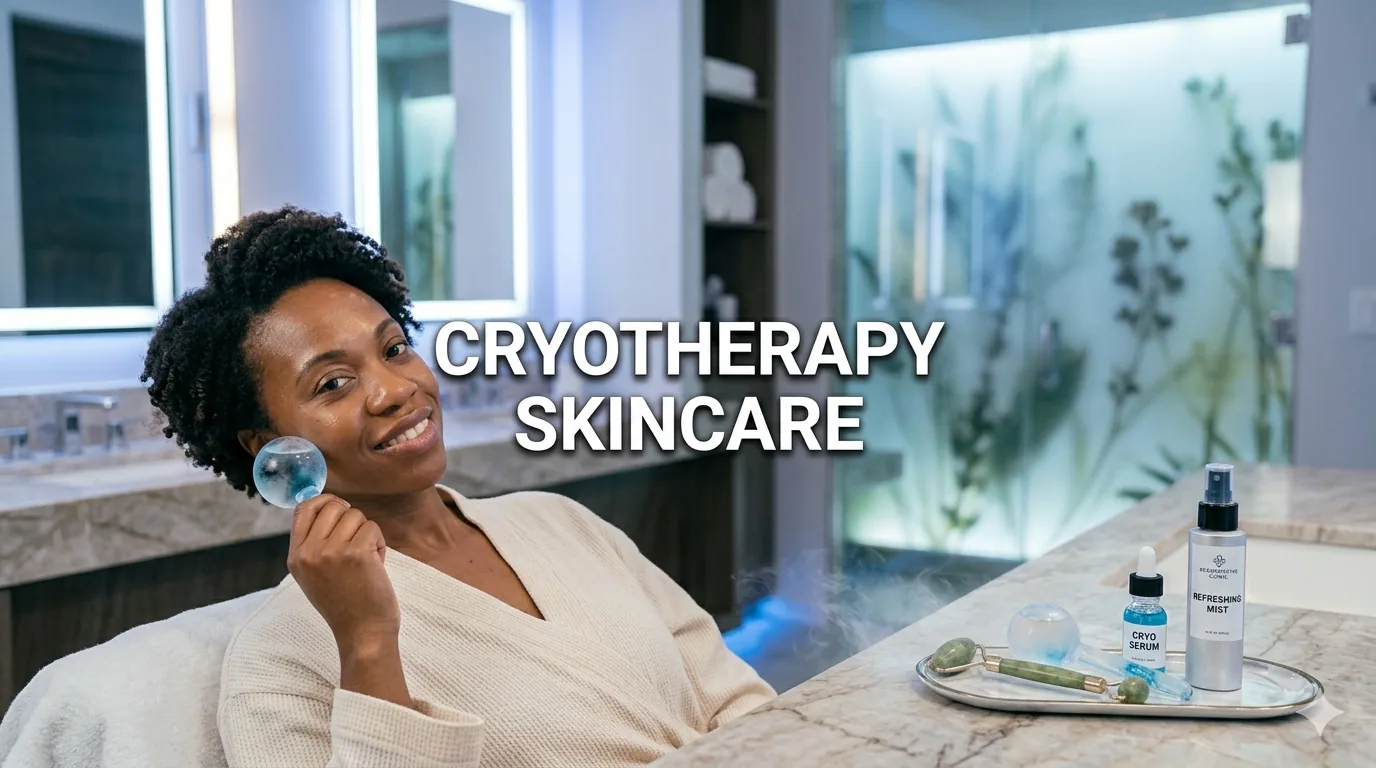
THE CRYOTHERAPY PROTOCOL BIO-HACKING YOUR SKIN BARRIER WITH
When it comes to strengthening your skin's protective barrier, sometimes the coolest solution is literally cold. Cryotherapy skincare—the intentional use of cold temperatures to support skin health—is gaining momentum as a gentle, effective way to calm inflammation, reduce redness, and reinforce the skin barrier without harsh actives or downtime.
Your skin barrier, the outermost layer of your epidermis, acts as a shield against environmental stressors, moisture loss, and irritants. When compromised, it leads to dryness, sensitivity, breakouts, and premature aging. Cryotherapy works by triggering vasoconstriction (narrowing blood vessels) followed by vasodilation (widening them), which boosts circulation, reduces swelling, and signals skin cells to repair and strengthen.
In this comprehensive, dermatologist-informed guide, we'll explore the science behind cryotherapy skincare, explain exactly how cold therapy supports barrier function, share practical at-home methods and professional treatments, and provide expert tips for maximizing results. Whether you're dealing with sensitivity, redness, or simply want to elevate your routine, you'll learn how to harness the power of cold for healthier, more resilient skin.
What Is Cryotherapy Skincare and How Does It Work?
Short answer: Cryotherapy skincare uses controlled cold exposure—via ice, chilled tools, or professional devices—to reduce inflammation, tighten pores, boost circulation, and signal skin cells to repair and strengthen the protective barrier.
Cryotherapy isn't new; it's been used in medicine for decades to reduce pain and swelling. In aesthetics, localized cold therapy targets the face and body to deliver specific skin benefits without freezing or damaging tissue.
Here's the physiological sequence when cold meets skin:
- Immediate vasoconstriction: Blood vessels narrow, reducing redness, puffiness, and inflammation within minutes.
- Reduced metabolic activity: Cold temporarily slows cellular processes, calming irritated or overactive skin (ideal for rosacea or post-procedure care).
- Rebound vasodilation: After cold exposure ends, blood flow increases, delivering oxygen and nutrients that support healing and radiance.
- Barrier signaling: Cold exposure triggers production of protective proteins and lipids that reinforce the stratum corneum (outer barrier layer).
- Pore refinement: Temporary tightening of pores creates a smoother appearance and reduces sebum oxidation that leads to blackheads.
Unlike aggressive treatments that strip or exfoliate, cryotherapy works with your skin's natural biology—making it ideal for sensitive, reactive, or compromised barriers.
The Science: How Cold Therapy Strengthens the Skin Barrier
Short answer: Cold therapy supports barrier function by reducing inflammatory cytokines, enhancing lipid production, improving hydration retention, and stimulating cellular repair pathways that rebuild the skin's protective outer layer.
Research in dermatology reveals several mechanisms behind cryotherapy's barrier-supporting effects:
Reducing Inflammation and Oxidative Stress
Chronic inflammation weakens the skin barrier by breaking down lipids and proteins that hold skin cells together. Cold therapy:
- Decreases production of pro-inflammatory cytokines (like IL-1α and TNF-α)
- Reduces oxidative stress by lowering free radical activity
- Calms nerve endings that trigger itching and irritation
This creates a calmer environment where barrier repair can occur without interference.
Supporting Lipid Barrier Production
The skin barrier relies on a "mortar" of ceramides, cholesterol, and fatty acids to keep moisture in and irritants out. Cold exposure:
- Signals keratinocytes (skin cells) to produce more barrier lipids
- Enhances activity of enzymes involved in ceramide synthesis
- Reduces transepidermal water loss (TEWL) by improving barrier integrity
Over time, this leads to skin that feels more resilient and hydrated.
Improving Microcirculation and Nutrient Delivery
The vasoconstriction-vasodilation cycle acts like a "pump" for skin health:
- Initial cold reduces swelling and flushes inflammatory byproducts
- Subsequent warming brings fresh blood rich in oxygen, vitamins, and growth factors
- Enhanced circulation supports cellular turnover and collagen maintenance
Better circulation means skin cells receive what they need to function optimally.
Modulating Sensory Nerves for Less Reactivity
Sensitive skin often involves overactive nerve endings that overreact to triggers. Cold therapy:
- Temporarily desensitizes TRPV1 receptors (involved in heat/pain signaling)
- Reduces neurogenic inflammation (redness triggered by nerves)
- Creates a calming effect that lasts beyond the treatment itself
This is why many with rosacea or reactive skin find cryotherapy soothing.
Key Benefits of Cryotherapy for Skin Health
Short answer: Cryotherapy skincare reduces redness and puffiness, strengthens the moisture barrier, minimizes pores, calms sensitivity, enhances product absorption, and supports post-procedure healing—all with minimal risk or downtime.
For Sensitive and Reactive Skin
- Calms redness: Immediate vasoconstriction reduces visible flushing and irritation
- Reduces stinging: Cold numbs nerve endings, providing relief from burning or itching
- Minimizes reactions: Creates a protective buffer before applying potentially irritating actives
For Barrier Repair and Hydration
- Locks in moisture: Cold helps seal hydration by temporarily tightening the skin surface
- Supports lipid production: Signals skin to rebuild its natural protective barrier
- Reduces TEWL: Less water loss means plumper, more resilient skin
For Texture and Tone
- Refines pores: Temporary tightening creates a smoother appearance
- Reduces puffiness: Especially effective for morning under-eye swelling
- Enhances radiance: Improved circulation delivers a healthy, lit-from-within glow
For Post-Procedure Recovery
- Soothes after treatments: Calms skin post-laser, peel, or microneedling
- Reduces downtime: Minimizes redness and swelling for faster recovery
- Supports healing: Enhanced circulation delivers nutrients needed for repair
Cryotherapy Skincare Methods: From Ice to Professional Devices
Short answer: Cryotherapy skincare ranges from simple at-home tools like ice globes and chilled spoons to professional treatments like cryo facials and localized nitrogen devices—each offering varying intensity and targeted benefits.
At-Home Cryotherapy Tools
Ice Globes or Jade Rollers (Chilled)
- How to use: Store in refrigerator (not freezer), glide gently over cleansed skin in upward motions
- Best for: Morning depuffing, calming redness, enhancing serum absorption
- Duration: 3-5 minutes total, avoiding prolonged contact on one spot
- Tip: Wrap in thin cloth if skin is very sensitive
Ice Cubes or Cold Compresses
- How to use: Wrap ice in clean cloth or use sealed cold pack; press gently on areas of concern
- Best for: Spot-treating breakouts, reducing acute inflammation, soothing sun exposure
- Duration: 30-60 seconds per area, with breaks to prevent ice burn
- Caution: Never apply ice directly to skin—always use a barrier
Cold Water Splashes or Ice Baths for Face
- How to use: Fill bowl with cold water and ice; dip face for 5-10 seconds, repeat 3-5 times
- Best for: Quick refresh, pore tightening, pre-makeup prep
- Duration: Total 1-2 minutes
- Tip: Follow immediately with moisturizer to seal hydration
Refrigerated Skincare Products
- How to use: Store serums, eye creams, or sheet masks in fridge; apply cold for enhanced soothing
- Best for: Sensitive skin, post-sun care, reducing morning puffiness
- Duration: As directed for product; cold enhances but doesn't replace proper application
- Note: Not all products benefit from chilling—check labels first
Professional Cryotherapy Treatments
Cryo Facials
- What it is: Device blows chilled, pressurized nitrogen vapor over face for 10-15 minutes
- Temperature: Typically -110°C to -140°C vapor (not direct contact)
- Benefits: Deep pore cleansing, intense redness reduction, collagen stimulation
- Downtime: None; skin may appear pink for 15-30 minutes
- Cost: $75-$200 per session
Localized Cryotherapy Devices
- What it is: Handheld wand delivers targeted cold to specific areas (under eyes, cheeks, jawline)
- Best for: Spot-treating inflammation, enhancing product penetration, post-procedure care
- Settings: Adjustable temperature and duration for customized treatment
- Provider: Dermatologists, medical spas, licensed aestheticians
Whole-Body Cryotherapy (WBC) for Skin
- What it is: Brief exposure (2-4 minutes) to extremely cold air (-110°C to -140°C) in specialized chamber
- Skin benefits: Systemic inflammation reduction, improved circulation, potential anti-aging effects
- Considerations: Not targeted to face; best combined with topical cryotherapy for skin-specific goals
- Safety: Requires screening; not suitable for those with cardiovascular conditions
How to Build a Cryotherapy Skincare Routine at Home
Short answer: Start with 2-3 minutes of chilled tool use after cleansing, follow with hydrating serums and moisturizer to lock in benefits, and limit to once daily (morning for depuffing or evening for calming) to avoid over-cooling.
A simple, effective at-home cryotherapy routine:
Morning Routine (For Depuffing and Radiance)
- Cleanse: Use gentle, pH-balanced cleanser on damp skin
- Cold therapy: Glide chilled ice globes or jade roller upward from neck to forehead for 2-3 minutes
- Serum: Apply hydrating serum (hyaluronic acid, niacinamide) to damp skin
- Moisturize: Seal with barrier-supporting moisturizer containing ceramides
- SPF: Finish with broad-spectrum sunscreen (cold doesn't replace sun protection)
Evening Routine (For Calming and Repair)
- Double cleanse: Remove makeup/sunscreen, then gentle cleanse
- Treatment: Apply targeted treatments (retinol, acids) if using—cold first can buffer sensitivity
- Cold therapy: Use chilled tool or cold compress on areas of redness or irritation for 1-2 minutes
- Repair: Layer rich moisturizer or facial oil to support overnight barrier recovery
- Optional: Refrigerated eye cream for under-eye care
Weekly Boost
- Cold sheet mask: Chill hydrating mask in fridge 10 minutes before use for enhanced soothing
- Ice facial massage: Combine cold therapy with gentle lymphatic drainage movements
- Post-exfoliation calm: Use cold compress after chemical exfoliation to reduce potential irritation
Safety Guidelines for At-Home Use
- Never apply ice directly: Always use cloth barrier or purpose-built tool
- Limit exposure: 30-60 seconds per area maximum; total session under 5 minutes
- Listen to your skin: Stop if you feel pain, numbness, or excessive stinging
- Avoid on broken skin: Don't use cryotherapy on open wounds, active cold sores, or severe eczema
- Store tools properly: Keep chilled tools clean and refrigerated, not frozen solid
Professional Cryotherapy: What to Expect and Who It's For
Short answer: Professional cryo facials use controlled nitrogen vapor to deeply calm skin, reduce inflammation, and boost radiance in 10-15 minutes with no downtime—ideal for sensitive skin, post-procedure care, or pre-event prep.
The Cryo Facial Experience
Before treatment:
- Consultation to discuss skin concerns and goals
- Makeup removal and gentle cleansing
- Eye protection provided (mandatory)
During treatment (10-15 minutes):
- Practitioner applies protective barrier cream if needed
- Device emits chilled nitrogen vapor in sweeping motions across face
- Temperature feels intensely cold but not painful; sensation is refreshing
- Focus on areas of concern: redness, pores, under-eyes, jawline
After treatment:
- Skin may appear slightly pink for 15-30 minutes (normal)
- Immediate glow and tightened appearance
- Apply hydrating serum and SPF before leaving
- No downtime; resume normal activities immediately
Ideal Candidates for Professional Cryotherapy
- Sensitive or rosacea-prone skin: Calms redness without irritation
- Post-procedure patients: Soothes after lasers, peels, or microneedling
- Pre-event prep: Reduces puffiness for photos or special occasions
- Those seeking non-invasive rejuvenation: Enhances radiance without needles or downtime
- Individuals with inflammatory acne: Reduces swelling and redness of active breakouts
Contraindications and Precautions
Avoid professional cryotherapy if you have:
- Cryoglobulinemia or cold urticaria (cold allergy)
- Raynaud's disease or poor circulation
- Open wounds, active infections, or severe eczema in treatment area
- Recent use of isotretinoin (Accutane) within past 6 months
- Pregnancy (due to limited safety data)
Always disclose medical history and current medications to your provider.
Common Mistakes to Avoid With Cryotherapy Skincare
Mistake #1: Using Ice Directly on Skin
Why it hurts: Direct ice contact can cause ice burns, frostbite, or broken capillaries—damaging the barrier you're trying to protect.
Fix: Always wrap ice in clean cloth or use purpose-built tools with smooth, temperature-controlled surfaces.
Mistake #2: Overdoing Cold Exposure
Why it hurts: Prolonged cold (>5 minutes total) can impair circulation, cause rebound redness, or trigger sensitivity in reactive skin.
Fix: Limit sessions to 2-3 minutes for at-home use; follow provider guidelines for professional treatments.
Mistake #3: Skipping Moisturizer After Cold Therapy
Why it hurts: Cold temporarily tightens skin but doesn't hydrate; without moisturizer, barrier repair is incomplete and dryness can worsen.
Fix: Always follow cryotherapy with hydrating serum and barrier-supporting moisturizer to seal benefits.
Mistake #4: Using Cryotherapy on Compromised Skin
Why it hurts: Applying cold to broken skin, active cold sores, or severe eczema can delay healing or cause irritation.
Fix: Wait until skin is intact and calm before using cryotherapy; consult a dermatologist for persistent issues.
Mistake #5: Expecting Instant, Permanent Results
Why it hurts: Cryotherapy offers cumulative benefits; expecting dramatic change after one session leads to disappointment.
Fix: Commit to consistent use (3-4x/week) for 4-6 weeks to see meaningful barrier improvement and texture refinement.
Expert Tips for Maximizing Cryotherapy Benefits
Tip #1: Pair Cold With Hydration
Apply hyaluronic acid serum to damp skin immediately after cold therapy. The cold helps "seal" hydration while the serum plumps and supports barrier function.
Tip #2: Use Cold to Buffer Actives
If using retinoids or acids, apply cold therapy first to calm skin, then introduce actives. This reduces irritation while maintaining efficacy.
Tip #3: Chill Products Strategically
Not all products benefit from cold. Best candidates: eye creams, hydrating serums, sheet masks. Avoid chilling oil-based products or thick balms (can separate).
Tip #4: Combine With Lymphatic Massage
Use chilled tools with gentle upward strokes toward lymph nodes (ears, jawline) to enhance depuffing and detoxification.
Tip #5: Track Your Skin's Response
Keep a simple log noting: time of cryotherapy, duration, products used after, and skin response (redness, hydration, comfort). Adjust based on patterns.
Frequently Asked Questions About Cryotherapy Skincare
Can cryotherapy skincare help with rosacea or redness?
Short answer: Yes—cryotherapy is particularly beneficial for rosacea and redness-prone skin by constricting blood vessels to reduce visible flushing and calming inflammatory triggers that worsen sensitivity.
Cold therapy doesn't cure rosacea but can significantly manage symptoms. Use gentle, brief applications (1-2 minutes) and avoid extreme temperature swings. Pair with barrier-repair ingredients like ceramides and niacinamide for best results. Consult a dermatologist for a comprehensive management plan.
How often should I use cryotherapy at home?
Short answer: For most skin types, 3-4 times per week is ideal. Sensitive skin may benefit from daily brief use (1-2 minutes), while resilient skin can tolerate slightly longer sessions up to 5 minutes.
Listen to your skin: if you notice increased dryness, tightness, or irritation, reduce frequency. Consistency matters more than duration—short, regular sessions yield better barrier support than occasional long treatments.
Does cryotherapy replace moisturizer or sunscreen?
Short answer: No—cryotherapy complements but doesn't replace foundational skincare. Always follow cold therapy with moisturizer to support barrier repair and sunscreen to protect newly calmed skin from UV damage.
Think of cryotherapy as a "booster" step: it enhances product absorption and calms inflammation, but hydration and sun protection remain non-negotiable for long-term skin health.
Can I use cryotherapy if I have acne-prone skin?
Short answer: Yes—cryotherapy can help acne-prone skin by reducing inflammation in active breakouts, minimizing post-acne redness, and calming irritation from acne treatments.
Use clean tools to avoid bacterial transfer. Apply cold to inflamed pimples for 30 seconds to reduce swelling. Avoid aggressive rubbing on active acne. Pair with non-comedogenic, barrier-supporting products to prevent over-drying.
Is cryotherapy safe during pregnancy?
Short answer: At-home cryotherapy with chilled tools is generally considered safe during pregnancy, but professional cryo facials or whole-body cryotherapy should be avoided due to limited safety data and extreme temperature exposure.
Always consult your OB-GYN before starting any new skincare treatment during pregnancy. For at-home use, keep sessions brief (under 2 minutes), avoid the abdomen, and prioritize gentle, hydrating follow-up products.
What's the difference between cryotherapy and ice facials?
Short answer: "Ice facial" typically refers to at-home use of ice or chilled tools, while "cryotherapy" often denotes professional treatments using controlled nitrogen vapor at much lower temperatures for deeper, more targeted effects.
Both offer benefits, but professional cryotherapy provides more consistent temperature control, deeper penetration, and customizable protocols. At-home methods are excellent for maintenance and mild concerns; professional treatments address more significant inflammation or pre-event needs.
The Future of Cryotherapy in Skincare
Cryotherapy skincare continues to evolve with technology and research:
- Smart chilled devices: Tools with temperature sensors and timers ensure safe, consistent at-home use
- Cryo-infused products: Serums and masks formulated with cooling ingredients (menthol derivatives, cucumber extract) that mimic cryotherapy benefits
- Personalized protocols: AI-driven recommendations based on skin type, concerns, and response to cold
- Combination therapies: Cryotherapy paired with LED light, ultrasound, or radiofrequency for synergistic rejuvenation
- Expanded research: Ongoing studies on cryotherapy's impact on skin microbiome, barrier lipids, and long-term anti-aging
For consumers, this means increasingly accessible, effective, and personalized cold therapy options. For skincare enthusiasts, it reinforces that sometimes the simplest tools—used wisely—deliver profound benefits.
Final Thoughts: Embracing Cold for Calm, Resilient Skin
Cryotherapy skincare isn't about extreme cold or dramatic transformations. It's about harnessing a gentle, science-backed tool to support your skin's innate ability to protect, repair, and thrive.
When used consistently and correctly, cold therapy can:
- Calm reactive skin and reduce visible redness
- Strengthen the moisture barrier for better hydration
- Enhance the efficacy of your existing skincare routine
- Provide a refreshing, grounding moment of self-care
- Support skin recovery after stress, sun, or procedures
Start small: chill your jade roller tonight, splash with cold water tomorrow morning, notice how your skin responds. Build from there. Your barrier—and your calm—will thank you.
In a world of aggressive actives and complex routines, sometimes the coolest step is the simplest one. Embrace the chill. Your skin is ready.
COLD THERAPYCold therapy isn't just a trending wellness hack—it's a scientifically-backed approach to strengthening your skin barrier, reducing inflammation, and achieving a healthier, more radiant complexion. From ice rollers and cryo-facials to cold water rinses and professional whole-body cryotherapy, the application of controlled cold to the skin is gaining attention for its ability to support skin health at a cellular level.
What makes cryotherapy particularly compelling is its dual action: it delivers immediate, visible benefits like reduced puffiness and tightened pores while supporting long-term skin barrier function through enhanced circulation, reduced inflammation, and improved cellular repair. Yet, despite its growing popularity, many people use cold therapy incorrectly—applying ice directly to skin for too long, using it at the wrong time in their routine, or expecting results that cold therapy alone can't deliver.
Understanding the science behind cryotherapy and how to integrate it strategically into your skincare routine is the key to unlocking its full potential. This comprehensive guide will walk you through the biology of cold therapy, evidence-based protocols for different skin concerns, and practical tips to bio-hack your skin barrier safely and effectively. Whether you're dealing with redness, sensitivity, acne, or simply want to enhance your skincare results, you'll find expert-backed strategies to help you harness the power of cold for healthier, more resilient skin.
THE SCIENCE OF COLD THERAPY HOW CRYOTHERAPY SUPPORTS SKIN HEALTH
To effectively use cryotherapy for skin benefits, you need to understand what happens beneath the surface when cold is applied to your skin. The physiological responses triggered by cold exposure create a cascade of benefits that support skin barrier function and overall skin health.
How Cold Therapy Works on Skin
When cold is applied to the skin, several immediate physiological responses occur
Vasoconstriction: Blood vessels near the skin's surface constrict (narrow), reducing blood flow to the area. This immediate response helps reduce redness, swelling, and inflammation—making cold therapy particularly beneficial for conditions like rosacea, acne, or post-procedure recovery.
Reduced Metabolic Activity: Cold temperatures slow down cellular metabolism, which can help calm irritated skin and reduce the production of inflammatory compounds. This is why cold therapy is often recommended after procedures like chemical peels or laser treatments.
Nerve Signal Modulation: Cold therapy can temporarily reduce nerve sensitivity, providing immediate relief from itching, burning, or discomfort associated with sensitive or compromised skin.
Enhanced Lymphatic Drainage: The constriction and subsequent dilation of blood vessels (when cold is removed) creates a "pumping" effect that supports lymphatic drainage, helping to reduce puffiness and remove metabolic waste from skin tissues.
The Skin Barrier Connection
Your skin barrier—the outermost layer of your epidermis—plays a critical role in protecting against environmental aggressors, retaining moisture, and maintaining overall skin health. Cryotherapy supports barrier function through several mechanisms:
Reduced Inflammation: Chronic inflammation weakens the skin barrier by disrupting lipid production and increasing transepidermal water loss. By calming inflammation, cold therapy helps create an environment where the barrier can repair and strengthen.
Improved Circulation: The vasodilation that follows cold exposure (the "rebound effect") increases blood flow to the skin, delivering oxygen and nutrients that support barrier repair and cellular renewal.
Enhanced Product Absorption: Cold therapy can temporarily tighten pores and improve skin texture, which may enhance the penetration and efficacy of subsequent skincare products.
Stress Reduction: Cold exposure activates the parasympathetic nervous system, reducing cortisol levels. Since stress hormones can compromise barrier function, this systemic benefit indirectly supports skin health.
TYPES OF COLD THERAPY FOR SKIN FROM AT-HOME TO PROFESSIONAL
Not all cold therapy is created equal. Understanding the different modalities helps you choose the right approach for your skin concerns and lifestyle.
At-Home Cold Therapy Options
Ice Rollers: These handheld tools with a frozen roller head provide gentle, controlled cold application. Ideal for morning routines to reduce puffiness and prep skin for makeup.
Benefits Portable, easy to use, provides gentle massage along with cold therapy
Best for Reducing morning puffiness, soothing irritated skin, enhancing product absorption
Cold Water Rinses: Splashing your face with cold water or finishing your cleanse with a cold rinse is the simplest form of cryotherapy.
Benefits Zero cost, instantly refreshing, supports circulation
Best for Daily maintenance, post-cleanse pore tightening, sensitive skin
Frozen Spoons or Ice Cubes: Wrapping ice cubes in a clean cloth or using chilled spoons for targeted application.
Benefits Accessible, customizable pressure and duration
Best for Spot treatment of inflammation, under-eye puffiness, post-acne redness
Cryo-Sticks or Metal Globes: Stainless steel tools designed to be stored in the freezer and glided over skin.
Benefits Smooth application, hygienic, provides gentle massage
Best for Full-face treatment, lymphatic drainage, enhancing serum absorption
Professional Cryotherapy Options
Cryo-Facials: Professional treatments using specialized devices that deliver controlled cold air or nitrogen vapor to the face.
Benefits: Precise temperature control, deeper penetration, often combined with serums or LED therapy
Best for Significant inflammation, post-procedure recovery, anti-aging protocols
Whole-Body Cryotherapy: Brief exposure to extremely cold air (-200°F to -300°F) in a specialized chamber.
Benefits Systemic anti-inflammatory effects, endorphin release, potential collagen stimulation
Best for Overall wellness, chronic inflammatory conditions, athletic recovery
Cryolipolysis (CoolSculpting): A medical procedure that uses controlled cooling to target fat cells. While primarily for body contouring, the cooling technology has inspired skincare applications.
Benefits Targeted, medically supervised
Best for Specific concerns under professional guidance
COMMON MISTAKES THAT UNDERMINE COLD THERAPY BENEFITS
Before diving into protocols, it's crucial to avoid these common pitfalls that can reduce effectiveness or even harm your skin.
Mistake #1 Applying Ice Directly to Skin for Too Long
Placing ice directly on skin for extended periods can cause ice burns, damage capillaries, or trigger rebound redness. The skin needs protection and controlled exposure.
The Fix: Always wrap ice in a clean cloth or use a dedicated tool. Limit direct cold application to 1-2 minutes per area, with breaks in between.
Mistake #2 Using Cold Therapy on Compromised or Broken Skin
Applying cold to open wounds, active eczema flares, or severely compromised barriers can further irritate skin and delay healing.
The Fix: Consult a dermatologist before using cold therapy on broken or severely inflamed skin. For mild irritation, use gentle, indirect cold with caution.
Mistake #3 Expecting Cold Therapy to Replace Core Skincare
Cold therapy is a supportive tool, not a standalone solution. It won't replace cleansers, moisturizers, sunscreen, or targeted treatments for specific concerns.
The Fix: Integrate cold therapy as a complementary step within a comprehensive skincare routine focused on barrier support.
Mistake #4 Overusing Cold Therapy
More isn't always better. Excessive cold exposure can disrupt the skin's natural temperature regulation, potentially leading to increased sensitivity or rebound inflammation.
The Fix: Start with 2-3 times weekly and adjust based on your skin's response. Listen to your skin—if it feels tight, sensitive, or irritated, scale back.
Mistake #5 Using Cold Therapy at the Wrong Time in Your Routine
Applying cold therapy after heavy occlusives or at the wrong step can reduce product efficacy or cause discomfort.
The Fix: Use cold therapy after cleansing and before serums/moisturizers for optimal absorption, or as a final step to seal in products and reduce redness.
Mistake #6 Ignoring Skin Type and Concerns
Not all skin types respond to cold therapy in the same way. What works for oily, acne-prone skin may not be ideal for dry, sensitive, or rosacea-prone skin.
The Fix: Customize your cold therapy approach based on your skin type, concerns, and tolerance. Patch test new methods and introduce gradually.
THE EVIDENCE-BASED CRYOTHERAPY PROTOCOL FOR SKIN BARRIER SUPPORT
Effective cryotherapy for skin requires a strategic, personalized approach. Here's your comprehensive, science-backed protocol organized by skin concern.
Strategy 1 For Redness, Rosacea, and Sensitive Skin
Cold therapy's anti-inflammatory and vasoconstrictive properties make it particularly beneficial for calming redness and supporting sensitive skin.
Recommended Approach
- Tool Ice roller or cold water rinse
- Temperature Cool to cold, not freezing
- Duration 30-60 seconds per area, with gentle, upward motions
- Frequency Daily in the morning, or as needed for flare-ups
Protocol Steps
1. Cleanse gently with a pH-balanced, fragrance-free cleanser
2. Apply cold therapy using an ice roller or cold water splash
3. Follow immediately with a barrier-supporting serum containing niacinamide, centella asiatica, or ceramides
4. Seal with a lightweight, non-comedogenic moisturizer
5. Finish with mineral sunscreen (cold therapy can increase sun sensitivity temporarily)
Key Ingredients to Pair
- Niacinamide (4-5%) Reduces redness and strengthens barrier
- Centella Asiatica Calms inflammation and supports repair
- Ceramides Restore lipid barrier compromised by inflammation
- Azelaic Acid (10%) Reduces redness and has anti-inflammatory properties
Strategy 2 For Acne-Prone and Inflamed Skin
Cold therapy can help reduce the inflammation associated with acne, minimize post-breakout redness, and support healing.
Recommended Approach
- Tool Wrapped ice cube or cryo-stick for spot treatment; ice roller for full face
- Temperature Cold but not painful
- Duration 15-30 seconds per active breakout; 1-2 minutes for full face
- Frequency 3-4 times weekly, or as needed for active breakouts
Protocol Steps
1. Double cleanse to remove makeup, sunscreen, and excess oil
2. Apply a salicylic acid or niacinamide treatment to target breakouts
3. Use cold therapy on active breakouts to reduce inflammation and swelling
4. Follow with a lightweight, oil-free moisturizer containing barrier-supporting ingredients
5. Apply non-comedogenic sunscreen in the morning
Key Ingredients to Pair
- Salicylic Acid (0.5-2%) Exfoliates pores and reduces acne-causing bacteria
- Niacinamide (4-10%) Regulates oil, reduces inflammation, and strengthens barrier
- Zinc PCA Has antimicrobial and anti-inflammatory properties
- Tea Tree Oil (diluted) Natural antimicrobial for spot treatment
Strategy 3 For Puffiness, Dullness, and Morning Prep
Cold therapy's ability to enhance circulation and lymphatic drainage makes it ideal for reducing morning puffiness and boosting radiance.
Recommended Approach
- Tool Ice roller, cold spoons, or frozen globes
- Temperature Cool to cold
- Duration 2-3 minutes for full face, using upward and outward motions
- Frequency Daily in the morning as part of your prep routine
Protocol Steps
1. Splash face with cool water to wake up skin
2. Apply cold therapy using upward, outward motions to encourage lymphatic drainage
3. Follow with a vitamin C or antioxidant serum to boost radiance
4. Apply a lightweight moisturizer to lock in hydration
5. Finish with sunscreen to protect newly revealed skin
Key Ingredients to Pair
- Vitamin C (10-20%) Brightens skin and provides antioxidant protection
- Caffeine Enhances circulation and reduces puffiness
- Hyaluronic Acid Provides hydration without heaviness
- Peptides Support skin firmness and elasticity
Strategy 4 For Anti-Aging and Skin Firmness
While cold therapy won't replace retinoids or professional treatments for aging concerns, it can support skin firmness and enhance the efficacy of anti-aging products.
Recommended Approach
- Tool Cryo-facial device or ice roller with serum
- Temperature Controlled cold (not extreme)
- Duration 3-5 minutes for full face, focusing on areas of concern
- Frequency 3-4 times weekly, ideally in the evening
Protocol Steps
1. Cleanse thoroughly to remove makeup and impurities
2. Apply a retinoid or peptide serum to target aging concerns
3. Use cold therapy to enhance product absorption and calm any irritation
4. Follow with a richer moisturizer containing ceramides or peptides
5. Use sunscreen diligently in the morning (retinoids increase sun sensitivity)
Key Ingredients to Pair
- Retinoids (Retinol, Adapalene) Increase cell turnover and collagen production
- Peptides Signal skin to produce more collagen and elastin
- Growth Factors Support cellular repair and renewal
- Antioxidants (Vitamin E, Ferulic Acid) Protect against environmental damage
Strategy 5 For Post-Procedure Recovery
Cold therapy is often recommended after professional treatments like chemical peels, microneedling, or laser procedures to reduce inflammation and support healing.
Recommended Approach
- Tool Professional cryo-facial or gentle at-home cold therapy
- Temperature Mild cold, as directed by your provider
- Duration As recommended by your dermatologist or aesthetician
- Frequency As prescribed in your post-procedure protocol
Protocol Steps
1. Follow your provider's specific post-procedure instructions
2. Use cold therapy as directed to reduce swelling and discomfort
3. Apply only the products approved by your provider
4. Avoid active ingredients (retinoids, acids) until skin is fully healed
5. Prioritize sun protection and gentle care during recovery
Key Ingredients to Pair (Post-Procedure)
- Centella Asiatica Supports healing and reduces inflammation
- Panthenol (Vitamin B5) Soothes and hydrates compromised skin
- Ceramides Restore barrier function after procedures
- Hyaluronic Acid Provides hydration without irritation
YOUR COMPLETE CRYOTHERAPY SKINCARE ROUTINE
Here's a comprehensive, customizable routine integrating cold therapy for optimal skin barrier support.
Morning Routine (15-20 minutes)
Step 1 Gentle Cleanse (2 minutes)
- Use a mild, pH-balanced cleanser
- Massage gently with lukewarm water for 60 seconds
- Rinse thoroughly and pat dry
Step 2 Cold Therapy Application (2-3 minutes)
- Use an ice roller, cold water splash, or cryo-stick
- Apply with gentle, upward motions for 1-2 minutes
- Focus on areas of concern (under eyes, cheeks, forehead)
Step 3 Treatment Serum (2 minutes)
- Apply a targeted serum: vitamin C for radiance, niacinamide for redness, or hyaluronic acid for hydration
- Allow 1-2 minutes to absorb
Step 4 Lightweight Moisturizer (1 minute)
- Apply an oil-free, non-comedogenic moisturizer
- Look for barrier-supporting ingredients like ceramides or niacinamide
- Use a pea-sized amount
Step 5 Sunscreen (Non-Negotiable, 2 minutes)
- Apply broad-spectrum SPF 30+ sunscreen
- Choose a formula suitable for your skin type
- Use 1/4 teaspoon for face and neck
Evening Routine (20-25 minutes)
Step 1 Double Cleanse (if wearing makeup/sunscreen, 4 minutes)
- First cleanse Oil-based cleanser or micellar water
- Second cleanse Gentle water-based cleanser
- Massage each for 60 seconds, rinse thoroughly
Step 2 Targeted Treatment (2 minutes)
- Apply treatment products: retinoid for anti-aging, salicylic acid for acne, or azelaic acid for redness
- Focus on areas of concern
- Allow 1-2 minutes to absorb
Step 3 Cold Therapy Application (2-3 minutes)
- Use cold therapy to calm skin and enhance product absorption
- Apply with gentle motions, avoiding excessive pressure
- Limit to 1-2 minutes per area
Step 4 Hydrating Serum (Optional, 1 minute)
- Apply hyaluronic acid or beta-glucan serum if skin feels dry
- Helps counteract potential dryness from actives or cold therapy
Step 5 Night Moisturizer (2 minutes)
- Apply a slightly richer moisturizer than morning
- Look for barrier-repair ingredients like ceramides, peptides, or squalane
- Seal in all previous layers
Weekly Treatments
1-2 Times Weekly
- Cryo-facial or extended cold therapy session (5-10 minutes)
- Gentle enzyme mask for additional exfoliation
- Hydrating mask if skin feels tight or dehydrated
PRODUCT RECOMMENDATIONS BY SKIN CONCERN
For Redness and Sensitive Skin
- Cleanser Fragrance-free, pH-balanced formula
- Cold Therapy Tool Ice roller or cold water rinse
- Treatment Niacinamide 4-5% serum or centella asiatica cream
- Moisturizer Ceramide-rich, lightweight formula
- Sunscreen Mineral-based, fragrance-free SPF 30+
For Acne-Prone Skin
- Cleanser Salicylic acid or gentle foaming cleanser
- Cold Therapy Tool Wrapped ice cube for spot treatment
- Treatment Niacinamide 10% + zinc serum or salicylic acid spot treatment
- Moisturizer Oil-free, non-comedogenic gel-cream
- Sunscreen Matte, non-comedogenic SPF 50+
For Anti-Aging Concerns
- Cleanser Gentle cream or milky cleanser
- Cold Therapy Tool Cryo-stick or professional cryo-facial
- Treatment Retinol 0.3-0.5% or peptide serum
- Moisturizer Peptide-rich cream with ceramides
- Sunscreen Broad-spectrum SPF 50+ with antioxidants
For Puffiness and Dullness
- Cleanser Refreshing gel or foaming cleanser
- Cold Therapy Tool Ice roller or frozen spoons for under eyes
- Treatment Vitamin C 10-15% serum or caffeine eye cream
- Moisturizer Lightweight gel with hyaluronic acid
- Sunscreen Lightweight, fast-absorbing SPF 30+
LIFESTYLE FACTORS THAT ENHANCE CRYOTHERAPY BENEFITS
Your daily habits significantly influence how your skin responds to cold therapy. Optimize these factors for best results.
Hydration
Adequate hydration supports skin barrier function and enhances the benefits of cold therapy
- Drink 8-10 glasses of water daily
- Include hydrating foods (cucumber, watermelon, leafy greens)
- Limit dehydrating beverages (excessive caffeine, alcohol)
Diet and Nutrition
Anti-inflammatory foods support skin health and complement cold therapy
- Omega-3 fatty acids (fatty fish, flaxseed, walnuts) reduce inflammation
- Antioxidant-rich foods (berries, colorful vegetables) protect against oxidative stress
- Limit high-glycemic foods that may worsen inflammation
Stress Management
Chronic stress elevates cortisol, which can compromise skin barrier function
- Practice stress-reduction techniques (meditation, deep breathing, yoga)
- Prioritize 7-9 hours of quality sleep nightly
- Incorporate regular exercise to support circulation and stress relief
Sleep Quality
Quality sleep is when your skin repairs and regenerates
- Maintain a consistent sleep schedule
- Sleep on clean pillowcases (silk or satin reduces friction)
- Consider a humidifier in dry environments to support skin hydration
Environmental Protection
Protect your skin from environmental aggressors that can compromise barrier function
- Use a humidifier in dry climates or heated/cooled indoor air
- Avoid extreme temperature changes when possible
- Wear protective clothing and seek shade in harsh weather
COMMON QUESTIONS ABOUT CRYOTHERAPY FOR SKIN
How long does it take to see results from cold therapy?
You may notice immediate benefits like reduced puffiness and tightened pores after a single session. For more significant improvements in skin barrier function, redness reduction, or overall skin health, consistent use over 4-8 weeks is typically needed. Results vary based on skin concern, frequency of use, and integration with a comprehensive skincare routine.
Can cold therapy replace my regular skincare products?
No. Cold therapy is a supportive tool that enhances the efficacy of your skincare routine but doesn't replace core products like cleansers, moisturizers, or sunscreen. Think of it as a complementary step that calms inflammation, enhances circulation, and supports barrier repair—working alongside your existing products for better results.
Is cold therapy safe for all skin types?
Generally, yes, but with important considerations. Sensitive or rosacea-prone skin may benefit from gentle, indirect cold therapy. Very dry or compromised skin should use cold therapy cautiously and always follow with barrier-supporting products. If you have a medical skin condition, consult a dermatologist before starting cold therapy.
Can I use cold therapy with active ingredients like retinoids or acids?
Yes, but with timing and caution. Cold therapy can help calm potential irritation from active ingredients. Apply actives first, allow them to absorb, then use cold therapy to soothe skin. Avoid using extreme cold immediately after applying strong actives, as this may increase sensitivity. Start slowly and monitor your skin's response.
Does cold therapy help with acne scars or hyperpigmentation?
Cold therapy primarily addresses inflammation and barrier support, which can indirectly support healing and reduce post-inflammatory hyperpigmentation. However, for significant improvement in acne scars or hyperpigmentation, combine cold therapy with targeted treatments like vitamin C, niacinamide, retinoids, or professional procedures under dermatological guidance.
How often should I use cold therapy on my face?
For most people, 3-5 times weekly provides benefits without overdoing it. Those with sensitive skin may start with 2-3 times weekly and adjust based on tolerance. Daily use is generally safe if using gentle methods (like cold water rinses) and listening to your skin's response.
Can cold therapy tighten pores permanently?
Cold therapy provides temporary pore tightening through vasoconstriction, which can make pores appear smaller immediately after use. However, it doesn't permanently change pore size. For long-term pore refinement, combine cold therapy with ingredients like niacinamide, retinoids, and consistent sun protection.
WHEN TO CONSULT A DERMATOLOGIST
While cold therapy is generally safe for at-home use, consult a professional if
- You have a medical skin condition (rosacea, eczema, psoriasis)
- You experience increased sensitivity, redness, or irritation after cold therapy
- You're considering professional cryotherapy treatments
- You have concerns about skin barrier damage or persistent inflammation
- You're using cold therapy post-procedure and have questions about your protocol
A dermatologist can provide
- Personalized recommendations based on your skin type and concerns
- Guidance on integrating cold therapy with prescription treatments
- Professional cryotherapy options for specific concerns
- Monitoring for potential side effects or complications
MAINTAINING RESULTS LONG-TERM
Once you've experienced benefits from cold therapy, consistency is key to maintaining results
Continue Core Practices
- Integrate cold therapy 3-5 times weekly into your routine
- Pair with barrier-supporting ingredients (ceramides, niacinamide)
- Maintain consistent sun protection to protect newly revealed skin
- Listen to your skin and adjust frequency based on seasonal changes or skin needs
Monitor and Adjust
- Pay attention to how your skin responds to different cold therapy methods
- Adjust temperature, duration, or frequency if you notice increased sensitivity
- Combine with other supportive practices (hydration, stress management, quality sleep)
Avoid Common Pitfalls
- Don't overuse cold therapy to the point of skin sensitivity
- Don't skip core skincare steps in favor of cold therapy alone
- Don't expect overnight transformation—consistent, long-term care yields the