

Ingrown Hairs Guide: Dermatologist Strategies from Causes to Chemical Exfoliation
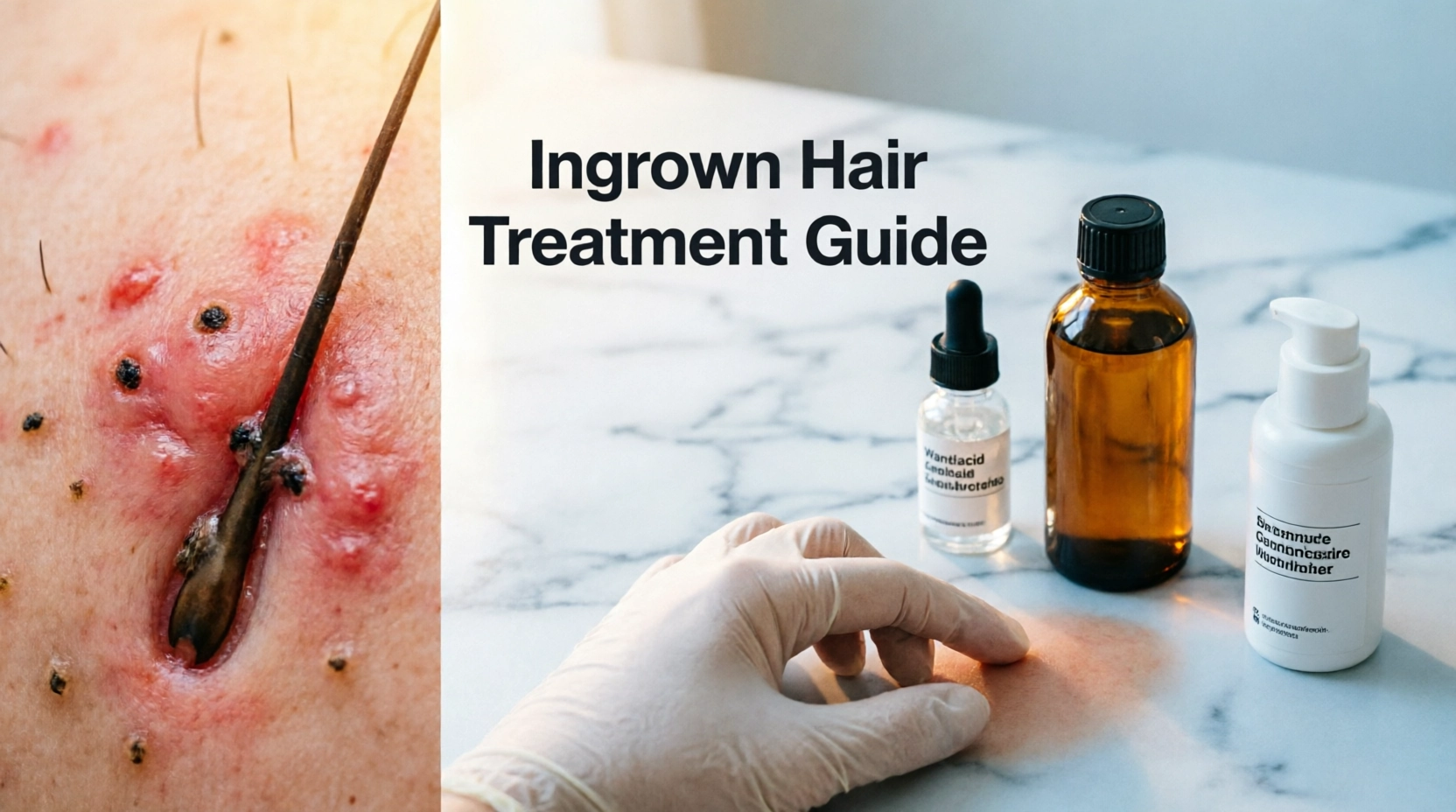
That frustrating bump—the red, tender, sometimes painful raised area that appears after shaving, waxing, or other hair removal—is more than just a cosmetic annoyance. Ingrown hairs affect millions of people across all skin tones, hair types, and grooming routines. For some, they're an occasional nuisance; for others, particularly those with curly or coarse hair, they're a chronic challenge that impacts confidence, comfort, and skin health.
While ingrown hairs are common, they're not inevitable. Understanding the biological mechanisms behind them—and implementing evidence-based prevention and treatment strategies—can dramatically reduce their frequency and severity. Modern dermatology offers targeted solutions, from proper hair removal techniques to chemical exfoliation protocols, that address ingrown hairs at their source rather than just managing symptoms.
This comprehensive guide delivers a dermatologist-backed framework for preventing and treating ingrown hairs. You'll learn why ingrown hairs form, discover which hair removal methods minimize risk, implement chemical exfoliation strategies that actually work, build a personalized prevention protocol for your skin and hair type, and understand when professional intervention is warranted. Whether you're dealing with occasional razor bumps on your legs, chronic pseudofolliculitis barbae in your beard area, or ingrown hairs in sensitive zones, you'll find practical, medically grounded strategies to achieve smoother, clearer skin.
Understanding Ingrown Hairs: The Biology Behind the Bump
Before exploring solutions, it's essential to understand what an ingrown hair actually is—and why some people are more prone to them than others.
What Is an Ingrown Hair?
Clinical Definition: An ingrown hair occurs when a hair strand curls back or grows sideways into the skin instead of emerging through the follicle opening, triggering inflammation, redness, and sometimes infection.
Two Primary Mechanisms:
- Extrafollicular penetration: Sharp-tipped hair (from shaving) pierces the follicle wall and grows into surrounding dermis
- Transfollicular penetration: Curly or coarse hair curves within the follicle and re-enters the skin without fully exiting
Key Insight: Ingrown hairs aren't just "hair growing the wrong way"—they're an inflammatory response to hair penetrating tissue where it doesn't belong. This distinction matters for treatment: reducing inflammation is as important as freeing the trapped hair.
Why Some People Are More Prone to Ingrown Hairs
| Risk Factor | Biological Mechanism | Population Most Affected |
|---|---|---|
| Curly/coarse hair texture | Natural curl pattern increases likelihood of hair re-entering skin after cutting | Fitzpatrick skin types IV-VI; people with tightly curled hair |
| Close shaving techniques | Creates sharp hair tips that more easily pierce follicle walls | Anyone who shaves closely against the grain |
| Thick stratum corneum | Dead skin cells block follicle openings, trapping emerging hairs | People with dry skin; those who don't exfoliate regularly |
| Follicular hyperkeratosis | Excess keratin production narrows follicle openings | People with keratosis pilaris or eczema |
| Tight clothing/friction | Pressure pushes hairs back into skin; friction irritates follicles | Athletes; people who wear tight synthetic fabrics |
Pseudofolliculitis Barbae: The Chronic Form
What It Is: A specific, chronic form of ingrown hairs primarily affecting the beard area (though it can occur anywhere hair is removed). Characterized by recurring inflammatory bumps, hyperpigmentation, and sometimes scarring.
Why It Matters:
- Affects up to 80% of Black men who shave; also common in women with curly hair who remove facial or body hair
- Can lead to permanent scarring and post-inflammatory hyperpigmentation if untreated
- Requires specialized management beyond standard ingrown hair care
Clinical Features:
- Multiple inflammatory papules and pustules in hair-bearing areas
- Hyperpigmented macules (dark spots) after lesions resolve
- Potential for keloid or hypertrophic scarring in predisposed individuals
Phase 1: Prevention—Hair Removal Strategies That Minimize Risk
The most effective ingrown hair strategy is prevention. How you remove hair significantly impacts your risk of developing ingrown hairs.
Hair Removal Methods Ranked by Ingrown Hair Risk
| Method | Ingrown Hair Risk | Why | Risk-Reduction Tips |
|---|---|---|---|
| Laser hair removal | Low (long-term) | Reduces hair density and thickness; fewer hairs to become ingrown | Choose experienced provider; follow pre/post-care instructions; may require multiple sessions |
| Electrolysis | Low (permanent) | Destroys individual follicles; no regrowth = no ingrown hairs | Time-intensive; best for small areas; requires licensed electrologist |
| Depilatory creams | Low-Moderate | Dissolves hair at surface without creating sharp tips; no mechanical trauma | Patch test first; don't exceed recommended time; moisturize after |
| Electric trimmer (not close) | Moderate | Leaves hair slightly above skin; reduces sharp tips vs. razor | Use guard setting; clean device regularly; follow with gentle exfoliation |
| Waxing/sugaring | Moderate-High | Removes hair from root; regrowth has blunt tip but can curl back as it emerges | Exfoliate 48h pre/post; avoid tight clothing after; don't wax over active ingrowns |
| Close razor shaving | High | Creates sharp hair tips; shaving against grain increases penetration risk | See detailed shaving protocol below; never shave over active ingrowns |
The Dermatologist-Approved Shaving Protocol
If you choose to shave, these evidence-based steps significantly reduce ingrown hair risk:
Pre-Shave Preparation:
- Exfoliate gently 24 hours prior: Use a chemical exfoliant (salicylic acid 0.5-2% or glycolic acid 5-10%) to clear dead skin cells from follicle openings
- Hydrate hair: Shave during or after a warm shower; warm water softens hair and opens follicles
- Apply quality shaving gel/cream: Choose fragrance-free, lubricating formulas; avoid foams with alcohol or menthol that can irritate
Shaving Technique:
- Use a sharp, single-blade razor: Multi-blade razors cut hair below skin level, increasing ingrown risk; replace blades every 5-7 shaves
- Shave with the grain: Follow hair growth direction (usually downward on legs, variable on face); never shave against the grain
- Use light pressure: Let the razor glide; pressing hard increases trauma and ingrown risk
- Rinse blade frequently: Prevents clogging that leads to tugging and uneven cuts
- Limit passes: One pass per area is ideal; multiple passes increase irritation
Post-Shave Care:
- Rinse with cool water: Helps close follicles and reduce inflammation
- Apply alcohol-free soothing product: Aloe vera, centella asiatica, or niacinamide to calm skin
- Wait 24 hours before exfoliating: Allow skin to recover before resuming chemical exfoliation
- Moisturize daily: Hydrated skin has better barrier function and sheds dead cells more effectively
Area-Specific Considerations
Face (Beard Area):
- Most prone to pseudofolliculitis barbae; requires meticulous technique
- Consider electric trimmer with guard instead of close shave if prone to ingrowns
- Apply topical retinoid (adapalene 0.1%) at night to normalize follicle keratinization (under dermatologist guidance)
Bikini Area:
- High-friction zone; tight clothing increases risk
- Trim instead of shave if prone to ingrowns; if shaving, use dedicated bikini razor
- Wear loose, breathable cotton underwear post-hair removal
Legs/Underarms:
- Large surface area; consistency with prevention is key
- Exfoliate 2-3x weekly with chemical exfoliant to maintain clear follicles
- Avoid tight leggings or synthetic fabrics immediately after hair removal
Phase 2: Chemical Exfoliation—The Gold Standard for Prevention and Treatment
Chemical exfoliation is the most evidence-backed strategy for preventing and treating ingrown hairs. Unlike physical scrubs (which can irritate and worsen inflammation), chemical exfoliants dissolve the bonds between dead skin cells, keeping follicle openings clear and reducing the chance of hair becoming trapped.
How Chemical Exfoliants Work on Ingrown Hairs
- Clear follicle openings: Dissolve keratin plugs that block hair emergence
- Reduce hyperkeratosis: Normalize excessive keratin production that narrows follicles
- Anti-inflammatory effects: Many exfoliants (especially salicylic acid) reduce redness and swelling
- Enhance penetration: Improve absorption of other treatment ingredients
Top Chemical Exfoliants for Ingrown Hairs: Evidence and Application
Salicylic Acid (BHA): The Ingrown Hair Specialist
- Mechanism: Oil-soluble beta hydroxy acid that penetrates into follicles to dissolve keratin plugs and reduce inflammation
- Evidence: Clinical studies show 0.5-2% salicylic acid significantly reduces ingrown hair frequency and severity [[18]]
- Best for: Oily or acne-prone skin; active ingrown hairs with redness/inflammation
- Application protocol:
- Start with 0.5-1% concentration 2-3x weekly
- Apply to clean, dry skin; focus on prone areas (beard line, bikini area, thighs)
- Follow with moisturizer to prevent over-drying
- Always use SPF 30+ during the day (BHAs increase sun sensitivity)
- Recommended products:
- Budget: Paula's Choice 2% BHA Liquid Exfoliant ($32), The Ordinary Salicylic Acid 2% Solution ($7)
- Targeted: Tend Skin Solution ($20), Stridex Maximum Strength Pads ($5)
Glycolic Acid (AHA): The Surface Renewer
- Mechanism: Water-soluble alpha hydroxy acid that exfoliates surface dead cells, preventing follicle blockage
- Evidence: 5-10% glycolic acid improves skin texture and reduces follicular occlusion in clinical studies
- Best for: Dry or normal skin; prevention-focused routines; areas with thick stratum corneum
- Application protocol:
- Start with 5% concentration 2-3x weekly; increase to 10% if well-tolerated
- Apply to clean skin in PM; follow with moisturizer
- Avoid combining with retinoids initially to prevent irritation
- Recommended products:
- Budget: The Ordinary Glycolic Acid 7% Toning Solution ($9), Pixi Glow Tonic ($15)
- Targeted: First Aid Beauty Facial Radiance Pads ($28), Dr. Dennis Gross Alpha Beta Universal Daily Peel ($92)
Lactic Acid (AHA): The Gentle Alternative
- Mechanism: Larger molecule than glycolic acid; exfoliates more gently while providing hydration
- Evidence: Effective for sensitive skin; clinical data supports efficacy for follicular hyperkeratosis
- Best for: Sensitive skin; darker skin tones (lower risk of post-inflammatory hyperpigmentation); dry areas
- Application protocol:
- Start with 5-10% concentration 2-3x weekly
- Well-tolerated for daily use at lower concentrations
- Can be layered with hydrating ingredients like hyaluronic acid
- Recommended products:
- Budget: The Ordinary Lactic Acid 5% + HA ($7), AmLactin Daily Moisturizing Lotion ($15)
- Targeted: Sunday Riley Good Genes ($85), PCA Skin Pigment Gel HQ Free ($95)
Enzyme Exfoliants: The Ultra-Gentle Option
- Mechanism: Proteolytic enzymes (papain from papaya, bromelain from pineapple) dissolve dead skin cells without acid pH
- Evidence: Limited clinical data but strong anecdotal support for sensitive skin tolerance
- Best for: Very sensitive skin; rosacea-prone skin; those who can't tolerate acids
- Application protocol:
- Use as mask 1-2x weekly; leave on 5-10 minutes before rinsing
- Can be used more frequently than acids due to gentle mechanism
- Recommended products:
- Budget: Queen Helene Mint Julep Masque ($7), Freeman Papaya Enzyme Peel ($4)
- Targeted: Dermalogica Daily Microfoliant ($35), Tatcha The Rice Polish ($38)
Chemical Exfoliation Protocol for Ingrown Hair Prevention
For Prevention (No Active Ingrowns):
- 2-3x weekly: Apply salicylic acid 0.5-1% or glycolic acid 5% to prone areas
- Follow with lightweight, non-comedogenic moisturizer
- Always use SPF 30+ during the day
- Continue consistently; results build over 4-8 weeks

For Active Ingrown Hairs:
- Daily: Apply salicylic acid 2% spot treatment to affected areas
- Add warm compress for 5-10 minutes before application to soften skin
- Do NOT pick, squeeze, or dig at ingrown hairs
- If no improvement in 7-10 days, see dermatologist for professional extraction

For Sensitive Skin:
- Start with lactic acid 5% or enzyme exfoliant 1x weekly
- Gradually increase frequency as tolerated
- Always patch test new products on small area for 3 days
- Buffer with moisturizer if stinging occurs
What to Avoid: Common Exfoliation Mistakes
- Over-exfoliating: More isn't better; daily strong acid use can compromise barrier and worsen inflammation
- Combining multiple actives: Don't use salicylic acid + glycolic acid + retinoid simultaneously; introduce one active at a time
- Physical scrubs on active ingrowns: Walnut shells, sugar scrubs, or brushes can irritate inflamed follicles and worsen ingrowns
- Skipping sun protection: All chemical exfoliants increase UV sensitivity; SPF is non-negotiable
- Using on broken skin: Don't apply acids to open wounds, active infections, or freshly shaved skin
Phase 3: Treating Active Ingrown Hairs—Safe, Effective Strategies
When prevention isn't enough and an ingrown hair appears, these dermatologist-approved strategies help resolve it safely without scarring or worsening inflammation.
Immediate Care for Active Ingrown Hairs
Step 1: Don't Pick or Dig
- Picking can push bacteria deeper, cause infection, or lead to scarring
- Resist the urge to "dig out" the hair with needles or tweezers at home
- If the hair loop is visible at the surface, gentle lifting with sterile tweezers may help—but only if easily accessible
Step 2: Reduce Inflammation
- Warm compress: Apply warm (not hot) damp cloth for 5-10 minutes, 2-3x daily to soften skin and encourage natural emergence
- Topical anti-inflammatory: Apply 1% hydrocortisone cream (OTC) for 1-2 days max to reduce redness/swelling; or use non-steroidal options like centella asiatica or niacinamide
- Avoid irritants: Skip fragrances, alcohol-based products, or physical exfoliants on active ingrowns
Step 3: Encourage Natural Resolution
- Continue gentle chemical exfoliation: Salicylic acid 2% spot treatment can help dissolve the keratin plug trapping the hair
- Keep area clean and dry: Wash gently with mild cleanser; pat dry; avoid tight clothing that creates friction
- Allow time: Most ingrown hairs resolve within 3-7 days with proper care
When Professional Extraction Is Needed
Signs It's Time to See a Dermatologist:
- Ingrown hair is deeply embedded, painful, or not improving after 7-10 days of home care
- Signs of infection: increasing redness, warmth, pus, or fever
- Recurring ingrowns in the same area leading to scarring or hyperpigmentation
- Pseudofolliculitis barbae with multiple inflammatory lesions
What to Expect During Professional Treatment:
- Sterile extraction: Dermatologist uses sterile instruments to gently free the trapped hair without damaging surrounding tissue
- Anti-inflammatory injection: For severely inflamed lesions, a tiny dose of corticosteroid can rapidly reduce swelling
- Prescription topicals: May prescribe stronger retinoids, antibiotics, or combination creams for resistant cases
- Prevention planning: Personalized protocol to prevent recurrence based on your skin/hair type
Advanced Treatments for Chronic or Severe Cases
Prescription Topicals:
- Topical retinoids: Tretinoin 0.025-0.05% or adapalene 0.3% normalize follicle keratinization; apply 2-3x weekly at night
- Combination creams: Clindamycin + benzoyl peroxide for infected ingrowns; hydroquinone + retinoid for post-inflammatory hyperpigmentation
- Topical antibiotics: For recurrent bacterial folliculitis secondary to ingrown hairs
In-Office Procedures:
| Procedure | Best For | How It Helps | Considerations |
|---|---|---|---|
| Laser hair removal | Chronic pseudofolliculitis; large areas prone to ingrowns | Reduces hair density and thickness long-term; fewer hairs = fewer ingrowns | Requires multiple sessions; best for dark hair/light skin; newer lasers work on darker skin |
| Electrolysis | Small, stubborn areas; light-colored or fine hairs not responsive to laser | Permanently destroys individual follicles; no regrowth = no ingrowns | Time-intensive; requires skilled electrologist; best for small areas |
| Corticosteroid injection | Large, inflamed ingrown cysts or keloid-prone individuals | Rapidly reduces inflammation and prevents scarring | Temporary solution; addresses symptom not cause; requires medical provider |
| Chemical peels | Post-inflammatory hyperpigmentation after ingrowns resolve | Accelerates fading of dark spots; improves overall texture | Superficial peels only for neck/face; requires experienced provider |
Phase 4: Personalized Prevention Protocol—Building Your Routine
Effective ingrown hair management requires a consistent, personalized routine. Use this framework to build your protocol.
Step 1: Assess Your Risk Profile
Answer these questions to tailor your approach:
- Hair type: Straight, wavy, curly, or tightly coiled?
- Skin type: Oily, dry, combination, or sensitive?
- Skin tone: Fair, medium, olive, brown, or deep? (Impacts hyperpigmentation risk)
- Hair removal method: Shaving, waxing, trimming, or laser?
- Problem areas: Face, bikini line, legs, underarms, or multiple zones?
- History: Occasional ingrowns or chronic pseudofolliculitis?
Step 2: Build Your Core Routine
For Curly/Coarse Hair + Sensitive Skin (High Ingrown Risk):
Daily:
- Gentle, fragrance-free cleanser
- Lightweight, non-comedogenic moisturizer
- Mineral SPF 30+ (zinc oxide preferred)

3x Weekly (PM):
- Salicylic acid 0.5-1% or lactic acid 5% on prone areas
- Follow with barrier-supporting moisturizer

Hair Removal Days:
- Pre-shave: Warm compress + lubricating shave gel
- Technique: Single-blade razor; shave WITH grain; light pressure
- Post-shave: Cool rinse + alcohol-free soothing serum (centella or niacinamide)
- Wait 24h before resuming exfoliation

Weekly:
- Warm compress on prone areas 2x to maintain follicle patency
- Hydrating mask if skin feels dry or tight
For Straight Hair + Oily Skin (Moderate Risk):
Daily:
- Gentle foaming cleanser
- Oil-free moisturizer
- SPF 30+ (chemical or mineral)

2-3x Weekly (PM):
- Salicylic acid 2% or glycolic acid 5-10% on prone areas
- Lightweight gel moisturizer

Hair Removal Days:
- Exfoliate 24h pre-shave with BHA
- Shave with sharp single-blade razor; with grain
- Post-shave: Alcohol-free toner + lightweight moisturizer

Weekly:
- Clay mask on oily zones to control sebum
- Gentle enzyme exfoliant if skin tolerates acids well
For Pseudofolliculitis Barbae (Chronic Beard Area Ingrowns):
Daily:
- Gentle cleanser formulated for beard area
- Non-comedogenic moisturizer
- SPF 30+ (critical for preventing post-inflammatory hyperpigmentation)

PM Routine:
- Adapalene 0.1% gel 2-3x weekly (start slowly; buffer with moisturizer)
- On non-retinoid nights: Salicylic acid 1% or azelaic acid 10%
- Always follow with barrier-repair moisturizer

Hair Removal Strategy:
- Switch to electric trimmer with 1-2mm guard instead of close shave
- If shaving: single-blade razor; with grain only; never stretch skin
- Consider laser hair removal consultation for long-term solution

Weekly:
- Warm compress before exfoliation to soften follicles
- Professional extraction if deeply embedded hairs persist
Step 3: Track Progress and Adjust
- Document: Take monthly photos of problem areas in consistent lighting
- Track triggers: Note if ingrowns correlate with specific products, techniques, or hormonal cycles
- Adjust gradually: Change one variable at a time (e.g., exfoliant frequency, razor type) to identify what works
- Be patient: Prevention protocols take 4-8 weeks to show significant results; consistency is key
Special Considerations: Skin Tone, Hair Type, and Sensitive Zones
Ingrown hair management isn't one-size-fits-all. These populations require tailored approaches.
Darker Skin Tones (Fitzpatrick IV-VI): Hyperpigmentation Prevention
Unique Challenges:
- Higher risk of post-inflammatory hyperpigmentation (PIH) after ingrown hairs resolve
- Keloid or hypertrophic scarring more common in predisposed individuals
- Some laser hair removal technologies less effective or higher risk for PIH
Tailored Strategies:
- Prioritize prevention: Aggressive prevention is more effective than treating PIH after it occurs
- Gentle exfoliation: Start with lower concentrations (salicylic acid 0.5%, lactic acid 5%); increase slowly
- Add brightening agents: Niacinamide 4-5%, azelaic acid 10%, or tranexamic acid to prevent/treat PIH
- Sun protection is critical: UV exposure worsens PIH; use tinted mineral SPF with iron oxides for visible light protection
- Laser considerations: Seek providers experienced with darker skin; Nd:YAG lasers are safest option
Curly/Coarse Hair: Mechanical Prevention Strategies
Why Curly Hair Is Higher Risk:
- Natural curl pattern increases likelihood of hair re-entering skin after cutting
- Coarse hair has more structural strength to pierce follicle walls
Mechanical Prevention Tips:
- Trim instead of shave: Leave hair 1-2mm long to prevent sharp tips
- Directional grooming: Brush beard hair downward before trimming to encourage outward growth
- Avoid stretching skin: Don't pull skin taut while shaving; this allows hair to retract below surface
- Post-removal care: Apply lightweight oil (squalane, jojoba) to reduce friction and support barrier
Sensitive Areas: Bikini, Underarms, Face
Bikini Area:
- High-friction zone; prioritize breathable cotton underwear post-hair removal
- Use dedicated razor for bikini area to avoid bacterial transfer
- Apply soothing gel with centella or aloe post-hair removal; avoid fragrances
- Consider trimming instead of shaving if prone to ingrowns in this zone
Underarms:
- Thin skin + frequent friction = high irritation risk
- Switch to fragrance-free deodorant; aluminum-free options may be less irritating
- Exfoliate gently 2x weekly with lactic acid 5% (gentler than salicylic for this zone)
Face (Especially Beard Area):
- Most challenging zone for pseudofolliculitis barbae
- Consider professional laser consultation for long-term solution
- If shaving: single-blade razor, with grain only, never stretch skin
- Topical retinoid (adapalene) at night can normalize follicle keratinization long-term
Product Recommendations by Category
While individual responses vary, these evidence-based products can support ingrown hair prevention and treatment. Always patch-test new products.
Chemical Exfoliants for Ingrown Hair Prevention
Salicylic Acid (BHA) Options:
- Budget: The Ordinary Salicylic Acid 2% Solution ($7), Stridex Maximum Strength Pads ($5)
- Mid-range: Paula's Choice 2% BHA Liquid Exfoliant ($32), Cosrx BHA Blackhead Power Liquid ($18)
- Targeted: Tend Skin Solution ($20), PFB Vanish + Chromabright ($35)
Glycolic/Lactic Acid (AHA) Options:
- Budget: The Ordinary Glycolic Acid 7% Toning Solution ($9), The Ordinary Lactic Acid 5% + HA ($7)
- Mid-range: Pixi Glow Tonic ($15), First Aid Beauty Facial Radiance Pads ($28)
- Premium: Sunday Riley Good Genes ($85), SkinCeuticals Glycolic 10 Renew Overnight ($78)
Enzyme Exfoliants for Sensitive Skin:
- Queen Helene Mint Julep Masque ($7), Dermalogica Daily Microfoliant ($35), Tatcha The Rice Polish ($38)
Soothing and Anti-Inflammatory Products
For Post-Hair Removal Calming:
- Budget: Thayers Witch Hazel (alcohol-free) ($10), Aveeno Calm + Restore Oat Gel ($15)
- Mid-range: La Roche-Posay Cicaplast Baume B5 ($15), Skin1004 Madagascar Centella Ampoule ($18)
- Premium: Dr. Jart+ Cicapair Tiger Grass Cream ($48), Kiehl's Calendula Herbal Extract Toner ($35)
For Post-Inflammatory Hyperpigmentation:
- Budget: The Ordinary Niacinamide 10% + Zinc 1% ($6), Good Molecules Niacinamide Serum ($6)
- Mid-range: Paula's Choice 10% Niacinamide Booster ($44), Topicals Faded Serum ($38)
- Premium: SkinCeuticals Discoloration Defense ($98), Murad Rapid Dark Spot Correcting Serum ($89)
Shaving and Hair Removal Essentials
Razors and Tools:
- Single-blade razors: Merkur Safety Razor ($40), Leaf Shave Razor ($75)
- Electric trimmers: Philips Norelco OneBlade ($35), Wahl Lithium Ion Trimmer ($30)
- Shaving creams: Cremo Shaving Cream ($8), Pacific Shaving Company Natural Shaving Cream ($12)
Post-Shave Care:
- Budget: Nivea Men Sensitive Post Shave Balm ($6), Bulldog Original Post Shave Balm ($8)
- Mid-range: Jack Black Post-Shave Cooling Gel ($25), Baxter of California After Shave Balm ($28)
Frequently Asked Questions
How long does it take for an ingrown hair to go away?
Timeline varies by severity and care: - Mild ingrown hairs: 3-7 days with proper home care (warm compress + gentle exfoliation) - Moderate inflammation: 7-14 days with consistent anti-inflammatory care - Deep or infected ingrowns: May require professional extraction; resolution in 1-2 weeks post-treatment - Chronic pseudofolliculitis: Requires ongoing management; significant improvement in 4-8 weeks with consistent protocol Key: Don't pick or dig—this prolongs healing and increases scarring risk.
Can I use physical scrubs to prevent ingrown hairs?
Generally not recommended: - Why: Physical scrubs (walnut shells, sugar, salt) can create micro-tears in skin, worsening inflammation and ingrown risk - Exception: Very gentle, spherical jojoba bead scrubs may be tolerated by resilient skin—but chemical exfoliants are more effective and less irritating - Best practice: Use chemical exfoliants (salicylic acid, glycolic acid) for follicle-clearing benefits without physical trauma If you prefer physical exfoliation: choose ultra-gentle options; use no more than 1x weekly; avoid on active ingrowns.
Is it safe to pluck an ingrown hair?
Only under specific conditions: - Safe: If the hair loop is clearly visible at the skin surface; use sterile tweezers to gently lift the loop out (not pull the hair) - Unsafe: If the hair is embedded, the area is red/swollen, or you can't clearly see the hair tip—digging can cause infection or scarring - Best practice: When in doubt, see a dermatologist for sterile extraction; they can free the hair without damaging surrounding tissue Remember: The goal is to encourage natural emergence, not force extraction.
Can ingrown hairs cause permanent scars or dark spots?
Yes—if not managed properly: - Post-inflammatory hyperpigmentation (PIH): Dark spots after ingrown resolves; more common in darker skin tones; fades over months with sun protection and brightening topicals - Scarring: Picking, infection, or chronic inflammation can lead to permanent textural changes or keloids in predisposed individuals - Prevention: Avoid picking; treat inflammation early; use sun protection; address chronic cases with professional care Early intervention significantly reduces long-term sequelae.
Are natural remedies like tea tree oil effective for ingrown hairs?
Evidence is limited but promising for some: - Tea tree oil: Has antimicrobial properties; may help prevent infection in minor ingrowns; must be diluted (1-2% in carrier oil) to avoid irritation - Aloe vera: Soothing and anti-inflammatory; good for calming post-hair removal skin - Witch hazel: Mild astringent; may reduce inflammation but can be drying - Key caution: "Natural" doesn't equal safe—essential oils can irritate sensitive skin; patch test first For best results, combine gentle natural soothers with evidence-based actives like salicylic acid.
When to See a Dermatologist: Red Flags and Advanced Options
While most ingrown hairs resolve with home care, certain situations warrant professional evaluation.
Red Flags Requiring Medical Attention
- Signs of infection: Increasing redness, warmth, pus, pain, or fever
- Deep or painful cysts: Large, tender nodules that don't improve with warm compresses
- Recurring ingrowns in same area: Leading to scarring, hyperpigmentation, or significant discomfort
- Pseudofolliculitis barbae: Multiple inflammatory lesions in beard area affecting quality of life
- No improvement: After 2-3 weeks of consistent, appropriate home care
What to Expect at a Dermatology Visit
Evaluation:
- Detailed history: hair removal methods, skincare routine, medical history
- Physical exam: assessing lesion type, distribution, signs of scarring or infection
- Possible tests: Bacterial culture if infection suspected; metabolic screening if pseudofolliculitis suggests underlying factors
Treatment Options:
- Sterile extraction: Professional removal of trapped hairs without tissue damage
- Prescription topicals: Stronger retinoids, antibiotic combinations, or pigment-correcting agents
- In-office procedures: Corticosteroid injection for inflamed cysts; laser hair removal consultation for long-term solution
- Personalized prevention plan: Tailored protocol based on your skin type, hair texture, and lifestyle
Conclusion: Clearer Skin Through Knowledge and Consistency
Ingrown hairs are a common but manageable concern. By understanding the biological mechanisms behind them—and implementing targeted prevention and treatment strategies—you can significantly reduce their frequency, severity, and impact on your skin and confidence.
The key isn't perfection. It's progress: consistent, gentle care that respects your skin's unique needs while addressing the root causes of ingrown hairs. Whether you're preventing occasional razor bumps or managing chronic pseudofolliculitis, evidence-based strategies exist to help you achieve smoother, clearer skin.
Key takeaways for managing ingrown hairs:
- Prevention is primary: Proper hair removal technique and consistent chemical exfoliation prevent most ingrown hairs
- Chemical > physical: Salicylic acid, glycolic acid, and enzymes clear follicles more effectively and gently than scrubs
- Gentleness matters: Neck, bikini, and facial skin are thinner; start with lower concentrations and increase slowly
- Sun protection is non-negotiable: UV exposure worsens post-inflammatory hyperpigmentation after ingrowns resolve
- Don't pick: Picking prolongs healing and increases scarring risk; use warm compresses and gentle exfoliation instead
- Personalize your approach: Match strategies to your hair type, skin tone, and problem areas
- Seek help when needed: Dermatologists can provide advanced treatments for resistant or chronic cases
Your skin deserves care that's both effective and compassionate. By approaching ingrown hairs with knowledge, patience, and evidence-based strategies, you can achieve the smoother, clearer skin you deserve—without compromising your skin's health or your confidence.
Start today. Choose one action from this guide to implement this week: perhaps switching to a single-blade razor, adding a salicylic acid toner to your routine, or simply applying sunscreen to your neck and décolletage. Small, intentional steps compound into transformative results over time.
Your clearest, most comfortable skin is within reach. Trust the process, support your skin's biology, and embrace the journey toward smoother skin—from prevention to resolution.
Here's to your healthiest, most confident skin yet.