

Dual-Texture Hair: Expert Strategies for Oily Roots & Dry Ends
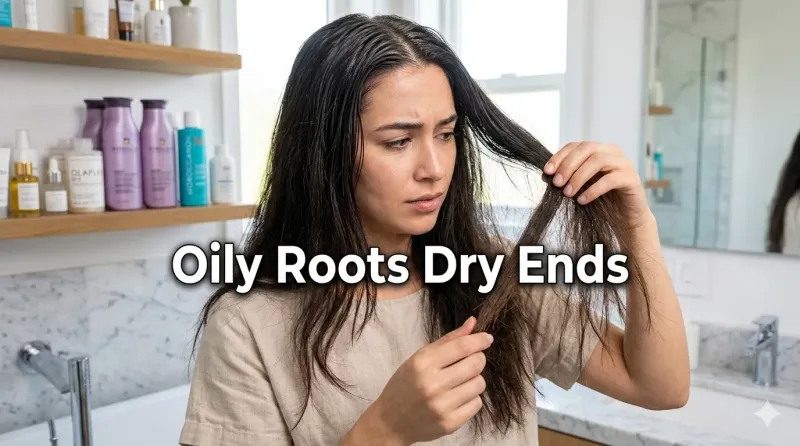
It's one of the most frustrating hair paradoxes: your scalp feels greasy just hours after washing, yet your ends are brittle, frizzy, and begging for moisture. You shampoo more frequently to combat the oil, but that only worsens the dryness at your ends. You load up on conditioning treatments, but your roots become limp and weighed down. If you're navigating this dual-texture dilemma, you're far from alone—and more importantly, it's entirely manageable with the right approach.
Oily roots with dry ends isn't a hair "type" so much as a condition—one driven by specific biological mechanisms, styling habits, and product choices. The scalp produces sebum (natural oil) to protect and lubricate hair, but that oil doesn't travel evenly down the hair shaft. Meanwhile, environmental exposure, heat styling, chemical treatments, and mechanical stress concentrate damage on the oldest, most vulnerable part of your hair: the ends. The result? A frustrating mismatch that demands a nuanced, zone-specific strategy.
This comprehensive guide delivers an evidence-based protocol for managing oily roots and dry ends. You'll learn the science behind this dual-texture phenomenon, discover how to cleanse, condition, and treat each zone appropriately, build a personalized routine that balances both needs without compromise, and understand which lifestyle factors amplify or alleviate the imbalance. Whether your combination texture stems from genetics, styling habits, hormonal shifts, or environmental factors, you'll find practical, expert-backed strategies to achieve balanced, healthy, beautiful hair—from root to tip.
Understanding the Dual-Texture Phenomenon: Why Roots and Ends Behave Differently
Before implementing solutions, it's essential to understand why your scalp and ends have such divergent needs. This isn't random—it's biology.
The Biology of Sebum Distribution
How Sebum Works:
- Sebaceous glands attached to hair follicles produce sebum, a natural oil that lubricates scalp and hair
- Sebum travels down the hair shaft via capillary action and mechanical movement (brushing, styling)
- On straight hair, sebum distributes more easily; on curly/coily hair, the zigzag pattern impedes distribution
- Result: Roots receive ample oil; ends—especially on longer hair—may receive very little
Why Ends Stay Dry Despite Oily Scalp:
- Distance factor: Sebum production occurs at the root; ends are farthest from the source
- Cuticle damage: Weathered ends have raised, damaged cuticles that can't retain moisture or oil effectively
- Porosity issues: Damaged ends become highly porous, absorbing moisture but losing it quickly
- Mechanical stress: Brushing, heat styling, and environmental exposure concentrate damage on ends
Common Contributors to the Imbalance
| Factor | Impact on Roots | Impact on Ends | Net Effect |
|---|---|---|---|
| Over-washing | Strips natural oils, triggering rebound oil production | Removes protective lipids, worsening dryness and brittleness | Amplifies both oily roots AND dry ends |
| Harsh shampoos | Disrupts scalp microbiome; increases irritation and oil production | Strips ends of remaining moisture; increases breakage | Worsens imbalance; creates cycle of over-correction |
| Conditioner on scalp | Weighs down roots; traps oil and product buildup | May not reach ends if rinsed too quickly | Oily roots persist; ends remain under-nourished |
| Heat styling | Minimal direct impact unless product buildup occurs | Dehydrates, damages cuticle, increases porosity | Ends become increasingly dry and fragile |
| Chemical treatments | Can irritate scalp, altering oil production | Breaks disulfide bonds; increases porosity and fragility | Ends require more care; roots may overcompensate |
| Hard water | Mineral buildup can irritate scalp, triggering oil production | Minerals bind to damaged cuticles, worsening dryness | Amplifies both concerns simultaneously |
Who's Most Prone to Dual-Texture Hair?
- Long-haired individuals: Greater distance for sebum to travel; ends are older and more weathered
- Curly/coily hair types: Natural texture impedes sebum distribution; ends more prone to dryness
- Color-treated or chemically processed hair: Chemical damage concentrates on ends; scalp may overproduce oil in response
- Those with hormonal fluctuations: Perimenopause, PCOS, or thyroid issues can alter sebum production
- Frequent heat stylers: Heat damage accumulates on ends while scalp remains oily
Key Insight: Dual-texture hair isn't a flaw—it's a predictable outcome of hair biology and modern styling practices. The solution isn't to "fix" your hair type but to work with its natural tendencies through targeted, zone-specific care.
Phase 1: Cleansing Strategy—Balancing Scalp and Ends
The foundation of managing dual-texture hair is a cleansing approach that addresses each zone appropriately. One-size-fits-all shampooing guarantees frustration.
The Zone-Specific Cleansing Protocol
Step 1: Pre-Wash Preparation (Optional but Helpful)
- For very dry ends: Apply lightweight oil (argan, squalane) to ends 15-30 minutes before washing to protect during cleansing
- For oily scalp: Dry shampoo the night before can absorb excess oil, making cleansing more effective
- Detangle gently: Use wide-tooth comb on dampened ends to prevent breakage during wash
Step 2: Targeted Shampoo Application
- Focus shampoo on scalp only: Apply clarifying or balancing shampoo directly to roots and scalp
- Massage gently: Use fingertips (not nails) in circular motions for 60-90 seconds to lift oil and buildup
- Let suds rinse through ends: As you rinse, the diluted shampoo will cleanse ends without over-stripping
- Avoid scrubbing ends: Ends don't produce oil; aggressive cleansing worsens dryness and damage
Step 3: Strategic Conditioning
- Apply conditioner from ears down only: Avoid scalp entirely to prevent weighing down roots
- Focus on mid-lengths to ends: These areas need the most moisture and repair
- Use a wide-tooth comb: Distribute conditioner evenly while hair is saturated
- Leave on 3-5 minutes: Allow time for penetration; rinse with cool water to seal cuticles
Shampoo Selection: Finding the Right Balance
What to Look For in a Dual-Texture Shampoo:
| Ingredient/Benefit | Why It Helps | Examples |
|---|---|---|
| Gentle surfactants (cocamidopropyl betaine, decyl glucoside) | Cleanse effectively without stripping; less irritating to scalp | Pureology Hydrate Shampoo, Briogeo Be Gentle Be Kind |
| Scalp-balancing ingredients (salicylic acid, tea tree, niacinamide) | Regulate oil production; reduce buildup without over-drying | Neutrogena T/Sal, Paul Mitchell Tea Tree Special |
| Lightweight hydration (glycerin, panthenol, hydrolyzed proteins) | Provide moisture to ends without weighing down roots | Kérastase Bain Divalent, Living Proof Perfect Hair Day |
| pH-balanced formulas (pH 4.5-5.5) | Support scalp microbiome; maintain cuticle integrity | Most professional salon brands; check label |
Shampoo Rotation Strategy:
- Primary shampoo: Gentle, balancing formula for regular use (2-3x weekly)
- Clarifying shampoo: Use 1x weekly or bi-weekly to remove buildup from scalp and ends
- Hydrating shampoo: Optional for very dry periods; use on ends only or dilute with water
Budget-Friendly Recommendations:
- Balancing: L'Oréal EverPure Sulfate-Free Balance Shampoo ($8), OGX Refreshing Scalp + Tea Tree Mint Shampoo ($7)
- Clarifying: Neutrogena Anti-Residue Shampoo ($7), Kristin Ess Clarifying Shampoo ($10)
- Hydrating (for ends): SheaMoisture Coconut & Hibiscus Curl & Shine Shampoo ($10), Maui Moisture Heal & Hydrate ($9)
Washing Frequency: Finding Your Sweet Spot
The Goldilocks Principle:
- Too frequent: Strips scalp, triggers rebound oil; overdries ends
- Too infrequent: Buildup weighs down roots; ends remain under-nourished
- Just right: Cleanses scalp effectively while preserving end integrity
Personalized Frequency Guide:
| Hair Type/Concern | Recommended Frequency | Adjustment Tips |
|---|---|---|
| Fine, straight hair | Every 1-2 days | Use dry shampoo between washes; focus conditioner on ends only |
| Medium texture, wavy | Every 2-3 days | Co-wash (conditioner-only wash) mid-week if scalp feels fresh |
| Curly/coily hair | Every 3-5 days | Pre-poo with oil on ends; use sulfate-free shampoo to preserve moisture |
| Color-treated hair | Every 2-3 days | Use color-safe, sulfate-free formulas; protect ends with pre-wash oil |
| Very oily scalp | Daily or every other day | Use gentle shampoo; avoid heavy conditioners on scalp; try scalp toner |
| Very dry/damaged ends | Every 3-4 days | Pre-wash oil treatment; hydrating mask weekly; minimize heat styling |
Phase 2: Targeted Treatments—Zone-Specific Care
Once cleansing is optimized, targeted treatments address the specific needs of roots and ends without compromising either.
Scalp-Focused Treatments for Oil Management
Scalp Exfoliation:
- Why it helps: Removes dead skin cells, product buildup, and excess oil that can clog follicles
- Gentle options: Salicylic acid (BHA) scalp treatments, enzyme-based scrubs, soft silicone scalp brushes
- Protocol: 1x weekly; apply to damp scalp before shampoo; massage gently; rinse thoroughly
- Budget picks: The Ordinary Salicylic Acid 2% Solution ($7), Briogeo Scalp Revival Charcoal + Coconut Oil Micro-Exfoliating Shampoo ($16)
Scalp Toners/Serums:
- Why they help: Regulate oil production, soothe irritation, and maintain microbiome balance
- Key ingredients: Niacinamide, witch hazel, tea tree oil, zinc PCA
- Application: Apply to clean, dry scalp; massage gently; no rinse required
- Protocol: 2-3x weekly or as needed; can be used between washes
- Budget picks: The Inkey List Niacinamide Scalp Treatment ($10), Paul Mitchell Tea Tree Scalp Care Anti-Thinning Tonic ($25)
Dry Shampoo Strategy:
- Use preventively: Apply to clean, dry roots before oil appears to absorb sebum proactively
- Choose wisely: Look for rice starch or oat starch bases (gentler than talc); avoid heavy fragrances
- Application tip: Spray 6-8 inches from roots; let sit 2 minutes; brush through to distribute
- Don't overuse: Limit to 2-3x between washes; buildup can irritate scalp and worsen oil production
- Budget picks: Batiste Dry Shampoo ($7), Not Your Mother's Clean Freak Dry Shampoo ($8)
End-Focused Treatments for Dryness and Damage
Pre-Wash Oil Treatments:
- Why they help: Create protective barrier on ends during cleansing; penetrate damaged cuticles to restore lipids
- Best oils: Argan (lightweight, high in vitamin E), squalane (mimics skin's natural oils), jojoba (closest to sebum)
- Protocol: Apply to dry ends 15-30 minutes before washing; focus on last 3-4 inches of hair
- Amount: Start with pea-sized amount; add more only if needed to avoid weighing hair down
- Budget picks: The Ordinary 100% Plant-Derived Squalane ($9), OGX Renewing Argan Oil of Morocco ($8)
Leave-In Conditioners and Serums:
- Why they help: Provide ongoing moisture, seal cuticles, and protect ends between washes
- Key ingredients: Hydrolyzed proteins, ceramides, panthenol, lightweight silicones (dimethicone)
- Application: Apply to damp hair after washing; focus on mid-lengths to ends; avoid roots
- Protocol: Use every wash day; reapply to dry ends as needed for frizz control
- Budget picks: It's a 10 Miracle Leave-In Product ($13), John Frieda Frizz Ease Serum ($9), The Ordinary Behentrimonium Chloride 2% Conditioner ($6—can be used as leave-in)
Weekly Deep Conditioning for Ends:
- Why it helps: Intensive repair for damaged cuticles; restores moisture and strength to weathered ends
- Best formulas: Protein-moisture balance; look for hydrolyzed keratin, amino acids, ceramides
- Application protocol:
- Apply to clean, towel-dried hair from ears down
- Cover with shower cap; apply gentle heat (warm towel or hooded dryer) for 10-15 minutes
- Rinse thoroughly with cool water to seal cuticles
- Frequency: 1x weekly for damaged ends; 1x every 2 weeks for maintenance
- Budget picks: SheaMoisture Manuka Honey & Yogurt Hydrate + Repair Protein Power Treatment ($12), Aussie 3 Minute Miracle Moist Deep Conditioner ($5)
The "Split Application" Technique
Many products can be adapted for dual-texture hair with strategic application:
For conditioners:
- Apply full formula to ends only
- Dilute remaining product with water; apply lightly to mid-lengths if needed
- Avoid scalp entirely

For styling products:
- Apply lightweight serums to ends for shine and frizz control
- Use volumizing products at roots only
- Avoid applying heavy products all over

For treatments:
- Scalp treatments: apply to roots only
- Hair masks: apply from ears down only
- Oils: apply to ends only, or use 1 drop emulsified in palms for all-over shine
Phase 3: Styling and Maintenance—Preserving the Balance
How you style and maintain your hair between washes significantly impacts the root-end balance.
Heat Styling Strategies for Dual-Texture Hair
Protective Principles:
- Always use heat protectant: Apply to damp hair before any thermal styling; focus on ends
- Lower temperatures: Fine/damaged ends need less heat than you think (250-300°F vs. 400°F)
- Limit frequency: Aim for heat styling 1-2x weekly maximum; embrace air-drying when possible
- Focus heat on roots: When blow-drying, direct airflow at roots for volume; let ends air-dry partially
Heat Protectant Recommendations:
- Budget: Tresemmé Thermal Creations Heat Tamer Spray ($5), Not Your Mother's Flat Iron Friendly Spray ($8)
- Mid-range: Living Proof Perfect Hair Day Heat Styling Spray ($29), Chi 44 Iron Guard Thermal Protection Spray ($18)
- Application tip: Spray 6-8 inches from hair; comb through to distribute; focus on ends
Brushing and Detangling: Minimizing End Damage
Best Practices:
- Detangle when damp: Hair is most elastic when wet; apply leave-in conditioner first for slip
- Start from ends: Work upward gradually to prevent breakage; never yank from roots
- Use the right tools: Wide-tooth comb for wet hair; soft-bristle brush or wet brush for dry hair
- Limit brushing frequency: Over-brushing distributes scalp oil to ends but also causes mechanical damage
Tool Recommendations:
- Wet detangling: Tangle Teezer The Original ($13), Wet Brush Original Detangler ($10)
- Dry styling: Mason Pearson brushes (investment), or affordable boar-bristle blend brushes
- For curly hair: Denman brush for definition; fingers for gentle detangling
Protective Styling for End Preservation
Low-Manipulation Styles:
- Loose braids or twists: Protect ends from friction and environmental exposure
- Silk/satin scrunchies: Reduce breakage compared to elastic bands
- Claw clips or gentle pins: Avoid tight elastics that stress hair at the point of tension
Nighttime Protection:
- Silk or satin pillowcase: Reduces friction by 40-50% compared to cotton; preserves moisture
- Loose pineapple or braid: Prevents tangles and breakage overnight
- Lightweight overnight serum: Apply to ends before bed for ongoing repair
Phase 4: Lifestyle and Environmental Factors
External factors significantly influence the root-end balance. Addressing these amplifies your topical care.
Water Quality and Hair Health
Hard Water Impact:
- Minerals (calcium, magnesium) bind to hair, creating buildup that weighs down roots and dries ends
- Mineral deposits can irritate scalp, triggering excess oil production
- Hard water reduces efficacy of shampoos and conditioners
Solutions:
- Shower filter: KDF or vitamin C filters reduce mineral content ($30-50)
- Final rinse: Use filtered or bottled water for final rinse to remove residue
- Chelating shampoo: Monthly use removes mineral buildup (follow with deep conditioner)
- Apple cider vinegar rinse: 1:8 dilution helps dissolve mineral deposits; use 1x monthly
Diet and Hydration for Hair Balance
Nutrients That Support Balanced Hair:
| Nutrient | Role in Hair Health | Food Sources |
|---|---|---|
| Omega-3 fatty acids | Support scalp health; reduce inflammation that can trigger oil overproduction | Fatty fish, flaxseeds, walnuts, chia seeds |
| Zinc | Regulates sebum production; supports follicle health | Oysters, beef, pumpkin seeds, chickpeas |
| B vitamins | Support keratin production; deficiency can alter oil production | Eggs, legumes, whole grains, leafy greens |
| Antioxidants (Vitamins C, E) | Protect hair from oxidative stress that damages ends | Berries, nuts, citrus, leafy greens |
Hydration Strategy:
- Aim for 2-3L water daily; dehydration can trigger scalp to overproduce oil
- Limit excessive caffeine and alcohol, which can be dehydrating
- Include hydrating foods: cucumber, watermelon, celery, soups
Stress and Hormonal Influences
Stress Impact:
- Chronic stress elevates cortisol, which can increase sebum production
- Stress-related behaviors (poor sleep, unhealthy eating) compound hair concerns
- Stress can trigger telogen effluvium (shedding), making ends appear thinner and drier
Management Strategies:
- Daily mindfulness: 10 minutes of meditation or deep breathing reduces cortisol
- Sleep prioritization: 7-9 hours nightly supports overnight hair repair
- Gentle movement: Walking, yoga, or tai chi reduces stress without triggering inflammation
Building Your Personalized Dual-Texture Routine
Customization is key. Use this framework to create a routine that addresses your specific root-end needs.
Sample Routine for Fine, Straight Hair with Oily Roots/Dry Ends
Wash Day (Every 1-2 days):
AM/PM:
1. Pre-wash: Apply argan oil to ends 15 min before washing (optional)
2. Cleanse: Balancing shampoo focused on scalp; let suds rinse through ends
3. Condition: Lightweight conditioner from ears down only; rinse with cool water
4. Treatment: Scalp toner on roots; leave-in conditioner on ends
5. Style: Volumizing mousse at roots; heat protectant on ends before blow-drying

Between Washes:
- Dry shampoo on roots as needed (max 2x between washes)
- Lightweight serum on ends for frizz control
- Avoid touching hair excessively (transfers oil from hands)

Weekly:
- Clarifying shampoo 1x to remove buildup
- Deep conditioning mask on ends 1x
- Scalp exfoliation 1x if buildup is significant
Sample Routine for Curly/Coily Hair with Oily Roots/Dry Ends
Wash Day (Every 3-5 days):
1. Pre-poo: Apply coconut or argan oil to dry ends 30 min before washing
2. Cleanse: Sulfate-free, moisturizing shampoo focused on scalp; gentle massage
3. Condition: Rich conditioner from ears down; detangle with wide-tooth comb
4. Style: Leave-in conditioner on ends; curl cream on mid-lengths; avoid roots
5. Dry: Air-dry or diffuse on low heat; avoid touching while drying

Between Washes:
- Refresh curls with water + leave-in conditioner spray on ends
- Scalp toner on roots if oily (use sparingly to avoid drying)
- Protective style (loose pineapple or braid) at night

Weekly:
- Clarifying wash 1x monthly to remove buildup
- Protein-moisture balance mask on ends 1x weekly
- Scalp massage 2-3x weekly to support circulation
Product Layering Guide for Dual-Texture Hair
| Product Type | Apply to Roots? | Apply to Ends? | Application Tip |
|---|---|---|---|
| Clarifying shampoo | Yes (primary target) | Let suds rinse through | Use 1x weekly; follow with deep conditioner on ends |
| Balancing shampoo | Yes | Let suds rinse through | Primary shampoo for regular use |
| Conditioner | No | Yes (primary target) | Apply from ears down; rinse thoroughly |
| Leave-in conditioner | No | Yes | Apply to damp hair; focus on last 4-6 inches |
| Scalp toner/serum | Yes (primary target) | No | Apply to clean, dry scalp; massage gently |
| Heat protectant | Light application | Yes (primary target) | Spray 6-8 inches away; comb through to distribute |
| Dry shampoo | Yes (primary target) | No | Apply to roots before oil appears; brush through |
| Hair oil/serum | No (or 1 drop emulsified) | Yes (primary target) | Start with pea-sized amount; add only if needed |
Troubleshooting Common Dual-Texture Challenges
Even with a solid routine, specific issues arise. Here's how to address them.
Problem: "My Roots Still Feel Greasy After Washing"
Likely Causes:
- Shampoo not massaged long enough to lift oil and buildup
- Conditioner accidentally applied to scalp
- Hard water minerals interfering with cleansing
- Hormonal or dietary factors driving excess oil production
Solutions:
- Extend scalp massage to 90 seconds; use fingertips, not nails
- Double-check conditioner application zone; rinse thoroughly
- Try a chelating shampoo monthly if hard water is suspected
- Consider scalp toner with niacinamide or zinc to regulate oil
- Review diet: excess sugar/dairy can trigger oil production in some
Problem: "My Ends Still Feel Dry Despite Conditioning"
Likely Causes:
- Conditioner not left on long enough to penetrate
- Ends are damaged beyond what conditioner can repair (need protein)
- Heat styling or environmental damage outpacing repair efforts
- Hard water minerals binding to damaged cuticles
Solutions:
- Leave conditioner on 5+ minutes; use shower cap for gentle heat
- Add protein treatment 1x weekly if ends feel mushy or weak
- Reduce heat styling frequency; always use heat protectant
- Try apple cider vinegar rinse to dissolve mineral buildup
- Get regular trims (every 10-12 weeks) to remove irreparably damaged ends
Problem: "Products That Worked Before Suddenly Don't"
Likely Causes:
- Hormonal changes altering scalp oil production
- Seasonal shifts (humidity, temperature) affecting hair needs
- Product buildup reducing efficacy over time
- Hair damage accumulating, changing product requirements
Solutions:
- Reassess routine seasonally; adjust product weights and frequencies
- Incorporate clarifying wash monthly to reset product buildup
- Consider hormonal evaluation if changes coincide with other symptoms
- Get professional assessment if routine changes don't resolve issues
When to Seek Professional Help
While most dual-texture concerns respond to at-home care, certain situations warrant professional evaluation.
Red Flags Requiring Professional Assessment
- Sudden, significant changes: Dramatic increase in oiliness or dryness without obvious trigger
- Scalp symptoms: Persistent itching, flaking, redness, or pain alongside oiliness
- Excessive shedding: Losing clumps of hair or noticeably thinner ponytail
- No improvement: After 8-12 weeks of consistent, appropriate home care
- Signs of underlying conditions: Hair loss patterns, scalp lesions, or systemic symptoms
Professional Treatments That Complement Home Care
Scalp Treatments:
- Professional scalp analysis: Identifies buildup, inflammation, or microbiome imbalance
- Salon scalp treatments: Enzyme peels, micro-exfoliation, or soothing masks for targeted care
- Prescription options: Ketoconazole shampoo for seborrheic dermatitis; topical treatments for oil regulation
End-Repair Treatments:
- Bond-building treatments: Olaplex, K18 repair broken disulfide bonds within hair shaft
- Protein treatments: Professional-strength keratin or amino acid infusions for damaged ends
- Glossing/glazing: Semi-permanent color treatments that add shine and seal cuticles
Key Principle: Professional treatments work best when paired with consistent home care. They accelerate results but don't replace daily maintenance.
Frequently Asked Questions
Can I ever use the same product on roots and ends?
Some products work all over; others need zone-specific application: - Safe for all over: Gentle shampoos, lightweight leave-in conditioners, heat protectants (applied sparingly) - Roots only: Scalp toners, dry shampoo, clarifying treatments - Ends only: Rich conditioners, hair masks, oils, intensive serums When in doubt: Apply to ends first; if product feels too heavy, avoid roots. You can always add more to ends, but removing product from roots is harder.
How do I know if my hair needs protein or moisture?
Signs your ends need protein: - Hair feels mushy, stretchy, or weak when wet - Breaks easily with minimal tension - Lacks elasticity (doesn't bounce back when stretched) Signs your ends need moisture: - Hair feels dry, rough, or straw-like - Frizzy, dull, or difficult to detangle - Static or flyaways despite conditioning Test: Take a single strand; gently stretch. If it stretches then breaks, it needs protein. If it breaks immediately with no stretch, it needs moisture. Many damaged ends need both—alternate protein and moisture treatments weekly.
Will cutting my hair short fix the oily roots/dry ends problem?
Shorter hair can help but isn't a guaranteed fix: - Benefits: Less distance for sebum to travel; ends are newer and less damaged; easier to manage - Limitations: Scalp oil production remains unchanged; short hair still requires zone-specific care - Best approach: Regular trims (every 10-12 weeks) remove damaged ends regardless of length Focus on care strategy, not just length. Many people with short hair still experience dual-texture concerns.
Can hormonal changes cause or worsen dual-texture hair?
Yes—hormones significantly influence sebum production: - Androgens: Higher levels (PCOS, perimenopause) can increase scalp oiliness - Estrogen fluctuations: Can alter sebum composition and production rate - Thyroid imbalances: Both hypo- and hyperthyroidism can affect hair texture and oil production If you suspect hormonal involvement: - Track hair changes alongside menstrual cycle, stress, or medication changes - Discuss with healthcare provider; blood tests can identify imbalances - Address root causes while maintaining targeted hair care Hormonal hair changes are manageable with the right combination of medical and cosmetic care.
Is it possible to "train" my scalp to produce less oil?
The concept of "training" your scalp is partially myth, partially reality: - Myth: You can't fundamentally change your sebaceous gland activity through washing frequency alone - Reality: Consistent gentle care can help regulate oil production over time by: - Avoiding harsh stripping that triggers rebound oil - Maintaining scalp microbiome balance - Reducing inflammation that can stimulate oil glands Focus on sustainable habits: gentle cleansing, balanced products, and scalp health—not extreme measures like "no-poo" that often backfire.
Conclusion: Embracing Your Hair's Unique Needs
Managing oily roots and dry ends isn't about fighting your hair's natural tendencies—it's about working with them through intelligent, zone-specific care. The dual-texture dilemma is a common, solvable challenge that responds beautifully to targeted strategies.
By understanding the biology behind the imbalance, selecting products that address each zone appropriately, and maintaining consistency with gentle, evidence-based practices, you can achieve balanced, healthy, beautiful hair. The goal isn't perfection—it's harmony: a scalp that feels clean and comfortable, ends that feel soft and strong, and a routine that fits seamlessly into your life.
Key takeaways for managing oily roots and dry ends:
- Zone-specific care: Treat roots and ends as distinct areas with distinct needs
- Gentle cleansing: Focus shampoo on scalp; let suds rinse through ends without scrubbing
- Strategic conditioning: Apply conditioner from ears down; avoid scalp to prevent weighing down roots
- Targeted treatments: Scalp toners for oil management; oils and masks for end repair
- Consistency matters: Balanced hair emerges from regular, appropriate care—not occasional intensive treatments
- Listen to your hair: Adjust routine based on seasonal changes, hormonal shifts, and styling needs
- Seek help when needed: Professional guidance can accelerate results or address persistent concerns
Your hair tells a story of your care, your environment, and your unique biology. By honoring its dual needs with knowledge and compassion, you cultivate not just balanced hair, but a deeper connection to your body's wisdom.
Start today. Choose one action from this guide to implement this week: perhaps adjusting your shampoo application technique, adding a pre-wash oil treatment for ends, or simply applying conditioner only from ears down. Small, intentional steps compound into transformative results over time.
Your healthiest, most balanced hair is within reach. Trust the process, respect your hair's unique needs, and embrace the journey toward root-to-tip harmony.
Here's to your strongest, most radiant hair yet—from root to tip.