

The Evolution of Bangladeshi Street Food: From School Gates to Gourmet Carts
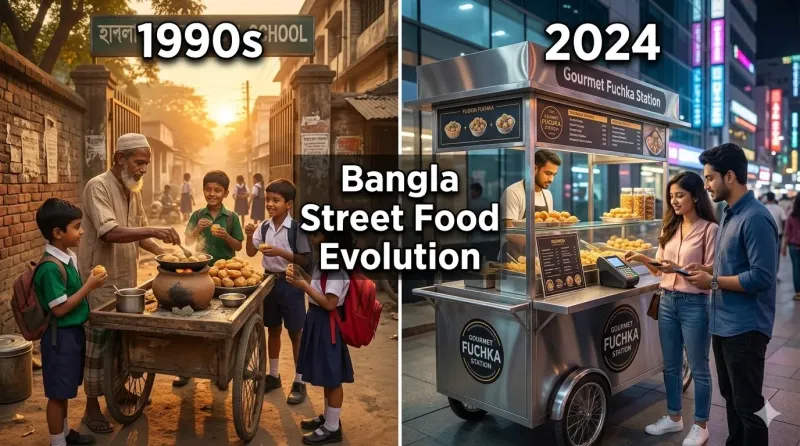
Walk through the bustling streets of Dhaka, Chittagong, or Sylhet, and you'll encounter a sensory explosion that defines the soul of Bangladesh: street food. From the iconic tangy burst of a fuchka to the spicy kick of jhalmuri, street food has long been the great equalizer—enjoyed by students, rickshaw pullers, corporate executives, and celebrities alike. But in recent years, something remarkable has happened. The humble carts parked near school gates are evolving into branded gourmet stations, food trucks, and hygienic kiosks that rival formal restaurants in quality and presentation.
This transformation isn't just about aesthetics; it's a cultural shift reflecting changing consumer demands, increased health awareness, and a new generation of entrepreneurs reimagining traditional flavors. The evolution of Bangladeshi street food tells a story of resilience, innovation, and pride—a journey from makeshift stalls to gourmet carts that honor tradition while embracing modernity.
In this comprehensive guide, we explore the rich history of Bangladeshi street food, trace its transformation into the gourmet scene of 2026, highlight the most iconic dishes (both classic and modern), address hygiene concerns, and look at what the future holds for this vibrant culinary landscape. Whether you're a local nostalgic for childhood flavors or a visitor eager to explore the best bites Bangladesh has to offer, this guide will deepen your appreciation for the streets that feed the nation.
The Roots: Traditional Street Food Culture
To understand where Bangladeshi street food is going, we must first appreciate where it began. For decades, street food has been an integral part of daily life, providing affordable, flavorful sustenance to millions.
Origins and Accessibility
Traditional street food in Bangladesh emerged out of necessity and community. Vendors set up near schools, markets, bus stands, and office areas to serve people who needed quick, cheap, and filling meals.
- Affordability: Historically, street food cost a fraction of restaurant prices, making it accessible to all economic classes
- Convenience: Ready-to-eat items served quickly for people on the go
- Community Hubs: Street food stalls became social gathering spots where people connected over shared meals
- Regional Variations: Each district developed specialties based on local ingredients and cultural influences
Iconic Traditional Items
These classics remain the backbone of Bangladeshi street food culture:
1. Fuchka (Pani Puri):
- Description: Crispy hollow puris filled with spiced mashed potatoes, chickpeas, and tamarind water
- Cultural Significance: The undisputed king of Bangladeshi street food; found in every neighborhood
- Traditional Setup: Large clay pots for tamarind water, metal trays for fillings, vendors standing behind carts
2. Chotpoti:
- Description: Spicy chickpea curry served with fried potatoes, boiled eggs, and tamarind chutney
- Popular Areas: Particularly famous in Chittagong but beloved nationwide
- Serving Style: Served in small bowls or on paper plates with crushed puri on top
3. Jhalmuri:
- Description: Puffed rice mixed with mustard oil, spices, vegetables, and sometimes chanachur
- Preparation: Mixed fresh in a large metal bowl with a distinctive shaking technique
- Variations: Regional differences in spice levels and additional ingredients (peanuts, onions, coriander)
4. Kabab and Paratha:
- Description: Grilled meat skewers (beef, chicken, mutton) served with layered flatbread
- Popular Locations: Old Dhaka (Azimpur, Banglabazar), Chittagong
- Peak Time: Late night snacks, especially after evening prayers or social gatherings
5. Borhani:
- Description: Spiced yogurt drink, often served with kabab or biryani
- Function: Aids digestion and cools the palate after spicy foods
- Traditional Serving: In small clay pots or plastic bags tied with rubber bands
The Transformation: From Carts to Gourmet
Starting in the late 2010s and accelerating through 2026, Bangladeshi street food underwent a significant transformation. Several factors drove this evolution:
Drivers of Change
1. Health and Hygiene Awareness:
- Increased consumer demand for cleaner preparation methods
- Social media exposure of unhygienic practices prompted industry self-regulation
- Government initiatives (like Dhaka North City Corporation's efforts) to organize street vendors
2. Entrepreneurial Innovation:
- Young entrepreneurs seeing opportunity in formalizing street food
- Investment in branding, packaging, and customer experience
- Fusion concepts combining traditional flavors with modern presentation
3. Technology Integration:
- Food delivery apps (Foodpanda, Pathao Food) bringing street food to homes
- Social media marketing creating viral food trends
- Digital payment options reducing cash handling
4. Rising Middle Class:
- Consumers willing to pay premium prices for better quality and hygiene
- Demand for diverse flavors beyond traditional options
- Street food becoming acceptable for family outings, not just quick snacks
The Gourmet Street Food Scene
Today's gourmet street food vendors distinguish themselves through:
- Branded Carts and Trucks: Professionally designed, clean, visually appealing mobile kitchens
- Hygiene Standards: Gloves, hairnets, sanitized surfaces, filtered water
- Premium Ingredients: Organic vegetables, quality meats, imported spices
- Fusion Flavors: Traditional items with modern twists (cheese fuchka, chocolate jhalmuri, noodle boxes)
- Packaging: Eco-friendly containers, branded wrapping, proper utensils
- Location Strategy: High-footfall areas like Gulshan, Banani, Dhanmondi, and university campuses
Classic vs. Gourmet: A Culinary Comparison
The evolution is best understood by comparing traditional preparations with their gourmet counterparts.
Fuchka: Then and Now
Traditional:
- Served at roadside carts with basic setup
- Standard filling: potato, chickpeas, tamarind water
- Price: ৳5-10 per piece
- Eaten standing on the street
Gourmet Version:
- Served from branded kiosks or food trucks
- Variant fillings: cheese, corn, beef bhuna, chocolate (dessert fuchka)
- Price: ৳20-50 per piece
- Served in branded boxes with proper utensils
- Hygiene: Staff wear gloves, water is filtered and tested
Jhalmuri: Then and Now
Traditional:
- Mixed in large metal bowls on street corners
- Basic ingredients: puffed rice, mustard oil, spices, vegetables
- Served in paper cones or plastic bags
Gourmet Version:
- Prepared in sanitized stations with measured ingredients
- Premium additions: dried shrimp, extra vegetables, specialty spices
- Served in eco-friendly bowls with branded branding
- Variants: Spicy, mild, cheese-topped, noodle-mixed
New Gourmet Innovations
Beyond traditional items, the gourmet scene has introduced entirely new concepts:
- Loaded Fries: French fries topped with desi spices, cheese, chicken chunks, and sauces
- Noodle Boxes: Instant noodles upgraded with vegetables, eggs, and meats in portable boxes
- Gourmet Burgers: Beef or chicken patties with local spices (bhuna spices, chatni) in buns
- Dessert Carts: Traditional sweets (roshogolla, mishti doi) presented with modern plating
- Fusion Rolls: Kathi rolls with international fillings (pizza toppings, pasta fillings)
Hygiene and Safety: Addressing Consumer Concerns
One of the biggest barriers to street food consumption has always been hygiene. The evolution toward gourmet carts directly addresses these concerns.
Traditional Hygiene Challenges
- Water Quality: Use of untreated water for preparing drinks and washing ingredients
- Hand Hygiene: Limited access to handwashing facilities for vendors
- Ingredient Storage: Exposure to dust, pollution, and insects
- Waste Disposal: Improper disposal of packaging and food waste
- Oil Quality: Repeated use of cooking oil without proper filtering
Gourmet Standards and Regulations
Improved Practices:
- Filtered Water: RO water systems installed in carts and kiosks
- Personal Protective Equipment: Gloves, masks, hairnets mandatory for staff
- Temperature Control: Refrigeration units for perishable ingredients
- Regular Inspections: Some branded vendors undergo third-party hygiene audits
- Waste Management: Proper bins and disposal partnerships
Government and City Corporation Initiatives:
- Designated vending zones in certain areas of Dhaka
- Vendor registration and training programs
- Food safety awareness campaigns
- Efforts to provide clean water and waste disposal infrastructure in vending zones
Consumer Tips for Safe Street Food:
- Choose vendors with high customer turnover (fresh food)
- Observe hygiene practices (gloves, clean surfaces)
- Opt for freshly cooked items over pre-prepared foods
- Avoid raw vegetables if hygiene is uncertain
- Look for branded or recommended vendors through apps or social media
Economic and Social Impact
The evolution of street food extends beyond cuisine—it has significant economic and social implications.
Economic Opportunities
- Employment: Street food vending provides livelihoods for hundreds of thousands of people
- Entrepreneurship: Low barrier to entry allows aspiring entrepreneurs to start businesses with minimal capital
- Supply Chain: Supports farmers, wholesalers, and logistics providers
- Tourism: Street food tours and culinary experiences attract international visitors
Women Entrepreneurs
Increasingly, women are entering the street food sector, particularly in the gourmet segment:
- Home-Based Businesses: Women preparing food at home and selling through delivery apps
- Branded Kiosks: Women-owned food carts and stalls in urban areas
- Empowerment: Financial independence and social recognition through culinary skills
- Support Networks: NGOs and government programs providing training and microloans
Cultural Preservation
- Recipe Heritage: Gourmet vendors often maintain traditional recipes while improving presentation
- Regional Promotion: Vendors specializing in specific regional cuisines (Sylheti, Chittagonian, Barishali)
- Community Identity: Street food remains a source of local pride and cultural identity
Top Street Food Destinations in Bangladesh (2026)
For those looking to experience the best of Bangladeshi street food, these locations offer diverse options:
Dhaka
Old Dhaka (Puran Dhaka):
- Specialties: Kabab, paratha, borhani, traditional sweets
- Areas: Azimpur, Banglabazar, Chawkbazar
- Vibe: Historic, bustling, authentic traditional flavors
Gulshan and Banani:
- Specialties: Gourmet carts, fusion food, international street food
- Areas: Road 11, Road 27, North Avenue
- Vibe: Modern, hygienic, premium pricing
Dhanmondi:
- Specialties: Fuchka, chotpoti, jhalmuri, dessert carts
- Areas: Dhanmondi 27, Satmasjid Road
- Vibe: Mix of traditional and modern, popular with students and families
Chittagong
Specialties: Chotpoti, Mezban beef, cha (tea), seafood street food
- Areas: GEC Circle, Agrabad, Chandanpura
- Unique Aspect: Spicier flavor profiles, strong tea culture
Sylhet
Specialties: Shatkora-infused snacks, traditional sweets, regional curries
- Areas: Zindabazar, Amberkhana
- Unique Aspect: Distinctive citrus flavors, tea garden influence
The Role of Technology in Street Food Evolution
Technology has been a catalyst for transforming the street food landscape.
Food Delivery Apps
- Accessibility: Street food available at home or office through Foodpanda, Pathao Food
- Visibility: Small vendors gain exposure through app listings
- Quality Control: Apps implement vendor ratings and hygiene standards
- Cashless Payments: Reduced cash handling through digital payment integration
Social Media Marketing
- Viral Trends: Food bloggers and influencers creating demand for specific items
- Brand Building: Vendors using Facebook and Instagram to build loyal followings
- Customer Feedback: Direct communication channels for reviews and suggestions
- Location Sharing: Real-time updates on cart locations and special offerings
Supply Chain Technology
- Ingredient Sourcing: Apps connecting vendors with wholesale suppliers
- Inventory Management: Simple tools for tracking stock and reducing waste
- Quality Assurance: Blockchain pilots for tracking ingredient origins (emerging trend)
Challenges and Future Outlook
Despite progress, challenges remain. Understanding these helps set realistic expectations for the future.
Ongoing Challenges
- Regulatory Uncertainty: Vending policies change; vendors face eviction risks
- Infrastructure Limitations: Lack of clean water, waste disposal, and electricity in some areas
- Price Sensitivity: Gourmet pricing excludes lower-income consumers who rely on traditional street food
- Competition: Saturation in popular areas leads to price wars and quality compromises
- Seasonal Vulnerability: Monsoon season significantly impacts street vending
Future Trends (2026 and Beyond)
1. Sustainability Focus:
- Eco-friendly packaging becoming standard
- Solar-powered carts and energy-efficient equipment
- Zero-waste initiatives and composting programs
2. Health-Conscious Options:
- Low-oil, baked instead of fried options
- Organic and locally-sourced ingredients
- Calorie-counted menus and nutritional information
3. Formalization and Regulation:
- More designated vending zones with infrastructure
- Vendor licensing and hygiene certification programs
- Integration into city planning and tourism strategies
4. Global Recognition:
- Bangladeshi street food gaining international attention
- Fusion concepts exporting Bangladeshi flavors globally
- Street food festivals and culinary tourism promotions
Frequently Asked Questions
Is street food safe to eat in Bangladesh?
Street food safety varies by vendor. Traditional roadside carts may have hygiene risks, while branded gourmet vendors typically maintain higher standards. To minimize risks: - Choose vendors with high customer turnover - Observe hygiene practices (gloves, clean surfaces, covered ingredients) - Opt for freshly cooked items - Use hand sanitizer before eating - Consider branded vendors recommended through apps or social media
What is the most popular street food in Bangladesh?
Fuchka is widely considered the most popular street food, found in every neighborhood across the country. Other top contenders include jhalmuri, chotpoti, and kabab with paratha. Popularity varies by region—Chittagong favors chotpoti, while Old Dhaka is famous for kabab.
How much does street food cost in Bangladesh?
Prices vary significantly: - Traditional street food: ৳10-50 per item - Gourmet street food: ৳50-200+ per item - Full meal from street vendor: ৳100-300 depending on items and location Gourmet carts in areas like Gulshan charge premium prices compared to traditional carts in Old Dhaka.
Are there vegetarian street food options?
Yes, many popular items are vegetarian: - Fuchka (typically potato and chickpea filling) - Jhalmuri (puffed rice with vegetables) - Chotpoti (chickpea-based, confirm no meat garnish) - Various fritters (beguni, peyaju) - Desserts and sweets Always confirm with vendors if you have strict dietary requirements, as some items may use animal-derived ingredients.
How has street food changed in the last 10 years?
Key changes include: - Improved hygiene standards among branded vendors - Introduction of fusion flavors and gourmet presentations - Integration with food delivery apps - Better packaging (eco-friendly options emerging) - Higher prices for premium offerings - Increased women participation in vending - More regulation and designated vending zones in some areas
Can tourists safely enjoy Bangladeshi street food?
Yes, with precautions: - Start with branded or recommended vendors - Avoid raw vegetables and untreated water - Choose freshly cooked, hot items - Gradually introduce spicy foods to adjust your stomach - Consider joining organized street food tours for guided, safe experiences - Carry digestive aids and stay hydrated
Conclusion: A Culinary Journey Continues
The evolution of Bangladeshi street food from humble school gate carts to gourmet food trucks reflects a nation in transition—honoring its roots while embracing innovation. This journey isn't just about food; it's about dignity for vendors, safety for consumers, and pride in cultural heritage.
Traditional flavors remain the heart of the experience. No matter how gourmet the presentation becomes, the essence of a perfectly spiced fuchka or a freshly mixed jhalmuri remains unchanged. What has evolved is the context—the hygiene, the presentation, the accessibility, and the opportunities for entrepreneurs to build sustainable businesses around these beloved foods.
Key takeaways from the evolution:
- Tradition meets innovation: Classic recipes preserved with modern standards
- Hygiene matters: Consumer demand driving improved safety practices
- Entrepreneurship thrives: Low barriers enabling diverse business owners
- Technology enables growth: Apps and social media expanding reach
- Cultural identity strengthens: Street food as a source of national pride
As you walk the streets of Dhaka, Chittagong, or any Bangladeshi city in 2026, you'll witness this evolution firsthand. You'll see traditional carts serving alongside gourmet trucks, both contributing to a vibrant culinary ecosystem that feeds millions daily.
Explore responsibly. Support vendors who prioritize hygiene and fair practices. Try both traditional and gourmet options to appreciate the full spectrum. And remember—every bite supports a livelihood, preserves a tradition, and celebrates the rich culinary heritage of Bangladesh.
The streets are calling. The flavors are waiting. Welcome to the evolution of Bangladeshi street food.