

Hidden Natural Wonders of Bangladesh: Delta Secrets Revealed
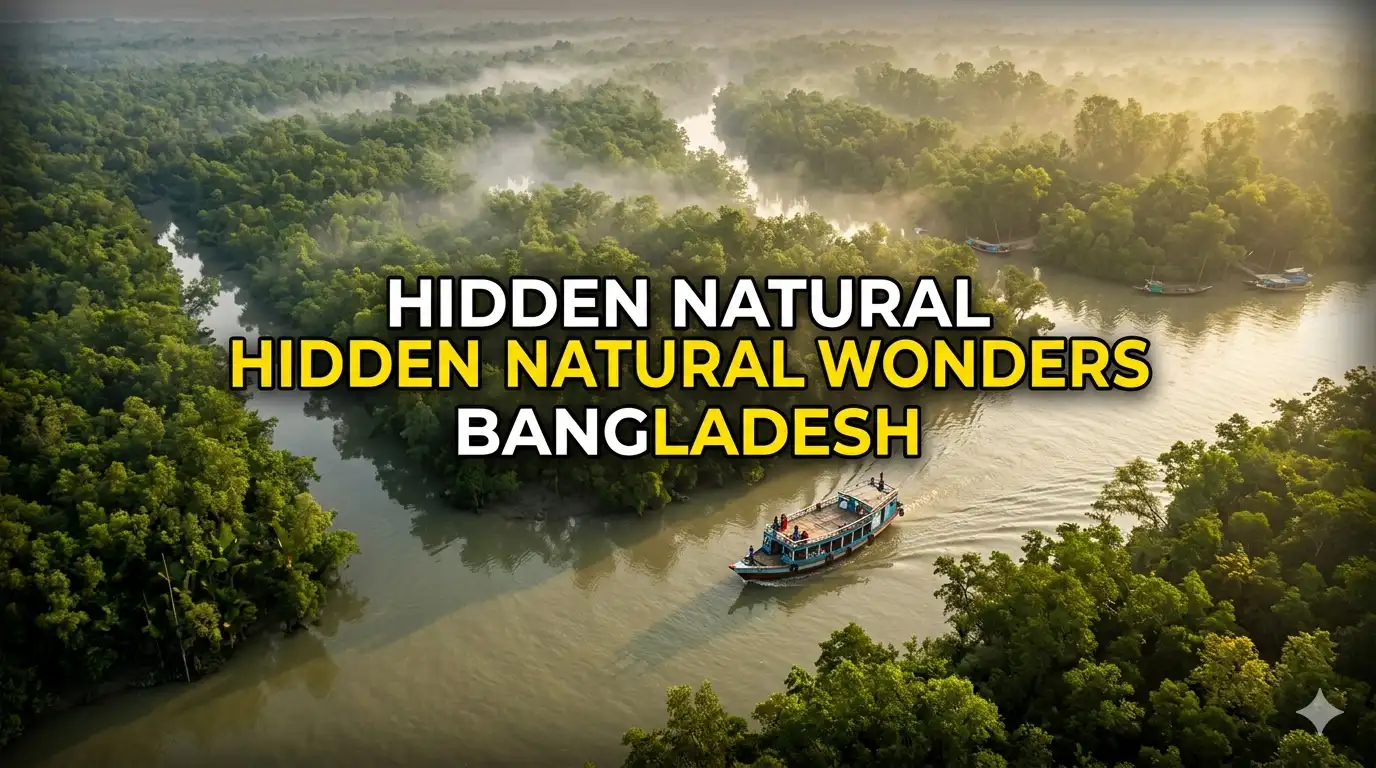
Bangladesh, a land cradled by the mighty Ganges, Brahmaputra, and Meghna rivers, is far more than its bustling cities and crowded streets suggest. Beyond the urban landscape lies a treasure trove of hidden natural wonders that remain largely unknown to the world. From mystical mangrove forests and pristine hill tracts to secret waterfalls and untouched beaches, Bangladesh's delta ecosystem harbors secrets waiting to be discovered by adventurous travelers and nature enthusiasts.
While the Sundarbans may be famous as the world's largest mangrove forest and home to the Royal Bengal Tiger, countless other natural marvels exist in the shadows of this iconic landmark. The country's unique position at the confluence of major river systems has created one of the most biodiverse delta regions on Earth, featuring landscapes that range from coral islands in the Bay of Bengal to mist-shrouded tea gardens in the northeastern hills.
This comprehensive guide unveils the hidden natural wonders of Bangladesh, taking you on a journey through lesser-known destinations that showcase the country's extraordinary ecological diversity. Whether you're a seasoned traveler seeking off-the-beaten-path adventures or simply curious about Bangladesh's natural heritage, you'll discover places that will challenge everything you thought you knew about this remarkable delta nation.
The Delta Ecosystem: Bangladesh's Natural Foundation
Understanding Bangladesh's hidden wonders begins with appreciating the delta ecosystem that shapes every aspect of the country's natural landscape. The Ganges-Brahmaputra-Meghna delta is the world's largest and most fertile delta system, covering over 105,000 square kilometers and supporting one of the highest population densities on Earth.
What Makes the Delta Unique
River Network: Over 700 rivers crisscross Bangladesh, creating an intricate web of waterways that sustain diverse ecosystems. These rivers deposit nutrient-rich silt that creates some of the world's most fertile agricultural land while also supporting unique aquatic habitats.
Tidal Influence: The daily ebb and flow of tides from the Bay of Bengal creates dynamic coastal ecosystems where freshwater meets saltwater, giving rise to specialized mangrove forests and unique wildlife adaptations.
Seasonal Rhythms: The monsoon season transforms the landscape dramatically, flooding low-lying areas and creating temporary wetlands (haors and baors) that support migratory birds and aquatic life.
Biodiversity Hotspot
Bangladesh's delta ecosystem supports:
- Over 9,000 species of flora and fauna
- More than 628 bird species, including rare and endangered varieties
- 133 mammal species, from the iconic Royal Bengal Tiger to the elusive Ganges River Dolphin
- Over 300 freshwater fish species in its rivers and wetlands
- Countless plant species adapted to delta conditions
This extraordinary biodiversity exists in various ecosystems, from the saline mangroves of the south to the freshwater wetlands of the northeast and the forested hills of the southeast.
The Sundarbans: Beyond the Famous Tiger Reserve
While the Sundarbans is internationally recognized as a UNESCO World Heritage Site and home to the Royal Bengal Tiger, most visitors only scratch the surface of what this vast mangrove forest has to offer. Beyond the popular tourist routes lie hidden channels, secret islands, and pristine ecosystems that few ever experience.
Hidden Islands of the Sundarbans
Dublar Char: This seasonal island emerges during the dry season and disappears during monsoons. It's a haven for fishermen and hosts a unique ecosystem where deer roam freely and rare birds nest in undisturbed mangrove canopies. The island's temporary nature makes it one of the most elusive destinations in the Sundarbans.
Kotka Beach: Unlike typical sandy beaches, Kotka features a unique beach formed by mangrove roots and sediment. The beach is backed by dense forest where spotted deer, wild boar, and various bird species can be observed. The beach's golden sand contrasts beautifully with the green mangroves, creating a surreal landscape.
Hiron Point: Located at the southernmost tip of the Bangladesh Sundarbans, this remote point offers stunning views where the forest meets the Bay of Bengal. It's one of the best places to spot Irrawaddy dolphins and various species of crocodiles basking on riverbanks.
Secret Waterways and Channels
Beyond the main navigable rivers, the Sundarbans contains a labyrinth of narrow channels known as "charas" that wind through dense mangrove forests. These hidden waterways offer:
- Intimate wildlife encounters: Smaller channels provide closer views of monitor lizards, kingfishers, and occasionally tigers coming to drink
- Undisturbed ecosystems: Areas rarely visited by tourists where nature remains pristine
- Unique photography opportunities: Sunlight filtering through mangrove canopies creates magical lighting conditions
- Cultural experiences: Visits to remote fishing villages where traditional livelihoods continue unchanged
The Northern Sundarbans: An Overlooked Paradise
While most tourists visit the southern Sundarbans, the northern sections near Khulna and Satkhira offer equally spectacular experiences with fewer crowds:
Karamjal: This area features a deer breeding center and offers easy access to mangrove forests. It's perfect for first-time visitors and families.
Netidhopani: Home to a 400-year-old watchtower and ruins of a settlement, this area combines natural beauty with historical intrigue. The four-storied watchtower offers panoramic views of the surrounding forest.
Sylhet's Hidden Treasures: Beyond the Tea Gardens
The Sylhet region in northeastern Bangladesh is famous for its tea gardens, but beneath this well-known surface lies a wealth of hidden natural wonders that few tourists discover.
Secret Waterfalls of the Northeast
Madhabkunda Waterfall: While gaining popularity, this 200-foot waterfall remains relatively unknown to international tourists. Surrounded by lush tropical forest, the waterfall creates a misty microclimate that supports unique flora and fauna. The trek to the waterfall passes through tea gardens and small villages, offering glimpses of rural Bangladeshi life.
Nafa-khum Waterfall: Located near the Myanmar border in the remote Thanchi region, this is Bangladesh's largest waterfall. The journey to Nafa-khum is an adventure in itself, requiring boat rides and jungle treks through indigenous villages. The waterfall cascades down in multiple tiers, creating natural pools perfect for swimming.
Hum Hum Waterfall: Named after the sound it makes, this hidden gem near Jaflong requires a challenging trek through dense forest. The reward is a pristine waterfall surrounded by untouched nature, far from any tourist infrastructure.
The Haor Basin: Bangladesh's Inland Sea
The haor basin of Sylhet is one of Bangladesh's most unique and least-visited ecosystems. These vast wetlands transform dramatically between seasons:
Wet Season (June-October): The haors flood completely, creating an inland sea dotted with villages on elevated ground (known as "chars"). Traditional boats become the primary mode of transportation, and the landscape resembles the floating villages of Southeast Asia.
Dry Season (November-May): As waters recede, the haors transform into lush green meadows and agricultural land. This is when migratory birds from Siberia, Central Asia, and Europe arrive, making it a paradise for birdwatchers.
Tanguar Haor: This Ramsar site (wetland of international importance) is home to over 140 bird species, including several globally threatened species. The haor supports unique aquatic vegetation and traditional fishing communities whose way of life has remained unchanged for generations.
Hakaluki Haor: Bangladesh's largest haor covers over 18,000 hectares and supports over 238 fish species. During winter, it becomes a haven for migratory waterfowl, with thousands of birds creating spectacular aerial displays at dawn and dusk.
Jaflong's Stone Collections and Rivers
Jaflong, near the Indian border, offers a unique geological phenomenon where the Dauki River carries stones from the Khasi Hills of India. The area features:
- Stone collections: Locals collect and sort river stones, creating a unique industry
- Crystal-clear waters: The Dauki River is one of the few in Bangladesh with transparent water where you can see the riverbed
- Limestone formations: The area sits on limestone deposits, creating interesting geological features
- Tea garden backdrop: Rolling tea estates provide a stunning backdrop to the river landscape
The Chittagong Hill Tracts: Bangladesh's Best-Kept Secret
The Chittagong Hill Tracts (CHT) in southeastern Bangladesh represent the country's only extensive hill region, covering over 13,000 square kilometers. This remote area remains one of Bangladesh's least-explored regions, harboring incredible natural beauty and cultural diversity.
Hidden Valleys and Lakes
Bagakain Lake: Also known as Boga Lake, this high-altitude lake sits at 1,000 meters above sea level in the remote Thanchi region. The journey to Bagakain requires a multi-day trek through indigenous villages and dense jungle. The lake's emerald waters are surrounded by mist-covered hills, creating an ethereal atmosphere that changes with the weather.
Keokradong: Often mistakenly called Bangladesh's highest peak (that's actually Saka Haphong), Keokradong offers spectacular views and challenging treks. The mountain is sacred to indigenous communities and features unique biodiversity, including rare orchids and medicinal plants.
Nilgiri Hills: These blue-hued mountains near Thanchi offer some of the most spectacular sunrise and sunset views in Bangladesh. The hills are home to indigenous Marma and Tripura communities who maintain traditional agricultural practices and cultural traditions.
Secret Rivers and Waterfalls
Sangu River: Bangladesh's only river that originates and ends within the country, the Sangu flows through pristine forests and indigenous villages. The river is navigable by traditional boats and offers opportunities to observe riverside communities and wildlife.
Remakri Waterfall: Hidden deep in the Bandarban district, this waterfall requires a challenging trek through jungle and across streams. The waterfall cascades down multiple tiers, creating natural swimming pools surrounded by dense vegetation.
Prantik Lake: Also known as the "Lake of the Horizon," this artificial lake is surrounded by hills and forests. The area is perfect for camping and offers stunning reflections of the surrounding landscape on calm days.
Indigenous Culture and Nature
The Hill Tracts are home to 12 indigenous ethnic groups, each with distinct cultures, languages, and traditional ecological knowledge:
- Chakma: The largest group, known for Buddhist temples and traditional weaving
- Marma: Known for their distinctive architecture and agricultural terraces
- Tripura: Famous for colorful festivals and traditional music
- Mro: One of the smallest groups, maintaining ancient animist traditions
These communities practice sustainable agriculture, including jhum (shifting cultivation), and possess extensive knowledge of medicinal plants and forest management. Visiting their villages offers insights into sustainable living practices that have preserved these ecosystems for centuries.
Coastal Wonders: Beyond Cox's Bazar
While Cox's Bazar's 120-kilometer beach is world-famous, Bangladesh's 580-kilometer coastline holds many other natural wonders that remain largely undiscovered.
Secret Beaches and Islands
St. Martin's Island: Bangladesh's only coral island, located in the Bay of Bengal, is a marine paradise that remains relatively unknown internationally. The island features:
- Coral reefs: Home to diverse coral species and tropical fish
- Sea turtle nesting sites: Olive Ridley and Green turtles nest on the island's beaches
- Crystal-clear waters: Visibility can exceed 10 meters, perfect for snorkeling
- Coconut groves: The island is covered with coconut palms that sway in the sea breeze
- Local fishing culture: Traditional fishing methods and fresh seafood
Sonadia Island: This small island near Cox's Bazar is a haven for migratory birds and sea turtles. The island's beaches are pristine, and the surrounding waters support diverse marine life. It's an important nesting site for sea turtles and a resting point for migratory birds traveling along the East Asian-Australasian Flyway.
Nijhum Dwip: Located in the Noakhali district, this island in the Meghna estuary is a hidden gem featuring:
- Mangrove forests: Secondary growth mangroves that support diverse wildlife
- Deer population: Spotted deer roam freely across the island
- Migratory birds: Over 100 species visit during winter months
- Historical ruins: Remnants of settlements from different eras
- Sunset views: Spectacular sunsets over the Meghna River
The Sundarbans Coast
Beyond the mangrove forests, the Sundarbans coast features unique landscapes where land meets sea:
Dublar Char Fishing Village: This temporary settlement appears during the dry season when fishermen establish camps to catch and dry fish. The village disappears during monsoons when floods return the area to the sea.
Kotka Dolphin Watching Point: One of the best places to observe Irrawaddy dolphins in their natural habitat. These rare dolphins are found in the saline waters where rivers meet the sea.
Patenga and Beyond
While Patenga Beach near Chittagong is well-known, the surrounding coastal areas offer quieter alternatives:
Anwara Beach: A serene beach south of Chittagong that remains largely undeveloped. The beach offers stunning views of the Karnaphuli River meeting the Bay of Bengal.
Kuakata: Known as the "Daughter of the Sea," Kuakata is one of the rare beaches in the world where you can witness both sunrise and sunset over the water. The beach features a gentle slope into the Bay of Bengal and is backed by coconut groves.
The Northern Wetlands: Bangladesh's Avian Paradise
Northern Bangladesh, particularly the Rangpur and Rajshahi divisions, contains extensive wetland ecosystems that serve as critical habitats for migratory birds and support unique biodiversity.
Hidden Haors and Baors
Chalan Beel: Bangladesh's largest beel (wetland), covering over 400 square kilometers during the monsoon season. This vast wetland:
- Supports over 150 fish species
- Attracts thousands of migratory birds during winter
- Features floating vegetation and water lilies
- Supports traditional fishing communities
- Transforms dramatically between wet and dry seasons
Gurmar Beel: A smaller but equally important wetland in the Modhupur forest region. This beel is surrounded by Sal forest and supports diverse wildlife, including deer, monkeys, and numerous bird species.
River Islands (Chars)
Bangladesh's major rivers constantly deposit sediment, creating new islands known as "chars." These temporary landmasses:
- Host unique pioneer plant species adapted to unstable conditions
- Support communities of resilient farmers and fishers
- Provide habitat for river dolphins and aquatic birds
- Constantly change shape and size with river currents
- Offer insights into river dynamics and geomorphology
Char areas of the Jamuna River: The Jamuna (Brahmaputra) River creates numerous chars that are constantly shifting. These areas support hardy communities who have adapted to the river's dynamic nature.
Rare and Endangered Species: Bangladesh's Natural Treasures
Bangladesh's hidden natural wonders are home to numerous rare and endangered species that make the country a critical conservation priority.
Mammals
Royal Bengal Tiger: The Sundarbans hosts approximately 100 tigers, adapted to mangrove habitats and capable swimmers.
Ganges River Dolphin: One of the world's rarest dolphins, found in the Ganges, Brahmaputra, and Karnaphuli rivers. These dolphins are functionally blind and use echolocation to navigate murky waters.
Asian Elephant: Small populations survive in the Chittagong Hill Tracts and Sylhet region, facing habitat fragmentation challenges.
Hoolock Gibbon: Bangladesh's only ape species, found in the northeastern forests. These acrobatic primates are critically endangered.
Birds
Spoon-billed Sandpiper: One of the world's rarest birds, this critically endangered species uses Bangladesh's coastal wetlands as a stopover during migration.
Greater Adjutant Stork: Once common, now endangered, these massive birds nest in trees near human settlements in central Bangladesh.
White-winged Duck: One of the rarest ducks in the world, found in the haors and forests of northeastern Bangladesh.
Reptiles and Amphibians
Gharial: This fish-eating crocodile with a distinctive long, narrow snout survives in small numbers in the Sundarbans and northern rivers.
Saltwater Crocodile: The world's largest reptile inhabits the Sundarbans and coastal areas.
King Cobra: The world's longest venomous snake inhabits the forests of the Hill Tracts and Sylhet region.
Conservation Challenges and Success Stories
Bangladesh's hidden natural wonders face numerous threats, but conservation efforts are showing promising results.
Major Threats
Climate Change: Rising sea levels threaten coastal ecosystems, particularly the Sundarbans. Saltwater intrusion affects freshwater wetlands and agricultural land.
Deforestation: Illegal logging and land conversion threaten forest ecosystems, particularly in the Hill Tracts and northeastern regions.
Pollution: Industrial discharge, agricultural runoff, and plastic pollution degrade water quality in rivers and wetlands.
Overexploitation: Overfishing, unsustainable hunting, and illegal wildlife trade threaten biodiversity.
Infrastructure Development: Dams, roads, and urbanization fragment habitats and disrupt ecological processes.
Conservation Success Stories
Sundarbans Tiger Conservation: Despite challenges, tiger populations in the Bangladesh Sundarbans have remained stable through anti-poaching efforts and community engagement.
Dolphin Conservation: The establishment of the Karnaphuli-Sangu River Dolphin Sanctuary has helped protect the endangered Ganges River Dolphin.
Community-Based Conservation: Indigenous communities in the Hill Tracts and haor regions are leading conservation efforts, combining traditional knowledge with modern conservation practices.
Wetland Restoration: Projects to restore degraded haors and beels are showing positive results for biodiversity and local livelihoods.
How to Explore Bangladesh's Hidden Natural Wonders Responsibly
Visiting Bangladesh's hidden natural wonders requires careful planning and a commitment to responsible tourism.
Best Time to Visit
November to February (Winter): The best time to visit most natural areas. Pleasant temperatures (15-25°C), minimal rainfall, and clear skies. Ideal for wildlife viewing, trekking, and beach visits.
March to May (Spring/Summer): Hot and humid, but good for visiting hill stations and northern regions. Waterfalls are at their most spectacular during early spring.
June to October (Monsoon): Heavy rainfall transforms the landscape. Good for seeing haors in full flood and experiencing the monsoon's dramatic beauty, but travel can be challenging.
Essential Tips for Responsible Tourism
Choose Eco-Friendly Operators: Select tour operators committed to sustainable practices and community benefits.
Respect Local Communities: Always ask permission before photographing people. Support local businesses and respect cultural norms.
Minimize Environmental Impact: Carry out all trash, avoid single-use plastics, stay on marked trails, and don't disturb wildlife.
Support Conservation: Pay entrance fees to protected areas, which fund conservation efforts. Consider donating to local conservation organizations.
Travel Light: Pack reusable water bottles, cloth bags, and eco-friendly toiletries.
Safety Considerations
Hire Local Guides: Especially important in remote areas like the Sundarbans and Hill Tracts. Local guides know the terrain, wildlife, and cultural sensitivities.
Check Weather Conditions: Monsoon season can make travel dangerous. Always check weather forecasts and heed local advice.
Vaccinations and Health: Consult a travel doctor before visiting. Malaria prophylaxis may be recommended for certain areas.
Permits: Some areas, particularly in the Hill Tracts, require special permits for foreign visitors. Check requirements in advance.
Conclusion: A Call to Discover and Protect
Bangladesh's hidden natural wonders represent more than just beautiful landscapes—they are vital ecosystems that support incredible biodiversity, sustain millions of livelihoods, and play a crucial role in global climate regulation. From the mangrove labyrinths of the Sundarbans to the mist-shrouded peaks of the Hill Tracts, from the vast wetlands of the haor basin to the pristine coral reefs of St. Martin's Island, these natural treasures offer experiences that rival any destination in the world.
Yet these wonders remain largely unknown, visited by only a fraction of the travelers who pass through Bangladesh's cities. This obscurity is both a blessing and a challenge. While it has protected many areas from mass tourism's destructive impacts, it also means these ecosystems lack the visibility and resources needed for effective conservation.
As responsible travelers, we have both the privilege and the responsibility to explore these hidden wonders while ensuring their preservation for future generations. By choosing sustainable tourism practices, supporting local communities, and advocating for conservation, we can help protect Bangladesh's natural heritage while experiencing its extraordinary beauty.
The delta's secrets are waiting to be unveiled—not just for the wonder they inspire, but for the vital role they play in sustaining life, culture, and biodiversity. Will you answer the call to discover and protect these hidden natural wonders of Bangladesh?
Your journey into Bangladesh's hidden natural wonders begins with a single step. Whether you're planning your first visit or dreaming of future adventures, remember that every responsible traveler contributes to the conservation of these precious ecosystems. The delta's secrets await those willing to seek them with respect, curiosity, and a commitment to preservation.