

Exosome Therapy: Future of Regenerative Aesthetics
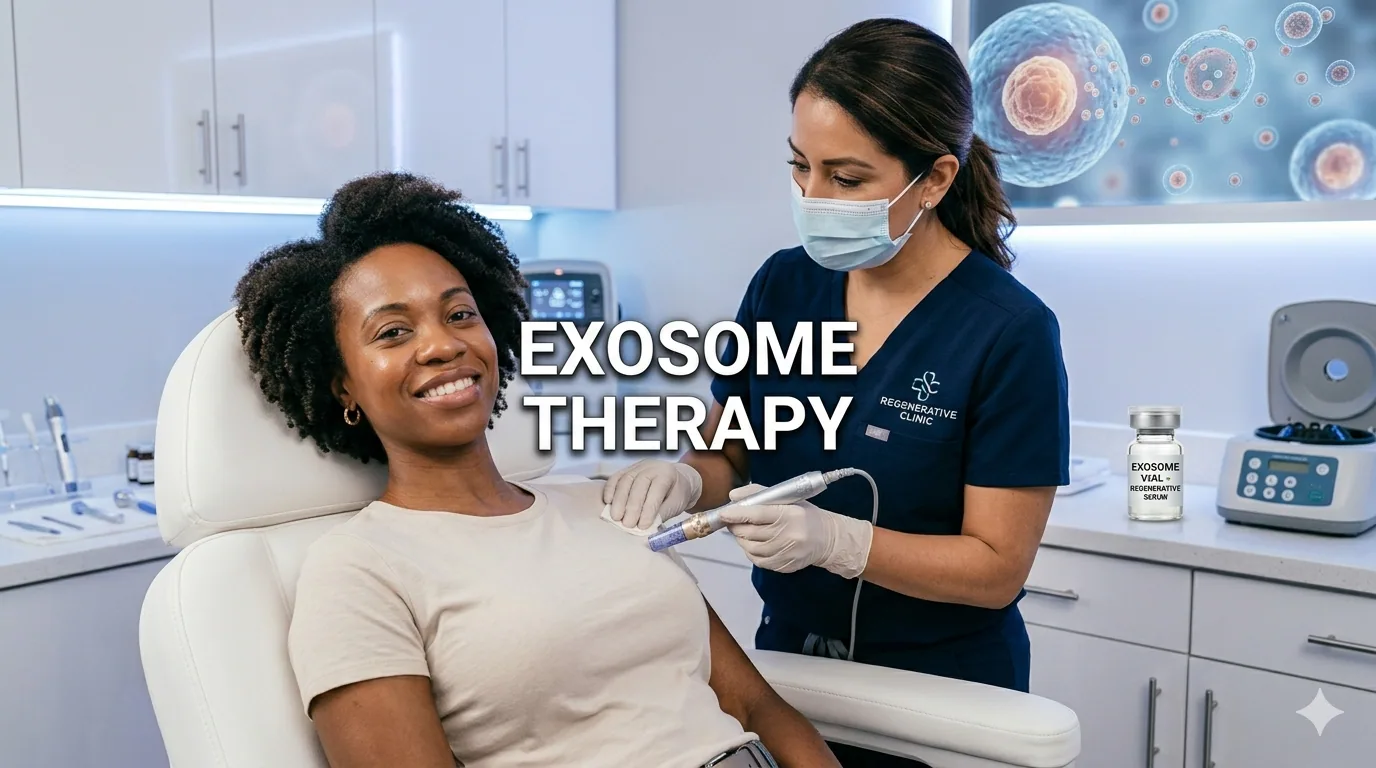
The quest for youthful, radiant skin has entered a new era. Exosome therapy, a cutting-edge regenerative treatment harnessing the body's own cellular communication system, is revolutionizing aesthetic medicine. Unlike traditional fillers or lasers that address surface concerns, exosomes work at the cellular level to stimulate natural repair, regeneration, and rejuvenation from within.
Exosomes are tiny extracellular vesicles—essentially microscopic messengers—that carry proteins, growth factors, and genetic material between cells. In aesthetic applications, laboratory-isolated exosomes are applied topically or delivered via microneedling to signal skin cells to produce more collagen, reduce inflammation, and accelerate healing. The result: smoother texture, improved tone, diminished fine lines, and a natural-looking glow without downtime or synthetic additives.
In this comprehensive, evidence-based guide, we'll explore the science behind exosome therapy, its applications in skin rejuvenation and hair restoration, how it compares to treatments like PRP and stem cells, what to expect during a session, and important considerations around safety, regulation, and cost. Whether you're a skincare enthusiast or considering advanced aesthetic treatments, this guide will equip you with the knowledge to make informed decisions about this promising frontier in regenerative aesthetics.
What Are Exosomes and How Do They Work?
Short answer: Exosomes are nanosized vesicles released by cells that carry signaling molecules like proteins, lipids, and RNA to communicate with other cells, triggering repair, regeneration, and anti-inflammatory responses in targeted tissues.
Every cell in your body releases exosomes as part of normal cellular communication. Think of them as biological text messages: they package important instructions and deliver them to recipient cells, influencing behavior without direct cell-to-cell contact.
In regenerative aesthetics, exosomes are typically derived from mesenchymal stem cells (MSCs) sourced from umbilical cord tissue or other ethically donated materials. These exosomes are isolated, purified, and concentrated in laboratory settings to ensure purity, potency, and safety before being used in clinical treatments.
Here's what happens when exosomes are applied to skin or scalp:
- Cellular signaling: Exosomes deliver growth factors (like TGF-β, VEGF, FGF) and microRNAs that activate fibroblasts—the cells responsible for producing collagen and elastin.
- Anti-inflammatory effects: Exosomes modulate immune responses, reducing redness, swelling, and irritation associated with aging, sun damage, or procedures.
- Angiogenesis support: They promote the formation of new blood vessels, improving nutrient delivery and skin vitality.
- Oxidative stress reduction: Exosomes enhance cellular antioxidant defenses, protecting against environmental damage and premature aging.
- Tissue remodeling: By coordinating cellular activity, exosomes support organized repair rather than scar formation, leading to smoother, more youthful-looking skin.
Unlike stem cell therapies that introduce living cells (with associated regulatory and safety complexities), exosome therapy delivers only the beneficial signaling components—making it a cell-free, lower-risk approach to regeneration.
The Science: Why Exosomes Are Transforming Aesthetics
Short answer: Exosomes offer targeted, potent cellular communication without introducing foreign cells, enabling precise regeneration of skin and hair tissues with minimal risk of immune reaction or ethical concerns.
Research in regenerative medicine has identified several mechanisms that make exosomes uniquely effective for aesthetic applications:
Superior Bioavailability and Penetration
Exosomes are incredibly small—typically 30-150 nanometers in diameter—allowing them to penetrate skin barriers more effectively than larger molecules or cells. When delivered via microneedling, sonophoresis, or specialized topical formulations, exosomes reach deeper skin layers where fibroblasts and hair follicles reside.
Multi-Target Signaling
A single exosome carries hundreds of different signaling molecules. This "cargo" can simultaneously:
- Stimulate collagen and elastin production
- Inhibit matrix metalloproteinases (enzymes that break down collagen)
- Reduce melanin overproduction (helping with hyperpigmentation)
- Support hair follicle cycling and density
- Accelerate wound healing and barrier repair
This multi-target approach addresses multiple signs of aging in one treatment, unlike single-ingredient serums that focus on one pathway.
Paracrine Signaling Without Cell Transplantation
Stem cells exert many of their benefits through paracrine signaling—releasing factors that influence nearby cells. Exosome therapy isolates these beneficial signals without introducing living cells, eliminating risks like:
- Uncontrolled cell growth or differentiation
- Immune rejection or inflammatory reactions
- Ethical concerns around stem cell sourcing
- Regulatory complexities of cell-based therapies
Stability and Standardization
Unlike live cells that require strict temperature control and have limited shelf life, purified exosomes can be lyophilized (freeze-dried) and stored for extended periods. This enables:
- Consistent dosing and potency across treatments
- Easier transportation and clinical use
- Quality control testing for purity and safety
Exosome Therapy Applications in Aesthetic Medicine
Short answer: Exosome therapy is used for facial rejuvenation, neck and décolletage treatment, hair restoration, scar revision, post-procedure healing, and overall skin quality improvement—with results that develop gradually over weeks to months.
Facial Rejuvenation and Skin Quality
Primary benefits:
- Improved texture: Smoother skin with reduced roughness and enlarged pores
- Enhanced tone: More even complexion with diminished hyperpigmentation and redness
- Fine line reduction: Visible softening of wrinkles through increased collagen
- Increased radiance: Healthier-looking glow from improved cellular function
- Barrier strengthening: Better hydration retention and resilience against irritants
Ideal candidates: Individuals with early to moderate signs of aging, sun damage, dullness, or those seeking maintenance after more invasive procedures.
Hair Restoration and Scalp Health
Primary benefits:
- Follicle stimulation: Exosomes signal dormant hair follicles to re-enter growth phase
- Increased density: Thicker appearance from improved hair shaft diameter and reduced shedding
- Scalp rejuvenation: Reduced inflammation and improved microcirculation support healthier follicles
- Complementary to other treatments: Often combined with PRP, microneedling, or topical minoxidil for synergistic effects
Ideal candidates: Those with androgenetic alopecia (pattern hair loss), telogen effluvium (stress-related shedding), or seeking to enhance results from hair transplant procedures.
Scar Revision and Wound Healing
Primary benefits:
- Acne scar improvement: Smoother texture through organized collagen remodeling
- Surgical scar softening: Reduced redness, thickness, and visibility
- Post-procedure recovery: Faster healing with less downtime after lasers, peels, or microneedling
- Stretch mark attenuation: Improved texture and color in striae
Ideal candidates: Individuals with atrophic scars, post-inflammatory hyperpigmentation, or those undergoing procedures who want to optimize healing.
Neck, Décolletage, and Hand Rejuvenation
These areas show aging early but are often overlooked. Exosome therapy can:
- Improve crepey texture on neck and chest
- Reduce visible veins and sun spots on hands
- Enhance skin firmness without fillers or surgery
Exosome Therapy vs. Other Regenerative Treatments
Short answer: Exosomes offer targeted cellular signaling without live cells (unlike stem cell therapy), higher growth factor concentration than PRP, and natural regeneration without synthetic fillers—making them a versatile, lower-risk option for many aesthetic goals.
Exosomes vs. PRP (Platelet-Rich Plasma)
| Factor | Exosomes | PRP |
|---|---|---|
| Source | Lab-isolated from donor stem cells | Derived from patient's own blood |
| Growth factor concentration | Standardized, high potency | Variable, depends on patient biology |
| Consistency | Batch-tested for quality | Results vary by individual |
| Preparation time | Ready-to-use | Requires blood draw and centrifugation |
| Allergy risk | Very low (cell-free) | Minimal (autologous) |
| Best for | Consistent results, sensitive patients | Patients preferring fully autologous treatment |
Exosomes vs. Stem Cell Therapy
Exosomes advantages:
- No risk of uncontrolled cell growth or differentiation
- Lower regulatory barriers (cell-free product)
- Easier storage, transport, and standardization
- Reduced ethical concerns (no embryo use)
- Lower cost than live cell therapies
Stem cell advantages:
- Potential for longer-lasting effects through cell engraftment
- Broader regenerative capacity in some applications
For most aesthetic applications, exosomes provide comparable benefits with fewer complexities.
Exosomes vs. Traditional Fillers and Lasers
Exosomes: Stimulate natural regeneration; results develop gradually over weeks; minimal downtime; addresses root causes of aging.
Fillers: Provide immediate volume restoration; results last 6-18 months; risk of lumps, migration, or unnatural appearance; doesn't improve skin quality.
Lasers: Resurface skin through controlled injury; require downtime; risk of hyperpigmentation or scarring; results depend on operator skill.
Many providers combine exosomes with these treatments—using exosomes to enhance healing and prolong results.
What to Expect During an Exosome Therapy Session
Short answer: Treatment typically involves cleansing, optional microneedling or ultrasound delivery, application of exosome serum, and post-care instructions—with minimal discomfort, no downtime, and gradual results appearing over 4-12 weeks.
Pre-Treatment Preparation
- Consultation: Discuss goals, medical history, and expectations with a qualified provider
- Skin assessment: Provider evaluates skin type, concerns, and suitability for exosome therapy
- Pre-care instructions: Avoid retinoids, acids, or sun exposure 3-5 days before treatment
- Medication review: Disclose blood thinners, immunosuppressants, or active infections
During the Treatment (30-60 Minutes)
Step 1: Cleansing and Numbing (Optional)
- Face is thoroughly cleansed
- Topical numbing cream may be applied if microneedling is used (15-20 minutes)
Step 2: Delivery Method Selection
Exosomes can be delivered via:
- Topical application: Serum massaged into skin—best for maintenance or sensitive skin
- Microneedling: Creates micro-channels for deeper penetration—most common for rejuvenation
- Ultrasound or iontophoresis: Uses energy to enhance absorption—gentle option for delicate areas
- Injection: Rare in aesthetics; more common in orthopedic applications
Step 3: Exosome Application
- Reconstituted exosome serum is applied to treatment area
- Gentle massage or device-assisted delivery ensures even distribution
- Additional layers may be applied for enhanced effect
Step 4: Post-Application Care
- Soothing serum or mask may be applied
- Sunscreen is applied before leaving (critical for results)
- Provider reviews aftercare instructions
Post-Treatment Experience
- Immediately after: Skin may appear slightly pink or dewy; no significant downtime
- First 24-48 hours: Avoid makeup, excessive heat, sweating, or active skincare
- Days 3-7: Resume gentle routine; skin may feel smoother or more hydrated
- Weeks 2-4: Early improvements in texture and radiance may appear
- Weeks 4-12: Collagen remodeling leads to visible firming, line reduction, and tone improvement
Recommended Treatment Series
For optimal results:
- Initial series: 3 sessions spaced 4-6 weeks apart
- Maintenance: 1 session every 3-6 months
- Combination protocols: Often paired with PRP, lasers, or peels for enhanced outcomes
Safety, Regulation, and Important Considerations
Short answer: Exosome therapy is generally safe when performed by qualified providers using FDA-compliant, laboratory-tested products, but regulatory oversight varies; choose reputable clinics, verify product sourcing, and discuss realistic expectations.
Current Regulatory Landscape
In the United States:
- Exosomes are regulated by the FDA as biological products
- Products must be manufactured in FDA-registered facilities following cGMP (current Good Manufacturing Practices)
- Clinical use for aesthetics is often considered "off-label"; providers must follow ethical guidelines
- The FDA has issued warnings about unapproved stem cell and exosome products—verify clinic compliance
Internationally: Regulations vary significantly. Research local guidelines and choose providers who prioritize safety and transparency.
Safety Profile and Potential Risks
Generally well-tolerated: Most patients experience only mild, temporary redness or sensitivity.
Potential risks (rare):
- Allergic reaction to formulation components (not exosomes themselves)
- Infection if sterile technique isn't followed during microneedling
- Paradoxical inflammation if product quality is poor
- Unrealistic expectations leading to dissatisfaction
Contraindications:
- Active skin infections or open wounds in treatment area
- History of keloid scarring (for microneedling delivery)
- Pregnancy or breastfeeding (due to limited safety data)
- Autoimmune conditions (consult physician first)
- Use of immunosuppressive medications
Choosing a Qualified Provider
Ask these questions before booking:
- What is your training and experience with exosome therapy?
- Which exosome product do you use, and is it from an FDA-registered facility?
- Can you provide documentation of product testing and purity?
- What is your protocol for managing complications?
- Do you offer before/after photos of actual patients?
Red flags: Providers who can't name their product source, promise dramatic overnight results, or pressure you into unnecessary add-ons.
Cost, Accessibility, and Value Considerations
Short answer: Exosome therapy typically costs $800-$2,500 per session depending on treatment area and delivery method; while not covered by insurance, many patients find the natural, gradual results and minimal downtime justify the investment.
Typical Pricing Breakdown
- Facial rejuvenation: $1,200-$2,500 per session
- Neck/décolletage: $800-$1,500 per session
- Scalp/hair restoration: $1,000-$2,000 per session
- Combination packages: Discounts for series (e.g., 3 sessions for price of 2.5)
Factors affecting cost:
- Geographic location (urban centers typically higher)
- Provider expertise and credentials
- Exosome product brand and concentration
- Delivery method (microneedling adds cost vs. topical)
- Inclusion of complementary treatments (PRP, LED, etc.)
Is Exosome Therapy Worth the Investment?
Consider if:
- You prefer natural-looking, gradual improvement over dramatic instant changes
- You want to address multiple concerns (texture, tone, fine lines) simultaneously
- You have sensitive skin that reacts poorly to aggressive treatments
- You're seeking maintenance between more invasive procedures
- You value minimal downtime and low risk
May not be ideal if:
- You need immediate, dramatic volume restoration (fillers may be better)
- You have severe photoaging or deep wrinkles requiring surgical intervention
- Budget is a primary constraint (start with topical retinoids and sunscreen)
- You expect permanent results (maintenance sessions are needed)
Expert Tips for Maximizing Exosome Therapy Results
Tip #1: Optimize Skin Health Before Treatment
Use gentle, barrier-supporting skincare for 2-4 weeks pre-treatment. Healthy skin responds better to regenerative signals.
Tip #2: Commit to the Full Series
Single sessions offer subtle benefits; cumulative effects from 3 sessions deliver transformative results. Budget and schedule accordingly.
Tip #3: Protect Results with Daily SPF
Newly regenerated skin is vulnerable to UV damage. Use broad-spectrum SPF 30+ daily to preserve collagen gains.
Tip #4: Support Regeneration Internally
Hydration, adequate protein, vitamin C, and sleep enhance cellular repair. Think of exosomes as a catalyst—your lifestyle fuels the process.
Tip #5: Combine Strategically
Many providers pair exosomes with:
- PRP for synergistic growth factor delivery
- Low-dose lasers to enhance penetration
- Topical growth factor serums for at-home maintenance
Ask about combination protocols tailored to your goals.
Common Mistakes to Avoid With Exosome Therapy
Mistake #1: Choosing Based on Price Alone
Why it hurts: Low-cost providers may use untested products, improper storage, or untrained staff—compromising safety and results.
Fix: Prioritize provider credentials, product transparency, and patient reviews over price. Ask to see product documentation.
Mistake #2: Expecting Overnight Transformation
Why it hurts: Exosomes work through natural regeneration, which takes weeks. Impatience leads to premature judgment or unnecessary additional treatments.
Fix: Understand the timeline: subtle changes at 2-4 weeks, significant improvement at 8-12 weeks. Take progress photos monthly.
Mistake #3: Skipping Post-Care Instructions
Why it hurts: Sun exposure, harsh products, or picking at skin can undo regenerative progress and cause irritation.
Fix: Follow aftercare precisely: gentle cleansing, no actives for 5-7 days, strict sun protection, and hydration.
Mistake #4: Using Exosomes as a Standalone for Advanced Aging
Why it hurts: Severe volume loss, deep wrinkles, or significant laxity often require combination approaches. Exosomes alone may not meet expectations.
Fix: Have an honest consultation about realistic outcomes. Exosomes excel at quality improvement; pair with fillers or energy devices for structural concerns.
Mistake #5: Ignoring Maintenance
Why it hurts: Aging continues. Without maintenance, results gradually diminish, leading to disappointment.
Fix: Plan for 1-2 maintenance sessions yearly. Complement with a consistent at-home regimen of antioxidants, retinoids (if tolerated), and SPF.
Frequently Asked Questions About Exosome Therapy
Are exosome therapy results permanent?
Short answer: No—results are long-lasting but not permanent. Collagen remodeling provides benefits for 12-18 months, after which maintenance sessions help sustain improvements as natural aging continues.
Think of exosome therapy as "resetting" your skin's regenerative capacity. Ongoing sun protection, healthy lifestyle, and periodic treatments preserve and enhance results over time.
Can exosome therapy replace fillers or Botox?
Short answer: Not directly. Exosomes improve skin quality, texture, and fine lines through regeneration, while fillers restore volume and Botox relaxes dynamic wrinkles. They address different concerns and are often used complementarily.
Many patients use exosomes for overall rejuvenation and add targeted treatments for specific concerns—creating a customized, natural-looking result.
Is exosome therapy painful?
Short answer: Most patients report minimal discomfort. Topical application is painless. When combined with microneedling, numbing cream ensures comfort; sensations are typically described as mild pressure or vibration.
Post-treatment, skin may feel tender or warm for a few hours—similar to a mild sunburn—but resolves quickly without downtime.
How soon will I see results?
Short answer: Early improvements in hydration and radiance may appear within 1-2 weeks. Visible collagen remodeling—firmer texture, softened lines—typically emerges at 4-8 weeks, with peak results at 12 weeks.
Patience is essential. Regenerative processes take time. Track progress with monthly photos under consistent lighting.
Are exosome treatments safe for all skin types?
Short answer: Yes—exosome therapy is generally safe for all Fitzpatrick skin types, including darker skin tones that are at higher risk for post-inflammatory hyperpigmentation from lasers or aggressive peels.
This inclusivity makes exosomes an excellent option for diverse patients seeking rejuvenation with minimal pigmentary risk. Always confirm with your provider that the specific product and protocol are appropriate for your skin.
Can I use exosome products at home?
Short answer: Some brands offer topical exosome serums for at-home use, but these are typically lower concentration than professional treatments. They can support maintenance but won't replace in-office sessions for significant concerns.
If using at-home exosome products:
- Choose reputable brands with third-party testing
- Follow storage instructions (many require refrigeration)
- Use consistently for 8-12 weeks to assess benefits
- Combine with professional treatments for optimal results
The Future of Exosome Therapy in Aesthetics
Exosome research is rapidly evolving, with promising developments on the horizon:
- Personalized exosome formulations: Future therapies may tailor exosome cargo to individual genetic profiles or specific concerns (e.g., pigmentation-focused vs. collagen-focused blends).
- Enhanced delivery systems: Nanotechnology and bioengineered carriers could improve penetration and targeting, boosting efficacy with lower doses.
- Combination biologics: Exosomes paired with peptides, growth factors, or RNA therapies may create synergistic regenerative protocols.
- Expanded indications: Research is exploring exosomes for eyebrow/eyelash enhancement, body contouring support, and even scalp microbiome balance.
- Regulatory clarity: As evidence accumulates, clearer FDA guidelines may increase accessibility while ensuring safety standards.
For patients, this means increasingly precise, effective, and accessible regenerative options. For providers, it demands ongoing education to offer evidence-based care.
Final Thoughts: Is Exosome Therapy Right for You?
Exosome therapy represents a paradigm shift in aesthetics—from masking signs of aging to supporting the body's innate ability to regenerate. It's not a magic bullet, but a sophisticated tool for those seeking natural, gradual improvement with minimal risk.
Consider exosome therapy if you:
- Value science-backed, regenerative approaches over temporary fixes
- Want to improve skin quality, not just address isolated concerns
- Prefer treatments with little to no downtime
- Have sensitive skin or concerns about traditional procedures
- Are committed to a holistic approach including skincare and lifestyle
Before proceeding:
- Consult a board-certified dermatologist or plastic surgeon experienced in regenerative aesthetics
- Verify product sourcing and clinic credentials
- Discuss realistic expectations and a personalized treatment plan
- Commit to pre- and post-care for optimal outcomes
Regenerative aesthetics isn't about turning back time—it's about empowering your skin to function at its healthiest, most vibrant potential. Exosome therapy offers a promising path toward that goal, grounded in cutting-edge science and a respect for the body's innate wisdom.
Your journey to radiant, resilient skin starts with informed choices. Ask questions, seek expertise, and trust the process. The future of aesthetics is regenerative—and it's available today.