

The Modern Man’s Guide to Hair Care: Simple Routines to Prevent Thinning and dandruff
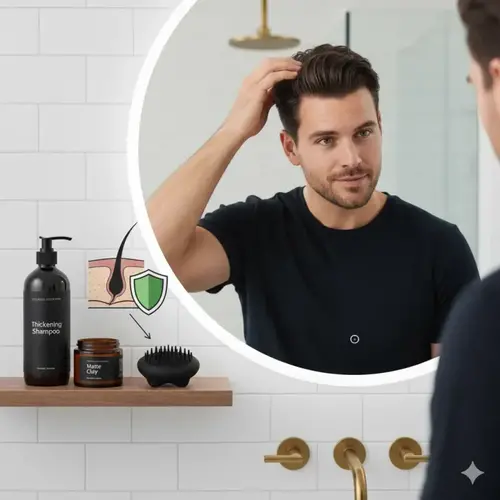
Understanding Men's Hair Health Why Thinning and Dandruff Happen
Hair loss and scalp issues affect millions of men worldwide, yet they're often misunderstood, stigmatized, or addressed with ineffective quick fixes. The truth is, healthy hair isn't about genetics alone—it's about biology, habits, and informed care.
For modern men, hair concerns often emerge in the late 20s to 40s, coinciding with career pressures, lifestyle shifts, and hormonal changes. Understanding the science behind these issues empowers you to take action early, before concerns become entrenched.
What Causes Hair Thinning in Men?
Multiple interconnected factors contribute to male hair loss. Identifying your primary drivers helps you choose the right strategy.
Factor 1: Androgenetic Alopecia (Male Pattern Baldness)- The most common cause of hair loss in men, affecting ~50% by age 50- Driven by dihydrotestosterone (DHT), a hormone derived from testosterone- DHT binds to receptors in hair follicles, gradually miniaturizing them- Pattern: Receding hairline (temples) and/or thinning at the crown (vertex)- Genetics play a key role: family history increases susceptibility- Progression: Slow but progressive without intervention
Factor 2: Telogen Effluvium (Stress-Related Shedding)- Temporary but noticeable increase in hair shedding triggered by physical or emotional stress- Common triggers: major illness, surgery, significant weight loss, chronic stress, certain medications- Mechanism: Stress pushes more hair follicles into the resting (telogen) phase prematurely- Timing: Shedding typically begins 2-4 months after the triggering event- Recovery: Usually reversible once the trigger resolves; full regrowth takes 6-12 months
Factor 3: Scalp Inflammation andamp; Dandruff- Chronic scalp inflammation can weaken follicles and accelerate shedding- Dandruff (seborrheic dermatitis) involves fungal overgrowth (Malassezia species) and inflammation- Symptoms: Flaking, itching, redness, sometimes oily or dry scales- Impact: Persistent inflammation may contribute to hair thinning over time- Good news: Treatable with targeted antifungal and anti-inflammatory ingredients
Factor 4: Lifestyle andamp; Environmental Factors- Poor nutrition: Deficiencies in iron, zinc, biotin, or protein impair hair growth- Smoking: Reduces blood flow to follicles and increases oxidative stress- Harsh styling: Tight hairstyles, excessive heat, or aggressive brushing cause traction alopecia- Environmental stressors: Pollution, UV exposure, and hard water can damage scalp and hair- Sleep deprivation: Disrupts hormonal balance and repair processes critical for hair health
Factor 5: Product Misuse andamp; Over-Washing- Using harsh sulfates or high-pH shampoos can strip natural oils, irritating the scalp- Over-washing (daily with strong cleansers) may disrupt the scalp microbiome- Under-washing allows oil, sweat, and product buildup that feeds dandruff-causing fungi- Key: Find the right cleansing frequency and formulation for your scalp type
What Causes Dandruff in Men?
Dandruff isn't about poor hygiene—it's a complex interaction between scalp biology, microbiome balance, and external factors.
The Dandruff Triangle
1. Malassezia Yeast Overgrowth- Malassezia globosa and restricta are fungi naturally present on most scalps- They feed on sebum (scalp oil), producing oleic acid as a byproduct- In susceptible individuals, oleic acid triggers inflammation and accelerated skin cell turnover- Result: Visible flakes, itching, and sometimes redness
2. Scalp Oil Production (Sebum)- Men typically produce more sebum than women due to higher androgen levels- More oil = more food for Malassezia = higher dandruff risk- However, very dry scalps can also flake (dry dandruff vs. oily dandruff)
3. Individual Susceptibility- Genetic factors influence immune response to Malassezia byproducts- Stress, illness, or hormonal shifts can increase susceptibility- Climate matters: Cold, dry weather or hot, humid conditions can exacerbate symptoms
Common Dandruff Triggers for Men:- Infrequent shampooing (allows oil and yeast to accumulate)- Using the wrong shampoo (not formulated for dandruff or your scalp type)- Stress and fatigue (weaken immune regulation of scalp microbiome)- Harsh hair products (alcohol-based styling products can dry and irritate)- Diet high in sugar/refined carbs (may promote fungal growth in susceptible individuals)
The Science-Backed Protocol Simple, Effective Hair Care for Men
Addressing hair thinning and dandruff requires a strategic, consistent approach. This protocol integrates dermatological science with practical, time-efficient habits designed for modern men.
Pillar 1 Targeted Topical Treatments (The Foundation)
Topical ingredients remain the most accessible way to influence hair health and scalp balance. Focus on these evidence-backed actives:
For Hair Thinning
1. Minoxidil (Topical)Why it works:- FDA-approved for male pattern hair loss; extends the growth (anagen) phase of hair follicles- Increases blood flow to follicles, delivering more nutrients and oxygen- May stimulate follicles to produce thicker, longer hairs- Works best on crown/vertex; less effective for receding hairlines
How to use:- Choose 5% solution or foam (men's strength); apply twice daily to dry scalp- Focus on thinning areas; massage gently to enhance absorption- Expect initial shedding (2-8 weeks) as follicles reset; visible results take 3-6 months- Must be used consistently; benefits reverse if discontinued
Pro tip Apply to dry scalp for best absorption; wait 4 hours before washing or heavy sweating.
2. Caffeine (Topical)Why it works:- Penetrates hair follicles and may counteract DHT's miniaturizing effects- Stimulates hair shaft elongation and prolongs anagen phase in lab studies- Antioxidant properties protect follicles from oxidative stress- Well-tolerated with minimal irritation risk
How to use:- Look for leave-in serums or shampoos listing caffeine as a key ingredient- Apply to scalp after washing; can be used daily- Pairs well with other actives like minoxidil or ketoconazole- Results typically visible in 8-12 weeks with consistent use
3. Saw Palmetto (Topical or Oral)Why it works:- Natural extract that may inhibit 5-alpha-reductase, the enzyme that converts testosterone to DHT- Topical application targets the scalp directly with minimal systemic effects- Anti-inflammatory properties may support scalp health- Emerging research supports efficacy, though less robust than pharmaceutical options
How to use:- Topical: Look for serums or shampoos with standardized saw palmetto extract- Oral: Consult a healthcare provider; typical doses range 160-320 mg daily- Best used as part of a comprehensive approach, not a standalone solution
4. Ketoconazole (Anti-Dandruff with Hair Benefits)Why it works:- Potent antifungal that reduces Malassezia overgrowth driving dandruff- Emerging evidence suggests anti-androgenic effects on scalp, potentially supporting hair density- Reduces scalp inflammation that may contribute to shedding- Available OTC (1%) or prescription (2%)
How to use:- Use ketoconazole shampoo 2-3x/week; leave on scalp 3-5 minutes before rinsing- Can alternate with gentle daily shampoo on other days- Safe for long-term use; monitor for dryness and adjust frequency if needed
For Dandruff andamp; Scalp Health
1. Zinc PyrithioneWhy it works:- Antifungal and antibacterial; reduces Malassezia and bacterial overgrowth- Anti-inflammatory properties calm itching and redness- Gentle enough for frequent use; widely available in OTC shampoos- Effective for both oily and dry dandruff types
How to use:- Use zinc pyrithione shampoo 2-3x/week; massage into scalp and leave 2-3 minutes- Can be alternated with other actives (e.g., ketoconazole) for enhanced effect- Safe for daily use if scalp is very oily or flaky
2. Salicylic AcidWhy it works:- Beta-hydroxy acid that exfoliates scalp, removing flakes and buildup- Penetrates oil to unclog follicles, supporting healthier hair growth environment- Anti-inflammatory properties reduce redness and irritation- Ideal for thick, stubborn flakes or product buildup
How to use:- Use salicylic acid shampoo 1-2x/week; avoid overuse which can dry scalp- Follow with a hydrating conditioner on hair lengths (not scalp) if needed- Best for oily scalp types; may be too drying for already dry scalps
3. Tea Tree OilWhy it works:- Natural antifungal and antimicrobial; reduces Malassezia and bacterial load- Anti-inflammatory properties soothe itching and irritation- Refreshing scent and cooling sensation improve user experience- Best used in diluted formulations (5% or less) to avoid irritation
How to use:- Choose shampoos or scalp treatments with standardized tea tree oil (not pure essential oil)- Use 2-3x/week; patch test first if you have sensitive skin- Can be combined with zinc pyrithione or ketoconazole for synergistic effect
4. Niacinamide (Vitamin B3)Why it works:- Strengthens scalp barrier function, reducing sensitivity and irritation- Anti-inflammatory properties calm redness associated with dandruff- May support keratin production for stronger hair shafts- Well-tolerated and compatible with most other actives
How to use:- Look for scalp serums or leave-in treatments with 2-5% niacinamide- Apply to clean, damp scalp; can be used daily- Pairs well with antifungal shampoos for comprehensive scalp care
Pillar 2 Simple, Sustainable Routine Framework
Consistency matters more than complexity. This streamlined routine fits into a busy lifestyle while delivering results.
Daily/Every-Other-Day Routine (5 minutes)
Morning (Optional):- If hair feels oily or you style heavily: Rinse with water or use a gentle, sulfate-free shampoo- Apply lightweight leave-in conditioner or scalp serum if using (focus on lengths, not scalp if oily)- Style as desired; avoid heavy pomades or waxes that can build up on scalp
Evening (Core Routine):Step 1: Cleanse (2 minutes)- Use a targeted shampoo based on your primary concern:andnbsp; • Thinning focus: Caffeine or minoxidil-compatible gentle shampooandnbsp; • Dandruff focus: Ketoconazole, zinc pyrithione, or salicylic acid shampoo (2-3x/week)andnbsp; • Maintenance: Gentle, pH-balanced shampoo for other days- Massage shampoo into scalp (not just hair) for 60 seconds to stimulate circulation and ensure contact- Rinse thoroughly with lukewarm water (hot water can dry scalp)
Step 2: Condition (1 minute)- Apply conditioner to mid-lengths and ends only; avoid scalp if prone to oiliness or dandruff- Leave on 1-2 minutes; rinse thoroughly- For very dry hair: Use a hydrating mask 1x/week instead of regular conditioner
Step 3: Targeted Treatment (1-2 minutes, as needed)- Hair thinning: Apply minoxidil or caffeine serum to dry scalp in thinning areas- Dandruff/itching: Apply niacinamide or tea tree scalp treatment to affected areas- Let absorb fully before styling or bed
2-3x/Week Enhancements:- Scalp exfoliation: Use a salicylic acid shampoo or gentle scalp scrub 1x/week to remove buildup- Deep treatment: Apply a hydrating or strengthening hair mask 1x/week if hair feels dry or brittle- Scalp massage: Spend 2-3 minutes massaging scalp with fingertips (no nails) to boost circulation
Weekly Habits:- Wash pillowcases 1-2x/week to reduce fungal/bacterial transfer to scalp- Clean brushes/combs weekly with soap and water to prevent product/fungal buildup- Trim hair every 6-8 weeks to prevent split ends and maintain healthy appearance
Pillar 3 Lifestyle Support for Hair andamp; Scalp Health
Topical care works best when supported by habits that reduce inflammation, support hormonal balance, and minimize stress on hair.
Nutrition for Hair Health:- Prioritize protein: Hair is made of keratin; adequate protein (0.8-1g per lb bodyweight) supports growth- Key micronutrients:andnbsp; • Iron: Supports oxygen delivery to follicles (red meat, spinach, lentils)andnbsp; • Zinc: Regulates oil production and supports immune function (oysters, pumpkin seeds, beef)andnbsp; • Biotin andamp; B-vitamins: Support keratin production (eggs, almonds, whole grains)andnbsp; • Omega-3s: Reduce inflammation and support scalp hydration (fatty fish, flaxseeds, walnuts)- Limit: Excess sugar, refined carbs, and processed foods that may promote inflammation
Stress Management:- Chronic stress elevates cortisol, which can trigger telogen effluvium (shedding)- Practical strategies:andnbsp; • 10 minutes of daily mindfulness or deep breathingandnbsp; • Regular moderate exercise (improves circulation to scalp)andnbsp; • Prioritize 7-8 hours of quality sleep (critical for hormone regulation and repair)- Note: Stress-related shedding is usually reversible; focus on consistency, not perfection
Avoid Hair-Damaging Habits:- Tight hairstyles: Avoid prolonged tension from man buns, tight ponytails, or braids- Heat styling: Limit blow-drying on high heat; use heat protectant if styling regularly- Harsh chemicals: Minimize bleaching, perming, or frequent coloring that weakens hair shafts- Smoking: Quitting improves circulation and reduces oxidative damage to follicles
Environmental Protection:- UV exposure: Wear a hat in strong sun; UV can damage hair proteins and scalp skin- Pollution: Rinse hair after heavy exposure; consider antioxidant-rich scalp serums- Hard water: If you have mineral buildup, use a chelating shampoo monthly or install a shower filter
When to Seek Professional Guidance
While consistent at-home care improves most hair and scalp concerns, professional evaluation can accelerate results or identify underlying issues.
Consult a Dermatologist or Hair Specialist If:- Hair loss is rapid, patchy, or accompanied by scalp pain, redness, or scaling- Over-the-counter treatments haven't improved hair density or dandruff after 3-6 months of consistent use- You suspect underlying conditions (thyroid disorders, autoimmune alopecia, severe seborrheic dermatitis)- You're interested in prescription options (finasteride, oral minoxidil, stronger antifungals) or procedures (PRP, low-level laser therapy, hair transplantation)
A specialist can:- Perform scalp examination or biopsy to diagnose the specific type of hair loss- Order blood tests to check for nutritional deficiencies, thyroid function, or hormonal imbalances- Prescribe targeted treatments (e.g., finasteride for DHT suppression, prescription-strength ketoconazole)- Recommend in-office procedures (microneedling with minoxidil, laser therapy, platelet-rich plasma)
Consider a Primary Care Provider If:- You experience sudden, widespread shedding after illness, surgery, or major stress- You have symptoms suggesting systemic issues (fatigue, weight changes, mood shifts) alongside hair concerns- You want guidance on oral supplements or medications that may affect hair health
Realistic Expectations Timelines for Results
Hair growth is slow—about 0.5 inches per month—and interventions take time to show visible effects.
Short-Term (2-8 Weeks):- Reduced flaking and itching with consistent dandruff shampoo use- Less shedding with stress management and gentle hair care- Scalp feels cleaner, less irritated with targeted cleansing
Medium-Term (2-4 Months):- Visible reduction in dandruff flakes with antifungal regimen- Less noticeable thinning with minoxidil or caffeine use (early regrowth may appear as fine, short hairs)- Improved hair texture and shine with consistent conditioning and reduced damage
Long-Term (4-12+ Months):- Measurable improvement in hair density with consistent minoxidil, lifestyle support, and time- Sustained dandruff control with maintenance shampoo routine- Healthier-looking hair overall: stronger shafts, less breakage, improved manageability
Factors Influencing Your Timeline:- Consistency: Daily/regular use of actives matters more than occasional intensive efforts- Baseline severity: Early intervention yields faster, more noticeable results- Underlying causes: Hormonal or medical causes may require longer or multi-modal treatment- Age and genetics: Natural aging processes influence response; focus on progress, not perfection
Common Mistakes to Avoid
Even with good intentions, certain approaches can undermine your hair care efforts.
Mistake 1: Using the Wrong Shampoo for Your Scalp TypeWhy it backfires: A shampoo formulated for oily dandruff used on a dry, sensitive scalp can worsen flaking and irritation.Fix: Identify your primary concern (oily flakes vs. dry flakes vs. thinning) and choose targeted formulations; rotate products if needed.
Mistake 2: Over-Washing or Under-WashingWhy it backfires: Daily harsh cleansing strips protective oils; infrequent washing allows buildup that feeds dandruff.Fix: Find your scalp's sweet spot—typically every other day for most men; adjust based on oiliness, activity level, and climate.
Mistake 3: Expecting Overnight ResultsWhy it backfires: Impatience leads to product-hopping or aggressive treatments that damage hair/scalp, delaying real progress.Fix: Commit to a consistent routine for at least 3 months before evaluating efficacy; take monthly photos to track subtle changes.
Mistake 4: Ignoring the Scalp, Focusing Only on HairWhy it backfires: Hair health starts at the follicle; neglecting scalp care limits the effectiveness of any hair-focused product.Fix: Treat your scalp like facial skin—cleanse gently, exfoliate occasionally, and protect from environmental stress.
Mistake 5: Relying Solely on Topicals Without Lifestyle SupportWhy it backfires: Stress, poor nutrition, or smoking can undermine even the best topical regimen.Fix: View hair care holistically: combine targeted products with stress management, balanced nutrition, and healthy habits.
The Mindset Shift Confidence Over Perfection
Hair concerns can feel deeply personal—thinning or flaking can impact self-image and confidence. It's easy to feel frustrated when "perfect" routines don't instantly reverse concerns.
Reframe the Narrative- Hair changes reflect biology and lifestyle, not personal failure- Progress is incremental: small improvements compound into meaningful results over time- Confidence comes from informed care, not just appearance
Practice Hair-Positive Self-Talk- Instead of "I'm losing my hair," try "I'm taking proactive steps to support my scalp health"- Celebrate non-appearance wins: consistent routine, reduced stress, better nutrition- Remember: healthy hair at any stage reflects self-care, not just genetics
Build a Supportive Environment- Share your journey with trusted friends or communities; you're not alone- Limit exposure to idealized imagery that fuels unrealistic expectations- Focus on health and function: hair that feels strong and manageable, not just "perfect"
The Bigger Picture Hair Care as Whole-Person Wellness
Addressing hair thinning and dandruff often reveals opportunities to support broader well-being. The same practices that support hair health—balanced nutrition, stress management, quality sleep, gentle self-care—also benefit mental health, immune function, and long-term vitality.
By approaching hair care as an act of self-respect rather than correction, you empower yourself to:- Listen to your body's cues about stress, nutrition, and recovery needs- Advocate for sustainable routines that honor both appearance and health- Cultivate confidence that comes from informed care, not perfection
Conclusion Strong Hair Through Science and Consistency
Hair thinning and dandruff are common, manageable concerns—not inevitable signs of aging or poor hygiene. By understanding the biology behind these issues, implementing targeted, evidence-based actives, and supporting your efforts with simple lifestyle habits, you can cultivate hair that looks and feels strong, healthy, and confident.
Remember:- Early action yields better results: Address concerns before they become entrenched- Consistency compounds: Simple, regular care outperforms occasional intensive efforts- Scalp health is foundational: Healthy follicles produce healthy hair- Lifestyle matters: Nutrition, stress, and sleep significantly influence hair health- Progress is personal: Focus on your own journey, not comparisons to others
Start where you are. Audit your current routine. Identify one change to make this week—perhaps switching to a targeted shampoo, adding a caffeine serum, or prioritizing 10 minutes of stress reduction daily. Notice how your scalp and hair respond. Build from there.
Your hair tells a story of resilience, adaptation, and the quiet power of showing up for yourself. With informed care and consistency, you can cultivate hair that not only looks strong but feels like a reflection of your health and intention.
For evidence-based hair care resources, personalized guidance, and expert support tailored to men's scalp health and hair concerns, explore trusted platforms that prioritize science, transparency, and individualized care. Your journey to stronger, healthier hair starts with one intentional choice at a time.