

Moisture Barrier Repair: Restore Deep Hydration
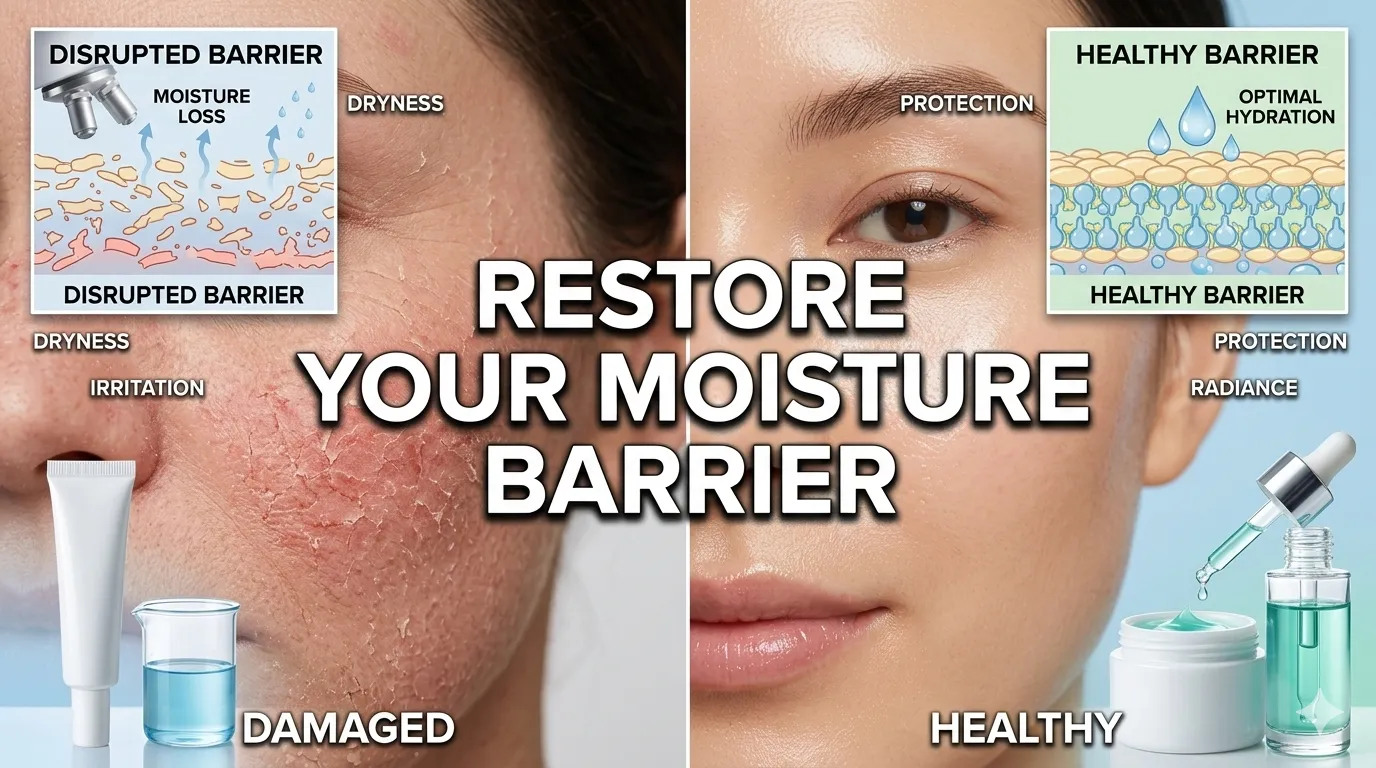
The Complete Guide to Fixing Your Compromised Skin Barrier
Your skin feels tight, looks flaky, and no amount of moisturizer seems to help. You've tried every hydrating serum on the market, yet your skin remains dry, irritated, and unresponsive. The culprit isn't necessarily a lack of moisture—it's likely a damaged moisture barrier.
Your skin's moisture barrier (also called the acid mantle or lipid barrier) is the invisible shield that keeps hydration in and irritants out. When this protective layer is compromised, your skin loses water faster than it can replenish it—a process called transepidermal water loss (TEWL). The result? Chronic dryness, flakiness, sensitivity, and a complexion that looks dull and feels uncomfortable no matter what you apply.
This comprehensive guide breaks down the science of your skin's moisture barrier, explains exactly why it breaks down, and provides a step-by-step protocol to repair, restore, and maintain optimal hydration. Whether your barrier damage stems from over-exfoliation, harsh products, environmental stress, or underlying skin conditions, you'll discover evidence-based strategies to heal your skin and achieve the deeply hydrated, resilient complexion you deserve.
Understanding Your Skin's Moisture Barrier
What Is the Moisture Barrier?
Your moisture barrier is the outermost layer of your skin, scientifically known as the stratum corneum. Think of it as a brick wall:
The "Bricks": Corneocytes (dead skin cells) that provide structure
The "Mortar": Lipids (fats) that hold the cells together, including:
- Ceramides (50%): The primary structural component
- Cholesterol (25%): Maintains barrier integrity
- Free fatty acids (15%): Support barrier function
- Other lipids (10%): Including sphingolipids and phospholipids
The Acid Mantle: A thin, slightly acidic film (pH 4.5-5.5) on the skin's surface composed of sebum, sweat, and natural moisturizing factors (NMFs) that:
- Prevents harmful bacteria and pathogens from penetrating
- Maintains optimal pH for skin enzyme function
- Locks in moisture
- Protects against environmental aggressors
How the Barrier Functions
1. Prevents Water Loss:
- A healthy barrier reduces transepidermal water loss (TEWL) to 4-8 grams per square meter per hour
- Compromised barriers can lose 2-3x more water
- This is why damaged barrier skin feels perpetually dry
2. Blocks External Threats:
- Pollutants and toxins
- Bacteria and viruses
- Allergens and irritants
- UV radiation (partially)
3. Maintains Skin Health:
- Supports proper cell turnover
- Enables effective communication between skin cells
- Facilitates wound healing
- Regulates inflammation
Signs Your Moisture Barrier Is Damaged
Physical Symptoms
1. Persistent Dryness:
- Skin feels tight, especially after cleansing
- Dryness returns quickly after moisturizing
- Moisturizers seem to "disappear" without providing lasting hydration
2. Flakiness and Rough Texture:
- Visible flaking or peeling
- Rough, sandpaper-like texture
- Makeup applies unevenly or pills
- Accentuated fine lines from dehydration
3. Increased Sensitivity:
- Products that never bothered you now cause stinging or burning
- Redness appears easily
- Skin reacts to temperature changes
- Increased reactivity to environmental factors
4. Inflammation and Irritation:
- Chronic redness
- Itching or discomfort
- Rash-like appearance
- Breakouts or acne flare-ups (paradoxically, dry skin can cause breakouts)
5. Dull, Lackluster Complexion:
- Skin looks tired and lifeless
- Lack of natural glow
- Uneven skin tone
- Dark circles appear more prominent
Functional Symptoms
1. Poor Product Absorption:
- Skincare products sit on top of skin
- Serums don't seem to penetrate
- Makeup doesn't last
2. Slow Healing:
- Cuts, scratches, or blemishes take longer to heal
- Post-inflammatory hyperpigmentation lasts longer
- Skin remains irritated longer after procedures
3. Increased Breakouts:
- Paradoxical acne from barrier damage
- Small, rough bumps (often confused with closed comedones)
- Inflammatory acne despite dry skin
What Causes Moisture Barrier Damage?
External Factors
1. Over-Exfoliation:
- Chemical exfoliants: AHAs (glycolic, lactic acid), BHAs (salicylic acid), PHAs used too frequently or at too high concentrations
- Physical exfoliants: Scrubs, brushes, cleansing devices used aggressively
- Enzyme exfoliants: Overuse of papain, bromelain
- Impact: Strips away the lipid barrier faster than it can regenerate (skin takes 28 days to fully renew)
2. Harsh Cleansers:
- High-pH soaps (pH 9-10) disrupt the acid mantle (optimal pH 4.5-5.5)
- Sulfates (SLS/SLES) strip natural oils
- Alcohol-based cleansers dehydrate
- Hot water dissolves protective lipids
3. Environmental Stressors:
- Cold, dry air: Winter weather, indoor heating
- Low humidity: Air-conditioned environments, airplane cabins
- UV radiation: Damages barrier lipids and proteins
- Pollution: Particulate matter generates free radicals that degrade barrier
- Wind: Increases transepidermal water loss
4. Aggressive Treatments:
- Retinoids (especially when introduced too quickly)
- Professional peels and lasers
- Microneedling without proper aftercare
- Overuse of benzoyl peroxide or acne treatments
Internal Factors
1. Aging:
- Ceramide production decreases by 50% between ages 30-80
- Natural moisturizing factor (NMF) levels decline
- Cell turnover slows from 28 days to 40+ days
- Sebum production decreases
2. Genetics:
- Filaggrin gene mutations (common in eczema/atopic dermatitis)
- Inherited barrier dysfunction
- Ethnic variations in barrier function
3. Hormonal Changes:
- Menopause (estrogen decline reduces ceramides and hyaluronic acid)
- Pregnancy (hormonal fluctuations)
- Thyroid disorders (hypothyroidism causes dry skin)
4. Nutritional Deficiencies:
- Essential fatty acids (omega-3, omega-6)
- Vitamins A, C, D, E
- Zinc and other minerals
- Dehydration (inadequate water intake)
5. Medical Conditions:
- Eczema (atopic dermatitis)
- Psoriasis
- Rosacea
- Seborrheic dermatitis
- Diabetes (causes dry skin)
Lifestyle Factors
1. Poor Skincare Habits:
- Skipping moisturizer
- Using too many active ingredients simultaneously
- Not allowing skin to recover between treatments
- Over-cleansing (more than 2x daily)
2. Stress:
- Elevated cortisol impairs barrier repair
- Stress increases inflammation
- Poor sleep quality reduces overnight barrier recovery
3. Diet:
- High sugar intake causes glycation (damages collagen and barrier)
- Processed foods lack essential nutrients
- Alcohol dehydrates skin
- Low intake of healthy fats
The Science of Barrier Repair
How Long Does It Take to Repair?
Timeline Expectations:
- Mild damage: 2-4 weeks
- Moderate damage: 4-8 weeks
- Severe damage: 8-12+ weeks
- Complete barrier renewal: 28-40 days (full skin cell turnover cycle)
Why It Takes Time:
- Skin cells need time to regenerate
- Lipid production must be restored
- Natural moisturizing factors must rebuild
- pH balance must normalize
The Repair Process
Phase 1: Stop the Damage (Week 1-2)
- Eliminate barrier-disrupting ingredients
- Reduce inflammation
- Prevent further water loss
Phase 2: Rebuild the Foundation (Week 2-6)
- Replenish ceramides, cholesterol, and fatty acids
- Restore pH balance
- Support natural moisturizing factor production
Phase 3: Strengthen and Maintain (Week 6+)
- Reinforce barrier structure
- Gradually reintroduce active ingredients
- Establish long-term maintenance routine
Key Ingredients for Barrier Repair
The Golden Ratio: Ceramides, Cholesterol, and Fatty Acids
Research shows that the optimal ratio for barrier repair is:
- Ceramides: 50%
- Cholesterol: 25%
- Free fatty acids: 15%
Products containing this ratio (or close to it) show superior barrier repair compared to single-ingredient approaches.
Ceramides
What They Are: Lipid molecules that make up 50% of the skin's barrier
Types:
- Ceramide NP (Ceramide 3): Most common in skincare
- Ceramide AP (Ceramide 6-II): Supports barrier repair
- Ceramide EOP (Ceramide 1): Critical for barrier structure
- Phytoceramides: Plant-derived ceramides
Benefits:
- Restore barrier structure
- Reduce transepidermal water loss
- Improve skin hydration
- Strengthen skin's defense
Best Sources:
- CeraVe Moisturizing Cream
- Dr. Jart+ Ceramidin Cream
- Elizabeth Arden Advanced Ceramide Capsules
- The Inkey List Ceramide Night Treatment
Cholesterol
Role: Maintains barrier integrity and fluidity
Benefits:
- Works synergistically with ceramides
- Optimizes barrier repair
- Improves skin texture
Sources:
- Often included in ceramide-containing products
- Found in lipid-replenishing creams
Fatty Acids
Essential Fatty Acids:
- Linoleic acid (omega-6): Deficiency linked to barrier dysfunction
- Alpha-linolenic acid (omega-3): Anti-inflammatory
- Oleic acid: Enhances penetration of other ingredients
Sources:
- Plant oils (jojoba, argan, rosehip, squalane)
- Shea butter
- Cocoa butter
Humectants (Water-Binders)
Hyaluronic Acid:
- Can hold 1000x its weight in water
- Multiple molecular weights for different penetration depths
- Best applied to damp skin
Glycerin:
- Time-tested, highly effective humectant
- Draws water from dermis and environment
- Works well in combination with occlusives
Other Humectants:
- Propylene glycol
- Sodium PCA
- Urea (also gently exfoliates at higher concentrations)
- Honey and propolis
- Aloe vera
Emollients (Skin Softeners)
Function: Fill gaps between skin cells, smooth texture
Examples:
- Squalane (mimics skin's natural sebum)
- Dimethicone (silicone that creates protective barrier)
- Plant oils (jojoba, argan, marula)
- Shea butter
- Cocoa butter
- Mineral oil (controversial but effective occlusive)
Occlusives (Sealants)
Function: Create physical barrier to prevent water loss
Examples:
- Petrolatum (Vaseline): Most effective occlusive (reduces TEWL by 99%)
- Lanolin: Excellent occlusive (avoid if allergic to wool)
- Dimethicone: Silicone-based occlusive
- Beeswax: Natural occlusive
- Zinc oxide: Also provides soothing benefits
Natural Moisturizing Factors (NMFs)
What They Are: Water-soluble compounds naturally present in skin
Components:
- Amino acids (40%)
- Pyrrolidone carboxylic acid (PCA) (12%)
- Lactate (12%)
- Sugars, salts, urea, citrate
Skincare Sources:
- The Ordinary Natural Moisturizing Factors + HA
- Products containing amino acids, urea, PCA
Soothing and Anti-Inflammatory Ingredients
Panthenol (Provitamin B5):
- Converts to pantothenic acid in skin
- Enhances barrier repair
- Reduces inflammation
- Improves hydration
Niacinamide (Vitamin B3):
- Boosts ceramide production
- Strengthens barrier
- Reduces inflammation
- Improves skin texture
- Optimal concentration: 2-5%
Centella Asiatica (Cica):
- Accelerates wound healing
- Stimulates collagen synthesis
- Anti-inflammatory
- Soothes irritation
Allantoin:
- Soothes and protects
- Promotes cell proliferation
- Softens skin
Oatmeal (Colloidal):
- Anti-inflammatory
- Antioxidant
- Soothes itching
- Forms protective barrier
pH-Balancing Ingredients
Lactic Acid (Low Concentration):
- Gently lowers skin pH
- Humectant properties
- Mild exfoliation at low concentrations (2-5%)
Citric Acid:
- pH adjuster
- Antioxidant
The Barrier Repair Routine
Phase 1: The Reset (Weeks 1-2)
Goal: Stop damage, reduce inflammation, prevent further water loss
Morning:
- Cleanse: Rinse with lukewarm water only (no cleanser)
- Treat: Hyaluronic acid serum on damp skin
- Moisturize: Barrier repair cream with ceramides
- Protect: Mineral sunscreen (zinc oxide/titanium dioxide)
Evening:
- Cleanse: Gentle, pH-balanced cleanser (no sulfates)
- Treat: Panthenol or centella serum
- Moisturize: Rich barrier cream
- Seal (optional): Thin layer of petrolatum on extra-dry areas
What to Avoid:
- All exfoliants (AHAs, BHAs, enzymes, scrubs)
- Retinoids
- Vitamin C (can be irritating on compromised barrier)
- Fragrance and essential oils
- Alcohol-based products
- Hot water
- Physical exfoliation
Phase 2: Rebuilding (Weeks 3-6)
Goal: Actively repair barrier, replenish lipids, restore pH
Morning:
- Cleanse: Gentle cream or milky cleanser
- Treat: Niacinamide serum (2-5%)
- Moisturize: Ceramide-rich moisturizer
- Protect: Broad-spectrum SPF 30+
Evening:
- Cleanse: Double cleanse if wearing makeup/sunscreen (oil cleanser + gentle cleanser)
- Treat: Peptide serum or barrier-supporting essence
- Moisturize: Rich night cream with cholesterol and fatty acids
- Seal: Facial oil (squalane, jojoba) if needed
Weekly:
- 1-2x hydrating mask (hyaluronic acid, glycerin, honey)
- Avoid all exfoliation
Phase 3: Strengthening (Weeks 7-12)
Goal: Reinforce barrier, gradually reintroduce actives, maintain repair
Morning:
- Cleanse: Gentle cleanser
- Treat: Vitamin C (if tolerated) or niacinamide
- Moisturize: Lightweight barrier moisturizer
- Protect: SPF 30+
Evening:
- Cleanse: Gentle cleanser
- Treat: Introduce retinoid slowly (1-2x/week) OR gentle AHA (1x/week)
- Moisturize: Barrier repair cream
Weekly:
- 1x gentle exfoliation (PHA or low-concentration lactic acid)
- 1-2x hydrating mask
- Monitor skin response; scale back if irritation occurs
Product Recommendations by Category
Gentle Cleansers
Budget:
- CeraVe Hydrating Facial Cleanser
- Cetaphil Gentle Skin Cleanser
- La Roche-Posay Toleriane Hydrating Cleanser
Mid-Range:
- Krave Beauty Matcha Hemp Hydrating Cleanser
- Then I Met You Living Cleansing Balm
- Farmacy Green Clean Cleansing Balm
Luxury:
- Tatcha The Rice Wash
- SK-II Facial Treatment Cleanser
- Sunday Riley Ceramic Slip Cleanser
Barrier Repair Moisturizers
Budget:
- CeraVe Moisturizing Cream (in tub)
- Vanicream Moisturizing Cream
- Aveeno Daily Moisturizing Lotion
Mid-Range:
- Dr. Jart+ Ceramidin Cream
- Illiyoon Ceramide Ato Concentrate Cream
- Paula's Choice Omega+ Complex Moisturizer
- First Aid Beauty Ultra Repair Cream
Luxury:
- SkinCeuticals Triple Lipid Restore 2:4:2
- Tatcha The Dewy Skin Cream
- Augustinus Bader The Rich Cream
- La Mer Crème de la Mer
Serums and Treatments
Hyaluronic Acid:
- The Ordinary Hyaluronic Acid 2% + B5
- Vichy Mineral 89
- Neutrogena Hydro Boost Serum
Niacinamide:
- The Ordinary Niacinamide 10% + Zinc 1%
- Paula's Choice 10% Niacinamide Booster
- Glossier Super Pure
Peptides:
- The Ordinary "Buffet"
- The Inkey List Peptide Moisturizer
- Peter Thomas Roth Peptide 21 Wrinkle Resist Serum
Centella/Cica:
- La Roche-Posay Cicaplast Baume B5
- Dr. Jart+ Cicapair Tiger Grass Cream
- SKIN1004 Madagascar Centella Asiatica
Occlusives and Sealants
Budget:
- Petrolatum (Vaseline)
- Aquaphor Healing Ointment
Mid-Range:
- La Roche-Posay Cicaplast Baume B5
- Avène Cicalfate+ Restorative Protective Cream
Facial Oils
Squalane:
- The Ordinary 100% Plant-Derived Squalane
- Biossance 100% Squalane Oil
Jojoba:
- Cliganic Organic Jojoba Oil
- Acure Organic Jojoba Oil
Rosehip:
- The Ordinary 100% Organic Cold-Pressed Rose Hip Seed Oil
- Pai Skincare BioRegenerate Rosehip Oil
Lifestyle Factors That Support Barrier Health
Nutrition
Essential Fatty Acids:
- Omega-3: Fatty fish (salmon, mackerel, sardines), flaxseeds, chia seeds, walnuts
- Omega-6: Evening primrose oil, borage oil, sunflower seeds
- Supplement: 1000-2000mg fish oil daily
Vitamins:
- Vitamin A: Sweet potatoes, carrots, leafy greens (supports cell turnover)
- Vitamin C: Citrus, berries, bell peppers (collagen synthesis)
- Vitamin D: Sunlight, fortified foods, supplements (barrier function)
- Vitamin E: Almonds, sunflower seeds, avocado (antioxidant protection)
Minerals:
- Zinc: Oysters, beef, pumpkin seeds (wound healing)
- Selenium: Brazil nuts, fish (antioxidant)
Hydration:
- Drink 2-3 liters of water daily
- Limit alcohol and caffeine (dehydrating)
- Eat water-rich foods (cucumber, watermelon, celery)
Environmental Modifications
Humidity:
- Use a humidifier in dry climates/winter (target 40-60% humidity)
- Place bowls of water near radiators
- Avoid prolonged exposure to air conditioning
Temperature:
- Avoid extreme temperature changes
- Use lukewarm (not hot) water for cleansing
- Protect skin from cold wind with scarves
Sun Protection:
- Daily broad-spectrum SPF 30+
- Reapply every 2 hours with sun exposure
- Wear protective clothing and hats
- Seek shade during peak hours (10 AM - 4 PM)
Sleep and Stress Management
Sleep:
- Aim for 7-9 hours nightly
- Skin repairs itself during deep sleep
- Use a silk or satin pillowcase (reduces friction)
- Clean pillowcases weekly
Stress Reduction:
- Chronic stress elevates cortisol, impairing barrier repair
- Practice meditation, yoga, or deep breathing
- Regular exercise (but avoid overtraining)
- Maintain work-life balance
Common Mistakes That Sabotage Barrier Repair
Mistake 1: Over-Cleansing
The Problem: Washing more than 2x daily strips natural oils
The Fix:
- Cleanse maximum 2x daily (morning and evening)
- Use water-only rinse in the morning if skin is very dry
- Choose gentle, pH-balanced cleansers
Mistake 2: Using Too Many Actives
The Problem: Layering retinoids, acids, and vitamin C overwhelms compromised skin
The Fix:
- Focus on barrier repair first (4-8 weeks)
- Introduce ONE active at a time
- Start with low frequency (1-2x/week)
- Never use multiple exfoliants together
Mistake 3: Skipping Moisturizer
The Problem: Thinking oily skin doesn't need moisture
The Fix:
- All skin types need moisturizer
- Dehydrated skin can overproduce oil as compensation
- Choose lightweight, non-comedogenic formulas for oily skin
Mistake 4: Ignoring Sunscreen
The Problem: UV radiation damages barrier lipids and proteins
The Fix:
- Apply SPF 30+ daily, even indoors
- Reapply every 2 hours with sun exposure
- Choose mineral sunscreens if skin is sensitive
Mistake 5: Expecting Overnight Results
The Problem: Impatience leads to product-hopping and further damage
The Fix:
- Commit to a routine for 8-12 weeks minimum
- Skin takes 28-40 days to renew
- Track progress with photos
- Be consistent
When to See a Dermatologist
Red Flags
Seek professional help if you experience:
- Severe, persistent dryness despite 8+ weeks of consistent barrier repair
- Pain, cracking, or bleeding skin
- Signs of infection (pus, increased redness, warmth, fever)
- Sudden onset of severe dryness or flakiness
- Accompanying symptoms like fatigue, weight changes, hair loss (may indicate thyroid issues)
- Severe itching that disrupts sleep or daily life
- No improvement after 12 weeks of proper care
Underlying Conditions to Rule Out
A dermatologist can diagnose and treat:
- Eczema (Atopic Dermatitis): Chronic inflammatory condition requiring prescription treatment
- Psoriasis: Autoimmune condition causing rapid cell turnover
- Seborrheic Dermatitis: Fungal-related inflammation
- Contact Dermatitis: Allergic reaction to products or environmental factors
- Rosacea: Chronic inflammatory condition
- Hypothyroidism: Thyroid disorder causing dry skin
- Diabetes: Can cause severe dryness
Maintaining a Healthy Barrier Long-Term
Daily Habits
Morning:
- Gentle cleanse or water rinse
- Antioxidant serum (vitamin C)
- Lightweight moisturizer
- Sunscreen SPF 30+
Evening:
- Double cleanse if wearing makeup/sunscreen
- Treatment serum (retinoid 2-3x/week, or gentle AHA 1-2x/week)
- Nourishing moisturizer
- Facial oil if needed
Weekly Maintenance
- 1x gentle exfoliation (PHA or low-concentration AHA)
- 1-2x hydrating mask
- Monitor skin response
- Adjust routine based on season/climate
Seasonal Adjustments
Winter:
- Switch to richer moisturizers
- Add facial oil
- Use humidifier
- Reduce exfoliation frequency
Summer:
- Lighter moisturizers
- Increase sunscreen reapplication
- May tolerate more frequent exfoliation
- Hydrating mists for refreshment
Frequently Asked Questions
How do I know if my barrier is damaged or if I just have dry skin?
Dry skin is a skin type; barrier damage is a condition. If moisturizers don't help, you experience stinging from products that never bothered you before, or your skin is red and irritated, it's likely barrier damage. Dry skin improves with moisturizer; damaged barrier requires active repair.
Can I wear makeup with a damaged barrier?
It's best to minimize makeup during the repair phase. If you must wear makeup:
- Choose mineral or fragrance-free formulas
- Avoid heavy, long-wear foundations
- Remove gently with oil cleanser
- Give skin makeup-free days
Should I stop all actives during barrier repair?
Yes, for the first 2-4 weeks, eliminate:
- Retinoids
- AHAs/BHAs
- Vitamin C (if irritating)
- Benzoyl peroxide
Is petrolatum (Vaseline) bad for your skin?
No. Despite myths, petrolatum is:
- Non-comedogenic (won't clog pores)
- Highly effective at preventing water loss
- Inert and hypoallergenic
- Purified and safe for skincare
How often should I exfoliate with a compromised barrier?
During active repair (first 4-8 weeks): Not at all. After barrier is restored:
- Start with once weekly
- Use gentle PHAs or low-concentration lactic acid
- Avoid physical scrubs
- Monitor skin response
- Maximum 2-3x/week for most people
Can diet really affect my skin barrier?
Yes. Research shows:
- Essential fatty acids are crucial for barrier lipids
- Vitamin deficiencies impair barrier function
- Dehydration affects skin hydration
- High sugar intake causes glycation (damages collagen)
- Anti-inflammatory foods support barrier health
Conclusion: Your Path to Restored Hydration
A damaged moisture barrier doesn't have to be your permanent reality. With patience, consistency, and the right approach, you can restore your skin's natural protective function and achieve the deeply hydrated, resilient complexion you deserve.
Remember:
- Barrier repair takes time (8-12 weeks minimum)
- Simplicity is key—fewer products, better results
- Consistency matters more than expensive products
- Listen to your skin and adjust accordingly
- Prevention is easier than repair
Your action plan:
- Identify and eliminate barrier-damaging habits
- Start with a simple, gentle routine focused on ceramides, cholesterol, and fatty acids
- Be patient and consistent for 8-12 weeks
- Gradually reintroduce actives only after barrier is restored
- Maintain your barrier with gentle, consistent care
Your skin has an incredible ability to heal itself when given the right support. By understanding your moisture barrier and treating it with care, you're not just fixing dry, flaky skin—you're investing in long-term skin health, resilience, and radiance.
Start your barrier repair journey today. Your skin will thank you.