

Moisture Barrier Repair: Skincare for Artificially Arid Climates
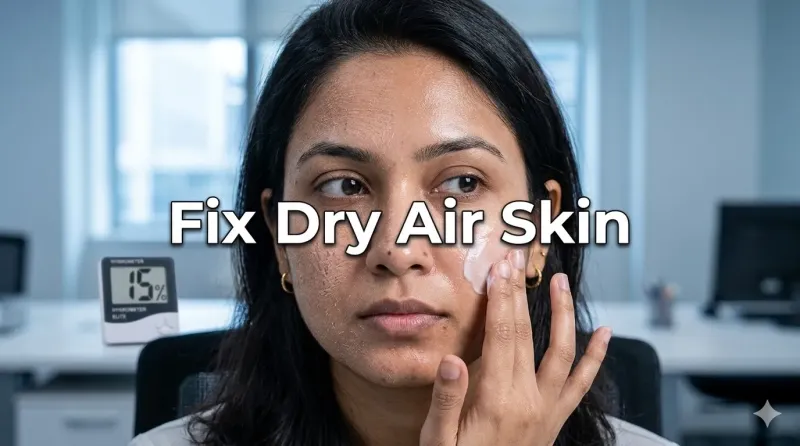
It's a scenario familiar to millions: you step out of a humid summer day into a blast of air-conditioned air, or escape winter's chill into a heated office building. Within hours, your skin feels tight, looks dull, and may even flake or sting when you apply products. Welcome to the hidden challenge of artificially arid climates—indoor environments where heating, cooling, and ventilation systems strip moisture from the air, and consequently, from your skin.
While much skincare advice focuses on outdoor weather extremes, the reality is that most of us spend 80-90% of our time indoors. Office buildings, shopping malls, airplanes, and even modern homes often maintain humidity levels far below the 40-60% range that skin thrives in. When indoor humidity drops to 20-30% (common in air-conditioned or heated spaces), your skin's moisture barrier—the delicate lipid matrix that keeps hydration in and irritants out—faces constant assault.
The result? Compromised barrier function manifests as dryness, sensitivity, increased reactivity to products, premature fine lines, and a dull, lackluster complexion. For those with pre-existing conditions like eczema, rosacea, or acne, artificially dry indoor air can trigger flares and undermine treatment efficacy.
This comprehensive guide delivers an evidence-based protocol for repairing and protecting your moisture barrier in artificially arid climates. You'll learn how indoor climate control affects skin biology, discover which ingredients actually rebuild barrier lipids, build a targeted skincare routine for dry indoor environments, and understand lifestyle modifications that amplify topical care. Whether you work in a climate-controlled office, travel frequently, or live in a region with extreme seasonal heating/cooling, you'll find practical, science-backed strategies to maintain resilient, hydrated, radiant skin—regardless of the air around you.
Understanding Artificially Arid Climates: How Indoor Environments Impact Skin
Before implementing solutions, it's essential to understand the problem. Artificially arid climates aren't just "dry air"—they create a unique set of challenges for skin health.
What Creates Artificially Arid Indoor Environments?
Heating Systems (Winter):
- Forced-air heating warms air but drastically reduces relative humidity
- Indoor humidity can drop to 10-20% in heated buildings during cold months
- Warm air holds more moisture, pulling hydration from skin and mucous membranes
Air Conditioning (Summer):
- AC units cool air by removing moisture (condensation on cooling coils)
- Indoor humidity often falls to 30-40% even in humid climates
- Constant airflow accelerates transepidermal water loss (TEWL)
Airplane Cabins:
- Cabin humidity typically ranges from 10-20% at cruising altitude
- Combined with low air pressure and recycled air, creates extreme dehydration stress
- Long flights can cause measurable barrier impairment within hours
Modern Building Design:
- Tightly sealed buildings for energy efficiency limit natural humidity exchange
- High-efficiency ventilation systems prioritize air quality over humidity balance
- Result: Consistently low humidity year-round in many commercial/residential spaces
The Skin Barrier: Your First Line of Defense
Structure and Function:
The stratum corneum (outermost skin layer) functions like a "brick-and-mortar" wall:
- "Bricks": Corneocytes (dead skin cells) provide structure
- "Mortar": Lipid matrix (ceramides ~50%, cholesterol ~25%, fatty acids ~15%) seals gaps
- Natural moisturizing factors (NMFs): Amino acids, urea, salts within corneocytes bind water
What Happens in Arid Indoor Air:
- Increased TEWL: Low humidity creates steeper moisture gradient, pulling water from skin
- Lipid disorganization: Dry air disrupts the orderly arrangement of barrier lipids
- NMF depletion: Water loss concentrates salts, potentially irritating skin
- pH shift: Barrier compromise can elevate skin pH, impairing enzyme function and microbiome balance
Key Insight: Barrier damage isn't just about comfort—it compromises skin's ability to protect against irritants, allergens, and pathogens, while impairing its capacity to heal and renew.
Signs Your Barrier Is Compromised by Indoor Aridity
| Symptom | Underlying Mechanism | When to Suspect Indoor Climate |
|---|---|---|
| Tightness after cleansing | Stripped lipids + low humidity = impaired moisture retention | Worsens in climate-controlled spaces; improves with humidifier use |
| Stinging with products | Compromised barrier allows actives to penetrate too deeply | Products that previously tolerated now cause irritation indoors |
| Flaking or rough texture | Accelerated desquamation without adequate lipid replacement | Appears or worsens during heating/cooling seasons |
| Increased sensitivity/redness | Elevated pH and barrier gaps permit irritant penetration | Flares in office/building environments; calms in more humid settings |
| Dull, lackluster complexion | Dehydrated corneocytes scatter light poorly | Noticeable after hours in air-conditioned/heated spaces |
Phase 1: Foundational Protection—Minimizing Barrier Stress
Repair begins with prevention. These strategies reduce the daily assault on your barrier in arid indoor environments.
Environmental Modifications: Control What You Can
Humidify Your Space:
- Desktop humidifiers: Small units for personal workspace; aim for 40-50% relative humidity
- Whole-room humidifiers: For home offices or bedrooms; cool-mist models are safest
- Monitor humidity: Use a hygrometer ($10-20) to track levels; adjust humidifier accordingly
- Clean regularly: Prevent mold/bacterial growth by cleaning humidifiers per manufacturer instructions
Strategic Positioning:
- Avoid sitting directly in airflow from vents, fans, or AC units
- Position workspace away from windows in extreme weather (reduces temperature/humidity fluctuations)
- Use a small desk fan on low setting to circulate humidified air without direct blast
Travel Adaptations:
- Pre-flight prep: Apply rich moisturizer and occlusive (like squalane) before boarding
- In-flight care: Mist with hydrating spray hourly; reapply moisturizer on long flights
- Post-flight recovery: Gentle cleanse + barrier-repair mask within 24 hours of travel
Cleansing Strategy: Gentle Is Non-Negotiable
Why Cleansing Matters in Arid Climates:
Harsh cleansing compounds barrier damage by stripping lipids already stressed by low humidity. The goal: remove impurities without compromising the barrier further.
Optimal Cleansing Protocol:
- Water temperature: Lukewarm only—hot water dissolves barrier lipids
- Cleanser type: Non-foaming, pH-balanced (5.5), fragrance-free formulas
- Key ingredients: Glycerin, panthenol, allantoin, colloidal oatmeal for soothing
- Technique: Use fingertips only; massage gently for 30-60 seconds; rinse thoroughly
- Frequency: Once daily (PM) for dry/sensitive skin; twice daily only if needed
Recommended Cleansers for Barrier Support:
- Budget: Vanicream Gentle Facial Cleanser, CeraVe Hydrating Cleanser
- Mid-range: La Roche-Posay Toleriane Hydrating Gentle Cleanser, Krave Beauty Matcha Hemp Hydrating Cleanser
- Medical-grade: SkinCeuticals Gentle Cleanser, EltaMD Foaming Cleanser
The "Soak and Seal" Method: Maximizing Moisture Retention
Why Timing Matters:
Applying moisturizer to damp skin traps water in the stratum corneum, enhancing hydration and supporting barrier repair.
Step-by-Step Protocol:
- Cleanse: Use gentle cleanser; pat skin lightly with towel (leave slightly damp)
- Treatment serums: Apply hydrating serums (hyaluronic acid, glycerin) to damp skin
- Barrier cream: Apply ceramide-rich moisturizer within 3 minutes of cleansing
- Occlusive (if needed): For very dry areas, add a thin layer of squalane or petrolatum at night
Pro Tip: Keep a hydrating mist at your desk. Spritz throughout the day, then immediately press in a pea-sized amount of moisturizer to "seal" the added moisture.
Phase 2: Barrier-Repair Ingredients—The Clinical Toolkit
Not all moisturizers are created equal. Effective barrier repair requires specific lipids in physiological ratios, plus supporting ingredients that enhance repair and reduce inflammation.
The Golden Ratio: Ceramides, Cholesterol, and Fatty Acids
Why This Combination Works:
Research shows the skin's barrier lipids function optimally when ceramides, cholesterol, and free fatty acids are present in a ~3:1:1 ratio. Products mimicking this ratio accelerate barrier recovery more effectively than single-ingredient approaches [[18]].
Ceramides: The Structural Foundation
- Role: Make up ~50% of barrier lipids; form waterproof seal between corneocytes
- Key subtypes: NP, AP, EOP ceramides are most critical for barrier function
- Efficacy: Clinical studies show topical ceramides reduce TEWL by 20-40% and improve hydration within 2-4 weeks
- Formulation tip: Look for products listing specific ceramide types, not just "ceramides"
Cholesterol: The Organizer
- Role: Stabilizes lipid lamellae; ensures ceramides and fatty acids arrange properly
- Synergy: Without adequate cholesterol, ceramides can't form an effective barrier
- Source: Often derived from phytosterols in plant-based formulations
Free Fatty Acids: The Flexibility Factor
- Role: Provide fluidity to lipid matrix; prevent barrier from becoming too rigid
- Key types: Linoleic acid, oleic acid, palmitic acid
- Benefit: Support barrier flexibility, reducing cracking and flaking
Recommended Barrier-Repair Moisturizers:
- Budget: CeraVe Moisturizing Cream (ceramides + cholesterol + fatty acids), Vanicream Moisturizing Cream
- Mid-range: La Roche-Posay Toleriane Double Repair Face Moisturizer, Illiyoon Ceramide Ato Concentrate Cream
- Medical-grade: SkinCeuticals Triple Lipid Restore 2:4:2, Epiceram Prescription Barrier Cream
Supporting Ingredients: Enhancing Repair and Reducing Inflammation
Niacinamide (Vitamin B3): The Multi-Tasker
- Mechanism: Boosts ceramide synthesis, strengthens tight junctions, reduces inflammation
- Concentration: 4-5% is optimal for barrier support without irritation
- Evidence: Studies show 4% niacinamide improves barrier function and reduces TEWL in 4 weeks
- Application: Can be used morning and night; compatible with most routines
Panthenol (Pro-Vitamin B5): The Soother
- Mechanism: Converts to pantothenic acid in skin; enhances hydration, reduces irritation
- Benefit: Calms stinging and redness while supporting barrier repair
- Best forms: Serums, creams, or as an ingredient in barrier moisturizers
Centella Asiatica (Cica): The Healer
- Mechanism: Madecassoside and asiaticoside reduce inflammation, stimulate collagen, support wound healing
- Evidence: Clinical data shows improvement in barrier function and reduced sensitivity with topical centella
- Best for: Sensitive or reactive skin in arid environments
Hyaluronic Acid: The Hydration Anchor
- Mechanism: Binds up to 1000x its weight in water; draws moisture into stratum corneum
- Application tip: Apply to damp skin, then seal with moisturizer to prevent moisture loss
- Formulation note: Multi-molecular weight HA provides surface and deep hydration
Ingredients to Avoid in Arid Indoor Climates
Potential Barrier Irritants:
- High concentrations of alcohol: Denatured alcohol, SD alcohol can strip lipids
- Fragrance and essential oils: Increase risk of sensitization in compromised skin
- Physical exfoliants: Scrubs can cause micro-tears in already-stressed barrier
- High-strength actives: Retinoids, AHAs/BHAs may need reduced frequency in very dry environments
Smart Approach:
- Don't eliminate actives entirely—just adjust frequency and buffer with barrier support
- Example: Use retinol 2x/week instead of nightly; apply barrier cream before and after
- Listen to your skin: If stinging or redness increases, scale back and prioritize repair
Phase 3: Building Your Arid-Climate Skincare Routine
Consistency with the right products matters more than complexity. This framework adapts to your specific environment and skin needs.
Sample Daily Routine for Office/Indoor Arid Environments
Morning Routine (Protection Focus):
- Gentle cleanse: Lukewarm water + pH-balanced cleanser (or just water if skin is very dry)
- Hydrating serum: Hyaluronic acid or glycerin-based serum applied to damp skin
- Barrier moisturizer: Ceramide-rich cream with niacinamide for daytime protection
- Sunscreen: Broad-spectrum SPF 30+ (mineral formulas often less irritating for sensitive, dry skin)
- Optional: Hydrating mist in desk drawer for midday refresh
Evening Routine (Repair Focus):
- Gentle cleanse: Remove sunscreen and daily impurities without stripping
- Treatment serum (optional): Niacinamide or centella serum for barrier support
- Barrier-repair moisturizer: Richer formula with ceramides, cholesterol, fatty acids
- Occlusive (if needed): Thin layer of squalane or petrolatum on extra-dry areas
Weekly Additions:
- Hydrating mask: 1-2x weekly with hyaluronic acid, glycerin, or colloidal oatmeal
- Gentle exfoliation: 1x weekly with low-concentration PHA or lactic acid (only if barrier is stable)
- Facial massage: 2-3 minutes with moisturizer to boost circulation and product absorption
Customizing for Specific Scenarios
For Frequent Flyers:
Pre-Flight:
- Apply rich barrier cream + occlusive (squalane) before boarding
- Pack travel-size hydrating mist and moisturizer in carry-on

In-Flight:
- Mist face hourly; press in moisturizer to seal
- Drink water consistently; avoid excess caffeine/alcohol (dehydrating)

Post-Flight:
- Gentle cleanse upon arrival
- Apply hydrating mask or extra layer of barrier cream
- Prioritize sleep to support overnight repair
For Office Workers in Climate-Controlled Buildings:
- Keep a desktop humidifier at your workspace
- Store barrier moisturizer at your desk for midday reapplication
- Take short "hydration breaks": 2 minutes to mist + moisturize every 2-3 hours
- Wear breathable fabrics (cotton, linen) to reduce skin irritation from dry air
For Seasonal Transitions (Winter Heating/Summer AC):
- Proactive adjustment: Switch to richer moisturizer 1-2 weeks before heating/cooling season begins
- Monitor skin: Increase barrier-support products at first sign of tightness or flaking
- Don't wait for damage: Prevention is easier than repair
Phase 4: Lifestyle and Habit Support for Barrier Health
Topical care works best when supported by habits that reduce overall barrier stress.
Hydration: Internal Support for External Barrier
Water Intake:
- Aim for 2-3 liters daily; adjust for activity level and climate
- Include hydrating foods: cucumbers, watermelon, celery, soups
- Limit excessive caffeine and alcohol, which can be dehydrating
Electrolyte Balance:
- Proper electrolyte levels support cellular hydration
- Consider electrolyte-enhanced water if you sweat heavily or live in very dry climates
Nutrition for Barrier Lipid Synthesis
Key Nutrients:
| Nutrient | Role in Barrier Health | Food Sources |
|---|---|---|
| Omega-3 fatty acids | Support lipid barrier integrity; reduce inflammation | Fatty fish, flaxseeds, walnuts, chia seeds |
| Vitamin E | Antioxidant protection for barrier lipids | Almonds, sunflower seeds, spinach, avocado |
| Zinc | Supports barrier repair and wound healing | Oysters, beef, pumpkin seeds, chickpeas |
| Vitamin A | Regulates skin cell turnover and barrier function | Sweet potatoes, carrots, leafy greens, eggs |
Practical Tip: Include a serving of omega-3-rich food daily; consider a high-quality fish oil supplement if dietary intake is low.
Sleep and Stress: The Overlooked Barrier Factors
Sleep Optimization:
- Skin barrier repair peaks during deep sleep
- Aim for 7-9 hours nightly; maintain consistent sleep schedule
- Use silk or satin pillowcases to reduce friction on dry skin
- Run a humidifier in the bedroom during heating/cooling seasons
Stress Management:
- Chronic stress elevates cortisol, which can impair barrier function
- Practices: 5-10 minutes daily mindfulness, deep breathing, or gentle movement
- Even brief stress-reduction practices can support skin resilience
Product Recommendations by Category
While individual responses vary, these product types and features can guide your selections. Always patch-test new products.
Barrier-Repair Moisturizers
Look for:
- Ceramides NP, AP, EOP in combination with cholesterol and fatty acids
- Niacinamide (4-5%) for added barrier support
- Fragrance-free, non-comedogenic formulations
Recommended:
- Budget: CeraVe Moisturizing Cream, Vanicream Moisturizing Cream
- Mid-range: La Roche-Posay Toleriane Double Repair, Illiyoon Ceramide Ato Concentrate
- Medical-grade: SkinCeuticals Triple Lipid Restore, Epiceram (prescription)
Hydrating Serums
Look for:
- Multi-molecular weight hyaluronic acid for layered hydration
- Glycerin, panthenol, or beta-glucan for additional moisture binding
- Lightweight textures that absorb quickly under moisturizer
Recommended:
- Budget: The Ordinary Hyaluronic Acid 2% + B5, Good Molecules Hyaluronic Acid Serum
- Mid-range: Vichy Mineral 89, Paula's Choice Hyaluronic Acid Booster
- Medical-grade: SkinCeuticals Hydrating B5 Gel, Obagi Hydrate Luxe
Hydrating Mists for Midday Refresh
Look for:
- Thermal water or glycerin-based formulas (not just water)
- Added soothing ingredients: panthenol, centella, or niacinamide
- Fine mist nozzle for even application
Recommended:
- La Roche-Posay Thermal Spring Water, Avène Thermal Spring Water
- Paula's Choice Hyaluronic Acid Booster (can be decanted into spray bottle)
- Tower 28 SOS Daily Rescue Facial Spray (for sensitive skin)
Occlusives for Extra-Dry Areas
Look for:
- Non-comedogenic options: squalane, dimethicone, or light petrolatum
- Fragrance-free to minimize irritation risk
Recommended:
- The Ordinary 100% Plant-Derived Squalane
- Biossance Squalane + Omega Repair Cream
- Vanicream Petroleum Jelly (for very dry patches only)
Troubleshooting Common Barrier Issues in Arid Climates
Even with a solid routine, challenges arise. Here's how to address them.
Problem: "My Skin Feels Tight Immediately After Cleansing"
Likely Cause: Cleanser too harsh or water too hot for current barrier state
Solution:
- Switch to a non-foaming, cream-based cleanser
- Use lukewarm (not hot) water
- Apply moisturizer within 3 minutes of patting skin dry
- Consider cleansing only once daily (PM) if skin is very dry
Problem: "Products That Used to Work Now Sting"
Likely Cause: Barrier compromise allowing actives to penetrate too deeply
Solution:
- Pause all actives (retinoids, AHAs, vitamin C) for 1-2 weeks
- Focus exclusively on barrier repair: gentle cleanser + ceramide moisturizer
- Reintroduce actives slowly: start with 1x/week, buffer with moisturizer
- Consider lower concentrations or gentler alternatives (e.g., retinaldehyde instead of retinol)
Problem: "My Skin Looks Dull and Flaky Despite Moisturizing"
Likely Cause: Surface buildup of dead cells preventing product absorption
Solution:
- Once barrier is stable (no stinging/redness), add gentle exfoliation 1x weekly
- Choose PHA or low-concentration lactic acid (5-10%) for sensitive skin
- Follow exfoliation with extra hydration: hydrating mask + rich moisturizer
- Avoid physical scrubs, which can cause micro-tears in dry skin
Problem: "I Travel Frequently—How Do I Maintain My Routine?"
Solution: The Travel Barrier Kit
- Decant barrier moisturizer into travel-size container
- Pack hydrating mist and lip balm with barrier-support ingredients
- Bring a small tube of occlusive (squalane) for extra-dry areas
- Use hotel room humidifier or place a bowl of water near heat source
When to Seek Professional Help
While most barrier issues respond to consistent at-home care, certain signs warrant dermatologist evaluation.
Red Flags Requiring Medical Evaluation
- Persistent redness or inflammation: Could indicate rosacea, eczema, or contact dermatitis
- Signs of infection: Increased warmth, pus, or pain in affected areas
- No improvement after 4-6 weeks: Of consistent barrier-repair routine
- Severe flaking or cracking: That bleeds or doesn't heal with moisturizing
- Accompanying symptoms: Itching, burning, or systemic symptoms (fatigue, joint pain)
Professional Treatments That Support Barrier Repair
In-Office Procedures:
- Hydrating facials: Professional-grade hyaluronic acid or ceramide infusions
- LED light therapy: Red light may support barrier repair and reduce inflammation
- Prescription barrier creams: Compounded formulations with optimized lipid ratios
When to Consider:
- At-home care hasn't improved barrier function after 6-8 weeks
- Underlying skin condition (eczema, rosacea) complicates barrier repair
- You need faster results for an upcoming event or travel
Frequently Asked Questions
How long does it take to repair a damaged moisture barrier?
Timeline varies by severity and consistency: - Mild compromise: 2-4 weeks of consistent barrier-focused care - Moderate damage: 4-8 weeks with strict avoidance of irritants - Severe impairment: 8-12+ weeks; may require professional guidance Key factors: Consistency with routine, avoiding further irritants, and addressing underlying triggers (like low humidity).
Can I use retinoids or exfoliants in arid indoor climates?
Yes—with strategic adjustments: - Reduce frequency: Use actives 1-2x/week instead of nightly - Buffer application: Apply barrier moisturizer before and after actives - Monitor closely: Discontinue if stinging, redness, or flaking increases - Seasonal adjustment: Consider pausing strong actives during peak heating/cooling seasons The goal is balance: maintain benefits of actives while protecting barrier integrity.
Do humidifiers really help skin in dry indoor environments?
Yes, when used correctly: - Evidence: Studies show maintaining 40-60% humidity reduces TEWL and improves skin hydration - Practical impact: Users report less tightness, flaking, and product stinging with consistent humidifier use - Best practices: Clean regularly to prevent mold; use distilled water if recommended; position for optimal air circulation Humidifiers are a supportive tool—not a replacement for topical barrier care—but they significantly enhance results.
Is it better to use a cream or ointment for barrier repair?
Depends on your skin's needs: - Creams: Better for daytime; absorb quickly; suitable under makeup - Ointments: Better for nighttime or very dry patches; more occlusive; may feel heavy Strategy: Use a rich cream for daily maintenance; add a thin layer of ointment (squalane, petrolatum) to extra-dry areas at night.
Can diet really affect my skin barrier in dry climates?
Yes, though effects are supportive rather than curative: - Omega-3s: Support lipid barrier integrity; may reduce inflammation - Antioxidants: Protect barrier lipids from oxidative stress - Adequate protein: Provides amino acids for barrier repair and NMF synthesis Focus on overall balanced nutrition; consider targeted supplementation only if blood work confirms deficiency.
Conclusion: Resilient Skin in Any Environment
Living and working in artificially arid climates doesn't have to mean compromised skin. By understanding how indoor environments impact your barrier, selecting ingredients that actively repair lipids, and adopting supportive habits, you can maintain resilient, hydrated, radiant skin—regardless of the air around you.
The key is shifting from reactive care (treating dryness after it appears) to proactive protection (supporting barrier health before damage occurs). Small, consistent actions compound into significant resilience over time.
Key takeaways for moisture barrier repair in arid climates:
- Prevention is powerful: Humidifiers, gentle cleansing, and timely moisturizing prevent more damage than any repair product can fix
- Lipids are foundational: Ceramides, cholesterol, and fatty acids in physiological ratios rebuild barrier structure
- Timing matters: Apply moisturizer to damp skin; reapply barrier support throughout the day in very dry environments
- Listen to your skin: Adjust routine based on how your skin responds, not rigid rules
- Holistic support: Hydration, nutrition, sleep, and stress management amplify topical care
- Patience pays off: Barrier repair takes weeks; consistency matters more than speed
- Professional guidance: Seek help if at-home care isn't improving barrier function after 4-6 weeks
Your skin is remarkably adaptable. With the right knowledge and tools, you can thrive in any environment—artificially arid or otherwise.
Start today. Choose one action from this guide to implement this week: perhaps adding a humidifier to your workspace, switching to a ceramide-rich moisturizer, or simply applying moisturizer to damp skin. Small, intentional steps create lasting barrier resilience.
Here's to healthy, resilient skin—no matter where your day takes you.