

Phantom Itch: Unmasking Pruritus Sine Materia Causes & Relief
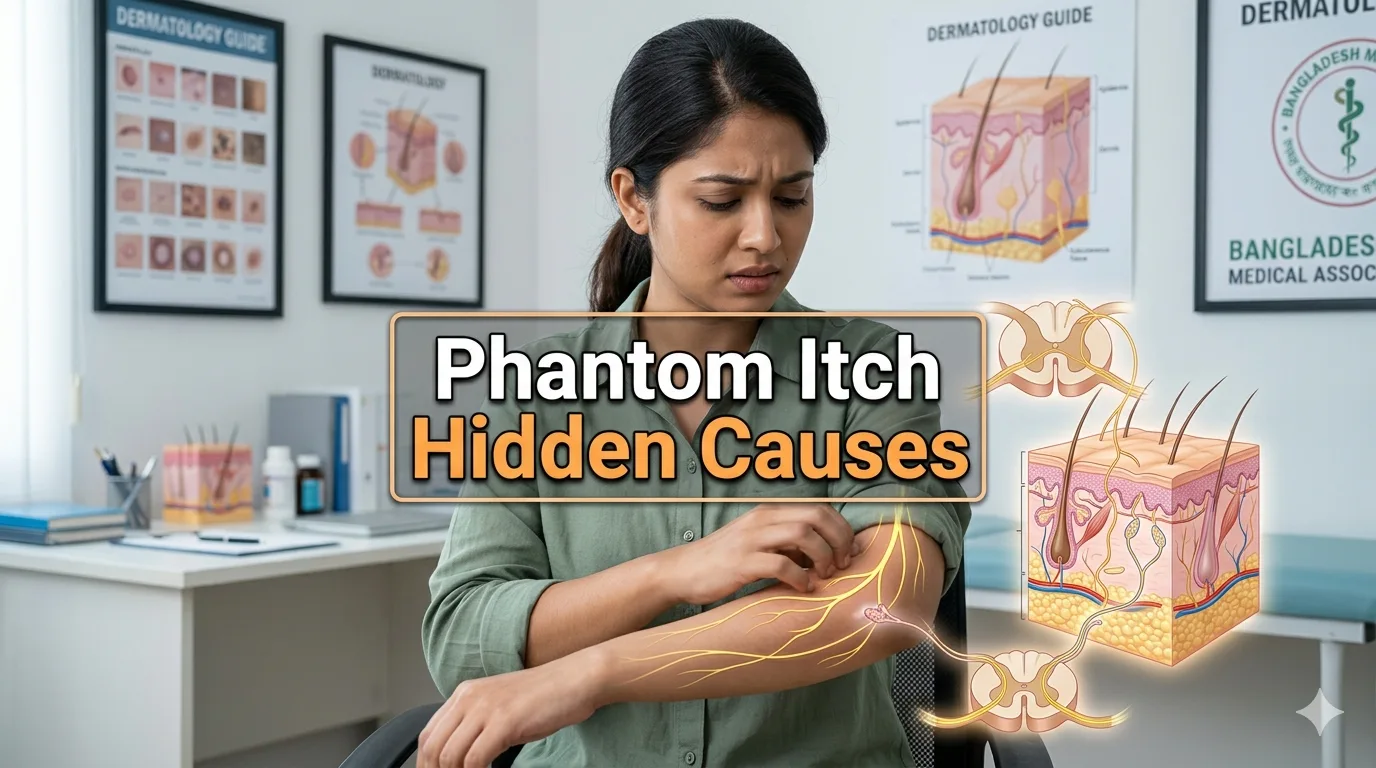
It starts subtly: a persistent itch on your arm, your back, or your scalp—but when you look, there's nothing there. No rash, no bump, no visible explanation. You scratch, but the relief is fleeting. The itch returns, sometimes migrating to a new spot, sometimes intensifying at night. You've tried moisturizers, antihistamines, even changing detergents, but the phantom itch persists. If this sounds familiar, you may be experiencing pruritus sine materia—a medical term meaning "itching without visible skin changes."
Pruritus sine materia is more common than many realize, affecting an estimated 8-15% of adults at some point in their lives. Unlike itch associated with eczema, hives, or insect bites, this type of itch has no obvious dermatological cause. Instead, it often signals underlying neurological, systemic, or psychological factors that require a different diagnostic and treatment approach. For sufferers, the frustration is compounded by the invisibility of the problem: "If there's nothing on my skin, why does it itch so badly?"
This comprehensive guide unmasksthe hidden causes of pruritus sine materia and delivers evidence-based strategies for relief. You'll learn how to distinguish neuropathic itch from other types, understand which systemic conditions can manifest as unexplained itching, navigate the diagnostic process with your healthcare provider, and implement targeted treatments that address root causes—not just symptoms. Whether you're experiencing occasional phantom itching or chronic, debilitating pruritus, you'll find practical, medically grounded guidance to help you find answers and relief.
What Is Pruritus Sine Materia? Understanding the "Phantom Itch"
Before exploring causes and solutions, it's essential to define what we're discussing—and what we're not.
Defining the Condition
Pruritus sine materia (Latin for "itching without material cause") refers to chronic itching that:
- Persists for six weeks or longer (chronic pruritus)
- Occurs without primary skin lesions (no rash, hives, bumps, or visible inflammation)
- May cause secondary skin changes from scratching (excoriations, lichenification) but these are effects, not causes
- Often lacks an obvious dermatological explanation on initial examination
Key Distinction: This is not "all in your head." The itch is real, the discomfort is genuine, and the underlying mechanisms are increasingly understood by medical science.
How It Differs from Common Itch
| Feature | Common Dermatological Itch | Pruritus Sine Materia |
|---|---|---|
| Visible Signs | Rash, hives, redness, scaling, blisters | None initially; only scratch marks from rubbing |
| Primary Cause | Skin condition (eczema, psoriasis, contact dermatitis) | Neurological, systemic, medication-related, or psychogenic |
| Response to Antihistamines | Often helpful (histamine-mediated) | Often minimal benefit (non-histamine pathways) |
| Pattern | Localized to affected skin area | May migrate, be generalized, or follow nerve pathways |
| Timing | Variable; often related to triggers | Often worse at night or during rest |
The Neurobiology of Itch: Why "Nothing" Can Itch So Much
Itch (pruritus) is transmitted via specialized nerve fibers (C-fibers) that travel from skin to spinal cord to brain. In pruritus sine materia, the problem often lies not in the skin but along this pathway:
- Peripheral sensitization: Nerve endings in skin become hyper-responsive to normal stimuli
- Central sensitization: Spinal cord or brain amplifies itch signals, creating a self-perpetuating cycle
- Neurotransmitter imbalance: Altered levels of serotonin, opioids, or other signaling molecules affect itch perception
- Cross-talk with pain pathways: Itch and pain share neural pathways; dysfunction in one can affect the other
Key Insight: Understanding that itch can originate in nerves or the brain—not just skin—opens the door to more effective, targeted treatments.
Hidden Cause #1: Neuropathic Itch (Nerve-Related)
When nerves misfire, itch can occur without any skin problem. Neuropathic pruritus accounts for a significant portion of pruritus sine materia cases.
Common Neuropathic Conditions
Notalgia Paresthetica:
- What it is: Itch between shoulder blades due to nerve compression in upper spine
- Pattern: Localized, often one-sided; may feel like burning or tingling
- Triggers: Poor posture, repetitive movements, spinal degeneration
- Diagnosis: Clinical exam; imaging if spinal cause suspected
Brachioradial Pruritus:
- What it is: Itch on outer forearms linked to cervical spine nerve irritation
- Pattern: Bilateral forearm itch; often worsened by sun exposure
- Unique clue: Ice pack provides relief (suggests neuropathic origin)
- Association: Cervical disc disease, sun damage to nerves
Postherpetic Neuralgia (After Shingles):
- What it is: Nerve damage from shingles virus causing persistent itch or pain
- Pattern: Follows dermatome (nerve pathway) of prior rash
- Timing: Can persist months or years after rash heals
- Management: Requires neuropathic pain/itch medications
Small Fiber Neuropathy:
- What it is: Damage to small nerve fibers that carry itch and pain signals
- Causes: Diabetes, autoimmune conditions, vitamin deficiencies, idiopathic
- Symptoms: Burning, tingling, itching, often in feet/hands first
- Diagnosis: Skin biopsy to measure nerve fiber density
Red Flags Suggesting Neuropathic Itch
- Itch follows a specific nerve pathway or dermatome
- Accompanied by burning, tingling, or "pins and needles"
- Ice or cold provides relief (unusual for inflammatory itch)
- Poor response to antihistamines or topical steroids
- History of shingles, spine issues, or diabetes
Hidden Cause #2: Systemic Diseases (Internal Conditions)
Sometimes, itching without rash is your body's way of signaling an internal imbalance. Several systemic conditions can manifest primarily as pruritus.
Key Systemic Conditions to Consider
Chronic Kidney Disease (Uremic Pruritus):
- Mechanism: Toxin buildup, immune dysregulation, nerve changes
- Pattern: Often generalized; worse at night; may affect back, face, arms
- Clue: History of kidney issues, abnormal blood tests (creatinine, BUN)
- Management: Optimize kidney function; specific medications like gabapentin
Liver Disease (Cholestatic Pruritus):
- Mechanism: Bile acid accumulation, opioid system dysregulation
- Pattern: Often starts on palms/soles; may be worse at night
- Clue: Jaundice, dark urine, abnormal liver enzymes
- Management: Treat underlying liver condition; bile acid sequestrants, rifampin
Thyroid Disorders:
- Hypothyroidism: Dry skin contributes to itch; may be generalized
- Hyperthyroidism: Increased blood flow and metabolism can trigger itch
- Clue: Other thyroid symptoms (fatigue, weight changes, temperature sensitivity)
- Management: Normalize thyroid levels; symptomatic itch relief
Hematologic Conditions:
- Polycythemia Vera: Itch after warm bath/shower (aquagenic pruritus)
- Lymphoma (especially Hodgkin's): Unexplained itch can precede diagnosis
- Iron Deficiency: Can cause generalized itch even without anemia
- Clue: Unexplained fatigue, weight loss, night sweats, abnormal blood counts
Diabetes:
- Mechanism: Neuropathy, dry skin, increased infection risk
- Pattern: Often affects lower legs, feet; may be localized or generalized
- Management: Optimize glucose control; address neuropathy if present
When to Suspect a Systemic Cause
- Generalized itch without clear skin findings
- Itch accompanied by systemic symptoms (fatigue, weight loss, fever)
- Poor response to dermatological treatments
- Personal or family history of relevant conditions
- Abnormal routine blood work
Hidden Cause #3: Medication-Induced Pruritus
Many medications can cause itching as a side effect—even without a visible rash. This is often overlooked in the diagnostic process.
Common Medication Culprits
| Medication Class | Examples | Mechanism | Typical Pattern |
|---|---|---|---|
| Opioids | Morphine, oxycodone, codeine | Activate itch-specific receptors in CNS | Generalized; often face, nose, trunk |
| ACE Inhibitors | Lisinopril, enalapril | Bradykinin accumulation | Generalized; may start weeks/months after starting |
| Statins | Atorvastatin, simvastatin | Unknown; possibly immune-mediated | Generalized; variable timing |
| Antimalarials | Chloroquine, hydroxychloroquine | Direct nerve stimulation | Generalized; dose-dependent |
| Some Antibiotics | Penicillins, sulfonamides | Histamine release or immune reaction | May have subtle rash; timing varies |
| Antidepressants | SSRIs, TCAs | Serotonin pathway effects | Generalized; may improve with dose adjustment |
Medication Review Protocol
If you suspect medication-induced itch:
- Timeline check: Did itching start after beginning a new medication?
- Consult your prescriber: Never stop medications without medical guidance
- Consider alternatives: Many drug classes have multiple options with different side effect profiles
- Temporary pause (if safe): Under medical supervision, a brief pause may confirm causality
- Symptomatic management: Some medications can be continued with added itch treatment
Hidden Cause #4: Psychogenic and Stress-Related Factors
The mind-skin connection is powerful. Psychological factors can trigger or amplify itch through well-documented neuroimmune pathways.
How Stress and Emotions Influence Itch
Biological Pathways:
- Stress increases cortisol and inflammatory cytokines that sensitize itch nerves
- Anxiety activates the sympathetic nervous system, altering skin blood flow and nerve signaling
- Depression can lower itch threshold and impair coping mechanisms
Behavioral Cycle:
Stress/Anxiety → Increased Itch Perception → Scratching → Temporary Relief → Skin Damage → More Itch → More Stress
Conditions to Consider
Psychogenic Pruritus:
- Itch primarily driven by psychological factors
- Often associated with anxiety, depression, or somatic symptom disorder
- May improve with stress reduction, therapy, or psychotropic medications
Delusional Parasitosis:
- Firm belief of being infested despite no evidence
- Requires sensitive, non-confrontational psychiatric evaluation
- Treatment often involves antipsychotic medications
Obsessive-Compulsive Spectrum:
- Compulsive scratching or skin-picking behaviors
- May co-occur with anxiety or OCD
- Behavioral therapy (CBT, habit reversal) is often effective
Red Flags for Psychological Contribution
- Itch worsens significantly with stress or emotional triggers
- Scratching provides only fleeting relief or becomes compulsive
- History of anxiety, depression, trauma, or somatic symptoms
- Itch improves with relaxation techniques or distraction
- No clear medical cause found after thorough evaluation
Diagnostic Approach: Finding the Hidden Cause
Diagnosing pruritus sine materia requires a systematic, stepwise approach to avoid missing treatable causes.
Step 1: Detailed History
Key Questions Your Provider Should Ask:
- Onset and duration: When did it start? Constant or intermittent?
- Location and pattern: Localized or generalized? Does it follow nerve pathways?
- Triggers and relievers: What makes it better or worse? (heat, water, stress, time of day)
- Associated symptoms: Fatigue, weight changes, fever, neurological symptoms?
- Medication review: All prescriptions, OTC drugs, supplements, recent changes
- Medical history: Kidney, liver, thyroid, diabetes, neurological, psychiatric conditions
- Impact on life: Sleep disturbance, mood changes, functional impairment
Step 2: Physical Examination
What to Expect:
- Full skin exam: Including scalp, nails, mucous membranes (subtle signs may be missed)
- Neurological screening: Sensation testing, reflexes, strength assessment
- Lymph node exam: Checking for enlargement that might suggest systemic illness
- Documentation of secondary changes: Excoriations, lichenification from scratching
Step 3: Targeted Laboratory Testing
Initial Screening Panel (Often Recommended):
- Complete blood count (CBC) with differential
- Comprehensive metabolic panel (kidney, liver function)
- Thyroid-stimulating hormone (TSH)
- Fasting glucose or HbA1c
- Iron studies (ferritin, iron, TIBC)
- Inflammatory markers (ESR, CRP) if systemic inflammation suspected
Additional Testing Based on Suspicion:
- Hepatitis B/C, HIV screening if risk factors
- Serum protein electrophoresis if lymphoma suspected
- Vitamin B12, folate if neuropathy suspected
- Skin biopsy if small fiber neuropathy considered
- Imaging (spine MRI) if neuropathic pattern suggests structural cause
Step 4: Specialist Referral When Needed
- Dermatologist: For complex skin evaluation, biopsy if indicated
- Neurologist: For suspected neuropathic itch or neurological symptoms
- Internist/Hematologist: For systemic disease evaluation
- Psychiatrist/Psychologist: For psychogenic components or coping support
- Pain/Itch Specialist: Multidisciplinary itch clinics (emerging in major centers)
Treatment Strategies: Targeted Relief for Hidden Causes
Treating pruritus sine materia requires matching the intervention to the underlying mechanism. A one-size-fits-all approach rarely works.
Neuropathic Itch Treatments
First-Line Medications:
- Gabapentin/Pregabalin: Modulate nerve signaling; start low, titrate slowly
- Topical Capsaicin: Depletes substance P in nerve endings; high-concentration patches require clinic application
- Topical Menthol/Pranoxine: Cooling agents that activate counter-irritant pathways
Second-Line Options:
- Tricyclic Antidepressants (Amitriptyline, Doxepin): Modulate neurotransmitters; low doses often effective for itch
- SNRIs (Duloxetine, Venlafaxine): Helpful if neuropathic itch co-occurs with depression/anxiety
- Botulinum Toxin Injections: Emerging evidence for localized neuropathic itch
Non-Pharmacological Approaches:
- Physical Therapy: For cervicogenic itch (posture correction, nerve gliding exercises)
- Transcutaneous Electrical Nerve Stimulation (TENS): May modulate nerve signaling
- Mindfulness-Based Stress Reduction: Reduces central sensitization
Systemic Disease-Related Itch Management
Principle: Treat the underlying condition first; add symptomatic relief as needed.
Kidney Disease:
- Optimize dialysis if applicable
- Consider gabapentin (dose-adjusted for kidney function)
- Phototherapy (narrowband UVB) can be effective
- Newer agents: Difelikefalin (Korsuva) approved for hemodialysis patients
Liver Disease:
- Ursodeoxycholic acid for cholestasis
- Bile acid sequestrants (cholestyramine)
- Rifampin (induces liver enzymes that metabolize itch mediators)
- Naltrexone (opioid antagonist) for refractory cases
General Supportive Measures:
- Cool compresses for immediate relief
- Moisturizers with pramoxine or menthol for symptomatic relief
- Avoid hot showers/baths that can worsen itch
Medication-Induced Itch Strategies
Stepwise Approach:
- Confirm causality: Timeline correlation, exclusion of other causes
- Assess necessity: Is the medication essential? Are alternatives available?
- Dose adjustment: Lower dose may reduce itch while maintaining efficacy
- Add symptomatic treatment: Antihistamines (limited benefit), gabapentin, topical agents
- Switch medications: If possible and medically appropriate
Psychogenic and Stress-Related Itch Management
Integrated Approach:
- Cognitive Behavioral Therapy (CBT):
- Identifies and modifies itch-scratch cycles
- Teaches coping strategies for urge management
- Addresses underlying anxiety/depression
- Habit Reversal Training:
- Awareness training for scratching triggers
- Competing response development (e.g., fist clenching instead of scratching)
- Social support for accountability
- Mindfulness and Relaxation:
- Meditation, deep breathing to reduce physiological arousal
- Body scan techniques to observe itch without reacting
- Progressive muscle relaxation to reduce tension
- Medication (if indicated):
- SSRIs/SNRIs for comorbid anxiety/depression
- Low-dose antipsychotics for severe psychogenic cases (specialist management)
Self-Care and Lifestyle Strategies for Daily Relief
While medical treatment addresses root causes, daily habits can significantly reduce itch burden and improve quality of life.
Skin Care Fundamentals
Gentle Cleansing:
- Use lukewarm (not hot) water for bathing
- Choose fragrance-free, soap-free cleansers (syndet bars or liquid cleansers)
- Limit bath/shower time to 10 minutes to avoid drying
- Pat dry gently; don't rub
Moisturizing Strategy:
- Apply moisturizer within 3 minutes of bathing to lock in moisture
- Choose ointments or thick creams over lotions for better barrier repair
- Look for ingredients: ceramides, glycerin, hyaluronic acid, colloidal oatmeal
- Reapply 2-3 times daily, especially to itchy areas
Avoid Irritants:
- Fragrance-free laundry detergents and fabric softeners
- Cotton clothing; avoid wool, synthetic fibers that trap heat
- Hypoallergenic personal care products
Itch Interruption Techniques
Immediate Relief Strategies:
- Cold therapy: Ice pack wrapped in cloth for 5-10 minutes; activates cold fibers that inhibit itch signals
- Pressure/tapping: Firm pressure or tapping near itchy area can disrupt itch signaling
- Distraction: Engage hands/mind in activity when urge to scratch arises
- Moisturize on demand: Keep a travel-size moisturizer handy for quick application
Behavioral Substitutions:
- Keep nails short and filed smooth to minimize skin damage if scratching occurs
- Wear cotton gloves at night if nocturnal scratching is problematic
- Use soft fabrics for bedding and clothing to reduce friction
Sleep Optimization
Itch often worsens at night due to circadian changes in skin temperature, cortisol, and histamine.
Nighttime Protocol:
- Take a lukewarm bath with colloidal oatmeal before bed
- Apply prescribed topical treatments or moisturizers after bathing
- Keep bedroom cool (65-68°F / 18-20°C) to reduce nighttime itching
- Use humidifier if air is dry
- Consider sedating antihistamine at bedtime if approved by your doctor (helps sleep more than itch)
- Practice relaxation techniques before sleep to lower physiological arousal
Stress Management Integration
Daily Practices:
- 5-10 minutes of deep breathing or meditation upon waking and before bed
- Regular physical activity (even walking) to reduce stress hormones
- Schedule "worry time" to contain anxiety rather than letting it amplify itch
- Maintain social connections; isolation can worsen perception of symptoms
When to Seek Immediate Medical Attention
While most pruritus sine materia is manageable, certain red flags warrant prompt evaluation.
Urgent Warning Signs
- Unexplained weight loss: >10 lbs without trying
- Fever or night sweats: Especially if persistent
- Swollen lymph nodes: Persistent enlargement in neck, armpit, or groin
- Jaundice: Yellowing of skin or eyes
- Neurological symptoms: Weakness, numbness, vision changes, balance issues
- Severe sleep disruption: Inability to sleep due to itch affecting daily function
- Skin infections: Signs of bacterial infection from scratching (increasing redness, warmth, pus)
Preparing for Your Medical Appointment
Bring This Information:
- Itch diary: timing, location, triggers, severity (1-10 scale), what helps
- Complete medication/supplement list (including start dates)
- Photos of any skin changes (even if they come and go)
- List of treatments tried and their effects
- Questions you want to ask
Questions to Ask Your Provider:
- What could be causing my itching based on my history and exam?
- What tests do you recommend, and why?
- What are the treatment options, and what are their pros/cons?
- When should I follow up, and what symptoms should prompt earlier contact?
- Are there specialists you recommend if initial treatments don't help?
Frequently Asked Questions
Can anxiety alone cause chronic itching without a rash?
Yes. Anxiety can trigger or amplify itch through multiple pathways: - Increased cortisol and inflammatory markers sensitize itch nerves - Heightened awareness makes normal sensations feel more intense - Stress-related behaviors (poor sleep, skin picking) worsen symptoms However, anxiety-related itch should be a diagnosis of exclusion—other causes should be ruled out first. Treatment often combines stress management with targeted itch therapies.
Why does my itch get worse at night?
Several circadian factors contribute: - Skin temperature rises at night, increasing itch perception - Cortisol (natural anti-inflammatory) levels drop overnight - Histamine levels may increase in evening hours - Fewer distractions at bedtime make itch more noticeable Strategies: Cool bedroom temperature, evening moisturizing routine, relaxation techniques before bed, and discussing nighttime medication timing with your doctor.
Are antihistamines helpful for pruritus sine materia?
Often limited benefit, but context matters: - First-generation (diphenhydramine, hydroxyzine): May help via sedation (improving sleep) rather than direct anti-itch effect - Second-generation (loratadine, cetirizine): Minimal benefit for non-histamine itch but low risk - Exception: If itch has a histamine component (e.g., mild urticaria), they may help Key: Don't rely solely on antihistamines if they aren't helping; discuss alternative mechanisms with your provider.
How long does it take to find the cause of unexplained itching?
Variable, but realistic expectations help: - Initial evaluation: 1-2 visits for history, exam, basic labs - Targeted testing: Additional 2-4 weeks for specialized tests if indicated - Treatment trials: 4-8 weeks to assess medication effectiveness - Complex cases: May require months and specialist collaboration Patience and partnership with your healthcare team are essential. Keep a symptom diary to track patterns and treatment responses.
Can diet affect pruritus sine materia?
Potentially, though evidence is mixed: - Hydration: Adequate water intake supports skin barrier function - Anti-inflammatory diet: Omega-3s, antioxidants may reduce systemic inflammation - Food triggers: Rare, but some report itch worsening with alcohol, spicy foods, or histamine-rich foods - Nutrient deficiencies: Iron, B12, vitamin D deficiencies can contribute to itch Approach: Focus on overall balanced nutrition; consider elimination diets only under guidance if strong suspicion of food triggers.
Conclusion: Finding Relief from the Phantom Itch
Living with pruritus sine materia can feel isolating—itching without visible cause challenges both patients and providers. But advances in understanding the neurobiology of itch, the systemic connections to internal health, and the mind-skin relationship have transformed what was once a diagnostic dead-end into a manageable condition.
The path to relief begins with recognition: your itch is real, it has mechanisms, and it can be addressed. By working systematically through potential causes—neuropathic, systemic, medication-related, or psychological—you and your healthcare team can identify targets for intervention. Combining medical treatments with self-care strategies creates a comprehensive approach that addresses both root causes and daily symptoms.
Key takeaways for managing pruritus sine materia:
- Itch without rash is real: Neuropathic, systemic, and psychological mechanisms are well-documented
- Diagnosis is stepwise: History, exam, targeted testing, and specialist referral when needed
- Treatment is mechanism-based: Match therapy to underlying cause (neuropathic meds, systemic disease management, stress reduction)
- Self-care matters: Gentle skin care, itch interruption techniques, and sleep optimization provide daily support
- Patience and partnership: Finding answers may take time; work collaboratively with your care team
- Hope is warranted: Most cases improve with targeted, persistent management
If you're experiencing unexplained itching, you don't have to accept it as your new normal. Start by documenting your symptoms, scheduling an appointment with your primary care provider or dermatologist, and bringing this guide to inform your conversation. Relief is possible—and you deserve to feel comfortable in your own skin.
Start today. Choose one action from this guide to implement this week: perhaps beginning an itch diary, trying a cool compress technique, or simply scheduling that long-postponed doctor's appointment. Small steps forward compound into meaningful progress.
Your skin is speaking. Listen, investigate, and advocate for the answers you deserve.
Welcome to your path toward relief. The phantom itch can be unmasked—and managed.