

The Rise of "Dopamine Decor": Using Bright Colors to Boost Your Mood at Home
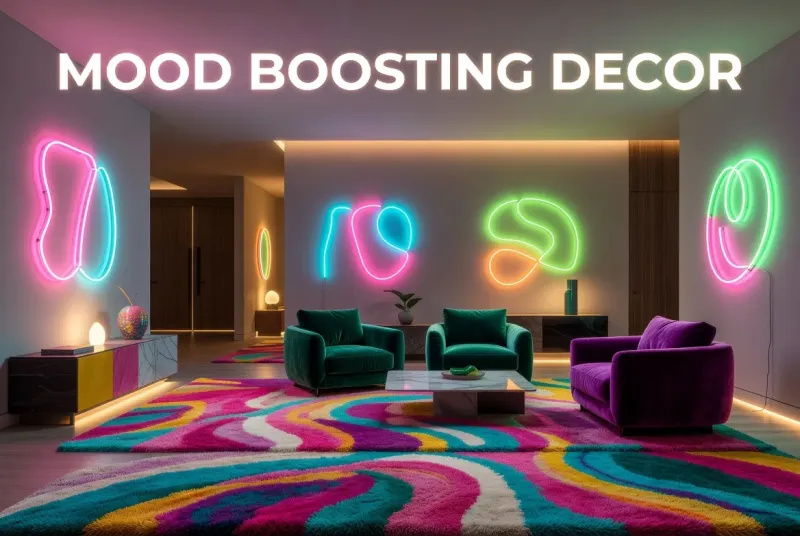
Understanding Dopamine Decor More Than Just a Trend
Dopamine decor isn't merely an aesthetic choice—it's a deliberate design philosophy rooted in neuroscience and emotional wellbeing. The term draws from dopamine, the neurotransmitter associated with pleasure, motivation, and reward. While no interior design style can directly "release dopamine," the concept recognizes that our visual environment significantly influences our mood, energy levels, and cognitive function.
The Science of Color and Mood
Research in environmental psychology consistently demonstrates that color affects human emotion and behavior:
- Warm colors (reds, oranges, yellows): Stimulate energy, creativity, and social interaction. Yellow, in particular, is linked to optimism and mental clarity.- Cool colors (blues, greens, purples): Promote calm, focus, and restoration. Blue is associated with tranquility and productivity; green with balance and renewal.- Saturated vs. muted tones: Vibrant, saturated colors tend to energize; softer, muted versions of the same hues offer comfort without overstimulation.- Personal and cultural associations: Color meanings vary across individuals and cultures. In Bangladesh, for instance, green holds religious and natural significance; red symbolizes celebration and vitality.
Why Dopamine Decor Resonates Now
Several cultural shifts have amplified interest in mood-enhancing home design
1. Post-Pandemic Home-Centric LivingWith more time spent at home, people seek environments that support mental health, not just functionality.
2. Rising Awareness of Mental HealthAs conversations about emotional wellbeing become more mainstream, individuals look for accessible, non-clinical ways to support their mental health—including through their living spaces.
3. Social Media InspirationPlatforms like Instagram and Pinterest showcase vibrant, personalized homes that celebrate joy over perfection, making colorful design feel achievable and aspirational.
4. Rejection of "Sad Beige" MinimalismAfter years of neutral, minimalist aesthetics dominating design media, many crave personality, playfulness, and emotional resonance in their spaces.
Getting Started Assessing Your Space and Needs
Before adding color, consider these foundational questions
What emotions do you want to cultivate?- Energy and creativity? Consider warm accents in workspaces.- Calm and restoration? Prioritize cool tones in bedrooms.- Joy and connection? Use vibrant colors in shared living areas.
What are your spatial constraints?- Small apartments: Use color strategically on accent walls, textiles, or accessories to avoid overwhelming the space.- Shared or multi-generational homes: Choose universally appealing hues or designate personal zones for bolder expression.- Rental limitations: Focus on removable, non-permanent color applications like peel-and-stick wallpaper, colorful curtains, or vibrant decor items.
What is your existing color palette?- Neutral base: Easier to layer in bright accents without clashing.- Already colorful: Consider complementary or analogous color schemes to enhance harmony.
What is your budget?- Low-cost: Start with small, high-impact items like cushions, art, or plants.- Moderate investment: Consider painting one accent wall or updating key furniture pieces.- Long-term planning: Save for statement pieces or professional color consultation.
Practical Strategies for Incorporating Dopamine Decor
Strategy 1: Start Small with AccessoriesYou don't need a full renovation to embrace colorful design. Begin with easily changeable elements:
- Textiles: Add vibrant throw pillows, blankets, or rugs in colors that spark joy.- Tabletop decor: Display colorful vases, candles, or trays on shelves and surfaces.- Art and prints: Hang artwork featuring bold hues or uplifting imagery.- Plants: Incorporate greenery in colorful pots for a natural mood boost.
Tip: Choose 2-3 "hero colors" to create cohesion. For example, pair coral and teal with neutral backgrounds for a balanced, energetic look.
Strategy 2: Create an Accent WallPainting one wall in a bold hue adds dramatic impact without overwhelming the room:
- Best candidates: Walls behind beds, sofas, or desks—focal points that draw the eye.- Color selection: Choose a shade that complements your existing decor and evokes your desired mood.- Rental-friendly alternatives: Use removable wallpaper, large tapestries, or gallery walls with colorful frames.
Bangladesh-specific tip: In humid climates, opt for moisture-resistant paints and ensure proper ventilation during application.
Strategy 3: Layer Colors Through Textures and PatternsColor becomes more dynamic when combined with varied textures and patterns:
- Mix materials: Pair velvet cushions with woven baskets, ceramic vases with metallic accents.- Play with scale: Combine large-scale patterns (like bold florals) with smaller geometrics for visual interest.- Cultural integration: Incorporate traditional Bangladeshi textiles—nakshi kantha, jamdani, or handloom fabrics—in vibrant colorways to honor heritage while embracing joy.
Strategy 4: Use Lighting to Enhance Color ImpactLighting dramatically affects how colors appear and feel:
- Natural light: Maximize daylight to showcase true color vibrancy; use sheer curtains to diffuse harsh sun.- Artificial lighting: Choose warm-white bulbs (2700-3000K) to enhance cozy tones; cooler bulbs (4000K+) complement blues and greens.- Accent lighting: Use colored LED strips or decorative lamps to add playful, adjustable color moments.
Strategy 5: Design Color Zones for Different ActivitiesAssign colors based on room function to support intended emotions:
- Entryway: Welcoming yellows or oranges to create an uplifting first impression.- Living area: Balanced palettes with energizing accents for socializing and relaxation.- Workspace: Focus-enhancing blues or greens with small pops of motivating red or orange.- Bedroom: Calming lavenders, soft blues, or muted greens to promote restful sleep.- Kitchen: Appetite-stimulating reds or cheerful yellows in moderation; pair with clean whites for balance.
Color Psychology Deep Dive Choosing Hues with Intention
Yellow: Optimism and Mental Clarity- Best for: Home offices, kitchens, entryways- Shades to consider: Sunshine yellow for energy; mustard or ochre for warmth without overstimulation- Pairing tips: Combine with white, gray, or navy to ground the brightness- Cultural note: In Bangladesh, yellow is associated with spring (Basanta) and celebration—ideal for festive home accents
Blue: Calm and Productivity- Best for: Bedrooms, bathrooms, study areas- Shades to consider: Sky blue for airiness; navy for sophistication; teal for a vibrant yet calming balance- Pairing tips: Layer with natural wood tones and white textiles for a serene, cohesive look- Practical tip: In small Dhaka apartments, light blues can create an illusion of spaciousness
Green: Balance and Renewal- Best for: Living rooms, bedrooms, home offices- Shades to consider: Sage for subtlety; emerald for luxury; mint for freshness- Pairing tips: Complement with terracotta, cream, or brass accents for warmth- Bangladesh connection: Green's association with nature and Islam makes it a universally appealing, meaningful choice
Pink and Coral: Joy and Compassion- Best for: Bedrooms, dressing areas, creative corners- Shades to consider: Blush for softness; coral for energy; fuchsia for bold statement- Pairing tips: Balance with neutral backgrounds or pair with complementary greens for vibrancy- Styling tip: Use in textiles and accessories for easy updates without permanent commitment
Orange and Red: Energy and Warmth- Best for: Dining areas, social spaces, creative studios- Shades to consider: Terracotta for earthiness; tangerine for playfulness; deep red for richness- Pairing tips: Ground with neutrals or pair with blues for dynamic contrast- Caution: Use sparingly in bedrooms or relaxation zones to avoid overstimulation
Purple and Lavender: Creativity and Spirituality- Best for: Meditation corners, bedrooms, artistic spaces- Shades to consider: Lavender for calm; plum for depth; lilac for softness- Pairing tips: Combine with gold accents or gray backgrounds for elegance- Cultural resonance: Purple's historical association with royalty adds a touch of specialness to personal spaces
Budget-Friendly Dopamine Decor Ideas for Bangladeshi Homes
You don't need a large budget to embrace colorful, mood-enhancing design. Here are accessible strategies:
1. Thrift and Upcycle- Visit local markets like New Market or Bashundhara City for affordable colorful decor items.- Upcycle existing furniture with vibrant paint or new upholstery fabric.- Swap decor items with friends to refresh your space without spending.
2. DIY Color Projects- Paint terracotta pots in bright hues for indoor plants.- Create abstract art using affordable acrylic paints and canvas boards.- Make colorful macramé plant hangers or woven wall hangings using local craft supplies.
3. Strategic Textile Updates- Add vibrant cushion covers from local artisans—supporting craftsmanship while boosting color.- Use colorful bed linens or throw blankets for easy seasonal refreshes.- Layer rugs: Place a small, bright rug over a neutral base for impact without overwhelming.
4. Nature-Inspired Color- Incorporate fresh flowers or potted plants in colorful containers for natural vibrancy.- Display seasonal fruits in bowls as edible, colorful decor.- Use natural materials like jute, bamboo, or cane in dyed or painted forms for texture and hue.
5. Lighting on a Budget- String fairy lights in warm white or soft colors for ambient glow.- Use colored glass bottles as candle holders or vases.- Repurpose old lamps with new, vibrant lampshades.
Overcoming Common Challenges in Colorful Design
Challenge 1: Fear of "Too Much" ColorSolution: Start with one accent color and build gradually. Use the 60-30-10 rule: 60% dominant neutral, 30% secondary color, 10% accent pop.
Challenge 2: Small Space LimitationsSolution: Use color vertically (painted ceiling, tall shelves) to draw the eye up. Mirrors with colorful frames can amplify light and space.
Challenge 3: Rental RestrictionsSolution: Focus on removable solutions: peel-and-stick wallpaper, tension rods with colorful curtains, command hooks for art, vibrant furniture that moves with you.
Challenge 4: Cultural or Family PreferencesSolution: Involve household members in color selection. Choose universally appealing hues or designate personal zones for bolder expression.
Challenge 5: Maintenance and LongevitySolution: Choose washable, durable fabrics for high-use items. Test paint samples in your space before committing to ensure the color works with your lighting.
Creating a Personalized Dopamine Decor Plan
Step 1: Gather Inspiration- Create a mood board using Pinterest, Instagram, or physical clippings.- Note which colors consistently evoke joy or calm for you personally.- Consider cultural and personal meanings attached to specific hues.
Step 2: Audit Your Current Space- Identify items you already own that bring joy and could be highlighted.- Note areas that feel dull or stressful and prioritize them for color updates.- Assess lighting conditions to inform color choices.
Step 3: Define Your Color Palette- Choose 1-2 primary colors that align with your emotional goals.- Select 1-2 complementary or accent colors for variety.- Include neutral anchors (white, beige, gray, wood tones) for balance.
Step 4: Plan Your Implementation- Prioritize high-impact, low-cost changes first (textiles, art, accessories).- Schedule larger projects (painting, furniture updates) for when time and budget allow.- Create a simple timeline to avoid overwhelm.
Step 5: Execute and Iterate- Start with one room or zone to build confidence.- Live with changes for a few weeks before adding more.- Adjust based on how colors make you feel in daily life.
Maintaining Joy Seasonal and Evolving Color Strategies
Dopamine decor isn't static—it can evolve with your needs and seasons
Seasonal Refreshes:- Spring: Introduce fresh greens, soft yellows, and floral patterns.- Summer: Embrace vibrant corals, blues, and lightweight textiles.- Autumn: Layer warm terracottas, deep oranges, and textured fabrics.- Winter: Add cozy purples, rich reds, and soft lighting for warmth.
Life Stage Adaptations:- New parents: Incorporate calming blues or greens in nursery spaces.- Remote workers: Add focus-enhancing accents to home offices.- Empty nesters: Reclaim spaces with colors that reflect personal joy.
Sustainable Dopamine Decor
Choosing color consciously supports both personal wellbeing and planetary health
- Opt for low-VOC or natural paints to improve indoor air quality.- Choose durable, timeless pieces over fast-fashion decor to reduce waste.- Support local artisans and sustainable brands for ethically made colorful items.- Repurpose and upcycle existing items before buying new.
The Emotional Impact Beyond Aesthetics
Dopamine decor's true value lies in its emotional resonance
- Daily micro-moments of joy: A vibrant cushion or colorful mug can spark small pleasures throughout the day.- Personal expression: Color choices reflect identity, values, and aspirations.- Sense of agency: Actively designing your space fosters control and creativity in uncertain times.- Connection and conversation: Colorful homes invite curiosity and shared stories with guests.
Conclusion Your Home, Your Happiness
The rise of dopamine decor reflects a profound shift: our homes are not just shelters but active participants in our emotional lives. By intentionally incorporating bright, joyful colors into your living space, you create an environment that supports mental wellbeing, sparks creativity, and celebrates personal expression.
You don't need a designer's budget, a spacious apartment, or permission to begin. Start where you are. Choose one color that brings you joy. Add one vibrant element to your space this week. Notice how it makes you feel. Build from there.
Your home should be a source of comfort, inspiration, and delight. With thoughtful color choices, practical strategies, and a spirit of playful experimentation, you can transform your living space into a daily dose of dopamine—one vibrant hue at a time.
For thoughtfully curated home decor essentials, vibrant textiles, mood-enhancing accessories, and sustainable design products that align with your joyful living goals, explore trusted local resources that prioritize quality, accessibility, and cultural relevance. Your journey to a happier, more colorful home starts with one intentional choice at a time.