

The Rise of "Microbiome Parenting": How to Support Your Baby’s Gut Health
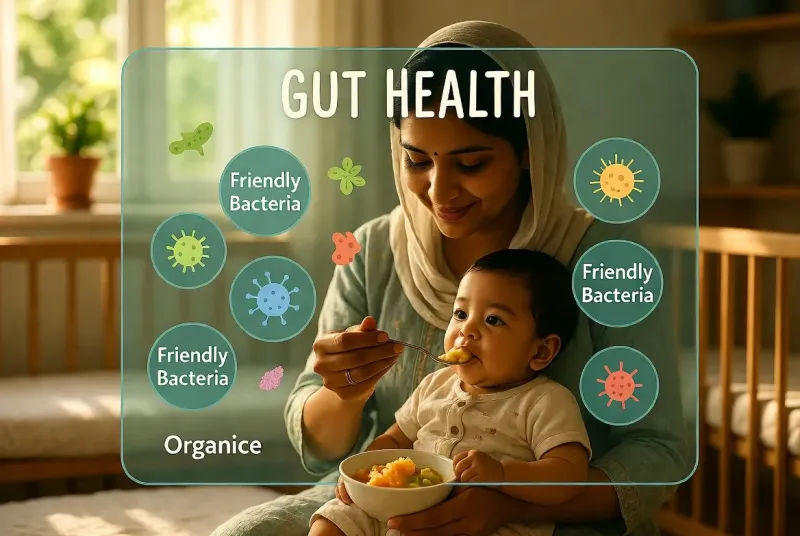
Understanding Microbiome Parenting A New Paradigm in Infant Care
Parenthood has always involved countless decisions about feeding, sleeping, safety, and development. But a growing body of research is introducing a new dimension to these choices: the profound impact of early-life decisions on your baby's microbiome—the vast community of bacteria, viruses, fungi, and other microbes that inhabit the gut and throughout the body.
Microbiome parenting isn't about perfection or adding more stress to an already demanding role. Instead, it's an empowering framework that helps parents understand how everyday choices—from delivery method to first foods—shape their infant's microbial foundation. This foundation influences not just digestive comfort, but immune function, allergy risk, metabolic health, and even neurodevelopment.
The timing is critical. The first 1,000 days of life—from conception through age two—represent a unique window of opportunity. During this period, the infant microbiome is highly plastic, rapidly developing, and particularly responsive to environmental inputs. Establishing a diverse, resilient microbial community early can confer benefits that last a lifetime.
This guide translates complex microbiome science into practical, actionable strategies for parents. We'll explore how birth, feeding, antibiotics, and lifestyle choices influence your baby's gut ecosystem, and what you can do to support optimal microbial development—without overwhelming yourself or your baby.
Why the Infant Microbiome Matters
Your baby isn't born with a fully developed microbiome. Instead, microbial colonization begins at birth and unfolds rapidly during the first months and years of life. This early microbial community plays outsized roles in several critical areas:
Immune System Training
Approximately 70-80% of the immune system resides in the gut. Early microbial exposures "educate" the developing immune system, teaching it to distinguish between harmful pathogens and harmless substances. A diverse, balanced microbiome helps calibrate immune responses, potentially reducing risks of allergies, asthma, eczema, and autoimmune conditions later in life.
Digestive Development and Comfort
A healthy infant microbiome supports efficient digestion, nutrient absorption, and regular bowel movements. Beneficial bacteria help break down complex components in breast milk, produce short-chain fatty acids that nourish the gut lining, and crowd out potential pathogens. This can translate to fewer issues with colic, reflux, constipation, or diarrhea.
Metabolic Programming
Emerging research suggests that early microbiome composition may influence long-term metabolic health, including risks of obesity and type 2 diabetes. Microbes affect how energy is extracted from food, how fat is stored, and how appetite-regulating hormones function.
Gut-Brain Axis Development
The gut and brain communicate bidirectionally through neural, hormonal, and immune pathways. Infant gut microbes produce neurotransmitters and metabolites that can influence brain development, stress responses, and even behavior. While research is still evolving, early microbiome health may play a role in neurodevelopmental outcomes.
Barrier Function Support
A robust microbiome helps maintain the integrity of the gut lining, preventing unwanted substances from entering the bloodstream—a concept known as "leaky gut." This barrier function is crucial for overall health and immune regulation.
How the Infant Microbiome Develops Key Influencing Factors
Understanding what shapes your baby's microbiome empowers you to make informed choices. Several factors play particularly important roles:
Birth Method The First Microbial Inoculation
Vaginal birth exposes babies to their mother's vaginal and fecal microbes, seeding the infant gut with beneficial bacteria like Lactobacillus and Bifidobacterium species. These early colonizers help establish an environment that supports immune development and digestive health.
Cesarean delivery, while sometimes medically necessary, results in different initial colonization. Babies born via C-section are first exposed to skin and environmental microbes rather than maternal vaginal microbes. Research shows these infants may have delayed colonization with beneficial Bifidobacterium species and higher rates of certain immune-related conditions, though many factors influence outcomes.
What parents can do:- If planning a C-section, discuss microbiome-supportive practices with your provider- Consider vaginal seeding only under medical supervision and with proper screening (this practice remains controversial and is not universally recommended)- Prioritize immediate skin-to-skin contact after birth, regardless of delivery method- Breastfeed if possible, as human milk helps support beneficial microbial colonization regardless of birth method
Feeding Choices Breast Milk as a Microbiome Superfood
Breast milk is far more than nutrition—it's a dynamic, living fluid designed to shape the infant microbiome. Human milk contains:
- Human milk oligosaccharides (HMOs): Complex sugars that babies can't digest but that serve as prebiotics, selectively feeding beneficial Bifidobacterium species- Live microbes: Breast milk contains its own microbiome, including beneficial bacteria that directly colonize the infant gut- Immune factors: Antibodies, enzymes, and other compounds that support immune development and microbial balance- Bioactive molecules: Compounds that influence gut lining development and microbial metabolism
Formula feeding has advanced significantly, with many formulas now including prebiotics, probiotics, and HMOs inspired by breast milk research. While breast milk offers unique benefits, fed is best—and a well-chosen formula can still support healthy microbiome development.
What parents can do:- Breastfeed exclusively if possible for the first 6 months, as recommended by major health organizations- If using formula, look for options with added prebiotics (like GOS/FOS) or specific probiotic strains studied in infants- Avoid unnecessary supplementation with water or other liquids in early months, which can disrupt microbial colonization- Introduce solid foods around 6 months with a focus on diverse, fiber-rich options that support microbial diversity
Antibiotic Exposure Balancing Necessity and Microbiome Impact
Antibiotics save lives and are essential for treating bacterial infections. However, they don't discriminate between harmful and beneficial bacteria, potentially disrupting the developing microbiome. Early-life antibiotic exposure has been associated with altered microbial composition and increased risks of certain conditions later in life.
This doesn't mean avoiding necessary antibiotics. Instead, it emphasizes the importance of using antibiotics judiciously and supporting microbiome recovery when they are needed.
What parents can do:- Work with your pediatrician to ensure antibiotics are truly necessary before starting treatment- Ask about narrow-spectrum antibiotics when appropriate, which target specific bacteria rather than broad microbial communities- If antibiotics are prescribed, discuss whether a probiotic supplement might support microbiome recovery (certain strains like Lactobacillus rhamnosus GG have research support)- After antibiotic courses, focus on microbiome-supportive feeding and exposures to help restore microbial balance
Environmental Exposures Beyond the Sterile Ideal
The "hygiene hypothesis" suggests that limited exposure to diverse microbes in early life may contribute to increased rates of immune-related conditions. While basic hygiene remains essential for preventing serious infections, an overly sterile environment may limit beneficial microbial exposures.
What parents can do:- Allow safe exploration: Let babies touch clean surfaces, play outdoors, and interact with family pets (with appropriate supervision)- Avoid unnecessary antibacterial products: Regular soap and water are sufficient for most handwashing and cleaning needs- Consider probiotic-rich environments: Time in green spaces, gardens, and farms may expose babies to diverse, beneficial microbes- Practice mindful cleaning: Focus on high-touch surfaces and areas where food is prepared, rather than sterilizing every surface
Practical Strategies for Microbiome-Supportive Parenting
Translating microbiome science into daily practice doesn't require drastic changes. Small, consistent choices add up. Here are evidence-informed strategies to support your baby's gut health:
Prioritize Skin-to-Skin Contact
Immediate and frequent skin-to-skin contact after birth and throughout infancy supports microbial transfer from parent to baby. This practice, sometimes called "kangaroo care," has benefits beyond microbiome support, including temperature regulation, bonding, and breastfeeding success.
How to implement:- Request immediate skin-to-skin contact after birth when medically appropriate- Incorporate daily skin-to-skin time, even just 15-20 minutes, into your routine- Include partners and other caregivers in skin-to-skin opportunities to diversify microbial exposures
Support Breastfeeding When Possible
If you choose to breastfeed, seek support to overcome common challenges. Lactation consultants, peer support groups, and evidence-based resources can help navigate issues like latch difficulties, supply concerns, or returning to work.
How to implement:- Connect with a lactation consultant before or soon after birth if you have concerns- Learn about cluster feeding, growth spurts, and normal newborn feeding patterns to reduce anxiety- If pumping, store and handle milk properly to preserve beneficial components- Remember that any amount of breastfeeding provides benefits—partial breastfeeding still supports microbiome development
Choose Probiotics Thoughtfully
Probiotic supplements can be helpful in specific situations, but not all probiotics are created equal. Strain specificity matters: different bacterial strains have different effects, and benefits demonstrated for one strain don't necessarily apply to others.
Evidence-supported considerations:- For infants: Strains like Bifidobacterium infantis, Lactobacillus rhamnosus GG, and Lactobacillus reuteri DSM 17938 have research support for specific infant outcomes- For antibiotic-associated diarrhea: Certain probiotics may reduce risk when taken alongside antibiotics- For colic: Some evidence supports Lactobacillus reuteri for breastfed infants with colic- Quality matters: Choose products with third-party testing, clear strain identification, and appropriate storage instructions
How to implement:- Discuss probiotic use with your pediatrician, especially for infants under 6 months or those with health conditions- Look for products specifically studied in infants, with clear dosing instructions- Start with one product at a time to assess tolerance and effects- Store probiotics as directed to maintain viability
Introduce Diverse Solid Foods Strategically
When your baby is ready for solids (typically around 6 months), focus on variety and fiber. Different plant foods feed different beneficial microbes, so diversity in the diet supports diversity in the microbiome.
How to implement:- Start with single-ingredient foods to monitor for reactions, then gradually combine and diversify- Include a variety of fruits, vegetables, whole grains, and legumes as your baby progresses- Don't fear allergenic foods: Current guidelines support early introduction of common allergens (like peanut, egg) for most infants, which may support immune tolerance- Avoid added sugars and highly processed foods, which may negatively impact microbial balance
Mind Antibiotic Use Without Fear
Antibiotics are powerful tools that should be used when necessary. The goal isn't avoidance at all costs, but thoughtful use.
How to implement:- Ask your pediatrician: Is this antibiotic truly necessary? Are there watchful waiting options?- If antibiotics are prescribed, complete the full course as directed to prevent resistance- Discuss probiotic timing: If using probiotics alongside antibiotics, take them a few hours apart to maximize survival- After antibiotics, focus on microbiome-supportive feeding and exposures to aid recovery
Create a Microbiome-Friendly Home Environment
Your home environment influences microbial exposures. You don't need a farm, but small choices can support healthy microbial diversity.
How to implement:- Spend time outdoors: Parks, gardens, and natural settings expose babies to diverse environmental microbes- Consider a family pet: Early exposure to pets is associated with reduced allergy risks in some studies, possibly through microbial mechanisms- Use cleaning products mindfully: Reserve strong disinfectants for when truly needed; regular cleaning with soap and water is often sufficient- Ventilate your home: Good air circulation supports a healthy indoor microbial environment
Support Parental Microbiome Health
Your microbiome influences your baby's, from pregnancy through infancy. Supporting your own gut health can have downstream benefits.
How to implement:- During pregnancy: Focus on a diverse, fiber-rich diet; discuss probiotic use with your provider if interested- Postpartum: Prioritize your own nutrition and rest; your microbiome affects breast milk composition- Family meals: Sharing diverse, whole-food meals supports everyone's microbiome health
Recognizing Signs of Microbiome Imbalance in Infants
While every baby is different, certain signs may suggest microbiome-related digestive discomfort. These don't necessarily indicate a problem, but they can guide conversations with your pediatrician:
- Persistent excessive crying or fussiness, especially related to feeding or bowel movements- Frequent spit-up or reflux beyond typical infant patterns- Constipation (hard, infrequent stools) or diarrhea lasting more than a few days- Blood or mucus in stool- Poor weight gain despite adequate feeding- Recurrent infections or unusual rashes
If you notice these signs, consult your pediatrician. They can help determine whether microbiome-focused strategies might be appropriate alongside other evaluations.
The Future of Microbiome Parenting Emerging Research and Tools
Microbiome science is rapidly evolving. Promising areas to watch include
Personalized Probiotics
Research is moving toward strain-specific, condition-targeted probiotic recommendations based on an individual's microbiome profile. While not yet standard for infants, this personalized approach may become more accessible.
Microbiome Testing
Direct-to-consumer microbiome testing for infants is emerging, but interpretation remains complex. The field lacks standardized reference ranges for infant microbiomes, and clinical utility is still being established. If considering testing, work with a knowledgeable healthcare provider.
Next-Generation Prebiotics
Beyond traditional fiber, researchers are exploring specialized prebiotics designed to selectively nourish beneficial infant-associated bacteria. Some are already appearing in advanced infant formulas.
Microbiome-Informed Guidelines
As evidence accumulates, major health organizations are increasingly incorporating microbiome considerations into infant care recommendations, from feeding guidelines to antibiotic stewardship.
Balancing Science with Real-World Parenting
Microbiome parenting can feel like one more thing to optimize in an already demanding role. Remember these grounding principles:
Progress Over Perfection
You don't need to implement every strategy perfectly. Small, consistent choices matter more than occasional ideal decisions. Breastfeeding challenges, necessary C-sections, or antibiotic courses don't determine your child's lifelong health. The microbiome is resilient and responsive to ongoing inputs.
Individual Variation Is Normal
Every baby's microbiome is unique, shaped by genetics, environment, and countless exposures. "Normal" encompasses wide variation. Focus on your baby's overall health and development rather than comparing to idealized standards.
Partner with Your Pediatrician
Your child's healthcare provider is your best resource for personalized guidance. Share your interest in microbiome health, ask questions about specific strategies, and work together to balance evidence with your family's unique circumstances.
Prioritize Connection
The parent-child bond is foundational to infant health. Skin-to-skin contact, responsive feeding, and attuned caregiving support not just microbiome health but overall development. Don't let microbiome optimization overshadow the joy and connection of early parenting.
Conclusion Nurturing Foundations for Lifelong Health
Microbiome parenting represents an exciting evolution in how we understand infant health. By recognizing the profound influence of early microbial exposures, parents gain new tools to support their child's development—tools grounded in science but adaptable to real life.
The strategies outlined here—prioritizing skin-to-skin contact, supporting breastfeeding when possible, using antibiotics thoughtfully, introducing diverse foods, and creating microbiome-friendly environments—aren't about adding pressure. They're about empowering you with knowledge to make informed choices that align with your values and your baby's needs.
Remember: your baby's microbiome is not fixed. It continues to develop and adapt throughout childhood and beyond. Every day offers new opportunities to support gut health through nourishing foods, mindful exposures, and loving care.
Start where you are. Choose one strategy that feels manageable this week. Notice how your baby responds. Build from there. You're not just raising a child—you're nurturing a complex, dynamic ecosystem that will support their health for years to come. And in doing so, you're participating in one of the most profound aspects of parenting: laying foundations that last a lifetime.
Your baby's microbiome journey is unique. Trust your instincts, lean on evidence, and embrace the beautiful mess of early parenting. The microbes will follow.