

The Rise of Neuro-Relaxation Wearables: Can They Really Cure Anxiety?
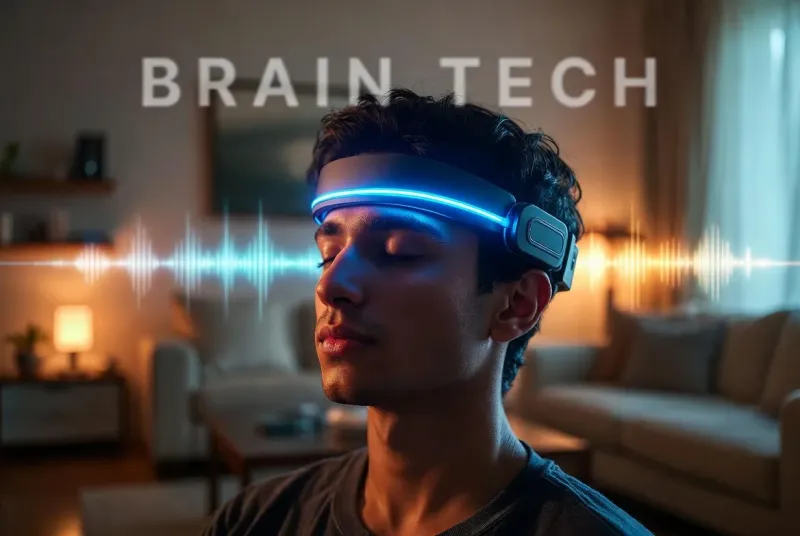
The Neuro-Relaxation Revolution Technology Meets Mental Health
Anxiety affects over 300 million people worldwide, making it one of the most common mental health challenges of our time. While traditional treatments like therapy and medication remain foundational, a new category of consumer technology has emerged with an ambitious promise: wearable devices that can reduce anxiety through direct interaction with your nervous system.
Neuro-relaxation wearables encompass a diverse range of products: EEG headbands that monitor and guide brainwave activity, wristbands that track physiological stress markers and deliver calming interventions, earbuds that stimulate the vagus nerve, and even smart clothing embedded with biofeedback sensors. These devices typically combine hardware sensors with mobile apps that provide real-time feedback, guided exercises, or automated stimulation protocols designed to activate the body's natural relaxation responses.
The appeal is undeniable. In an era of on-demand solutions, the idea of managing anxiety with a discreet, drug-free, technology-based tool resonates deeply with consumers seeking autonomy over their mental health. Marketing campaigns emphasize convenience, scientific credibility, and empowerment—positioning these wearables as accessible complements or alternatives to traditional care.
But beneath the sleek design and compelling promises lies a complex landscape of varying evidence quality, regulatory ambiguity, and important distinctions between stress reduction and clinical anxiety treatment. This guide cuts through the noise to help you understand what neuro-relaxation wearables can—and cannot—do, based on current scientific understanding and expert consensus.
What Are Neuro-Relaxation Wearables? Defining the Category
Before evaluating effectiveness, it's essential to clarify what we mean by "neuro-relaxation wearables." This emerging category includes devices that:
1. Monitor Physiological Signals- EEG (electroencephalography): Measures electrical activity in the brain to identify states associated with stress or relaxation- Heart Rate Variability (HRV): Tracks variations in time between heartbeats, an indicator of autonomic nervous system balance- Galvanic Skin Response (GSR): Measures sweat gland activity as a proxy for sympathetic nervous system activation- Respiration Rate: Monitors breathing patterns linked to stress responses
2. Deliver Interventions- Neurofeedback: Provides real-time feedback to help users learn to modulate their own brain activity- Biofeedback: Uses physiological data to guide breathing, relaxation, or mindfulness practices- Electrical Stimulation: Applies mild electrical currents to nerves (e.g., vagus nerve stimulation) to influence nervous system activity- Sensory Modulation: Uses sound, light, or haptic feedback to guide users into relaxed states
3. Integrate with Digital Therapeutics- Mobile apps that combine wearable data with cognitive behavioral therapy (CBT) techniques, mindfulness training, or personalized coaching- AI-driven insights that identify stress triggers and recommend interventions
Popular devices in this space include Muse (EEG meditation headband), Apollo Neuro (wearable stress relief device), Sensate (resonance frequency chest device), Neuvana Xen (vagus nerve stimulation earbuds), and WellBe (stress management wristband). Each employs different mechanisms and makes varying claims about anxiety reduction.
The Science How Could Wearables Influence Anxiety?
To assess whether these devices can "cure" anxiety, we must first understand the biological mechanisms they target and the quality of evidence supporting those mechanisms.
Understanding Anxiety's Physiological Basis
Anxiety isn't just a mental state—it involves measurable changes throughout the body
- Sympathetic Nervous System Activation: The "fight-or-flight" response increases heart rate, respiration, muscle tension, and stress hormone release- Reduced Parasympathetic Tone: The "rest-and-digest" system, which promotes calm, becomes less active- Altered Brain Activity: Anxiety correlates with heightened activity in the amygdala (fear center) and reduced prefrontal cortex regulation- Dysregulated Stress Biomarkers: Elevated cortisol, inflammatory markers, and disrupted HRV patterns
Neuro-relaxation wearables aim to influence these systems through several pathways
1. Biofeedback and Self-Regulation Training
Biofeedback is a well-established therapeutic technique with decades of research support. By making invisible physiological processes visible (e.g., showing your heart rate on a screen), biofeedback helps users learn to consciously influence those processes.
Evidence: Multiple meta-analyses confirm biofeedback's efficacy for anxiety disorders, particularly when combined with cognitive behavioral therapy. However, most research uses clinical-grade equipment administered by trained professionals—not consumer wearables.
Wearable Application: Consumer devices simplify biofeedback by providing accessible, real-time data via smartphone apps. The question is whether simplified, unsupervised use delivers comparable benefits.
2. Vagus Nerve Stimulation (VNS)
The vagus nerve is a key component of the parasympathetic nervous system. Stimulating it can promote relaxation, reduce inflammation, and modulate mood.
Evidence: Implantable VNS devices are FDA-approved for treatment-resistant depression and epilepsy. Non-invasive transcutaneous VNS (taVNS) shows promise in early studies for anxiety, but research is still emerging and primarily conducted in clinical settings.
Wearable Application: Consumer taVNS devices deliver mild electrical stimulation to the ear or neck, where vagus nerve branches are accessible. While preliminary studies are encouraging, large-scale randomized controlled trials specific to consumer devices and anxiety outcomes are limited.
3. Neurofeedback Training
Neurofeedback uses real-time EEG data to help users learn to modulate brainwave patterns associated with calm (e.g., increasing alpha waves) or focus.
Evidence: Neurofeedback has shown efficacy for ADHD and shows promise for anxiety in clinical research. However, study quality varies, and protocols differ significantly across research.
Wearable Application: Consumer EEG headbands typically use fewer sensors than clinical systems and employ simplified algorithms. While they may support general relaxation practice, their ability to deliver clinically meaningful neurofeedback for anxiety disorders remains unproven.
4. Resonance Frequency Breathing and HRV Training
Some wearables guide users to breathe at their "resonance frequency" (typically 4.5-6.5 breaths per minute), which maximizes HRV and promotes parasympathetic activation.
Evidence: Slow, paced breathing is a well-supported technique for reducing acute anxiety and improving HRV. HRV biofeedback has moderate evidence for anxiety management.
Wearable Application: Devices that accurately measure HRV and provide guided breathing exercises can be effective tools for stress reduction. This is one of the more evidence-aligned approaches in the consumer wearable space.
Evaluating the Evidence What Does Research Actually Show?
When examining claims about neuro-relaxation wearables and anxiety, it's crucial to distinguish between:
- Stress reduction in healthy individuals- Symptom management in mild-to-moderate anxiety- Clinical treatment of diagnosed anxiety disorders
Most consumer wearable research focuses on the first category, while marketing often implies benefits for the third.
Key Research Findings
1. Short-Term Stress Reduction: Multiple studies show that biofeedback wearables can reduce self-reported stress and physiological markers (e.g., heart rate, cortisol) in the short term among healthy adults or those with mild stress.
2. Anxiety Symptom Improvement: Some randomized trials report modest reductions in anxiety symptoms among users of specific wearables, particularly when devices are used consistently over weeks and combined with app-based therapeutic content.
3. Limited Evidence for Clinical Anxiety: Very few studies examine wearables as standalone treatments for diagnosed anxiety disorders (e.g., generalized anxiety disorder, panic disorder). Where such research exists, sample sizes are small and follow-up periods short.
4. Placebo and Expectancy Effects: The act of using a "calming" device, combined with belief in its efficacy, can produce real symptom relief through placebo mechanisms. This doesn't invalidate user experiences but complicates attribution of benefits to the device's specific technology.
5. Adherence and Engagement: Wearables that integrate engaging apps, personalized feedback, and community features tend to show better outcomes—suggesting that the digital experience may be as important as the hardware.
Expert Perspectives What Do Clinicians and Researchers Say?
To understand the clinical relevance of neuro-relaxation wearables, we consulted the prevailing views among mental health professionals and researchers:
Cautious Optimism:- Many clinicians acknowledge that wearables can be valuable adjuncts to traditional therapy, particularly for teaching self-regulation skills and increasing awareness of stress responses.- Devices that encourage consistent mindfulness practice or breathing exercises may help users build coping skills that generalize beyond device use.
Important Caveats:- Wearables are not replacements for evidence-based treatments like cognitive behavioral therapy or medication for moderate-to-severe anxiety disorders.- Consumers should be wary of devices making cure claims or discouraging professional care.- Data privacy is a significant concern: physiological and mental health data collected by wearables may be shared with third parties or used for purposes beyond the user's intent.
Regulatory Landscape:- In the U.S., most consumer neuro-relaxation wearables are marketed as "wellness" products, not medical devices, allowing them to bypass FDA premarket approval.- Devices making explicit treatment claims for anxiety disorders would require FDA clearance as medical devices—a higher evidentiary bar few consumer products have cleared.- The EU's Medical Device Regulation (MDR) is tightening oversight, potentially affecting future product classifications.
Leading Products Reviewed Claims vs. Evidence
Here's a balanced look at prominent neuro-relaxation wearables, their mechanisms, and the evidence supporting their anxiety-related claims:
1. Muse EEG Meditation Headband
Claim: Uses EEG to provide real-time feedback during meditation, helping users achieve calmer brain states and reduce anxiety over time.
Technology: 7 sensors measure frontal brain activity; app provides auditory feedback (e.g., weather sounds that calm as your mind settles).
Evidence: Small studies show Muse can increase meditation consistency and self-reported calm. However, research specifically linking Muse use to clinically significant anxiety reduction is limited. Best viewed as a meditation aid rather than an anxiety treatment.
Best For Individuals seeking to build a meditation practice; not a standalone anxiety solution.
2. Apollo Neuro Wearable Stress Relief Device
Claim: Delivers subtle vibrations at frequencies shown to improve HRV and promote relaxation, reducing anxiety and improving sleep.
Technology Haptic feedback via wristband or clip; app tracks stress and recovery metrics.
Evidence: Company-funded studies report improvements in HRV and self-reported stress. Independent, peer-reviewed research on anxiety outcomes is sparse. Mechanism (vibrational frequency influencing nervous system) is plausible but not yet robustly validated.
Best For: Users interested in passive, non-invasive stress support; should complement, not replace, active coping strategies.
3. Neuvana Xen Vagus Nerve Stimulation Earbuds
Claim: Stimulates the vagus nerve via the ear to activate the parasympathetic nervous system, reducing anxiety and promoting calm.
Technology: Earbuds deliver mild electrical pulses to the auricular branch of the vagus nerve; app guides usage sessions.
Evidence: Early research on taVNS shows promise for mood and anxiety, but most studies use clinical-grade devices with precise electrode placement. Consumer earbuds may not achieve equivalent stimulation. No large RCTs specifically for Xen and anxiety disorders.
Best For: Those curious about vagus nerve stimulation; consult a healthcare provider before use, especially if you have medical conditions.
4. WellBe Stress Management Wristband
Claim: Tracks stress via GSR and heart rate, then guides users through personalized breathing exercises to reduce anxiety.
Technology: Wrist-worn sensors measure physiological stress; app provides biofeedback and CBT-based exercises.
Evidence: Biofeedback and breathing exercises are evidence-supported for stress reduction. WellBe's approach aligns with established techniques, though device-specific outcome research is limited.
Best For: Users who benefit from structured, data-guided relaxation practice; good entry point for biofeedback newcomers.
5. Sensate Resonance Frequency Chest Device
Claim: Uses infrasonic vibrations at resonance frequencies to stimulate the vagus nerve and promote deep relaxation.
Technology Chest-placed device delivers low-frequency vibrations; app tracks usage and mood.
Evidence: Resonance frequency breathing is supported by research; vibration-based vagal stimulation is less studied. Preliminary user reports are positive, but rigorous anxiety-specific trials are lacking.
Best For: Individuals who prefer passive relaxation tools; may complement active practices like meditation.
Critical Considerations Before Purchasing
If you're considering a neuro-relaxation wearable for anxiety, keep these factors in mind
1. Define Your Goals- Are you seeking general stress reduction, support for mild anxiety symptoms, or treatment for a diagnosed disorder?- Wearables may be appropriate for the first two; for the third, prioritize evidence-based clinical care.
2. Evaluate the Evidence- Look for peer-reviewed research specifically testing the device (not just its underlying technology) for anxiety outcomes.- Be skeptical of claims based solely on company-funded studies or anecdotal testimonials.
3. Consider Integration with Professional Care- Discuss wearable use with your therapist or psychiatrist. Some devices can complement therapy by providing data or reinforcing skills.- Avoid devices that discourage professional treatment or make cure claims.
4. Assess Data Privacy and Security- Review the company's privacy policy: What physiological and mental health data is collected? How is it used, stored, and shared?- Prefer companies with transparent, user-controlled data practices.
5. Factor in Cost and Commitment- Neuro-relaxation wearables typically cost $200-500+, with potential subscription fees for app features.- Benefits often require consistent, long-term use. Consider whether you'll maintain engagement.
6. Manage Expectations- These devices are tools, not magic solutions. They work best as part of a holistic approach that may include therapy, lifestyle changes, social support, and (if needed) medication.- Progress may be gradual; focus on building skills rather than seeking immediate fixes.
The Future of Neuro-Relaxation Technology
Despite current limitations, the field is evolving rapidly. Emerging trends to watch
1. Personalization Through AI- Future devices may use machine learning to adapt interventions to individual physiological patterns, stress triggers, and response profiles.
2. Integration with Digital Therapeutics- Wearables combined with app-based CBT, acceptance and commitment therapy (ACT), or dialectical behavior therapy (DBT) could deliver more comprehensive, evidence-based support.
3. Improved Clinical Validation- As the market matures, expect more rigorous trials and potential FDA clearances for specific indications, raising the evidence bar for the category.
4. Multimodal Sensing- Next-generation devices may combine EEG, HRV, GSR, movement, and even voice analysis for more nuanced stress assessment and intervention.
5. Accessibility and Equity- If proven effective, wearables could expand access to anxiety support in underserved areas—but only if cost, digital literacy, and cultural relevance are addressed.
Conclusion Tools, Not Cures—A Balanced Perspective
Can neuro-relaxation wearables "cure" anxiety? The honest answer is nuanced
For general stress management and mild anxiety symptoms, certain wearables—particularly those grounded in established techniques like biofeedback, HRV training, or guided breathing—can be valuable tools that support relaxation, increase self-awareness, and reinforce coping skills.
For diagnosed anxiety disorders, however, wearables should not be viewed as standalone cures. Anxiety disorders are complex conditions that typically benefit from comprehensive, evidence-based treatment plans developed with qualified mental health professionals.
The most promising role for neuro-relaxation wearables may be as adjuncts: devices that help users practice skills learned in therapy, track progress between sessions, or provide in-the-moment support during stressful situations. When used thoughtfully and integrated into a broader self-care strategy, they can empower individuals to take an active role in managing their mental health.
As you navigate this emerging landscape, prioritize devices with transparent claims, respect for your data, and alignment with evidence-based principles. Stay curious, stay critical, and remember that technology is most powerful when it serves—not replaces—your innate capacity for growth, resilience, and healing.
Your mental health journey is uniquely yours. Wearables can be one compass along the way—but you remain the navigator.