

Roof Garden Revolution: Grow Vegetables at Home
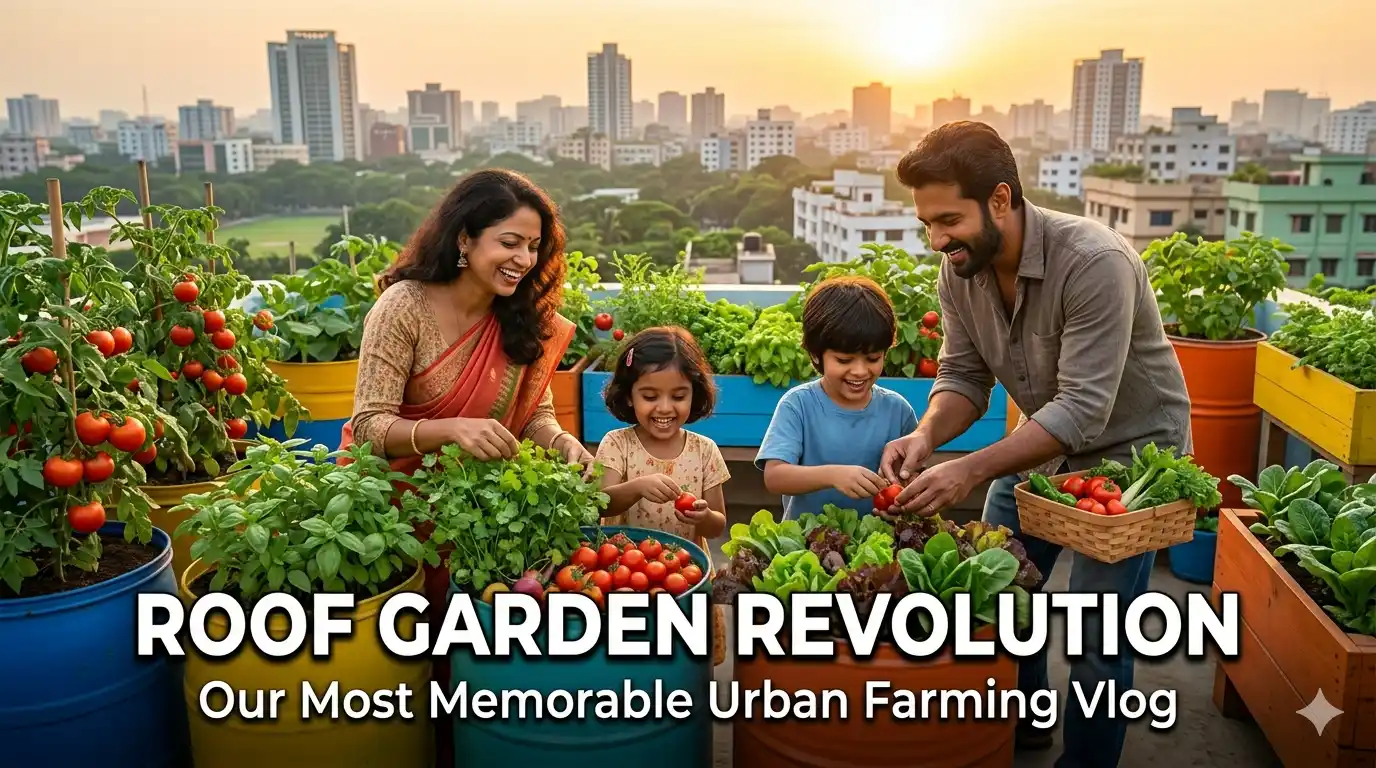
The concrete jungle is turning green—one balcony, one rooftop, one family at a time. Across cities worldwide, families are embracing the roof garden revolution, transforming unused urban spaces into thriving vegetable gardens that provide fresh food, educational opportunities, and meaningful connections to nature. Whether you have a spacious rooftop or a modest balcony, growing your own vegetables has never been more accessible, rewarding, or important for family wellbeing.
This comprehensive guide explores everything you need to know about starting your own family vegetable garden in small urban spaces. From selecting the right containers and soil to choosing kid-friendly crops and managing maintenance with busy schedules, you'll discover practical, proven strategies that make rooftop and balcony gardening successful for families of all experience levels. Learn how to turn your outdoor space into a productive, educational, and joyful extension of your home—where children discover where food comes from, families enjoy fresher meals, and everyone benefits from the therapeutic power of growing.
Whether you're motivated by sustainability, cost savings, food security, or simply the joy of watching seeds become supper, this guide provides the roadmap to launch your family's roof garden revolution. Let's dig in.
Why Families Are Embracing the Roof Garden Revolution
The surge in urban family gardening isn't just a trend—it's a response to real needs and desires shaping modern life. Understanding these motivations helps you align your garden goals with what matters most to your family.
Health and Nutrition Benefits
Growing your own vegetables gives families direct control over food quality and freshness. Homegrown produce is typically harvested at peak ripeness, maximizing nutrient content and flavor compared to store-bought vegetables that may travel days or weeks before reaching your table.
Key health advantages include:
- Increased vegetable consumption: Children who help grow food are more likely to eat it, improving family nutrition
- Reduced pesticide exposure: Organic home gardening eliminates concerns about chemical residues
- Physical activity: Gardening provides gentle exercise for all ages, promoting movement and coordination
- Mental wellbeing: Time spent gardening reduces stress and anxiety for both adults and children
Research published in the Journal of Nutrition Education and Behavior shows that children who participate in gardening activities consume significantly more fruits and vegetables than those who don't [[14]].
Educational Opportunities for Children
A family roof garden becomes a living classroom where children learn science, responsibility, and patience through hands-on experience.
Learning moments include:
- Life cycles: Watching seeds germinate, grow, flower, and produce food teaches biology concepts concretely
- Environmental stewardship: Composting, water conservation, and pollinator support build ecological awareness
- Math skills: Measuring soil, spacing plants, and tracking growth incorporate practical math
- Patience and delayed gratification: Gardening teaches that good things take time—a valuable life lesson
Cost Savings and Food Security
While startup costs exist, a well-planned roof garden can significantly reduce grocery bills over time. A single tomato plant can produce 10-20 pounds of fruit in a season, while herbs that cost $3-4 per package at the store can be harvested repeatedly from one plant.
Typical savings potential:
- Herbs: $100-200/year savings for a small family
- Leafy greens: $150-300/year with successive plantings
- Tomatoes, peppers, cucumbers: $200-400/year depending on yield
Beyond direct savings, growing food builds resilience and food literacy—valuable assets in uncertain times.
Connection and Family Bonding
In an era of screens and schedules, gardening creates shared, screen-free time where families work together toward a common goal. Watering plants, harvesting vegetables, and troubleshooting garden challenges become opportunities for conversation, teamwork, and creating memories.
Getting Started: Assessing Your Space and Setting Goals
Successful family gardening begins with realistic planning. Before buying seeds or containers, take time to evaluate your space and define what you want to achieve.
Evaluating Your Available Space
Roof gardens: Typically offer more square footage, better sun exposure, and flexibility for larger containers or raised beds. However, they require attention to weight limits, wind exposure, and waterproofing.
Balcony gardens: More limited in space but often easier to access and manage. Vertical growing techniques maximize productivity in compact areas.
Key assessment questions:
- How many hours of direct sunlight does the space receive? (Most vegetables need 6+ hours)
- What's the weight capacity? (Critical for rooftop gardens—consult building management)
- Is there access to water? (Consider hose access or watering can logistics)
- What's the wind exposure? (Windbreaks may be needed for tall plants)
- How much time can your family realistically commit weekly?
Setting Realistic Family Goals
Avoid overwhelm by starting small and scaling up as you gain confidence.
Beginner-friendly goals:
- Grow 3-5 easy crops your family loves to eat
- Involve children in one simple task weekly (watering, harvesting)
- Harvest enough herbs for weekly cooking
- Learn one new gardening skill each month
Advanced goals (after first season):
- Succession planting for continuous harvests
- Composting kitchen scraps to enrich soil
- Saving seeds from successful plants
- Expanding to more challenging crops
Essential Supplies for Family Roof and Balcony Gardens
You don't need expensive equipment to start, but having the right basics sets your garden up for success.
Containers: Choosing the Right Vessels
Container selection impacts plant health, water management, and garden aesthetics.
Best container options for families:
- Fabric grow bags: Lightweight, affordable, promote healthy root growth through air pruning; available in various sizes
- Plastic pots with drainage: Durable, retain moisture well, easy to move; ensure drainage holes
- Wooden raised beds: Attractive, good for larger spaces; use untreated, rot-resistant wood
- Repurposed containers: Buckets, crates, or tubs can work if cleaned and drilled with drainage holes
Size guidelines by plant type:
- Herbs, lettuce, radishes: 6-8 inch depth
- Peppers, bush tomatoes, beans: 12 inch depth
- Full-size tomatoes, cucumbers, eggplant: 14-18 inch depth
- Root vegetables (carrots, potatoes): 12+ inch depth
Soil: The Foundation of Success
Never use garden soil in containers—it compacts and drains poorly. Instead, invest in quality potting mix formulated for containers.
Ideal potting mix characteristics:
- Lightweight and well-draining
- Contains organic matter (compost, peat, or coco coir)
- Includes slow-release fertilizer or plan to fertilize regularly
- pH balanced for vegetables (6.0-7.0)
Pro tip: Mix in 20-30% compost to boost nutrients and water retention. For families on a budget, make your own blend: 1 part potting soil, 1 part compost, 1 part perlite or vermiculite.
Seeds vs. Seedlings: What's Best for Families?
Both options have merits depending on your timeline, budget, and children's ages.
Starting from seeds:
- More affordable; one packet yields many plants
- Educational: children observe the full life cycle
- Greater variety selection
- Requires more time, attention, and indoor space for starting
Buying seedlings:
- Faster harvest; skip the germination phase
- Higher success rate for beginners
- Less equipment needed
- More expensive; limited variety
Family recommendation: Start with seedlings for crops like tomatoes and peppers, but try seeds for fast-growing, easy crops like radishes, lettuce, or beans to teach the full process.
Basic Tools for Small-Space Gardening
You don't need a full shed of tools. These essentials cover most family gardening tasks:
- Hand trowel: For digging, transplanting, and mixing soil
- Watering can with rose attachment: Gentle watering for seedlings and containers
- Pruning shears or scissors: For harvesting herbs and trimming plants
- Gardening gloves: Child-sized options make gardening more comfortable for kids
- Plant labels: Help children learn plant names and track what's growing where
- Small rake or cultivator: For loosening soil surface
Best Vegetables for Family Roof and Balcony Gardens
Not all vegetables thrive in containers or small spaces. These crops are particularly well-suited for family urban gardens, offering high yields, ease of care, and kid appeal.
Top Picks for Beginners
Leafy Greens (Lettuce, Spinach, Kale, Arugula)
Why they work: Fast-growing, shallow-rooted, tolerate partial shade, and can be harvested multiple times by cutting outer leaves.
Kid appeal: Children enjoy watching quick growth and harvesting "baby" leaves for salads.
Growing tips: Sow seeds every 2-3 weeks for continuous harvest; keep soil consistently moist.
Cherry Tomatoes
Why they work: Compact varieties thrive in containers, produce abundant fruit, and are more forgiving than large tomatoes.
Kid appeal: Sweet, snackable fruit that children can pick and eat immediately (after washing).
Growing tips: Choose determinate or patio varieties; provide sturdy support; ensure 6+ hours of sun.
Herbs (Basil, Mint, Parsley, Cilantro)
Why they work: Compact, fragrant, useful in cooking, and many are perennial or self-seeding.
Kid appeal: Sensory experience of smelling and touching herbs; immediate use in family meals.
Growing tips: Harvest regularly to encourage bushy growth; mint spreads aggressively—grow in its own container.
Intermediate Crops Worth Trying
Bush Beans and Peas
Why they work: Vertical growth saves space; nitrogen-fixing plants improve soil; high-yielding.
Kid appeal: Fun to watch vines climb; satisfying to harvest pods.
Growing tips: Provide trellis or stakes; succession plant every 2 weeks for extended harvest.
Peppers (Bell and Chili)
Why they work: Compact plants, long harvesting season, and colorful fruit.
Kid appeal: Watching green peppers change color is magical; mild varieties are great for cooking together.
Growing tips: Start with seedlings; ensure warm soil and consistent watering.
Radishes
Why they work: Extremely fast (ready in 25-30 days); minimal space needed; forgiving of beginner mistakes.
Kid appeal: Quick results maintain children's interest; fun to pull from soil like treasure.
Growing tips: Sow directly in containers; thin seedlings to prevent crowding.
Space-Saving Strategies for Maximum Yield
Vertical growing: Use trellises, hanging baskets, or wall planters for vining crops like cucumbers, peas, or pole beans.
Succession planting: As one crop finishes, replace it with another suited to the season—maximizes harvest from limited space.
Companion planting: Grow compatible plants together to save space and improve health (e.g., basil with tomatoes repels pests).
Interplanting: Place fast-growing crops (radishes) between slow-growing ones (tomatoes) to use space efficiently.
Step-by-Step: Launching Your Family Roof Garden
Follow this practical timeline to start your garden with confidence and involve children at every stage.
Week 1: Planning and Preparation
Family activity: Hold a "garden planning meeting" where everyone shares what vegetables they'd like to grow. Sketch a simple layout together.
Tasks:
- Measure your space and note sun exposure
- Research building rules for rooftop gardens (weight limits, railings, water access)
- Create a shopping list for containers, soil, seeds/seedlings, and tools
- Assign age-appropriate roles: younger children can decorate pots; older kids can research plant needs
Week 2: Setting Up Containers and Soil
Family activity: "Potting party"—make filling containers a fun, hands-on event.
Tasks:
- Clean and prepare containers (ensure drainage holes)
- Fill with potting mix, leaving 1-2 inches from the rim
- Moisten soil before planting
- Label each container with plant name and planting date
Child-friendly roles: Let children scoop soil, press it gently, and place labels. Younger kids enjoy watering the filled pots.
Week 3: Planting Seeds and Seedlings
Family activity: "Planting day" celebration with photos and garden journals.
Tasks:
- Plant seeds at depth specified on packet (usually 2-3x seed width)
- Transplant seedlings gently, firming soil around roots
- Water thoroughly after planting
- Place containers in appropriate light conditions
Teaching moment: Explain that seeds need warmth, moisture, and time to wake up—patience is part of gardening.
Weeks 4-8: Early Care and Observation
Family routine: Establish a simple weekly gardening schedule.
Weekly tasks:
- Watering: Check soil daily; water when top inch feels dry. Children can help with watering cans.
- Observation: Keep a garden journal with drawings or photos of growth progress.
- Weeding: Remove unwanted seedlings; teach children to identify garden plants vs. weeds.
- Problem-solving: If issues arise (pests, yellowing leaves), research solutions together.
Week 9+: Harvesting and Enjoying
Family activity: "Harvest feast"—prepare a meal using homegrown ingredients.
Harvesting tips:
- Pick leafy greens in the morning when crisp
- Harvest tomatoes and peppers when fully colored
- Use scissors for herbs to avoid damaging plants
- Involve children in washing and preparing produce
Water Management for Container Gardens
Proper watering is the most critical skill for container gardening success. Containers dry out faster than ground soil, requiring attentive management.
How to Water Effectively
The finger test: Insert your finger 1-2 inches into soil. If dry, water thoroughly until liquid drains from the bottom.
Best practices:
- Water in the morning to reduce evaporation and fungal risk
- Water at the soil level, not on leaves, to prevent disease
- Use room-temperature water to avoid shocking roots
- Ensure containers have drainage holes to prevent root rot
Time-Saving Watering Solutions for Busy Families
Self-watering containers: Reservoir systems reduce watering frequency—ideal for vacations or busy weeks.
Drip irrigation kits: Affordable timer-based systems deliver water directly to soil; many are designed for balconies.
Mulching: A 1-2 inch layer of straw, wood chips, or coco coir on soil surface reduces evaporation and keeps roots cool.
Water collection: Place saucers under pots to catch runoff; reuse this water for other plants.
Signs of Watering Problems
Under-watering: Wilting, dry soil, crispy leaf edges. Solution: Water deeply and consistently.
Over-watering: Yellowing leaves, soggy soil, mold. Solution: Improve drainage, reduce frequency, allow soil to dry between waterings.
Involving Children: Age-Appropriate Gardening Tasks
Matching tasks to children's abilities ensures success and builds confidence. Here's how to engage kids of all ages.
Ages 2-4: Sensory Exploration
- Feeling soil texture and temperature
- Watering with small, lightweight cans
- Harvesting easy crops like radishes or cherry tomatoes
- Observing insects and worms (with guidance)
Safety note: Supervise closely; ensure containers are stable and tools are child-safe.
Ages 5-8: Hands-On Participation
- Planting seeds at correct depth
- Measuring plant growth with rulers
- Identifying weeds vs. garden plants
- Helping harvest and wash produce
- Recording observations in a garden journal
Ages 9-12: Responsibility and Learning
- Planning crop placement and succession
- Researching plant needs and problem-solving
- Managing a small section of the garden independently
- Composting kitchen scraps
- Preparing simple recipes with harvested ingredients
Teens: Leadership and Expansion
- Designing garden layouts or vertical systems
- Managing watering schedules or irrigation
- Experimenting with seed saving or propagation
- Researching sustainable practices (composting, rainwater collection)
- Sharing garden knowledge with younger siblings or peers
Common Mistakes and How to Avoid Them
Even experienced gardeners make errors. Learning from common pitfalls saves time, money, and frustration.
Overcrowding Containers
The problem: Planting too many seeds or seedlings in one container leads to competition for nutrients, poor air circulation, and disease.
The solution: Follow spacing guidelines on seed packets. When in doubt, thin seedlings early or use more containers. Remember: it's better to have fewer healthy plants than many struggling ones.
Inconsistent Watering
The problem: Irregular watering stresses plants, causing blossom drop, bitter herbs, or poor yields.
The solution: Establish a simple routine. Assign watering duties to family members and use reminders. Consider self-watering systems if schedules are unpredictable.
Ignoring Sun Requirements
The problem: Placing sun-loving plants in shade (or vice versa) leads to weak growth and poor production.
The solution: Track your space's sun exposure before planting. Most fruiting vegetables need 6+ hours of direct sun; leafy greens tolerate partial shade.
Using Poor-Quality Soil
The problem: Garden soil or cheap potting mixes compact, drain poorly, and lack nutrients.
The solution: Invest in quality potting mix formulated for containers. Mix in compost for added nutrients and water retention.
Skipping Fertilization
The problem: Container plants exhaust soil nutrients quickly; without replenishment, growth stalls.
The solution: Use potting mix with slow-release fertilizer, or apply organic liquid fertilizer every 2-4 weeks during growing season.
Seasonal Planning for Year-Round Harvests
Maximize your garden's productivity by aligning plant choices with seasonal conditions.
Spring (March-May)
Best crops: Lettuce, spinach, peas, radishes, kale, herbs
Family focus: Soil preparation, planting cool-season crops, teaching seed starting
Summer (June-August)
Best crops: Tomatoes, peppers, cucumbers, beans, basil, eggplant
Family focus: Regular harvesting, pest monitoring, watering routines
Fall (September-November)
Best crops: Second planting of lettuce, spinach, kale, carrots, garlic
Family focus: Succession planting, preparing for cooler weather, preserving harvests
Winter (December-February)
Best crops: Hardy greens (kale, collards), herbs indoors, microgreens
Family focus: Planning next season, starting seeds indoors, maintaining indoor herb gardens
Frequently Asked Questions
How much time does a family roof garden require weekly?
For a small beginner garden (5-10 containers), expect 2-4 hours weekly: 15-20 minutes daily for watering and observation, plus 1-2 hours on weekends for tasks like harvesting, weeding, or planting. As you gain experience, maintenance becomes more efficient. Involving children distributes the workload and turns chores into family time.
Can I grow vegetables on a balcony with limited sun?
Yes! While fruiting crops like tomatoes need 6+ hours of sun, many vegetables thrive in partial shade (3-6 hours). Focus on leafy greens (lettuce, spinach, kale), herbs (parsley, cilantro, mint), and root crops (radishes, carrots). Position containers to maximize available light, and consider reflective surfaces to boost illumination.
How do I handle pests without chemicals?
Use integrated pest management: inspect plants regularly, remove affected leaves, encourage beneficial insects (plant flowers like marigolds), use physical barriers (row covers), and apply organic solutions like neem oil or insecticidal soap only when necessary. Teaching children to identify "good bugs" vs. pests turns pest management into a learning opportunity.
What if my building doesn't allow rooftop gardens?
Check with building management about specific restrictions. Many concerns (weight, water damage) can be addressed with lightweight containers, proper drainage, and waterproof mats. If rooftop gardening isn't permitted, focus on balcony, window box, or indoor options. Community gardens are another excellent alternative for families.
How do I keep the garden safe for young children?
Use non-toxic soils and fertilizers, secure heavy containers to prevent tipping, avoid sharp tools within reach, and teach children not to eat unidentified plants. Supervise young children closely, and choose organic methods to eliminate chemical exposure risks.
Conclusion: Your Family's Garden Journey Starts Now
The roof garden revolution isn't about perfection—it's about progress, connection, and the simple joy of growing food together. Whether you harvest a handful of basil for tonight's pasta or fill baskets with tomatoes for summer salads, every homegrown vegetable represents a victory for your family's health, your children's education, and your connection to the natural world.
Start where you are. Use what you have. Plant one seed, fill one container, involve one child in one small task. The skills, memories, and harvests will grow from there. Your balcony or rooftop holds more potential than you imagine—it's not just outdoor space, it's the beginning of your family's food-growing adventure.
Take the first step today. Walk to your outdoor space, note the sunlight, and imagine rows of thriving plants. Then, pick one action: research container options, visit a local nursery, or sketch a simple garden plan with your children. The revolution starts with you—one seed, one family, one harvest at a time.