

Rough Patch Protocol: Fix Dry, Dark Elbows & Knees
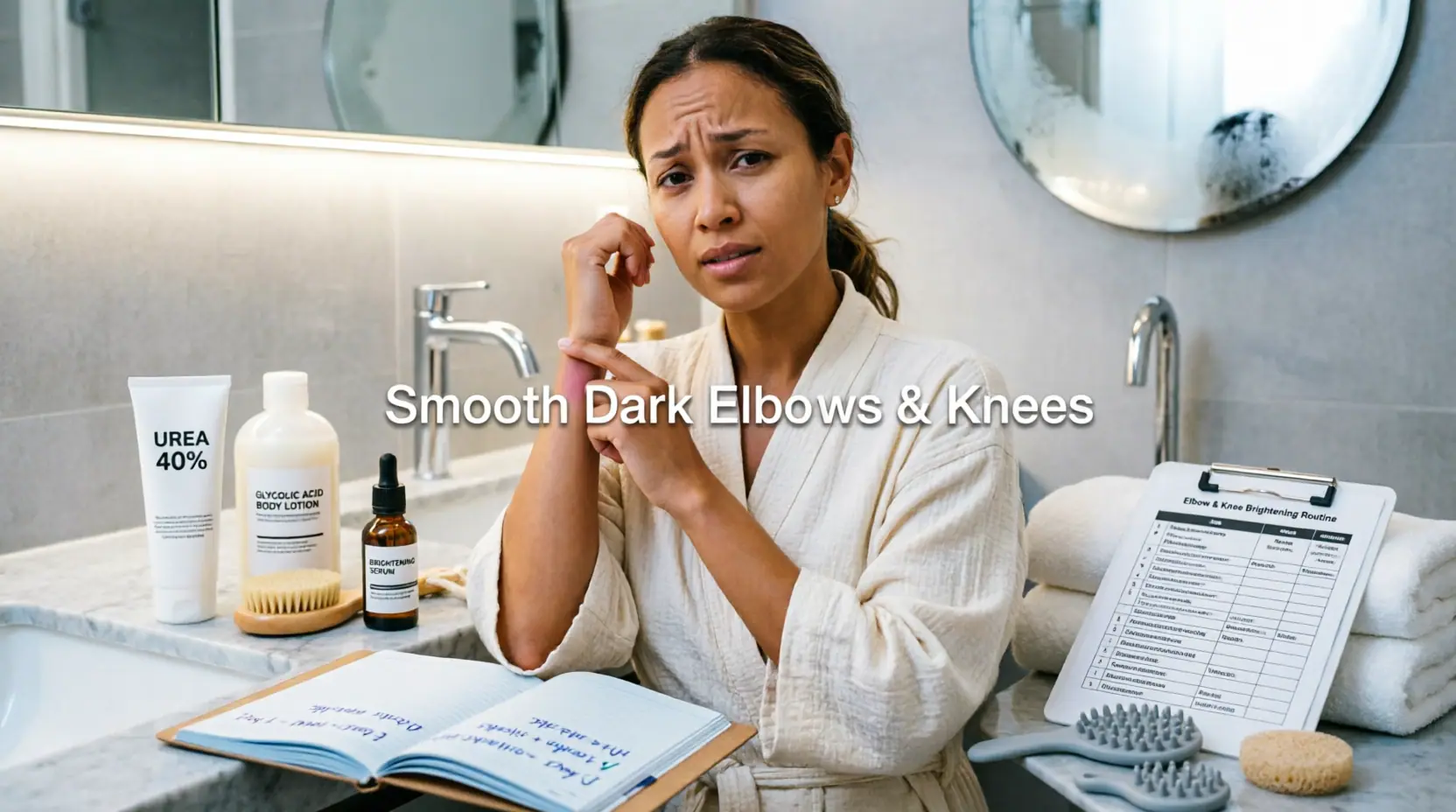
Those stubborn, rough, dark patches on your elbows and knees aren't just a cosmetic annoyance—they're a sign that your skin needs targeted care. Dry, dark elbows and knees affect millions of people across all skin tones, yet most treatments fail because they don't address the unique anatomy and causes of these specific areas. The truth is, elbows and knees have thicker skin, more friction exposure, and different pigmentation patterns than the rest of your body, requiring a specialized protocol for real results.
Unlike facial skin, the skin on your elbows and knees is naturally thicker, has more layers of dead cells, and experiences constant pressure and friction from daily movement. This combination leads to hyperkeratosis (buildup of dead skin), post-inflammatory hyperpigmentation (darkening from friction), and chronic dryness that standard body lotions simply can't fix. But with a science-backed approach that combines gentle exfoliation, targeted brightening, intensive hydration, and friction management, you can achieve noticeably smoother, more even-toned skin in weeks, not months.
In this comprehensive, dermatologist-informed guide, we'll decode the science behind rough, dark elbows and knees, reveal the hidden causes specific to these areas, share the exact protocol dermatologists recommend for smoothing and brightening, and provide expert strategies for preventing recurrence. Whether you're dealing with seasonal dryness, chronic hyperpigmentation, or keratosis pilaris-like bumps, you'll learn how to build a personalized routine that delivers real, lasting results.
Understanding Elbow and Knee Skin: Why These Areas Are Different
Short answer: Elbows and knees have thicker skin (up to 4x facial thickness), more friction exposure, fewer oil glands, and are prone to hyperkeratosis and post-inflammatory hyperpigmentation—requiring specialized treatment different from facial or body skin.
The unique anatomy of elbows and knees explains why they need specialized care:
Structural Differences From Other Body Skin
Thicker Stratum Corneum:
- Elbow and knee skin has 4-5x more layers of dead skin cells than facial skin
- Naturally adapted to withstand pressure and friction
- Prone to excessive buildup (hyperkeratosis) when cell turnover slows
- Requires stronger exfoliants and longer contact time for products to penetrate
Fewer Sebaceous (Oil) Glands:
- Elbows and knees produce minimal natural oils
- Rely entirely on external moisturizers for hydration
- Prone to rapid moisture loss and chronic dryness
- Heal slower than oil-rich areas due to limited lipid support
Constant Friction and Pressure:
- Daily movement creates repetitive friction on these joints
- Leaning on elbows or kneeling triggers inflammation
- Friction stimulates melanocytes to produce excess pigment
- Creates a cycle of darkening-thickening-more friction
The Hyperpigmentation Mechanism
Dark elbows and knees result from specific biological processes:
- Friction-induced melanin production: Constant rubbing stimulates melanocytes to produce excess pigment as a protective response
- Post-inflammatory hyperpigmentation (PIH): Minor irritation from friction triggers inflammation that leaves dark marks
- Slowed cell turnover: Thick skin sheds dead cells more slowly, allowing pigment to accumulate
- UV exposure: Often-forgotten areas get sun damage that worsens darkening
Understanding these mechanisms is essential for choosing effective treatments that target the root causes, not just surface symptoms.
Why Elbows and Knees Get Dark and Rough: The Hidden Causes
Short answer: Dark, rough elbows and knees result from friction-induced hyperpigmentation, chronic dryness, hyperkeratosis, hormonal factors, nutritional deficiencies, and underlying conditions like eczema or acanthosis nigricans—each requiring targeted treatment.
Identifying your specific cause is crucial for effective treatment:
Friction and Pressure (Most Common)
The Mechanism:
- Repetitive rubbing stimulates melanocytes to produce excess melanin
- Pressure causes micro-inflammation that triggers post-inflammatory hyperpigmentation
- Thickened skin (hyperkeratosis) traps pigment and creates rough texture
- Creates a self-perpetuating cycle: friction → darkening → more friction
Common Triggers:
- Leaning on elbows while working or studying
- Kneeling for cleaning, gardening, or exercise
- Tight clothing that rubs against joints
- Repetitive sports or occupational movements
Chronic Dryness and Barrier Dysfunction
Why Elbows/Knees Dry Out:
- Fewer oil glands mean less natural hydration
- Thick skin loses moisture more easily through transepidermal water loss
- Harsh soaps and hot water strip protective lipids
- Low humidity environments accelerate dryness
Consequences of Dryness:
- Flaky, rough texture that emphasizes darkness
- Compromised barrier allows irritants to penetrate
- Inflammation from dryness triggers more pigmentation
- Products penetrate poorly on dry, thickened skin
Hormonal and Medical Factors
Hormonal Influences:
- Insulin resistance can cause acanthosis nigricans (velvety dark patches)
- Thyroid disorders affect skin texture and pigmentation
- Pregnancy hormones can trigger or worsen darkening
- PCOS and other hormonal imbalances contribute to hyperpigmentation
Underlying Conditions:
- Eczema or psoriasis: Chronic inflammation leads to post-inflammatory hyperpigmentation
- Keratosis pilaris: Keratin buildup creates rough, bumpy texture
- Acanthosis nigricans: Velvety, darkened skin often linked to insulin resistance
- Fungal infections: Can cause discoloration and roughness
Nutritional and Lifestyle Factors
Nutritional Deficiencies:
- Vitamin B12 deficiency can cause hyperpigmentation
- Iron deficiency affects skin oxygenation and healing
- Vitamin D deficiency impacts skin barrier function
- Dehydration worsens dryness and texture
Lifestyle Contributors:
- Smoking reduces circulation and impairs skin healing
- Poor sleep disrupts skin repair processes
- Stress elevates cortisol, which can worsen inflammation and pigmentation
- Inadequate sun protection allows UV damage to accumulate
The Science-Backed Rough Patch Protocol: Step-by-Step
Short answer: Fix dry, dark elbows and knees with a 3-phase protocol: gentle chemical exfoliation to remove buildup, targeted brightening with safe actives, intensive hydration with barrier-repair ingredients, and friction management—consistently applied for 4-8 weeks.
This evidence-based protocol addresses the unique needs of elbow and knee skin while effectively treating both roughness and darkening:
Phase 1: Gentle Exfoliation and Prep (Weeks 1-2)
Goal: Remove surface buildup without irritation to prepare skin for active treatments
Daily Routine
Morning:
- Gentle Cleansing:
- Use lukewarm water and fragrance-free body wash
- Avoid hot water which strips natural lipids
- Pat dry gently—never rub thick skin
- Light Hydration:
- Apply lightweight, fast-absorbing lotion with glycerin or hyaluronic acid
- Focus on hydration before active treatments
- Recommended: CeraVe Daily Moisturizing Lotion, Vanicream Moisturizing Lotion
- Sun Protection (Critical):
- Apply mineral sunscreen SPF 30+ to elbows and knees if exposed
- UV exposure worsens hyperpigmentation in these areas
- Reapply every 2 hours with sun exposure
Evening:
- Chemical Exfoliation (Alternate Nights):
- Night 1, 3, 5: Glycolic acid 7-10% or lactic acid 10-12% lotion
- Night 2, 4, 6: Urea 10-20% cream for gentle exfoliation and hydration
- Night 7: Rest night—hydration only if skin is sensitive
- Apply to clean, dry skin; wait 10-15 minutes before moisturizing
- Recommended: AmLactin Daily Moisturizing Lotion (12% lactic acid), CeraVe SA Cream (salicylic acid + urea), The Ordinary Lactic Acid 10% + HA
- Barrier-Repair Moisturizer:
- Apply thick cream with ceramides, cholesterol, and fatty acids
- Look for ingredients like shea butter, squalane, or dimethicone for occlusion
- Massage gently in circular motions to enhance absorption
- Recommended: CeraVe Moisturizing Cream, Eucerin Advanced Repair Cream, Aquaphor Healing Ointment (for very dry areas)
Phase 2: Active Brightening and Smoothing (Weeks 3-6)
Goal: Target pigmentation and texture with evidence-based actives while maintaining barrier health
Enhanced Routine
Morning:
- Gentle cleanse
- Brightening serum: Niacinamide 5-10% or vitamin C derivative (sodium ascorbyl phosphate)
- Light moisturizer
- Mineral SPF 30+ (non-negotiable for preventing rebound darkening)
Evening:
- Gentle cleanse
- Active treatment (rotate):
- Option A: Azelaic acid 10% for brightening and anti-inflammatory benefits
- Option B: Retinol 0.3-0.5% body lotion for cell turnover (start 2x/week)
- Option C: Alpha arbutin 2% + kojic acid for pigment inhibition
- Wait 15-20 minutes
- Rich moisturizer: Ceramide-rich cream with urea 10% for dual exfoliation and hydration
- Optional occlusive: Thin layer of petrolatum or squalane on extra-dry areas
Weekly Treatments
Intensive Exfoliation Mask (1x/week):
- Apply glycolic acid 15-20% or salicylic acid 2% mask to elbows/knees
- Leave on for 10-15 minutes (not longer to avoid irritation)
- Rinse thoroughly and follow with intensive moisturizer
- Recommended: The Ordinary AHA 30% + BHA 2% Peeling Solution (diluted for body), Paula's Choice 2% BHA Liquid Exfoliant (as mask)
Hydrating Soak (1-2x/week):
- Soak elbows/knees in warm water with colloidal oatmeal or Epsom salts for 10 minutes
- Gently pat dry and immediately apply thick moisturizer
- Enhances product absorption and soothes inflammation
Phase 3: Maintenance and Prevention (Weeks 7+)
Goal: Sustain results with simplified routine and friction management
- Continue daily SPF: Mineral sunscreen on exposed elbows/knees
- Maintenance exfoliation: 2-3x/week with gentle AHA or urea
- Hydration focus: Daily ceramide-rich moisturizer
- Friction management: Wear protective clothing during high-friction activities
- Monitor triggers: Track activities, products, or habits that cause recurrence
Best Ingredients for Rough, Dark Elbows and Knees: Evidence-Based Guide
Short answer: The most effective ingredients include urea (10-20%), glycolic/lactic acid (5-12%), niacinamide (5-10%), azelaic acid (10%), retinol (0.3-0.5%), and ceramides—each targeting exfoliation, brightening, or barrier repair with clinical evidence.
Urea (10-20%)
- Mechanism: Dual action—exfoliates at higher concentrations by breaking down keratin, hydrates by binding water; softens thickened skin
- Speed: Visible smoothing in 3-7 days; pigment improvement in 4-8 weeks
- Best for: Rough texture, hyperkeratosis, very dry skin
- Protocol: Apply nightly to clean skin; start with 10%, increase to 20% for stubborn areas
- Evidence: Gold standard for hyperkeratotic conditions; clinically proven to improve texture and hydration
Glycolic Acid (AHA, 5-12%)
- Mechanism: Smallest AHA molecule penetrates thick skin to dissolve dead cell bonds; stimulates cell turnover
- Speed: 2-4 weeks for smoother texture; 6-8 weeks for visible brightening
- Best for: Overall texture improvement, mild hyperpigmentation
- Protocol: Use 3-4x/week in lotion or mask form; always follow with moisturizer and SPF
- Caution: Increases sun sensitivity; start with lower concentrations
Lactic Acid (AHA, 10-12%)
- Mechanism: Gentle AHA that exfoliates while hydrating (natural NMF component); less irritating than glycolic
- Speed: 3-6 weeks for visible improvement
- Best for: Sensitive skin, dry roughness, maintenance exfoliation
- Advantage: Hydrating properties make it ideal for dry elbows/knees
- Evidence: Clinical studies show significant improvement in skin texture and hydration
Niacinamide (5-10%)
- Mechanism: Inhibits melanosome transfer to reduce pigmentation; strengthens barrier; reduces inflammation
- Speed: 4-8 weeks for visible brightening
- Best for: Post-inflammatory hyperpigmentation, sensitive skin types
- Protocol: Apply morning and/or evening; pairs well with other actives
- Bonus: Also improves skin elasticity and minimizes pore appearance
Azelaic Acid (10%)
- Mechanism: Inhibits tyrosinase, reduces inflammation, normalizes keratinization
- Speed: 6-8 weeks for visible brightening
- Best for: Inflammatory hyperpigmentation, sensitive skin, acne-prone areas
- Advantage: Gentle enough for daily use; also treats active breakouts
- Evidence: Clinically proven to improve hyperpigmentation with minimal irritation
Retinol (0.3-0.5% for Body)
- Mechanism: Increases cell turnover, prevents keratin buildup, stimulates collagen, fades pigmentation
- Speed: 8-12 weeks for significant improvement
- Best for: Long-term texture and tone improvement, anti-aging benefits
- Protocol: Start 2x/week at night; apply to dry skin; always use SPF daily
- Caution: Can cause initial dryness; avoid during pregnancy/breastfeeding
Ceramides and Barrier Lipids
- Mechanism: Replenish the lipid "mortar" between skin cells; prevent water loss; support barrier repair
- Speed: Immediate hydration; barrier repair in 2-4 weeks
- Best for: All rough/dark areas, especially with chronic dryness
- Protocol: Use daily in moisturizer; look for ceramide NP, AP, EOP
- Best paired with: Urea or AHAs for enhanced penetration and efficacy
Product Recommendations for Rough Patch Treatment
Short answer: Top products include AmLactin Daily Moisturizing Lotion, CeraVe SA Cream, The Ordinary Lactic Acid 10%, Eucerin Advanced Repair Cream, and EltaMD UV Clear SPF 46—formulated with urea, AHAs, ceramides, and non-irritating ingredients.
Exfoliating Treatments
- AmLactin Daily Moisturizing Lotion: 12% lactic acid; exfoliates while hydrating; fragrance-free; ideal for daily use
- CeraVe SA Cream: Salicylic acid + urea + ceramides; targets roughness and dryness; non-comedogenic
- The Ordinary Lactic Acid 10% + HA: Affordable, effective AHA; hydrating formula; start 2-3x/week
- Eucerin Roughness Relief Cream: Urea 5% + lactic acid; clinically proven to smooth rough skin
Brightening Serums
- The Ordinary Niacinamide 10% + Zinc 1%: Budget-friendly; reduces pigmentation and regulates oil; dilute if sensitive
- Paula's Choice 10% Azelaic Acid Booster: Multi-tasking brightener and anti-inflammatory; gentle for sensitive skin
- The Ordinary Alpha Arbutin 2% + HA: Gentle pigment inhibitor; pairs well with other actives
- SkinCeuticals Discoloration Defense: Professional-strength tranexamic acid + niacinamide; premium option
Barrier-Repair Moisturizers
- CeraVe Moisturizing Cream: Ceramides and hyaluronic acid; excellent barrier support; affordable
- Eucerin Advanced Repair Cream: Ceramides + urea 5%; targets very dry, rough skin
- Aquaphor Healing Ointment: Petrolatum-based occlusive; seals in moisture for very dry areas
- Vanicream Moisturizing Cream: Simple formula; free of common irritants; ideal for sensitive skin
Sun Protection (Critical)
- EltaMD UV Clear Broad-Spectrum SPF 46: Zinc oxide + niacinamide; non-greasy; ideal for body application
- La Roche-Posay Anthelios Mineral SPF 50: Mineral formula; gentle for sensitive skin
- ThinkSport Safe Sunscreen SPF 50: Mineral-only; reef-safe; fragrance-free
- Colorescience Sunforgettable Body Shield SPF 30: Tinted mineral formula; iron oxides block visible light
What to Avoid on Elbows and Knees
- Physical scrubs with large particles: Can cause micro-tears and worsen hyperpigmentation
- High-percentage acids without moisturizer: Can over-dry and irritate thick skin
- Fragrance and essential oils: Common sensitizers that trigger inflammation
- Heavy occlusives without exfoliation: Can trap dead cells and worsen roughness
- Skipping sunscreen: UV exposure worsens hyperpigmentation in these often-forgotten areas
Lifestyle Modifications to Support Smoother Skin
Short answer: Enhance results by reducing friction, protecting from sun, staying hydrated, managing underlying conditions, and wearing protective clothing during high-friction activities.
Skincare alone isn't enough. These lifestyle habits create the optimal environment for healing:
Friction Management
Reduce Pressure and Rubbing:
- Avoid leaning on elbows for extended periods; use elbow pads if needed
- Wear knee pads for gardening, cleaning, or exercise
- Choose loose-fitting clothing that doesn't rub against joints
- Use moisturizer before high-friction activities to create protective barrier
Clothing Choices:
- Choose soft, breathable fabrics like cotton or bamboo
- Avoid synthetic materials that trap sweat and increase friction
- Wear long sleeves/pants in sun to protect elbows/knees from UV damage
- Wash new clothes before wearing to remove manufacturing residues
Sun Protection Habits
- Daily sunscreen: Apply mineral SPF 30+ to elbows and knees every morning
- Reapplication: Reapply every 2 hours with sun exposure or after swimming/sweating
- Protective clothing: Wear UPF-rated clothing for extended outdoor activities
- Seek shade: Avoid peak sun hours (10 AM - 4 PM) when possible
Hydration and Nutrition
Internal Hydration:
- Drink 8-10 glasses of water daily to support skin hydration from within
- Limit caffeine and alcohol, which can dehydrate skin
- Use a humidifier indoors during dry seasons to prevent moisture loss
Nutrition for Skin Health:
- Omega-3 fatty acids: Fatty fish, flaxseed, walnuts (anti-inflammatory)
- Vitamin C: Citrus, berries, peppers (supports collagen and brightening)
- Vitamin E: Almonds, sunflower seeds, avocado (antioxidant protection)
- Zinc: Pumpkin seeds, chickpeas, lean meats (supports healing)
- Limit inflammatory foods: Reduce sugar, processed carbs, and excessive dairy if you notice correlation
Address Underlying Conditions
- Manage eczema or psoriasis: Work with dermatologist on prescription treatments
- Check for insulin resistance: If darkening is velvety and symmetrical, discuss acanthosis nigricans with doctor
- Treat fungal infections: If accompanied by itching or scaling, see dermatologist for proper diagnosis
- Address nutritional deficiencies: Blood tests can identify B12, iron, or vitamin D deficiencies
Common Mistakes That Worsen Rough, Dark Elbows and Knees
Avoid these errors that can sabotage your progress:
Mistake #1: Over-Exfoliating with Harsh Scrubs
Why it hurts: Physical scrubs with large particles cause micro-tears in thick skin, triggering inflammation and post-inflammatory hyperpigmentation that worsens darkening.
Fix: Use chemical exfoliants (AHAs, urea) instead of physical scrubs. If using physical exfoliation, choose gentle options with fine particles and limit to 1x/week.
Mistake #2: Skipping Moisturizer After Exfoliation
Why it hurts: Exfoliating without replenishing moisture compromises the barrier, leading to increased dryness, irritation, and rebound hyperpigmentation.
Fix: Always follow exfoliation with a rich, barrier-repair moisturizer containing ceramides, urea, or fatty acids. Apply to damp skin for maximum absorption.
Mistake #3: Using Facial Products on Body
Why it hurts: Facial products are formulated for thinner skin and may not penetrate thick elbow/knee skin effectively. Concentrations may be too low for body use.
Fix: Use products specifically formulated for body or adjust facial products (e.g., use higher concentrations, longer contact time). Look for body-specific exfoliants and moisturizers.
Mistake #4: Ignoring Sun Protection
Why it hurts: UV exposure stimulates melanin production in elbows and knees, worsening hyperpigmentation. These areas are often forgotten during sunscreen application.
Fix: Apply mineral sunscreen SPF 30+ to elbows and knees every morning. Reapply every 2 hours with sun exposure. Choose tinted formulas with iron oxides for visible light protection.
Mistake #5: Expecting Overnight Results
Why it hurts: Thick skin takes longer to respond to treatment. Impatience leads to over-treating, switching products too frequently, or giving up before treatments have time to work.
Fix: Commit to a routine for at least 6-8 weeks before evaluating results. Take weekly photos to track subtle progress. Focus on consistency over speed.
Mistake #6: Not Addressing Friction
Why it hurts: No topical treatment can overcome constant friction. If you continue leaning on elbows or kneeling without protection, darkening will persist or worsen.
Fix: Identify and modify friction-causing habits. Use protective padding, wear appropriate clothing, and apply barrier cream before high-friction activities.
Expert Tips for Faster, Smoother Results
Tip #1: Apply Products to Damp Skin
After cleansing, pat elbows/knees until slightly damp (not dry), then apply moisturizer or treatment. This traps water in the stratum corneum, enhancing hydration and product penetration.
Tip #2: Use the "Sandwich Method" for Actives
When using strong actives like retinol: apply moisturizer first, wait 10 minutes, apply active, wait 10 minutes, apply moisturizer again. This buffers irritation while maintaining efficacy on thick skin.
Tip #3: Protect Overnight
Apply extra-thick layer of occlusive balm (petrolatum or squalane) before bed. Elbows and knees lose significant moisture overnight; sealing them accelerates repair and prevents morning dryness.
Tip #4: Track Your Triggers
Keep a simple journal noting activities, products used, and skin condition. Patterns help you identify personal friction triggers or product sensitivities and adjust accordingly.
Tip #5: Be Patient with Pigmentation
Elbow and knee hyperpigmentation takes longer to fade than facial pigmentation due to thicker skin and constant friction. Commit to 8-12 weeks of consistent treatment before evaluating results.
Tip #6: Combine Professional and At-Home Care
For stubborn cases, use at-home routine for maintenance between professional treatments. Example: daily urea cream + quarterly professional glycolic peel for enhanced results.
Frequently Asked Questions About Rough, Dark Elbows and Knees
How long does it take to see results?
Short answer: With consistent care, initial smoothing occurs in 1-2 weeks, visible brightening in 4-6 weeks, and significant improvement at 8-12 weeks. Severe or long-standing cases may take 3-6 months.
Timeline depends on:
- Severity and duration of roughness/darkening
- Consistency of treatment routine
- Friction management adherence
- Individual skin response and thickness
Can I use retinol on elbows and knees while pregnant?
Short answer: No—avoid retinoids during pregnancy and breastfeeding. Safe alternatives include azelaic acid, niacinamide, vitamin C derivatives, and gentle AHAs like lactic acid.
Pregnancy-safe brightening options:
- Azelaic acid 10%
- Niacinamide 5-10%
- Vitamin C derivatives (sodium ascorbyl phosphate)
- Lactic acid 5-10%
- Urea 10-20%
Should I exfoliate elbows and knees daily?
Short answer: No—daily exfoliation can compromise the barrier and worsen hyperpigmentation. Limit chemical exfoliation to 3-4x/week for maintenance, 1-2x/week for sensitive skin.
Signs you're over-exfoliating:
- Increased redness or irritation
- Stinging with moisturizer application
- Worsening dryness or flakiness
- Darkening instead of brightening
Can diet affect elbow and knee pigmentation?
Short answer: Indirectly. Nutritional deficiencies (B12, iron, vitamin D) can worsen skin texture and pigmentation. High-glycemic diets may increase inflammation. However, topical treatment and friction management have more immediate impact.
Supportive nutrition:
- B vitamin-rich foods: eggs, lean meats, leafy greens
- Iron sources: red meat, beans, spinach (if deficient)
- Vitamin D: fatty fish, fortified foods, safe sun exposure
- Antioxidants: berries, colorful vegetables, green tea
When should I see a dermatologist?
Short answer: Consult a dermatologist if: roughness/darkening persists after 8-12 weeks of consistent care, is accompanied by pain/itching/oozing, appears suddenly or asymmetrically, or if you suspect an underlying medical condition.
A dermatologist can:
- Rule out medical conditions like acanthosis nigricans or fungal infections
- Prescribe stronger topical treatments (higher-concentration urea, prescription retinoids)
- Perform professional chemical peels or laser treatments
- Address underlying hormonal or nutritional factors
Can I prevent dark elbows and knees from coming back?
Short answer: Yes—with consistent maintenance. Continue gentle exfoliation 2-3x/week, daily moisturizing with barrier-repair ingredients, strict sun protection, and friction management to maintain results long-term.
Maintenance routine:
- Daily: Moisturizer with ceramides + SPF on exposed areas
- 2-3x/week: Gentle chemical exfoliant (urea or lactic acid)
- As needed: Brightening serum (niacinamide or azelaic acid)
- Ongoing: Friction management and sun protection habits
The Bottom Line: Consistency and Patience Deliver Results
Rough, dark elbows and knees aren't a permanent condition—they're a sign that your skin needs targeted care. With the right combination of gentle exfoliation, targeted brightening, intensive hydration, and friction management, you can achieve noticeably smoother, more even-toned skin.
Remember:
- Identify your cause: Friction, dryness, or medical condition—each needs targeted treatment
- Be gentle: Chemical exfoliation is safer and more effective than harsh scrubs
- Hydrate relentlessly: Thick skin needs intensive moisture to stay soft and smooth
- Protect daily: SPF prevents UV-induced darkening in these often-forgotten areas
- Manage friction: No topical treatment can overcome constant rubbing without protection
- Be patient: Thick skin takes 8-12 weeks to show significant improvement
Your elbows and knees deserve the same care as the rest of your skin. Start tonight: gentle cleanse, apply urea cream to damp skin, seal with rich moisturizer, and commit to daily SPF tomorrow morning. Take progress photos. Celebrate small improvements. And trust that with knowledge, consistency, and the right protocol, smoother, brighter skin is within reach.
You deserve to feel confident in your skin—every inch of it. With science-backed care and realistic expectations, you can transform rough patches into smooth, even-toned skin that reflects your commitment to self-care.