

Hair Follicle Revival: Science of Natural Regrowth
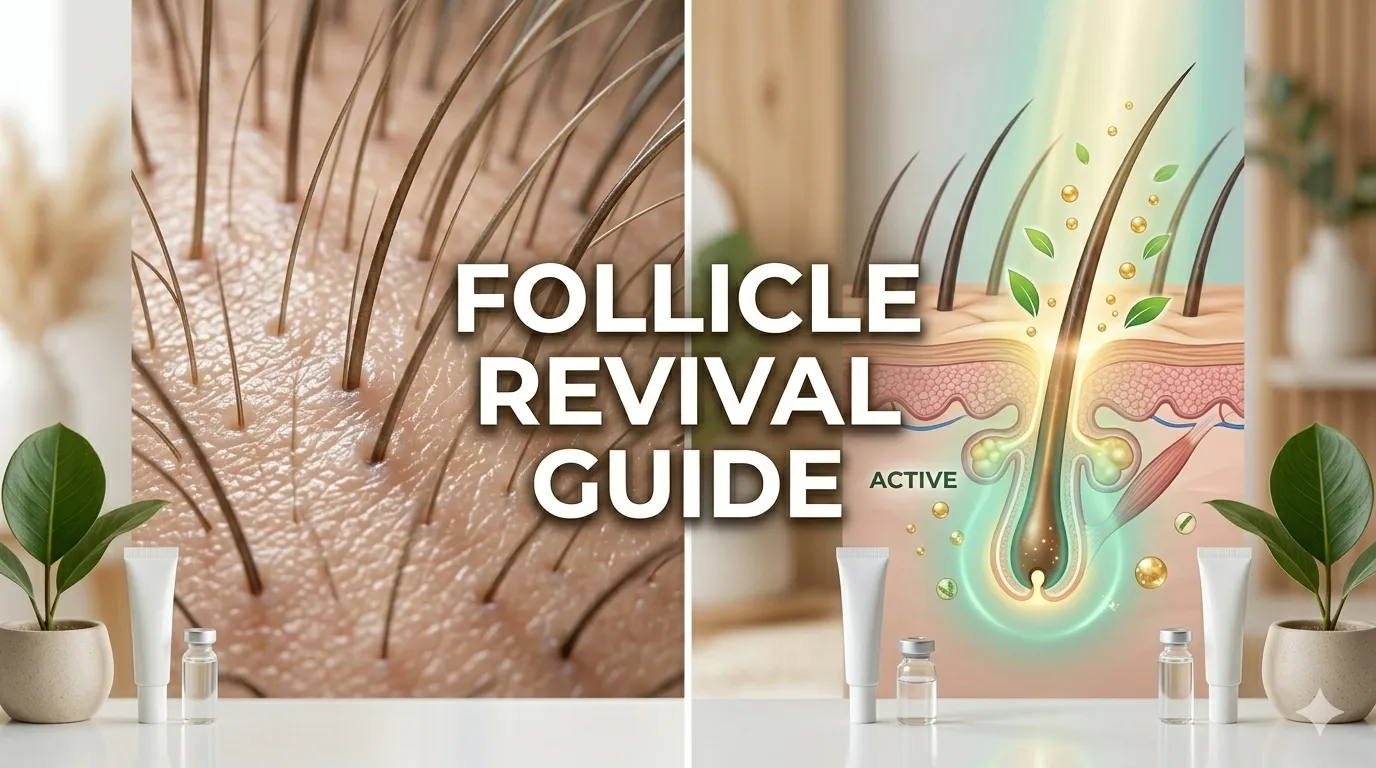
Unlocking the Biology of Hair Regeneration: Evidence-Based Protocols for Thicker Hair
Hair loss is one of the most universally experienced concerns, affecting men and women across all ages and backgrounds. While genetic predisposition plays a significant role, emerging research in trichology and dermatology reveals that hair follicles are not always permanently dormant. Under the right conditions, dormant or miniaturized follicles can be stimulated to re-enter the growth phase, leading to visible regrowth and increased density. The key lies in understanding the science of follicle revival and applying proven, natural strategies consistently over time.
Follicle revival isn't about magic potions; it's about creating the optimal biological environment for hair growth. This involves addressing the root causes of dormancy—whether they are hormonal, nutritional, circulatory, or inflammatory—and providing the specific nutrients and stimuli that hair follicles require to thrive. When you align your care routine with the biological needs of the hair growth cycle, you shift from simply managing hair loss to actively promoting regeneration.
This comprehensive, science-backed guide explores the mechanisms behind hair follicle dormancy and revival. You will discover evidence-based strategies ranging from scalp stimulation techniques and nutritional optimization to natural DHT blockers and lifestyle modifications. Whether you're noticing early signs of thinning, seeking to recover from stress-related shedding, or aiming to maximize your natural density, this protocol provides the knowledge and tools to support faster, healthier hair regrowth from the follicle up.
Understanding the Hair Growth Cycle: The Foundation of Regrowth
The Three Phases of Hair Growth
To revive hair follicles, you must first understand how they function. Hair growth is not continuous; it occurs in a cyclical pattern consisting of three distinct phases. Disruptions in this cycle are often the underlying cause of thinning and shedding.
Anagen (Growth Phase):
- Duration: 2-7 years (determined largely by genetics)
- Activity: Cells in the hair root divide rapidly, pushing the hair shaft upward and lengthening the strand
- Significance: Approximately 85-90% of scalp hairs are in this phase at any given time. Extending the anagen phase is a primary goal of regrowth strategies.
Catagen (Transition Phase):
- Duration: 2-3 weeks
- Activity: Growth stops; the outer root sheath shrinks and attaches to the hair root, forming a club hair
- Significance: Less than 1% of hairs are in this phase. It prepares the follicle for rest.
Telogen (Resting Phase):
- Duration: 3-4 months
- Activity: The follicle is dormant; the club hair remains in place until pushed out by new growth
- Significance: 10-15% of hairs are in this phase. Shedding 50-100 hairs daily is normal as these hairs release.
Scientific insight: Dr. Alan Bauman, board-certified hair restoration physician, explains: "Hair loss often occurs when the anagen phase shortens and the telogen phase lengthens. Additionally, follicles can undergo miniaturization, where they produce progressively thinner, shorter hairs until they stop producing visible hair altogether. Revival strategies focus on reversing miniaturization and prolonging anagen."
Why Follicles Become Dormant or Miniaturized
Understanding why follicles stop producing robust hair is crucial for selecting the right intervention.
Androgenetic Alopecia (Pattern Hair Loss):
- Mechanism: Sensitivity to dihydrotestosterone (DHT) causes follicles to shrink (miniaturize) over time.
- Result: Hair growth cycle shortens; hairs become finer and shorter until growth ceases.
- Reversibility: Early-stage miniaturization can often be reversed; long-term dormant follicles may be permanently fibrosed.
Telogen Effluvium (Stress Shedding):
- Mechanism: Physical or emotional stress pushes large numbers of follicles prematurely into telogen.
- Result: Diffuse shedding 2-3 months after the triggering event.
- Reversibility: Highly reversible once the trigger is resolved; follicles typically recover without permanent damage.
Nutritional Deficiencies:
- Mechanism: Lack of essential building blocks (protein, iron, vitamins) forces the body to prioritize vital organs over hair.
- Result: Slow growth, brittle hair, increased shedding.
- Reversibility: Reversible with corrected nutrition.
Scalp Inflammation and Fibrosis:
- Mechanism: Chronic inflammation (seborrheic dermatitis, psoriasis) can damage the follicle niche.
- Result: Impaired growth environment; potential scarring (cicatricial alopecia).
- Reversibility: Inflammation must be controlled first; scarring may be permanent.
Strategy 1: Scalp Stimulation and Circulation Enhancement
The Role of Blood Flow in Follicle Health
Hair follicles are among the most metabolically active structures in the body. They require a robust supply of oxygen and nutrients delivered via the capillary network surrounding the dermal papilla. Poor scalp circulation can starve follicles, shortening the anagen phase and contributing to thinning.
Scientific evidence: Research published in the Journal of Physical Therapy Science demonstrated that regular scalp massage increased hair thickness by stretching cells of hair follicles, stimulating them to produce thicker hair. Improved blood flow was identified as a key mechanism.
Scalp Massage Protocol for Regrowth
Technique:
- Preparation: Use clean hands or a scalp massager tool. Apply a few drops of carrier oil (like jojoba or rosemary oil) to reduce friction.
- Motion: Use the pads of your fingers (not nails). Apply moderate pressure—enough to move the scalp over the skull, not just rub the skin.
- Pattern: Move in small circular motions across the entire scalp. Focus on thinning areas (hairline, crown, part line).
- Duration: 4-5 minutes daily. Consistency is more important than intensity.
- Timing: Can be done on dry hair or during oiling before washing.
Physiological benefits:
- Vasodilation: Mechanical stimulation widens blood vessels, increasing nutrient delivery.
- Cellular stretching: Stretching dermal papilla cells may activate gene expression related to hair growth.
- Stress reduction: Lowers cortisol levels, which can otherwise inhibit hair growth.
Microneedling (Dermarolling) for Follicle Activation
Mechanism: Microneedling creates controlled micro-injuries in the scalp, triggering the body's wound healing response. This releases growth factors (like VEGF and PDGF) that stimulate stem cells in the hair follicle bulge.
Evidence: A landmark study in International Journal of Trichology found that combining microneedling with minoxidil yielded significantly better results than minoxidil alone. However, emerging data suggests microneedling alone can stimulate growth via growth factor release.
Safe At-Home Protocol:
- Device: Use a dermaroller or dermastamp with needle length between 0.5mm and 1.5mm. (0.5mm for weekly use; 1.5mm for less frequent use).
- Hygiene: Sterilize the device with 70% isopropyl alcohol before and after every use. Never share devices.
- Technique: Roll vertically, horizontally, and diagonally over thinning areas. Do not press hard; let the needles do the work.
- Frequency: Once weekly for 0.5mm; once every 2-3 weeks for 1.5mm.
- Aftercare: Apply soothing serums (hyaluronic acid, peptides) immediately after. Avoid harsh actives (retinoids, strong acids) for 24 hours.
- Contraindications: Do not use on active acne, infections, or inflamed scalp conditions.
Strategy 2: Nutritional Optimization for Follicle Fuel
Building Blocks of Hair Structure
Hair is primarily composed of keratin, a protein structure. Without adequate raw materials, the body cannot produce strong, healthy hair. Nutritional deficiencies are a leading cause of reversible hair loss.
Protein:
- Role: Hair is 90% keratin (protein). Inadequate intake forces follicles into telogen.
- Target: 0.8-1.2 grams per kg of body weight daily.
- Sources: Lean meats, fish, eggs, dairy, legumes, tofu, quinoa.
Iron:
- Role: Essential for hemoglobin, which carries oxygen to hair follicles. Ferritin (stored iron) levels below 30-40 ng/mL are linked to shedding.
- Target: Optimize ferritin levels (consult doctor for testing).
- Sources: Red meat, spinach, lentils, fortified cereals. Pair with Vitamin C for absorption.
Zinc:
- Role: Supports hair tissue growth and repair. Helps keep oil glands around follicles working properly.
- Deficiency: Directly linked to telogen effluvium.
- Sources: Oysters, beef, pumpkin seeds, chickpeas.
Biotin (Vitamin B7):
- Role: Involved in keratin production. Deficiency causes hair loss, though supplementation only helps if deficient.
- Sources: Eggs, almonds, cauliflower, salmon.
Vitamin D:
- Role: Receptors in hair follicles require Vitamin D to cycle properly. Low levels are associated with alopecia.
- Target: Maintain serum levels between 40-60 ng/mL.
- Sources: Sun exposure, fatty fish, fortified foods, supplementation.
Anti-Inflammatory Nutrition
Chronic systemic inflammation can disrupt the hair growth cycle. An anti-inflammatory diet supports follicle health.
Omega-3 Fatty Acids:
- Benefit: Reduce inflammation, nourish hair shaft, support scalp health.
- Sources: Salmon, mackerel, walnuts, flaxseeds, chia seeds.
Antioxidants:
- Benefit: Combat oxidative stress that damages follicle cells.
- Sources: Berries, green tea, dark leafy greens, dark chocolate.
Avoid:
- High-sugar diets (spike insulin, increase inflammation)
- Ultra-processed foods (lack nutrients, promote inflammation)
- Excessive alcohol (depletes zinc and B vitamins)
Strategy 3: Natural Topicals and DHT Blockers
Essential Oils with Scientific Backing
Certain plant extracts have demonstrated efficacy in stimulating hair growth or blocking DHT in clinical studies.
Rosemary Oil:
- Evidence: A 2015 study compared rosemary oil to 2% minoxidil. After 6 months, both groups showed significant increase in hair count with no significant difference between them.
- Mechanism: Improves circulation, possesses anti-inflammatory properties, may inhibit DHT.
- Usage: Dilute 3-5 drops in 1 tablespoon carrier oil (jojoba, coconut). Massage into scalp 2-3 times weekly. Leave for at least 30 minutes before washing.
Peppermint Oil:
- Evidence: Animal studies showed peppermint oil promoted hair growth more effectively than minoxidil, saline, and jojoba oil.
- Mechanism: Increases circulation via menthol; creates tingling sensation that stimulates follicles.
- Usage: Highly potent; dilute heavily (2-3 drops per tablespoon carrier oil). Use 1-2 times weekly.
Pumpkin Seed Oil:
- Evidence: A 2014 study showed men taking pumpkin seed oil supplements had 40% increase in hair count over 24 weeks.
- Mechanism: Natural 5-alpha-reductase inhibitor (blocks conversion of testosterone to DHT).
- Usage: Can be taken orally (supplement) or applied topically diluted.
Caffeine:
- Evidence: Studies show caffeine can counteract the suppression of hair growth induced by testosterone.
- Mechanism: Stimulates hair shaft elongation, prolongs anagen phase.
- Usage: Look for leave-in scalp serums containing caffeine. Topical application is key; drinking coffee doesn't deliver enough to the scalp.
Carrier Oils for Scalp Health
Jojoba Oil: Mimics natural sebum; excellent for balancing scalp oil production without clogging follicles.
Castor Oil: Rich in ricinoleic acid; thick consistency helps seal moisture. Often diluted with lighter oils for easier application.
Coconut Oil: Penetrates the hair shaft to prevent protein loss. Best used as a pre-wash treatment. Can be comedogenic for some scalps.
Strategy 4: Lifestyle Factors Influencing Regrowth
Stress Management and Cortisol Control
Chronic stress elevates cortisol, which can push hair follicles into telogen (resting phase) prematurely. This condition, known as Telogen Effluvium, is reversible but requires stress reduction.
Impact: High cortisol constricts blood vessels in the scalp, reducing nutrient delivery. It also increases inflammation.
Management Techniques:
- Mindfulness Meditation: 10-15 minutes daily lowers cortisol levels.
- Exercise: Regular moderate exercise improves circulation and reduces stress hormones.
- Sleep: Prioritize 7-9 hours nightly; growth hormone peaks during deep sleep.
- Breathwork: Box breathing or 4-7-8 breathing activates the parasympathetic nervous system.
Sleep Quality and Hair Repair
Cellular repair and regeneration occur primarily during sleep. Poor sleep quality disrupts this process.
Melatonin: This sleep hormone also acts as an antioxidant in the hair follicle. Some research suggests topical melatonin may support hair growth.
Protocol:
- Maintain consistent sleep schedule.
- Create a dark, cool sleep environment.
- Avoid screens 1 hour before bed.
- Consider silk pillowcases to reduce friction and breakage.
Avoiding Mechanical and Chemical Damage
Reviving follicles is futile if new growth is broken off immediately. Protecting the hair shaft is essential for retaining length and density.
Traction Alopecia:
- Cause: Tight hairstyles (ponytails, braids) pull on follicles.
- Prevention: Wear loose styles; vary hair placement; avoid tight elastics.
Heat Damage:
- Cause: Excessive blow-drying, straightening, or curling weakens keratin.
- Prevention: Use heat protectant; limit heat styling to 1-2 times weekly; use lowest effective temperature.
Chemical Processing:
- Cause: Bleaching, perming, or relaxing alters hair structure.
- Prevention: Space out treatments; use bond-building treatments; deep condition regularly.
Strategy 5: Scalp Hygiene and Microbiome Balance
The Scalp Microbiome
Just like the gut, the scalp has a microbiome—a community of bacteria and fungi. An imbalance (dysbiosis) can lead to inflammation, dandruff, and impaired hair growth.
Key Organism: Malassezia yeast is naturally present but can overgrow, causing seborrheic dermatitis and inflammation that impedes growth.
Maintenance:
- Regular Cleansing: Wash hair frequently enough to prevent buildup but not so much that it strips natural oils. Frequency depends on hair type (oily: every day/other day; dry: 2-3 times weekly).
- Gentle Shampoos: Use sulfate-free, pH-balanced shampoos to maintain the acid mantle.
- Exfoliation: Use a scalp scrub or chemical exfoliant (salicylic acid) once weekly to remove dead skin and product buildup.
Addressing Dandruff and Inflammation
Visible flakes often indicate inflammation. Inflamed follicles cannot grow healthy hair.
Natural Remedies:
- Tea Tree Oil: Antimicrobial and antifungal. Add a few drops to shampoo.
- Aloe Vera: Soothes itching and inflammation.
- Apple Cider Vinegar: Restores pH balance; helps remove buildup. Dilute 1:3 with water; use as rinse.
Creating Your Personalized Regrowth Protocol
Phase 1: Assessment and Preparation (Weeks 1-2)
Step 1: Identify Underlying Causes
- Consult a doctor to rule out thyroid issues, anemia, or hormonal imbalances.
- Assess lifestyle factors: stress, sleep, diet.
- Examine scalp condition: dry, oily, inflamed?
Step 2: Gather Tools and Products
- Scalp massager or dermaroller (sterilized).
- Carrier oils and essential oils (rosemary, peppermint).
- Gentle shampoo and conditioner.
- Nutritional supplements (if deficient, based on blood work).
Step 3: Set Realistic Expectations
- Hair grows approximately 0.5 inches (1.25 cm) per month.
- Visible regrowth typically takes 3-6 months of consistent effort.
- Shedding may increase initially (especially with microneedling or new actives) as old hairs make way for new.
Phase 2: Active Stimulation (Weeks 3-24)
Weekly Schedule Example:
- Daily: Scalp massage (4 minutes); Balanced nutrition; Hydration.
- 3x Weekly: Rosemary oil treatment (apply before wash).
- 1x Weekly: Microneedling (0.5mm) + soothing serum.
- 1x Weekly: Scalp exfoliation (scrub or salicylic acid).
- Ongoing: Stress management; Quality sleep.
Monitoring Progress:
- Take photos monthly (same lighting, angle, hair part).
- Track shedding counts (normal is 50-100 hairs/day).
- Note changes in texture and thickness.
Phase 3: Maintenance and Long-Term Care (Month 6+)
Sustain Habits:
- Continue nutrition and lifestyle practices indefinitely.
- Reduce frequency of active treatments (e.g., microneedling to once monthly) once desired density is achieved.
- Remain vigilant for triggers (stress, illness) that may cause shedding.
Common Myths About Hair Regrowth Debunked
Myth 1: Cutting Hair Makes It Grow Faster
Truth: Hair grows from the follicle, not the ends. Cutting removes split ends, preventing breakage and making hair appear thicker, but it does not affect the growth rate at the scalp.
Myth 2: Brushing 100 Strokes a Day Stimulates Growth
Truth: Excessive brushing causes mechanical damage and breakage. Gentle massage is beneficial; aggressive brushing is harmful.
Myth 3: Natural Remedies Work Instantly
Truth: Hair cycles are slow. Natural remedies support biological processes that take months to manifest visually. Consistency is key.
Myth 4: Only Genetics Matter
Truth: Genetics load the gun, but lifestyle pulls the trigger. Epigenetics shows that environment and behavior influence gene expression. You can optimize growth potential even with genetic predisposition.
Myth 5: More Product Equals Better Results
Truth: Overloading the scalp with oils and products can clog follicles and cause inflammation. Less is often more; focus on penetration and scalp health.
When to Seek Professional Help
While natural strategies are powerful, certain conditions require medical intervention.
Consult a Dermatologist or Trichologist If:
- You experience sudden, patchy hair loss (Alopecia Areata).
- You see scarring, redness, or pain on the scalp.
- There is no improvement after 6-12 months of consistent natural care.
- You suspect hormonal imbalances (PCOS, thyroid issues).
- Hair loss is accompanied by other symptoms (fatigue, weight changes).
Medical Treatments That Complement Natural Care:
- Minoxidil: FDA-approved topical treatment that prolongs anagen phase.
- Finasteride: Prescription oral medication that blocks DHT (primarily for men).
- PRP (Platelet-Rich Plasma): Injections of concentrated platelets to stimulate growth.
- Low-Level Laser Therapy (LLLT): Devices that use light energy to stimulate follicles.
Integrative Approach: Many patients find success combining medical treatments with natural protocols (nutrition, stress management, scalp care) for synergistic effects.
Frequently Asked Questions
Can dead hair follicles grow back?
If a follicle is truly dead (fibrosed or scarred over), it cannot regenerate. However, many follicles thought to be dead are actually dormant or miniaturized. These can often be revived with consistent stimulation and proper care. Early intervention is critical.
How long does it take to see results from natural regrowth strategies?
Hair grows slowly. Expect to see reduced shedding within 4-8 weeks. Visible regrowth (new baby hairs, increased density) typically takes 3-6 months. Full results may take 12 months or more.
Is hair loss from stress reversible?
Yes, Telogen Effluvium (stress-induced shedding) is typically reversible. Once the stressor is managed, follicles usually return to the growth phase within 3-6 months.
Can diet alone reverse hair loss?
If hair loss is caused by nutritional deficiency, correcting the diet can reverse it. However, if the cause is genetic (androgenetic alopecia), diet supports health but may not stop progression alone. A combination approach is best.
Are supplements necessary for hair growth?
Only if you are deficient. Taking supplements without a deficiency generally does not improve hair growth and can sometimes be harmful (e.g., excess selenium or Vitamin A causes hair loss). Get tested before supplementing.
Does microneedling hurt?
It causes mild discomfort (like scratching). Numbing cream can be used for longer needles (1.5mm). Most people tolerate 0.5mm well at home.
Conclusion: Empowering Your Hair's Natural Potential
The science of follicle revival offers hope and actionable strategies for those seeking natural hair regrowth. By understanding the biological mechanisms of hair growth and addressing the root causes of dormancy—whether nutritional, circulatory, hormonal, or inflammatory—you can create an environment where hair thrives.
Remember: Hair regrowth is a marathon, not a sprint. The protocols outlined in this guide—scalp stimulation, nutritional optimization, natural topicals, and lifestyle management—work synergistically over time. Consistency is your most powerful tool. A routine followed diligently for a year will yield far better results than an intense regimen abandoned after a month.
Listen to your body. Monitor how your scalp and hair respond. Adjust frequencies and products based on your unique needs. What works for one person may need modification for another.
Seek support when needed. There is no shame in consulting professionals. Combining natural strategies with medical expertise often yields the best outcomes.
Your hair is a reflection of your overall health. By investing in follicle revival, you are not just improving your appearance; you are nurturing your body from the inside out. Embrace the process, trust the science, and celebrate every sign of regeneration.
Your journey to thicker, healthier hair starts today. With patience, consistency, and the right knowledge, you can unlock your hair's natural potential and enjoy the confidence that comes with vibrant, thriving growth.