

Skin Detox Science: Safe Exfoliation and Masking Guide
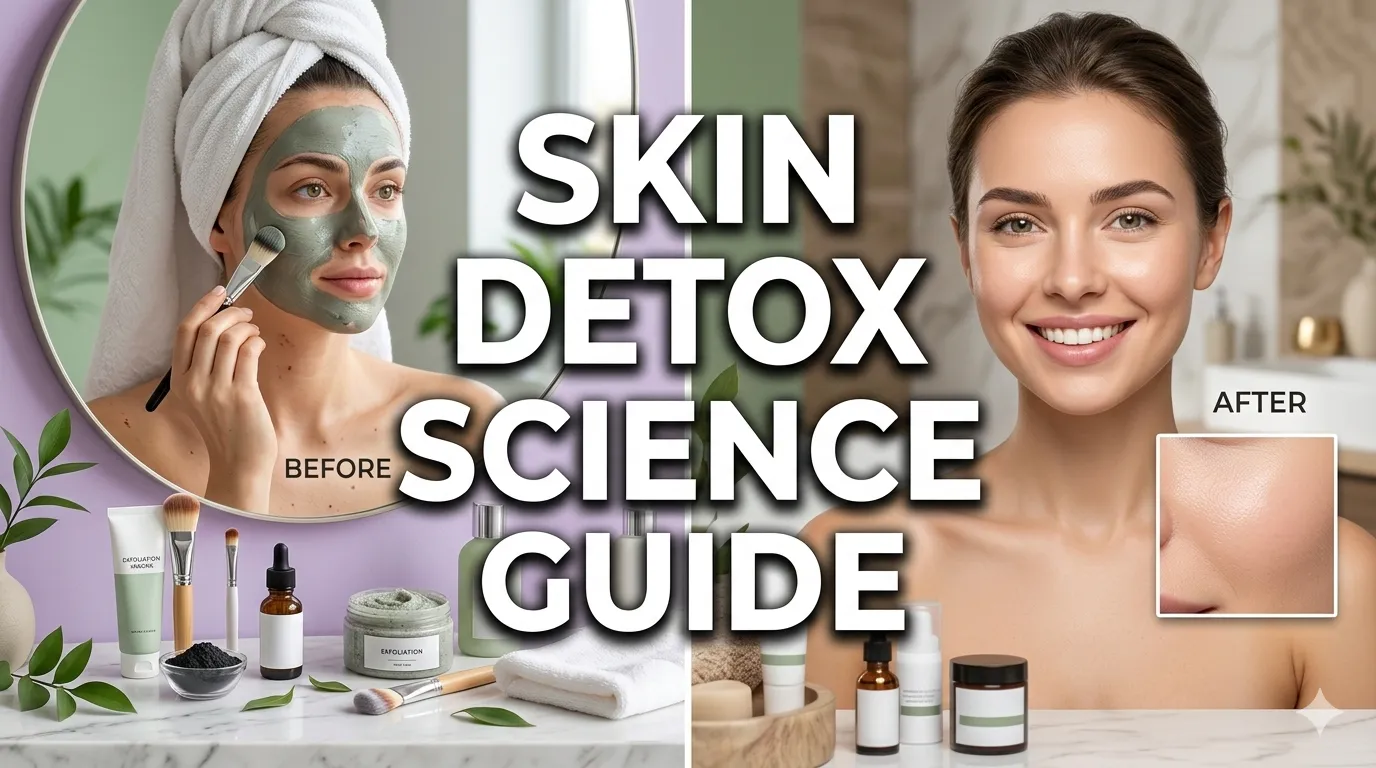
Evidence-Based Approaches to Clearing, Renewing, and Protecting Your Skin
The term "detox" has become ubiquitous in beauty marketing, but what does it actually mean for your skin? Unlike your liver and kidneys, which have sophisticated detoxification systems, your skin doesn't "detox" in the traditional sense. However, strategic exfoliation and masking can effectively remove accumulated debris, unclog pores, reduce inflammation, and support your skin's natural renewal processes—achieving what most people mean when they say "detox."
True skin renewal requires understanding the science; not following trends. When done correctly, exfoliation removes dead skin cells that trap oil, bacteria, and pollutants, while masking delivers concentrated ingredients to address specific concerns. But improper techniques can compromise your skin barrier, trigger inflammation, and worsen the very concerns you're trying to address.
This comprehensive, dermatologist-approved masterclass explores the biology of skin renewal, explains the mechanisms behind different exfoliation methods, evaluates masking ingredients based on scientific evidence, and provides safe, effective protocols for every skin type. Whether you're dealing with congestion, dullness, breakouts, or texture concerns, you'll learn how to achieve genuine skin renewal without compromising your skin's health.
Understanding "Skin Detox": Separating Science from Marketing
What Your Skin Actually Needs
Your skin is constantly renewing itself through a process called desquamation—shedding dead cells from the stratum corneum (outermost layer). However, several factors can disrupt this natural process:
Accumulated debris: Dead skin cells, excess sebum, environmental pollutants, makeup residue, and sunscreen can accumulate, leading to congestion, dullness, and breakouts.
Slowed cell turnover: Age, sun damage, and certain skin conditions can slow the natural shedding process, causing dead cells to build up on the surface.
Oxidative stress: UV exposure, pollution, and inflammation generate free radicals that damage skin cells and accelerate aging.
Microbiome imbalance: Disruption of the skin's beneficial bacteria can contribute to acne, sensitivity, and barrier dysfunction.
Scientific insight: Dr. Rachel Kim, board-certified dermatologist specializing in cosmetic dermatology, explains: "The concept of 'detoxing' skin is misleading. Your skin doesn't store toxins that need to be 'pulled out.' What it needs is support for its natural renewal processes: gentle removal of dead cells, reduction of inflammation, protection from environmental damage, and maintenance of a healthy barrier. Effective exfoliation and masking support these functions—they don't 'detox' in the mystical sense."
The Biology of Skin Renewal
Understanding how skin renews itself helps you support the process effectively:
Cell turnover cycle: In healthy young skin, cells take approximately 28 days to move from the basal layer to the surface and shed. This slows to 40-60 days by age 50, contributing to dullness and texture changes.
Desquamation process: Enzymes called proteases break down the "glue" (corneodesmosomes) holding dead cells together, allowing them to shed naturally. When this process is impaired, cells accumulate.
Barrier function: The stratum corneum acts as a protective barrier, preventing water loss and blocking entry of harmful substances. Over-exfoliation compromises this barrier, leading to sensitivity and inflammation.
Inflammatory response: Accumulated debris and oxidative stress trigger inflammatory pathways that can worsen acne, accelerate aging, and cause hyperpigmentation.
The Science of Exfoliation: Mechanisms and Methods
Chemical Exfoliation: How It Works
Chemical exfoliants use acids or enzymes to dissolve the bonds between dead skin cells, promoting shedding without physical abrasion.
Alpha Hydroxy Acids (AHAs):
- Mechanism: Water-soluble acids that work on the skin's surface to dissolve intercellular "glue"
- Common types: Glycolic acid (smallest molecule, deepest penetration), lactic acid (gentler, hydrating), mandelic acid (largest molecule, gentlest), citric acid, malic acid
- pH requirements: Most effective at pH 3-4
- Best for: Dullness, fine lines, surface texture, hyperpigmentation, dry skin
- Evidence: Research in the Journal of Cosmetic Dermatology shows AHAs increase epidermal thickness, improve collagen production, and enhance hydration
Beta Hydroxy Acids (BHAs):
- Mechanism: Oil-soluble acid that penetrates into pores to dissolve sebum and debris
- Primary type: Salicylic acid (the only true BHA used in skincare)
- pH requirements: Most effective at pH 3-4
- Best for: Acne, blackheads, enlarged pores, oily skin, inflammatory conditions
- Evidence: Studies show salicylic acid has anti-inflammatory properties in addition to exfoliation, making it particularly effective for acne
Polyhydroxy Acids (PHAs):
- Mechanism: Larger molecules that provide gentle surface exfoliation with added hydration
- Common types: Gluconolactone, lactobionic acid
- Benefits: Less irritating than AHAs/BHAs, suitable for sensitive skin, antioxidant properties
- Best for: Sensitive skin, rosacea, eczema-prone skin, first-time exfoliation
Enzyme Exfoliants:
- Mechanism: Proteolytic enzymes (papain from papaya, bromelain from pineapple) break down keratin proteins in dead skin cells
- pH requirements: Work best at pH 5-7 (closer to skin's natural pH)
- Benefits: Gentle, self-limiting (enzymes become inactive once they've broken down available proteins), suitable for sensitive skin
- Best for: Sensitive skin, maintenance exfoliation, those who can't tolerate acids
Physical Exfoliation: When and How to Use It
Physical exfoliants use abrasive particles or tools to mechanically remove dead skin cells.
Types of physical exfoliants:
- Gentle powders: Rice bran, oatmeal, jojoba beads (round, smooth particles)
- Synthetic beads: Polyethylene (being phased out for environmental reasons)
- Natural particles: Sugar, salt (can be too abrasive for facial skin)
- Tools: Soft brushes, cleansing devices, microdermabrasion tools
Scientific concerns:
- Micro-tears: Irregular, sharp particles can create micro-tears in the skin, compromising barrier function and increasing infection risk
- Inconsistent pressure: Manual application leads to uneven exfoliation and potential over-exfoliation in some areas
- Inflammation: Aggressive physical exfoliation triggers inflammatory responses that can worsen acne and hyperpigmentation
When physical exfoliation is appropriate:
- For very resilient, non-sensitive skin
- Using gentle, spherical particles (jojoba beads, synthetic round beads)
- Limited to 1x weekly maximum
- With very light pressure and circular motions
- Avoiding if you have active acne, rosacea, or sensitive skin
Expert recommendation: "For most people, chemical exfoliation is superior to physical exfoliation. It's more controlled, more effective, and less likely to cause irritation or damage. If you prefer physical exfoliation, choose products with smooth, spherical particles and use them very sparingly."
Safe Exfoliation Protocols: Frequency, Concentration, and Combinations
Determining Your Exfoliation Frequency
Over-exfoliation is one of the most common skincare mistakes, leading to barrier damage, sensitivity, and paradoxical oil production.
General guidelines by skin type:
- Normal skin: 2-3x weekly with AHAs or combination AHA/BHA
- Oily/acne-prone: 3-4x weekly with BHA (salicylic acid), can add AHA 1-2x weekly
- Dry/dehydrated: 1-2x weekly with gentle AHAs (lactic acid, mandelic acid) or PHAs
- Sensitive/rosacea-prone: 1x weekly maximum with PHAs or very gentle enzymes; may need to skip exfoliation during flares
- Mature skin: 2-3x weekly with AHAs (glycolic acid for anti-aging benefits)
Signs you're over-exfoliating:
- Increased sensitivity or stinging when applying products
- Redness, irritation, or inflammation
- Tight, shiny appearance (indicates barrier damage)
- Increased breakouts or congestion
- Dryness or flakiness despite moisturizing
- Increased oil production (compensatory response)
If you're over-exfoliating:
- Stop all exfoliation immediately
- Focus on barrier repair with ceramides, cholesterol, and fatty acids
- Use only gentle, fragrance-free products
- Avoid active ingredients (retinoids, vitamin C, acids) until barrier recovers
- Wait 2-4 weeks before reintroducing exfoliation, starting at reduced frequency
Understanding Concentration and pH
The effectiveness and safety of chemical exfoliants depend on both concentration and pH.
At-home vs. professional strengths:
- AHAs: At-home products typically 5-10%; professional peels 20-70%
- BHAs: At-home products typically 0.5-2%; professional peels up to 30%
- PHAs: At-home products typically 5-15%
pH matters: AHAs and BHAs require acidic pH (3-4) to be effective. At higher pH levels, they become less effective as exfoliants. However, lower pH also increases irritation potential.
Start low, go slow:
- Begin with lower concentrations (5% AHA, 0.5-1% BHA)
- Use 1x weekly for the first 2 weeks
- Gradually increase frequency before increasing concentration
- Never start with multiple exfoliating products simultaneously
Combining Exfoliants Safely
Safe combinations:
- AHA + BHA: Can be used together or in the same product; BHA penetrates pores while AHA works on surface
- Enzymes + mild AHA: Gentle combination for sensitive skin
- PHA + hydrating ingredients: Ideal for sensitive or compromised skin
Combinations to avoid:
- Multiple strong acids: Using glycolic acid + salicylic acid + lactic acid simultaneously increases irritation risk
- Exfoliants + retinoids: Using on the same night can cause severe irritation; alternate nights if using both
- Exfoliants + vitamin C: Can be too irritating for some; use vitamin C in morning, exfoliants at night
- Physical + chemical: Don't use physical scrubs on the same day as chemical exfoliants
Layering order:
- Cleanse
- Exfoliant (wait 20-30 minutes for pH-dependent acids)
- Toner (if using)
- Serum
- Moisturizer
- Sunscreen (morning only)
The Science of Masking: Mechanisms and Ingredients
How Masks Work: Occlusion and Delivery
Masks work through several mechanisms to enhance ingredient penetration and address specific concerns:
Occlusion: Masks create a physical barrier that:
- Increases skin temperature slightly, enhancing penetration
- Prevents transepidermal water loss (TEWL), hydrating the stratum corneum
- Allows active ingredients to remain in contact with skin longer
- Softens debris in pores for easier removal
Delivery systems: Different mask types deliver ingredients differently:
- Clay masks: Absorb oil and impurities; best for oily, congested skin
- Cream masks: Provide intensive hydration and nourishment
- Gel masks: Cooling, soothing, hydrating; ideal for sensitive or inflamed skin
- Sheet masks: Occlusive delivery of serums; good for hydration boost
- Peel-off masks: Physical removal of surface debris; can be harsh
- Sleeping masks: Overnight occlusion for intensive treatment
Evidence-Based Mask Ingredients
For Congestion and Oil Control:
- Clay (kaolin, bentonite, rhassoul):
- Mechanism: Negatively charged particles attract positively charged impurities (oil, toxins, bacteria)
- Evidence: Studies show clay masks reduce sebum production and improve skin texture
- Best for: Oily, acne-prone, congested skin
- Usage: 1-2x weekly; don't let fully dry (can be over-drying)
- Charcoal:
- Mechanism: Highly porous structure adsorbs (not absorbs) impurities
- Evidence: Limited direct studies, but activated charcoal is well-established for toxin adsorption
- Best for: Congested pores, dull skin
- Sulfur:
- Mechanism: Keratolytic (breaks down keratin), antibacterial, antifungal
- Evidence: Well-established efficacy for acne and seborrheic dermatitis
- Best for: Acne, rosacea, fungal acne
- Note: Can be drying; use 1x weekly maximum
For Hydration and Barrier Support:
- Hyaluronic Acid:
- Mechanism: Humectant that binds up to 1000x its weight in water
- Evidence: Multiple studies confirm improved hydration and skin plumpness
- Best for: All skin types, especially dehydrated skin
- Tip: Apply to damp skin; follow with occlusive to prevent water loss
- Ceramides:
- Mechanism: Restore lipid barrier, reduce TEWL
- Evidence: Research shows ceramides improve barrier function and hydration
- Best for: Dry, sensitive, compromised skin
- Glycerin:
- Mechanism: Humectant that draws water into stratum corneum
- Evidence: One of the most well-studied moisturizing ingredients
- Best for: All skin types
For Brightening and Hyperpigmentation:
- Vitamin C (L-ascorbic acid):
- Mechanism: Antioxidant, inhibits tyrosinase (melanin production), boosts collagen
- Evidence: Extensive research supports efficacy for brightening and anti-aging
- Best for: Dull skin, hyperpigmentation, aging concerns
- Stability: Unstable; look for stabilized formulations or use immediately after mixing
- Niacinamide:
- Mechanism: Inhibits melanosome transfer, reduces inflammation, regulates oil
- Evidence: Multiple studies show improvement in hyperpigmentation and texture
- Best for: All skin types, especially pigmentation and oiliness
- Concentration: 2-5% optimal; higher concentrations can cause irritation
- Alpha Arbutin:
- Mechanism: Tyrosinase inhibitor, reduces melanin production
- Evidence: Studies show efficacy for melasma and post-inflammatory hyperpigmentation
- Best for: Hyperpigmentation, melasma, dark spots
For Soothing and Anti-Inflammatory:
- Centella Asiatica (Cica):
- Mechanism: Promotes wound healing, reduces inflammation, stimulates collagen
- Evidence: Extensive research supports wound healing and anti-inflammatory effects
- Best for: Sensitive, irritated, acne-prone skin
- Aloe Vera:
- Mechanism: Anti-inflammatory, hydrating, wound healing
- Evidence: Well-established for soothing and hydration
- Best for: Sunburn, irritation, sensitive skin
- Oat Extract:
- Mechanism: Anti-inflammatory, antioxidant, barrier support
- Evidence: FDA-approved for skin protection; studies show anti-inflammatory effects
- Best for: Eczema, sensitive skin, irritation
Professional-Grade At-Home Masking Protocols
The Multi-Masking Strategy
Multi-masking involves applying different masks to different areas of the face based on zone-specific concerns.
Example for combination skin:
- T-zone (oily/congested): Clay mask with salicylic acid or charcoal
- Cheeks (dry/normal): Hydrating mask with hyaluronic acid or ceramides
- Under-eyes: Gentle hydrating gel mask or caffeine mask for puffiness
Application technique:
- Cleanse skin thoroughly
- Apply each mask to designated areas using clean brush or fingers
- Leave on for 10-15 minutes (or as directed)
- Rinse each area with lukewarm water
- Follow with serum and moisturizer
Frequency: 1-2x weekly maximum
The Layering Protocol: Mask + Exfoliation
For enhanced results, you can strategically layer exfoliation and masking, but timing and product selection matter.
Safe layering sequence:
- Gentle cleanse
- Chemical exfoliant (AHA or BHA; wait 20-30 minutes)
- Hydrating or treatment mask (not clay/drying mask)
- Serum
- Moisturizer
Why this works: Exfoliation removes the barrier of dead cells, allowing mask ingredients to penetrate more deeply. However, follow exfoliation with hydrating or soothing masks, not additional drying treatments.
What NOT to do:
- Don't use clay mask after exfoliation (too drying)
- Don't use multiple active ingredients (exfoliant + vitamin C mask + retinol)
- Don't exceed recommended time (increased irritation risk)
- Don't do this more than 1x weekly
The "Skin Cycling" Approach
Skin cycling involves rotating different treatments on different nights to maximize results while minimizing irritation.
4-night cycle example:
- Night 1: Exfoliation (AHA or BHA)
- Night 2: Retinoid or treatment serum
- Night 3: Recovery (hydrating mask + barrier repair)
- Night 4: Recovery (gentle routine, no actives)
- Repeat
Benefits:
- Prevents over-exfoliation and irritation
- Allows skin recovery time
- Maximizes efficacy of active ingredients
- Suitable for most skin types
Customization:
- Sensitive skin: Extend recovery to 3 nights; use gentler exfoliants (PHAs)
- Resilient skin: Can add additional treatment night
- Acne-prone: Use BHA on exfoliation night; benzoyl peroxide or retinoid on treatment night
DIY vs. Professional Masks: What Works and What Doesn't
Evidence on DIY Masks
While DIY masks are popular, their efficacy and safety vary significantly.
DIY ingredients with some evidence:
- Honey:
- Evidence: Antibacterial, humectant, wound healing properties well-documented
- Best use: Hydrating mask for all skin types
- Recipe: Raw honey applied to damp skin for 15-20 minutes
- Oatmeal:
- Evidence: FDA-approved for skin protection; anti-inflammatory
- Best use: Soothing mask for sensitive or irritated skin
- Recipe: Colloidal oatmeal + water to form paste; apply 10-15 minutes
- Green tea:
- Evidence: Antioxidant (EGCG), anti-inflammatory
- Best use: Soothing, antioxidant mask
- Recipe: Brewed, cooled green tea + honey or aloe
- Aloe vera:
- Evidence: Hydrating, soothing, wound healing
- Best use: Soothing mask for sunburn or irritation
- Recipe: Fresh aloe gel applied directly for 15-20 minutes
DIY ingredients to avoid:
- Lemon juice:
- Problem: Extremely acidic (pH 2), causes chemical burns, increases photosensitivity
- Myth: "Natural bleaching" - actually causes phytophotodermatitis (severe burns)
- Baking soda:
- Problem: pH 9 (skin is pH 4.5-5.5); disrupts acid mantle, causes irritation
- Myth: "Gentle exfoliant" - actually damages barrier
- Toothpaste:
- Problem: Contains menthol, fluoride, detergents that irritate skin
- Myth: "Dries out acne" - causes chemical burns and post-inflammatory hyperpigmentation
- Cinnamon:
- Problem: Common allergen; can cause severe contact dermatitis
- Myth: "Plumping effect" - actually causes irritation and swelling
- Undiluted essential oils:
- Problem: Highly concentrated; can cause burns, allergic reactions, photosensitivity
- Myth: "Natural = safe" - many essential oils are potent irritants
When to Choose Professional Formulations
Professional masks offer advantages that DIY cannot match:
Stability: Professional products use preservatives and stabilizers to ensure ingredients remain active and safe.
Penetration: Formulated with penetration enhancers and appropriate pH for optimal efficacy.
Concentration: Precise concentrations of active ingredients backed by research.
Safety testing: Tested for irritation, allergies, and contamination.
When to invest in professional masks:
- Treating specific concerns (acne, hyperpigmentation, aging)
- Using active ingredients (acids, retinoids, vitamin C)
- Have sensitive or reactive skin
- Want predictable, consistent results
Post-Treatment Care: Protecting and Maintaining Results
Immediate Aftercare (First 24-48 Hours)
After exfoliation or masking, your skin is more permeable and sensitive. Proper aftercare is essential.
Do:
- Hydrate: Apply hydrating serum and rich moisturizer to support barrier recovery
- Protect: Use broad-spectrum SPF 30+ (exfoliation increases sun sensitivity)
- Soothe: If skin feels warm or sensitive, use cool compress or soothing ingredients (centella, aloe, oat)
- Simplify: Use only gentle, fragrance-free products for 24-48 hours
Don't:
- Use additional actives: No retinoids, vitamin C, or additional exfoliants for 48 hours
- Over-cleanse: Use only gentle cleanser once or twice daily
- Use hot water: Can increase inflammation and dryness
- Pick or scratch: Skin is more vulnerable to damage and infection
- Apply makeup immediately: Wait at least 6 hours; ideally 24 hours
Long-Term Maintenance
Frequency guidelines:
- Exfoliation: 1-3x weekly based on skin type and tolerance
- Masks: 1-2x weekly for treatment masks; hydrating masks can be used more frequently
- Professional treatments: Space at-home treatments 48 hours before and after professional facials or peels
Seasonal adjustments:
- Winter: Reduce exfoliation frequency; focus on hydrating masks
- Summer: Can increase BHA for oil control; always use SPF
- Humid seasons: Clay masks more beneficial for oil control
- Dry seasons: Emphasize barrier support and hydration
Common Mistakes and How to Avoid Them
Mistake 1: Over-Exfoliating
The problem: Using exfoliants too frequently or combining multiple exfoliating products compromises the skin barrier, leading to sensitivity, inflammation, and paradoxical oil production.
Signs: Redness, stinging, tightness, increased breakouts, shiny but dehydrated appearance
The fix:
- Stop all exfoliation immediately
- Focus on barrier repair with ceramides, cholesterol, fatty acids
- Use only gentle, fragrance-free products
- Wait 2-4 weeks before reintroducing exfoliation
- Start at reduced frequency (1x weekly)
Mistake 2: Leaving Clay Masks on Too Long
The problem: Letting clay masks fully dry causes them to draw moisture from skin, leading to dehydration and irritation.
The fix:
- Rinse when mask is still slightly damp (10-15 minutes)
- Spray with facial mist if mask starts drying too quickly
- Follow immediately with hydrating serum and moisturizer
Mistake 3: Skipping Sunscreen After Exfoliation
The problem: AHAs and BHAs increase sun sensitivity; skipping SPF leads to sun damage, hyperpigmentation, and negates benefits of exfoliation.
The fix:
- Always apply broad-spectrum SPF 30+ after exfoliation
- Reapply every 2 hours with sun exposure
- Exfoliate at night if concerned about sun sensitivity
Mistake 4: Using Harsh Physical Scrubs
The problem: Irregular particles (walnut shells, apricot kernels) create micro-tears, compromising barrier and increasing infection risk.
The fix:
- Switch to chemical exfoliants (AHAs, BHAs, PHAs)
- If using physical exfoliant, choose products with smooth, spherical particles (jojoba beads)
- Use very light pressure and limit to 1x weekly
Mistake 5: Not Patch Testing
The problem: Applying new products to entire face without testing can cause severe allergic reactions or irritation.
The fix:
- Always patch test new products behind ear or on inner arm
- Wait 24-48 hours before full-face application
- Introduce one new product at a time
Special Considerations for Different Skin Types
Acne-Prone Skin
Best exfoliants: BHA (salicylic acid 1-2%) 3-4x weekly; can add gentle AHA 1x weekly
Best masks: Clay masks with sulfur or salicylic acid; avoid heavy, occlusive masks
Avoid: Physical scrubs (can spread bacteria), heavy oils, comedogenic ingredients
Caution: Don't over-dry skin; can trigger compensatory oil production
Sensitive/Rosacea-Prone Skin
Best exfoliants: PHAs (gluconolactone) or enzymes 1x weekly maximum; may need to skip during flares
Best masks: Soothing masks with centella, oat, aloe; avoid clay masks and anything with fragrance or essential oils
Avoid: Strong acids, physical scrubs, menthol, eucalyptus, alcohol
Caution: Always patch test; introduce products slowly
Mature/Aging Skin
Best exfoliants: Glycolic acid 5-10% 2-3x weekly; promotes collagen and cell turnover
Best masks: Hydrating masks with hyaluronic acid; antioxidant masks with vitamin C; peptide masks
Avoid: Over-drying clay masks; overly harsh physical scrubs
Caution: Mature skin can be more sensitive; start with lower concentrations
Dry/Dehydrated Skin
Best exfoliants: Lactic acid or mandelic acid 1-2x weekly; PHAs for very dry skin
Best masks: Hydrating masks with hyaluronic acid, glycerin, ceramides; avoid clay masks
Avoid: Drying ingredients (alcohol, high concentrations of clay), over-exfoliation
Caution: Always follow exfoliation with intensive hydration
Frequently Asked Questions
Can I exfoliate and mask on the same day?
Yes, but strategically. Exfoliate first, wait 20-30 minutes, then apply a hydrating or soothing mask (not a clay or drying mask). Limit this to 1x weekly maximum to avoid over-stressing the skin.
How long before I see results from exfoliation and masking?
Immediate benefits (smoothness, radiance) appear after the first treatment. Cumulative improvements (texture, tone, reduced congestion) typically require 4-6 weeks of consistent use. Anti-aging benefits may take 3-6 months.
Can I use retinoids and exfoliants together?
Not on the same night. Alternate nights: use retinoid one night, exfoliant another night. Using both simultaneously significantly increases irritation risk. If you have sensitive skin, you may need to choose one or the other.
Are natural/organic masks better than synthetic?
"Natural" doesn't automatically mean better or safer. Many natural ingredients (lemon, cinnamon, essential oils) can be highly irritating. Synthetic ingredients are often more stable, better researched, and more effective. Focus on evidence-based ingredients, not marketing claims.
Why does my skin look worse after exfoliating?
Possible reasons: over-exfoliation (barrier damage), using wrong type of exfoliant for your skin, not following with adequate hydration, or "purging" (accelerated cell turnover bringing underlying congestion to surface). Purging should resolve in 4-6 weeks; if not, discontinue use.
Conclusion: Mastering the Art and Science of Skin Renewal
Effective skin "detox" isn't about harsh treatments or mystical cleansing—it's about supporting your skin's natural renewal processes with evidence-based exfoliation and masking. When done correctly, these practices remove accumulated debris, enhance product penetration, address specific concerns, and reveal healthier, more radiant skin.
Remember: Your skin is unique. What works for others may not work for you. Pay attention to how your skin responds, adjust frequency and products accordingly, and prioritize barrier health over aggressive treatment.
Start slowly. Introduce one new product or technique at a time. Give your skin 4-6 weeks to adjust before evaluating results. Consistency matters more than intensity.
Respect your skin's limits. More is not better. Over-exfoliation and over-masking cause more harm than good. Less frequent, well-chosen treatments yield better long-term results than aggressive daily routines.
Protect your barrier. Your skin barrier is your first line of defense. Every exfoliation and masking session should be followed by hydration and protection. Never compromise barrier health for short-term results.
Embrace the science. Skip the trends and marketing hype. Focus on ingredients and techniques backed by research. Your skin will thank you for the thoughtful, informed approach.
Your clearest, healthiest skin is achievable. With the knowledge and protocols in this guide, you're equipped to create a safe, effective skin renewal routine that delivers real, lasting results. Start today, be patient with the process, and trust in the science.
Your skin's renewal journey begins now.