

Strong Hair Follicles: Natural Fortification Science Guide
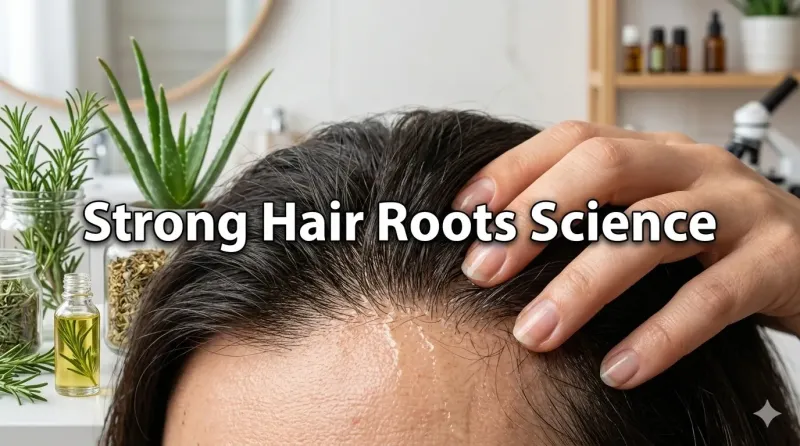
In an era of environmental pollutants, chronic stress, aggressive styling, and nutritional gaps, hair follicles face unprecedented challenges. For many, thinning, breakage, or slow growth isn't just a cosmetic concern—it's a signal that hair roots need targeted support. But what does it truly mean to "strengthen hair follicles," and how can modern science guide natural approaches that actually work?
The truth is, hair follicles aren't just passive structures waiting to be "fixed." They're dynamic, living mini-organs that respond to nutrition, circulation, hormonal signals, and environmental cues. Fortifying them requires more than slapping on a serum—it demands a holistic understanding of follicle biology and the modern stressors that compromise root health.
This comprehensive guide delivers an evidence-based protocol for naturally fortifying hair follicles in the modern world. You'll learn the science behind follicle structure and function, discover which natural ingredients actually strengthen roots (backed by clinical research), build a personalized scalp care routine that supports long-term follicle health, and understand how lifestyle factors—from sleep to stress management—directly impact root resilience. Whether you're addressing early thinning, recovering from damage, or simply seeking to optimize your hair's foundation, you'll find practical, scientifically grounded strategies to cultivate stronger, healthier hair from the root up.
Understanding Hair Follicles: The Biological Foundation of Strong Hair
Before exploring solutions, it's essential to understand what you're trying to strengthen. Hair follicles are complex, multi-layered structures that dictate everything from growth rate to strand strength.
Follicle Anatomy: What Makes a "Strong" Root
Key Structural Components:
- Dermal papilla: The "command center" at the follicle base; delivers nutrients via blood vessels and sends growth signals to hair matrix cells
- Hair matrix: Rapidly dividing cells that produce the hair shaft; health depends on dermal papilla signaling
- Outer root sheath: Protective layer that anchors follicle in scalp and regulates nutrient exchange
- Sebaceous gland: Produces sebum (natural oil) that lubricates hair shaft and maintains scalp barrier
- Arrector pili muscle: Tiny muscle that causes "goosebumps"; influences follicle positioning and circulation
What "Strong Follicles" Actually Mean:
- Robust dermal papilla: Efficient nutrient delivery and growth signaling
- Healthy matrix cells: Consistent production of strong, well-structured keratin
- Intact root sheath: Secure anchoring that minimizes shedding from mechanical stress
- Balanced sebum production: Adequate lubrication without clogging or inflammation
- Optimal growth cycling: Balanced time in growth (anagen), transition (catagen), and rest (telogen) phases
Key Insight: You can't "create" new follicles naturally (that's genetics), but you can optimize the health and function of existing follicles to produce stronger, more resilient hair.
The Hair Growth Cycle: Why Follicle Health Matters
| Phase | Duration | What's Happening | Follicle Support Needs |
|---|---|---|---|
| Anagen (Growth) | 2-7 years | Matrix cells rapidly divide; hair shaft elongates | Adequate protein, iron, zinc; good circulation; low inflammation |
| Catagen (Transition) | 2-3 weeks | Growth stops; follicle shrinks; prepares for rest | Balanced hormones; minimal oxidative stress |
| Telogen (Rest) | 3-4 months | Follicle rests; old hair sheds; new growth begins | Nutrient reserves for next growth phase; scalp health for new emergence |
Modern Disruptors:
- Chronic stress can push follicles prematurely into telogen (telogen effluvium)
- Nutritional gaps impair matrix cell division during anagen
- Inflammation can shorten anagen phase, reducing hair length potential
- Environmental toxins may disrupt dermal papilla signaling
Modern Stressors Compromising Follicle Health
Today's environment presents unique challenges to follicle resilience. Understanding these helps target interventions effectively.
Environmental Assaults
Air Pollution:
- Particulate matter (PM2.5) penetrates follicles, generating oxidative stress that damages matrix cells
- Polycyclic aromatic hydrocarbons (PAHs) may disrupt follicle cycling and promote inflammation
- Studies show pollution exposure correlates with increased hair loss and reduced hair density [[18]]
UV Radiation:
- UVB damages follicle stem cells in the bulge region, impairing regeneration capacity
- UVA generates free radicals that degrade follicle structural proteins
- Scalp sunburn causes inflammation that can trigger temporary shedding
Hard Water Minerals:
- Calcium and magnesium deposits accumulate on follicle openings, potentially impeding sebum flow and nutrient exchange
- Iron in water can oxidize on hair, creating brittleness that stresses roots during styling
Lifestyle and Physiological Stressors
Chronic Psychological Stress:
- Elevated cortisol reduces blood flow to scalp, limiting nutrient delivery to follicles
- Stress-induced inflammation releases cytokines that can prematurely push follicles into telogen
- Stress disrupts sleep, impairing overnight follicle repair processes
Nutritional Gaps:
- Protein deficiency limits keratin production for strong hair shafts
- Iron deficiency (even without anemia) impairs oxygen delivery to follicles
- Zinc, biotin, and vitamin D deficiencies directly impact follicle cycling and matrix cell function
Aggressive Styling Practices:
- Traction from tight styles physically stresses follicle anchoring, potentially causing traction alopecia
- Heat styling damages cuticle, increasing mechanical stress transmitted to roots during brushing
- Chemical treatments break disulfide bonds in hair shaft, forcing follicles to work harder to produce replacement keratin
The Cumulative Effect
These stressors rarely act in isolation. A person experiencing pollution exposure + chronic stress + marginal iron intake faces compounded follicle challenges. The good news: natural fortification strategies can address multiple stressors simultaneously.
Natural Ingredients That Fortify Follicles: The Evidence
Not all "natural" ingredients are created equal. These have clinical or mechanistic evidence supporting follicle-strengthening effects.
Topical Actives with Follicle-Targeted Benefits
Rosemary Oil: The Circulation Booster
- Mechanism: Improves microcirculation to scalp, enhancing nutrient delivery to dermal papilla; has anti-inflammatory properties
- Evidence: A 2015 study found rosemary oil as effective as 2% minoxidil for androgenetic alopecia after 6 months, with less scalp itching [[19]]
- Application: Dilute 3-5 drops in 1 tbsp carrier oil (jojoba, argan); massage into scalp 2-3x weekly; leave 30+ minutes before washing
- Best for: Improving follicle nutrient supply; reducing inflammation-related shedding
Pumpkin Seed Oil: The DHT Modulator
- Mechanism: Contains phytosterols that may inhibit 5-alpha-reductase, the enzyme that converts testosterone to DHT (which miniaturizes follicles in genetic hair loss)
- Evidence: A 2014 study showed men taking pumpkin seed oil supplements had 40% increase in hair count after 24 weeks vs. placebo [[20]]
- Application: Can be used topically (diluted) or taken orally (1000mg daily); topical may have localized benefits
- Best for: Supporting follicles sensitive to androgenic effects; maintaining follicle size
Caffeine (Topical): The Growth Phase Extender
- Mechanism: Penetrates follicle to counteract DHT effects; may prolong anagen phase and stimulate matrix cell proliferation
- Evidence: In vitro studies show caffeine counteracts testosterone-induced suppression of hair growth; clinical studies show improved hair density with topical caffeine [[21]]
- Application: Look for leave-in serums or shampoos with 0.2% caffeine; apply to scalp daily
- Best for: Extending growth phase; supporting follicles under androgenic stress
Peppermint Oil: The Follicle Stimulant
- Mechanism: Menthol increases cutaneous blood flow; may stimulate follicle stem cells
- Evidence: Animal study showed peppermint oil promoted hair growth more effectively than minoxidil, saline, or jojoba oil after 4 weeks [[22]]
- Application: Always dilute (1-2 drops per tbsp carrier oil); patch test first; use 2-3x weekly
- Best for: Stimulating dormant follicles; improving scalp circulation
Nutritional Support for Follicle Health
Protein: The Keratin Foundation
- Why it matters: Hair is 80-90% keratin; inadequate protein limits matrix cell production of strong hair shafts
- Target: 0.8-1.2g protein per kg body weight daily from diverse sources (eggs, fish, legumes, Greek yogurt)
- Timing tip: Distribute protein evenly across meals to support continuous keratin synthesis
Iron: The Oxygen Carrier
- Why it matters: Iron carries oxygen to follicles via hemoglobin; deficiency impairs matrix cell energy production
- Target: Ferritin (stored iron) >40-70 ng/mL for optimal hair growth (higher than standard lab "normal")
- Food sources: Red meat, spinach, lentils, fortified cereals; pair with vitamin C for enhanced absorption
- Supplement caution: Only supplement if blood tests confirm deficiency; excess iron is harmful
Zinc: The Follicle Regulator
- Why it matters: Zinc supports DNA/RNA synthesis in rapidly dividing matrix cells; modulates follicle cycling
- Target: 8-11 mg daily from food; supplement only if deficient (excess zinc can cause hair loss)
- Food sources: Oysters, beef, pumpkin seeds, chickpeas
Vitamin D: The Follicle Cycle Modulator
- Why it matters: Vitamin D receptors in follicles regulate growth cycling; deficiency linked to telogen effluvium and alopecia areata
- Target: Serum 25(OH)D >30 ng/mL
- Sources: Fatty fish, fortified foods, sunlight (with protection); supplement 1000-2000 IU D3 if deficient
Scalp-Supportive Botanicals
| Botanical | Primary Benefit | Key Compounds | Best Application |
|---|---|---|---|
| Saw Palmetto | May inhibit 5-alpha-reductase (DHT production) | Beta-sitosterol, fatty acids | Oral supplement (320mg standardized extract); topical evidence limited |
| Green Tea (EGCG) | Antioxidant protection for follicles; may prolong anagen | Epigallocatechin gallate (EGCG) | Topical serums with stabilized EGCG; drinking green tea provides systemic benefits |
| Ginseng | May stimulate dermal papilla cell proliferation | Ginsenosides | Topical extracts in shampoos/serums; oral supplementation for systemic support |
| Aloe Vera | Soothes scalp inflammation; contains proteolytic enzymes that may support follicle health | Polysaccharides, enzymes | Direct gel application to scalp; look for pure, preservative-free formulations |
Building Your Follicle-Fortifying Routine: Practical Protocols
Knowledge becomes power when applied consistently. This framework adapts to your lifestyle while targeting follicle health.
The Core Daily Practices
Scalp Massage: Circulation as Medicine
- Why it works: Mechanical stimulation increases blood flow to follicles by up to 30%, enhancing nutrient delivery [[23]]
- Technique:
- Use fingertips (not nails) in small circular motions
- Cover entire scalp; focus on areas of concern
- Apply light-to-moderate pressure (enough to feel engagement, not pain)
- Duration: 4-5 minutes daily
- Enhancement: Perform with a few drops of rosemary or peppermint oil diluted in carrier oil for added benefits
- Consistency: Daily massage yields better results than occasional intensive sessions
Gentle Cleansing: Protecting the Follicle Environment
- Why gentle matters: Harsh sulfates strip natural oils that protect follicle openings; alkaline pH disrupts scalp microbiome
- Optimal cleansing protocol:
- Frequency: Every 2-4 days for most; adjust based on scalp oiliness
- Water temperature: Lukewarm (not hot) to avoid stripping sebum
- Product choice: pH 5.0-5.5, sulfate-free, fragrance-free if sensitive
- Technique: Focus shampoo on scalp; let suds rinse through lengths; avoid aggressive scrubbing
- Clarifying strategically: Use chelating or clarifying shampoo monthly to remove mineral/product buildup that can clog follicle openings
Nutrient Timing: Fueling Follicles When They Need It Most
- Protein distribution: Consume 20-30g protein per meal to support continuous keratin synthesis
- Iron absorption: Pair iron-rich foods with vitamin C sources (bell peppers, citrus) to enhance uptake
- Evening nutrients: Zinc and magnesium support overnight repair; include in dinner or evening snack
- Hydration: 2-3L water daily supports nutrient transport to follicles; dehydration concentrates toxins that can stress roots
Weekly Deep-Support Practices
Scalp Mask Protocol:
Once weekly:
1. Mix 2 tbsp pumpkin seed oil + 3 drops rosemary oil + 1 tsp honey
2. Apply to dry scalp; massage gently for 2 minutes
3. Cover with shower cap; leave 30-60 minutes
4. Wash with gentle shampoo; follow with conditioner on lengths only
5. Finish with cool water rinse to seal cuticles

Benefits: Delivers concentrated nutrients to follicles; honey provides antimicrobial support; oils nourish without clogging
Exfoliation for Follicle Access:
- Why: Removes dead skin cells and product buildup that can block follicle openings
- Gentle method: Use a soft silicone scalp brush with shampoo 1x weekly; avoid harsh physical scrubs
- Chemical option: Low-concentration salicylic acid (0.5-1%) or glycolic acid (5%) scalp treatment 1x every 2 weeks
- Caution: Over-exfoliation can irritate follicles; start infrequently and monitor response
Stress-Reduction Integration:
- Breathwork: 4-7-8 breathing (inhale 4s, hold 7s, exhale 8s) for 2 minutes daily reduces cortisol
- Mindfulness: 10 minutes daily meditation shown to reduce inflammatory markers that can impact follicles
- Sleep optimization: 7-9 hours nightly; follicle repair peaks during deep sleep
Environmental Protection Strategies
Pollution Defense:
- Antioxidant serums: Topical vitamin C or green tea extract creates barrier against particulate matter
- Physical barriers: Hats or scarves in high-pollution areas; wash hair after heavy exposure
- Indoor air: HEPA air purifier in bedroom reduces overnight pollutant exposure
UV Protection for Scalp:
- Mineral sunscreen: Zinc oxide-based SPF 30+ on part lines and exposed scalp
- UPF accessories: Wide-brimmed hats, UV-protective scarves for extended sun exposure
- Timing: Limit direct sun exposure during peak UV hours (10 AM - 4 PM)
Hard Water Mitigation:
- Shower filter: KDF or vitamin C filters reduce mineral content
- Final rinse: Use filtered or bottled water for final rinse to remove residue
- Chelating shampoo: Monthly use removes mineral buildup from follicle openings
Advanced Natural Strategies: Beyond Basics
For those seeking deeper intervention, these evidence-informed approaches provide additional follicle support.
Low-Level Laser Therapy (LLLT)
Mechanism:
- Red/near-infrared light (650-670nm) penetrates scalp to stimulate mitochondrial activity in follicle cells
- Increases ATP production, supporting matrix cell proliferation and dermal papilla function
- May reduce inflammation and prolong anagen phase
Evidence:
- Multiple clinical studies show modest but significant improvements in hair density with consistent LLLT use [[24]]
- Best results with devices used 2-3x weekly for 15-20 minutes over 4-6 months
- Works synergistically with topical and nutritional support
Practical Application:
- Choose FDA-cleared devices with proven wavelengths
- Consistency is critical—results require months of regular use
- Combine with scalp massage for enhanced circulation
Platelet-Rich Plasma (PRP) - Natural Adjunct
How It Works:
- Small blood draw; platelets concentrated via centrifugation; injected into scalp
- Platelets release growth factors (PDGF, VEGF, IGF) that stimulate follicle activity
- Natural (uses your own blood); minimal downtime
Evidence:
- Studies show 30-40% improvement in hair density for many patients with androgenetic alopecia [[25]]
- Typical protocol: 3 sessions spaced 4-6 weeks apart, then maintenance every 6-12 months
- Best combined with topical and nutritional support for sustained results
Considerations:
- Requires qualified provider; not truly "at-home" but uses natural biological factors
- Cost varies; check if insurance covers for diagnosed hair loss
- Results vary; not a cure but can significantly support follicle health
Adaptogenic Herbs for Stress-Related Follicle Support
Ashwagandha:
- Mechanism: Modulates cortisol response; reduces stress-induced inflammation that can disrupt follicle cycling
- Evidence: Clinical studies show reduced cortisol and improved stress resilience with standardized extracts
- Application: 300-600mg standardized extract daily; consult provider if on medications
Rhodiola Rosea:
- Mechanism: Adaptogen that supports cellular energy production; may protect follicles from stress-induced damage
- Evidence: Human studies show improved fatigue resistance and cognitive function under stress
- Application: 200-400mg standardized extract (3% rosavins, 1% salidroside) in morning
Integration Tip: Adaptogens support systemic resilience, which indirectly benefits follicles. Use as part of holistic stress management, not as standalone follicle treatments.
Personalizing Your Approach: Matching Strategy to Need
Follicle fortification isn't one-size-fits-all. Tailor your approach based on your primary concerns.
For Early Thinning or Shedding
Priority Focus: Reduce shedding triggers + support regrowth
Core Protocol:
- Daily scalp massage with rosemary oil (circulation + anti-inflammatory)
- Pumpkin seed oil supplement (1000mg daily) for DHT modulation
- Iron/ferritin testing; supplement if