

The Shadow Effect: Dermatologist Guide to Neck Hyperpigmentation and Proven Treatments
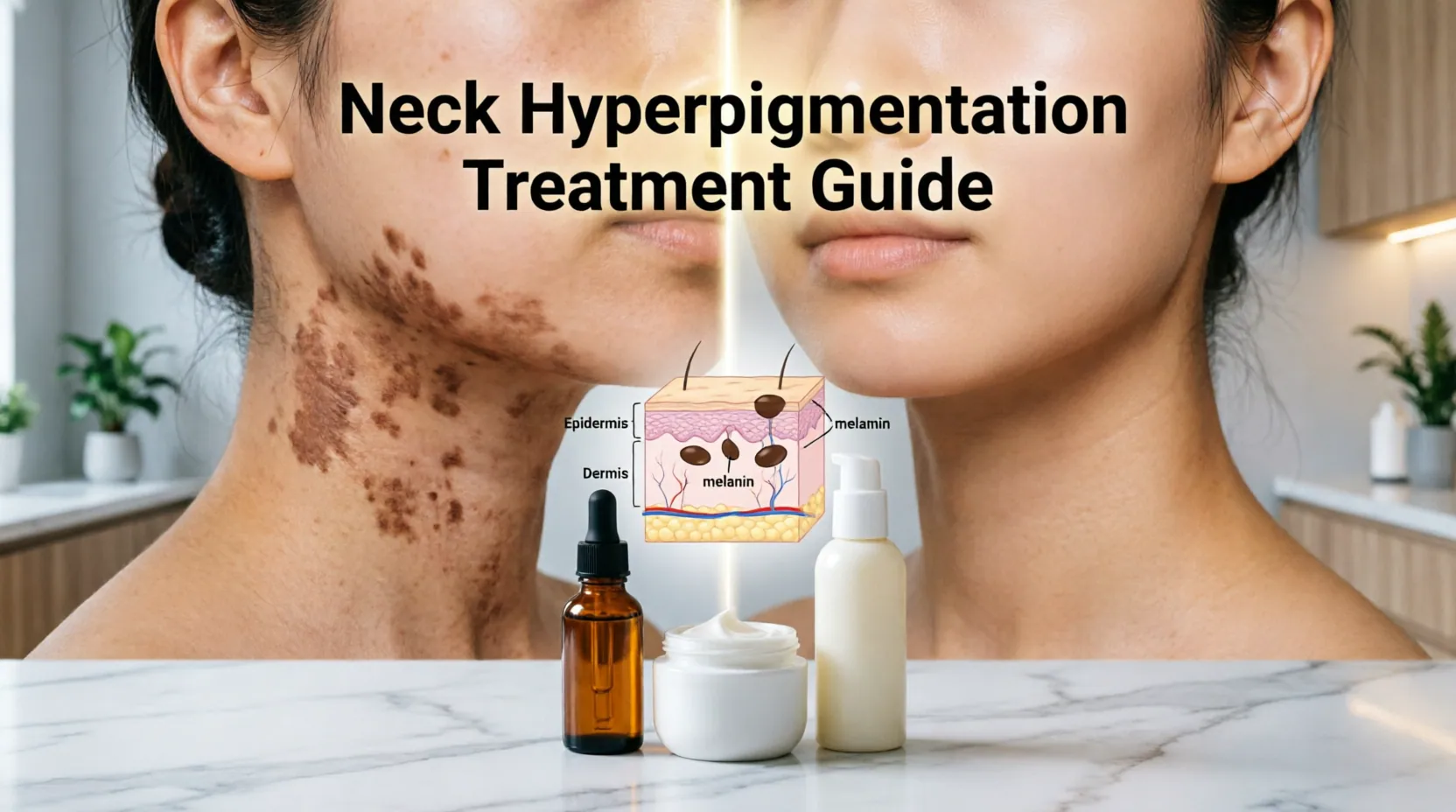
That subtle shadow along your neckline—the area that appears slightly darker than your face despite identical skincare—can be a source of quiet frustration. Known clinically as neck hyperpigmentation or colloquially as the "shadow effect," this common concern affects people of all skin tones, ages, and backgrounds. While often dismissed as "just how my neck is," neck discoloration can signal underlying health factors, respond to targeted treatments, and significantly impact confidence when wearing open-neck clothing or styling hair up.
The neck is uniquely vulnerable to hyperpigmentation for several biological reasons: thinner skin with fewer oil glands, frequent friction from clothing and jewelry, cumulative sun exposure often neglected in sun protection routines, and hormonal or metabolic factors that manifest visibly in this area. Unlike facial hyperpigmentation—which has been extensively studied and treated—neck discoloration remains under-addressed in both dermatology literature and consumer skincare guidance.
This comprehensive guide delivers a dermatologist-backed framework for understanding and treating neck hyperpigmentation. You'll learn the distinct causes of neck discoloration (from benign sun damage to metabolic indicators), discover which topical ingredients and professional procedures actually work for this delicate area, build a personalized treatment protocol that addresses your specific cause, and understand when medical evaluation is warranted. Whether your neck shadow stems from sun exposure, friction, insulin resistance, or post-inflammatory changes, you'll find evidence-based, practical strategies to restore even tone and confidence.
Understanding Neck Hyperpigmentation: Beyond Surface Discoloration
Before exploring treatments, it's essential to understand what neck hyperpigmentation actually is—and what it isn't. Not all darkening is created equal, and effective treatment depends on accurate identification of the underlying cause.
Clinical Definition vs. Common Perception
What Neck Hyperpigmentation Actually Is:
- Increased melanin production or deposition in the neck's epidermis or dermis
- Can appear as diffuse shadowing, patchy discoloration, or velvety thickening
- May be isolated to the neck or part of broader skin changes
- Often more noticeable in certain lighting or when skin is stretched
What Neck Hyperpigmentation Is NOT:
- Simply "dirt": Despite common misconception, persistent neck discoloration isn't due to inadequate cleansing
- Always cosmetic: Some forms signal underlying metabolic or endocrine conditions requiring medical attention
- Permanent: Most causes respond to targeted treatment, though timeline varies by cause and skin type
Key Distinction: The appearance of neck hyperpigmentation offers important clues about its cause. Diffuse, velvety darkening suggests different mechanisms than patchy, post-inflammatory discoloration—and requires different management.
The Neck's Unique Vulnerability to Discoloration
| Anatomical Factor | Impact on Hyperpigmentation Risk | Clinical Implication |
|---|---|---|
| Thinner epidermis | Less melanin buffer; UV damage penetrates more deeply | Requires gentler actives; higher sun protection priority |
| Fewer sebaceous glands | Reduced natural protection; increased friction sensitivity | Needs enhanced barrier support; avoid harsh physical exfoliants |
| Frequent movement/flexion | Repetitive skin folding creates friction-induced pigmentation | Address mechanical triggers; use anti-friction strategies |
| Often neglected in sun care | Cumulative UV exposure without adequate protection | Must extend facial sunscreen routine to neck and décolletage |
| Hormone-sensitive skin | Estrogen/progesterone receptors influence melanocyte activity | Hormonal fluctuations may trigger or worsen discoloration |
Phase 1: Identifying the Cause—Diagnostic Framework for Neck Shadow
Effective treatment begins with accurate diagnosis. Neck hyperpigmentation has multiple potential causes, each requiring distinct management strategies.
Common Causes of Neck Hyperpigmentation
Acanthosis Nigricans (AN): The Metabolic Indicator
- Appearance: Velvety, thickened, darkened skin in body folds (neck, armpits, groin); often symmetrical
- Primary driver: Insulin resistance—elevated insulin stimulates keratinocyte and melanocyte proliferation
- Associated factors: PCOS, prediabetes, type 2 diabetes, obesity, certain medications (niacin, oral contraceptives, corticosteroids)
- Key clue: Discoloration doesn't improve with typical brightening topicals; may feel slightly raised or textured
- Prevalence: Affects up to 74% of people with obesity; more common in darker skin tones
Post-Inflammatory Hyperpigmentation (PIH): The After-Effect
- Appearance: Flat, brown-to-gray patches following skin injury or inflammation
- Primary driver: Inflammatory response triggers excess melanin production during healing
- Common triggers on neck: Eczema, contact dermatitis (from fragrances, metals, fabrics), acne, friction from collars/jewelry, aggressive exfoliation
- Key clue: History of rash, irritation, or injury in the area; discoloration follows the pattern of prior inflammation
- Skin tone consideration: More common and persistent in Fitzpatrick skin types IV-VI
Solar Lentigines & Photoaging: The Cumulative Sun Damage
- Appearance: Discrete brown spots or diffuse mottled discoloration; may have slightly rough texture
- Primary driver: Chronic UV exposure stimulates melanocytes; cumulative damage alters skin structure
- Why neck is vulnerable: Often missed during facial sunscreen application; clothing provides inconsistent protection
- Key clue: Discoloration correlates with sun-exposed areas; may have similar changes on face, hands, or décolletage
- Prevention focus: Sun protection is both treatment and prevention for this cause
Terra Firma-Forme Dermatosis: The "Unwashable" Shadow
- Appearance: Brownish, "dirty-appearing" patches that don't wash off with soap/water
- Primary driver: Retention of keratin and melanin in stratum corneum; exact mechanism unclear
- Diagnostic test: Rubbing with 70% isopropyl alcohol removes the discoloration (unlike true hyperpigmentation)
- Key clue: Discoloration wipes away with alcohol but returns; no underlying inflammation or thickening
- Management: Gentle exfoliation; not a true pigment disorder requiring aggressive treatment
Hormonal & Medication-Induced: The Systemic Trigger
- Appearance: Diffuse or patchy darkening; may coincide with other skin changes
- Primary drivers: Pregnancy (melasma extension), oral contraceptives, hormone therapy, certain medications (chemotherapy, antimalarials, psychotropics)
- Key clue: Timing correlates with hormonal shifts or medication initiation; may improve when trigger is removed
- Management: Address underlying trigger when possible; use gentle brightening agents
Self-Assessment: Clues to Your Specific Cause
Ask these questions to narrow potential causes:
- Texture check: Does the area feel velvety/thickened (suggests AN) or smooth (suggests PIH/sun damage)?
- Pattern recognition: Is discoloration symmetrical (AN/hormonal) or patchy (PIH/sun damage)?
- History review: Any recent rashes, new products, medications, or health changes preceding discoloration?
- Response to care: Has standard brightening skincare helped, worsened, or had no effect?
- Systemic symptoms: Any unexplained weight changes, fatigue, irregular periods, or increased thirst/urination?
When to Seek Professional Diagnosis:
- Discoloration is velvety, thickened, or rapidly progressive
- No improvement after 8-12 weeks of consistent topical care
- Accompanied by systemic symptoms (fatigue, weight changes, irregular periods)
- Personal or family history of diabetes, PCOS, or thyroid disorders
- Uncertainty about cause or appropriate treatment approach
Phase 2: Dermatologist-Backed Treatments—Evidence-Based Solutions by Cause
Treatment must match the underlying cause. These protocols are organized by diagnosis for targeted effectiveness.
Treating Acanthosis Nigricans: Addressing the Root Cause
Medical Management (Essential):
- Insulin sensitivity optimization: Weight management, low-glycemic nutrition, regular exercise; may require metformin or other insulin-sensitizing medications under medical supervision
- Hormonal evaluation: Screen for PCOS, thyroid disorders, or other endocrine contributors
- Medication review: Discuss alternatives if current medications may contribute to AN
Topical Adjuncts (Supportive):
| Ingredient | Mechanism | Protocol | Evidence Level |
|---|---|---|---|
| Retinoids (tretinoin 0.025-0.05%, adapalene) | Normalizes keratinocyte differentiation; reduces epidermal thickening | Apply 2-3x weekly at night; buffer with moisturizer if sensitive; always use SPF |
(glycolic/lactic acid 5-10%)Gentle exfoliation; enhances penetration of other activesStart 1-2x weekly; avoid if skin is irritated or thickenedModerate (effective for texture; use cautiously on neck)
Professional Procedures (For Resistant Cases):
- Chemical peels: Superficial glycolic or salicylic acid peels performed by dermatologist; improve texture and tone
- Laser therapy: Q-switched Nd:YAG or fractional lasers may improve appearance; requires experienced provider for neck skin
- Important: Procedures address appearance but not underlying cause; medical management remains essential
Treating Post-Inflammatory Hyperpigmentation: Calming and Correcting
Phase 1: Resolve Active Inflammation (If Present)
- Identify and eliminate triggers: Fragrances, nickel jewelry, harsh fabrics, aggressive skincare
- Barrier repair: Ceramide-rich moisturizers to restore skin integrity
- Anti-inflammatory topicals: Low-potency hydrocortisone (short-term, under guidance) or non-steroidal options (pimecrolimus)
Phase 2: Target Pigment Production
- First-line topicals:
- Niacinamide 4-5%: Reduces melanin transfer; anti-inflammatory; well-tolerated
- Azelaic acid 10-15%: Tyrosinase inhibition; anti-inflammatory; safe for sensitive skin
- Kojic acid or arbutin: Gentle tyrosinase inhibitors; patch test first
- Second-line (if tolerated):
- Retinoids: Start low (0.1% retinol or adapalene); buffer with moisturizer; use 2-3x weekly initially
- Vitamin C (L-ascorbic acid 10-15%): Antioxidant protection; supports brightening; use in AM with SPF
Application Protocol for Neck PIH:
- AM: Gentle cleanse → Vitamin C serum (optional) → Niacinamide or azelaic acid → Moisturizer → Mineral SPF 30+ (zinc oxide preferred for sensitive neck skin)
- PM: Gentle cleanse → Azelaic acid or retinoid (alternate nights initially) → Barrier moisturizer
- Consistency: Allow 8-12 weeks to assess improvement; PIH fades gradually as skin renews
Treating Sun-Induced Hyperpigmentation: Protection and Correction
Non-Negotiable: Daily Sun Protection
- Extend facial routine: Apply sunscreen to neck and décolletage every morning—no exceptions
- Mineral preferred: Zinc oxide/titanium dioxide less likely to irritate neck skin; tinted formulas with iron oxides protect against visible light
- Reapplication: Reapply every 2 hours with direct sun exposure; use powder SPF for touch-ups over makeup
- Physical protection: Wide-brimmed hats, UPF clothing for extended outdoor time
Brightening Topicals for Photoaging:
| Ingredient | Best For | Neck-Specific Tips |
|---|---|---|
| Vitamin C (L-ascorbic acid) | Preventing new damage; brightening existing spots | Use 10-15% concentration; apply to damp skin for better tolerance; always follow with SPF |
| Retinoids | Improving texture; enhancing cell turnover | Start with low concentration; buffer with moisturizer; neck skin is thinner than face—go slower |
| Niacinamide | Overall tone evening; barrier support | Well-tolerated on neck; can be used AM and PM; pairs well with other actives |
| Tranexamic acid | Stubborn melasma-like discoloration | Emerging evidence for neck application; use 2-5% formulations; patch test first |
Professional Options for Resistant Sun Damage:
- Chemical peels: Superficial peels (glycolic, lactic) performed by dermatologist; improve tone and texture
- Laser treatments: Pico lasers or IPL (for lighter skin tones) can target discrete sun spots; requires experienced provider for neck
- Important: Pre- and post-procedure sun protection is critical to prevent rebound pigmentation
Phase 3: Building Your Personalized Neck Care Routine
With cause identified, implement a targeted routine. This framework adapts to your specific needs while prioritizing neck skin's unique sensitivity.
Core Principles for Neck Hyperpigmentation Care
Principle #1: Gentleness Is Non-Negotiable
- Neck skin is thinner and more sensitive than facial skin; aggressive actives can worsen discoloration via irritation
- Start with lower concentrations of actives; increase frequency only if well-tolerated
- Always patch test new products on jawline for 3 days before full neck application
Principle #2: Sun Protection Is Treatment
- UV exposure worsens all forms of hyperpigmentation; SPF isn't optional—it's foundational
- Apply sunscreen to neck as part of your morning facial routine; don't stop at the jawline
- Reapply when outdoors; neck is frequently exposed during daily activities
Principle #3: Consistency Over Intensity
- Hyperpigmentation fades gradually as skin renews; allow 8-12 weeks to assess topical efficacy
- Daily gentle care yields better long-term results than occasional aggressive treatments
- Track progress with monthly photos in consistent lighting—not daily mirror checks
Sample Routines by Cause
For Acanthosis Nigricans (Metabolic Focus):
AM:
- Gentle, pH-balanced cleanser
- Niacinamide 4% serum (anti-inflammatory, barrier support)
- Lightweight, non-comedogenic moisturizer
- Mineral SPF 30+ (zinc oxide; tinted if desired)

PM:
- Gentle cleanser
- Adapalene 0.1% or tretinoin 0.025% (2-3x weekly initially; buffer with moisturizer)
- Barrier-repair moisturizer with ceramides

Weekly:
- Gentle chemical exfoliation (lactic acid 5%) 1x weekly if tolerated
- Focus on medical management: nutrition, exercise, medical follow-up

Key: Topicals support but don't replace metabolic management
For Post-Inflammatory Hyperpigmentation:
AM:
- Gentle cleanser or water rinse
- Azelaic acid 10% or niacinamide 4% (calming + brightening)
- Moisturizer with barrier-supporting ingredients
- Mineral SPF 30+ (reapply if outdoors)

PM:
- Gentle cleanser
- Azelaic acid 15% or low-dose retinol (alternate nights initially)
- Rich barrier moisturizer; consider adding squalane if very dry

Weekly:
- Hydrating mask with colloidal oatmeal or centella if skin feels sensitive
- Avoid physical exfoliants until inflammation fully resolved

Key: Prioritize calming before brightening; don't rush the process
For Sun-Induced Hyperpigmentation:
AM:
- Gentle cleanser
- Vitamin C serum 10-15% (antioxidant protection + brightening)
- Moisturizer
- Mineral SPF 30+ (tinted with iron oxides for visible light protection)

PM:
- Gentle cleanser
- Retinol 0.1-0.3% (start 2x weekly; increase as tolerated) OR niacinamide
- Moisturizer; add light occlusive if neck feels dry

Weekly:
- Gentle AHA exfoliation (glycolic or lactic acid 5-10%) 1x weekly
- Hydrating mask if skin feels tight after exfoliation

Key: Sun protection is non-negotiable; brightening requires patience
Ingredient Layering Guide for Neck Skin
| Ingredient Combination | Compatibility | Application Order | Neck-Specific Caution |
|---|---|---|---|
| Vitamin C + Niacinamide | Compatible (modern formulations) | Vitamin C first (AM), niacinamide can follow or be used PM | Start with lower concentrations; neck skin may be more sensitive to pH shifts |
| Retinoid + Niacinamide | Highly compatible; niacinamide may reduce retinoid irritation | Niacinamide first, wait 5 min, then retinoid; or use niacinamide AM, retinoid PM | Buffer retinoid with moisturizer on neck; start with lowest frequency |
| AHA + Retinoid | Use on alternate nights initially | Never apply simultaneously; allow skin to adapt to one active before adding another | Neck tolerates exfoliation less than face; start with once weekly AHA |
| Azelaic acid + Most actives | Generally compatible; well-tolerated | Can be used AM or PM; apply after cleansing, before moisturizer | Excellent first-choice active for sensitive neck skin |
Phase 4: Lifestyle and Medical Integration—Supporting Topical Care
Topical treatments work best when supported by holistic strategies that address underlying contributors.
Nutrition and Metabolic Support
For Insulin Resistance-Related Discoloration:
- Low-glycemic nutrition: Prioritize fiber-rich vegetables, lean proteins, healthy fats; limit refined carbohydrates and added sugars
- Strategic timing: Pair carbohydrates with protein/fat to blunt glucose spikes
- Key nutrients: Chromium, magnesium, and omega-3s support insulin sensitivity; discuss supplementation with provider
- Hydration: Adequate water intake supports skin barrier function and metabolic health
Anti-Inflammatory Nutrition for PIH:
- Antioxidant-rich foods: Berries, leafy greens, colorful vegetables combat oxidative stress that can worsen pigmentation
- Omega-3 fatty acids: Fatty fish, flaxseeds, walnuts reduce inflammation that may trigger or prolong PIH
- Vitamin C sources: Citrus, bell peppers, broccoli support collagen and may aid pigment regulation
Friction and Mechanical Stress Reduction
Clothing and Accessory Strategies:
- Fabric choice: Soft, breathable fabrics (cotton, bamboo, silk) reduce friction vs. rough synthetics or wool
- Neckline awareness: Avoid tight collars, chokers, or heavy necklaces that create constant friction
- Jewelry considerations: Nickel-containing jewelry can trigger contact dermatitis; opt for hypoallergenic metals
- Laundry care: Use fragrance-free, dye-free detergents; avoid fabric softeners that may irritate sensitive neck skin
Skincare Technique Adjustments:
- Gentle application: Pat products onto neck; avoid rubbing or tugging delicate skin
- Tool caution: Avoid physical exfoliants (scrubs, brushes) on neck; prefer gentle chemical exfoliants if needed
- Haircare awareness: Rinse haircare products thoroughly from neck area; residue can cause irritation
Stress and Sleep: The Overlooked Pigmentation Factors
Stress Management:
- Chronic stress elevates cortisol, which can worsen insulin resistance and inflammation—both contributors to hyperpigmentation
- Practices: 10 minutes daily mindfulness, deep breathing, or gentle movement
- Even brief stress-reduction practices can support skin health over time
Sleep Optimization:
- Skin repair and renewal peak during deep sleep; poor sleep can impair pigment regulation
- Aim for 7-9 hours nightly; maintain consistent sleep schedule
- Use silk or satin pillowcases to reduce friction on neck skin during sleep
When to Seek Professional Care: Red Flags and Advanced Options
While many cases of neck hyperpigmentation respond to at-home care, certain situations warrant dermatologist evaluation.
Red Flags Requiring Medical Evaluation
- Rapid progression: Discoloration that spreads or darkens significantly over weeks
- Texture changes: Velvety thickening, raised areas, or unusual texture accompanying discoloration
- Systemic symptoms: Unexplained weight changes, fatigue, irregular periods, increased thirst/urination
- No improvement: After 12 weeks of consistent, appropriate topical care
- Uncertain diagnosis: When cause isn't clear from self-assessment
Professional Treatments That Complement Home Care
Prescription Topicals:
- Higher-strength retinoids: Tretinoin 0.05-0.1% for resistant cases; requires medical supervision
- Combination creams: Hydroquinone 4% + tretinoin + corticosteroid (Kligman's formula) for stubborn PIH; short-term use only
- Tranexamic acid topical: Emerging option for melasma-like discoloration; prescription required in many regions
In-Office Procedures:
| Procedure | Best For | Neck-Specific Considerations | Typical Protocol |
|---|---|---|---|
| Superficial chemical peels | Mild-moderate PIH, sun damage | Use lower concentrations than facial peels; neck skin is thinner | 3-6 sessions spaced 4-6 weeks apart |
| Laser therapy (Q-switched Nd:YAG, Pico) | Discrete sun spots; resistant PIH | Requires experienced provider; test spot essential; higher PIH risk in darker skin | 1-3 sessions; strict sun protection pre/post |
| Microneedling + topical | Texture + tone concerns | Use shorter needle depth on neck; combine with brightening serums | 3 sessions spaced 4-6 weeks apart |
| Intense Pulsed Light (IPL) | Sun-induced discoloration in lighter skin tones | Not recommended for Fitzpatrick IV-VI due to PIH risk | 3-5 sessions spaced 4 weeks apart |
Medical Workup for Suspected Metabolic Causes:
- Blood testing: Fasting glucose, HbA1c, fasting insulin, lipid panel, thyroid function
- Hormonal evaluation: If PCOS suspected: testosterone, DHEA-S, SHBG, pelvic ultrasound
- Collaborative care: Dermatologist may coordinate with endocrinologist or primary care for comprehensive management
Prevention Strategies: Maintaining Even Neck Tone Long-Term
Once discoloration improves, these strategies help maintain results and prevent recurrence.
Daily Maintenance Protocol
AM:
- Gentle cleanse or water rinse
- Antioxidant serum (vitamin C or niacinamide)
- Moisturizer with barrier-supporting ingredients
- Mineral SPF 30+ applied to face, neck, and décolletage

PM:
- Gentle cleanse to remove sunscreen and daily impurities
- Maintenance active: niacinamide, azelaic acid, or low-dose retinoid (2-3x weekly)
- Barrier-repair moisturizer

Weekly:
- Gentle exfoliation (AHA 5%) 1x weekly if tolerated
- Hydrating mask if skin feels dry or tight
Sun Protection: The Non-Negotiable Foundation
- Extend your facial routine: Apply the same amount of sunscreen to neck as face (approximately 1/4 teaspoon)
- Reapply strategically: Use powder SPF or SPF mist for touch-ups over makeup during the day
- Physical protection: Wide-brimmed hats, UPF clothing for extended outdoor exposure
- Year-round commitment: UV exposure occurs even on cloudy days and through windows
Long-Term Monitoring
- Monthly self-checks: Note any changes in color, texture, or spread of discoloration
- Annual skin exams: Include neck in full-body skin checks with dermatologist
- Metabolic health: If AN was the cause, continue monitoring glucose/insulin markers as recommended
- Adjust proactively: Modify routine with seasonal changes, hormonal shifts, or new medications
Frequently Asked Questions
How long does it take to see improvement in neck hyperpigmentation?
Timeline varies by cause and treatment: - Post-inflammatory hyperpigmentation: 8-12 weeks with consistent topical care; may take 3-6 months for significant fading - Sun-induced discoloration: 3-4 months for visible improvement; ongoing sun protection prevents recurrence - Acanthosis nigricans: Topicals may show subtle improvement in 8-12 weeks; significant change requires addressing underlying insulin resistance (months to years) - Terra firma-forme dermatosis: May improve within days to weeks with gentle exfoliation Key: Consistency matters more than speed. Track progress with monthly photos in consistent lighting.
Can I use the same brightening products on my neck as my face?
Often, but with important modifications: - Start lower: Use lower concentrations of actives on neck (e.g., 0.1% retinol vs. 0.3% on face) - Buffer application: Apply moisturizer before and after actives to reduce irritation risk - Reduce frequency: Use actives 2-3x weekly on neck vs. nightly on face initially - Patch test: Always test new products on jawline for 3 days before full neck application - Listen to your skin: If stinging, redness, or dryness occurs, scale back immediately When in doubt, consult a dermatologist for personalized guidance on adapting your facial routine to neck skin.
Is neck hyperpigmentation a sign of diabetes?
It can be—but isn't always: - Acanthosis nigricans: Velvety, thickened darkening in body folds is strongly associated with insulin resistance, prediabetes, or type 2 diabetes - Other causes: Sun damage, PIH, or terra firma-forme dermatosis aren't directly linked to diabetes - When to screen: If neck discoloration is velvety/thickened, symmetrical, or accompanied by other AN sites (armpits, groin), discuss metabolic screening with your provider - Don't panic: Many cases of neck darkening have benign causes; professional evaluation provides clarity Early detection of insulin resistance allows for proactive management that benefits overall health—not just skin appearance.
Are natural remedies effective for neck hyperpigmentation?
Evidence varies by remedy: - Supported: Niacinamide (vitamin B3), azelaic acid (derived from grains), licorice root extract (glabridin) have clinical data supporting efficacy - Limited evidence: Lemon juice, apple cider vinegar, or undiluted essential oils can irritate neck skin and worsen discoloration - Key principle: "Natural" doesn't equal "safe" or "effective"; focus on ingredients with clinical backing - Safety first: Patch test any new product; discontinue if irritation occurs For best results, combine evidence-based topicals with sun protection and lifestyle support.
Can neck hyperpigmentation be completely reversed?
Realistic expectations depend on cause: - PIH and sun damage: Often significantly improved or resolved with consistent treatment and sun protection - Acanthosis nigricans: Topicals can improve appearance; addressing insulin resistance may lead to substantial fading, but some discoloration may persist - Terra firma-forme dermatosis: Typically resolves with gentle exfoliation; may recur if exfoliation stops - Hormonal causes: May improve when trigger is addressed; maintenance care often needed Focus on meaningful improvement rather than perfection. Even modest fading can significantly impact confidence and appearance.
Conclusion: Clarity, Confidence, and Compassionate Care
Neck hyperpigmentation—the "shadow effect"—is more than a cosmetic concern. It can reflect underlying health factors, respond to targeted care, and significantly impact how you feel in your skin. Understanding the cause is the critical first step toward effective management.
Whether your neck discoloration stems from sun exposure, friction, metabolic factors, or post-inflammatory changes, evidence-based strategies exist to improve appearance and support skin health. By combining dermatologist-backed topicals, consistent sun protection, lifestyle modifications, and professional guidance when needed, you can restore even tone and confidence.
Key takeaways for managing neck hyperpigmentation:
- Diagnose before treating: Identify the specific cause to select targeted, effective interventions
- Gentleness is essential: Neck skin is thinner and more sensitive than facial skin; start low, go slow with actives
- Sun protection is non-negotiable: UV exposure worsens all forms of hyperpigmentation; extend facial SPF routine to neck daily
- Address root causes: For metabolic-related discoloration, topical care supports but doesn't replace medical management
- Consistency compounds: Allow 8-12 weeks to assess topical efficacy; track progress objectively
- Seek help when needed: Dermatologist evaluation ensures accurate diagnosis and access to advanced treatments
- Practice self-compassion: Skin changes are common; your worth isn't defined by even tone
Your neck tells a story of your life, your health, and your care. By approaching hyperpigmentation with knowledge, patience, and evidence-based strategies, you honor your skin's journey while working toward the even tone and confidence you deserve.
Start today. Choose one action from this guide to implement this week: perhaps extending your sunscreen routine to your neck, patch-testing a gentle brightening serum, or scheduling a dermatology consultation for evaluation. Small, intentional steps create meaningful progress over time.
Your clearest, most confident skin is within reach. Trust the process, support your skin's biology, and embrace the journey toward even tone—from jawline to décolletage.
Here's to your healthiest, most radiant skin yet.