

Oily Skin Control: Dermatologist Routine to Stop Shine
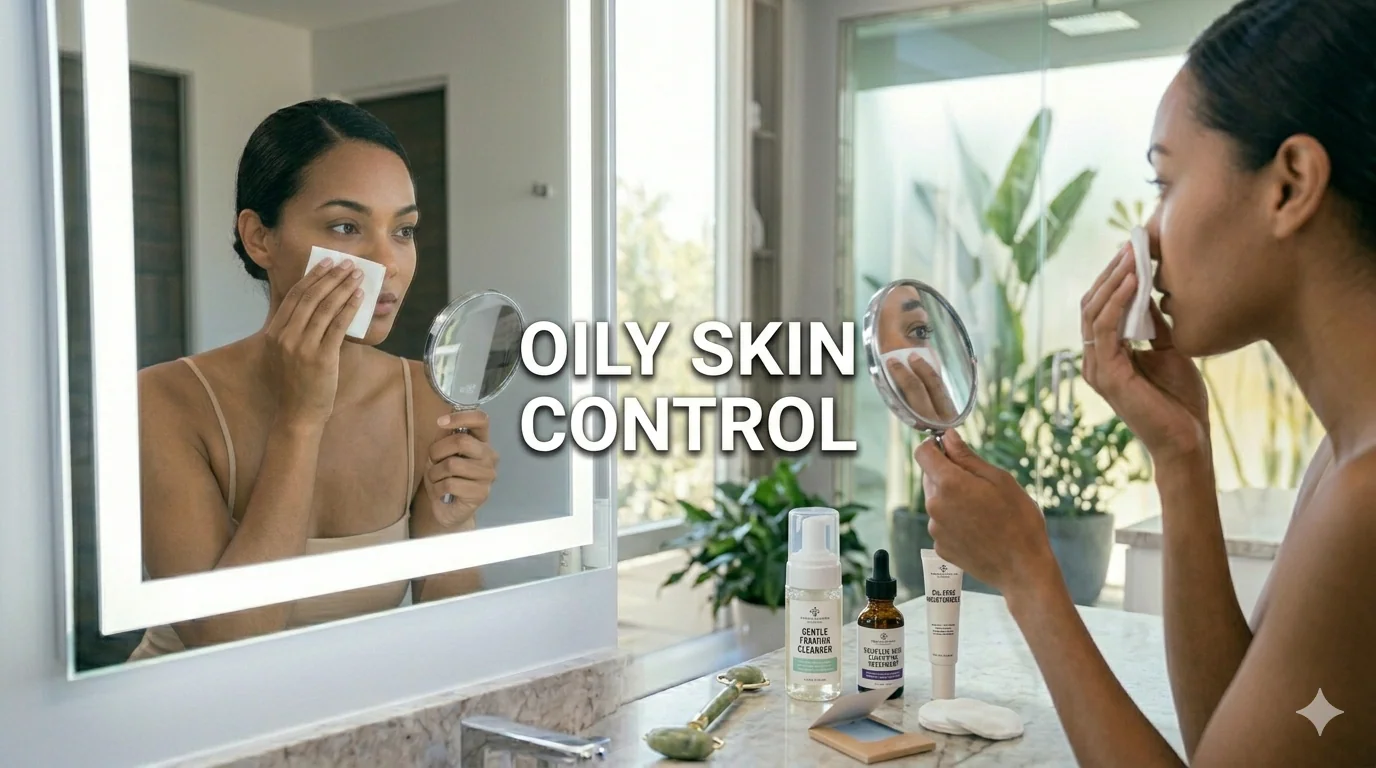
Dealing with constant shine, midday blotting, and makeup that slides off by noon? You're not alone. Oily skin control isn't about stripping your skin dry—it's about working with your skin's biology to regulate sebum production, maintain a healthy barrier, and achieve a balanced, matte finish that lasts.
Oily skin is often misunderstood. While excess shine can be frustrating, sebum (your skin's natural oil) plays a vital role: it protects against moisture loss, shields from environmental stressors, and keeps skin supple. The goal isn't to eliminate oil—it's to manage it intelligently. Dermatologist-backed strategies focus on gentle cleansing, targeted actives, lightweight hydration, and consistent sun protection to reduce shine without triggering rebound oiliness.
In this comprehensive, evidence-based guide, we'll decode the science behind oily skin, reveal the exact routine dermatologists recommend for controlling shine, share the most effective ingredients for sebum regulation, and debunk common myths that worsen oiliness. Whether you're battling hormonal breakouts, midday gloss, or simply want a smoother canvas for makeup, you'll learn how to build a personalized, sustainable routine that delivers real results—without harsh stripping or endless product hopping.
Understanding Oily Skin: Causes, Myths, and Biology
Short answer: Oily skin results from overactive sebaceous glands producing excess sebum due to genetics, hormones, environment, or skincare habits—not poor hygiene—and requires balanced care, not aggressive stripping.
Before building a routine, it's essential to understand what drives oiliness:
What Causes Excess Sebum Production?
- Genetics: Sebaceous gland size and activity are largely inherited. If your parents had oily skin, you likely will too.
- Hormones: Androgens (like testosterone) stimulate sebum production. Fluctuations during puberty, menstrual cycles, pregnancy, or conditions like PCOS can increase oiliness.
- Climate and humidity: Hot, humid environments trigger more sebum output as skin attempts to regulate temperature and hydration.
- Skincare mistakes: Over-cleansing, harsh alcohols, or skipping moisturizer can strip skin, triggering rebound oil production.
- Stress and diet: Elevated cortisol and high-glycemic foods may increase inflammation and sebum in sensitive individuals.
Common Myths About Oily Skin
Myth: "Oily skin doesn't need moisturizer."
Truth: Dehydrated oily skin overproduces oil to compensate. Lightweight, oil-free hydration is essential for balance.
Myth: "Washing more reduces oil."
Truth: Over-cleansing strips protective lipids, signaling glands to produce even more sebum. Twice-daily gentle cleansing is optimal.
Myth: "Alcohol-based toners control shine."
Truth: Denatured alcohol temporarily degreases skin but damages the barrier, worsening oiliness and sensitivity long-term.
Myth: "Oily skin doesn't age."
Truth: While oil provides some protection against fine lines, oily skin is still vulnerable to sun damage, pigmentation, and loss of elasticity.
The Benefits of Oily Skin
Before focusing on control, acknowledge the advantages:
- Natural hydration and barrier protection
- Slower appearance of fine lines and wrinkles
- Better tolerance for active ingredients like retinoids
- Enhanced glow when balanced (not greasy)
The goal isn't to fight your skin type—but to optimize it.
The Dermatologist-Approved Oily Skin Routine: Step-by-Step
Short answer: A balanced oily skin routine includes gentle cleansing, targeted actives (niacinamide, salicylic acid), lightweight hydration, and daily SPF—applied consistently morning and night without over-stripping.
Morning Routine: Control Shine All Day
- Gentle Foaming Cleanser: Use a pH-balanced, sulfate-free cleanser with salicylic acid or zinc to remove overnight oil without disrupting the barrier. Avoid hot water—lukewarm is ideal.
- Toner (Optional but Strategic): Choose an alcohol-free formula with niacinamide, witch hazel, or green tea to refine pores and regulate sebum. Apply with hands or cotton pad.
- Serum for Oil Control: Layer a lightweight serum containing:
- Niacinamide (2-5%): Regulates sebum, minimizes pores, reduces inflammation
- Zinc PCA: Controls oil production and has antimicrobial benefits
- Hyaluronic acid: Provides hydration without heaviness
- Oil-Free Moisturizer: Hydrate with a gel or fluid formula labeled "non-comedogenic." Look for ingredients like glycerin, squalane, or dimethicone for lightweight moisture.
- Broad-Spectrum SPF 30+ (Matte Finish): Sunscreen is non-negotiable. Choose oil-free, non-comedogenic formulas with a matte or dry-touch finish. Mineral options with zinc oxide can also help absorb oil.
- Optional: Mattifying Primer: If wearing makeup, apply a silica-based primer to blur pores and extend shine-free wear.
Evening Routine: Reset and Repair
- Double Cleanse (if wearing makeup/SPF):
- First: Oil-based or micellar cleanser to dissolve sunscreen and impurities
- Second: Gentle foaming cleanser to remove residue and prep skin
- Active Treatment (Choose 1-2, rotate nights):
- Salicylic Acid (BHA, 0.5-2%): Oil-soluble exfoliant that penetrates pores to clear debris and reduce clogging. Use 3-4x/week.
- Retinoid (Retinol or Adapalene): Normalizes cell turnover, prevents clogged pores, and regulates oil long-term. Start 2x/week, build tolerance.
- Azelaic Acid (10%): Reduces oil, inflammation, and post-acne marks. Gentle enough for nightly use.
- Wait 15-20 Minutes: Allow actives to absorb before next step to prevent pilling or irritation.
- Lightweight Night Moisturizer: Even oily skin needs hydration at night. Choose a gel-cream with ceramides or peptides to support barrier repair without heaviness.
- Optional: Weekly Clay Mask: Use kaolin or bentonite clay 1x/week for deep oil absorption. Don't let dry completely—rinse while slightly damp to avoid over-stripping.
Key Principles for Success
- Consistency over intensity: Gentle daily care outperforms aggressive weekly treatments
- Introduce one active at a time: Wait 2 weeks before adding another to monitor tolerance
- Don't skip moisturizer: Hydration prevents rebound oiliness
- SPF every morning: Sun damage worsens oiliness and texture long-term
Top Ingredients for Oily Skin: What Actually Works
Short answer: The most effective ingredients for oily skin include niacinamide, salicylic acid, retinoids, zinc PCA, clay, and lightweight hydrators—each targeting oil regulation, pore clarity, or barrier support without stripping.
Niacinamide (Vitamin B3, 2-10%)
- How it works: Regulates sebum production by inhibiting lipid synthesis in sebaceous glands; strengthens barrier; reduces inflammation and pore appearance
- Evidence: Studies show 2-5% niacinamide significantly reduces oiliness and improves skin texture within 4-8 weeks
- How to use: Morning and/or night in serum or moisturizer; pairs well with most actives
- Best for: All oily skin types, especially with enlarged pores or redness
Salicylic Acid (BHA, 0.5-2%)
- How it works: Oil-soluble beta hydroxy acid penetrates pores to dissolve sebum, dead skin, and debris; exfoliates inside the follicle to prevent clogs
- Evidence: Clinically proven to reduce blackheads, whiteheads, and surface oil with regular use
- How to use: 3-4x/week in cleanser, toner, or leave-on treatment; avoid combining with retinoids same night initially
- Best for: Oily, acne-prone skin with congestion or blackheads
Retinoids (Retinol, Adapalene, Tretinoin)
- How it works: Increases cell turnover, normalizes follicular keratinization (prevents clogs), and modulates sebaceous gland activity over time
- Evidence: Long-term use reduces oil production, prevents acne, and improves texture; adapalene 0.1% is FDA-approved for acne
- How to use: Start 2x/week at night, apply to dry skin, follow with moisturizer; always use SPF daily
- Caution: Can cause initial dryness or purging; avoid during pregnancy
Zinc PCA
- How it works: Inhibits 5-alpha-reductase (enzyme that converts testosterone to DHT, which stimulates oil glands); has antimicrobial and anti-inflammatory properties
- Evidence: Studies show zinc reduces sebum output and acne lesions with consistent use
- How to use: Morning and/or night in serums or moisturizers; well-tolerated by sensitive skin
- Best for: Hormonal oiliness, acne-prone skin, sensitive oily types
Clay (Kaolin, Bentonite, Rhassoul)
- How it works: Absorbs excess surface oil and impurities; creates temporary mattifying effect; gentle exfoliation when rinsed
- Evidence: Immediate visual oil reduction; cumulative benefits with weekly use
- How to use: As mask 1-2x/week; mix with hydrating ingredients (aloe, glycerin) to prevent over-drying
- Best for: Midweek oil control, pre-event prep, oily T-zone focus
Lightweight Hydrators (Glycerin, Hyaluronic Acid, Squalane)
- How they work: Attract and bind water to skin without adding oil; support barrier function to prevent rebound sebum production
- Evidence: Proper hydration reduces compensatory oiliness and improves skin resilience
- How to use: Morning and night in serums or gel moisturizers; apply to damp skin for maximum absorption
- Best for: All oily skin types, especially if using drying actives
Product Selection Guide: What to Look For
Short answer: Choose products labeled "oil-free," "non-comedogenic," and "matte finish"; prioritize gentle formulas with proven actives over harsh astringents or heavy occlusives.
Cleansers
- Look for: Gel or foaming formulas with salicylic acid, zinc, or tea tree oil; pH 5.0-6.0
- Avoid: Sulfates (SLS/SLES), high alcohol content, or "deep cleansing" claims that strip skin
- Examples: CeraVe Foaming Facial Cleanser, La Roche-Posay Effaclar Purifying Foaming Gel, Paula's Choice CLEAR Pore-Reducing Cleanser
Toners and Essences
- Look for: Alcohol-free formulas with niacinamide, witch hazel (distilled), green tea, or centella
- Avoid: Denatured alcohol (ethanol, SD alcohol) high on the ingredient list
- Examples: Paula's Choice Pore-Reducing Toner, COSRX AHA/BHA Clarifying Treatment Toner, Heritage Store Rosewater & Glycerin
Serums and Treatments
- Look for: Lightweight textures with niacinamide (2-5%), zinc PCA, salicylic acid, or azelaic acid
- Avoid: Heavy oils, silicones high on the list (unless non-comedogenic), or fragrance if sensitive
- Examples: The Ordinary Niacinamide 10% + Zinc 1%, Paula's Choice 2% BHA Liquid Exfoliant, The Inkey List Azelaic Acid Serum
Moisturizers
- Look for: Gel, gel-cream, or fluid textures labeled "oil-free" and "non-comedogenic"; ingredients like glycerin, hyaluronic acid, squalane
- Avoid: Heavy creams, mineral oil, coconut oil, or cocoa butter if prone to clogging
- Examples: Neutrogena Hydro Boost Water Gel, CeraVe PM Facial Moisturizing Lotion, Versed Dew Point Moisturizing Gel-Cream
Sunscreens
- Look for: Oil-free, non-comedogenic formulas with matte or dry-touch finish; mineral (zinc oxide) or hybrid filters
- Avoid: Heavy, greasy textures or fragrances if sensitive
- Examples: EltaMD UV Clear Broad-Spectrum SPF 46, La Roche-Posay Anthelios Clear Skin Oil Free Sunscreen, Supergoop Unseen Sunscreen SPF 40
Lifestyle Factors That Impact Oiliness
Short answer: Diet, stress, sleep, and environment influence sebum production; managing these alongside skincare creates more sustainable oil control.
Diet and Hydration
- High-glycemic foods: Sugar, white bread, and processed carbs may increase insulin and IGF-1, potentially stimulating sebum. Focus on whole foods, fiber, and balanced meals.
- Dairy: Some studies link skim milk to increased acne; if you notice a correlation, try reducing intake and monitor changes.
- Hydration: Drink adequate water throughout the day. Dehydrated skin may overproduce oil to compensate.
- Omega-3s: Found in fatty fish, flaxseed, and walnuts; may help reduce inflammation and regulate oil production.
Stress Management
- Cortisol connection: Stress elevates cortisol, which can increase sebum production and inflammation
- Practical strategies: Daily mindfulness, exercise, adequate sleep, and setting boundaries help regulate stress hormones
- Skincare ritual: Turn your routine into a calming practice—gentle massage, deep breathing—to reduce stress-induced oiliness
Sleep and Environment
- Sleep quality: Poor sleep disrupts hormone balance and barrier repair, potentially worsening oiliness. Aim for 7-9 hours nightly.
- Pillowcase hygiene: Change pillowcases 2-3x/week to reduce oil, bacteria, and product buildup that can clog pores.
- Humidity control: In humid climates, use a dehumidifier or oil-absorbing sheets midday; in dry climates, ensure hydration to prevent rebound oil.
- Hands off: Avoid touching your face—transfers oil, bacteria, and dirt that worsen shine and breakouts.
Common Mistakes That Worsen Oily Skin
Even with good intentions, these errors can sabotage oil control efforts:
Mistake #1: Over-Cleansing or Using Harsh Scrubs
Why it hurts: Stripping skin triggers rebound sebum production and damages the barrier, leading to more oil, sensitivity, and breakouts.
Fix: Cleanse gently twice daily with a pH-balanced formula. Skip physical scrubs; use chemical exfoliants (BHA) 2-4x/week instead.
Mistake #2: Skipping Moisturizer
Why it hurts: Dehydrated skin signals glands to produce more oil. Skipping moisturizer often worsens shine long-term.
Fix: Always hydrate with an oil-free, non-comedogenic moisturizer—even if your skin feels oily.
Mistake #3: Using Alcohol-Based Toners
Why it hurts: Denatured alcohol temporarily degreases but damages the barrier, increases inflammation, and triggers rebound oiliness.
Fix: Choose alcohol-free toners with niacinamide, witch hazel (distilled), or green tea for gentle oil regulation.
Mistake #4: Over-Exfoliating
Why it hurts: Too much exfoliation (daily acids, multiple actives) compromises the barrier, causing irritation, sensitivity, and compensatory oil production.
Fix: Limit exfoliation to 2-4x/week. Never combine salicylic acid, retinoids, and AHAs in the same routine initially.
Mistake #5: Ignoring Sunscreen
Why it hurts: UV damage thickens the outer skin layer and weakens collagen, making pores appear larger and oil more visible.
Fix: Use oil-free, non-comedogenic SPF 30+ every morning. Reapply if outdoors or near windows.
Mistake #6: Blotting Too Aggressively
Why it hurts: Rubbing blotting papers or tissues can irritate skin and stimulate more oil production.
Fix: Gently press (don't rub) oil-absorbing sheets on shiny areas. Limit to 2-3x/day to avoid over-stimulating glands.
Expert Tips for Long-Term Oil Management
Tip #1: Layer Products Lightly
Apply serums and moisturizers in thin layers, allowing 30-60 seconds between steps. This prevents pilling and ensures absorption without heaviness.
Tip #2: Use Blotting Papers Strategically
Keep oil-absorbing sheets in your bag for midday touch-ups. Press gently on T-zone—never rub—to remove shine without disturbing makeup or irritating skin.
Tip #3: Incorporate Weekly Clay Masks
Use kaolin or bentonite clay 1x/week for deep oil absorption. Mix with aloe or glycerin to prevent over-drying, and rinse while slightly damp.
Tip #4: Consider Hormonal Support
If oiliness is cyclical (e.g., premenstrual), discuss options like spironolactone or birth control with a dermatologist. These can regulate androgen-driven sebum production.
Tip #5: Track Your Triggers
Keep a simple journal noting: products used, diet, stress levels, sleep quality, and oiliness. Patterns help you personalize your routine.
Tip #6: Be Patient with Actives
Retinoids and niacinamide take 8-12 weeks to show full oil-regulating benefits. Consistency matters more than speed.
Frequently Asked Questions About Oily Skin Control
Can oily skin become dry with the right routine?
Short answer: Oily skin can become balanced—not dry—with consistent care. The goal is regulation, not elimination. Over-stripping leads to rebound oiliness; gentle hydration supports long-term balance.
Focus on barrier-supporting ingredients (niacinamide, ceramides) and avoid harsh actives. Balanced oily skin feels comfortable, not tight or greasy.
How long does it take to see results from an oily skin routine?
Short answer: Immediate improvements in shine may appear within days (from mattifying products), but true sebum regulation takes 4-8 weeks of consistent use. Retinoids and niacinamide show full benefits at 8-12 weeks.
Track progress with weekly photos in consistent lighting. Subtle changes accumulate into visible refinement over time.
Should I use different products in summer vs. winter?
Short answer: Yes—adjust for climate. In humid summers, prioritize oil-control actives (salicylic acid, clay) and lightweight textures. In dry winters, add slightly richer hydration (squalane, glycerin) to prevent barrier compromise.
Keep your core routine consistent but tweak textures and frequency based on seasonal needs.
Can diet really affect oily skin?
Short answer: For some people, yes. High-glycemic foods and dairy may increase inflammation and sebum in sensitive individuals. However, genetics and hormones play larger roles—so focus first on topical care, then explore dietary tweaks if needed.
Try a 4-week elimination of suspected triggers while maintaining your skincare routine. Reintroduce one food at a time to assess impact.
Is it normal for oily skin to still shine by midday?
Short answer: Yes—some shine is normal and healthy. The goal isn't a completely matte face all day but reduced excess oil and longer-lasting freshness.
Use blotting papers, a mattifying powder, or a lightweight setting spray for midday touch-ups without disrupting your skincare.
When should I see a dermatologist for oily skin?
Short answer: Consult a dermatologist if: oily skin is accompanied by persistent acne, scarring, sudden changes, or if at-home care isn't improving concerns after 3 months of consistency.
A dermatologist can prescribe stronger actives (tretinoin, oral medications), perform professional extractions, or recommend procedures like chemical peels for enhanced results.
The Bottom Line: Balance Over Banishment
Oily skin isn't a flaw—it's a skin type with unique strengths and needs. The goal of oily skin control isn't to eliminate oil but to regulate it: reducing excess shine, preventing clogs, supporting barrier health, and achieving a confident, balanced complexion.
Remember:
- Genetics set the baseline: Work with your skin, not against it
- Consistency beats intensity: Gentle daily care outperforms aggressive treatments
- Hydration is essential: Even oily skin needs lightweight moisture
- SPF is non-negotiable: Sun protection prevents long-term texture and oil issues
- Patience pays off: True regulation takes 8-12 weeks of consistent routine
- Self-compassion matters: Healthy skin has natural oil. Shine isn't failure.
Start simple: gentle cleanser, niacinamide serum, oil-free moisturizer, and daily SPF. Add actives gradually. Track your progress. And trust that balance—not perfection—is the path to confident, healthy skin.
Your skin is worthy of care, exactly as it is. With knowledge and consistency, you can manage shine while honoring your skin's natural wisdom.