
The Shine Illusion: Why Your Hair Feels Rough Even When It Looks Healthy
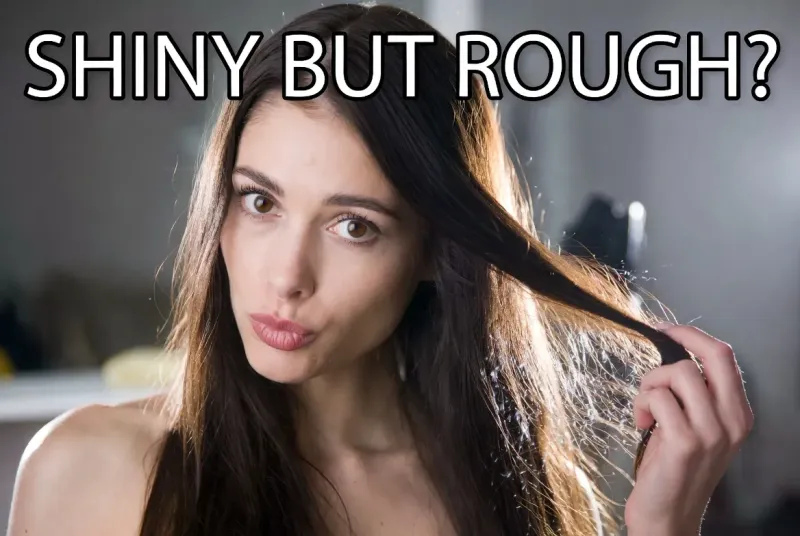
The Texture Paradox When Shine Doesn't Match Sensation
You run your fingers through your hair and pause—confused. In the mirror, your hair gleams with healthy-looking shine. Strands reflect light smoothly, colors appear vibrant, and overall, your hair looks "good." Yet when you touch it, the sensation tells a different story: roughness, slight tangling, or a coarse texture that doesn't match the visual promise.
This disconnect isn't unusual, nor is it a sign that you're imagining things. It reflects a fundamental truth about hair: appearance and texture are governed by different mechanisms. Shine depends largely on how light interacts with the hair's surface. Texture depends on the actual physical condition of that surface. When these two factors fall out of alignment, you get the "shine illusion"—hair that looks healthy but feels otherwise.
Understanding this distinction is the first step toward meaningful improvement. When you recognize that rough-feeling hair can stem from cuticle damage, product residue, or environmental factors—not just "bad hair days"—you can shift from frustration to targeted solutions.
This guide explores the science behind why hair can feel rough despite looking shiny, identifies the key contributors to textural discord, and provides evidence-based strategies to restore alignment between appearance and sensation. Whether you're managing heat styling, chemical treatments, hard water exposure, or simply seeking deeper understanding of your hair's needs, you'll find practical, globally relevant solutions grounded in trichology and hair physiology.
The Biology of Hair Texture What Determines How Hair Feels?
To understand the shine-texture disconnect, we first need to understand what creates each sensation.
The Cuticle: Hair's Protective Outer LayerEach hair strand is covered by overlapping scales called the cuticle, arranged like shingles on a roof. When cuticles lie flat and smooth:- Light reflects evenly, creating shine- Strands glide past each other easily, reducing friction- Moisture is retained within the hair shaft- Hair feels smooth to the touch
When cuticles become lifted, damaged, or uneven:- Light may still reflect if surface is coated (creating shine)- Strands catch on each other, increasing friction and tangling- Moisture escapes more easily, leading to dryness- Hair feels rough, coarse, or "grippy" to the touch
Key Insight: A coating (from silicones, oils, or minerals) can create shine by smoothing the surface optically, even if the underlying cuticle is damaged. This explains why hair can look glossy but feel rough—the shine is superficial; the texture reveals the truth.
Factors Contributing to the Shine Illusion
Factor 1 Product Buildup and Surface Coatings
How Buildup Creates False ShineMany hair products contain ingredients designed to coat the hair shaft:- Silicones (dimethicone, cyclomethicone): Create smooth, reflective surfaces- Polymers: Form flexible films that enhance shine- Heavy oils: Add gloss by filling surface irregularities
While these ingredients can temporarily improve appearance, they can also:- Mask underlying cuticle damage- Accumulate over time, creating a heavy, sticky residue- Prevent moisture and beneficial ingredients from penetrating the hair shaft- Create a "slippery but rough" sensation: smooth visually, but texturally inconsistent
Identifying Buildup-Related Roughness:- Hair feels coated or waxy despite recent washing- Shine appears "plastic-like" rather than natural- Products seem less effective over time- Hair feels rougher at the mid-lengths and ends where buildup accumulates
Factor 2 Hard Water and Mineral Deposits
How Minerals Affect TextureIn regions with hard water (high in calcium, magnesium, or iron), minerals can deposit on hair during washing. These deposits:- Create a rough, uneven surface on the cuticle- Interfere with product absorption and effectiveness- Give hair a dull or paradoxically "over-shiny" appearance due to light scattering- Make hair feel stiff, rough, or "squeaky" despite visual shine
Why Hard Water Is Often Overlooked:- Effects develop gradually and subtly- Symptoms mimic other issues (dryness, damage)- Many people aren't aware of their water's mineral content
Factor 3 Subtle Cuticle Damage
The Difference Between Visible and Tactile DamageCuticle damage isn't always visible to the naked eye. Microscopic lifting, chipping, or erosion can:- Allow light to reflect if surface remains relatively smooth optically- Create friction points that feel rough to touch- Increase porosity, leading to moisture imbalance and textural inconsistency
Common Causes of Subtle Cuticle Damage:- Heat styling at high temperatures, even with protectant- Chemical processing (coloring, perming, relaxing)- Aggressive brushing, especially when hair is wet- Environmental stressors (UV exposure, pollution, wind)
Factor 4 Porosity Mismatch and Moisture Imbalance
How Porosity Affects TextureHair porosity refers to how easily hair absorbs and retains moisture:- Low porosity: Cuticles lie tightly; hair resists moisture absorption- High porosity: Cuticles are lifted; hair absorbs moisture quickly but loses it just as fast
When porosity isn't matched with appropriate products:- Low-porosity hair may feel coated and rough if heavy products sit on the surface- High-porosity hair may feel dry and rough despite shine from surface coatings- Humectants (like glycerin) can draw moisture from hair in dry environments, worsening texture
Factor 5 Mechanical Friction and Handling Habits
How Daily Habits Shape TextureEven with healthy-looking hair, daily practices can create textural roughness:- Towel drying with rough fabrics creates friction that lifts cuticles- Brushing from roots to ends (instead of ends to roots) increases breakage- Tight hairstyles create tension that weakens hair structure- Sleeping on cotton pillowcases increases overnight friction
These habits may not immediately affect shine but gradually degrade texture, creating the disconnect between look and feel.
Diagnosing the Disconnect Is Your Hair Experiencing the Shine Illusion?
Before adjusting your routine, consider which factors may be contributing to your hair's textural discord:
The Touch Test- Run fingers gently down a single strand from root to tip- Smooth hair feels consistent throughout; rough hair may feel uneven or "grippy" in spots- Note whether roughness is concentrated at ends (common with damage) or throughout (suggests buildup or porosity issues)
The Water Test- After washing, does hair feel "squeaky" clean or slightly rough?- Squeakiness may indicate hard water minerals or over-cleansing- Roughness despite conditioning suggests cuticle damage or product incompatibility
The Product Audit- List all products used on hair in the past month- Note ingredients like dimethicone, heavy oils, or polymers that may contribute to buildup- Consider whether you've recently changed products or routines
The Environmental Review- Do you live in an area with hard water?- How often do you use heat styling tools?- Are you exposed to significant sun, wind, or pollution?
Evidence-Based Strategies to Align Shine and Texture
Strategy 1 Clarify Strategically to Remove Buildup Without Stripping
Gentle Clarifying Practices- Use a clarifying shampoo once every 2-4 weeks to remove residue- Look for formulas with chelating agents (EDTA, citric acid) to address hard water minerals- Follow with a hydrating mask to restore moisture balance
DIY Clarifying Options:- Apple cider vinegar rinse (1 part ACV to 4 parts water) helps dissolve mineral deposits- Baking soda paste (used sparingly) can lift buildup but may be drying—follow with deep conditioning
Application Guidance:- Focus clarifying treatments on mid-lengths to ends where buildup accumulates- Avoid daily clarifying, which can strip natural oils and worsen texture- Patch test new products to ensure compatibility with your hair type
Strategy 2 Address Hard Water with Targeted Solutions
If Hard Water Is a Factor:- Install a shower filter designed to reduce mineral content- Use a chelating shampoo monthly to remove mineral buildup- Finish washes with bottled or filtered water for a final rinse- Consider a leave-in treatment with mild acids (like citric acid) to help dissolve deposits
Signs Hard Water May Be Affecting Your Hair:- Hair feels stiff or rough after washing- Products don't lather well or seem less effective- Buildup returns quickly after clarifying
Strategy 3 Support Cuticle Health with Gentle Handling
Cuticle-Smoothing Practices- Rinse with cool water at the end of your wash to help seal cuticles- Apply conditioner from mid-lengths to ends, avoiding the scalp where it can weigh hair down- Use a wide-tooth comb on wet hair, starting from ends and working upward- Limit heat styling; when used, apply a heat protectant and use the lowest effective temperature
Protective Styling Tips:- Embrace heatless styling methods: overnight braids, flexi-rods, or fabric headbands- Use silk or satin pillowcases to reduce overnight friction- Avoid tight hairstyles that create tension on the hair shaft
Strategy 4 Match Products to Your Hair's Porosity
Understanding Your PorositySimple porosity test: Place a clean strand of hair in a glass of water.- Floats for several minutes: Low porosity (resists moisture)- Sinks slowly: Medium porosity (balanced absorption)- Sinks quickly: High porosity (absorbs and loses moisture rapidly)
Product Recommendations by Porosity:- Low porosity: Lightweight, liquid-based products; avoid heavy butters and oils that sit on surface- Medium porosity: Most products work well; focus on balance between protein and moisture- High porosity: Richer creams and butters; protein treatments to strengthen; seal with light oils
Layering Strategy:- Apply products to damp hair for better absorption- Use the "praying hands" method: smooth product between palms and glide down hair sections- Allow time between layers for absorption to prevent pilling or residue
Strategy 5 Optimize Protein-Moisture Balance for Texture
Why Balance MattersHair needs both protein (for strength) and moisture (for flexibility). When imbalanced:- Too much protein: Hair feels stiff, brittle, or rough- Too much moisture: Hair feels mushy, weak, or overly soft without structure
Signs of Imbalance:- Rough, straw-like texture: May indicate protein overload or severe moisture loss- Limp, overly soft texture: May indicate moisture overload or protein deficiency
Restoring Balance:- If hair feels rough and brittle: Focus on moisture with hydrating masks, humectants, and light oils- If hair feels mushy or weak: Incorporate protein treatments with hydrolyzed proteins, amino acids, or keratin- Alternate protein and moisture treatments based on your hair's response
Strategy 6 Minimize Mechanical and Environmental Stress
Daily Habits for Texture Support- Pat hair dry with a microfiber towel or cotton T-shirt instead of rubbing with a regular towel- Detangle gently with fingers or a wide-tooth comb before brushing- Protect hair from UV exposure with hats, scarves, or UV-protective products- Rinse hair after swimming in chlorinated or salt water
Seasonal Adjustments:- Winter: Boost hydration to counteract dry indoor air- Summer: Add UV protection and rinse after swimming- Humid seasons: Use anti-humectant products to prevent frizz that contributes to roughness
When to Seek Professional Guidance
Consult a trichologist or dermatologist if:- Rough texture persists despite 8-12 weeks of consistent, targeted care- You notice increased breakage, shedding, or scalp symptoms alongside textural changes- You suspect underlying conditions like thyroid issues, nutritional deficiencies, or scalp disorders- You want personalized product recommendations based on your hair's specific needs
A specialist can:- Perform hair and scalp analysis to identify specific concerns- Recommend professional treatments: protein reconstructions, bond-building therapies, or scalp treatments- Order blood work to rule out systemic contributors to hair texture issues- Provide personalized guidance integrating lifestyle, topical care, and medical approaches
Realistic Expectations Timelines and Patience
Restoring texture alignment takes time because hair biology operates on growth cycles
Typical Timelines:- Short-term (1-2 washes): Clarifying treatments may provide immediate but temporary improvement in feel- Medium-term (4-8 weeks): Consistent cuticle care, product adjustments, and gentle handling begin to improve texture noticeably- Long-term (3-6 months): Structural support through protein-moisture balance and reduced damage yields lasting improvements in both look and feel
Factors Influencing Results:- Starting point: Severely damaged cuticles take longer to improve than mildly roughened ones- Consistency: Daily gentle habits compound more effectively than occasional intensive treatments- Individual variation: Genetics, hair type, and environmental factors create unique response patterns
The Bigger Picture Texture as a Marker of True Hair Health
While achieving a glossy appearance is a common aesthetic goal, tactile texture is often a more honest indicator of hair health:
Shine Can Be Superficial- Coatings and optical brighteners create temporary visual appeal- True health requires structural integrity, not just surface reflection- Texture reflects the cumulative impact of care, environment, and biology
Texture Reflects Cumulative Care- Roughness often signals underlying damage, buildup, or imbalance- Smooth, resilient texture indicates healthy cuticles, balanced moisture, and gentle handling- Aligning look and feel requires addressing root causes, not just masking symptoms
Avoiding Extremes- Over-clarifying can strip hair and worsen texture- Over-moisturizing can weigh hair down and create buildup- Sustainable, balanced habits support long-term health more effectively than quick fixes
Conclusion Trust the Touch, Not Just the Mirror
If your hair looks shiny but feels rough, remember: this isn't a contradiction—it's information. Your hair is telling you that its surface may be coated or optically smooth while its structure needs attention.
Understanding the science behind the shine illusion empowers you to respond with strategy rather than frustration. You don't need to choose between appearance and texture. With informed care, you can support both.
Start where you are. Choose one strategy from this guide to implement this week—perhaps a gentle clarifying rinse, adjusting your product layering, or switching to a silk pillowcase. Notice how your hair responds. Build from there.
Your hair tells a story—not just of genetics or products, but of daily choices, environmental exposure, and cumulative care. With mindful habits and patience, you can cultivate hair that not only looks healthy but feels truly resilient.
For evidence-based hair care resources, gentle products, and expert guidance to support your hair health journey, explore trusted platforms that prioritize science, transparency, and individualized care. Your path to hair that looks and feels its best starts with one intentional choice at a time.
For thoughtfully curated hair care essentials, clarifying treatments, cuticle-supporting products, and tools designed to complement a holistic approach to hair texture and shine, discover trusted options at TrustShopBD (www.trustshopbd.com). Each selection is chosen to support your journey toward hair that is not only visually radiant but genuinely healthy and resilient.