

Alopecia Areata: Diagnosis, New Treatments & Emotional Recovery
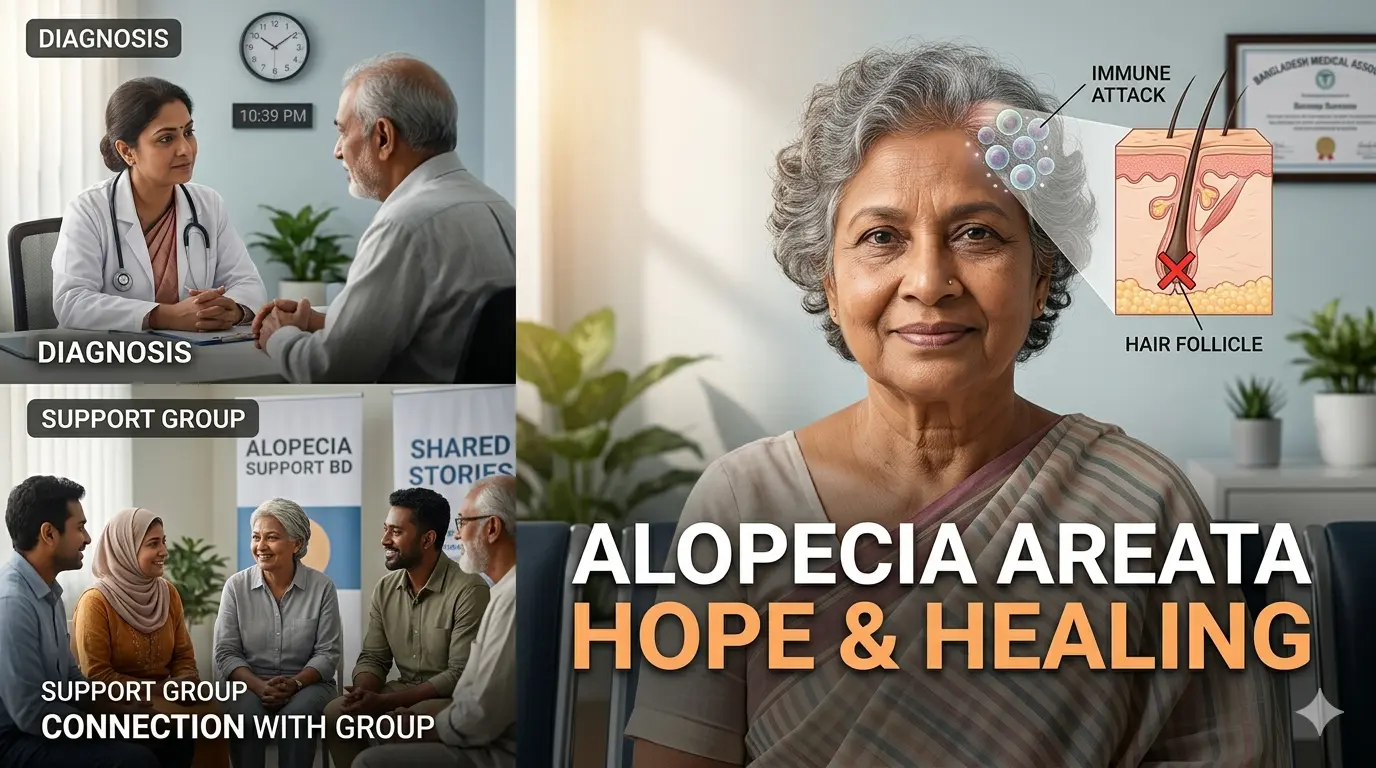
It often starts with a single patch—a smooth, coin-sized area of hair loss on your scalp, your eyebrow, or your beard. You might notice it in the shower, in the mirror, or when a friend mentions it. For many, the discovery of alopecia areata brings a whirlwind of emotions: confusion, fear, grief, and the urgent question, "What now?" If you're navigating this diagnosis, you're not alone. Alopecia areata affects approximately 6.8 million people in the United States and over 147 million worldwide, yet it remains widely misunderstood.
The landscape of alopecia areata care has transformed dramatically in recent years. After decades of limited treatment options, the FDA has approved groundbreaking medications that target the underlying autoimmune mechanisms of hair loss. At the same time, the conversation around hair loss has expanded to recognize the profound emotional impact—and the vital importance of psychological support alongside medical treatment.
This comprehensive guide delivers an evidence-based, compassionate roadmap for navigating alopecia areata in 2026. You'll learn what alopecia areata truly is (and isn't), understand the diagnostic process, explore newly approved treatments alongside established options, and discover strategies for emotional recovery and self-advocacy. Whether you've just received your diagnosis, are considering treatment options, or supporting someone with alopecia, you'll find medically grounded information and practical wisdom to move forward with clarity and hope.
Understanding Alopecia Areata: More Than "Just Hair Loss"
Before exploring treatments, it's essential to understand what alopecia areata is—and what it isn't. Misconceptions abound, and accurate knowledge is the foundation of effective care.
What Is Alopecia Areata?
Definition: Alopecia areata is an autoimmune condition in which the immune system mistakenly attacks hair follicles, causing hair to fall out. It is not contagious, not caused by stress alone, and not a reflection of overall health.
Key Characteristics:
- Sudden onset: Hair loss typically appears rapidly, often in round or oval patches
- Non-scarring: Hair follicles remain intact, meaning regrowth is possible
- Unpredictable course: Hair may regrow spontaneously, fall out again, or remain stable—patterns vary widely
- Variable extent: Ranges from small patches to complete scalp (alopecia totalis) or body hair loss (alopecia universalis)
Types and Spectrum of Alopecia Areata
| Type | Description | Prevalence |
|---|---|---|
| Alopecia Areata (patchy) | One or more round/oval patches of hair loss on scalp or body | ~80% of cases |
| Alopecia Totalis | Complete loss of scalp hair | ~5-10% of cases |
| Alopecia Universalis | Complete loss of scalp and body hair | ~1-2% of cases |
| Ophiasis Pattern | Band-like hair loss along sides and back of scalp | Less common; often more treatment-resistant |
| Diffuse Alopecia Areata | Widespread thinning rather than distinct patches | Often misdiagnosed initially |
What Causes Alopecia Areata?
The Autoimmune Mechanism:
- T-cells (immune cells) mistakenly target hair follicles, interrupting the growth cycle
- Follicles enter a resting phase (telogen) prematurely, causing hair to shed
- Follicles typically remain alive but "asleep," allowing for potential regrowth
Contributing Factors:
- Genetics: Family history increases risk; multiple genes involved
- Environmental triggers: Viral infections, significant stress, or other immune challenges may initiate onset in genetically predisposed individuals
- Associated conditions: Higher prevalence of thyroid disease, vitiligo, atopic dermatitis, and other autoimmune conditions
What Does NOT Cause Alopecia Areata:
- Poor hygiene or "dirty" scalp
- Wearing hats, helmets, or tight hairstyles
- Chemical treatments or hair dyes (though these can cause other types of hair loss)
- Stress alone (though stress may trigger onset in predisposed individuals)
Who Gets Alopecia Areata?
- Age: Can occur at any age; peak onset in teens and young adults, but also common in children and older adults
- Gender: Affects all genders equally
- Ethnicity: Occurs across all ethnic groups; presentation may vary by hair texture and cultural context
- Onset pattern: ~50% develop first patch before age 30; ~80% before age 40
The Diagnosis Journey: What to Expect and How to Prepare
Receiving an accurate diagnosis is the critical first step toward effective management. Here's how to navigate the process with confidence.
When to See a Doctor
Consult a healthcare provider if you notice:
- Sudden, patchy hair loss on scalp, face, or body
- Excessive shedding without obvious cause
- Nail changes: pitting, ridges, or white spots (occur in ~10-20% of alopecia areata cases)
- "Exclamation mark" hairs: short, broken hairs that taper at the base (a classic sign)
- Itching, tingling, or burning in areas of hair loss (less common but possible)
Who to See: Building Your Care Team
Dermatologist (Essential):
- Specializes in skin, hair, and nail conditions
- Can diagnose alopecia areata and rule out other causes of hair loss
- Prescribes treatments and monitors progress
Primary Care Provider:
- Coordinates overall health care
- May screen for associated conditions (thyroid disease, anemia)
- Provides referrals to specialists
Mental Health Professional (Highly Recommended):
- Supports emotional adjustment to hair loss
- Addresses anxiety, depression, or body image concerns
- Offers coping strategies and counseling
Support Communities:
- National Alopecia Areata Foundation (NAAF): Education, support groups, advocacy
- Online communities: Reddit's r/AlopeciaAreata, Facebook groups, Instagram advocates
- Local support groups: In-person connection with others who understand
The Diagnostic Process: Step by Step
Step 1: Medical History Review
- Onset and pattern of hair loss
- Family history of alopecia or autoimmune conditions
- Recent illnesses, stressors, or medication changes
- Associated symptoms: nail changes, skin conditions, fatigue
Step 2: Physical Examination
- Scalp and affected areas examined under good lighting
- Dermoscopy (trichoscopy): Magnified examination of hair follicles and scalp
- Assessment of hair pull test: gentle traction to evaluate shedding activity
- Examination of nails and other body hair
Step 3: Diagnostic Tests (When Needed)
| Test | Purpose | When It's Used |
|---|---|---|
| Scalp biopsy | Confirms diagnosis by examining follicle inflammation under microscope | When diagnosis is unclear or to rule out scarring alopecia |
| Blood tests | Screen for thyroid disease, iron deficiency, vitamin D deficiency, autoimmune markers | Routinely recommended; identifies treatable contributing factors |
| Fungal culture | Rules out tinea capitis (fungal infection causing hair loss) | If scaling, inflammation, or atypical presentation suggests infection |
Step 4: Differential Diagnosis
Your provider will rule out other conditions that can mimic alopecia areata:
- Tinea capitis: Fungal infection; often has scaling, broken hairs, inflammation
- Traction alopecia: Hair loss from tight hairstyles; pattern follows tension points
- Telogen effluvium: Diffuse shedding after illness/stress; no distinct patches
- Androgenetic alopecia: Pattern hair loss; gradual thinning rather than sudden patches
- Trichotillomania: Hair-pulling disorder; irregular patches with broken hairs of varying lengths
Questions to Ask Your Dermatologist
Prepare for your appointment with these key questions:
- What type and extent of alopecia do I have?
- What is the likely course of my condition?
- What treatment options are appropriate for my situation?
- What are the benefits, risks, and realistic expectations for each option?
- Are there associated conditions I should be screened for?
- How will we monitor progress, and when should I follow up?
- What support resources do you recommend?
New FDA-Approved Treatments: Hope on the Horizon
After decades of limited options, 2022-2024 marked a turning point with FDA approvals of medications that target the root cause of alopecia areata. Understanding these options—and their place in your treatment journey—is essential.
JAK Inhibitors: The Breakthrough Class
How They Work:
- Janus kinase (JAK) inhibitors block signaling pathways that drive the autoimmune attack on hair follicles
- By interrupting this immune response, they allow follicles to re-enter the growth phase
- Unlike topical treatments that work locally, JAK inhibitors address the systemic immune dysfunction
Approved Options:
| Medication | Brand Name | Approval Date | Form | Key Considerations |
|---|---|---|---|---|
| Baricitinib | Olumiant® | June 2022 | Oral tablet | First FDA-approved oral treatment for severe alopecia areata; requires monitoring for infections, blood clots |
| Ritlecitinib | Litfulo® | June 2023 | Oral capsule | Approved for ages 12+; selective JAK3/TEC inhibitor; similar monitoring requirements |
Efficacy Data (Clinical Trials):
- Baricitinib: ~35-40% of patients achieved ≥80% scalp hair coverage at 36 weeks vs. ~5% on placebo
- Ritlecitinib: ~23-30% achieved ≥80% scalp hair coverage at 24 weeks vs. ~2-5% on placebo
- Important note: Results vary; not everyone responds, and regrowth may be gradual
Who Might Be a Candidate:
- Moderate to severe alopecia areata (typically >50% scalp hair loss)
- Failed or inadequate response to conventional treatments
- No contraindications to JAK inhibitor therapy
- Willing to commit to regular monitoring and long-term treatment
Important Considerations:
- Not a cure: Hair loss may recur if medication is discontinued
- Monitoring required: Regular blood tests to check for infections, liver function, lipid levels
- Potential side effects: Upper respiratory infections, headache, acne; rare but serious risks include blood clots, malignancy (discuss individual risk with provider)
- Cost and access: Insurance coverage varies; patient assistance programs may be available
Established Treatments: Still Valuable Options
While JAK inhibitors represent a major advance, traditional treatments remain appropriate for many patients, especially those with mild or patchy disease.
Corticosteroids:
- Intralesional injections:
- Triamcinolone acetonide injected directly into bald patches
- Effective for limited patchy alopecia; regrowth often seen in 4-8 weeks
- Repeat injections every 4-6 weeks as needed
- Potential side effects: temporary skin thinning, discomfort during injection
- Topical corticosteroids:
- Clobetasol, betamethasone foams or solutions applied to affected areas
- Less effective than injections for scalp but useful for eyebrows, beard
- Lower risk of side effects; can be used long-term with monitoring
- Oral corticosteroids:
- Prednisone or other systemic steroids for rapid, widespread loss
- Short-term use due to significant side effects with prolonged use
- Often used as a "bridge" while waiting for other treatments to take effect
Topical Immunotherapy:
- Mechanism: Apply chemicals (diphencyprone/DPCP or squaric acid) to induce mild allergic reaction, redirecting immune response away from hair follicles
- Efficacy: ~40-60% of patients achieve meaningful regrowth with consistent treatment
- Protocol: Weekly applications in a dermatology office; requires patience (3-6 months to see results)
- Side effects: Itching, rash, swollen lymph nodes; requires careful monitoring
- Best for: Extensive alopecia areata in patients who can commit to regular office visits
Minoxidil (Rogaine®):
- Mechanism: Prolongs hair growth phase; does not address autoimmune cause
- Role in alopecia areata: Adjunctive therapy to support regrowth once inflammation is controlled
- Application: 5% foam or solution applied twice daily to affected areas
- Timeline: May take 4-6 months to see benefit; must be continued to maintain results
Anthralin:
- Mechanism: Topical irritant that modulates immune response in skin
- Use: Applied to patches for short periods, then washed off
- Efficacy: Modest; often combined with other treatments
- Drawbacks: Can stain skin/hair; requires careful application
Emerging and Investigational Therapies
Research continues to expand the treatment landscape:
- Other JAK inhibitors: Tofacitinib, upadacitinib under study for alopecia areata
- Topical JAK inhibitors: Being developed to minimize systemic side effects
- Biologics: Targeted antibodies (e.g., anti-IL-15) in early trials
- Stem cell and regenerative approaches: Early-stage research exploring follicle regeneration
- Combination therapies: Studying synergistic effects of JAK inhibitors + topical treatments
How to Access Clinical Trials:
- ClinicalTrials.gov: Search "alopecia areata" for active studies
- National Alopecia Areata Foundation: Trial matching resources
- Academic medical centers: Often lead cutting-edge research
- Discuss with your dermatologist: They may know of local trials
Building Your Personalized Treatment Plan
There is no one-size-fits-all approach to alopecia areata. Effective management requires matching treatment to your specific situation, values, and goals.
Factors That Guide Treatment Selection
| Factor | How It Influences Choice |
|---|---|
| Extent of hair loss | Limited patches: injections/topicals; extensive loss: consider systemic options |
| Duration of condition | Recent onset may respond better to treatment; long-standing may require more aggressive approach |
| Age | Children: prioritize safety; older adults: consider comorbidities and medication interactions |
| Location of loss | Eyebrows/lashes: specialized treatments (bimatoprost, microblading); scalp: broader options |
| Personal preferences | Comfort with injections, oral medications, office visits, or cosmetic solutions |
| Cost and access | Insurance coverage, out-of-pocket costs, geographic access to specialists |
| Emotional impact | Urgency of treatment vs. willingness to try watchful waiting |
A Framework for Decision-Making
Step 1: Clarify Your Goals
- Is your priority medical regrowth, cosmetic coverage, emotional acceptance, or a combination?
- What timeline feels realistic and sustainable for you?
- What level of treatment burden (time, cost, side effects) are you willing to accept?
Step 2: Review Options with Your Provider
- Discuss efficacy data, side effect profiles, and monitoring requirements for each option
- Ask about combination approaches (e.g., JAK inhibitor + minoxidil)
- Clarify what "success" looks like: partial regrowth, full regrowth, or stabilization
Step 3: Start with a Trial Period
- Most treatments require 3-6 months to assess initial response
- Set clear checkpoints: "If no improvement by week 12, we'll reassess"
- Document progress with photos to objectively track changes
Step 4: Reassess and Adjust
- If a treatment isn't working or isn't tolerable, it's okay to switch
- Combination therapy may be more effective than single agents
- Remember: Non-response to one treatment doesn't predict response to others
Integrating Medical and Cosmetic Approaches
Many people find that combining medical treatment with cosmetic strategies provides both hope and immediate confidence:
Cosmetic Options to Consider:
- Wigs and hairpieces: Medical-grade options designed for alopecia; insurance may cover with documentation
- Scalp micropigmentation: Tattooing technique that creates illusion of hair stubble
- Eyebrow/lash solutions: Microblading, lash extensions, or cosmetic tattooing
- Makeup techniques: Color-matching powders or creams to camouflage patches
- Styling strategies: Haircuts, headwraps, or hats that work with your current hair
Key Principle: Choosing cosmetic solutions doesn't mean "giving up" on medical treatment—and pursuing medical treatment doesn't mean you can't use cosmetic aids for confidence today. Both paths are valid.
The Emotional Journey: Healing Beyond the Scalp
Hair is deeply tied to identity, culture, and self-expression. The emotional impact of alopecia areata is real, valid, and deserving of dedicated attention.
Common Emotional Responses
Grief and Loss:
- Mourning the hair you had and the identity associated with it
- Feeling a sense of loss even if others don't "see" the change
- Allowing yourself to feel sadness without judgment is part of healing
Anxiety and Uncertainty:
- Worry about progression: "Will I lose more hair?"
- Concern about treatment: "Will this work? What are the risks?"
- Social anxiety: "How will people react? Will I be judged?"
Impact on Self-Image:
- Changes in how you see yourself in the mirror
- Navigating cultural or gender expectations around hair
- Rebuilding confidence independent of appearance
Relationship Dynamics:
- Explaining your condition to friends, family, or colleagues
- Managing unsolicited advice or insensitive comments
- Finding supportive communities who understand
Strategies for Emotional Recovery
Professional Support:
- Therapy: Cognitive behavioral therapy (CBT) helps reframe negative thoughts; acceptance and commitment therapy (ACT) supports values-based living
- Support groups: Sharing with others who understand reduces isolation; NAAF offers virtual and in-person groups
- Psychodermatology: Specialists who address the mind-skin connection; increasingly available at major medical centers
Self-Compassion Practices:
- Mindfulness: Observing thoughts and feelings without judgment reduces reactivity
- Journaling: Processing emotions on paper can provide clarity and release
- Affirmations: Replacing self-criticism with compassionate self-talk ("My worth is not defined by my hair")
Reclaiming Agency:
- Control what you can: Treatment adherence, sun protection, self-care routines
- Let go of what you can't: The autoimmune process, others' reactions, unpredictable course
- Focus on values: What matters most to you beyond appearance? Connection? Creativity? Contribution?
Building a Support Network:
- Educate loved ones: Share reliable resources so they understand alopecia areata
- Set boundaries: It's okay to decline unsolicited advice or change the subject
- Find your people: Connect with others with alopecia through NAAF, social media, or local groups
Navigating Social and Professional Situations
Workplace Considerations:
- You are not required to disclose your medical condition at work
- If hair loss affects your role (e.g., client-facing), discuss accommodations with HR
- Know your rights: In many regions, autoimmune conditions may qualify for workplace protections
Social Interactions:
- Prepare a brief explanation: "I have an autoimmune condition called alopecia areata that causes hair loss. I'm doing great—thanks for asking!"
- Redirect gracefully: "I appreciate your concern. I'd rather talk about [topic] if that's okay."
- Own your narrative: You decide how much to share and with whom
Children and Teens:
- Age-appropriate explanations help children understand their condition
- Connect with pediatric dermatologists experienced in alopecia areata
- NAAF's "Kids & Teens" resources provide age-specific support
- Advocate at school: Ensure teachers understand and can support your child
Living Well with Alopecia Areata: Beyond Treatment
Managing alopecia areata is a lifelong journey for many. Thriving requires attention to overall health, self-advocacy, and community.
Supporting Overall Health
Nutrition:
- No specific "alopecia diet" is proven, but balanced nutrition supports immune function
- Ensure adequate iron, vitamin D, zinc, and protein—deficiencies can worsen hair loss
- Work with a registered dietitian if you have dietary restrictions or concerns
Stress Management:
- While stress doesn't cause alopecia areata, managing stress supports overall wellbeing
- Techniques: meditation, yoga, deep breathing, time in nature
- Prioritize sleep: 7-9 hours nightly supports immune regulation and emotional resilience
Scalp and Skin Care:
- Protect exposed scalp from sun: hats, scarves, or mineral sunscreen SPF 30+
- Gentle cleansing: Avoid harsh shampoos or excessive scrubbing
- Moisturize: Exposed skin may need extra hydration, especially in dry climates
Advocacy and Awareness
For Yourself:
- Keep a symptom/treatment journal to track patterns and communicate effectively with providers
- Bring a list of questions to appointments; consider bringing a support person
- Don't hesitate to seek a second opinion if you feel unheard or uncertain
For the Community:
- Share your story (if you choose): Personal narratives reduce stigma and educate others
- Support research: Participate in registries or advocacy efforts through NAAF
- Challenge misconceptions: Gently correct myths when you encounter them
When to Reassess Your Approach
Check in with yourself and your care team regularly:
- Every 3-6 months: Review treatment response and adjust if needed
- After major life changes: Stress, illness, or hormonal shifts may affect alopecia
- If emotional distress increases: Seek additional mental health support
- When new treatments emerge: Discuss whether emerging options might benefit you
Frequently Asked Questions
Will my hair grow back?
It's impossible to predict with certainty, but: - Many people experience regrowth: Especially with patchy alopecia and early treatment - Regrowth may be temporary: Hair may fall out again; the course is often unpredictable - Complete regrowth is possible: Even in extensive cases, though less common - Focus on what you can control: Treatment adherence, self-care, emotional support Work with your dermatologist to set realistic expectations based on your specific situation.
Are the new JAK inhibitor treatments safe?
Safety is a valid concern. Key points: - Rigorous testing: FDA approval requires demonstration of favorable benefit-risk profile - Monitoring: Regular blood tests and check-ups help catch potential issues early - Individual risk: Discuss your personal health history with your provider to weigh risks - Ongoing research: Long-term safety data continues to accumulate For many with moderate-severe alopecia areata, the potential benefits outweigh the risks—but this is a personal decision made with your healthcare team.
How do I talk to my child about alopecia areata?
Age-appropriate honesty builds trust: - Young children: "Your body's defense system got a little confused and is resting your hair. Doctors are helping it remember its job." - Older children/teens: Provide more detail about autoimmune conditions; involve them in treatment decisions - Emphasize: This isn't their fault; they're not alone; their worth isn't defined by hair - Connect: NAAF's youth programs and camps provide peer support Consider involving a child life specialist or pediatric psychologist for additional support.
Can alopecia areata affect my eyebrows, eyelashes, or body hair?
Yes. Alopecia areata can affect any hair-bearing area: - Eyebrows/lashes: Common sites; specialized treatments include bimatoprost (Latisse®), cosmetic tattooing, or false lashes/brows - Beard/body hair: May be affected; treatment approach similar to scalp - Nail changes: Pitting, ridges, or white spots occur in ~10-20% of cases; usually mild but discuss with your dermatologist Treatment may vary by location; discuss options specific to affected areas with your provider.
Is alopecia areata curable?
Currently, there is no cure, but: - Effective management is possible: Many achieve significant regrowth or stabilization with treatment - Research is accelerating: New therapies target the root immune dysfunction - Quality of life can be excellent: With medical care, emotional support, and self-advocacy, people with alopecia areata thrive Focus on progress, not perfection. Your journey is unique, and hope is warranted.
Resources and Support
You don't have to navigate alopecia areata alone. These organizations offer evidence-based information, community, and advocacy:
Medical and Educational Resources
- National Alopecia Areata Foundation (NAAF): naaf.org
- Evidence-based treatment guides, provider directories, research updates
- Virtual and in-person support groups for all ages
- Advocacy resources and insurance navigation support
- American Academy of Dermatology: aad.org
- Patient education materials on alopecia areata
- "Find a Dermatologist" tool to locate specialists
- ClinicalTrials.gov: clinicaltrials.gov
- Search for active alopecia areata research studies
- Information on eligibility and how to participate
Community and Emotional Support
- NAAF Support Groups: Virtual and local chapters; age-specific groups for kids, teens, adults
- Online Communities: Reddit's r/AlopeciaAreata, Facebook groups (moderated for safety)
- Mental Health Directories: Psychology Today, TherapyDen to find therapists experienced with chronic illness or body image
- Crisis Support: If hair loss triggers severe distress, contact 988 Suicide & Crisis Lifeline or Crisis Text Line (text HOME to 741741)
Practical and Cosmetic Resources
- Wig Banks: Some hospitals and NAAF chapters offer wig loan programs
- Insurance Guidance: NAAF's insurance toolkit helps navigate coverage for wigs, treatments
- Cosmetic Specialists: Seek aestheticians experienced with alopecia for makeup, brow, or lash services
- Adaptive Styling: Blogs and social media accounts by alopecia advocates share styling tips and product reviews
Conclusion: Hope, Agency, and Community
Alopecia areata is more than a dermatological condition—it's a journey that touches your body, your emotions, and your identity. The path forward isn't about finding a single "fix" but about building a sustainable, compassionate approach that honors your whole self.
Today, you have more options than ever before. FDA-approved JAK inhibitors offer unprecedented hope for regrowth. Established treatments continue to help many achieve meaningful results. And perhaps most importantly, the conversation around hair loss has expanded to recognize that healing encompasses medical care, emotional support, and self-acceptance.
Key takeaways for navigating alopecia areata:
- You are not alone: Millions share this experience; community is a powerful resource
- Accurate diagnosis matters: Work with a dermatologist to confirm alopecia areata and rule out other causes
- Treatment is personalized: What works for others may not work for you—and that's okay
- New treatments offer hope: JAK inhibitors represent a major advance; discuss if they're right for you
- Emotional health is essential: Seek support for the psychological impact; it's as valid as physical symptoms
- Advocate for yourself: You are the expert on your experience; partner with providers who listen
- Progress over perfection: Small steps forward—medical, emotional, or practical—add up over time
Your hair does not define your worth. Your courage in facing this challenge does. Your capacity to seek knowledge, build support, and care for yourself does. However your journey unfolds, you deserve compassion, evidence-based care, and community.
Start today. If you haven't yet, schedule a consultation with a dermatologist experienced in alopecia areata. If you're already in treatment, review your emotional support system and add one resource from this guide. If you're supporting someone with alopecia, listen without fixing and share this guide as a starting point for conversation.
Healing is not linear. Some days will feel harder than others. But with knowledge, support, and self-compassion, you can navigate this path with resilience and hope.
Your story matters. Your hair journey is valid. And you are so much more than your hair.
Welcome to your path forward. You've got this.