

The Silent Saboteur: How Emotional Burnout Quietly Affects Female Skin Appearance
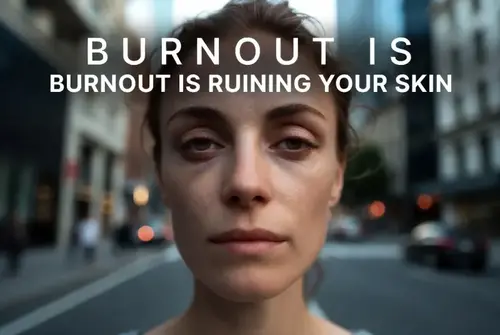
The Invisible Echo Understanding How Burnout Shapes Skin Appearance
Skin has long been considered a mirror of health—not just physical, but emotional and psychological. When life feels balanced, skin often follows: it glows, appears even-toned, and responds well to care. But during periods of sustained emotional burnout, many women notice a subtle yet frustrating shift: skin looks duller, fine lines appear more pronounced, complexion becomes uneven, or texture feels rougher despite consistent skincare.
This isn't imagination. It's physiology.
The connection between emotional burnout and skin appearance is rooted in well-established biological pathways. When the brain perceives chronic stress—whether from work overload, relationship strain, financial pressure, or emotional depletion—it activates the hypothalamic-pituitary-adrenal (HPA) axis. This triggers a cascade of hormonal, inflammatory, and behavioral responses that reach even the smallest structures of the skin.
Understanding this mind-skin connection is empowering. When you recognize that dull-looking skin during burnout reflects biological processes—not product failure or personal inadequacy—you can shift from frustration to informed, compassionate care. This guide explores the science behind how emotional burnout affects female skin appearance, identifies the key mechanisms at play, and provides evidence-based strategies to support both mental resilience and skin health.
The Biology of Burnout How Emotional Exhaustion Talks to Skin
To understand how burnout affects skin appearance, we first need to understand the pathways that connect brain to skin.
The HPA Axis and Cortisol ReleaseWhen chronic stress is perceived, the hypothalamus signals the pituitary gland, which activates the adrenal glands to release cortisol—the primary stress hormone. Cortisol serves important short-term functions: it mobilizes energy, sharpens focus, and modulates inflammation. But chronic elevation has downstream effects on skin:
- Disrupts collagen synthesis: Cortisol can interfere with fibroblast function, reducing production of collagen and elastin—the structural proteins that give skin firmness and smoothness- Increases oxidative stress: Elevated cortisol generates free radicals that damage skin cells, accelerate aging, and impair barrier function- Alters blood flow: Stress can reduce microcirculation to the skin, limiting nutrient delivery and waste removal, contributing to dullness- Affects sleep architecture: Cortisol dysregulation disrupts deep sleep, when skin repair processes peak, leading to visible signs of fatigue
Neurogenic Inflammation and Substance PBurnout activates sensory nerves in the skin that release neuropeptides like Substance P. This triggers:- Local inflammation that can manifest as redness, sensitivity, or breakouts- Increased transepidermal water loss (TEWL), leading to dryness and rough texture- Disruption of the skin barrier, making skin more vulnerable to environmental aggressors- Potential exacerbation of conditions like eczema, rosacea, or acne
These processes don't just affect skin comfort—they influence visible appearance, contributing to dullness, uneven tone, or premature aging.
The Skin Barrier Under Chronic StressThe stratum corneum (outermost skin layer) acts as a protective barrier. When functioning well:- Light reflects evenly, creating visible radiance- Moisture is retained, supporting plumpness and smoothness- Irritants are kept out, minimizing inflammation that dulls complexion
Under chronic stress:- Barrier lipids (ceramides, cholesterol, fatty acids) may be depleted- Tight junction proteins can be compromised, increasing permeability- pH balance may shift, affecting enzyme function critical for barrier maintenance- Result: Skin appears duller, feels rougher, and shows signs of premature aging
Cellular Aging and Telomere ShorteningEmerging research suggests chronic psychological stress may accelerate cellular aging:- Stress can shorten telomeres (protective caps on chromosomes), a marker of biological aging- Shorter telomeres in skin cells may correlate with earlier appearance of fine lines, loss of elasticity- This doesn't mean stress "causes" aging, but it may influence the rate at which visible signs appear
Behavioral Pathways How Burnout Changes Skincare Habits
Beyond direct biological effects, burnout influences behaviors that impact skin appearance
Time and Energy ConstraintsDuring periods of emotional depletion, self-care routines often get compressed:- Skipping evening cleansing or moisturizing steps- Rushing through skincare, missing key application techniques- Using fewer products or abandoning routines entirely when energy is low
Emotional Coping PatternsBurnout can trigger behaviors that affect skin:- Increased face touching or picking (exacerbating breakouts or irritation)- Neglecting sun protection due to mental fatigue- Turning to comfort foods high in sugar or processed ingredients, which can increase inflammation
Nutritional ShiftsBurnout affects eating patterns:- Reduced intake of skin-supportive nutrients (vitamins C, E, omega-3s)- Increased consumption of inflammatory foods (sugar, refined carbs, processed items)- Dehydration from forgetting to drink water, affecting skin plumpness and radiance
Sleep DisruptionPoor sleep quality—common during burnout—impairs:- Cellular repair processes that maintain skin barrier integrity- Collagen synthesis that supports firmness and smoothness- Hormonal balance that regulates oil production and inflammation- Result: Dark circles, puffiness, dullness, and accelerated appearance of fine lines
Recognizing Burnout-Related Skin Changes
Burnout-related skin shifts don't always present dramatically. Look for these subtle indicators
Sign 1: Persistent Dullness Despite Consistent Skincare- Skin appears lackluster even with regular exfoliation and brightening products- Light scatters unevenly due to microscopic barrier disruption or surface irregularity- Suggests cortisol-related changes in skin cell turnover or microcirculation
Sign 2: Increased Visibility of Fine Lines- Fine lines around eyes, mouth, or forehead appear more pronounced- Skin may feel less elastic or "tired" to the touch- Reflects cortisol-related collagen disruption or dehydration from poor sleep
Sign 3: Uneven Tone or Patchy Discoloration- Complexion appears less uniform, with areas of redness or hyperpigmentation- May worsen existing concerns like melasma or post-inflammatory hyperpigmentation- Indicates inflammation-driven melanin dysregulation or barrier compromise
Sign 4: Increased Sensitivity or Reactivity- Skin becomes more prone to stinging, redness, or breakouts with products previously tolerated- May coincide with textural changes like roughness or tightness- Suggests barrier disruption or neurogenic inflammation from chronic stress
Sign 5: Slower Recovery from Minor Irritations- Small blemishes, dry patches, or irritation take longer to resolve- Skin seems less resilient to environmental changes or product adjustments- Reflects diminished cellular repair capacity during periods of burnout
Sign 6: Dark Circles or Puffiness That Persist- Under-eye area appears darker or more swollen despite adequate topical care- May not fully resolve with rest alone if burnout is ongoing- Indicates combined effects of poor sleep, fluid retention, and microcirculation changes
The Burnout-Skin Cycle A Feedback Loop
Importantly, skin changes can themselves become a source of stress, creating a self-perpetuating cycle:
Burnout → Skin appearance changes → Concern about appearance → Increased stress → Further skin impacts
Breaking this cycle requires addressing both the physiological drivers and the emotional response. Self-compassion is not just kind—it's strategic. When you reduce anxiety about skin changes, you lower cortisol, which supports skin recovery.
Evidence-Based Strategies Supporting Skin Appearance Through Burnout Recovery
Strategy 1 Prioritize Stress-Reduction Practices That Benefit Skin
Mindfulness and Breathwork- Daily mindfulness (even 5-10 minutes) lowers cortisol and reduces neurogenic inflammation- Diaphragmatic breathing activates the parasympathetic nervous system, supporting skin circulation- Practices like meditation or guided relaxation improve sleep quality, enhancing overnight skin repair
Implementation Tips:- Pair breathwork with skincare: practice deep breathing while applying serums or moisturizers- Use skincare application as a mindfulness ritual: focus on gentle, intentional movements- Try a 3-minute "reset" before bed: breathe deeply to lower stress reactivity and support overnight repair
Physical Movement- Moderate exercise reduces cortisol and improves circulation to skin and underlying tissues- Yoga or tai chi combine movement with breath awareness, amplifying stress-reduction benefits- Even brief walks lower stress hormones and support overall resilience
Implementation Tips:- Schedule movement as non-negotiable self-care, not optional "extra"- Choose activities you enjoy—consistency matters more than intensity- Post-exercise hydration supports both recovery and skin plumpness
Strategy 2 Optimize Sleep for Skin Regeneration
Why Sleep Matters for AppearanceDuring deep sleep:- Growth hormone peaks, supporting collagen synthesis and cellular repair- Cortisol naturally declines, reducing oxidative stress on skin structures- Cellular detoxification processes clear metabolic waste that can impair skin radiance- Blood flow to skin increases, supporting nutrient delivery and waste removal
Sleep Hygiene for Skin Health:- Consistent schedule: Go to bed and wake at similar times to support circadian rhythms- Wind-down routine: Dim lights, avoid screens 1 hour before bed, practice relaxation- Environment: Cool, dark, quiet room supports deeper, more restorative sleep- Position: Silk pillowcases reduce friction that can contribute to sleep lines and barrier disruption
Strategy 3 Simplify Skincare During High-Burnout Periods
The "Minimum Effective Dose" ApproachWhen energy is limited, focus on foundational practices that protect skin appearance:
Essential Steps:1. Gentle cleansing: Use a sulfate-free, pH-balanced cleanser to avoid stripping natural oils2. Consistent hydration: Apply moisturizer to damp skin to lock in hydration and support barrier function3. Daily sun protection: Always use broad-spectrum SPF to prevent UV damage that accelerates visible aging4. Targeted support: Include one antioxidant product (vitamin C, niacinamide, or similar) to combat oxidative stress
What to Temporarily Pause:- Complex multi-step treatments that feel burdensome- Aggressive exfoliation or active ingredients that may increase sensitivity during stress- Frequent product experimentation that adds decision fatigue
Strategy 4 Support Skin Resilience Through Nutrition
Key Nutrients for Stress-Resilient Skin:- Vitamin C: Supports collagen synthesis and combats oxidative stress; found in citrus, bell peppers, berries- Vitamin E: Protects cell membranes from oxidative damage; found in nuts, seeds, avocado- Omega-3 fatty acids: Reduce inflammation and support skin barrier function; found in fatty fish, flaxseeds, walnuts- Polyphenols: Antioxidants that combat stress-induced free radicals; found in green tea, dark chocolate, colorful produce- Zinc: Supports wound healing and barrier function; found in legumes, seeds, whole grains
Hydration Matters:- Stress increases fluid loss; aim for consistent water intake throughout the day- Herbal teas (chamomile, lemon balm) can support both hydration and calm
Practical Tips for Busy Times:- Keep skin-supportive snacks accessible (berries, nuts, dark chocolate)- Prep simple, nutrient-dense meals in advance to avoid stress-driven poor choices- Set phone reminders for water breaks if you tend to forget during demanding days
Strategy 5 Incorporate Gentle Touch as Stress Relief
Facial Massage for Dual BenefitsGentle facial massage offers both mechanical and neurological benefits:- Improves microcirculation to skin, supporting nutrient delivery and radiance- Activates parasympathetic nervous system, lowering cortisol- Releases tension held in facial muscles, reducing appearance of stress-related lines
How to Practice:- Use fingertips (not nails) in small circular motions across forehead, cheeks, jawline- Apply light to moderate pressure—comfortable, not painful- Practice for 3-5 minutes daily, ideally during evening skincare routine- Optional: Use a few drops of lightweight oil to reduce friction and support barrier function
Aromatherapy Integration:- Add 1-2 drops of lavender or frankincense essential oil to carrier oil for calming benefits- Always dilute essential oils; patch test before full application- Inhale deeply during massage to amplify relaxation response
Strategy 6 Reframe Skincare as Self-Compassion Practice
Shifting the NarrativeWhen skin looks dull during burnout, it's easy to add self-criticism: "I should be doing more," "My skin looks bad," "I'm failing at self-care." This narrative increases stress, perpetuating the cycle.
Compassionate Reframes:- "My skin is responding to real physiological changes—not my worth or effort"- "Small, consistent care matters more than perfect routines"- "This appearance shift is temporary; my skin has remarkable capacity to recover"
Ritual Over RoutineTransform skincare from a task into a moment of presence:- Light a candle or play calming music during your routine- Focus on sensations: the warmth of water, the scent of products, the rhythm of application- End with a moment of gratitude: for your body's resilience, for the care you're offering
When to Seek Professional Support
While most burnout-related skin changes improve with consistent self-care, consult a dermatologist if:- Appearance changes persist beyond 3-6 months after stress resolves- You experience significant skin concerns: persistent redness, breakouts, or sensitivity- Skin changes are accompanied by other symptoms: fatigue, mood shifts, sleep disturbances- You suspect underlying conditions: hormonal imbalances, thyroid dysfunction, or nutritional deficiencies
A specialist can:- Perform skin analysis to identify specific concerns- Order blood work to check for nutritional or hormonal contributors- Recommend medical-grade treatments if needed: topical solutions, procedures, or therapies- Provide personalized guidance integrating lifestyle, topical care, and medical approaches
Realistic Expectations Timelines for Recovery
Skin reflects cumulative care, so recovery takes time
Short-Term (1-4 Weeks):- Reduced skin sensitivity with stress-reduction practices- Improved hydration and barrier function with simplified, gentle care routine- Subtle improvements in radiance with consistent sun protection and antioxidant support
Medium-Term (1-3 Months):- Noticeable reduction in dullness and uneven tone as cellular turnover normalizes- Enhanced firmness and smoothness with nutritional support and sleep optimization- More predictable skin behavior as hormonal balance stabilizes
Long-Term (3-6+ Months):- Structural improvements in skin resilience and radiance- Resilience to future stressors through established supportive habits- Sustainable integration of mental and skin care practices
Factors Influencing Your Timeline:- Starting point: Severely stressed skin may show faster initial improvement as inflammation subsides- Consistency: Daily small practices compound more effectively than occasional intensive efforts- Individual variation: Genetics, baseline skin health, and stress severity create unique response patterns
The Bigger Picture Skin Health as Part of Whole-Person Wellness
The practices that support skin appearance during burnout also benefit overall health
- Stress management reduces risk of chronic disease and improves quality of life- Quality sleep enhances immune function, mood, and cognitive performance- Balanced nutrition supports cardiovascular, metabolic, and brain health- Gentle movement supports circulation, lymphatic function, and mental well-being- Self-compassion practices reduce anxiety and build emotional resilience
By approaching skincare as part of holistic self-care—not a separate aesthetic project—you invest in comprehensive well-being. Skin becomes not just a focus of attention, but a barometer of balance: when you care for your mind, your skin often follows.
Avoiding Extremes Sustainable Over Perfect
The burnout-skin connection inherently rejects extremes:- No need for expensive products: consistency with gentle, appropriate formulas yields better results than sporadic luxury purchases- No need for complex routines: 3-4 well-chosen steps performed with presence outperform 10 steps done in frustration- No need for perfection: missing a day doesn't erase progress; what matters is returning to care with kindness
This mindset reduces skincare anxiety and makes resilient, radiant skin accessible to everyone, regardless of time, budget, or expertise.
Conclusion Radiance That Begins Within
If your skin looks dull during periods of emotional burnout, remember: this isn't a sign of failure or lack of effort. It's information—a signal that your body is responding to real physiological demands.
Understanding the mind-skin connection empowers you to respond with strategy rather than self-criticism. You don't need to choose between mental well-being and skin health. With informed, compassionate care, you can support both.
Start where you are. Choose one strategy from this guide to implement this week—perhaps adding 3 minutes of facial massage to your evening routine, simplifying your skincare steps during demanding days, or setting a consistent bedtime to support overnight repair. Notice how you feel. Build from there.
Your skin tells a story—not just of genetics or products, but of resilience, adaptation, and the quiet power of showing up for yourself. With mindful habits and self-compassion, you can cultivate skin that not only looks radiant but feels like a reflection of your inner strength.
For evidence-based skincare resources, gentle products, and expert guidance to support your stress-resilient skin journey, explore trusted platforms that prioritize science, transparency, and individualized care. Your path to radiant, healthy skin starts with one intentional choice at a time.
For thoughtfully curated skincare essentials, barrier-supporting formulations, and products designed to complement a holistic approach to stress-resilient skin health, discover trusted options at TrustShopBD (www.trustshopbd.com). Each selection is chosen to support your journey toward radiant, resilient skin while respecting diverse skin types, individual needs, and the beautiful connection between mind and complexion.