

The Skincare Paradox: Why Some Women Lose Glow Despite a Full Routine
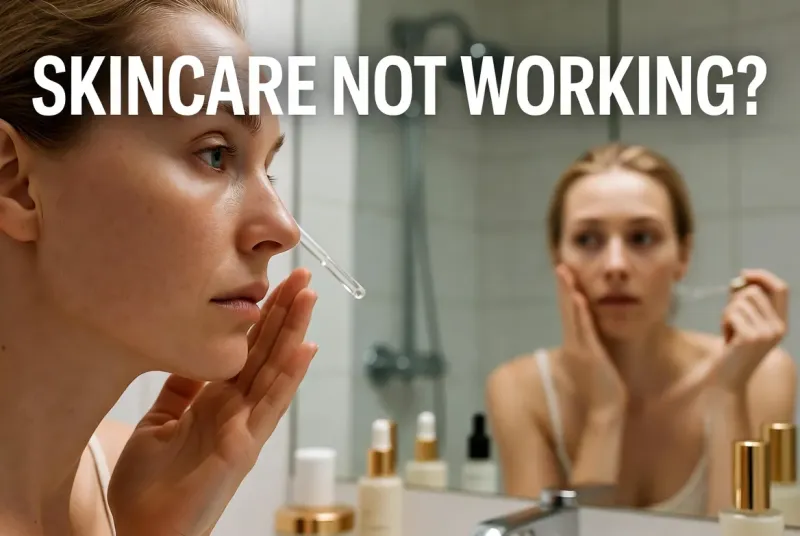
The Paradox Unveiled When More Skincare Yields Less Glow
In an era of 10-step routines, viral actives, and constant product innovation, many women invest significant time, money, and hope into elaborate skincare regimens. Yet a surprising number report a counterintuitive outcome: despite "doing everything right," their skin appears duller, more reactive, or strangely lackluster. This isn't imagination or inconsistency—it's a well-documented phenomenon rooted in skin biology.
The skincare paradox describes the situation where increasing product quantity or routine complexity inadvertently diminishes skin radiance. Rather than enhancing glow, an overloaded routine can compromise the skin barrier, disrupt the microbiome, trigger low-grade inflammation, or create ingredient conflicts that undermine overall skin health.
Understanding this paradox is liberating. When you recognize that dullness despite a full routine may reflect overload—not inadequacy—you can shift from adding more products to strategically simplifying your approach. This guide explores the science behind the paradox, identifies key warning signs, and provides a compassionate, evidence-based protocol to reset your routine and restore your skin's natural luminosity.
The Biology of Glow What Creates Radiant Skin?
To understand why routines sometimes fail, we first need to understand what creates glow in the first place.
The Skin Barrier: Foundation of RadianceThe stratum corneum (outermost skin layer) acts as a protective barrier composed of:- Corneocytes (skin cells) arranged like bricks- Lipids (ceramides, cholesterol, fatty acids) acting as mortar- A slightly acidic pH (4.5-5.5) supporting enzyme function and microbial balance
When this barrier is intact:- Light reflects evenly off a smooth surface, creating visible glow- Moisture is retained within the skin, supporting plumpness and clarity- Irritants are kept out, minimizing inflammation that dulls complexion- The skin microbiome remains balanced, supporting immune regulation
When the barrier is compromised:- Surface texture becomes uneven, scattering light and reducing radiance- Transepidermal water loss (TEWL) increases, leading to dryness and dullness- Irritants penetrate more easily, triggering redness and reactivity- Microbial balance shifts, potentially contributing to breakouts or sensitivity
The Microbiome: Invisible Partner in RadianceYour skin hosts a diverse community of microorganisms that:- Support barrier function and immune regulation- Help maintain optimal pH and moisture levels- Compete with potentially harmful organisms
When this ecosystem is disrupted by over-cleansing, harsh preservatives, or frequent product changes, the result can be inflammation, sensitivity, or dullness—even when using "good" products.
Cellular Turnover and Light ReflectionHealthy skin sheds dead cells and generates new ones approximately every 28 days. When this process is balanced:- Surface cells are smooth and uniform, reflecting light evenly- Pigmentation appears even, enhancing overall radiance- Texture feels soft and refined
When turnover is disrupted—by over-exfoliation, inflammation, or barrier damage—the result can be roughness, uneven tone, or a "tired" appearance despite product use.
How Full Routines Can Undermine Glow
Mechanism 1 Active Ingredient Overload
Many popular skincare ingredients—retinoids, AHAs/BHAs, vitamin C, niacinamide—are effective precisely because they influence skin biology. However, using multiple actives simultaneously or at high frequencies can:
- Overwhelm the skin's adaptive capacity, triggering irritation rather than improvement- Disrupt pH balance, affecting enzyme function critical for barrier health- Increase cellular turnover beyond the skin's ability to replenish, leading to sensitivity- Create cumulative irritation that manifests as redness, dryness, or dullness
Example: Using a vitamin C serum in the morning, an AHA toner at night, plus a retinoid three times weekly may seem comprehensive—but for many skin types, this combination exceeds tolerance, leading to barrier compromise and lost radiance.
Mechanism 2 Ingredient Conflicts and Layering Errors
Certain product combinations can reduce efficacy or increase irritation
- Vitamin C (low pH) layered with niacinamide (neutral pH) may cause temporary flushing in sensitive individuals- Multiple exfoliants (AHA + BHA + physical scrub) can strip the barrier, leading to dryness and dullness- Retinoids combined with strong acids can amplify irritation beyond tolerance- Fragrance or essential oils layered over compromised skin can trigger contact dermatitis
Even high-quality products may underperform if applied in incompatible sequences or on compromised skin.
Mechanism 3 Over-Cleansing and Barrier Stripping
Cleansing is essential—but overdoing it can backfire
- Washing more than twice daily, using hot water, or choosing harsh surfactants can strip natural lipids- Double cleansing with aggressive formulas may remove beneficial oils alongside impurities- Over-cleansing disrupts the acid mantle, increasing TEWL and triggering compensatory oil production
The result skin that feels tight, looks dull, and reacts to products that previously worked well.
Mechanism 4 Microbiome Disruption
Frequent product changes, antibacterial ingredients, or over-sanitizing can
- Reduce microbial diversity critical for barrier function- Favor opportunistic organisms over beneficial ones- Compromise the skin's ability to self-regulate
This subtle shift may manifest as increased sensitivity, breakouts, or dullness—despite using "gentle" products.
Mechanism 5 Psychological Stress Amplification
The anxiety of "doing skincare wrong" or chasing perfection can elevate cortisol, which
- Increases skin sensitivity and reactivity- Impairs barrier repair processes- Creates a feedback loop where stress worsens skin, which increases stress
This mind-skin connection means that routine complexity can indirectly contribute to lost glow through physiological stress pathways.
Recognizing the Signs Is Your Routine Causing the Paradox?
The skincare paradox doesn't always present dramatically. Look for these subtle and obvious indicators:
Sign 1: Increased Sensitivity to Previously Tolerated Products- Products that once felt comfortable now cause stinging, burning, or tightness- Even gentle cleansers or moisturizers trigger discomfort- This suggests barrier compromise rather than product intolerance
Sign 2: Persistent Dullness Despite Hydration- Skin appears lackluster even with rich moisturizers and hydrating serums- Makeup sits unevenly or emphasizes texture rather than enhancing radiance- Suggests impaired light reflection due to surface irregularity or inflammation
Sign 3: Paradoxical Oiliness with Dryness- Skin produces excess oil while feeling tight or flaky- Often appears as shiny T-zone with dry cheeks- Indicates barrier dysfunction triggering compensatory sebum production
Sign 4: Breakouts That Don't Respond to Targeted Treatments- Acne or congestion persists despite using salicylic acid, benzoyl peroxide, or retinoids- New bumps appear in areas previously clear- May reflect inflammation-driven breakouts rather than simple clogged pores
Sign 5: Texture Changes: Roughness, Bumpiness, or "Sandpaper" Feel- Skin surface feels uneven despite exfoliation- Tiny bumps (not classic acne) appear, often on cheeks or forehead- Can indicate compromised barrier with impaired desquamation
Sign 6: Products "Sit on Top" Rather Than Absorb- Serums or moisturizers feel heavy, sticky, or non-absorbing- Pilling occurs during application or under makeup- Suggests barrier dysfunction or product incompatibility preventing proper penetration
Sign 7: Slower Healing and Prolonged Recovery- Minor irritations, pick marks, or dry patches take weeks to resolve- Skin seems "fragile" or easily aggravated by environmental factors- Reflects diminished regenerative capacity
Sign 8: Glow Returns When Routine Is Simplified- A key diagnostic clue: when you pause actives or reduce steps, radiance improves- Confirms that complexity—not deficiency—was undermining results
The "Purging vs. Irritation" DistinctionMany people mistake irritation for "purging"—a temporary worsening as skin adjusts to actives. Key differences:
Purging (Expected with certain actives like retinoids, AHAs):- Occurs in areas where you typically break out- Presents as increased comedones or inflammatory acne- Resolves within 4-6 weeks of consistent use- Skin otherwise feels healthy between breakouts
Irritation/Overload:- Can occur anywhere on the face, including typically clear areas- Presents as redness, stinging, dryness, dullness, or non-acne bumps- Persists or worsens with continued use- Skin feels generally uncomfortable or reactive
If you're unsure, pause new actives and focus on barrier support for 2-4 weeks. True purging will pause; irritation will improve.
The Reset Protocol How to Restore Glow Through Strategic Simplification
Recovering from routine overload requires strategic simplification, not elimination. This evidence-based protocol supports barrier repair while maintaining essential care.
Phase 1 The Pause (Days 1-7)Goal Remove potential irritants and allow initial calming
What to Stop:- All exfoliants (AHAs, BHAs, enzymes, physical scrubs)- Retinoids and retinol products- Vitamin C serums (especially L-ascorbic acid formulations)- Essential oils, fragrance, or botanical extracts in leave-on products- Any product causing immediate stinging or discomfort
What to Keep:- Gentle, pH-balanced cleanser (cream or milky texture preferred)- Simple moisturizer with barrier-supporting ingredients (ceramides, cholesterol, fatty acids, niacinamide ≤5%)- Mineral sunscreen (zinc oxide/titanium dioxide) for daytime- Optional: Thermal spring water spray for soothing
Application Guidelines:- Cleanse once daily (evening); rinse with water only in morning if skin feels dry- Apply moisturizer to damp skin to enhance absorption- Use fingertips, not cotton pads, to minimize friction- Keep routine to 3 steps maximum: cleanse, moisturize, protect
Phase 2 The Rebuild (Days 8-21)Goal Support barrier repair and assess baseline tolerance
Continue Phase 1 basics, then consider adding:- A single barrier-repair serum with ingredients like:andnbsp; • Panthenol (pro-vitamin B5): Soothes and supports healingandnbsp; • Centella asiatica (cica): Calms inflammationandnbsp; • Beta-glucan: Enhances hydration and barrier functionandnbsp; • Squalane: Lightweight emollient compatible with most skin types
Introduction Protocol:- Patch test new products behind ear or on jawline for 48 hours- Introduce one product at a time, waiting 3-4 days before adding another- Apply new products in the evening first to monitor overnight response
Signs of Progress:- Reduced stinging during routine- Less visible redness or dullness- Improved comfort upon waking- Better product absorption (less "pilling" or sitting on surface)
Phase 3: The Reintroduction (Week 4+)Goal: Strategically reintroduce actives based on priority and tolerance
Reintroduction Framework:1. Prioritize: Which active addresses your primary concern? Start there.2. Low and slow: Begin with lowest concentration, 1x/week frequency3. Buffer application: Apply moisturizer before and after active to reduce penetration4. Monitor closely: Pause if irritation returns; extend adaptation period
Suggested Reintroduction Order (adjust based on your needs):1. Niacinamide (2-5%): Generally well-tolerated; supports barrier and reduces redness2. Azelaic acid (10%): Gentle exfoliant with anti-inflammatory benefits3. Retinoid (start with retinaldehyde or low-strength retinol): Introduce 1x/week, buffer with moisturizer4. Vitamin C (consider gentler derivatives like SAP or MAP before L-ascorbic acid)5. Exfoliants (PHA or low-concentration mandelic acid before glycolic/salicylic)
Critical Reintroduction Rules:- Never introduce two new actives in the same week- If irritation returns, return to Phase 2 for 1-2 weeks before retrying- Consider "skin cycling": alternate active nights with recovery nights
Supporting Factors Beyond Product Selection
Product choices matter, but holistic support accelerates recovery
Environmental Protection- Minimize exposure to extreme temperatures, wind, or pollution during recovery- Use a humidifier in dry indoor environments to support barrier function- Wear protective clothing (hats, scarves) in harsh weather
Lifestyle Considerations- Prioritize sleep: Barrier repair peaks during rest- Manage stress: Cortisol impairs barrier function; consider mindfulness practices- Stay hydrated: Internal hydration supports skin resilience- Review diet: Omega-3s, antioxidants, and adequate protein support skin health
Makeup and Sunscreen Strategy- During recovery, choose mineral-based, fragrance-free formulas- Remove makeup gently with oil-based cleanser followed by gentle water-based cleanser- Reapply sunscreen with minimal friction (pat, don't rub)
When to Seek Professional Guidance
While most overload-related dullness resolves with consistent care, consult a dermatologist if:- Symptoms persist beyond 6-8 weeks of simplified routine- You experience severe pain, swelling, oozing, or signs of infection- You suspect allergic contact dermatitis (requires patch testing)- You have underlying conditions like rosacea, eczema, or psoriasis that may need targeted treatment
A dermatologist can:- Prescribe barrier-repair formulations or anti-inflammatory treatments- Perform patch testing to identify specific allergens- Rule out medical conditions mimicking overload- Provide personalized reintroduction guidance
Preventing Future Paradox Sustainable Skincare Habits
Once your skin has recovered, adopt these practices to maintain balance
The "Less Is More" Mindset- Start with a simple, effective routine before adding complexity- Ask: "Does this product address a specific, unmet need?" before purchasing- Remember: Healthy skin doesn't require 10 products—it requires consistent, appropriate care
Strategic Active Use- Limit to 1-2 actives per routine, 3-4 nights/week maximum for most skin types- Alternate actives rather than layering (e.g., retinoid Monday/Thursday, exfoliant Tuesday/Friday)- Take "recovery weeks" every 6-8 weeks with simplified routine
Mindful Product Introduction- Introduce one new product every 2-4 weeks- Keep a skincare journal to track products and skin responses- Patch test everything, even "gentle" products
Listen to Your Skin- Adjust frequency based on seasonal changes, stress levels, or life events- If skin feels sensitive, scale back before problems escalate- Trust comfort over trends: if a product stings, it's not "working"—it's irritating
The Bigger Picture Glow as a Reflection of Whole-Person Wellness
While achieving radiance is a common aesthetic goal, the practices that support skin glow also benefit overall health:
- Quality sleep enhances immune function, mood, and cognitive performance- Stress management reduces risk of chronic disease and improves quality of life- Antioxidant-rich nutrition supports cardiovascular, metabolic, and brain health- Sun protection prevents skin cancer and premature aging- Gentle movement supports circulation, lymphatic function, and mental well-being
By approaching skincare with curiosity rather than criticism, patience rather than urgency, you create space for your skin—and yourself—to thrive.
Conclusion Glow Through Intention, Not Intensity
If your skin has lost its glow despite a full routine, remember: this isn't a sign of failure or lack of effort. It's information—a signal that your routine may need strategic simplification, not expansion.
Understanding the skincare paradox empowers you to respond with strategy rather than frustration. You don't need more products. You need the right products, applied with intention, supported by holistic self-care.
Start where you are. Choose one step from this guide to implement today—perhaps pausing actives, simplifying your evening routine, or scheduling a dermatology consultation if needed. Notice how your skin responds. Build from there.
Your skin has a remarkable capacity to heal. With informed care and patience, you can restore its balance, resilience, and natural radiance—without the overwhelm.
For evidence-based skincare resources, gentle product recommendations, and expert guidance to support your skin's recovery journey, explore trusted platforms that prioritize science, transparency, and individualized care. Your path to calm, radiant skin starts with one intentional choice at a time.