

Baby Hygiene Guide: Safe Care for Ears, Noses and Nails
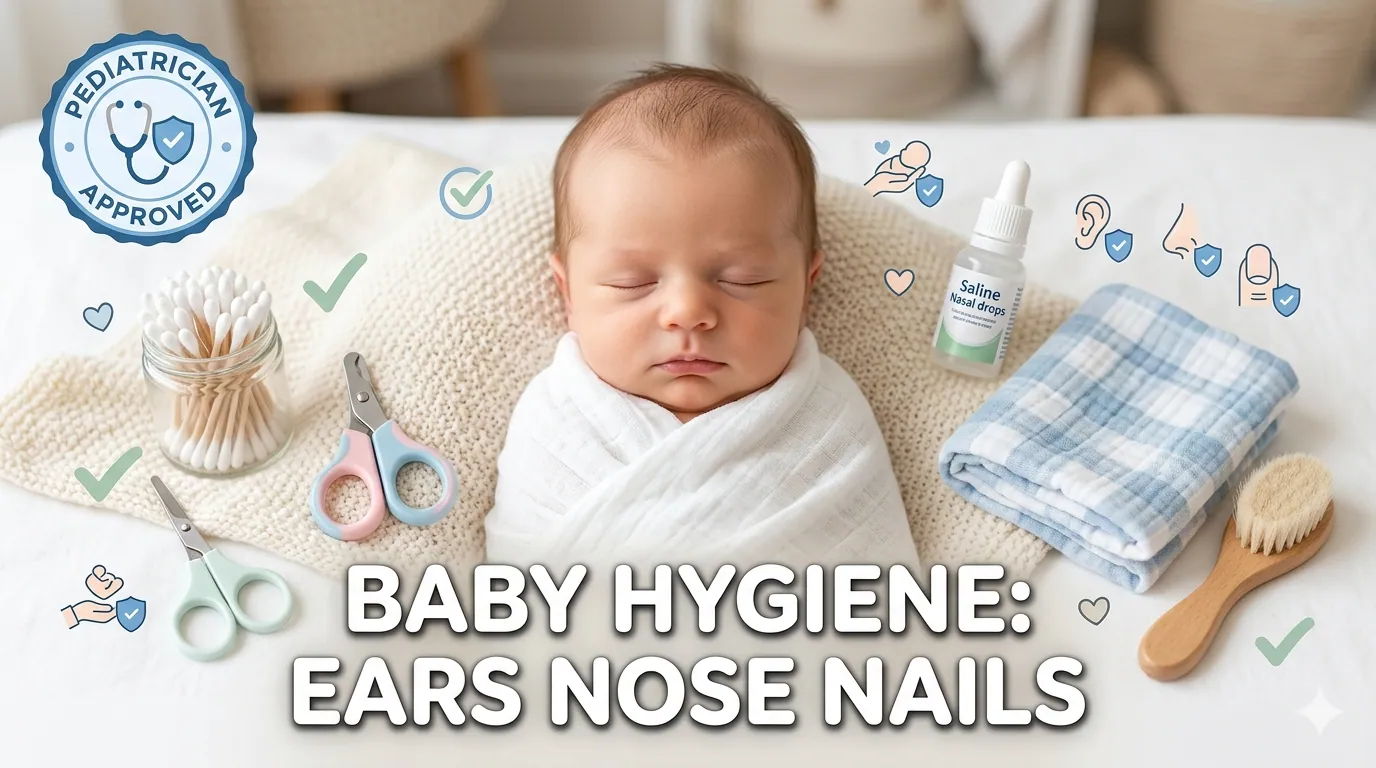
Baby Hygiene Guide: Safe Care for Ears, Noses & Nails
Welcoming a new baby into your life brings endless joy—and a steep learning curve when it comes to caring for their delicate needs. Among the most common concerns for new parents: how to safely clean and care for your baby's ears, nose, and nails. These seemingly simple tasks can feel intimidating when your little one is so small, fragile, and wiggly. The good news? With the right knowledge, gentle techniques, and appropriate tools, you can confidently maintain your baby's hygiene while keeping them comfortable and safe.
This comprehensive guide provides evidence-based, pediatrician-approved advice for caring for your baby's ears, nose, and nails. We'll explore why these areas require special attention, which tools and techniques are safe (and which to avoid), step-by-step instructions for each care task, and answers to the most frequently asked questions from parents. Whether you're caring for a newborn or a curious toddler, you'll find practical strategies to make hygiene time calm, effective, and even bonding.
Remember: every baby is unique, and what works for one may need adjustment for another. Always consult your pediatrician with specific concerns, and trust your instincts as a parent. With patience, practice, and the guidance in this article, you'll master these essential care skills and help your little one stay healthy, comfortable, and happy.
Why Ear, Nose, and Nail Care Matter for Babies
Proper hygiene for your baby's ears, nose, and nails isn't just about cleanliness—it's about health, comfort, and development. Understanding the "why" behind these care routines helps you prioritize them appropriately and approach them with confidence.
Ear Care: Baby ears are delicate and self-cleaning to a remarkable degree. However, understanding how to care for them prevents common issues like ear infections, wax buildup discomfort, and accidental injury from improper cleaning. The ear canal in infants is shorter and more horizontal than in adults, making it more susceptible to fluid retention and infection if handled incorrectly.
Nose Care: Babies are obligate nasal breathers for the first few months, meaning they primarily breathe through their noses. Even mild congestion can interfere with feeding, sleeping, and comfort. Gentle, appropriate nose care helps maintain clear airways without irritating sensitive nasal passages or disrupting the natural protective mucus lining.
Nail Care: Baby nails grow surprisingly fast and can be sharp enough to scratch delicate skin—including their own face. Regular, safe nail trimming prevents accidental scratches, reduces infection risk from broken skin, and supports healthy nail development. It also establishes early routines that make future grooming easier as your child grows.
Approaching these tasks with knowledge and gentleness transforms them from stressful chores into opportunities for connection and care.
Safe Baby Ear Care: What Parents Need to Know
What is the safest way to clean a baby's ears?
The safest way to clean a baby's ears is to wipe only the outer ear with a soft, damp washcloth during bath time. Never insert cotton swabs, fingers, or any objects into the ear canal, as this can push wax deeper, cause injury, or increase infection risk. Baby ears are largely self-cleaning; earwax naturally migrates outward and can be gently wiped away from the visible outer ear.
Understanding Baby Earwax:
Earwax (cerumen) is not dirt—it's a protective substance produced by glands in the ear canal. It traps dust, repels water, and has antimicrobial properties that help prevent infections. In babies, earwax may appear light yellow, orange, or brown, and its consistency can range from soft to slightly firm. This is normal.
The ear canal has a natural self-cleaning mechanism: as skin cells grow and shed, they carry old wax outward toward the ear opening. For most babies, no internal cleaning is needed. Attempting to remove wax from inside the canal often backfires, pushing it deeper and potentially causing impaction.
Step-by-Step Outer Ear Cleaning:
- Timing: Clean ears during or after bath time when wax is softened by warmth and moisture.
- Tools: Use a soft washcloth or cotton ball dampened with warm water. Avoid cotton swabs entirely.
- Technique: Gently wipe the outer ear, including folds and behind the ear. Use a fresh section of cloth for each ear to avoid transferring bacteria.
- Drying: Pat the outer ear dry with a soft towel. Ensure no moisture remains in skin folds, which can promote irritation.
When to Seek Medical Advice:
Contact your pediatrician if you notice: excessive wax blocking the ear opening, foul odor from the ear, drainage (especially if yellow, green, or bloody), signs of pain (tugging at ear, fussiness during feeding), or hearing concerns. Never attempt to remove impacted wax at home—this requires professional evaluation and tools.
Common Ear Care Mistakes to Avoid:
- Using cotton swabs: These can perforate the eardrum, push wax deeper, or cause irritation. The American Academy of Pediatrics strongly advises against inserting anything into a baby's ear canal.
- Ear candling: This alternative practice is ineffective and dangerous, with risks of burns, wax blockage, and ear injury.
- Over-cleaning: Excessive wiping can irritate delicate skin and disrupt the ear's natural protective environment.
- Ignoring symptoms: Discharge, odor, or persistent fussiness may signal infection requiring medical treatment.
Gentle Baby Nose Care: Keeping Airways Clear
How do I safely clean my baby's stuffy nose?
To safely clean a baby's stuffy nose, use saline drops to loosen mucus followed by gentle suction with a bulb syringe or nasal aspirator. Limit suctioning to 2-3 times daily to avoid irritating nasal passages. For mild congestion, a cool-mist humidifier and upright positioning during sleep can also provide relief without intervention.
Why Babies Get Stuffy Noses:
Nasal congestion is common in infants due to their tiny nasal passages, developing immune systems, and exposure to new environments. Causes include colds, dry air, irritants (like dust or perfume), teething (which can increase mucus production), and normal newborn adjustment. While often harmless, congestion can interfere with feeding and sleep since babies struggle to breathe and suck simultaneously.
Safe Nose Cleaning Tools:
- Saline (salt water) drops or spray: Pediatrician-approved, drug-free solution that loosens thick mucus. Available over-the-counter or made at home with distilled water and non-iodized salt (consult your pediatrician for ratios).
- Bulb syringe: Classic rubber suction device. Effective when used gently and cleaned thoroughly after each use.
- Nasal aspirator: Manual or battery-operated devices designed for infant noses. Some feature filters to prevent mucus from entering the mechanism.
- Soft tissues or cloth: For wiping external nostrils. Choose fragrance-free, hypoallergenic options to minimize irritation.
Step-by-Step Nose Clearing Technique:
- Prepare: Wash your hands. Have saline drops, suction device, and tissues ready.
- Position: Lay baby on their back with head slightly tilted back. You may swaddle a young infant to limit wiggling.
- Apply saline: Place 1-2 drops of saline into each nostril. Wait 30-60 seconds for mucus to loosen.
- Suction gently: Compress the bulb syringe before placing the tip just inside the nostril (no more than ¼ inch). Release slowly to create suction. Repeat for the other nostril. Clean the device thoroughly after each use.
- Wipe externally: Use a soft, damp cloth to gently clean around the nostrils. Apply a tiny amount of petroleum jelly if skin becomes irritated from frequent wiping.
Additional Comfort Measures:
- Humidify the air: A cool-mist humidifier in baby's room adds moisture, easing congestion. Clean daily to prevent mold.
- Elevate during sleep: Place a towel under the mattress (not in the crib) to create a slight incline, helping mucus drain. Never use pillows or positioners in the crib.
- Hydration: Ensure adequate feeding. For babies over 6 months, small amounts of water (with pediatrician approval) may help thin mucus.
- Steam exposure: Sitting with baby in a steamy bathroom for 10-15 minutes can loosen congestion. Keep baby away from hot water.
When to Call the Pediatrician:
Seek medical advice if congestion is accompanied by: fever (especially in infants under 3 months), difficulty breathing, blue lips or face, refusal to feed, symptoms lasting more than 10-14 days, or thick green/yellow discharge with fever. These may indicate infection or other conditions requiring treatment.
Confident Baby Nail Care: Trimming Without Tears
What is the safest way to trim a baby's nails?
The safest way to trim a baby's nails is to use baby-specific nail clippers or scissors with rounded tips, trim when baby is calm or sleeping, hold the finger pad away from the nail, and cut straight across following the natural nail curve. File sharp edges with a baby nail file. Trim fingernails 1-2 times weekly and toenails monthly, as they grow slower.
Why Regular Nail Care Matters:
Baby nails grow quickly—fingernails may need trimming every few days in the early weeks. Sharp nails can cause accidental scratches to baby's delicate face, eyes, or your skin during feeding and cuddling. Scratches can break the skin barrier, increasing infection risk. Regular trimming also prevents nails from curling into the skin or catching on clothing.
Essential Nail Care Tools:
- Baby nail clippers: Small, designed with safety features like magnifying windows or guards to prevent over-cutting.
- Baby nail scissors: Feature rounded tips to minimize injury risk if baby moves suddenly.
- Emery board or baby nail file: Gentle abrasive surface for smoothing sharp edges after trimming. Electric files designed for infants are also available.
- Good lighting: Natural light or a bright lamp helps you see the nail edge clearly.
When to Trim:
Timing can make the difference between a smooth experience and a struggle. Ideal moments include:
- During sleep: Many parents find trimming while baby is in deep sleep easiest. Ensure good lighting and work gently to avoid waking them.
- After bath time: Nails are softer and more pliable after soaking, making them easier to trim.
- When baby is calm: After feeding or during quiet play, a content baby may tolerate brief grooming.
- With a helper: If baby is wiggly, have another adult gently hold and distract them while you trim.
Step-by-Step Nail Trimming Guide:
- Prepare your space: Choose a well-lit, comfortable area. Have all tools within reach so you don't need to let go of baby.
- Position baby securely: Lay baby on a firm surface or hold them in your lap with their back against your chest. Swaddling young infants can limit arm movement.
- Isolate one finger: Gently press the finger pad away from the nail to create clear access and protect the skin.
- Trim carefully: Cut straight across for toenails; follow the natural curve for fingernails. Leave a tiny white edge to avoid cutting too short. Never cut into the corners, which can encourage ingrown nails.
- Smooth edges: Use a baby nail file to gently round any sharp corners. File in one direction rather than sawing back and forth.
- Check your work: Run your finger over each nail to ensure no sharp edges remain.
What If You Cut Too Short?
Accidents happen. If you nick the skin: stay calm (your reaction affects baby), apply gentle pressure with a clean cloth to stop minor bleeding, and comfort your baby. The area will heal quickly. Avoid using adhesive bandages on infants, as they pose a choking hazard if loosened.
Nail Care by Age:
- Newborns (0-3 months): Nails are soft but grow fast. Many parents prefer filing over clipping in early weeks. Trim when baby is deeply asleep.
- Infants (3-12 months): Nails become firmer. Baby is more active, so timing and distraction become key. Introduce nail care as a calm, routine part of bath time.
- Toddlers (12+ months): Involve your child by letting them hold a toy or "help" with filing. Keep sessions brief and positive to build cooperation.
Creating a Calm Hygiene Routine for Baby
Integrating ear, nose, and nail care into a predictable routine reduces stress for both you and your baby. Consistency helps babies know what to expect, making cooperation more likely over time.
Timing Strategies:
- Link to existing routines: Attach hygiene tasks to bath time, diaper changes, or bedtime. For example: bath → ear wipe → nail trim → pajamas → sleep.
- Keep sessions short: Aim for 5-10 minutes total for all three tasks. Babies have limited patience; efficiency respects their attention span.
- Choose calm moments: Avoid hygiene tasks when baby is hungry, overtired, or overstimulated. A content baby is a cooperative baby.
Comfort Techniques:
- Swaddling: For young infants, a snug swaddle limits arm movement during nail trimming while providing security.
- Distraction: For older babies, offer a special toy, sing a song, or make funny faces to hold attention during care.
- Positive reinforcement: Praise, smiles, and gentle touch during and after hygiene tasks build positive associations.
- Skin-to-skin contact: Holding baby against your chest during nose clearing can be soothing for both of you.
Hygiene Tool Maintenance:
Keeping tools clean prevents introducing bacteria to sensitive areas:
- Wash bulb syringes and nasal aspirators with warm, soapy water after each use. Rinse thoroughly and air-dry.
- Wipe nail clippers and scissors with rubbing alcohol before and after use.
- Replace washcloths and cotton balls after each use; never share between ears or between children.
- Store all hygiene tools in a clean, dry container dedicated to baby care.
Common Baby Hygiene Mistakes and How to Avoid Them
Even well-intentioned parents can make missteps when caring for delicate baby features. Awareness of common errors helps you avoid them.
Mistake 1: Inserting objects into the ear canal
Solution: Remember: nothing smaller than your elbow goes in baby's ear. Clean only the visible outer ear with a damp cloth. Trust the ear's self-cleaning ability.
Mistake 2: Over-suctioning the nose
Solution: Limit nasal suctioning to 2-3 times daily. Excessive suction can irritate nasal passages, causing swelling that worsens congestion. Use saline and humidification as first-line approaches.
Mistake 3: Cutting nails too short or too fast
Solution: Take your time. Trim in good light, hold the finger pad away from the nail, and cut conservatively. It's better to trim more frequently than to risk cutting the skin.
Mistake 4: Using adult products on baby
Solution: Adult cotton swabs, nail clippers, or saline sprays may be too harsh or improperly sized. Choose products specifically designed for infant anatomy and sensitivity.
Mistake 5: Ignoring baby's cues
Solution: If baby becomes distressed, pause and comfort them. Forcing hygiene tasks creates negative associations. Try again later or break tasks into smaller steps.
When to Consult Your Pediatrician
While most ear, nose, and nail care can be managed at home, certain signs warrant professional evaluation:
Ear Concerns:
- Fluid, pus, or blood draining from the ear
- Foul odor from the ear canal
- Excessive earwax completely blocking the ear opening
- Signs of pain: tugging at ear, crying during feeding, fever
- Concerns about hearing or response to sounds
Nose Concerns:
- Congestion lasting more than 10-14 days
- Thick green or yellow discharge with fever
- Difficulty breathing, rapid breathing, or flaring nostrils
- Refusal to feed due to congestion
- Recurrent nosebleeds (rare in infants but require evaluation)
Nail Concerns:
- Redness, swelling, or pus around the nail (signs of infection)
- Nails growing into the skin (ingrown nails)
- Discoloration, thickening, or unusual texture changes
- Excessive scratching despite regular trimming (may indicate eczema or other skin conditions)
When in doubt, always consult your pediatrician. It's better to seek reassurance than to delay care for a potential issue.
Expert Tips for Stress-Free Baby Hygiene
Experienced parents and pediatric professionals share these practical strategies:
"The Two-Person Technique": For nail trimming, have one adult hold and distract baby while the other trims. This is especially helpful for active infants.
"Saline First, Always": Before suctioning the nose, always use saline drops. This simple step makes suctioning more effective and less uncomfortable for baby.
"File More, Clip Less": For newborns, many parents find filing nails with a gentle emery board less stressful than clipping. It's slower but virtually risk-free.
"Routine Over Perfection": Consistency matters more than flawless execution. A calm, predictable routine builds trust and cooperation over time.
"Trust Your Instincts": You know your baby best. If something feels wrong or uncomfortable, pause and reassess. There's no rush—hygiene can wait for the right moment.
Frequently Asked Questions
How often should I clean my baby's ears, nose, and nails?
Clean the outer ears gently during each bath (daily or every other day). Clear the nose only when congested, limiting suctioning to 2-3 times daily. Trim fingernails 1-2 times weekly and toenails monthly, as they grow slower. Adjust frequency based on your baby's individual needs and growth rate.
Can I use cotton swabs to clean my baby's ears?
No, never use cotton swabs inside a baby's ear canal. The American Academy of Pediatrics warns that swabs can push wax deeper, cause injury to the delicate ear canal, or perforate the eardrum. Clean only the visible outer ear with a soft, damp washcloth.
What if my baby hates having their nails trimmed?
Try trimming while baby is sleeping or deeply relaxed. Use distraction techniques like singing, toys, or nursing. Keep sessions very short—trim a few nails at a time over multiple sessions if needed. File instead of clip for less intimidating care. Over time, consistency and positive reinforcement build tolerance.
Is it normal for baby earwax to be different colors?
Yes, baby earwax can range from light yellow to orange or brown, and consistency can vary from soft to firm. This is normal. Concerning signs include foul odor, drainage, or wax completely blocking the ear opening—these warrant pediatric evaluation.
How do I know if my baby's congestion needs medical attention?
Seek medical advice if congestion is accompanied by fever (especially in infants under 3 months), difficulty breathing, blue lips or face, refusal to feed, symptoms lasting more than 10-14 days, or thick green/yellow discharge with fever. Mild congestion without these signs can usually be managed at home with saline and humidification.
Conclusion: Gentle Care Builds Healthy Habits
Caring for your baby's ears, nose, and nails is a fundamental part of nurturing their health and comfort. While these tasks may feel daunting at first, knowledge and practice transform them into manageable, even bonding, moments. By following safe, gentle techniques and using appropriate tools, you protect your little one from discomfort and injury while establishing routines that support lifelong hygiene habits.
Remember that perfection isn't the goal—consistent, loving care is. Some days will be smoother than others, and that's perfectly normal. Trust your instincts, lean on your pediatrician for guidance, and celebrate the small victories. Every gentle wipe, careful trim, and soothing moment of care strengthens the foundation of your baby's wellbeing.
As your child grows, these early hygiene experiences shape their relationship with self-care. By approaching ear, nose, and nail care with patience, knowledge, and tenderness, you're not just maintaining cleanliness—you're teaching your child that their body is worthy of gentle attention and respect. That lesson, woven into the fabric of daily care, is one of the greatest gifts you can give.