

The Truth About Baby Powder: Safe Alternatives for Parents
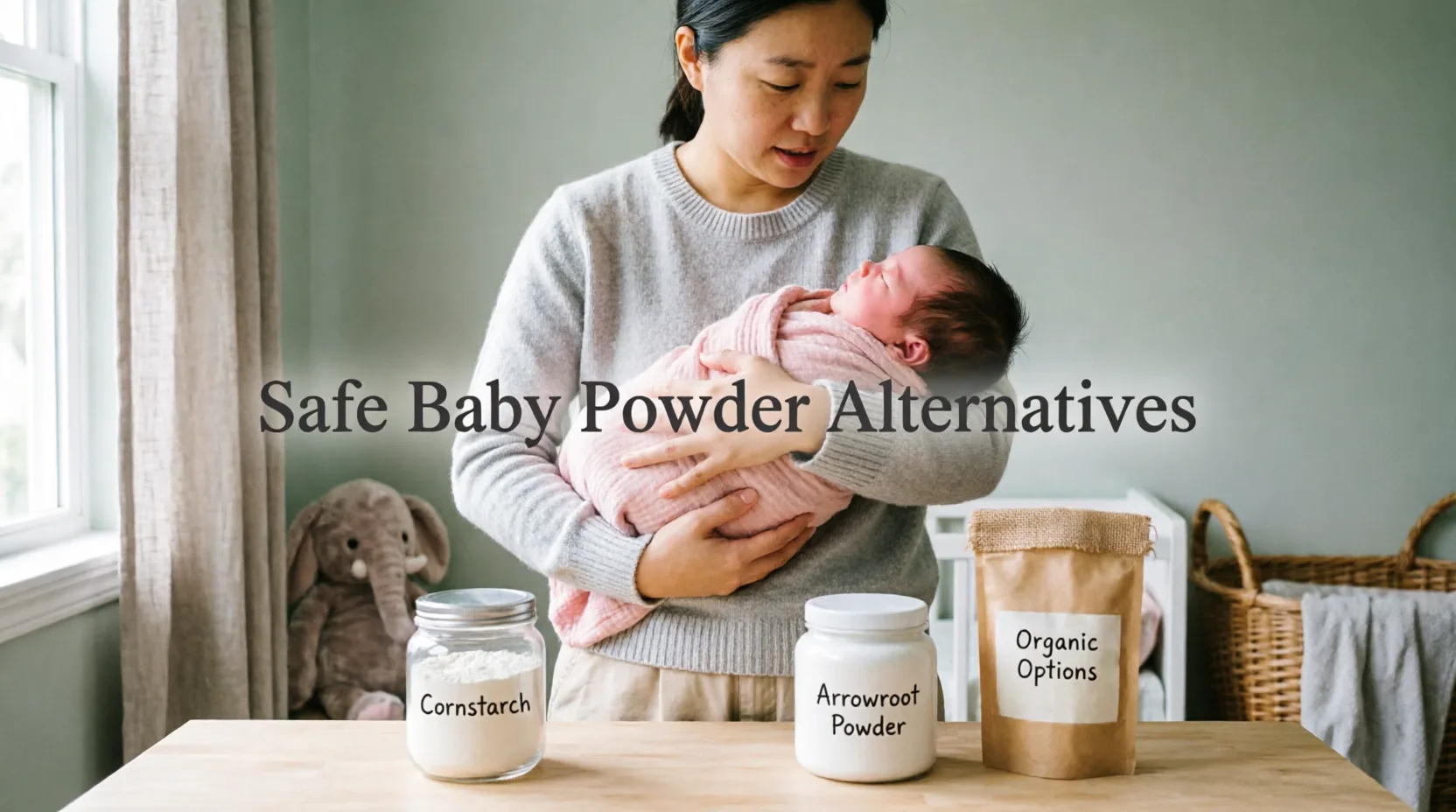
For generations, baby powder has been a staple in nurseries around the world. That familiar scent, the silky texture, the promise of keeping baby's skin soft and dry—it seemed like an essential part of infant care. But in recent years, questions about the safety of traditional baby powder have sparked concern among parents, healthcare providers, and regulators alike. If you're a parent wondering whether the baby powder in your nursery is truly safe—or if you're expecting and researching products for your little one—you're not alone. The truth about baby powder is more complex than many realize, and understanding the facts is essential for making informed choices about your baby's care.
This comprehensive guide cuts through the confusion to deliver evidence-based information about baby powder safety, the concerns surrounding traditional talc-based products, and the safe, effective alternatives that every parent should know. You'll learn about the science behind the controversy, discover natural and commercial alternatives that protect your baby's delicate skin, and gain practical tips for keeping your little one comfortable without compromising safety. Whether you're navigating diaper changes, managing diaper rash, or simply seeking gentle skincare solutions, this guide will empower you with the knowledge to choose wisely.
Let's explore what science, medicine, and experience tell us about baby powder—and how you can provide the gentlest, safest care for your precious little one.
Understanding Baby Powder: What It Is and Why It's Been Used
Before evaluating safety concerns, it's important to understand what baby powder is and why it became such a ubiquitous part of infant care.
Traditional Baby Powder: Talc-Based Formulations
For most of the 20th century, baby powder was primarily made from talc—a mineral composed of magnesium, silicon, and oxygen. Talc is prized for its ability to:
- Absorb moisture: Talc's fine particles effectively wick away moisture, helping keep skin dry
- Reduce friction: The silky texture minimizes chafing between skin folds and against diapers
- Provide a smooth feel: The fine powder leaves skin feeling soft and comfortable
- Offer a familiar scent: Many traditional powders include a light, recognizable fragrance
These properties made talc-based powder seem ideal for preventing diaper rash, soothing irritated skin, and keeping babies comfortable during diaper changes.
Cornstarch-Based Powders: The First Alternative
In response to emerging concerns about talc, many manufacturers introduced cornstarch-based baby powders. Cornstarch shares many of talc's beneficial properties:
- Excellent moisture absorption
- Smooth, silky texture
- Naturally derived from corn
- Generally recognized as safe for topical use
However, cornstarch powders also have distinct characteristics that parents should understand, which we'll explore in detail below.
Why Parents Reach for Baby Powder
Understanding the motivations behind baby powder use helps frame the search for alternatives:
- Diaper rash prevention: Keeping skin dry is a key strategy for preventing irritation
- Comfort in skin folds: Babies have many skin folds where moisture can accumulate
- Familiar ritual: For many parents, powder is part of a comforting diaper-change routine
- Sensory experience: The scent and texture can be soothing for both baby and parent
These valid goals don't require talc—and in many cases, can be achieved more safely with alternatives.
The Safety Concerns: What Science Tells Us
The controversy surrounding baby powder centers on two primary concerns: respiratory risks and potential long-term health effects. Understanding the evidence helps parents make informed decisions.
Respiratory Risks: Inhalation Concerns
The Issue: Baby powder consists of very fine particles that can become airborne during application. When inhaled, these particles can irritate delicate infant airways.
What the Research Shows:
- The American Academy of Pediatrics (AAP) has long cautioned against using powder near infants due to inhalation risks [[18]]
- Inhaled talc or cornstarch particles can cause coughing, wheezing, or respiratory distress in infants
- Babies' small airways are particularly vulnerable to particle irritation
- Even brief exposure to airborne powder can trigger respiratory symptoms in sensitive infants
Practical Implication: Regardless of whether powder is talc- or cornstarch-based, the inhalation risk remains. This is a primary reason many pediatricians now recommend avoiding loose powders altogether for infants.
Talc and Asbestos: The Contamination Concern
The Issue: Talc and asbestos are minerals that can form in close proximity in the earth. Historically, some talc deposits have been contaminated with asbestos—a known carcinogen.
What the Research Shows:
- Since the 1970s, cosmetic-grade talc in the U.S. has been required to be asbestos-free [[22]]
- However, testing by independent organizations has occasionally detected asbestos in talc-based products, raising questions about supply chain oversight
- In 2019, major manufacturers voluntarily recalled certain talc-based baby powder products after trace asbestos was detected
- The International Agency for Research on Cancer (IARC) classifies perineal (genital) use of talc-based body powder as "possibly carcinogenic to humans" (Group 2B) [[15]]
Important Context: The "possibly carcinogenic" classification reflects limited evidence and does not mean talc definitely causes cancer. However, given the availability of safe alternatives, many health experts recommend a precautionary approach—especially for infants.
Ovarian Cancer Concerns: What Parents Should Know
The Issue: Some epidemiological studies have suggested a possible link between long-term perineal use of talc-based powder and ovarian cancer in adult women.
What the Research Shows:
- Studies have produced mixed results; some show a small increased risk, while others show no association
- Major health organizations, including the American Cancer Society, note that if a risk exists, it is likely small [[19]]
- The biological mechanism for how talc might reach the ovaries remains theoretical
- Research specifically on infant exposure and later-life outcomes is extremely limited
Practical Takeaway for Parents: While the ovarian cancer concern primarily relates to adult, long-term use, the precautionary principle suggests minimizing unnecessary talc exposure for infants when safe alternatives exist.
Cornstarch and Fungal Growth: An Overlooked Risk
The Issue: While cornstarch is generally considered safer than talc regarding inhalation and cancer concerns, it has its own consideration: cornstarch can potentially feed yeast.
What the Research Shows:
- Candida albicans, the yeast responsible for many cases of diaper rash, can use cornstarch as a food source
- In theory, cornstarch powder applied to a yeast-prone area could potentially worsen a fungal diaper rash
- However, clinical evidence of this occurring in practice is limited
Practical Implication: If your baby has a diagnosed yeast diaper rash, your pediatrician may recommend avoiding cornstarch-based powders until the rash resolves. For general use in healthy skin, cornstarch remains a widely accepted alternative to talc.
Safe and Effective Alternatives to Traditional Baby Powder
The good news: you don't need talc—or even traditional powder—to keep your baby comfortable and protect their delicate skin. Here are evidence-based, pediatrician-recommended alternatives.
1. Barrier Creams and Ointments
How They Work: Instead of absorbing moisture, barrier products create a protective layer that shields skin from wetness, friction, and irritants.
Top Options:
- Zinc oxide creams: The gold standard for diaper rash prevention and treatment; forms a protective barrier while soothing irritation
- Petroleum jelly: An affordable, effective occlusive barrier that locks out moisture
- Lanolin-based creams: Natural option that moisturizes while protecting (ensure baby isn't sensitive to lanolin)
- Dimethicone-based products: Silicone-based barriers that are gentle and effective
When to Use: Apply a thin layer at every diaper change for prevention; use a thicker layer for treating existing irritation.
Application Tip: You don't need to scrub off all the barrier cream at each change—gently remove soiled portions and reapply. This preserves the protective layer and reduces friction.
2. Natural Powder Alternatives
For parents who prefer a powder-like texture, several natural options offer moisture absorption without the concerns of talc.
Arrowroot Powder:
- Source: Derived from the root of the arrowroot plant
- Benefits: Highly absorbent, silky texture, naturally antimicrobial
- Best for: General moisture control in skin folds
- Consideration: Like any powder, apply carefully to avoid inhalation
Oat Flour (Colloidal Oatmeal):
- Source: Finely ground oats
- Benefits: Soothes irritated skin, anti-inflammatory properties, FDA-approved skin protectant
- Best for: Babies with sensitive skin or existing irritation
- Consideration: Ensure your baby doesn't have an oat allergy (rare but possible)
Rice Starch:
- Source: Derived from rice
- Benefits: Gentle, absorbent, less likely to feed yeast than cornstarch
- Best for: Parents seeking a cornstarch alternative
- Consideration: Still a fine powder—apply with care to minimize airborne particles
Application Best Practices for Any Powder:
- Pour powder into your hand first—never directly onto baby
- Keep powder away from baby's face to prevent inhalation
- Apply sparingly; a little goes a long way
- Store powder securely out of baby's reach
3. Liquid Alternatives and Sprays
For parents who want the benefits of powder without the inhalation risk, liquid formulations offer an innovative solution.
Liquid Powders:
- How they work: Apply as a liquid that dries to a powder-like finish
- Benefits: No airborne particles; easy, controlled application
- Ingredients to look for: Rice starch, tapioca starch, or silica in a water-based formula
Protective Sprays:
- How they work: Light mist forms a breathable barrier on skin
- Benefits: Quick application; no rubbing required
- Best for: Quick changes or on-the-go use
Consideration: Always patch-test new products and ensure sprays are formulated specifically for infant use.
4. Simple, Whole-Food Solutions
Sometimes the simplest solutions are the most effective—and safest.
Coconut Oil:
- Benefits: Natural antimicrobial properties; moisturizes while protecting
- How to use: Apply a thin layer to clean, dry skin
- Best for: General moisture protection and mild irritation
Breast Milk (for nursing parents):
- Benefits: Natural antibodies and healing properties
- How to use: Apply a few drops to affected area; let air dry
- Best for: Minor irritation or as a complementary treatment
- Note: Not a substitute for medical treatment of significant rashes
Aloe Vera Gel (pure, fragrance-free):
- Benefits: Soothes inflammation; promotes healing
- How to use: Apply a thin layer to clean skin
- Best for: Calming irritated or sun-exposed skin
- Consideration: Ensure product is pure aloe without alcohol or additives
DIY Baby Powder: Safe Homemade Recipes
For parents who prefer to control every ingredient, making your own baby powder is simple and cost-effective. Here are pediatrician-approved recipes.
Basic Arrowroot Baby Powder
Ingredients:
- 1/2 cup arrowroot powder
- 2 tablespoons cornstarch (optional, for extra absorbency)
- 1-2 drops lavender essential oil (optional; omit for babies under 3 months)
Instructions:
- Combine arrowroot and cornstarch in a clean bowl
- If using essential oil, add drop by drop and mix thoroughly
- Store in an airtight container with a shaker top
- Label clearly and keep out of reach of children
Usage Tips:
- Apply sparingly to skin folds and diaper area
- Always pour into your hand first, away from baby's face
- Discontinue if any irritation occurs
Soothing Oat-Calming Powder
Ingredients:
- 1/2 cup colloidal oatmeal (finely ground oats)
- 1/4 cup arrowroot powder
- 1 tablespoon dried chamomile flowers (optional, ground to powder)
Instructions:
- Grind oats in a clean coffee grinder or blender until very fine
- Combine with arrowroot and chamomile (if using)
- Sift through a fine mesh strainer to remove any coarse particles
- Store in an airtight container
Best For: Babies with sensitive or irritated skin; the oatmeal provides soothing benefits while the arrowroot absorbs moisture.
Important Safety Notes for DIY Powders
- Essential oils: Use with extreme caution. Many pediatricians recommend avoiding essential oils entirely for babies under 3 months, and using only highly diluted amounts (0.5-1% concentration) for older infants. When in doubt, omit them.
- Allergy testing: Before using any new ingredient on your baby, do a patch test: apply a small amount to a small area of skin and wait 24 hours to check for reactions.
- Freshness: Homemade powders lack preservatives. Make small batches and use within 1-2 months.
- Hygiene: Use clean, dry utensils and containers to prevent contamination.
Diaper Rash Prevention: Beyond Powder
While powder alternatives can help manage moisture, preventing diaper rash involves a holistic approach. These evidence-based strategies work synergistically.
The ABCDE Method for Diaper Care
A - Air:
- Give baby diaper-free time daily (10-15 minutes, 2-3 times per day)
- Allow skin to breathe and stay dry naturally
- Place baby on a waterproof pad or towel for easy cleanup
B - Barrier:
- Apply a thin layer of barrier cream at every diaper change
- Zinc oxide is particularly effective for prevention
- Don't scrub off all the cream at each change—preserve the protective layer
C - Clean:
- Gently cleanse with warm water and a soft cloth or fragrance-free wipes
- Pat dry—don't rub—to avoid irritating delicate skin
- For sensitive skin, consider water-only cleaning
D - Diaper Changes:
- Change diapers frequently (every 2-3 hours, or immediately after bowel movements)
- Ensure proper fit: snug but not tight, to minimize chafing
- Consider breathable, hypoallergenic diaper brands if irritation persists
E - Evaluate:
- Monitor for early signs of irritation (redness, warmth)
- Adjust your routine based on baby's response
- Consult your pediatrician if rash persists or worsens
Additional Prevention Strategies
During Diarrhea:
- Change diapers immediately after each bowel movement
- Use a thicker barrier cream
- Consider a brief course of antifungal cream if yeast is suspected (consult pediatrician)
When Introducing Solids:
- New foods can change stool composition and increase rash risk
- Be extra vigilant with changes and barrier protection during this transition
For Sensitive Skin:
- Choose fragrance-free, hypoallergenic diapers and wipes
- Avoid products with alcohol, parabens, or harsh preservatives
- Consider cloth diapers with gentle, natural detergents if irritation persists
Choosing Commercial Products: What to Look For
If you prefer ready-made products, these guidelines help you select safe, effective options.
Reading Labels: Ingredients to Seek and Avoid
Seek:
- "Talc-free" clearly stated on packaging
- Natural absorbents: arrowroot, rice starch, oat flour, tapioca starch
- Soothing ingredients: colloidal oatmeal, aloe, calendula, chamomile
- Barrier ingredients: zinc oxide, dimethicone, petroleum
- "Fragrance-free" or "unscented" (fragrance is a common irritant)
- "Hypoallergenic" and "pediatrician-tested" claims (though verify ingredients)
Avoid:
- "Talc" or "talcum powder" as an ingredient
- Parabens, phthalates, and formaldehyde-releasing preservatives
- Artificial fragrances or dyes
- Triclosan (an antimicrobial with potential health concerns)
- Unnecessary fillers or ingredients you can't pronounce
Trusted Brands and Certifications
Brands Often Recommended by Pediatricians:
- Burt's Bees Baby Bee Dusting Powder (talc-free, cornstarch-based)
- Earth Mama Organic Baby Powder (arrowroot-based, organic)
- Weleda Baby Powder (talc-free, with calendula)
- Badger Baby Powder (organic arrowroot and oat flour)
- Desitin or Boudreaux's Butt Paste (barrier creams, not powders)
Certifications to Look For:
- USDA Organic: Ensures ingredients are grown without synthetic pesticides
- EWG Verified: Environmental Working Group's mark for transparency and safety
- National Eczema Association Seal: Indicates suitability for sensitive skin
- MADE SAFE: Certifies products are made with safe ingredients
When to Consult Your Pediatrician
While most diaper area concerns can be managed at home, certain situations warrant professional evaluation.
Red Flags Requiring Medical Attention
Contact your pediatrician if you notice:
- Rash that doesn't improve after 2-3 days of consistent home care
- Signs of infection: Pus, oozing, yellow crusting, or increasing redness
- Fever accompanying a diaper rash
- Blisters, open sores, or bleeding in the diaper area
- Rash that spreads beyond the diaper area to abdomen, thighs, or back
- Severe discomfort: Baby is inconsolable or seems in significant pain
- Recurrent rashes: Frequent episodes despite good preventive care
Common Diagnoses and Treatments
Irritant Diaper Dermatitis (Most Common):
- Cause: Prolonged exposure to moisture, friction, and irritants
- Treatment: Barrier creams, frequent changes, air exposure
Yeast (Candidal) Diaper Rash:
- Cause: Overgrowth of Candida yeast in warm, moist environment
- Signs: Bright red rash with satellite lesions; may not respond to typical barrier creams
- Treatment: Antifungal cream (clotrimazole, nystatin) prescribed by pediatrician
Bacterial Infection:
- Cause: Bacterial overgrowth in irritated skin
- Signs: Honey-colored crusting, pus, increasing warmth or swelling
- Treatment: Topical or oral antibiotics as prescribed
Allergic Contact Dermatitis:
- Cause: Reaction to an ingredient in diapers, wipes, or skincare products
- Signs: Rash appears after introducing a new product; may be very itchy
- Treatment: Identify and eliminate the trigger; soothing barrier care
Frequently Asked Questions
Is talc-free baby powder completely safe?
Talc-free powders (typically cornstarch-, arrowroot-, or rice starch-based) eliminate concerns about asbestos contamination and the possible ovarian cancer link associated with talc. However, any fine powder carries an inhalation risk for infants. The safest approach is to minimize airborne powder use around babies. If you choose to use a powder alternative, apply it carefully: pour into your hand away from baby's face, use sparingly, and store securely. For many parents, barrier creams offer the benefits of moisture protection without any inhalation risk.
Can I use adult body powder on my baby?
No. Adult body powders are not formulated for infant skin and may contain ingredients that are irritating or unsafe for babies. Always choose products specifically labeled for infant use, or opt for simple, single-ingredient alternatives like plain arrowroot powder. When in doubt, consult your pediatrician before using any product on your baby.
My baby has sensitive skin. What's the gentlest option?
For sensitive skin, prioritize simplicity and soothing ingredients:
- Best first choice: Plain zinc oxide barrier cream (fragrance-free)
- If you prefer a powder texture: Pure arrowroot powder or colloidal oatmeal
- Avoid: Fragrances, essential oils, and complex ingredient lists
- Always patch-test any new product on a small area before full use
If sensitivity persists, consult your pediatrician to rule out underlying conditions like eczema.
How do I know if my baby is reacting to a product?
Signs of a reaction may include:
- Increased redness, rash, or irritation in the area where product was applied
- Hives, bumps, or swelling
- Excessive fussiness or crying during or after application
- Respiratory symptoms (coughing, wheezing) if powder was inhaled
If you suspect a reaction, discontinue the product immediately, gently cleanse the area with water, and consult your pediatrician if symptoms persist or worsen.
Are natural ingredients always safer?
Not necessarily. "Natural" doesn't automatically mean safe or non-irritating. Some natural ingredients (like certain essential oils, herbs, or plant extracts) can cause allergic reactions or irritation in sensitive infant skin. The key is to:
- Choose simple formulations with few, recognizable ingredients
- Introduce one new product at a time to identify any reactions
- Patch-test before full use
- Prioritize ingredients with a long history of safe use in infant care
When in doubt, ask your pediatrician about specific ingredients.
Can I stop using powder altogether?
Yes—and many pediatricians recommend it. Powder is not essential for healthy diaper care. Effective alternatives include:
- Barrier creams (zinc oxide, petroleum jelly)
- Frequent diaper changes and air exposure
- Gentle cleansing and thorough drying
If your baby's skin stays healthy without powder, there's no need to introduce it. Focus on the ABCDE method (Air, Barrier, Clean, Diaper changes, Evaluate) for comprehensive diaper area care.
Conclusion: Gentle Care Grounded in Evidence
The journey to understanding baby powder safety reflects a broader truth in parenting: what was once considered standard practice may evolve as science advances and our understanding deepens. The concerns surrounding talc-based powders—respiratory risks, potential contamination, and long-term health questions—have rightly prompted parents and healthcare providers to reevaluate traditional choices.
The good news is that safe, effective alternatives abound. Whether you choose barrier creams, natural powders, liquid formulations, or simple whole-food solutions, you can protect your baby's delicate skin without compromising safety. The key is intentionality: understanding the "why" behind your choices and selecting products that align with evidence-based care.
Key takeaways for safe baby skincare:
- Prioritize prevention: Frequent changes, air exposure, and barrier protection prevent most diaper area issues
- Minimize inhalation risks: If using any powder, apply carefully away from baby's face
- Choose simplicity: Fewer ingredients often mean lower irritation risk
- Trust evidence: Look for products with pediatrician endorsement and transparent ingredient lists
- Listen to your baby: Their skin will tell you what works; adjust your routine based on their response
- Consult your pediatrician: When in doubt, or if concerns persist, professional guidance is invaluable
Parenting is a journey of learning, adapting, and loving. By staying informed and choosing gentle, evidence-based care, you're not just protecting your baby's skin—you're building a foundation of trust, comfort, and wellbeing that will support them for years to come.
Start today. Take one step toward safer baby care: perhaps switching to a talc-free alternative, trying a barrier cream, or simply giving your baby a few extra minutes of diaper-free air time. Small, intentional choices add up to meaningful protection.
Your baby deserves the gentlest care. With knowledge, compassion, and the right tools, you're already providing it.