

Hair Supplements Truth: Science vs Marketing Hype
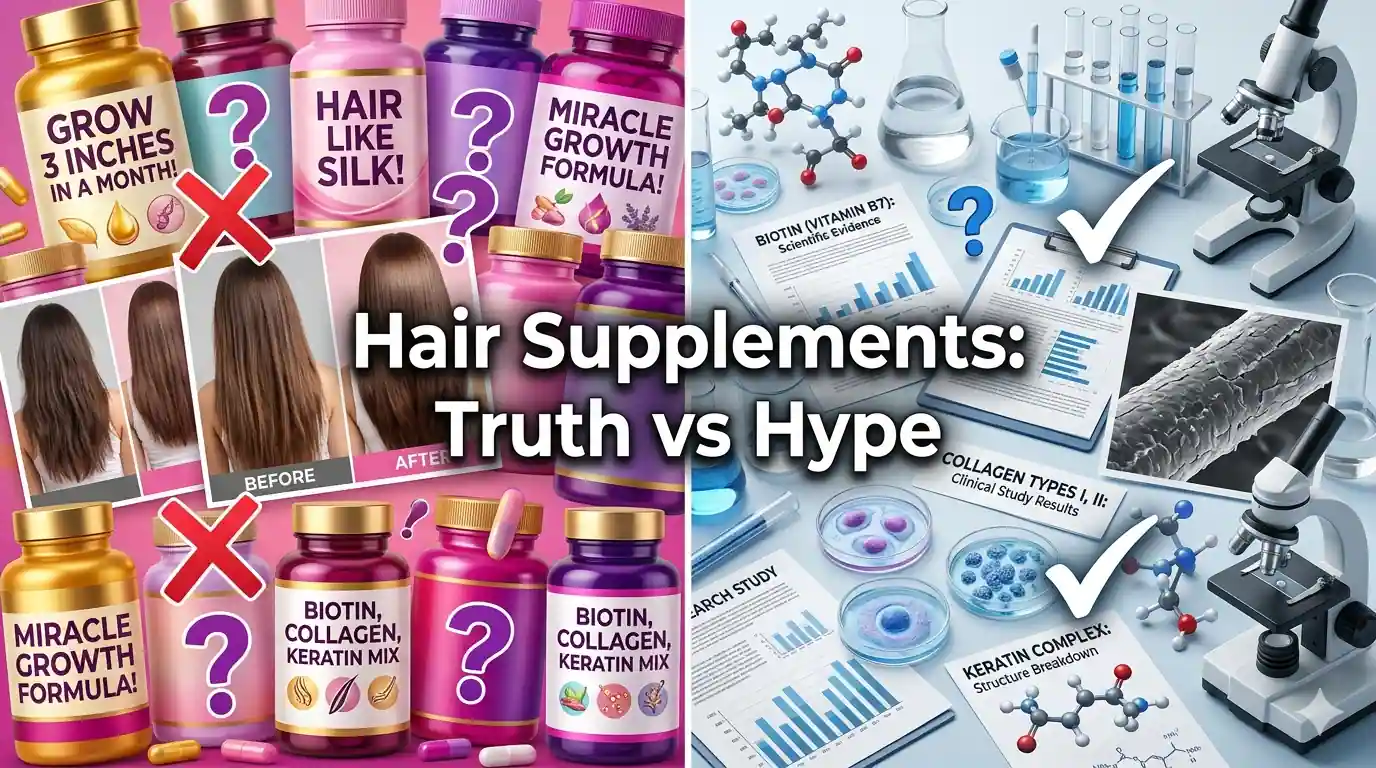
Hair Supplements Truth: Separating Science from Marketing Hype
The hair supplement industry has exploded into a multi-billion dollar market, with promises of luscious locks, rapid growth, and reversal of thinning hair adorning every bottle. Walk into any pharmacy, browse online retailers, or scroll through social media, and you'll encounter countless products claiming to transform your hair with proprietary blends of vitamins, minerals, botanicals, and exotic ingredients. The marketing is compelling: before-and-after photos, celebrity endorsements, and scientific-sounding terminology create an aura of credibility. But what does the actual science say about these products?
The disconnect between marketing claims and scientific evidence in the hair supplement industry is substantial. While some ingredients show genuine promise in clinical studies, many products rely on underdosed formulations, extrapolated data from unrelated research, or ingredients with no credible evidence for hair benefits. The supplement industry operates under different regulations than pharmaceuticals, allowing companies to make structure-function claims without proving efficacy. This regulatory gap, combined with aggressive marketing and our universal desire for thicker, healthier hair, creates a perfect environment for hype to overshadow science.
This comprehensive guide examines hair supplements through the lens of scientific evidence, separating proven ingredients from marketing fiction. We'll explore what actually causes hair loss and thinning, which nutrients genuinely support hair health, the clinical evidence behind popular ingredients like biotin, collagen, and saw palmetto, potential risks and side effects, and when supplements might actually help versus when they're simply expensive urine. Whether you're considering hair supplements for the first time or skeptical of products you've already tried, understanding the science empowers you to make informed decisions about your hair health and your wallet.
Understanding Hair Growth: Why Supplements Target the Wrong Things
To evaluate hair supplements properly, you must first understand how hair grows and what actually causes hair loss. Hair follicles cycle through three phases: anagen (growth phase lasting 2-7 years), catagen (transitional phase lasting 2-3 weeks), and telogen (resting phase lasting 3-4 months before shedding). At any given time, about 85-90% of your hair is in anagen, 1% in catagen, and 10-15% in telogen. Losing 50-100 hairs daily is normal as part of this cycle.
The most common cause of hair loss is androgenetic alopecia (pattern hair loss), affecting up to 50% of men by age 50 and 40% of women by age 70. This condition is primarily genetic and hormonal, driven by dihydrotestosterone (DHT) sensitivity in hair follicles. No vitamin or mineral supplement can override genetic programming or block DHT effectively – this requires FDA-approved medications like finasteride or minoxidil.
Other causes include telogen effluvium (temporary shedding triggered by stress, illness, surgery, or rapid weight loss), alopecia areata (autoimmune condition), nutritional deficiencies, thyroid disorders, medications, and harsh styling practices. Supplements may help only in cases of genuine nutritional deficiency, which is relatively rare in developed countries with adequate food access.
Most hair supplements make the fundamental mistake of assuming hair loss stems from vitamin deficiency. While severe malnutrition certainly causes hair problems, the average person eating a varied diet isn't deficient in hair-building nutrients. Throwing more vitamins at genetically-programmed hair loss is like adding premium gas to a car with a broken engine – it won't fix the underlying problem.
Biotin: The Most Overhyped Hair Supplement Ingredient
Biotin (vitamin B7) has become synonymous with hair growth supplements, featured prominently in nearly every hair vitamin formulation. The marketing is ubiquitous: influencers with impossibly thick hair endorse biotin gummies, packaging promises "clinical strength" results, and social media is flooded with transformation photos. But what does science actually say about biotin for hair growth?
Biotin deficiency does cause hair loss, along with skin rashes and brittle nails. However, true biotin deficiency is extremely rare in healthy individuals eating normal diets. Biotin is found in eggs, nuts, seeds, salmon, sweet potatoes, and many other common foods. Your gut bacteria also produce biotin. The recommended daily allowance is just 30 micrograms, and most people easily meet this through diet alone.
Here's the critical point: supplementing with biotin when you're not deficient provides no benefit. Multiple systematic reviews have found no evidence that biotin supplementation improves hair growth, thickness, or quality in people with normal biotin levels. A 2017 review in Skin Appendage Disorders examined all available evidence and concluded that biotin supplementation for hair growth lacks scientific support except in cases of documented deficiency.
So why does biotin dominate the hair supplement market? Several factors explain this disconnect. First, case reports of biotin helping people with actual deficiency get misinterpreted as evidence for everyone. Second, biotin supplementation can improve brittle nails in some people, and this benefit gets extrapolated to hair without evidence. Third, the placebo effect is powerful – people taking expensive supplements often report improvements regardless of active ingredients. Finally, biotin is cheap, safe, and easy to include in formulations, making it attractive to manufacturers.
There's also a concerning downside to biotin supplementation: it interferes with laboratory tests. High biotin intake can cause falsely high or low results on tests for thyroid function, troponin (heart attack marker), vitamin D, and other critical measurements. The FDA has issued warnings about this, yet many people take biotin without informing their doctors, potentially leading to misdiagnosis or missed diagnoses of serious conditions.
The Bottom Line: Unless you have a diagnosed biotin deficiency (confirmed by blood test), biotin supplements won't improve your hair. Save your money and eat a balanced diet instead.
Collagen: Promising But Overstated for Hair
Collagen supplements have surged in popularity, marketed for skin, hair, nails, and joint health. The theory sounds logical: collagen is a major structural protein in hair follicles and skin, so consuming collagen should support hair growth. Several small studies show modest benefits, but the evidence is far from conclusive, and marketing claims often exceed what research supports.
Collagen makes up about 70% of the dermis, the skin layer containing hair follicles. As we age, collagen production declines, contributing to thinner skin and potentially weaker hair follicles. The hypothesis is that collagen peptides (hydrolyzed collagen broken into smaller molecules) provide amino acids that support collagen synthesis in hair follicles and reduce oxidative damage.
Several studies show promise but have limitations. A 2019 study in the Journal of Drugs in Dermatology found that women taking 2.5g of collagen peptides daily for 6 months showed increased hair thickness and growth rate compared to placebo. However, the study was small (50 participants), industry-funded, and the effects were modest. Another 2021 review noted that while collagen supplementation appears safe and may provide some benefits, high-quality independent research is lacking.
The mechanism isn't fully understood. When you consume collagen, your digestive system breaks it into amino acids and small peptides. These don't necessarily go directly to your hair follicles – they're distributed throughout the body based on need. The idea that eating collagen directly builds hair collagen oversimplifies human metabolism. That said, collagen provides glycine, proline, and hydroxyproline, amino acids important for keratin production and follicle health.
Collagen supplements are generally safe, with few reported side effects. However, they're expensive, often derived from animal sources (problematic for vegans), and the optimal dose and duration remain unclear. Most studies showing benefits used 2.5-10g daily for 3-6 months minimum.
The Bottom Line: Collagen shows modest promise for hair health but isn't a miracle solution. Effects are subtle, research is limited, and results vary. If you try collagen, commit to at least 3-6 months of consistent use and maintain realistic expectations. It may provide more noticeable benefits for skin and joints than hair.
Keratin Supplements: The Misunderstood Protein
Keratin, the primary structural protein in hair, nails, and skin, features prominently in hair supplement marketing. The logic seems sound: hair is made of keratin, so taking keratin supplements should strengthen and grow hair. However, this reasoning reflects a fundamental misunderstanding of protein digestion and hair biology.
When you consume keratin (or any protein), your digestive system breaks it down into individual amino acids and small peptides. These building blocks enter your bloodstream and get distributed throughout your body based on physiological needs. Your body doesn't take dietary keratin and directly incorporate it into your hair. Instead, hair follicles synthesize keratin from amino acids obtained from your overall protein intake.
This means that eating keratin supplements provides no advantage over eating adequate protein from any source – chicken, fish, eggs, beans, or tofu. If you're already consuming sufficient protein (0.8g per kg of body weight for average adults, or about 50-60g daily for most people), additional keratin won't enhance hair growth or strength.
The research on oral keratin supplements for hair is extremely limited. A few small studies suggest possible benefits for hair strength and reduced shedding, but these studies are often industry-funded, lack rigorous methodology, or use combination formulas making it impossible to isolate keratin's effects. No large-scale, independent clinical trials confirm keratin supplementation improves hair growth in healthy individuals.
Topical keratin treatments (the kind done in salons) work differently – they coat the hair shaft temporarily, smoothing the cuticle and reducing frizz. This is purely cosmetic and doesn't affect hair growth or follicle health. Don't confuse topical keratin treatments with oral supplements; they're entirely different interventions.
The Bottom Line: Keratin supplements are unnecessary if you eat adequate protein. Your body makes all the keratin it needs from dietary amino acids. Focus on meeting your overall protein requirements through whole foods rather than expensive keratin capsules.
Vitamins and Minerals: When Deficiency Matters
While supplementing beyond nutritional needs won't enhance hair growth, genuine deficiencies in certain vitamins and minerals absolutely cause hair loss and thinning. Understanding which nutrients matter, who's at risk for deficiency, and how to address it separates evidence-based supplementation from marketing hype.
Iron: Iron deficiency is one of the most common nutritional causes of hair loss, particularly in women. Iron is essential for DNA synthesis in hair follicle cells, and low ferritin (stored iron) levels below 30-40 ng/mL are associated with telogen effluvium and female pattern hair loss. However, routine iron supplementation without confirmed deficiency is ineffective and potentially harmful. Get your ferritin tested before supplementing, and work with a doctor to address deficiency through diet or supplements.
Vitamin D: Low vitamin D levels correlate with various types of hair loss, including alopecia areata and female pattern hair loss. Vitamin D receptors in hair follicles regulate the hair growth cycle, and deficiency may prematurely push follicles into telogen (resting) phase. While research is ongoing, maintaining adequate vitamin D levels (30-50 ng/mL) through sunlight, diet, or supplementation makes sense for overall and hair health. Many people in northern latitudes or with limited sun exposure are deficient.
Zinc: Zinc plays crucial roles in protein synthesis, cell division, and hormone regulation – all important for hair growth. Zinc deficiency causes telogen effluvium and hair shaft abnormalities. However, zinc deficiency is uncommon in developed countries, and excessive zinc supplementation (over 40mg daily) can actually cause hair loss and interfere with copper absorption. Only supplement if deficiency is confirmed.
B Vitamins: Beyond biotin, other B vitamins support hair health. Vitamin B12 deficiency (common in vegans and older adults) can cause hair loss. Folate (B9) and B6 are involved in red blood cell formation, which delivers oxygen and nutrients to hair follicles. Deficiencies are uncommon with varied diets but may occur in restrictive eating patterns or malabsorption conditions.
Vitamin A: Both deficiency and excess vitamin A cause hair loss. While deficiency is rare in developed countries, excessive supplementation (over 10,000 IU daily) can trigger telogen effluvium. Beta-carotene from plant sources is safer than preformed vitamin A supplements.
Selenium: This trace mineral supports antioxidant defense and thyroid function. Both deficiency and excess cause hair loss. The recommended daily allowance is just 55 micrograms, easily obtained from diet. Brazil nuts are so rich in selenium that eating just 2-3 daily meets your needs – more can cause toxicity.
The key principle: test, don't guess. If you're experiencing hair loss and suspect nutritional deficiency, ask your doctor for blood tests checking ferritin, vitamin D, B12, zinc, and thyroid function. Supplement only what you're deficient in, at appropriate doses, and retest after 3-6 months.
Botanical Ingredients: Saw Palmetto and Beyond
Many hair supplements include botanical extracts claiming to block DHT, reduce inflammation, or stimulate hair growth. The most studied is saw palmetto, but evidence for most botanicals is preliminary, inconsistent, or lacking.
Saw Palmetto: This palm berry extract is marketed as a natural DHT blocker for pattern hair loss. The theory is sound – saw palmetto may inhibit 5-alpha-reductase, the enzyme converting testosterone to DHT. Some small studies show modest benefits for hair density and reduced shedding, but results are inconsistent and effects are much weaker than pharmaceutical options like finasteride. A 2020 review concluded that while saw palmetto shows promise, high-quality evidence is insufficient to recommend it as a primary treatment. It may offer mild benefits for those who can't or won't use prescription medications, but don't expect dramatic results.
Pumpkin Seed Oil: One 2014 study found that men taking 400mg pumpkin seed oil daily for 24 weeks showed 40% increased hair count compared to placebo. However, this single study needs replication, and the mechanism isn't fully understood. Pumpkin seed oil is safe and nutritious but shouldn't be considered a proven hair loss treatment.
Ginseng: Some laboratory studies suggest ginseng extracts may promote hair growth by stimulating follicle cells and reducing apoptosis (cell death). Human studies are limited and often use combination formulas. While ginseng is generally safe, evidence for hair benefits is preliminary.
Rosemary Oil: A 2015 study comparing rosemary oil to 2% minoxidil found similar improvements in hair count after 6 months for androgenetic alopecia. This is promising, but the study was small and needs replication. Rosemary oil must be diluted before topical application to avoid irritation.
Other Botanicals: Ingredients like horsetail, nettle, fo-ti, and green tea extract appear in hair supplements with varying levels of preliminary evidence. Most lack robust human trials, and mechanisms are often theoretical. While generally safe, don't rely on botanicals as primary treatments for significant hair loss.
The Bottom Line: Botanical ingredients may provide mild supportive benefits but aren't replacements for proven treatments. If you have androgenetic alopecia, FDA-approved medications (minoxidil, finasteride) have far stronger evidence. Botanicals might complement these treatments or help those with mild shedding, but manage expectations.
The Regulation Problem: Why Supplement Claims Can't Be Trusted
Understanding why hair supplement marketing so often exceeds scientific evidence requires understanding how supplements are regulated – or rather, not regulated – in the United States and many other countries.
In the U.S., supplements fall under the Dietary Supplement Health and Education Act (DSHEA) of 1994, which treats them as food rather than drugs. This means:
- No pre-market approval: Unlike pharmaceuticals, supplements don't need FDA approval before being sold. Companies can launch products without proving safety or efficacy.
- Limited quality control: Manufacturers are responsible for ensuring product quality, but independent testing isn't required. Studies have found supplements containing different ingredients or doses than labeled, or contaminated with heavy metals, pesticides, or pharmaceuticals.
- Structure-function claims: Companies can claim their product "supports hair health" or "promotes hair growth" without proving these claims. They only need a disclaimer stating "This statement has not been evaluated by the FDA. This product is not intended to diagnose, treat, cure, or prevent any disease."
- No adverse event reporting: Unlike drugs, supplement manufacturers aren't required to report adverse events to the FDA, making safety monitoring difficult.
This regulatory framework creates perverse incentives. Companies profit from selling supplements whether they work or not. Aggressive marketing, celebrity endorsements, and before-and-after photos (often enhanced or misleading) drive sales. Consumers, desperate for solutions to hair loss, spend billions on products with unproven benefits.
The situation is similar in many countries, though the European Union has somewhat stricter regulations requiring evidence for health claims. Still, enforcement is inconsistent, and the global nature of online sales makes regulation challenging.
Third-party testing organizations like USP (United States Pharmacopeia), NSF International, and ConsumerLab.com independently test supplements for quality and accuracy. Look for their seals, but understand that these verify contents match labels, not that products actually work for hair growth.
When Supplements Actually Help: Identifying Genuine Need
Despite the hype, hair supplements do have legitimate uses in specific situations. Recognizing when supplements might genuinely help prevents both unnecessary spending and missed opportunities for addressing real deficiencies.
Documented Nutritional Deficiency: If blood tests confirm deficiency in iron, vitamin D, B12, zinc, or other nutrients, supplementation is medically indicated and will likely improve hair health along with overall health. Work with a healthcare provider to determine appropriate doses and retest after supplementation.
Restrictive Diets: Vegans, vegetarians, and people on very low-calorie or elimination diets may struggle to meet nutrient needs. Vegans particularly need B12 supplementation (not available from plant foods) and should monitor iron, zinc, and omega-3 levels. In these cases, a well-formulated multivitamin or targeted supplements make sense.
Malabsorption Conditions: Celiac disease, Crohn's disease, ulcerative colitis, gastric bypass surgery, and other conditions impairing nutrient absorption can cause deficiencies despite adequate intake. People with these conditions often need supplementation under medical supervision.
Pregnancy and Postpartum: Hair changes during and after pregnancy are normal due to hormonal shifts. Prenatal vitamins support overall maternal and fetal health but won't prevent postpartum shedding (telogen effluvium), which is temporary and resolves spontaneously.
Medication-Induced Deficiencies: Some medications deplete nutrients – metformin reduces B12, proton pump inhibitors affect magnesium and B12, and diuretics can deplete potassium and magnesium. If you take these medications long-term, discuss monitoring and supplementation with your doctor.
Aging: Older adults may have reduced nutrient absorption and appetite, increasing deficiency risk. Vitamin D, B12, and protein needs may be higher. However, blanket supplementation without testing isn't ideal.
In all these scenarios, targeted supplementation based on individual needs and lab testing is more effective than generic "hair vitamins." A registered dietitian can help identify genuine needs and appropriate supplementation.
Potential Risks and Side Effects of Hair Supplements
The assumption that "natural" equals "safe" is dangerous. Hair supplements can cause side effects, interact with medications, and even worsen hair loss. Understanding risks is essential for informed decision-making.
Nutrient Toxicity: More isn't better. Fat-soluble vitamins (A, D, E, K) accumulate in the body and can reach toxic levels. Excess vitamin A causes hair loss, liver damage, and birth defects. Too much selenium causes hair loss, nail brittleness, and neurological problems. High-dose zinc interferes with copper absorption, causing anemia and immune dysfunction. Many hair supplements contain megadoses far exceeding recommended intakes.
Drug Interactions: Supplements can interact dangerously with medications. Vitamin K interferes with blood thinners like warfarin. St. John's wort reduces effectiveness of birth control, antidepressants, and many other drugs. High-dose biotin interferes with laboratory tests, potentially causing misdiagnosis of heart attacks, thyroid disease, and other conditions. Always inform your doctor about supplements you're taking.
Allergic Reactions: Botanical ingredients, fillers, and additives can trigger allergic reactions. People with ragweed allergies may react to echinacea. Those with shellfish allergies should avoid glucosamine. Read labels carefully.
Hormonal Effects: Some supplements like DHEA, saw palmetto, or phytoestrogens can affect hormone levels, potentially worsening hormone-sensitive conditions or interacting with hormonal medications.
Liver Toxicity: Rare but serious cases of liver damage have been reported with various supplements, particularly those containing green tea extract in high doses, kava, or contaminated products. The liver processes everything you ingest, and supplement-induced liver injury is underrecognized.
Paradoxical Hair Loss: Ironically, some supplements can cause the hair loss they claim to prevent. Excess selenium, vitamin A, and zinc all trigger telogen effluvium. Starting high-dose supplements can shock the system and cause shedding.
Quality Issues: Contamination with heavy metals (lead, mercury, arsenic), pesticides, bacteria, or undeclared pharmaceuticals has been documented in supplements. A 2013 study found that 20% of Ayurvedic supplements purchased online contained toxic metals.
The supplement industry's poor regulation means quality varies dramatically between brands. Choose products from reputable manufacturers with third-party testing, but understand that risk can't be eliminated entirely.
What Actually Works: Evidence-Based Hair Loss Treatments
If you're experiencing significant hair loss, understanding what actually works prevents wasted time and money on ineffective supplements. Evidence-based treatments vary by cause:
Androgenetic Alopecia (Pattern Hair Loss):
- Minoxidil (Rogaine): FDA-approved topical treatment that extends anagen phase and increases follicle size. Works for both men and women. Requires continuous use; benefits reverse if stopped.
- Finasteride (Propecia): Oral medication blocking DHT production. Highly effective for men but not approved for women of childbearing age. Requires prescription.
- Low-level laser therapy: FDA-cleared devices showing modest benefits in studies.
- Platelet-rich plasma (PRP): Emerging treatment with promising but variable results.
- Hair transplantation: Surgical option for permanent restoration.
Telogen Effluvium (Temporary Shedding):
- Address underlying trigger (stress, illness, nutritional deficiency, medication)
- Time – usually resolves spontaneously within 6-9 months
- Gentle hair care to minimize breakage
- Adequate protein and iron intake
Alopecia Areata (Autoimmune):
- Corticosteroid injections or topical treatments
- Immunotherapy for extensive cases
- JAK inhibitors (newer treatment showing promise)
Nutritional Deficiency:
- Identify and correct specific deficiency through diet or targeted supplementation
- Work with healthcare provider for testing and monitoring
For most people with genetic hair loss, minoxidil and finasteride (for men) offer the best evidence for slowing loss and promoting regrowth. No supplement matches their efficacy. Combining proven treatments with good nutrition, stress management, and gentle hair care provides the best outcomes.
Frequently Asked Questions
How long does it take to see results from hair supplements?
If supplements are addressing a genuine deficiency, you might see reduced shedding after 3-6 months, with fuller hair taking 6-12 months as new growth cycles through. However, if you're not deficient, you'll likely never see results regardless of duration. Hair grows about 1/2 inch per month, so any intervention requires patience. If a supplement promises results in 30 days, it's marketing hype.
Are expensive hair supplements better than cheap ones?
Price doesn't guarantee quality or efficacy. Expensive supplements often spend more on marketing, fancy packaging, and celebrity endorsements than on quality ingredients. Some budget brands use third-party testing and quality manufacturing. Look for transparency about ingredients, doses, and third-party testing rather than price as a quality indicator. That said, extremely cheap supplements may cut corners on quality control.
Can I take multiple hair supplements together?
Combining supplements increases risk of nutrient toxicity and interactions. Many hair vitamins contain overlapping ingredients, making it easy to exceed safe limits. For example, taking a multivitamin plus biotin plus collagen plus a "hair growth" formula could deliver dangerous doses of certain nutrients. Always review all supplements with a healthcare provider or pharmacist to check for interactions and excessive dosing.
Do hair supplements work for everyone?
No. Supplements only help if hair loss stems from nutritional deficiency, which is uncommon in well-nourished populations. For genetic hair loss (the most common type), supplements won't override your genes. Individual responses vary based on the cause of hair loss, baseline nutritional status, genetics, age, and overall health. Manage expectations – supplements aren't magic pills.
Should I stop hair supplements if I don't see results?
If you've taken supplements consistently for 6 months with no improvement, they're unlikely to work for you. Continuing wastes money and may expose you to unnecessary risks. Instead, consult a dermatologist to identify the actual cause of your hair loss and pursue evidence-based treatments. Don't fall for the sunk cost fallacy – just because you've spent money doesn't mean continuing is wise.
Conclusion: Making Informed Decisions About Hair Supplements
The hair supplement industry thrives on hope, insecurity, and the universal desire for thick, healthy hair. Marketing is sophisticated, claims are enticing, and the promise of a simple pill solving complex problems is irresistible. But science tells a different story.
For most people eating balanced diets, hair supplements offer little to no benefit. Biotin, the most heavily marketed ingredient, only helps those with rare deficiencies. Collagen shows modest promise but isn't a miracle solution. Keratin supplements reflect misunderstanding of protein metabolism. Botanicals like saw palmetto may provide mild support but can't match pharmaceutical efficacy. And megadose multivitamins risk toxicity without providing hair benefits.
This doesn't mean supplements never help. If you have documented nutritional deficiencies, follow restrictive diets, have malabsorption conditions, or take medications depleting nutrients, targeted supplementation under medical guidance makes sense. In these cases, correcting deficiencies will improve hair health along with overall wellbeing.
For genetic hair loss, the most common type, evidence-based treatments like minoxidil and finasteride offer far better results than any supplement. Combining these with good nutrition, stress management, gentle hair care, and realistic expectations provides the best outcomes.
The regulatory environment allows supplements to be sold without proving efficacy, creating a marketplace where marketing trumps science. Third-party testing verifies quality but not effectiveness. Celebrity endorsements and before-and-after photos sell products but don't constitute evidence.
Making informed decisions requires skepticism toward marketing claims, understanding of hair biology, willingness to get tested for deficiencies, and consultation with healthcare providers rather than social media influencers. It means recognizing that there are no shortcuts to hair health – no pill can override genetics, reverse decades of damage overnight, or replace the fundamentals of good nutrition, adequate sleep, stress management, and proper hair care.
Your hair health reflects your overall health. Focus on the foundations: eat a varied, nutrient-dense diet; manage stress; get adequate sleep; avoid harsh styling; protect hair from sun and heat damage; and seek medical evaluation for sudden or significant hair loss. If supplements fit into this picture based on individual needs, use them wisely. But don't expect them to compensate for poor fundamentals or replace proven treatments.
The truth about hair supplements is less exciting than the marketing, but it's more honest and ultimately more helpful. Save your money, invest in evidence-based approaches, and embrace the hair you have while pursuing realistic improvements. Your wallet – and your hair – will thank you.