

Cystic Acne Treatment: Clinical Protocol to Heal Fast
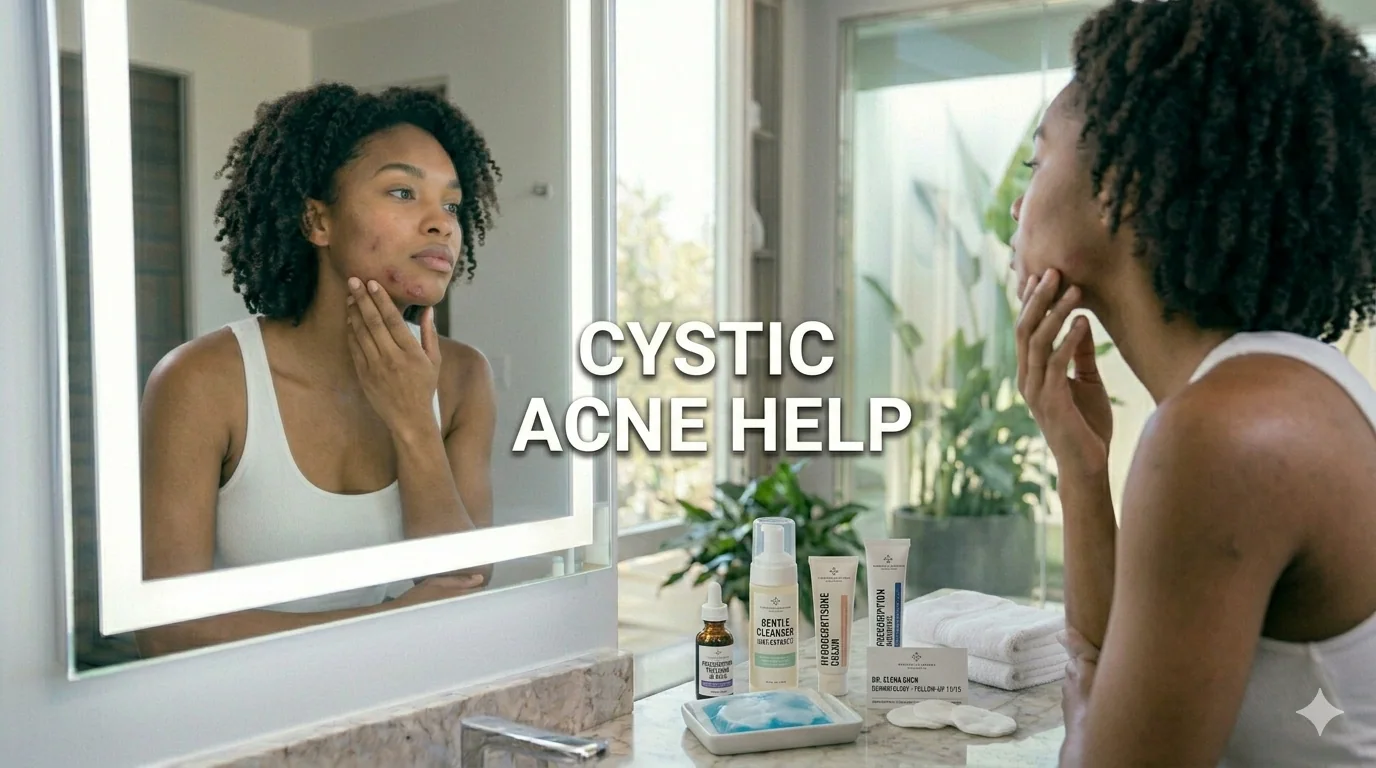
Dealing with deep, painful bumps under the skin can feel isolating and overwhelming. Cystic acne treatment requires more than just over-the-counter spot correctors—it demands a strategic, clinical approach to address the inflammation, bacteria, and hormonal drivers at the root of severe breakouts. Unlike surface-level whiteheads or blackheads, cystic acne forms deep within the dermis, creating painful nodules that can last for weeks and often lead to permanent scarring if not managed correctly.
The frustration of cystic acne is unique. It doesn't respond well to typical drying agents, it hurts physically, and it can severely impact self-esteem. However, with the right clinical protocol, you can heal active lesions faster, prevent new ones from forming, and minimize the risk of long-term damage. Dermatologists emphasize that speed matters: the sooner you intervene with appropriate treatment, the less likely you are to experience severe scarring or post-inflammatory hyperpigmentation.
In this comprehensive, evidence-based guide, we'll decode the science behind cystic acne, reveal the exact clinical protocol for healing severe breakouts quickly, share the most effective prescription and over-the-counter treatments, and provide expert strategies for preventing recurrence. Whether you're dealing with hormonal jawline cysts, stubborn back acne, or widespread inflammatory nodules, you'll learn how to build a personalized treatment plan that prioritizes healing, barrier health, and long-term clarity.
What Is Cystic Acne? Understanding the Severity
Short answer: Cystic acne is the most severe form of acne vulgaris, characterized by large, painful, fluid-filled lumps deep within the skin caused by severe inflammation, bacterial infection, and hormonal fluctuations.
To treat cystic acne effectively, you must understand how it differs from common acne. While typical acne involves clogged pores near the surface, cystic acne occurs when the pore wall ruptures deep inside the follicle, spilling oil, bacteria, and dead skin cells into the surrounding dermis. This triggers a massive immune response, resulting in swelling, redness, and pain.
Key Characteristics of Cystic Acne
- Depth: Forms deep within the dermis, not on the surface
- Pain: Often tender or painful to the touch due to pressure on nerve endings
- Duration: Can persist for weeks or months without treatment
- Texture: Feels like a hard lump or soft fluid-filled sac under the skin
- Scarring Risk: High risk of permanent atrophic (icepick, boxcar) or hypertrophic scars
Common Locations
Cystic acne frequently appears in areas with high concentrations of oil glands and hormonal sensitivity:
- Jawline and Chin: Often linked to hormonal fluctuations in women
- Cheeks: Can be hormonal or related to phone hygiene and pillowcases
- Back and Chest: Common in both men and women due to larger pores and sweat
- Forehead: Sometimes linked to hair products or digestive issues
Why It Doesn't Heal Like Regular Acne
Standard acne treatments like benzoyl peroxide washes often fail on cysts because they cannot penetrate deep enough to reach the inflammation. Additionally, cystic acne is frequently driven by internal factors like hormones or genetics, meaning surface-level cleaning alone won't stop new cysts from forming. This is why a clinical protocol involving prescription medication or professional intervention is often necessary for fast healing.
The Immediate Action Protocol: How to Heal Fast
Short answer: To heal cystic acne fast, combine ice therapy to reduce inflammation, cortisone injections for immediate reduction, targeted spot treatments with ingredients like sulfur or clindamycin, and avoid picking to prevent scarring.
When a painful cyst emerges, especially before an important event, you need a triage plan. While true "overnight" cures are myths, you can significantly reduce size and pain within 24-48 hours using these steps:
Step 1: Ice Therapy (First 24 Hours)
Cold constricts blood vessels, reducing blood flow to the area which decreases swelling and numbs pain.
- Method: Wrap an ice cube in a clean cloth or paper towel.
- Application: Hold against the cyst for 5-10 minutes at a time.
- Frequency: Repeat 3-4 times throughout the day.
- Caution: Never apply ice directly to skin to avoid ice burn.
Step 2: Cortisone Injection (Fastest Option)
If you need results within 24 hours, see a dermatologist for an intralesional corticosteroid injection.
- How it works: A diluted steroid is injected directly into the cyst.
- Result: Flattens the cyst and reduces pain within 24-48 hours.
- Best for: Single, large, painful cysts before events.
- Risk: Overuse can cause skin indentation (atrophy), so limit frequency.
Step 3: Targeted Spot Treatments
Use ingredients that penetrate deep and reduce bacteria without over-drying the surface.
- Sulfur (3-10%): Dries out the cyst gently while reducing inflammation.
- Clindamycin (Prescription): Topical antibiotic that kills bacteria deep in the follicle.
- Hydrocolloid Patches (Micropoint): Specialized patches with salicylic acid micro-darts that penetrate deeper than standard patches.
- Avoid: High-strength benzoyl peroxide on open or very inflamed cysts as it can cause chemical burns.
Step 4: Hands Off
Picking is the number one cause of scarring. Cystic acne does not have a "head" to pop. Squeezing forces bacteria deeper, increases inflammation, and ruptures the follicle wall further.
- Strategy: Cover with a hydrocolloid patch to create a physical barrier.
- Mindset: Remind yourself that picking adds weeks to the healing time.
Clinical Topical Treatments: Prescription Strength
Short answer: Prescription topicals like tretinoin, clindamycin, dapsone, and combination creams offer stronger concentrations and targeted mechanisms to clear cystic acne faster than over-the-counter options.
For persistent cystic acne, dermatologists often prescribe topical medications that regulate cell turnover and reduce inflammation more effectively than drugstore products.
Topical Retinoids (Tretinoin, Tazarotene)
Mechanism: Vitamin A derivatives that normalize skin cell shedding, prevent clogged pores, and reduce inflammation.
- Speed: 8-12 weeks for full effect; may purge initially.
- Usage: Apply pea-sized amount at night to entire face, not just spots.
- Tip: Start 2x/week to build tolerance; always use moisturizer and SPF.
- Best for: Preventing future cysts and treating existing comedones.
Topical Antibiotics (Clindamycin, Erythromycin)
Mechanism: Kill C. acnes bacteria and reduce inflammation.
- Usage: Usually combined with benzoyl peroxide to prevent antibiotic resistance.
- Speed: 4-8 weeks for noticeable reduction in inflammatory lesions.
- Best for: Active, red, inflamed cysts.
Dapsone Gel (5-7.5%)
Mechanism: Anti-inflammatory and antimicrobial; particularly effective for adult female acne.
- Speed: 4-8 weeks for significant improvement.
- Usage: Apply thin layer twice daily.
- Benefit: Less drying than benzoyl peroxide; safe for sensitive skin.
- Caution: May temporarily turn orange when layered with benzoyl peroxide.
Combination Creams (Epiduo, Ziana)
Mechanism: Combine retinoids with antibiotics or benzoyl peroxide for multi-target action.
- Benefit: Simplifies routine; addresses bacteria, clogs, and inflammation simultaneously.
- Usage: Once daily at night.
- Best for: Moderate to severe cystic acne requiring aggressive topical therapy.
Oral Medications: Systemic Solutions for Severe Cases
Short answer: Oral medications like isotretinoin, spironolactone, and antibiotics treat cystic acne from the inside out by regulating hormones, shrinking oil glands, and reducing systemic inflammation.
When topicals fail, oral medications are the gold standard for clearing severe cystic acne. These require a prescription and monitoring by a dermatologist.
Isotretinoin (Accutane)
Mechanism: Shrinks oil glands, normalizes cell turnover, reduces bacteria, and decreases inflammation.
- Efficacy: 85-90% clearance rate; often provides permanent remission.
- Duration: 5-6 month course based on cumulative dose.
- Best for: Severe, scarring, nodulocystic acne unresponsive to other treatments.
- Side Effects: Extreme dryness, sun sensitivity, potential mood changes, teratogenic (causes birth defects).
- Monitoring: Requires monthly blood tests and pregnancy prevention program (iPledge).
Spironolactone (For Women)
Mechanism: Anti-androgen that blocks testosterone receptors in oil glands, reducing sebum production.
- Speed: 3-6 months for full effect.
- Best for: Hormonal cystic acne along jawline and chin; adult female acne.
- Dosage: Typically 50-200mg daily.
- Side Effects: Increased urination, breast tenderness, menstrual irregularities.
- Caution: Not safe during pregnancy; requires potassium monitoring.
Oral Antibiotics (Doxycycline, Minocycline)
Mechanism: Systemic reduction of bacteria and inflammation.
- Duration: Limited to 3-6 months to prevent resistance.
- Usage: Often used as a bridge while waiting for retinoids or spironolactone to work.
- Side Effects: Sun sensitivity, stomach upset, yeast infections.
- Best for: Moderate to severe inflammatory acne flares.
Oral Contraceptives
Mechanism: Regulate hormones to reduce androgen-driven oil production.
- Types: FDA-approved options include Ortho Tri-Cyclen, Yaz, Estrostep.
- Speed: 3-6 months for skin improvement.
- Best for: Women with cyclical acne flares.
Professional Procedures to Accelerate Healing
Short answer: In-office treatments like cortisone injections, chemical peels, laser therapy, and drainage can physically reduce cyst size and inflammation faster than topicals alone.
Combining home care with professional procedures can significantly shorten the lifespan of cystic acne.
Intralesional Corticosteroid Injections
As mentioned in the immediate protocol, this is the fastest way to flatten a single cyst. A dermatologist injects a small amount of steroid directly into the lesion.
- Result: 50-80% reduction in size within 24 hours.
- Cost: Usually $25-$100 per injection.
- Frequency: Only for individual large cysts, not widespread acne.
Chemical Peels (Salicylic or TCA)
Professional-strength peels exfoliate deep into the pore lining.
- Benefit: Unclogs pores, reduces inflammation, improves texture.
- Frequency: Every 2-4 weeks.
- Downtime: 3-7 days of peeling.
- Best for: Moderate cystic acne with congestion.
Laser and Light Therapies
Pulsed Dye Laser (PDL): Targets blood vessels to reduce redness and inflammation.
Blue Light Therapy: Kills acne-causing bacteria without antibiotics.
Nd:YAG Laser: Can target oil glands to reduce sebum production.
- Benefit: Non-invasive; minimal downtime.
- Cost: $200-$600 per session.
- Best for: Patients who cannot tolerate medications.
Incision and Drainage
For large, fluctuant cysts, a dermatologist may perform sterile drainage.
- Benefit: Immediate relief of pressure and pain.
- Caution: Never attempt at home; high risk of infection and scarring.
The Daily Skincare Routine for Cystic Acne
Short answer: A cystic acne routine prioritizes gentle cleansing, barrier repair, targeted actives, and strict sun protection to support healing without compromising the skin barrier.
Consistency is more important than intensity. Aggressive scrubbing worsens inflammation. Follow this structured routine:
Morning Routine
- Gentle Cleanser: Use a hydrating, non-foaming cleanser. Avoid harsh scrubs.
- Ingredients: Ceramides, glycerin, niacinamide.
- Treatment (Optional): If prescribed, apply topical antibiotic or dapsone.
- Tip: Let dry completely before next step.
- Moisturizer: Lightweight, oil-free, non-comedogenic.
- Ingredients: Hyaluronic acid, squalane.
- Sunscreen (SPF 30+): Non-negotiable. Many acne meds increase sun sensitivity.
- Formula: Mineral or chemical, oil-free, matte finish.
Evening Routine
- Double Cleanse: Oil-based cleanser to remove SPF, followed by gentle water-based cleanser.
- Active Treatment: Apply prescription retinoid or benzoyl peroxide.
- Method: Pea-sized amount for entire face.
- Frequency: Start 2-3x/week, build to nightly.
- Wait Time: Allow 10-20 minutes for absorption.
- Moisturizer: Richer cream to support barrier repair overnight.
- Ingredients: Ceramides, peptides, fatty acids.
- Spot Treatment: Apply sulfur or clindamycin only on active cysts.
Weekly Maintenance
- Exfoliation: 1x/week with gentle AHA/BHA if not using retinoids.
- Mask: Clay or sulfur mask 1x/week for oil absorption.
- Pillowcases: Change 2x/week to reduce bacteria transfer.
Lifestyle Factors That Influence Cystic Acne
Short answer: Diet, stress, sleep, and hygiene habits significantly impact cystic acne severity; managing these triggers supports medical treatment and prevents flare-ups.
Skincare alone isn't always enough. Internal health plays a major role in hormonal and inflammatory acne.
Dietary Triggers
While diet doesn't cause acne for everyone, certain foods can exacerbate inflammation and insulin spikes.
- High-Glycemic Foods: Sugar, white bread, and processed carbs spike insulin, increasing oil production.
- Dairy: Skim milk specifically has been linked to acne in some studies due to hormones and growth factors.
- Inflammatory Foods: Excessive fried foods or trans fats can worsen systemic inflammation.
- Helpful Foods: Omega-3 fatty acids (fish, walnuts), antioxidants (berries, greens), and zinc-rich foods (pumpkin seeds).
Stress Management
Stress elevates cortisol, which stimulates oil glands and increases inflammation.
- Impact: Stress breaks often coincide with cystic flare-ups.
- Strategy: Prioritize sleep (7-9 hours), practice mindfulness, and exercise regularly.
Hygiene Habits
- Phone Cleaning: Wipe phone screen daily with alcohol to remove bacteria.
- Pillowcases: Use silk or satin to reduce friction; change frequently.
- Hair Products: Keep oils and conditioners off the face and back.
- Gym Gear: Shower immediately after sweating; wear breathable fabrics.
Preventing Scars and Hyperpigmentation
Short answer: Prevent scars by treating inflammation early, avoiding picking, using sun protection, and incorporating ingredients like retinoids and vitamin C once active acne is controlled.
Cystic acne carries a high risk of permanent textural scarring and post-inflammatory hyperpigmentation (PIH). Prevention is easier than correction.
During Active Breakouts
- Reduce Inflammation: The longer a cyst stays inflamed, the higher the scar risk. Use ice and treatments to flatten quickly.
- No Picking: This cannot be overstated. Picking turns a temporary lesion into a permanent scar.
- Sun Protection: UV exposure darkens PIH and weakens collagen, making scars more visible.
After Acne Clears
Once active cysts are under control, focus on texture and tone.
- Retinoids: Continue use to stimulate collagen and remodel skin.
- Vitamin C: Antioxidant that brightens PIH and supports collagen.
- Chemical Peels: Help resurface skin and reduce shallow scarring.
- Microneedling: Stimulates collagen production for atrophic scars.
- Laser Resurfacing: For deeper scars (CO2 or Erbium laser).
Common Mistakes That Worsen Cystic Acne
Avoid these pitfalls that delay healing and increase scarring risk:
Mistake #1: Over-Drying the Skin
Why it hurts: Using too many drying agents (alcohol, high-strength BP) compromises the barrier, leading to more inflammation and oil production.
Fix: Prioritize hydration and barrier repair alongside actives.
Mistake #2: Switching Products Too Often
Why it hurts: Acne treatments take 8-12 weeks to work. Constantly switching prevents any product from having an effect.
Fix: Commit to a routine for at least 3 months before judging efficacy.
Mistake #3: Using Physical Scrubs
Why it hurts: Scrubs cause micro-tears and spread bacteria, worsening inflammation.
Fix: Use chemical exfoliants (AHA/BHA) gently instead.
Mistake #4: Ignoring Professional Help
Why it hurts: Cystic acne often requires prescription medication. Delaying treatment increases scarring risk.
Fix: See a dermatologist if OTC methods fail after 8 weeks.
Mistake #5: Skipping Moisturizer
Why it hurts: Dehydrated skin is more prone to irritation and slower healing.
Fix: Use oil-free, non-comedogenic moisturizers daily.
Frequently Asked Questions About Cystic Acne
Can cystic acne go away on its own?
Short answer: Individual cysts may eventually resolve, but cystic acne as a condition rarely clears completely without treatment. Leaving it untreated significantly increases the risk of permanent scarring.
Early intervention is crucial. While some hormonal acne improves with age, relying on time alone often results in unnecessary skin damage.
How long does it take for a cystic pimple to go away?
Short answer: Without treatment, a cyst can last 2-8 weeks. With cortisone injection, it can flatten in 24-48 hours. With consistent topical/oral treatment, healing time reduces significantly.
Patience is key. Even with treatment, deep inflammation takes time to subside.
Is cystic acne hormonal?
Short answer: Often, yes. Hormonal fluctuations (androgens) stimulate oil glands, leading to cysts, especially along the jawline and chin in women. However, genetics and bacteria also play major roles.
If acne is cyclical, hormonal treatments like spironolactone or birth control may be most effective.
Can I wear makeup with cystic acne?
Short answer: Yes, but choose non-comedogenic, oil-free, and mineral-based products. Avoid heavy foundations that clog pores.
Always remove makeup thoroughly before bed. Green-tinted primers can help neutralize redness without heavy coverage.
Does diet really affect cystic acne?
Short answer: For some people, yes. High-glycemic foods and dairy are the most common triggers. However, diet is usually a contributing factor, not the sole cause.
Try an elimination diet for 4-6 weeks to identify personal triggers while maintaining medical treatment.
When should I see a dermatologist?
Short answer: See a dermatologist if: you have painful cysts, OTC treatments fail after 8-12 weeks, you are scarring, or acne affects your mental health.
Prescription treatments like isotretinoin can be life-changing for severe cases and prevent permanent damage.
The Bottom Line: Healing Is Possible
Cystic acne is a medical condition, not a hygiene failure. It requires patience, consistency, and often professional intervention to heal fully. By following a clinical protocol that combines gentle skincare, targeted treatments, and lifestyle adjustments, you can clear active breakouts, prevent scarring, and regain confidence in your skin.
Remember:
- Treat early: The sooner you address inflammation, the less scarring occurs.
- Be consistent: Results take 8-12 weeks minimum.
- Protect your barrier: Hydration supports healing.
- Seek help: Dermatologists have tools to speed up recovery.
- Be kind to yourself: Healing is a journey, not a race.
Your skin deserves care and compassion. With the right protocol, clear skin is within reach.