

First Time in Bangladesh: Your Curated Delta Journey Guide
First Time in Bangladesh: Your Curated Delta Journey Guide
Visiting Bangladesh for the first time is an adventure into one of the world's most fascinating and misunderstood destinations. This riverine nation, formed by the mighty confluence of the Ganges, Brahmaputra, and Meghna rivers, offers travelers an extraordinary journey through the world's largest delta ecosystem. From the mystical mangrove forests of the Sundarbans to the vibrant streets of Dhaka, from serene river cruises to the world's longest natural sea beach, Bangladesh presents a tapestry of experiences that challenge perceptions and create lasting memories.
For first-time visitors, navigating Bangladesh requires understanding its unique geography, culture, and rhythms. This comprehensive guide curates essential information, insider tips, and carefully selected experiences to help you embark on an unforgettable delta journey. Whether you're drawn by the allure of spotting Bengal tigers in their natural habitat, exploring ancient archaeological sites, tasting authentic Bengali cuisine, or simply experiencing the legendary hospitality of the Bangladeshi people, this guide provides the roadmap for your adventure.
Bangladesh in 2026 has emerged as an increasingly accessible destination for intrepid travelers seeking authentic experiences away from overtourism. Improved infrastructure, growing tourism services, and a welcoming local population make this an ideal time to explore the delta nation. This guide covers everything from visa requirements and safety considerations to hidden gems and cultural etiquette, ensuring your first visit to Bangladesh is both rewarding and enriching.
Understanding the Bengal Delta: Geography and Climate
The Bengal Delta, spanning over 105,000 square kilometers, is the world's largest and most fertile delta system. This dynamic landscape, constantly reshaped by river currents, monsoon rains, and tidal forces, creates a unique environment where water and land exist in perpetual dialogue. Understanding this geography is essential for planning your journey, as it influences everything from transportation options to the best times to visit.
Bangladesh experiences three distinct seasons that dramatically affect travel experiences. The cool, dry winter months from November to February offer the most comfortable conditions for exploration, with temperatures ranging from 10-25°C (50-77°F), clear skies, and minimal rainfall. This is peak tourist season, ideal for wildlife viewing in the Sundarbans, city tours, and beach visits.
The hot summer season from March to May brings temperatures soaring to 35-40°C (95-104°F) with high humidity. While challenging for extensive outdoor activities, this period offers fewer crowds and lower prices. The monsoon season from June to October transforms the landscape into a lush, emerald paradise, with heavy rainfall creating spectacular waterfalls, full rivers, and vibrant green rice paddies. While travel can be challenging during peak monsoon months, this season reveals Bangladesh's raw natural beauty and offers unique experiences like watching rain-drenched tea gardens in Sylhet.
The delta's riverine network comprises over 700 rivers, creating a transportation system where boats remain as vital as roads. This water-based geography shapes daily life, culture, and economy, making river cruises and boat journeys essential experiences for understanding Bangladesh's soul.
Essential Pre-Trip Planning
Visa Requirements and Documentation
Most foreign nationals require a visa to enter Bangladesh. The good news is that the visa process has become increasingly streamlined in recent years. Travelers from most countries can obtain a tourist visa on arrival at Hazrat Shahjalal International Airport in Dhaka or apply for an e-visa online before travel, which is highly recommended to avoid potential delays.
For visa on arrival, you'll need a valid passport with at least six months remaining validity, two passport-sized photographs, proof of onward travel, hotel reservations or invitation letter, and the visa fee in US dollars (typically $51 for 30 days). The e-visa application process through the official Bangladesh government portal usually takes 3-5 business days and costs the same fee.
Ensure you have comprehensive travel insurance covering medical emergencies, evacuation, and trip cancellation. While Bangladesh has improved healthcare facilities in major cities, serious medical issues may require evacuation to neighboring countries. Keep digital and physical copies of important documents including passport, visa, insurance, and emergency contacts.
Best Time to Visit
For first-time visitors, the ideal window is November through February when weather is most favorable. December and January offer perfect conditions for exploring the Sundarbans, with comfortable temperatures and higher chances of spotting wildlife near water sources. This period also coincides with several cultural festivals including Durga Puja (usually October) and Victory Day celebrations in December, offering rich cultural immersion opportunities.
If you're interested in experiencing traditional Bengali New Year (Pohela Boishakh) in mid-April, be prepared for hot weather but vibrant cultural celebrations. Beach lovers might prefer March-May for Cox's Bazar, though temperatures will be warm. The monsoon season (June-September) appeals to photographers and nature enthusiasts who want to witness the delta at its most lush and dramatic, but be prepared for travel disruptions.
Budget Planning
Bangladesh remains one of the most affordable destinations in South Asia. Budget travelers can comfortably manage on $25-40 per day, covering basic accommodation, local meals, and public transportation. Mid-range travelers spending $50-100 daily enjoy comfortable hotels, guided tours, private transportation, and restaurant dining. Luxury travelers can expect to spend $150-300+ per day for premium hotels, private guides, domestic flights, and upscale dining.
Accommodation costs vary significantly: budget guesthouses start at $8-15 per night, mid-range hotels range $30-60, and luxury properties cost $100-250+. Local meals at street stalls or small restaurants cost $2-5, while mid-range restaurant meals run $8-15. Domestic flights between major cities cost $80-150, while train and bus travel are significantly cheaper at $5-20.
Carry US dollars in crisp, new bills (dated 2013 or later) for easy exchange. ATMs are widely available in cities but may be scarce in rural areas. Credit cards work at major hotels and restaurants in Dhaka and Chittagong but cash remains king elsewhere.
Navigating Bangladesh: Transportation Guide
Getting to Bangladesh
Hazrat Shahjalal International Airport in Dhaka serves as the primary international gateway, with direct flights from major Middle Eastern hubs (Dubai, Doha, Abu Dhabi), Asian cities (Bangkok, Singapore, Kuala Lumpur, Kolkata), and limited European connections. Middle Eastern carriers like Emirates, Qatar Airways, and Etihad offer the most convenient connections with competitive prices.
Overland entry is possible from India through several border crossings including Benapole-Petrapole (the busiest), Tamabil-Dawki, and Akhaura-Agartala. This option appeals to adventurous travelers continuing from India but requires additional visa planning and patience for border formalities.
Moving Within Bangladesh
Bangladesh's transportation network reflects its delta geography, offering diverse options each with unique character and considerations:
Domestic Flights: For covering long distances quickly, domestic flights connect Dhaka with Chittagong, Cox's Bazar, Sylhet, Jessore (for Sundarbans access), and Barisal. Airlines like Biman Bangladesh, US-Bangla, and Novoair operate multiple daily flights. Book in advance for better prices, and be prepared for occasional delays.
Trains: Bangladesh Railway offers an authentic travel experience with scenic routes, particularly the Dhaka-Chittagong line and the Dhaka-Sylhet route through tea garden regions. Trains range from basic non-air-conditioned coaches to comfortable air-conditioned sleeper classes. Book tickets in advance through stations or online, especially for popular routes and holidays.
Buses: Modern AC buses provide comfortable, affordable connections between major cities. Companies like Green Line, Shohagh, and Hanif offer reliable services with online booking. Journey times can be long due to traffic and road conditions—Dhaka to Chittagong takes 5-6 hours, while Dhaka to Cox's Bazar requires 10-12 hours.
River Transport: No Bangladesh journey is complete without experiencing river travel. Launch services and river cruises operate on major waterways, offering everything from basic public ferries to luxury overnight cruises. The Dhaka-Barisal route provides stunning delta scenery, while specialized Sundarbans cruises offer wildlife viewing opportunities.
Local Transport: Within cities, options include ride-hailing apps (Pathao, Uber in Dhaka), metered taxis, auto-rickshaws (CNGs), and the iconic cycle rickshaws. For short distances, rickshaws offer an authentic, eco-friendly experience—just negotiate fares beforehand. In Dhaka, expect traffic congestion, especially during rush hours.
Curated Delta Experiences: Must-See Destinations
Dhaka: The Vibrant Capital
Your Bangladesh journey likely begins in Dhaka, a city of contrasts where ancient traditions meet rapid modernization. Allocate 2-3 days to explore the capital's highlights:
Old Dhaka: Wander through narrow lanes of this 400-year-old Mughal city. Visit the magnificent Lalbagh Fort, explore the active Sadarghat River Port (one of the world's busiest), and sample street food in the bustling lanes. Don't miss the Star Mosque with its intricate mosaic work and the Armenian Church, remnants of the city's cosmopolitan past.
Cultural Sites: The National Museum offers comprehensive insights into Bangladesh's history and heritage. The Liberation War Museum provides moving accounts of the 1971 independence struggle. For art lovers, the Bengal Art Lounge and Bengal Shilpalay showcase contemporary Bangladeshi art.
Modern Dhaka: Experience the city's contemporary side in Gulshan and Banani neighborhoods, featuring upscale restaurants, cafes, and shopping. Visit the National Parliament House (Jatiya Sangsad Bhaban), designed by Louis Kahn, considered one of the 20th century's architectural masterpieces.
The Sundarbans: Kingdom of the Bengal Tiger
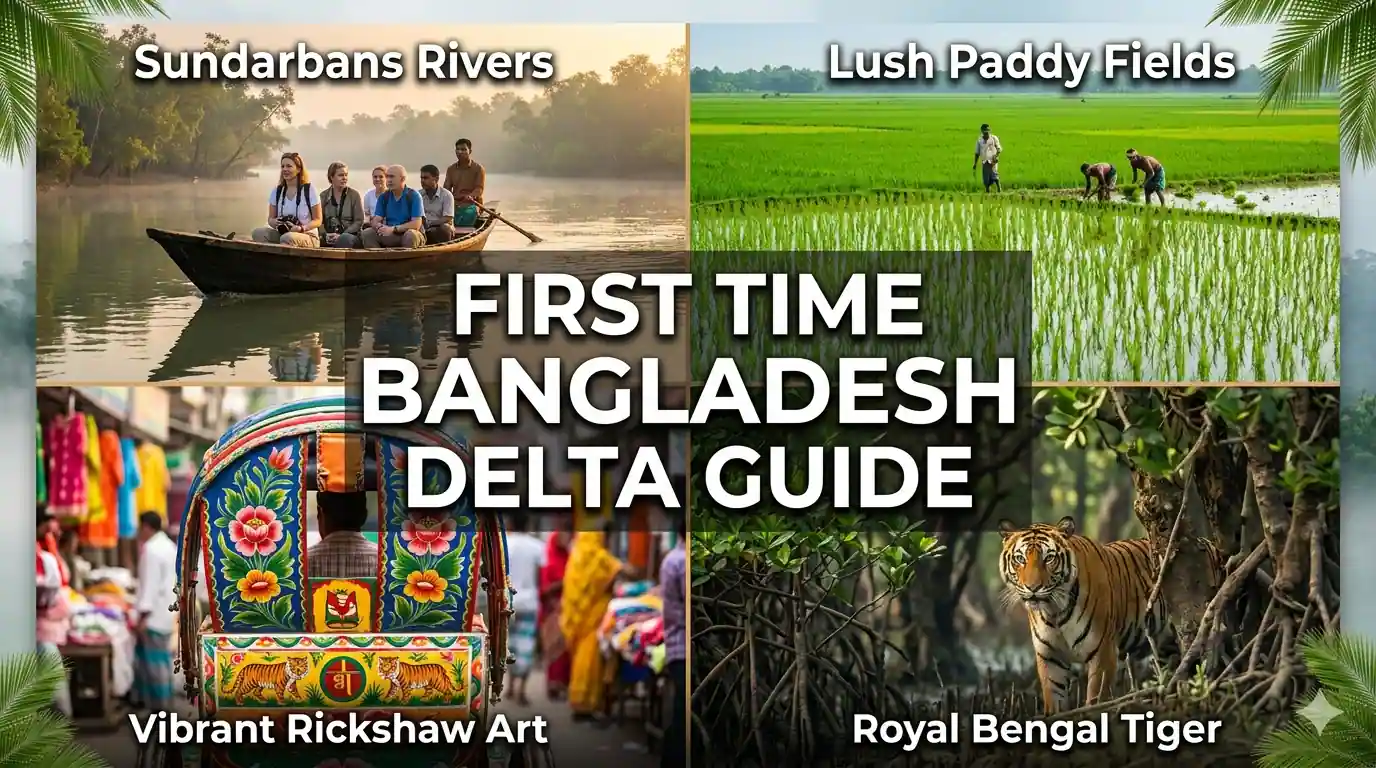
The Sundarbans, a UNESCO World Heritage Site spanning 10,000 square kilometers, represents the world's largest contiguous mangrove forest and home to the iconic Bengal tiger. This is Bangladesh's crown jewel for nature enthusiasts and wildlife photographers.
Access the Sundarbans through organized tours departing from Mongla or Khulna (4-5 hours from Dhaka by road). Multi-day cruises (3-4 days recommended) offer the best experience, navigating narrow channels, stopping at watchtowers for wildlife viewing, and visiting local villages.
While tiger sightings remain elusive (the forest hosts approximately 100 Bengal tigers), the ecosystem teems with life: spotted deer, wild boar, crocodiles, diverse bird species including kingfishers and eagles, and the endangered Irrawaddy dolphin. The best viewing season is November to February when animals congregate near freshwater sources.
Experienced naturalist guides enhance the experience with knowledge of animal behavior, bird identification, and ecosystem dynamics. Sunrise and dusk offer peak wildlife activity. Beyond wildlife, the Sundarbans offers profound experiences of nature's power and beauty—mangrove forests, tidal rivers, and pristine wilderness that remind visitors of Earth's raw majesty.
Cox's Bazar: The World's Longest Natural Sea Beach
Stretching 120 kilometers along the Bay of Bengal, Cox's Bazar holds the distinction of the world's longest uninterrupted natural sea beach. This coastal town offers a different pace from Dhaka's intensity, with beach relaxation, fresh seafood, and stunning sunsets.
Beyond the main beach, explore Himchari National Park with its waterfalls and hiking trails, visit the Buddhist temples and monasteries in nearby Ramu, or take a boat to Saint Martin's Island, Bangladesh's only coral island (accessible November-March).
The beach itself is perfect for long walks, swimming (though currents can be strong), and watching spectacular sunsets. Local seafood restaurants serve fresh catches at reasonable prices. While the town has developed significantly, it retains a laid-back charm that makes it ideal for unwinding after exploring other destinations.
Sylhet: Tea Gardens and Natural Beauty
Northeast Bangladesh's Sylhet division offers lush landscapes, tea estates, and some of the country's most scenic beauty. The region's rolling hills, rubber plantations, and over 150 tea gardens create a landscape dramatically different from the delta plains.
Visit Sreemangal, Bangladesh's tea capital, where you can tour tea estates, visit the Tea Research Institute, and learn about tea processing. The Lawachara National Park offers hiking and wildlife viewing including hoolock gibbons. During monsoon season, the region's waterfalls and haors (wetland ecosystems) reach spectacular fullness.
Sylhet city itself features the shrine of Hazrat Shah Jalal, an important Sufi saint, and serves as a gateway to exploring the region's natural attractions. The area's distinct culture, influenced by proximity to India's Meghalaya and Assam, adds cultural richness to the natural beauty.
Historical Treasures: Paharpur and Mahasthangarh
Bangladesh's archaeological heritage rivals its natural attractions. The Buddhist Vihara at Paharpur, another UNESCO World Heritage Site, represents the largest single Buddhist monastery south of the Himalayas, dating to the 8th century. The ruins reveal sophisticated architecture and offer insights into ancient Bengal's Buddhist civilization.
Mahasthangarh, near Bogura, is Bangladesh's oldest archaeological site, with evidence of settlement dating to the 3rd century BCE. The site includes the fortified city ruins, museums displaying excavated artifacts, and nearby smaller archaeological sites. These destinations appeal to history enthusiasts and provide context for understanding Bengal's rich civilizational heritage.
Culinary Journey: Tasting Bangladesh
Bangladeshi cuisine, centered around rice and fish, reflects the delta's abundant waterways and agricultural fertility. For first-time visitors, food offers one of the most accessible and enjoyable cultural immersion experiences.
Must-Try Dishes:
- Hilsa Fish (Ilish): Bangladesh's national fish, prepared in myriad ways—steamed in banana leaves (Ilish Paturi), cooked in mustard sauce (Shorshe Ilish), or fried. The monsoon season brings the best Hilsa.
- Biryani: Bangladeshi biryani, particularly Dhaka's Kacchi Biryani, features fragrant rice layered with marinated meat, potatoes, and aromatic spices.
- Panta Ilish: Fermented rice soaked overnight, served with fried Hilsa, green chilies, and onions—a traditional Pohela Boishakh breakfast.
- Bhuna Khichuri: Spiced rice and lentil dish, often served with beef or mutton curry, especially popular during monsoon.
- Street Food: Try fuchka (similar to pani puri), jhalmuri (spicy puffed rice), chotpoti (chickpea dish), and various kebabs from street vendors.
- Sweets: Bangladesh's dessert culture is rich—sample rosogolla, mishti doi (sweet yogurt), sandesh, and chomchom from local sweet shops.
Dining Tips: Eat where locals eat—busy restaurants and street stalls with high turnover ensure freshness. Vegetarian options exist but are limited; communicate dietary restrictions clearly. Bottled water is essential; avoid ice in drinks outside upscale establishments. Spices are integral to Bangladeshi cuisine—request "less spicy" if you have low heat tolerance.
Cultural Etiquette and Practical Tips
Cultural Sensitivity
Bangladesh is a conservative Muslim-majority country with strong cultural traditions. Respecting local customs enhances your experience and ensures positive interactions:
Dress Code: Modest dress is appreciated, especially outside major cities and when visiting religious sites. Women should cover shoulders and knees; carrying a scarf for mosque visits is advisable. Men should avoid sleeveless shirts in formal or religious settings.
Religious Respect: Remove shoes before entering mosques and temples. During Ramadan, be discreet about eating, drinking, or smoking in public during daylight hours. Always ask permission before photographing people, especially women and religious ceremonies.
Social Interactions: Bangladeshis are famously hospitable and curious about visitors. Accept tea or refreshments when offered—it's a gesture of welcome. Use your right hand for eating, greeting, and exchanging items; the left hand is considered unclean. Public displays of affection are frowned upon.
Safety Considerations
Bangladesh is generally safe for tourists, with violent crime against visitors being rare. However, practical precautions ensure smooth travels:
Health: Consult a travel clinic 4-6 weeks before departure for recommended vaccinations (hepatitis A and B, typhoid, tetanus; Japanese encephalitis and rabies for extended rural stays). Malaria prophylaxis is recommended for Sundarbans and remote areas. Bring a basic medical kit including anti-diarrheal medication, rehydration salts, and any prescription medications.
Water and Food Safety: Drink only bottled or purified water. Avoid raw vegetables and fruits you can't peel. Eat freshly cooked, hot food. Street food is generally safe if you observe high turnover and proper handling.
Personal Safety: Keep valuables secure and be aware of surroundings in crowded areas. Use registered taxis or ride-hailing apps. Avoid political gatherings or demonstrations. Keep hotel business cards for showing taxi drivers. Register with your embassy upon arrival.
Traffic: Bangladesh's traffic can be chaotic. Exercise extreme caution when crossing roads. Choose reputable bus companies and avoid overnight road travel if possible. Domestic flights are safer for long distances.
Communication and Connectivity
Bangladesh has good mobile connectivity in urban areas. Purchase a local SIM card at the airport or from operators like Grameenphone, Robi, or Banglalink—requires passport and passport photo. Data packages are affordable. WiFi is available in hotels and cafes in cities but unreliable elsewhere.
English is widely understood in tourist areas, hotels, and among educated Bangladeshis, though learning basic Bengali greetings (Nomoskar for hello, Dhonnobad for thank you) is appreciated and opens doors to warmer interactions.
Sustainable and Responsible Travel
As a first-time visitor, you can contribute positively to Bangladesh's development and environmental conservation:
Support Local Economy: Choose locally-owned hotels, restaurants, and tour operators. Purchase handicrafts directly from artisans. Hire local guides who possess intimate knowledge of destinations and provide employment to communities.
Environmental Responsibility: Avoid single-use plastics—carry a reusable water bottle with filter. Respect wildlife viewing guidelines in the Sundarbans—maintain distance, don't feed animals, follow guide instructions. Don't litter, especially in natural areas and waterways.
Cultural Preservation: Respect heritage sites—don't touch ancient structures or remove artifacts. Ask before photographing religious ceremonies or people. Learn about local customs and traditions; show genuine interest in cultural exchange.
Community Tourism: Consider homestays or community-based tourism initiatives that directly benefit rural communities. These experiences offer authentic cultural immersion while ensuring tourism revenue reaches local people.
Sample Itineraries for First-Time Visitors
7-Day Essential Bangladesh
Days 1-2: Dhaka—Old Dhaka exploration, National Museum, Sadarghat River Port
Days 3-5: Sundarbans—3-day cruise from Khulna/Mongla
Day 6: Return to Dhaka, visit modern neighborhoods
Day 7: Departure or extend to Cox's Bazar
10-Day Comprehensive Delta Journey
Days 1-2: Dhaka city tour
Days 3-5: Sundarbans wildlife expedition
Day 6: Travel to Cox's Bazar
Day 7: Cox's Bazar beach and Himchari
Day 8: Fly to Sylhet
Day 9: Sylhet tea gardens and Lawachara
Day 10: Return to Dhaka, departure
14-Day In-Depth Exploration
Combine all above destinations with additional time in Sreemangal tea region, Paharpur archaeological site, and rural village homestay experiences for deeper cultural immersion.
Frequently Asked Questions
Is Bangladesh safe for first-time solo travelers?
Yes, Bangladesh is generally safe for solo travelers, including women, though extra precautions are advisable. Bangladeshis are hospitable and helpful to visitors. Stay in reputable accommodations, use registered transportation, dress modestly, avoid isolated areas after dark, and trust your instincts. Female travelers may experience curiosity and attention but rarely harassment. Joining group tours for certain activities like Sundarbans visits enhances safety and social interaction.
Do I need a guide to visit Bangladesh?
While not mandatory, hiring local guides significantly enhances the experience, especially for first-time visitors. Guides provide cultural context, navigate language barriers, ensure you don't miss important sites, and facilitate interactions with locals. For the Sundarbans, guides are essential for safety and wildlife viewing. In cities, you can explore independently but guides add depth to historical and cultural sites. Consider hiring guides for specific activities rather than entire trips to balance independence with local expertise.
What should I pack for Bangladesh?
Pack lightweight, breathable cotton clothing for the tropical climate. Include modest attire covering shoulders and knees. Bring a light sweater for air-conditioned transport and winter months (December-February). Essential items: comfortable walking shoes, sandals, rain jacket (monsoon season), sun protection (hat, sunglasses, sunscreen), insect repellent, basic medications, reusable water bottle with filter, power adapter (Type C, D, G, K outlets), and a scarf for religious sites. Don't overpack—laundry services are inexpensive and widely available.
Can I drink tap water in Bangladesh?
No, never drink tap water in Bangladesh. Stick to sealed bottled water from reputable brands. Use bottled water for brushing teeth. Avoid ice in drinks unless you're certain it's made from purified water. Carry a reusable water bottle with built-in filter or purification tablets as an eco-friendly alternative to buying plastic bottles. Be cautious with raw vegetables and fruits that may have been washed in tap water.
How much does a typical Bangladesh trip cost?
Budget travelers can manage comfortably on $30-40 per day including budget accommodation, local meals, and public transport. Mid-range travelers spending $60-100 daily enjoy comfortable hotels, some guided tours, mixed dining, and private transport for certain legs. Luxury travelers can expect $150-300+ per day for premium hotels, private guides, domestic flights, and upscale dining. The Sundarbans tours represent the largest single expense ($200-500 for 3-day cruises depending on comfort level). Overall, Bangladesh offers exceptional value compared to many Asian destinations.
Conclusion: Your Delta Adventure Awaits
Bangladesh rewards first-time visitors with experiences that challenge expectations and create profound memories. This delta nation, where rivers shape life and landscapes, where ancient traditions thrive alongside modern aspirations, and where hospitality flows as freely as the monsoon rains, offers travelers an authentic, unfiltered glimpse into a world rarely seen by outsiders.
Your curated delta journey—from the tiger-haunted mangroves of the Sundarbans to the serene beaches of Cox's Bazar, from Dhaka's vibrant chaos to Sylhet's verdant tea gardens—reveals a country of remarkable diversity and resilience. The Bangladesh you'll discover is not the one-dimensional portrait sometimes painted in international media, but a complex, dynamic nation with rich cultural heritage, stunning natural beauty, and people whose warmth leaves lasting impressions.
Travel in Bangladesh requires flexibility, openness, and respect for local customs, but these small adjustments unlock extraordinary rewards. You'll witness sunrises over misty rivers, share meals with families who welcome you as honored guests, spot wildlife in pristine ecosystems, and gain perspectives that challenge and enrich your worldview.
As you plan your first Bangladesh adventure, remember that the journey itself—the conversations with fellow travelers on overnight trains, the unexpected detours that lead to hidden villages, the moments of connection that transcend language barriers—often proves as meaningful as the destinations themselves.
The Bengal Delta, one of Earth's most remarkable landscapes, awaits your exploration. Come with curiosity, travel with respect, and leave with stories that will inspire others to discover this extraordinary corner of our world. Your curated delta journey begins now.