

Why Am I Breaking Out at 30? The Real Causes of Adult Acne and Proven Treatments
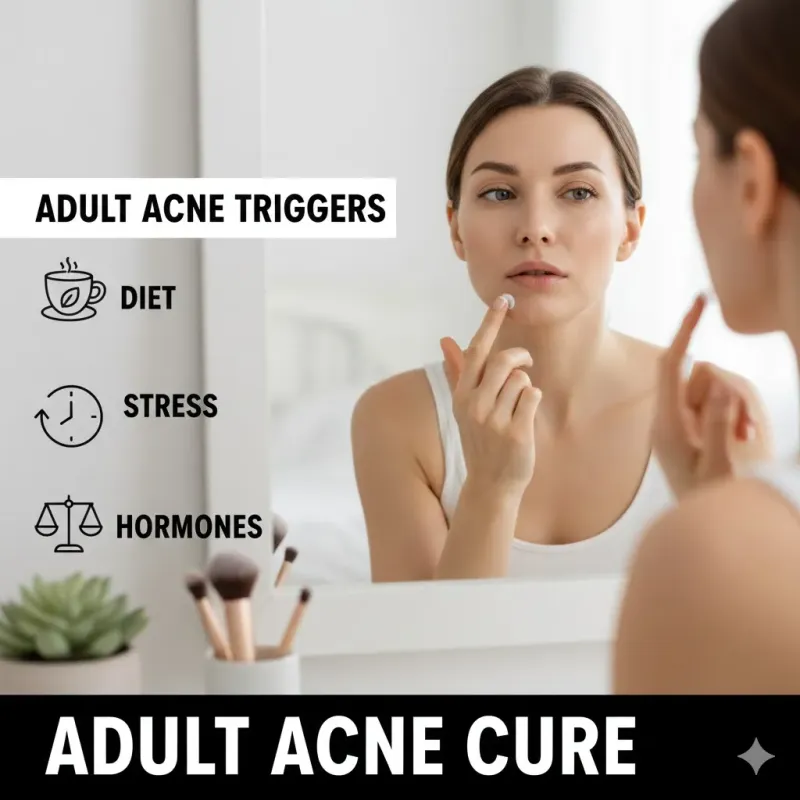
Understanding Adult Acne Why Breakouts Happen at 30
Reaching your 30s often brings confidence, career momentum, and self-assurance—so discovering new or persistent acne can feel confusing and frustrating. You might wonder: "I handled acne as a teen; why is it back now?" The answer lies in biology, not personal failure. Adult acne is a distinct condition with unique triggers, patterns, and treatment needs that differ significantly from adolescent acne.
What Defines Adult Acne?
Adult acne (particularly in women) typically presents with specific characteristics:- Location: Concentrated along the jawline, chin, lower cheeks, and neck—areas rich in androgen receptors- Type: Deep, painful cysts or nodules beneath the skin's surface, rather than superficial whiteheads or blackheads- Timing: Flares predictably with menstrual cycles (often 7-10 days before menstruation), during periods of high stress, or after lifestyle changes- Persistence: Resistant to typical over-the-counter acne treatments that worked in your 20s- Pattern: Often accompanied by other hormonal symptoms like irregular periods, hair changes, mood shifts, or fatigue- Scarring risk: Higher likelihood of post-inflammatory hyperpigmentation (PIH) or textural scarring due to slower healing in mature skin
The Biology Behind Adult Breakouts
To effectively treat adult acne, we must understand the physiological shifts that drive it. Unlike teenage acne—which is largely driven by puberty-related androgen surges—adult acne reflects a complex interplay of internal and external factors.
Factor 1: Hormonal FluctuationsHormones are the primary driver of adult acne in women. Key players include:
Androgens (Testosterone, DHEA-S)- Produced by ovaries and adrenal glands- Bind to receptors in sebaceous (oil) glands, stimulating excess sebum production- Even "normal" androgen levels can trigger breakouts if skin receptors are hypersensitive- Fluctuate naturally during menstrual cycles, pregnancy, perimenopause
Estrogen and Progesterone Shifts- Estrogen generally supports skin clarity and barrier function- Progesterone can increase sebum production and cause pores to swell- The luteal phase (post-ovulation) sees progesterone rise while estrogen falls—creating a perfect storm for breakouts- Birth control pills, pregnancy, and perimenopause dramatically shift this balance
Cortisol and Stress Hormones- Chronic stress elevates cortisol, which:andnbsp; • Increases adrenal androgen productionandnbsp; • Promotes inflammation that worsens acne lesionsandnbsp; • Disrupts sleep and healing processes- Stress-related breakouts often appear suddenly during high-pressure periods
Factor 2 Skin Changes in Your 30sYour skin biology evolves with age, creating new vulnerabilities
Slower Cell Turnover- In your 20s, skin renews itself every ~28 days; by your 30s, this slows to 35-40+ days- Dead skin cells accumulate longer, increasing clog risk- Slower healing means breakouts last longer and leave more noticeable marks
Barrier Function Shifts- Natural lipid production may decline, compromising barrier integrity- A weakened barrier allows irritants to penetrate more easily, triggering inflammation- Inflammation further stimulates oil production—a vicious cycle
Collagen and Elasticity Changes- Declining collagen affects skin's ability to "bounce back" from inflammation- Makes post-acne marks (PIH, scarring) more persistent and visible
Factor 3: Lifestyle and Environmental TriggersModern life introduces unique acne triggers for women in their 30s:
Diet and Metabolic Health- High-glycemic diets spike insulin, which:andnbsp; • Increases IGF-1 (insulin-like growth factor), stimulating sebum productionandnbsp; • Elevates androgen activity in the skinandnbsp; • Promotes inflammation that exacerbates acne- Dairy consumption (especially skim milk) contains hormones and growth factors that may trigger breakouts in sensitive individuals
Skincare Product Overload- Layering multiple actives (retinoids, acids, vitamin C) without proper guidance can overwhelm mature skin- Using products formulated for teenage acne (harsh, drying) on 30s skin damages the barrier and worsens inflammation- "Anti-aging" products with heavy occlusives can clog pores on acne-prone skin
Stress and Sleep Disruption- Career demands, caregiving responsibilities, and life transitions elevate chronic stress- Poor sleep disrupts cortisol rhythms and impairs skin repair- Both factors directly stimulate sebaceous gland activity
Environmental Exposures- Pollution particles penetrate compromised barriers, triggering inflammation- Blue light from screens may contribute to oxidative stress and pigmentation- Hard water or harsh tap water can disrupt skin's pH and microbiome
Factor 4 Underlying Medical ConditionsSometimes adult acne signals an underlying health issue
Polycystic Ovary Syndrome (PCOS)- Characterized by elevated androgens, insulin resistance, irregular cycles- Often presents with persistent jawline acne, along with symptoms like excess facial hair, hair thinning, or weight changes- Requires medical evaluation and often a multi-pronged treatment approach
Thyroid Disorders- Both hypothyroidism and hyperthyroidism can affect skin health and hormone balance- May contribute to dryness, sensitivity, or unexpected breakouts
Medication Side Effects- Certain medications (lithium, corticosteroids, some antidepressants) can trigger acne- Hormonal contraceptives: some progestin-only options worsen acne; combined pills with anti-androgenic progestins may improve it
The Science-Backed Protocol Clearing Adult Acne Without Compromise
Treating adult acne requires a nuanced approach that addresses root causes while respecting mature skin's needs. This protocol integrates dermatological science with practical, sustainable habits.
Pillar 1 Targeted Topical Skincare
Topical treatments remain foundational, but ingredient selection and application strategy matter more than ever.
Key Ingredients for Adult Acne
1. Topical Retinoids (Adapalene, Tretinoin, Retinol)Why they work:- Normalize follicular keratinization, preventing pore clogging at the source- Reduce inflammation and accelerate cell turnover- Stimulate collagen production, addressing both acne and early aging concerns- Enhance penetration of other treatments
How to use:- Start low and slow: 0.1% adapalene (OTC) or 0.25% retinol, 2-3 nights/week- Apply a pea-sized amount to dry skin; wait 20 minutes before moisturizing- Use the "sandwich method" if sensitive: moisturizer → retinoid → moisturizer- Always pair with daily broad-spectrum sunscreen; retinoids increase sun sensitivity- Expect initial purging (4-6 weeks) before improvement; full results take 3-6 months
2. Niacinamide (Vitamin B3)Why it works:- Regulates sebum production without drying—ideal for mature, acne-prone skin- Reduces inflammation and redness associated with acne lesions- Strengthens barrier function, improving tolerance to other actives- Fades post-inflammatory hyperpigmentation (PIH), common in adult acne- Well-tolerated by most skin types, including sensitive or rosacea-prone skin
How to use:- Choose 4-5% concentration for optimal efficacy with minimal irritation- Apply after cleansing, before moisturizer, morning and/or evening- Pairs well with most ingredients, including retinoids and vitamin C- Visible results in 4-8 weeks with consistent use
3. Azelaic AcidWhy it works:- Anti-inflammatory properties reduce redness and swelling in acne lesions- Normalizes keratinization and has mild antibacterial effects against C. acnes- Inhibits tyrosinase, helping fade post-acne dark marks (PIH)- Safe for use during pregnancy and breastfeeding (consult provider)- Gentle enough for sensitive or rosacea-prone skin
How to use:- Start with 10% concentration (OTC); prescription 15-20% available for more severe cases- Apply once or twice daily to affected areas or entire face- Can be used alongside retinoids (apply at different times of day if sensitivity occurs)- Results typically visible in 8-12 weeks
4. Salicylic Acid (BHA)Why it works:- Oil-soluble, allowing it to penetrate clogged pores and exfoliate from within- Reduces inflammation and helps prevent new breakouts- Gentle enough for regular use when formulated at 0.5-2%- Helps dissolve blackheads and smooth texture
How to use:- Use in cleanser, toner, or leave-on treatment 2-4 times weekly- Avoid overuse, which can compromise barrier function and worsen inflammation- Ideal for spot treatment or T-zone focus in combination skin- Follow with hydrating products to maintain barrier health
5. Zinc (Topical or Oral)Why it works:- Topical zinc PCA regulates sebum and has anti-inflammatory effects- Oral zinc (particularly zinc gluconate or picolinate) may reduce androgen activity and inflammation- Studies show zinc supplementation can improve inflammatory acne in some women- Supports wound healing, reducing scarring risk
How to use:- Topical: Look for zinc PCA in serums or moisturizers (0.1-1%)- Oral: Consult a healthcare provider; typical doses range 30-45 mg elemental zinc daily- Take with food to minimize stomach upset; avoid long-term high doses without supervision
Sample Adult Acne Routine Framework
Morning:1. Gentle, pH-balanced cleanser (salicylic acid or niacinamide formula if tolerated)2. Niacinamide serum (4-5%) or azelaic acid (if not using PM)3. Lightweight, non-comedogenic moisturizer with ceramides or hyaluronic acid4. Broad-spectrum sunscreen SPF 30+ (mineral or hybrid formulas often better tolerated)
Evening:1. Gentle cleanser (double cleanse if wearing sunscreen/makeup)2. Treatment rotation:andnbsp; andnbsp;• Retinoid nights (2-3x/week): Adapalene or tretinoinandnbsp; andnbsp;• Azelaic acid nights (alternate evenings): For inflammation and PIHandnbsp; andnbsp;• Rest nights: Focus on barrier support with niacinamide or zinc3. Moisturizer with barrier-supporting ingredients (ceramides, squalane, panthenol)
Weekly:- Gentle chemical exfoliation (1x/week max): Lactic acid or low-concentration salicylic acid- Hydrating mask if skin feels tight or dehydrated- Avoid physical scrubs, which can aggravate inflammatory acne
Pillar 2 Lifestyle and Dietary Support
Skincare alone can't override powerful internal drivers. These evidence-based lifestyle strategies complement topical care.
Manage Insulin and Blood SugarResearch links high-glycemic diets to increased acne severity, particularly in women with insulin resistance.
Practical strategies:- Prioritize low-glycemic carbohydrates: whole grains, legumes, non-starchy vegetables- Pair carbs with protein and healthy fats to slow glucose absorption- Limit sugary beverages, refined grains, and highly processed snacks- Consider a Mediterranean-style eating pattern, associated with reduced inflammation
Support Hormonal Balance Through Nutrition- Omega-3 fatty acids (fatty fish, flaxseeds, walnuts): Reduce inflammation and may modulate androgen effects- Spearmint tea: Small studies suggest anti-androgenic effects; 1-2 cups daily may help some women- Cruciferous vegetables (broccoli, cauliflower, kale): Contain compounds that support estrogen metabolism- Adequate protein: Supports stable blood sugar and provides building blocks for skin repair- Stay hydrated: Dehydration can trigger rebound oil production
Prioritize Stress ManagementChronic stress elevates cortisol, which can worsen hormonal acne through multiple pathways.
Evidence-based practices:- Mindfulness meditation: 10-15 minutes daily can lower cortisol and reduce inflammatory markers- Regular movement: Moderate exercise improves insulin sensitivity and stress resilience- Sleep hygiene: Aim for 7-9 hours; poor sleep disrupts cortisol rhythms and impairs skin repair- Boundary setting: Protect time for rest; chronic overcommitment fuels stress-related breakouts- Consider adaptogens: Ashwagandha, rhodiola, or holy basil may support stress resilience (consult provider)
Track Your Cycle and Skin PatternsUnderstanding your personal pattern empowers proactive care.
How to track:- Use a period-tracking app or journal to note breakout timing relative to your cycle- Document other factors: stress levels, sleep quality, dietary changes, product introductions- Identify your personal "high-risk window" (often days 21-28 of a 28-day cycle)- Pre-emptively intensify gentle care during this window: ensure consistent retinoid use, avoid new products, prioritize sleep
Pillar 3 Medical Interventions When Needed
For moderate to severe adult acne, or when lifestyle and topical care aren't sufficient, medical treatments can provide significant relief.
Oral Contraceptives (Combined Pills)- FDA-approved options for acne contain estrogen plus anti-androgenic progestins (drospirenone, norgestimate, norethindrone)- Work by suppressing ovarian androgen production and increasing sex hormone-binding globulin (SHBG), which reduces free testosterone- Typically take 3-6 months to show full effect; may cause initial breakout as skin adjusts- Not suitable for everyone; discuss risks/benefits with a healthcare provider
Spironolactone- An anti-androgen medication originally developed for blood pressure, now widely used off-label for hormonal acne in women- Blocks androgen receptors in the skin, reducing sebum production and inflammation- Typical doses for acne: 25-100 mg daily; effects build over 3-6 months- Requires monitoring of potassium levels; not safe during pregnancy- Often highly effective for jawline/cystic acne resistant to other treatments
Isotretinoin (Accutane)- A powerful oral retinoid reserved for severe, scarring, or treatment-resistant acne- Works by dramatically reducing sebum production, normalizing follicular turnover, and reducing inflammation- Requires strict pregnancy prevention due to teratogenic risk; closely monitored by dermatologists- Can provide long-term remission for many women with severe hormonal acne
When to Seek Professional GuidanceConsult a dermatologist or healthcare provider if:- Acne is painful, cystic, or leaving scars- Over-the-counter treatments haven't improved skin after 8-12 weeks of consistent use- You suspect underlying conditions like PCOS (irregular periods, excess hair growth, hair thinning)- Acne is affecting your mental health, confidence, or quality of life- You're considering prescription treatments or hormonal interventions
A specialist can:- Perform hormonal testing if indicated (testosterone, DHEA-S, insulin, etc.)- Rule out other conditions that mimic acne (rosacea, folliculitis, perioral dermatitis)- Prescribe targeted treatments and monitor for side effects- Coordinate care with endocrinology or gynecology if systemic hormonal issues are present
Realistic Expectations Timelines for Improvement
Adult acne management requires patience. Unlike bacterial acne that may respond quickly to antibiotics, hormonal drivers take time to address.
Short-Term (2-6 Weeks):- Reduced inflammation and redness with anti-inflammatory topicals (azelaic acid, niacinamide)- Fewer new breakouts with consistent retinoid use- Improved skin texture and barrier function with gentle, consistent care- Possible initial purging with retinoids (temporary increase in breakouts as skin adjusts)
Medium-Term (2-4 Months):- Noticeable reduction in cystic lesions and jawline breakouts- Fading of post-inflammatory hyperpigmentation with consistent sun protection and azelaic acid- Better predictability: breakouts may still occur but are less severe and resolve faster- Improved tolerance to active ingredients as barrier strengthens
Long-Term (4-6+ Months):- Significant clearance with combined topical, lifestyle, and/or medical approaches- Improved resilience: skin better withstands hormonal fluctuations without major flare-ups- Sustainable routine: a personalized protocol that maintains results with minimal maintenance- Enhanced confidence and quality of life as skin stabilizes
Factors Influencing Your Timeline:- Severity: Mild adult acne may improve faster than severe cystic presentations- Consistency: Daily adherence to routine matters more than product potency- Underlying conditions: PCOS or significant insulin resistance may require longer or multi-modal treatment- Hormonal context: Perimenopausal acne may need different strategies than cyclical premenstrual breakouts- Lifestyle factors: Stress management, sleep quality, and nutrition significantly impact results
Common Mistakes to Avoid
Even with good intentions, certain approaches can worsen adult acne or delay progress.
Mistake 1: Using Teen Acne Products on Mature SkinWhy it backfires: Harsh, drying formulas designed for teenage skin damage the barrier of 30s skin, triggering more inflammation and rebound oil.Fix: Choose gentle, barrier-supportive formulas with proven adult acne ingredients (niacinamide, azelaic acid, low-dose retinoids).
Mistake 2: Over-Exfoliating to "Clear Pores"Why it backfires: Excessive physical or chemical exfoliation compromises the barrier, increasing sensitivity and inflammation.Fix: Limit exfoliation to 1-2 times weekly with gentle chemical exfoliants; prioritize barrier repair.
Mistake 3: Skipping Moisturizer Because Skin Feels OilyWhy it backfires: Oil and hydration are different; dehydrated skin may overproduce oil to compensate.Fix: Use lightweight, oil-free, non-comedogenic moisturizers to maintain barrier health without adding shine.
Mistake 4: Expecting Overnight ResultsWhy it backfires: Disappointment leads to product-hopping, preventing any regimen from working fully.Fix: Commit to a consistent routine for at least 8-12 weeks before evaluating efficacy; take progress photos to track subtle changes.
Mistake 5: Ignoring the Jawline and NeckWhy it backfires: These are hallmark zones for hormonal acne but are often neglected in routines.Fix: Extend your skincare (cleanser, treatment, moisturizer, sunscreen) down to the jawline and upper neck.
Mistake 6: Self-Diagnosing Hormonal ImbalanceWhy it backfires: Assuming PCOS or other conditions without evaluation can delay appropriate care.Fix: If you have acne plus irregular periods, excess hair growth, hair thinning, or weight changes, seek medical evaluation for accurate diagnosis.
The Mindset Shift Compassion Over Criticism
Adult acne can feel deeply personal—breakouts along the jawline are highly visible and often coincide with times of professional or personal pressure. It's easy to blame yourself or feel frustrated when "perfect" skincare doesn't prevent flares.
Reframe the Narrative- Your acne isn't a reflection of hygiene, willpower, or worth- Hormonal fluctuations are normal physiology; sensitivity to them isn't a flaw- Progress isn't linear: a breakout during a stressful week doesn't erase weeks of progress
Practice Skin-Positive Self-Talk- Instead of "My skin is failing," try "My skin is responding to internal changes; I'm supporting it with care"- Celebrate non-appearance wins: consistent routine, better sleep, reduced stress- Remember: clear skin is a goal, but self-compassion is non-negotiable
Build a Supportive Environment- Share your journey with trusted friends or communities; you're not alone- Limit exposure to idealized, filtered skin imagery that fuels unrealistic expectations- Focus on health and function: skin that feels comfortable and resilient, not just "flawless"
The Bigger Picture Adult Acne as a Window to Whole-Person Health
Addressing adult acne often reveals opportunities to support broader well-being. The same practices that calm breakouts—balanced nutrition, stress management, quality sleep, and mindful movement—also benefit metabolic health, mental resilience, and long-term vitality.
By approaching adult acne as a signal rather than a setback, you empower yourself to:- Listen to your body's cues about stress, nutrition, and hormonal balance- Advocate for comprehensive care that addresses root causes, not just symptoms- Cultivate a sustainable, compassionate relationship with your skin and yourself
Conclusion Clear Skin Through Science and Self-Compassion
Adult acne at 30 is complex, but it is manageable. By understanding the endocrinology, skin biology, and lifestyle factors behind breakouts and implementing a multi-dimensional protocol—targeted topicals, lifestyle support, and medical care when needed—you can address the root drivers of adult acne, not just mask its symptoms.
Remember:- Adult acne reflects biology, not personal failure- Consistency with evidence-based strategies yields results over time- Progress may be gradual, but each step builds resilience- Your worth is never defined by your skin's appearance
Start where you are. Review your current routine. Identify one pillar to strengthen this week—perhaps introducing a retinoid, tracking your cycle, or prioritizing sleep. Notice how your skin and well-being respond. Build from there.
Your skin tells a story of adaptation, resilience, and the quiet power of showing up for yourself. With informed care and self-compassion, you can cultivate skin that not only looks clearer but feels like a reflection of your strength.
For evidence-based skincare resources, personalized guidance, and expert support tailored to adult acne and women's skin health, explore trusted platforms that prioritize science, transparency, and individualized care. Your journey to confident, clear skin starts with one intentional choice at a time.