
Why Hair Becomes Less Manageable Over Time
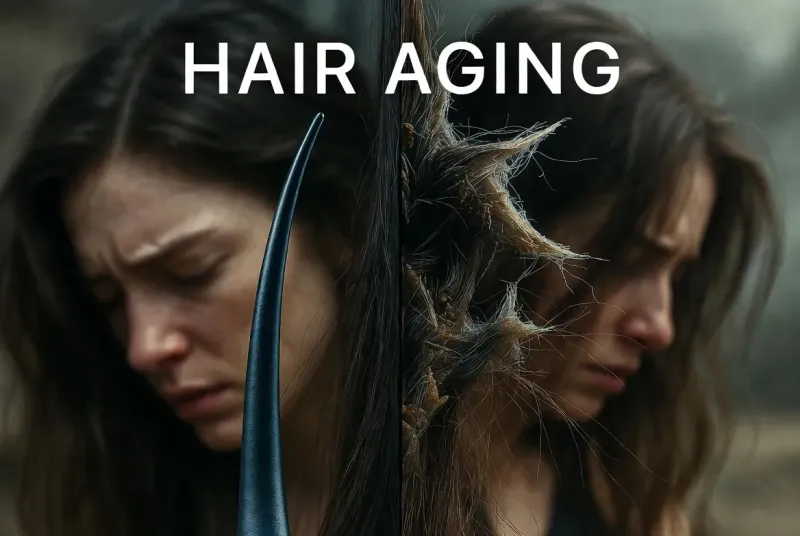
The Frustrating Reality When Hair Stops Cooperating
You remember the days when your hair air-dried perfectly, held a style all day, and responded to whatever product you tried. Now, it seems to have a mind of its own—frizzing in humidity, tangling overnight, refusing to hold curl, or feeling perpetually dry no matter how much conditioner you use. If this sounds familiar, you're experiencing a very common but rarely discussed phenomenon: the gradual loss of hair manageability over time.
This isn't simply a matter of needing better products or trying harder. Hair, like skin, undergoes significant biological changes as we age. Combined with years of styling, chemical treatments, environmental exposure, and shifting health factors, these changes can transform even the most low-maintenance hair into a daily challenge.
The good news? Understanding why this happens empowers you to respond effectively. Manageability isn't permanently lost—it can often be restored with the right knowledge, products, and habits. This guide breaks down the complex factors behind changing hair texture and provides actionable, science-backed solutions for reclaiming smooth, cooperative hair.
The Biology of Hair Why Texture Changes Are Inevitable
To understand why hair becomes less manageable, we must first understand what hair actually is—and how it changes over time.
Hair Structure Basics
Each strand of hair consists of three primary layers
- The cuticle: The outermost layer made of overlapping, scale-like cells that protect the inner structure. A smooth, intact cuticle reflects light (creating shine) and resists moisture loss and damage.- The cortex: The middle layer containing keratin proteins, melanin (pigment), and moisture. This layer determines hair strength, elasticity, and texture.- The medulla: The innermost core, present mainly in thick or coarse hair, with minimal impact on manageability.
When hair is young and healthy, the cuticle lies flat, the cortex retains optimal moisture and protein balance, and the strand behaves predictably. Over time, multiple factors disrupt this delicate equilibrium.
Natural Aging Processes
As we age, our bodies undergo changes that directly impact hair
Sebum Production Decline: The scalp's sebaceous glands produce less natural oil (sebum) with age. Sebum acts as a built-in conditioner, coating hair strands to maintain moisture and flexibility. Reduced sebum means hair becomes drier, more prone to static, and harder to smooth.
Slower Cell Turnover: Scalp skin cell renewal slows with age, potentially leading to buildup that affects follicle health and hair growth quality. New hair may emerge weaker or with altered texture.
Hormonal Shifts: Estrogen, testosterone, and thyroid hormones all influence hair growth cycles, thickness, and texture. Menopause, perimenopause, thyroid disorders, or other hormonal changes can cause hair to become finer, drier, or more wiry—each presenting unique manageability challenges.
Reduced Elasticity: Hair's ability to stretch and return to shape diminishes with age due to changes in keratin structure and moisture content. Less elastic hair breaks more easily and resists styling.
These biological shifts aren't flaws—they're natural. But they do require adjusted care strategies to maintain manageability.
Cumulative Damage The Hidden Culprit
While aging plays a role, the most significant factor in declining manageability is often cumulative damage—small insults that add up over months and years.
Heat Styling Accumulation
Every use of flat irons, curling wands, or blow dryers exposes hair to temperatures that can exceed 400°F. While occasional heat styling with protection causes minimal harm, years of regular use lead to:
- Cuticle lifting and erosion: Repeated heat causes the protective outer scales to lift, crack, or flake off, exposing the vulnerable cortex.- Moisture loss: Heat evaporates internal water content, leaving hair dry and brittle.- Protein degradation: Extreme heat denatures keratin proteins, weakening hair's structural integrity.
The result? Hair that feels rough, tangles easily, frizzes in humidity, and refuses to hold style—classic signs of compromised manageability.
Chemical Processing Effects
Coloring, bleaching, perming, relaxing, or keratin treatments alter hair's chemical structure. While modern formulations are gentler than ever, repeated processing causes:
- Disulfide bond breakage: Chemical treatments break and reform the bonds that give hair its shape. Over time, this weakens hair's natural resilience.- Increased porosity: Damaged cuticles allow moisture to enter and exit hair unpredictably, causing frizz in humidity and dryness in arid conditions.- Protein loss: Harsh chemicals strip natural proteins, leaving hair weak and prone to breakage.
Even "gentle" or "ammonia-free" color contributes to cumulative damage when used frequently over years.
Environmental Stressors
Hair is constantly exposed to environmental aggressors that gradually degrade its quality
UV Radiation: Sunlight breaks down keratin proteins and melanin pigment, leading to dryness, brittleness, and color fading. UV damage accumulates silently over years.
Pollution: Airborne particles, smoke, and industrial pollutants deposit on hair, creating buildup that weighs hair down, dulls shine, and interferes with product performance.
Hard Water: Minerals like calcium and magnesium in hard water leave deposits on hair that disrupt pH balance, cause buildup, and make hair feel rough or straw-like.
Chlorine and Salt Water: Swimming pools and ocean exposure strip natural oils and further damage the cuticle, especially when hair isn't properly protected or rinsed afterward.
Mechanical Stress
Daily handling takes a toll
- Brushing wet hair: Hair is most vulnerable when wet. Aggressive brushing stretches and breaks strands.- Tight hairstyles: Ponytails, braids, or buns that pull on hair create tension that weakens strands at the point of stress.- Rough towel drying: Rubbing hair with a towel creates friction that lifts cuticles and causes frizz.- Sleep friction: Cotton pillowcases create friction that tangles hair overnight and contributes to breakage.
Individually, these actions seem minor. Collectively, over years, they significantly compromise manageability.
The Role of Product Buildup and Ingredient Sensitivity
Ironically, the products we use to manage hair can sometimes contribute to its unmanageability.
Silicone and Polymer Buildup
Many styling products contain silicones, polymers, or waxes that coat hair to create smoothness or hold. While effective short-term, these ingredients can accumulate over time, especially if not regularly clarified. Buildup:
- Weighs hair down, making it limp or greasy at the roots while dry at the ends- Blocks moisture and beneficial ingredients from penetrating hair- Creates a barrier that prevents styling products from working effectively- Attracts dirt and pollution, accelerating dullness
The result is hair that feels coated, unresponsive, or paradoxically both oily and dry.
Ingredient Sensitivity Development
Just as skin can develop sensitivities over time, hair and scalp can become reactive to ingredients once tolerated. Common triggers include:
- Sulfates: Harsh cleansers that strip natural oils, potentially worsening dryness- Fragrances and essential oils: Can cause scalp irritation or allergic reactions- Certain preservatives: May trigger sensitivity with prolonged exposure- Alcohol-based products: Can be drying, especially for already compromised hair
When hair or scalp becomes sensitive, previously effective products may cause irritation, flaking, or increased frizz—further reducing manageability.
Lifestyle and Health Factors That Impact Manageability
Hair doesn't exist in isolation. Whole-body health significantly influences hair texture and behavior.
Nutritional Deficiencies
Hair requires specific nutrients to maintain strength, moisture, and elasticity. Deficiencies in
- Protein: Hair is primarily keratin, a protein. Inadequate intake leads to weak, brittle strands.- Iron: Essential for oxygen delivery to follicles. Low iron can cause dryness and shedding.- Omega-3 fatty acids: Support scalp health and hair moisture. Deficiency contributes to dullness and brittleness.- B vitamins (especially biotin, B12): Support keratin production and cell turnover.- Zinc and selenium: Critical for scalp health and oil regulation.
Even mild, subclinical deficiencies—common with busy lifestyles or restrictive diets—can subtly degrade hair quality over time.
Chronic Stress and Cortisol
Prolonged stress elevates cortisol, a hormone that
- Disrupts the hair growth cycle, potentially leading to shedding or altered texture- Increases inflammation that can affect scalp health- Contributes to behaviors that damage hair (neglecting care, aggressive styling when rushed)
Stress-related hair changes often manifest as increased dryness, breakage, or unexplained texture shifts.
Medications and Medical Conditions
Certain medications affect hair texture as a side effect
- Retinoids, acne medications: Can cause dryness and brittleness- Blood pressure medications, diuretics: May reduce scalp oil production- Antidepressants, hormonal treatments: Can alter hair growth patterns or texture
Medical conditions like thyroid disorders, PCOS, autoimmune conditions, or digestive issues can also impact hair health and manageability.
Sleep Quality and Hydration
Poor sleep impairs the body's repair processes, including those that maintain hair health. Chronic dehydration affects hair's moisture balance from within, making it more prone to dryness and static.
Recognizing the Signs Is Your Hair Losing Manageability?
Before addressing the issue, confirm what you're experiencing. Common signs of declining manageability include:
- Increased tangling, especially after sleep or washing- Persistent frizz that resists smoothing products- Hair that feels dry or rough despite regular conditioning- Difficulty holding style—curls drop quickly, blowouts don't last- Static electricity, especially in dry weather- Breakage during brushing or styling- Products that once worked well no longer deliver results- Hair that feels coated, heavy, or unresponsive
If several of these apply, your hair's manageability has likely shifted—and targeted care can help restore it.
Restoring Manageability A Strategic, Multi-Pronged Approach
Reclaiming manageable hair requires addressing root causes, not just masking symptoms. Here's a comprehensive strategy:
Step 1 Assess and Reset
Before adding new products, pause and evaluate
- Clarify: Use a gentle clarifying shampoo to remove buildup from silicones, hard water minerals, or product residue. This resets your hair's baseline.- Simplify: Temporarily reduce your routine to gentle cleansing, deep conditioning, and minimal styling. This helps identify which products truly help versus those that contribute to problems.- Document: Note your hair's behavior—when it frizzes, tangles, or feels dry. Patterns reveal triggers.
Step 2 Restore Moisture-Protein Balance
Healthy, manageable hair maintains equilibrium between moisture (for flexibility) and protein (for strength). Imbalance in either direction causes problems:
If hair feels dry, brittle, or snaps easily It likely needs protein. Look for products containing
- Hydrolyzed keratin, wheat protein, or silk amino acids- Use protein treatments 1-2 times monthly; overuse can cause stiffness
If hair feels mushy, stretchy, or limp when wet It likely needs moisture. Look for
- Humectants like glycerin, hyaluronic acid, or panthenol- Emollients like shea butter, argan oil, or squalane- Deep condition with moisture-focused masks weekly
If hair feels both dry and weak: It needs both. Alternate protein and moisture treatments, or use balanced products containing both.
Step 3 Protect the Cuticle
A smooth, intact cuticle is essential for manageability. Protect it by
- Lowering heat styling frequency and temperature: Use tools under 350°F and always apply heat protectant- Switching to microfiber towels or cotton t-shirts for drying: Reduces friction and cuticle lifting- Detangling gently with a wide-tooth comb on damp, conditioned hair: Minimizes breakage- Using silk or satin pillowcases: Reduces overnight friction and moisture loss- Applying leave-in conditioners or serums: Create a protective barrier against environmental stressors
Step 4 Optimize Your Product Strategy
Choose products strategically based on your hair's current needs
Cleansing: Use sulfate-free shampoos for regular washing to preserve natural oils. Clarify monthly to prevent buildup.
Conditioning: Apply conditioner mainly to mid-lengths and ends, where damage accumulates. Rinse with cool water to help seal the cuticle.
Styling Layer products thoughtfully
1. Leave-in conditioner for moisture and detangling2. Lightweight serum or oil for frizz control and shine3. Heat protectant before any thermal styling4. Flexible-hold styling products that don't create buildup
Avoid over-applying products—more isn't better. Start with small amounts and add only if needed.
Step 5 Support Hair Health From Within
External care works best when supported by internal health
- Prioritize protein-rich foods: Eggs, fish, legumes, lean meats support keratin production- Include healthy fats: Avocados, nuts, olive oil, fatty fish nourish hair from within- Stay hydrated: Aim for adequate water intake daily- Manage stress: Meditation, exercise, or adequate sleep support overall hair health- Consider targeted supplements: Biotin, collagen, or omega-3s may help if dietary intake is insufficient (consult a healthcare provider first)
Step 6 Adjust Expectations and Embrace Evolution
Hair changes over time—and that's normal. The goal isn't to restore your hair to exactly how it was at 20, but to optimize its current state for health and manageability.
This might mean
- Embracing a slightly different texture or style that works with your hair now- Adjusting your routine seasonally (more moisture in winter, lighter products in summer)- Accepting that some days require more effort—and that's okay
Long-Term Maintenance Keeping Hair Manageable
Once you've restored manageability, maintain it with consistent habits
- Regular trims: Remove split ends every 8-12 weeks to prevent damage from traveling up the shaft- Seasonal routine adjustments: Adapt products and techniques to humidity, temperature, and lifestyle changes- Periodic clarifying: Prevent buildup with monthly gentle clarification- Listen to your hair: If something changes—increased dryness, new frizz, unusual shedding—respond promptly rather than waiting for problems to escalate- Professional guidance: Consult a trichologist or experienced stylist if issues persist despite consistent care
When to Seek Professional Help
While most manageability issues respond to adjusted home care, consult a dermatologist or trichologist if you experience:
- Sudden, significant texture changes- Excessive shedding or breakage- Scalp symptoms like itching, flaking, redness, or pain- No improvement after 2-3 months of consistent, targeted care
These could indicate underlying medical conditions requiring professional diagnosis and treatment.
Conclusion Manageability Is a Journey, Not a Destination
Hair that becomes less manageable over time isn't a personal failure—it's a natural response to biological changes, cumulative exposure, and evolving needs. The path back to smooth, cooperative hair isn't about finding one miracle product or following a rigid routine. It's about understanding your hair's unique story, responding with informed care, and adapting as needed.
Start where you are. Choose one small change—clarifying your hair, adding a weekly deep condition, or lowering your heat tool temperature. Notice the difference. Build from there.
Your hair has carried you through years of life. With patience, knowledge, and consistent care, you can help it feel as good as it looks—manageable, healthy, and uniquely yours.