

Why Is My Face Always Red? Hidden Triggers and Fast Fixes
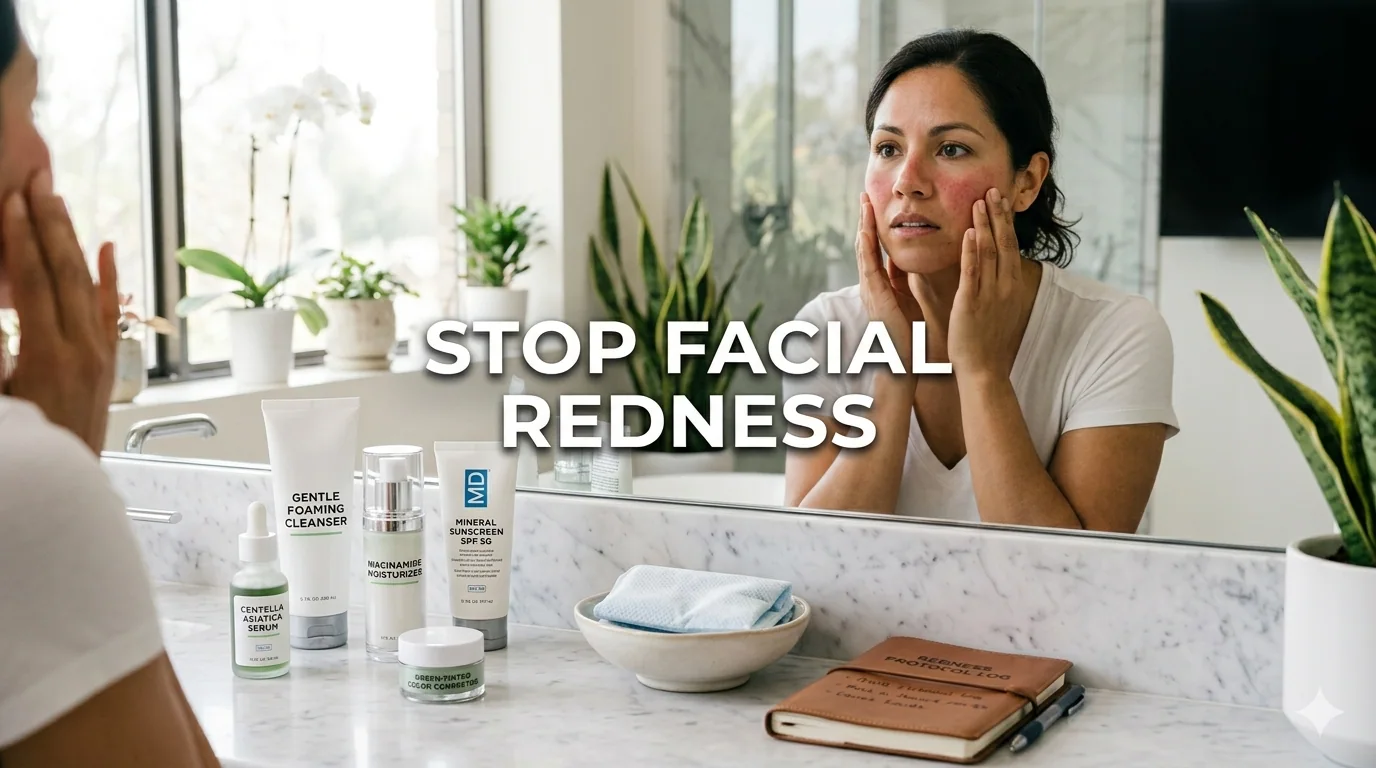
That persistent redness on your face can feel frustrating, confusing, and impossible to hide. Whether it's a constant flush across your cheeks, visible broken capillaries, or reactive redness that flares unpredictably, facial redness affects millions of people and can significantly impact confidence and quality of life. But here's the good news: understanding the hidden triggers behind your redness is the first step to finding fast, effective relief.
Facial redness isn't just one thing—it's a symptom with many possible causes. From chronic conditions like rosacea and eczema to lifestyle factors like diet, stress, and skincare mistakes, the reasons your face stays red are often more complex than surface-level irritation. The key is identifying your specific triggers and implementing targeted solutions that address the root cause, not just mask the symptoms.
In this comprehensive, dermatologist-informed guide, we'll decode the science behind persistent facial redness, reveal the hidden triggers you might be overlooking, share fast-acting fixes for immediate relief, and provide expert strategies for long-term management. Whether you're dealing with rosacea, sensitive skin, broken capillaries, or unexplained flushing, you'll learn how to build a personalized plan that calms inflammation, strengthens your skin barrier, and restores a more even, comfortable complexion.
Understanding Facial Redness: Common Causes and Conditions
Short answer: Facial redness stems from dilated blood vessels, inflammation, or skin barrier disruption caused by conditions like rosacea, eczema, seborrheic dermatitis, contact dermatitis, or environmental triggers.
Before treating redness, it's essential to understand what's causing it. Different conditions require different approaches:
Rosacea: The Most Common Culprit
Rosacea affects over 16 million Americans and is characterized by:
- Persistent redness: Central face (cheeks, nose, chin, forehead) that doesn't go away
- Visible blood vessels: Spider veins (telangiectasia) become apparent
- Flushing: Sudden episodes of intense redness triggered by heat, stress, or food
- Bumps or pimples: Acne-like breakouts without blackheads
- Eye irritation: Dry, gritty, or bloodshot eyes (ocular rosacea)
Rosacea is a chronic inflammatory condition with no cure, but it's highly manageable with proper treatment and trigger avoidance.
Sensitive or Reactive Skin
Not all redness is rosacea. Some people simply have a more reactive skin barrier:
- Stings or burns: When applying skincare products
- Quick to redden: From temperature changes, wind, or touch
- Tight or dry feeling: Especially after cleansing
- Improves with gentle care: Responds well to barrier-repair ingredients
Sensitive skin often results from a compromised moisture barrier that allows irritants to penetrate more easily.
Seborrheic Dermatitis
This inflammatory condition causes:
- Red, scaly patches: Often around nose, eyebrows, and hairline
- Greasy or flaky skin: Yellowish scales
- Itching or burning: Varies in intensity
- Worsens with stress: Or cold, dry weather
Seborrheic dermatitis is linked to an overgrowth of yeast (Malassezia) on the skin and requires specific antifungal treatment.
Contact Dermatitis
An allergic or irritant reaction to products or environmental factors:
- Sudden onset: After using new product or exposure
- Red, itchy rash: Can be localized or widespread
- Burning or stinging: Especially with irritant dermatitis
- Improves when trigger removed: Identifying the culprit is key
Environmental and Lifestyle Factors
Sometimes redness isn't a medical condition but a response to external triggers:
- Sun damage: Chronic UV exposure causes persistent redness and broken capillaries
- Temperature extremes: Hot or cold weather triggers flushing
- Wind exposure: Strips moisture and irritates skin
- Alcohol consumption: Dilates blood vessels causing temporary or chronic redness
- Spicy foods: Trigger flushing in sensitive individuals
Hidden Triggers You Might Be Overlooking
Short answer: Beyond obvious causes, hidden triggers of facial redness include skincare over-exfoliation, hormonal fluctuations, gut health issues, certain medications, hot beverages, exercise intensity, and even your sleep position.
Many people struggle with persistent redness despite using "gentle" products and avoiding known triggers. The culprit might be something you haven't considered:
Skincare Mistakes That Worsen Redness
Over-Exfoliation: Using physical scrubs, high-percentage acids, or retinoids too frequently damages the skin barrier, causing chronic inflammation and redness.
- Sign: Skin feels tight, stings with products, looks perpetually pink
- Fix: Reduce exfoliation to 1x/week or less; focus on barrier repair
Hot Water Cleansing: Washing with hot water strips natural oils and dilates blood vessels.
- Sign: Face looks redder immediately after washing
- Fix: Use lukewarm or cool water only
Too Many Active Ingredients: Layering vitamin C, retinoids, acids, and benzoyl peroxide creates cumulative irritation.
- Sign: Redness worsens as you add more "good" products
- Fix: Simplify routine to gentle cleanser, moisturizer, SPF; reintroduce actives one at a time
Hormonal Fluctuations
Hormones significantly impact blood vessel dilation and skin sensitivity:
- Menstrual cycle: Redness often worsens premenstrually
- Perimenopause/menopause: Hot flashes cause chronic flushing
- Thyroid disorders: Hyperthyroidism increases blood flow to skin
- Pregnancy: Increased blood volume causes "pregnancy glow" that can look like redness
Gut-Skin Connection
Emerging research links gut health to skin inflammation:
- SIBO (Small Intestinal Bacterial Overgrowth): Strongly associated with rosacea
- Food sensitivities: Dairy, gluten, or histamine-rich foods trigger flushing
- Leaky gut: Intestinal permeability may increase systemic inflammation
If topical treatments aren't working, consider discussing gut health with your doctor.
Medications That Cause Flushing
Certain medications dilate blood vessels as a side effect:
- Blood pressure medications: Niacin, calcium channel blockers
- Steroids: Topical or oral corticosteroids
- Vasodilators: Medications for erectile dysfunction
- Some antibiotics: Particularly with alcohol consumption
Review your medications with your doctor if redness started after beginning a new prescription.
Lifestyle Triggers You Might Not Suspect
Hot Beverages: The heat (not just caffeine) triggers flushing. Try letting tea or coffee cool before drinking.
Exercise Intensity: High-intensity workouts cause vasodilation. Try lower-intensity exercise like yoga or swimming in cool water.
Sleep Position: Sleeping face-down creates pressure and friction. Try sleeping on your back with a silk pillowcase.
Stress: Emotional stress triggers the release of neuropeptides that cause flushing. Stress management is essential for redness control.
Fast Fixes for Immediate Redness Relief
Short answer: For quick redness relief, use cool compresses, green-tinted color correctors, soothing ingredients like centella asiatica or aloe, anti-inflammatory serums with niacinamide, and mineral sunscreen to prevent further irritation.
When you need redness to calm down quickly—before a meeting, event, or photo—these strategies provide immediate relief:
Cooling Techniques (Work in Minutes)
Cold Compress:
- Wrap ice cubes in clean cloth or use refrigerated gel mask
- Apply to red areas for 5-10 minutes
- Constricts blood vessels for instant de-puffing and redness reduction
- Repeat as needed throughout the day
Refrigerated Skincare:
- Store toners, serums, and moisturizers in the refrigerator
- Apply cold products for soothing effect
- Especially effective with ingredients like aloe vera or cucumber
Facial Misting:
- Use thermal spring water or rosewater spray
- Mist throughout the day to cool and hydrate
- Pat gently—don't rub
Color-Correcting Makeup (Instant Camouflage)
Green-Tinted Primer or Concealer:
- Green neutralizes red on the color wheel
- Apply thin layer under foundation or alone
- Look for formulas with soothing ingredients (centella, niacinamide)
- Popular options: Dr. Jart+ Cicapair Tiger Grass Color Correcting Treatment, Clinique Redness Solutions Daily Relief Cream
Mineral Powder Foundation:
- Provides coverage without heavy, occlusive formulas
- Contains zinc oxide and titanium dioxide (anti-inflammatory)
- Less likely to irritate sensitive skin
Soothing Topical Ingredients (15-30 Minutes)
Centella Asiatica (Cica):
- Powerful anti-inflammatory and wound-healing properties
- Reduces redness and calms irritation within 20-30 minutes
- Look for: La Roche-Posay Cicaplast Baume B5, Skin1004 Madagascar Centella line
Aloe Vera:
- Cooling, hydrating, anti-inflammatory
- Use pure aloe gel (check for minimal additives)
- Apply thick layer as 10-minute mask
Niacinamide (5-10%):
- Reduces inflammation and strengthens barrier
- Visible calming effect within 30 minutes
- Also provides long-term redness reduction with consistent use
Oat Extract or Colloidal Oatmeal:
- Anti-inflammatory and itch-relieving
- Aveeno products are widely available
- Can use as mask or leave-on treatment
Avoid These When Redness Flares
- Active ingredients: Retinoids, acids, vitamin C (can sting)
- Fragrance: Essential oils or synthetic fragrance
- Alcohol: Denatured alcohol in toners or serums
- Physical exfoliation: Scrubs or brushes
- Hot water: Use cool or lukewarm only
Long-Term Treatment Strategies for Persistent Redness
Short answer: Long-term redness management requires prescription treatments (topical metronidazole, ivermectin, brimonidine, or oral antibiotics), laser therapy for broken capillaries, consistent barrier repair, trigger avoidance, and lifestyle modifications.
Fast fixes provide temporary relief, but lasting improvement requires addressing the underlying cause. Here's what dermatologists recommend for chronic facial redness:
Prescription Topical Treatments
Metronidazole (MetroGel, Noritate):
- Mechanism: Anti-inflammatory and antimicrobial
- Best for: Rosacea-related redness and bumps
- Speed: 3-8 weeks for visible improvement
- Usage: Apply once or twice daily to affected areas
Ivermectin (Soolantra):
- Mechanism: Anti-parasitic and anti-inflammatory; targets Demodex mites linked to rosacea
- Best for: Inflammatory rosacea with papules and pustules
- Speed: 4-12 weeks for significant improvement
- Usage: Once daily application
Brimonidine (Mirvaso) or Oxymetazoline (Rhofade):
- Mechanism: Vasoconstrictors that temporarily narrow blood vessels
- Best for: Persistent background redness (not bumps)
- Speed: 30 minutes to 3 hours; lasts 12 hours
- Caution: Can cause rebound redness with overuse; use sparingly
Azelaic Acid (Finacea 15%):
- Mechanism: Anti-inflammatory, antimicrobial, normalizes keratinization
- Best for: Rosacea with redness and acne-like bumps
- Speed: 4-8 weeks
- Bonus: Also helps with post-inflammatory hyperpigmentation
Oral Medications
Oral Antibiotics (Doxycycline, Minocycline):
- Mechanism: Anti-inflammatory (at low doses) rather than antibacterial
- Dosage: Sub-antimicrobial dose (40mg modified-release doxycycline)
- Best for: Moderate to severe inflammatory rosacea
- Duration: 3-6 months; not for long-term use
Low-Dose Isotretinoin:
- Mechanism: Reduces oil production and inflammation
- Best for: Severe, treatment-resistant rosacea
- Dosage: Lower than acne treatment (0.3-0.5 mg/kg)
- Caution: Requires monitoring; teratogenic
Beta-Blockers (for Flushing):
- Mechanism: Reduces blood vessel dilation
- Best for: Severe flushing unresponsive to other treatments
- Examples: Carvedilol, propranolol
- Caution: Off-label use; requires physician supervision
Laser and Light Therapies
Pulsed Dye Laser (PDL/Vbeam):
- Mechanism: Targets hemoglobin in blood vessels, causing them to collapse
- Best for: Visible broken capillaries, persistent redness
- Sessions: 2-6 treatments, 4-6 weeks apart
- Downtime: Mild bruising or swelling for 3-7 days
- Results: 50-75% improvement in redness; maintenance sessions may be needed
Intense Pulsed Light (IPL):
- Mechanism: Broad-spectrum light targets redness and pigmentation
- Best for: Diffuse redness, sun damage, rosacea
- Sessions: 3-5 treatments, 3-4 weeks apart
- Downtime: Minimal; slight redness for 24-48 hours
- Caution: Less effective on darker skin tones
KTP Laser:
- Mechanism: Targets superficial blood vessels
- Best for: Fine telangiectasia (spider veins)
- Sessions: 1-3 treatments
- Downtime: Minimal
Barrier Repair and Prevention
Regardless of the underlying cause, a compromised skin barrier worsens redness. Long-term management requires:
- Ceramides: Replenish barrier lipids (look for ceramide NP, AP, EOP)
- Niacinamide: Strengthens barrier, reduces inflammation (4-5% concentration)
- Fatty acids: Linoleic acid, cholesterol support barrier function
- Gentle cleansing: Non-foaming, pH-balanced cleansers
- Daily SPF: Mineral sunscreen (zinc oxide/titanium dioxide) prevents UV-triggered redness
The Ultimate Redness-Relief Skincare Routine
Short answer: A redness-relief routine includes gentle cream cleanser, soothing toner with centella or chamomile, niacinamide serum, barrier-repair moisturizer with ceramides, and mineral SPF 30+—avoiding fragrance, alcohol, and harsh actives.
Building a routine that calms redness requires strategic product selection and consistency. Here's a dermatologist-approved framework:
Morning Routine
- Gentle Cleanser or Water Only:
- Use lukewarm water rinse or non-foaming cream cleanser
- Avoid hot water and harsh scrubbing
- Recommended: CeraVe Hydrating Cleanser, La Roche-Posay Toleriane Hydrating Gentle Cleanser
- Soothing Toner (Optional):
- Alcohol-free formula with centella, chamomile, or green tea
- Apply with hands, not cotton pad (less friction)
- Recommended: Klairs Supple Preparation Unscented Toner, Anua Heartleaf 77% Soothing Toner
- Anti-Redness Serum:
- Niacinamide 5-10% or azelaic acid 10%
- Centella asiatica or licorice root extract
- Apply to damp skin for better absorption
- Recommended: The Ordinary Niacinamide 10% + Zinc 1%, Paula's Choice 10% Azelaic Acid Booster
- Barrier-Repair Moisturizer:
- Ceramides, fatty acids, cholesterol
- Hyaluronic acid or glycerin for hydration
- Fragrance-free, non-comedogenic
- Recommended: CeraVe Moisturizing Cream, Aveeno Calm + Restore Oat Gel Moisturizer, La Roche-Posay Toleriane Double Repair Face Moisturizer
- Mineral Sunscreen SPF 30+ (Non-Negotiable):
- Zinc oxide and/or titanium dioxide
- Tinted formula to neutralize redness (contains iron oxides)
- Reapply every 2 hours with sun exposure
- Recommended: EltaMD UV Clear Broad-Spectrum SPF 46, La Roche-Posay Anthelios Mineral Tinted SPF 50, Colorescience Sunforgettable Total Protection Face Shield SPF 50
Evening Routine
- Gentle Makeup Removal (if needed):
- Micellar water or oil-based cleanser
- Avoid rubbing; use soft, damp cloth
- Gentle Cleanser:
- Same as morning or slightly more thorough
- Rinse with lukewarm water
- Treatment (2-3x/week, not nightly):
- Azelaic acid 10-15% or prescription topical
- Start slowly to avoid irritation
- Skip if skin feels sensitive or compromised
- Soothing Serum:
- Centella asiatica, panthenol, or madecassoside
- Hyaluronic acid for hydration
- Recommended: Skin1004 Madagascar Centella Ampoule, Beauty of Joseon Dynasty Cream
- Rich Moisturizer or Face Oil:
- Slightly heavier than morning moisturizer
- Squalane, jojoba, or rosehip oil (non-comedogenic)
- Ceramides and peptides for overnight repair
- Recommended: Vanicream Moisturizing Cream, Biossance Squalane + Omega Repair Cream
Weekly Treatments
- Soothing Mask (1-2x/week): Oat, aloe, or centella-based mask for 10-15 minutes
- Gentle Exfoliation (1x/week max): PHA (polyhydroxy acid) or low-percentage lactic acid (5%) if tolerated
- Avoid: Clay masks (too drying), physical scrubs, high-percentage acids
Lifestyle Modifications to Reduce Redness
Short answer: Reduce facial redness by managing stress, avoiding extreme temperatures, limiting alcohol and spicy foods, protecting skin from sun and wind, practicing gentle skincare, and addressing gut health or hormonal imbalances.
Skincare alone won't eliminate redness if lifestyle triggers continue. These modifications support long-term improvement:
Dietary Adjustments
Foods That May Trigger Flushing:
- Spicy foods: Capsaicin triggers vasodilation
- Hot beverages: Temperature, not just caffeine, causes flushing
- Alcohol: Especially red wine (contains histamines and tannins)
- Histamine-rich foods: Aged cheese, fermented foods, processed meats
- Cinnamaldehyde-containing foods: Tomatoes, citrus, chocolate, cinnamon
Foods That May Help:
- Omega-3 fatty acids: Fatty fish, flaxseed, walnuts (anti-inflammatory)
- Probiotic-rich foods: Yogurt, kefir, sauerkraut (gut-skin axis support)
- Anti-inflammatory foods: Leafy greens, berries, turmeric, ginger
- Zinc-rich foods: Pumpkin seeds, chickpeas, lean meats (supports skin healing)
Stress Management
Stress is a major trigger for facial redness through:
- Cortisol release increasing inflammation
- Neuropeptide release causing vasodilation
- Compromised skin barrier function
Effective Techniques:
- Deep breathing: 4-7-8 technique or box breathing
- Meditation: 10-15 minutes daily reduces inflammatory markers
- Yoga or tai chi: Gentle movement without overheating
- Adequate sleep: 7-9 hours for barrier repair and stress reduction
Environmental Protection
Sun Protection:
- Wear wide-brimmed hat (3+ inches)
- Seek shade between 10 AM - 4 PM
- Use UV-protective clothing and sunglasses
- Apply sunscreen 15 minutes before going outside
Temperature Management:
- Avoid saunas, hot tubs, and hot yoga
- Use cool compresses when overheated
- Dress in layers to regulate body temperature
- Keep bedroom cool (60-67°F) for better sleep and less nighttime flushing
Wind Protection:
- Apply barrier cream before outdoor exposure
- Wear scarf or face covering in windy conditions
- Use humidifier indoors during winter months
Exercise Modifications
Exercise is important for health but can trigger flushing:
- Choose cooler activities: Swimming, walking in air conditioning, yoga
- Avoid peak heat: Exercise early morning or evening
- Stay hydrated: Drink cool water before, during, and after
- Cool down gradually: Don't stop abruptly; walk slowly to lower heart rate
- Use cooling towel: Around neck during and after exercise
When to See a Dermatologist
Short answer: See a dermatologist if redness persists despite gentle care, worsens over time, is accompanied by bumps or eye symptoms, affects quality of life, or if you suspect rosacea or another medical condition requiring prescription treatment.
While many cases of facial redness improve with lifestyle changes and over-the-counter products, professional evaluation is important when:
Red Flags Requiring Medical Attention
- Persistent redness: Doesn't improve after 4-6 weeks of gentle skincare
- Worsening symptoms: Redness spreads or intensifies
- Bumps or pustules: Acne-like breakouts that don't respond to typical acne treatments
- Eye symptoms: Dryness, grittiness, redness, or light sensitivity (ocular rosacea)
- Thickened skin: Especially on nose (rhinophyma)
- Pain or burning: Severe discomfort beyond mild irritation
- Bleeding or crusting: Could indicate skin cancer or other serious condition
What to Expect at Your Appointment
Medical History:
- When redness started and how it's changed
- Triggers you've identified (food, products, environment)
- Current skincare routine and medications
- Family history of rosacea or skin conditions
- Other health conditions (thyroid, autoimmune, gut issues)
Physical Examination:
- Assessment of redness pattern and severity
- Check for visible blood vessels, bumps, or scaling
- Eye examination if ocular symptoms present
- May use dermoscopy (magnified light) to examine blood vessels
Diagnostic Tests (if needed):
- Skin scraping to rule out fungal infection or Demodex mites
- Blood tests to check for thyroid dysfunction or autoimmune conditions
- Biopsy (rare) if diagnosis is unclear
Treatment Plan:
- Prescription topical or oral medications
- Referral for laser therapy if appropriate
- Personalized skincare recommendations
- Follow-up schedule to monitor progress
Common Mistakes That Worsen Facial Redness
Avoid these errors that can sabotage your progress:
Mistake #1: Over-Treating with Actives
Why it hurts: Using retinoids, acids, vitamin C, and benzoyl peroxide simultaneously damages the barrier and increases inflammation.
Fix: Simplify to gentle cleanser, moisturizer, SPF. Reintroduce one active at a time after redness improves.
Mistake #2: Using Physical Scrubs or Brushes
Why it hurts: Physical exfoliation causes micro-tears and inflammation, worsening redness and sensitivity.
Fix: Use chemical exfoliants (PHA or low-percentage lactic acid) sparingly, or skip exfoliation entirely until barrier heals.
Mistake #3: Skipping Moisturizer
Why it hurts: Dehydrated skin has a compromised barrier, making it more reactive and prone to redness.
Fix: Use fragrance-free moisturizer with ceramides twice daily, even if skin feels oily.
Mistake #4: Using Products with Fragrance or Essential Oils
Why it hurts: Fragrance is a leading cause of contact dermatitis and sensitivity, even "natural" essential oils.
Fix: Choose products labeled "fragrance-free" (not "unscented," which may contain masking fragrance).
Mistake #5: Washing with Hot Water
Why it hurts: Hot water strips natural oils and dilates blood vessels, causing immediate and long-term redness.
Fix: Use lukewarm or cool water only. Test temperature with wrist—it should feel neutral, not warm.
Mistake #6: Expecting Overnight Results
Why it hurts: Impatience leads to product-hopping and over-treating, which worsens redness.
Fix: Commit to a gentle routine for 8-12 weeks before evaluating results. Track progress with weekly photos.
Frequently Asked Questions About Facial Redness
Can facial redness be permanent?
Short answer: Chronic redness from conditions like rosacea can be long-term, but it's highly manageable with proper treatment. Broken capillaries may require laser therapy for removal. With consistent care, most people achieve significant improvement and control.
Early intervention prevents worsening. Don't wait years to seek treatment—start with gentle skincare and see a dermatologist if no improvement in 6-8 weeks.
Is redness a sign of high blood pressure?
Short answer: Facial redness alone is rarely a sign of high blood pressure. However, sudden, severe flushing accompanied by headache, chest pain, or shortness of breath warrants immediate medical attention.
Chronic facial redness is more commonly related to rosacea, sensitive skin, or environmental factors than hypertension.
Can anxiety cause facial redness?
Short answer: Yes—anxiety triggers the release of stress hormones and neuropeptides that cause blood vessels to dilate, leading to blushing or flushing. This is called "emotional flushing" and is common in social anxiety.
Management includes stress-reduction techniques, cognitive behavioral therapy, and in severe cases, beta-blockers prescribed by a doctor.
Does drinking water help reduce redness?
Short answer: Staying hydrated supports overall skin health and barrier function, which can reduce sensitivity and redness. However, water alone won't eliminate redness caused by rosacea or broken capillaries.
Aim for 8-10 glasses daily, but focus on comprehensive skincare and trigger avoidance for best results.
Can I wear makeup if my face is red?
Short answer: Yes, but choose products carefully. Mineral makeup with zinc oxide and titanium dioxide is less irritating and provides anti-inflammatory benefits. Green-tinted primers neutralize redness effectively.
Avoid heavy, occlusive foundations that can trap heat and worsen flushing. Always remove makeup gently at night.
Will redness go away on its own?
Short answer: Temporary redness from irritation or sunburn will fade with time and gentle care. However, chronic redness from rosacea or broken capillaries typically won't resolve without treatment and may worsen over time.
Early intervention yields better outcomes. Don't wait hoping it will disappear—start with gentle skincare and seek professional help if no improvement.
The Bottom Line: Patience and Consistency Are Key
Facial redness is a complex issue with many potential causes, but it's not hopeless. With the right combination of gentle skincare, trigger avoidance, targeted treatments, and lifestyle modifications, you can significantly reduce redness and improve your skin's comfort and appearance.
Remember:
- Identify your triggers: Keep a journal to track patterns
- Simplify your routine: Gentle, consistent care beats aggressive treatments
- Protect your barrier: Ceramides, niacinamide, and SPF are non-negotiable
- Be patient: Improvement takes 8-12 weeks minimum
- Seek help when needed: Dermatologists have prescription options that work
- Practice self-compassion: Redness doesn't define your worth or beauty
Your skin deserves kindness, patience, and evidence-based care. Start with one small change today—whether it's switching to a gentle cleanser, applying mineral sunscreen, or scheduling a dermatologist appointment. Progress is possible, and clearer, calmer skin is within reach.