

Why Over-Cleansing Makes Skin Look Older: The Science, Signs, and Solutions for a Youthful Complexion
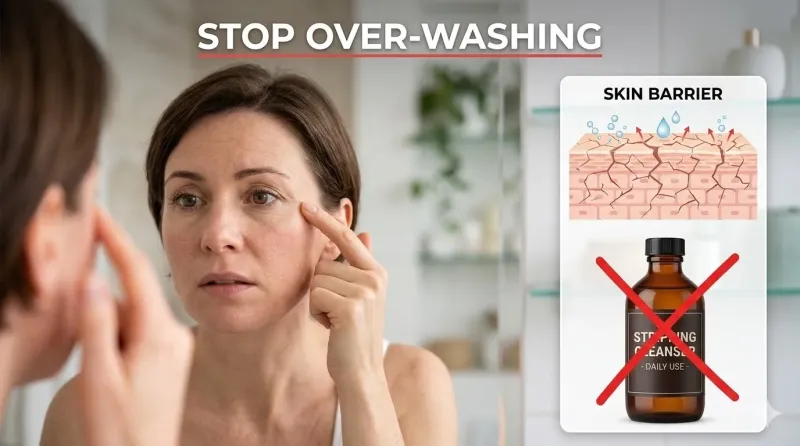
The Cleansing Paradox How "Cleaner" Can Mean "Older"
In the pursuit of clear, radiant skin, many people believe that more cleansing equals better results. We wash our faces morning and night, double-cleanse after wearing sunscreen, reach for foaming formulas that "deep clean," and exfoliate frequently to remove dead skin. But what if these well-intentioned habits are actually working against your goal of youthful-looking skin?
Over-cleansing—the practice of washing too frequently, using overly harsh products, or stripping the skin beyond what it needs—is a surprisingly common contributor to premature aging. Unlike sun damage or genetics, which feel largely out of our control, over-cleansing is a modifiable behavior. Understanding how it accelerates aging empowers you to make changes that protect your skin's youthfulness.
This guide explores the biological mechanisms linking over-cleansing to premature aging, helps you identify whether your cleansing routine may be contributing to visible signs of aging, and provides science-backed strategies to restore balance and radiance.
Understanding the Skin Barrier Your First Line of Defense Against Aging
Before examining how over-cleansing accelerates aging, it's essential to understand what it damages: the skin barrier.
The skin barrier, located in the outermost layer (stratum corneum), is a sophisticated protective system composed of:
- Lipid Matrix: A carefully balanced mixture of ceramides (~50%), cholesterol (~25%), and fatty acids (~15%) that acts like mortar between skin cells, sealing in moisture and keeping irritants out- Natural Moisturizing Factor (NMF): Amino acids, lactate, urea, and other compounds that bind water within the skin, maintaining hydration and flexibility- Acid Mantle: A slightly acidic film (pH 4.5-5.5) on the skin's surface that inhibits harmful bacteria and supports enzyme function critical for barrier repair- Skin Microbiome: A diverse community of beneficial microorganisms that support immune function, inflammation regulation, and barrier integrity
When this barrier functions optimally, skin appears plump, smooth, and radiant. When it's compromised—by over-cleansing, harsh ingredients, or environmental stress—visible signs of aging emerge more quickly.
How Over-Cleansing Accelerates Aging 5 Biological Pathways
Pathway 1 Lipid Barrier Depletion and Increased Transepidermal Water Loss (TEWL)
What Happens:Harsh surfactants (like sodium lauryl sulfate) and frequent washing strip away the skin's natural lipids—ceramides, cholesterol, and fatty acids—that form the barrier's "mortar." Without this lipid matrix, the barrier becomes porous.
Consequences:- Transepidermal water loss (TEWL) increases dramatically: moisture escapes from deeper skin layers to the environment- Dehydrated skin appears dull, rough, and emphasizes fine lines- Chronic dehydration triggers compensatory mechanisms that can paradoxically increase oil production while leaving surface layers dry- Over time, repeated dehydration weakens skin's structural proteins, contributing to loss of elasticity
The Aging Connection:Well-hydrated skin reflects light evenly, creating a youthful glow. Dehydrated skin scatters light, appearing flat and emphasizing texture. Repeated cycles of dehydration and repair accelerate the appearance of fine lines and reduce skin's resilience.
Pathway 2 Acid Mantle Disruption and pH Imbalance
What Happens:Healthy skin maintains a slightly acidic pH (4.5-5.5), which supports enzyme activity critical for barrier repair and inhibits growth of harmful bacteria. Many cleansers—especially foaming formulas—are alkaline (pH 7-9), temporarily raising skin's pH.
Consequences:- Elevated pH impairs activity of enzymes like beta-glucocerebrosidase and acidic sphingomyelinase, which are essential for producing ceramides- Alkaline conditions favor growth of potentially problematic bacteria while disrupting beneficial microbiome balance- Compromised acid mantle reduces skin's ability to defend against environmental aggressors like pollution and UV radiation
The Aging Connection:When barrier repair enzymes function suboptimally, the skin takes longer to recover from daily stressors. Cumulative, unrepaired damage manifests as premature wrinkles, uneven tone, and loss of firmness. Additionally, an imbalanced microbiome can trigger low-grade inflammation that accelerates aging.
Pathway 3 Inflammation and Collagen Degradation
What Happens:A compromised barrier allows irritants to penetrate more easily, triggering release of pro-inflammatory cytokines (IL-1α, TNF-α, IL-6). Chronic, low-grade inflammation—sometimes called "inflammaging"—activates matrix metalloproteinases (MMPs), enzymes that break down collagen and elastin.
Consequences:- MMPs degrade collagen fibers that provide skin's structural support- Elastin fibers become fragmented, reducing skin's ability to snap back- Inflammation also impairs fibroblast function, reducing production of new collagen- Post-inflammatory hyperpigmentation may develop, creating uneven tone that ages the complexion
The Aging Connection:Collagen loss is a hallmark of aging skin. While some collagen decline is inevitable with age, inflammation from barrier damage accelerates this process. The result: fine lines deepen, skin sags earlier, and recovery from expression lines slows.
Pathway 4 Oxidative Stress and Antioxidant Depletion
What Happens:A healthy barrier helps neutralize free radicals generated by UV exposure, pollution, and normal metabolism. When the barrier is compromised, more free radicals penetrate deeper into skin. Simultaneously, over-cleansing can deplete the skin's natural antioxidant reserves (vitamin E, glutathione).
Consequences:- Unchecked free radicals damage cellular DNA, proteins, and lipids- Oxidative damage to keratinocytes impairs their ability to form a cohesive barrier- Lipid peroxidation further damages the barrier's lipid matrix, creating a vicious cycle- Oxidative stress accelerates cellular senescence, where cells stop dividing and secrete inflammatory factors
The Aging Connection:Oxidative stress is a primary driver of extrinsic aging. By compromising the skin's antioxidant defenses and increasing free radical penetration, over-cleansing amplifies oxidative damage that manifests as wrinkles, dullness, and uneven texture.
Pathway 5 Microbiome Dysbiosis and Immune Dysregulation
What Happens:The skin microbiome—a diverse ecosystem of bacteria, fungi, and viruses—plays a crucial role in barrier function, immune regulation, and inflammation control. Harsh cleansers and frequent washing can reduce microbial diversity and disrupt the balance between beneficial and potentially problematic species.
Consequences:- Loss of beneficial bacteria (like Staphylococcus epidermidis) reduces production of antimicrobial peptides that protect against pathogens- Dysbiosis can trigger inappropriate immune responses, leading to chronic low-grade inflammation- An imbalanced microbiome may impair wound healing and barrier recovery
The Aging Connection:Emerging research suggests that a diverse, balanced microbiome supports youthful skin function. Dysbiosis may contribute to chronic inflammation, impaired barrier repair, and increased susceptibility to environmental damage—all factors that accelerate visible aging.
Recognizing the Signs Is Over-Cleansing Aging Your Skin?
You may be over-cleansing if you notice one or more of these signs
✅ Tightness or Dryness Immediately After Washing- Skin feels "squeaky clean" but uncomfortably tight- Dryness persists despite applying moisturizer- Flaking or rough texture appears, especially around the mouth or cheeks
✅ Reactive Oiliness or Breakouts- Skin becomes oily again within 30-60 minutes of washing (compensatory sebum production)- Increased breakouts despite frequent cleansing (barrier disruption can trigger acne)- Combination of dry patches and oily zones
✅ Increased Sensitivity or Redness- Products that previously tolerated now cause stinging or redness- Skin appears flushed or irritated after cleansing- Conditions like rosacea or eczema seem to worsen
✅ Dullness and Emphasized Fine Lines- Skin lacks its usual radiance, appearing flat or ashy- Fine lines around eyes, mouth, or forehead appear more pronounced after washing- Makeup applies unevenly or emphasizes texture
✅ Slower Recovery from Irritation- Minor irritation (from shaving, weather, or products) takes longer to resolve- Redness or sensitivity persists for days rather than hours- Skin feels "fragile" or easily provoked
If these signs resonate, your cleansing routine may be contributing to premature aging—and the good news is that adjustments can yield noticeable improvements.
Evidence-Based Solutions Cleansing for Youthful Skin
Restoring a healthy barrier and preventing further aging requires strategic changes to your cleansing approach. These evidence-based strategies support both immediate comfort and long-term youthfulness.
Strategy 1 Limit Cleansing Frequency
Why It Works:Skin needs time to replenish lipids, restore pH, and support microbiome balance. Over-washing interrupts these natural recovery processes.
How to Implement:- Morning: If skin isn't visibly oily or sweaty, rinse with lukewarm water only or use a gentle micellar water- Evening: Cleanse once to remove sunscreen, makeup, and environmental pollutants- After heavy sweating: Rinse with water or use a gentle cleanser; avoid double-cleansing unless wearing heavy makeup or water-resistant sunscreen
Pro Tip: If you exercise in the morning, consider cleansing after your workout rather than twice in the morning.
Strategy 2 Choose pH-Balanced, Sulfate-Free Formulas
Why It Works:Cleansers with pH 4.5-5.5 support the acid mantle and barrier enzyme function. Sulfate-free surfactants clean effectively without stripping essential lipids.
What to Look For:- pH level: Ideally listed on packaging or brand website (4.5-5.5 is ideal)- Gentle surfactants: Decyl glucoside, coco-glucoside, sodium cocoyl glycinate, cocamidopropyl betaine- Hydrating ingredients: Glycerin, panthenol, hyaluronic acid, or allantoin to offset cleansing effects- Avoid: Sodium lauryl sulfate (SLS), sodium laureth sulfate (SLES), or high concentrations of fragrance/alcohol
Pro Tip: If a cleanser leaves skin feeling tight or "squeaky," it's likely too harsh—switch to a creamier, low-foaming formula.
Strategy 3 Use Lukewarm Water and Gentle Technique
Why It Works:Hot water strips lipids more aggressively; cold water may not effectively remove pollutants. Gentle technique minimizes physical stress on the barrier.
How to Implement:- Water temperature: Test on your wrist—comfortably warm, not hot- Application: Use fingertips in gentle circular motions for 30-60 seconds maximum- Rinsing: Splash gently or use a soft, damp cloth; avoid rubbing- Drying: Pat skin dry with a clean, soft towel; never rub
Pro Tip Finish with a quick cool-water splash to help temporarily tighten pores and soothe skin.
Strategy 4 Apply Moisturizer Within 60 Seconds of Cleansing
Why It Works:Damp skin absorbs moisturizing ingredients more effectively. Prompt application helps seal in hydration and support barrier repair before TEWL increases.
How to Implement:- After cleansing, gently pat skin until slightly damp (not dripping)- Apply moisturizer within one minute, focusing on dry or sensitive areas- Look for barrier-supporting ingredients: ceramides, cholesterol, fatty acids, niacinamide, or panthenol- For very dry skin: Layer a hydrating serum (hyaluronic acid, glycerin) under moisturizer
Pro Tip: Keep moisturizer next to your sink as a visual reminder to apply immediately after cleansing.
Strategy 5 Incorporate Barrier-Repair Ingredients Strategically
Why It Works:Targeted ingredients can accelerate barrier recovery, reducing the aging impact of past over-cleansing.
Key Ingredients and Their Roles:- Ceramides: Replenish the lipid matrix; look for formulations with multiple ceramide types (1, 3, 6-II)- Niacinamide (4-5%): Supports barrier function, reduces inflammation, and improves tone- Panthenol (Pro-Vitamin B5): Enhances hydration and soothes irritation- Fatty Acids (linoleic, linolenic): Restore lipid balance and support barrier integrity- Centella Asiatica or Madecassoside: Calms inflammation and supports repair
How to Implement:- Use a barrier-repair serum or moisturizer as part of your evening routine- Apply to slightly damp skin for enhanced absorption- Be consistent: Barrier repair typically shows improvement in 2-4 weeks with regular use
A Sample Barrier-Supportive Cleansing Routine
Morning (3-5 minutes):1. Rinse with lukewarm water OR use gentle micellar water on a soft cloth (1 min)2. Optional: Hydrating toner or essence with glycerin or panthenol (1 min)3. Barrier-support serum: Niacinamide or ceramide formula (1 min)4. Moisturizer: Lightweight, non-comedogenic formula with barrier lipids (1 min)5. Sunscreen: Broad-spectrum SPF 30+; mineral formulas often gentler on compromised barriers (1 min)
Evening (5-7 minutes):1. First cleanse (if wearing sunscreen/makeup): Gentle cleansing oil or micellar water (2 min)2. Second cleanse: pH-balanced, sulfate-free cream or gel cleanser (1-2 min)3. Hydrating toner or essence (1 min)4. Barrier-repair serum or treatment (1 min)5. Richer moisturizer or facial oil for overnight repair (1-2 min)
Weekly Enhancements:- Gentle exfoliation: Once weekly with PHA or low-concentration lactic acid (avoid if barrier is severely compromised)- Hydrating mask: 1-2x weekly with hyaluronic acid, aloe, or centella- Barrier-focused treatment: Ceramide or peptide mask weekly if skin feels particularly dry
Realistic Expectations Timelines for Barrier Recovery and Visible Improvement
Skin barrier repair follows biological timelines, not willpower. Understanding realistic expectations prevents frustration and supports consistency.
Short-Term (1-2 Weeks):- Reduced tightness and discomfort after cleansing- Improved comfort with previously irritating products- Slight improvement in hydration and texture- Note: Visible anti-aging changes are unlikely this early
Medium-Term (3-6 Weeks):- Noticeable improvement in skin smoothness and radiance- Fine lines may appear less emphasized due to better hydration- Reduced redness and sensitivity- Makeup applies more evenly; skin feels more resilient
Long-Term (2-3+ Months):- Significant improvement in barrier function and overall skin health- Prevention of further premature aging signs- Enhanced efficacy of other anti-aging products (retinoids, vitamin C) due to better barrier function- Sustained radiance and resilience with consistent care
Factors Influencing Your Timeline:- Severity of barrier damage: More significant impairment takes longer to repair- Consistency: Daily gentle care yields faster results than occasional intensive treatments- Overall health: Nutrition, sleep, stress, and hydration influence skin recovery- Age and genetics: Baseline barrier function and repair capacity vary individually
Common Mistakes That Perpetuate Over-Cleansing Damage
Even with good intentions, certain habits can delay barrier recovery and accelerate aging.
Mistake 1: "Deep Cleansing" with Harsh FormulasWhy it backfires: Foaming, "deep-cleaning" cleansers often contain harsh surfactants that strip lipids, worsening barrier damage.Fix: Choose creamy, low-foaming, pH-balanced formulas. Clean skin doesn't need to feel "squeaky."
Mistake 2: Double-Cleansing When UnnecessaryWhy it backfires: Double-cleansing is valuable for removing heavy makeup or water-resistant sunscreen, but unnecessary for light days—adding a second cleanse can over-strip skin.Fix: Reserve double-cleansing for days when you wear heavy makeup or water-resistant sunscreen. Otherwise, one gentle cleanse is sufficient.
Mistake 3: Using Hot Water for "Better Cleaning"Why it backfires: Hot water dissolves lipids more effectively than lukewarm water, accelerating barrier damage.Fix: Use comfortably warm water for cleansing; finish with a cool splash if desired.
Mistake 4: Skipping Moisturizer Because Skin Feels OilyWhy it backfires: Oily skin still needs hydration and barrier support. Skipping moisturizer can trigger compensatory oil production and impair barrier repair.Fix: Use a lightweight, non-comedogenic moisturizer even if skin is oily. Look for oil-free or gel-based formulas.
Mistake 5: Expecting Overnight ResultsWhy it backfires: Barrier repair is a biological process that takes weeks. Impatience can lead to product-hopping or aggressive treatments that worsen damage.Fix: Commit to a gentle, consistent routine for at least 4-6 weeks before evaluating results. Take weekly photos to track subtle improvements.
The Mindset Shift Gentle Consistency Over Aggressive Perfection
Over-cleansing often stems from a desire for "perfect" skin. But youthful skin isn't achieved through aggressive cleansing—it's cultivated through gentle, consistent care that respects the skin's biology.
Embrace These Principles:- Less is often more: A simple, gentle routine supports barrier health better than a complex, harsh one- Progress compounds: Small, daily acts of care yield significant long-term benefits- Skin is dynamic: Its needs change with seasons, stress, hormones, and age—adjust your routine accordingly- Self-compassion matters: If you've over-cleansed, you haven't "ruined" your skin; barriers can and do repair
Practice Skin-Positive Self-Talk:- Instead of "I need to scrub away this dullness," try "I'm supporting my skin's natural renewal with gentle care"- Celebrate non-appearance wins: choosing a pH-balanced cleanser, applying moisturizer promptly, protecting skin from hot water- Remember: healthy skin at any age reflects consistent care, not perfection
Build a Supportive Environment:- Share your journey with trusted friends or communities; you're not alone- Limit exposure to filtered, idealized imagery that fuels unrealistic expectations- Focus on health and function: skin that feels comfortable and resilient, not just "flawless"
When to Consult a Dermatologist
While most barrier damage from over-cleansing improves with adjusted home care, professional guidance can accelerate recovery or address complex cases.
Consult a Dermatologist If:- Signs of barrier damage persist despite 6-8 weeks of gentle, consistent care- You experience severe redness, pain, oozing, or signs of infection- You have underlying conditions (rosacea, eczema, psoriasis) that may be exacerbated by cleansing- You're interested in prescription barrier-repair treatments or professional procedures
A dermatologist can:- Assess barrier function with specialized tools (corneometry, TEWL measurement)- Recommend medical-grade barrier-repair formulations- Rule out other conditions that mimic barrier damage- Provide personalized guidance based on your skin type, concerns, and goals
Conclusion Youthful Skin Through Intelligent Cleansing
Over-cleansing doesn't have to accelerate aging. By understanding how harsh or frequent cleansing compromises the skin barrier—and implementing gentle, evidence-based alternatives—you can protect your skin's youthfulness while maintaining cleanliness and comfort.
Remember:- The skin barrier is foundational: Protect it to protect your skin's youth- pH matters: Acidic cleansers support barrier enzymes and microbiome health- Hydration is anti-aging: Well-hydrated skin reflects light beautifully and resists fine lines- Consistency compounds: Gentle daily care yields greater long-term benefits than occasional intensive treatments- Patience is powerful: Barrier repair takes weeks; trust the process
Start where you are. Audit your current cleansing routine. Identify one change to make this week—perhaps switching to a pH-balanced cleanser, reducing cleansing frequency, or applying moisturizer more promptly. Notice how your skin responds. Build from there.
Your skin tells a story of resilience, adaptation, and the quiet power of showing up for yourself. With informed, gentle care, you can cultivate a complexion that not only looks youthful but feels healthy, comfortable, and confidently yours.
For evidence-based skincare resources, personalized guidance, and expert support tailored to barrier repair and anti-aging care, explore trusted platforms that prioritize science, transparency, and individualized care. Your journey to radiant, resilient skin starts with one intentional, gentle choice at a time.