

Why Skin Feels Tight After Moisturizer: Causes and Fixes
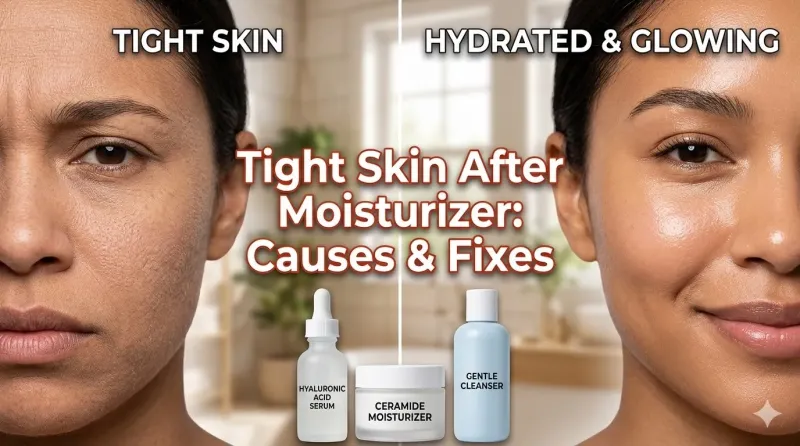
If you have ever applied your favorite moisturizer only to feel your skin tighten, pull, or feel uncomfortably dry minutes later, you are not alone. This paradoxical reaction—where a product designed to hydrate actually leaves skin feeling tighter—is more common than you might think, and it is almost always a sign that something in your routine, your product choice, or your skin's underlying condition needs attention.
Understanding why skin feels tight even after moisturizing is the first step toward fixing it. This comprehensive guide explores the science behind tight skin, identifies the most common culprits (from ingredient mismatches to barrier damage), and provides evidence-based strategies to restore comfort, repair your skin barrier, and achieve the soft, supple complexion you deserve. Whether you have dry, oily, combination, or sensitive skin, you will find practical, dermatologist-backed solutions to help you moisturize effectively.
Because healthy, comfortable skin is not just about adding moisture—it is about supporting your skin's natural ability to retain it.
What Does "Tight Skin" Actually Mean?
When people describe their skin as feeling "tight," they are typically referring to a specific sensation: a pulling, stretching, or uncomfortable tension across the face or body, often accompanied by dryness, flakiness, or a lack of suppleness. This sensation is distinct from simple dryness—it is your skin signaling that its barrier function is compromised or that moisture is escaping faster than it can be replenished.
The skin barrier's role in tightness: Your skin's outermost layer, the stratum corneum, acts as a protective shield. It consists of skin cells held together by lipids (ceramides, cholesterol, fatty acids) and natural moisturizing factors that bind water to the skin. When this barrier is intact, it locks in hydration and keeps irritants out. When it is damaged, water escapes more easily (a process called transepidermal water loss, or TEWL), and the skin feels tight, rough, or uncomfortable—even after applying moisturizer.
Understanding this mechanism helps explain why simply adding more moisturizer does not always solve the problem. If the barrier is compromised, moisture cannot be retained effectively, and the tight sensation persists.
Why Skin Feels Tight After Moisturizer The Top Causes
Identifying the root cause of tightness is essential for effective treatment. Here are the most common reasons skin feels tight even after moisturizing, backed by dermatological science.
1. Using the Wrong Type of Moisturizer for Your Skin
Not all moisturizers work the same way, and using the wrong type for your skin type or concern can actually worsen tightness.
Humectants vs. Emollients vs. Occlusives
Humectants (hyaluronic acid, glycerin, urea) draw water into the skin from the environment or deeper layers. In dry environments or on compromised skin, they can pull moisture out of the skin, worsening tightness.
Emollients (squalane, fatty acids, plant oils) smooth and soften the skin by filling gaps between skin cells. They improve texture but may not provide enough hydration alone.
Occlusives (petrolatum, dimethicone, shea butter) form a protective seal on the skin's surface to prevent water loss. They are essential for locking in hydration but can feel heavy if overused.
Why this causes tightness: If your moisturizer relies heavily on humectants without enough emollients or occlusives to seal in moisture, especially in dry or low-humidity environments, it can actually draw moisture out of your skin, leaving it feeling tighter. Conversely, if your moisturizer is too occlusive for your skin type, it may not deliver enough hydration to the deeper layers where it is needed.
Solution: Choose a moisturizer that balances all three types of ingredients. For tight, dehydrated skin, look for formulas with hyaluronic acid plus ceramides plus a light occlusive like squalane. Apply to damp skin to maximize humectant effectiveness.
2. Compromised Skin Barrier Function
A damaged skin barrier cannot retain moisture effectively, no matter how much moisturizer you apply. Barrier damage can result from over-exfoliation, harsh cleansers, environmental stressors, or underlying skin conditions.
Signs of barrier damage
Persistent tightness or dryness despite moisturizing
Increased sensitivity or stinging when applying products
Redness, flakiness, or rough texture
Breakouts or irritation that were not present before
Why this causes tightness: When the barrier is compromised, the skin loses water more rapidly than it can be replenished. Moisturizers may sit on the surface without penetrating effectively, or they may evaporate quickly, leaving skin feeling tight again shortly after application.
Solution: Focus on barrier repair. Use products with ceramides, cholesterol, and fatty acids to rebuild the lipid matrix. Avoid actives like retinoids, AHAs, or BHAs until your barrier recovers. Simplify your routine to gentle cleansing, hydration, and protection.
3. Over-Exfoliation or Harsh Cleansing
Exfoliating too frequently or using cleansers that strip the skin can disrupt the barrier and lead to tightness, even after moisturizing.
Common culprits
Physical scrubs used daily or with excessive pressure
Chemical exfoliants (AHAs, BHAs) used more than 2-3 times weekly
Cleansers with sulfates, high pH, or alcohol that strip natural oils
Hot water washing, which further depletes skin lipids
Why this causes tightness: Over-exfoliation removes not only dead skin cells but also essential lipids and natural moisturizing factors that keep the barrier intact. Harsh cleansers strip the skin's natural oil film, leaving it vulnerable to moisture loss. The result is skin that feels tight, sensitive, and uncomfortable, even after applying moisturizer.
Solution: Scale back exfoliation to 1-2 times weekly maximum. Switch to a gentle, pH-balanced, sulfate-free cleanser. Wash with lukewarm water, not hot. If your skin feels tight after cleansing, apply a hydrating toner or essence before your moisturizer to replenish moisture immediately.
4. Environmental Factors and Low Humidity
Your environment plays a significant role in how your skin retains moisture. Dry air, cold temperatures, wind, and indoor heating can all contribute to tightness.
Key environmental triggers
Low humidity (common in winter or air-conditioned spaces)
Cold, windy weather that strips moisture from skin
Indoor heating systems that dry out the air
Hard water with high mineral content that leaves residue on skin
Why this causes tightness: In low-humidity environments, humectant-based moisturizers can pull moisture from the deeper layers of your skin instead of from the air, worsening dehydration. Cold and wind accelerate transepidermal water loss, while hard water can leave a film that interferes with product absorption.
Solution: Use a humidifier indoors during dry seasons. Apply a richer, more occlusive moisturizer in harsh weather. Consider a water softener or final rinse with filtered water if hard water is an issue. Always apply moisturizer to damp skin to help humectants work effectively.
5. Dehydrated vs. Dry Skin Knowing the Difference
Many people confuse dehydrated skin (a condition) with dry skin (a skin type). Understanding the difference is crucial for choosing the right products.
Dry skin: A skin type characterized by insufficient oil production. It often feels rough, flaky, or itchy and may appear dull. Dry skin benefits from emollient-rich, oil-based moisturizers.
Dehydrated skin: A temporary condition where the skin lacks water, not oil. It can affect any skin type, including oily skin. Dehydrated skin may feel tight, look dull, and show fine lines more prominently. It benefits from humectants and barrier-supporting ingredients.
Why this causes tightness: If you have dehydrated skin but use a moisturizer designed for dry skin (heavy on oils, light on water-binding ingredients), you may not address the underlying water deficiency, leaving skin feeling tight. Conversely, if you have dry skin but use a lightweight, water-based moisturizer, it may not provide enough emollience to prevent moisture loss.
Solution: Identify whether your skin is dry, dehydrated, or both. For dehydrated skin, prioritize humectants like hyaluronic acid and glycerin, followed by a light emollient to seal. For dry skin, focus on richer emollients and occlusives. Many people benefit from a combination approach.
6. Product Layering or Ingredient Conflicts
How you layer your skincare products—and which ingredients you combine—can impact how well your moisturizer works.
Common layering mistakes
Applying moisturizer to completely dry skin, reducing humectant effectiveness
Using multiple actives (retinoids, acids, vitamin C) that compromise the barrier
Layering products with conflicting pH levels that reduce efficacy
Applying occlusives before hydrating serums, blocking absorption
Why this causes tightness: If your moisturizer cannot penetrate effectively due to improper layering, or if other products in your routine are irritating or drying your skin, the moisturizer may not deliver the hydration your skin needs. The result is persistent tightness despite applying product.
Solution: Apply products from thinnest to thickest consistency. Apply hydrating serums to damp skin, then follow with moisturizer to seal. Limit active ingredients to 1-2 per routine, and avoid combining potentially irritating actives. If you use retinoids or acids, buffer them with a hydrating layer first.
7. Underlying Skin Conditions or Health Factors
Sometimes, tight skin after moisturizing signals an underlying issue that requires professional attention.
Conditions to consider
Eczema (atopic dermatitis): Causes chronic dryness, itching, and barrier dysfunction
Rosacea Can cause sensitivity, redness, and a tight, burning sensation
Seborrheic dermatitis: Leads to flakiness and irritation that moisturizers may not fully address
Hormonal changes: Menopause, thyroid issues, or other hormonal shifts can affect skin hydration
Medications: Certain prescriptions (like acne treatments or diuretics) can cause dryness as a side effect
Why this causes tightness: These conditions affect the skin's ability to retain moisture or regulate inflammation. Standard moisturizers may not provide the targeted support needed to address the underlying issue, leading to persistent tightness.
Solution: If tightness persists despite gentle care, consult a dermatologist. They can diagnose underlying conditions and recommend prescription treatments or specialized skincare. In the meantime, use fragrance-free, hypoallergenic products designed for sensitive skin.
How to Fix Tight Skin After Moisturizer A Step-by-Step Protocol
Once you have identified the likely cause of your tightness, use this evidence-based protocol to restore comfort and hydration.
Step 1 Simplify and Reset Your Routine
If your skin feels tight, the first step is to reduce potential irritants and give your barrier a chance to recover.
7-day reset routine
Cleanser: Use a gentle, creamy, sulfate-free cleanser once daily (PM only if skin is very dry)
Toner/Essence: Apply a hydrating, alcohol-free toner with glycerin or hyaluronic acid to damp skin
Serum: Use a barrier-supporting serum with niacinamide, panthenol, or centella asiatica
Moisturizer: Apply a moisturizer with ceramides, cholesterol, and fatty acids to lock in hydration
Sunscreen: Use a mineral-based SPF 30+ during the day to protect the recovering barrier
Avoid during reset: Exfoliants, retinoids, vitamin C, fragranced products, and essential oils. Reintroduce actives one at a time only after tightness resolves.
Step 2 Optimize Your Moisturizer Choice and Application
Choosing the right moisturizer and applying it correctly can make a significant difference in resolving tightness.
Ingredients to look for
Ceramides: Replenish barrier lipids; studies show 2-4% ceramide formulations improve barrier function within days
Hyaluronic acid: Binds up to 1000x its weight in water; apply to damp skin for best results
Niacinamide (4-5%): Strengthens barrier, reduces inflammation, and improves hydration retention
Squalane: Lightweight emollient that mimics skin's natural oils without clogging pores
Panthenol (Vitamin B5): Supports healing and hydration; soothes tight, irritated skin
Application tips
Apply moisturizer to damp skin within 60 seconds of cleansing to maximize hydration
Use upward, gentle strokes—do not rub or pull the skin
Allow each layer to absorb for 30-60 seconds before applying the next
For very tight areas, apply a thin layer of occlusive (like petrolatum or shea butter) as a final step at night
Step 3 Support Your Barrier from Within
Healthy skin starts internally. These habits support barrier repair and hydration.
Nutritional support
Stay hydrated Aim for 2-3 liters of water daily, adjusted for activity and climate
Essential fatty acids Omega-3s (found in fatty fish, flaxseed, walnuts) support barrier lipids
Vitamins A, D, E, and C Support skin repair, collagen production, and antioxidant protection
Limit alcohol and caffeine Both can contribute to dehydration if consumed in excess
Lifestyle adjustments
Use a humidifier indoors during dry seasons to maintain 40-60% humidity
Avoid long, hot showers that strip skin lipids; opt for lukewarm water and limit to 10 minutes
Protect skin from harsh weather with scarves, hats, or barrier creams
Manage stress Chronic stress elevates cortisol, which can impair barrier function
Step 4 Reintroduce Actives Gradually
Once your skin feels comfortable and tightness has resolved, you can slowly reintroduce active ingredients.
Reintroduction protocol
Wait until tightness has been gone for at least 1 week
Reintroduce one active at a time, starting with the gentlest (e.g., niacinamide before retinoids)
Start with once weekly application, monitoring for any return of tightness or irritation
Gradually increase frequency to 2-3 times weekly if tolerated
Always follow actives with a barrier-supporting moisturizer
Pro tip: Buffer potent actives by applying a hydrating serum or light moisturizer first, then the active, then your regular moisturizer. This reduces irritation while maintaining efficacy.
Ingredients to Avoid When Skin Feels Tight
Certain ingredients can worsen tightness or delay barrier repair. Temporarily pause these while your skin recovers.
Avoid or minimize
Alcohol denat or high concentrations of drying alcohols: Can strip lipids and worsen dehydration
Fragrance (synthetic or essential oils) Common irritants for compromised skin
High-concentration acids (AHA/BHA >10%): Can further compromise an already weakened barrier
Physical scrubs or harsh exfoliants: Can cause micro-tears and increase sensitivity
Hot water Strips natural oils and accelerates moisture loss
Reintroduce with caution: Once your barrier is repaired, you can gradually reintroduce these ingredients, but always patch test first and monitor for any return of tightness.
When to See a Dermatologist for Persistent Tightness
While most cases of tight skin after moisturizing can be resolved with at-home care, professional evaluation is valuable in certain situations.
Consult a dermatologist if
Tightness persists for more than 2-3 weeks despite gentle, consistent care
You experience intense itching, burning, pain, or visible inflammation
Tightness is accompanied by rash, scaling, or other unusual skin changes
You suspect an underlying condition like eczema, rosacea, or contact dermatitis
You are using prescription skincare and tightness develops as a new side effect
What to expect: A dermatologist can perform a thorough skin assessment, identify underlying conditions, and recommend prescription treatments (like topical steroids, calcineurin inhibitors, or specialized barrier repair formulas) if needed. They can also provide personalized guidance on product selection and routine adjustments.
Preventing Future Tightness Long-Term Barrier Health
Once you have resolved tightness, these habits help maintain a resilient, well-hydrated barrier long-term.
Daily practices
Continue using gentle, pH-balanced cleansers and barrier-supportive moisturizers
Apply sunscreen daily to protect barrier lipids from UV damage
Stay hydrated and maintain a nutrient-rich diet
Listen to your skin If it feels tight or sensitive, simplify your routine temporarily
Seasonal adjustments
In winter Increase moisturizer richness, use a humidifier, protect skin from cold/wind
In summer Focus on lightweight hydration and sun protection; avoid over-cleansing after sweating
During travel: Pack travel-sized versions of your barrier-supportive products; airplane cabins are extremely dry
Product strategy
Introduce new products slowly and patch test
Avoid over-exfoliation Limit chemical exfoliants to 1-3x/week maximum
Rotate actives Do not use multiple strong actives on the same day
Frequently Asked Questions About Tight Skin After Moisturizer
Why does my skin feel tight immediately after applying moisturizer?
This often indicates that your moisturizer contains humectants (like hyaluronic acid) applied to dry skin in a low-humidity environment. Humectants draw moisture from the nearest source—if the air is dry, they may pull water from deeper skin layers, causing temporary tightness. Solution: Apply moisturizer to damp skin and follow with an emollient or occlusive to seal in hydration.
Can using too much moisturizer cause tightness?
Not typically, but using the wrong type of moisturizer can. A formula that is too heavy for your skin type may sit on the surface without penetrating, while one that is too light may not provide enough emollience. Solution: Choose a moisturizer that matches your skin type and concerns, and apply the right amount (a pea-sized amount for the face is usually sufficient).
Does tight skin mean my moisturizer is not working?
Not necessarily. Tightness can signal that your skin barrier is compromised, your environment is too dry, or your routine includes irritating ingredients. The moisturizer may be working as intended, but other factors are preventing it from delivering lasting comfort. Solution: Address barrier health, environmental factors, and product compatibility holistically.
Can dehydrated skin feel tight even with oily skin?
Yes. Dehydration (lack of water) is different from dryness (lack of oil). Oily skin can still be dehydrated, especially if using harsh cleansers, over-exfoliating, or living in a dry environment. Solution: Focus on hydrating ingredients like hyaluronic acid and glycerin, followed by a lightweight emollient to seal, without adding heavy oils that could clog pores.
How long does it take to fix tight skin after moisturizer?
With consistent, gentle care, most people notice improvement in 3-7 days, with full resolution in 1-2 weeks. Barrier repair is a gradual process; patience and consistency are key. If tightness persists beyond 2-3 weeks, consult a dermatologist.
Should I exfoliate tight, flaky skin?
Avoid exfoliating while skin feels tight or sensitive. Exfoliating compromised skin can worsen irritation and delay healing. Focus on hydration and barrier repair first. Once skin feels comfortable, reintroduce gentle exfoliation (like PHA or low-concentration lactic acid) 1x weekly maximum.
Conclusion Comfortable Skin Is Achievable
Tight skin after moisturizer is not a life sentence—it is a signal that your routine, your product choice, or your skin's condition needs adjustment. By understanding the common causes, simplifying your routine, and supporting your barrier with the right ingredients and habits, you can restore comfort, hydration, and that soft, supple feeling you deserve.
Remember the essentials
Identify the trigger Barrier damage, wrong product, environment, or underlying condition
Repair, don't strip Focus on barrier-supportive ingredients and gentle practices
Hydrate smart Apply humectants to damp skin, seal with emollients
Prevent with consistency Long-term barrier health requires ongoing attention
Seek help when needed A dermatologist is your partner in skin health
Your skin is resilient and capable of healing. With informed, compassionate care, you can overcome tightness and cultivate a complexion that feels as good as it looks. Start with one small step today: apply your moisturizer to damp skin, switch to a gentler cleanser, or add a humidifier to your space. Your most comfortable, hydrated skin is absolutely achievable.