

Why Skin Looks Duller in Winter Months: Causes and Solutions
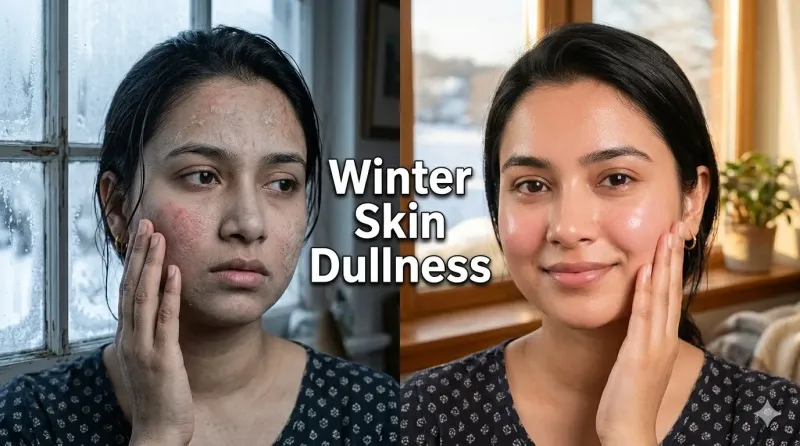
As the vibrant colors of autumn fade and the mercury drops, a subtle but noticeable transformation occurs in our complexions. The sun-kissed radiance of summer vanishes, replaced by a lackluster, grayish, or ashy appearance that seems resistant to even the most diligent skincare efforts. Fine lines appear more pronounced, texture becomes rough, and the skin often feels perpetually tight or uncomfortable. This phenomenon, widely known as "winter dullness," is a universal experience that transcends skin types and tones. But why does this happen? Is it merely a cosmetic inconvenience caused by the cold air, or is there a deeper, more complex biological process at play within the layers of our skin?
The truth is that winter dullness is not simply a surface-level issue; it is a profound physiological response to a convergence of environmental stressors. The combination of biting cold air, plummeting humidity levels, harsh winds, and the artificial dryness of indoor heating creates a perfect storm that compromises the skin's fundamental functions. These external factors trigger a cascade of internal reactions: the skin barrier becomes compromised, cellular renewal slows to a crawl, microcirculation is restricted, and natural oil production falters. The result is a complexion that reflects light poorly, appearing matte, tired, and devoid of life.
Understanding these mechanisms is the critical first step toward reclaiming your radiance. You cannot fix what you do not understand. If you treat winter dullness with the same aggressive exfoliation or lightweight products that worked in July, you may inadvertently worsen the problem, damaging an already fragile barrier. This comprehensive guide dives deep into the science of winter skin, exploring the multifaceted reasons behind the seasonal loss of glow. We will examine the biology of the moisture barrier, the impact of temperature on cell turnover, the role of blood flow, and the hidden dangers of our heated indoor environments. Furthermore, we will provide a detailed, actionable roadmap to restoring your luminosity, featuring expert strategies on ingredient selection, routine adjustments, lifestyle modifications, and environmental controls. By aligning your skincare approach with the biological realities of winter, you can not only survive the season but thrive, maintaining a healthy, radiant complexion regardless of the freezing temperatures outside.
The Science of Winter Dullness: What Happens to Your Skin?
To effectively combat dull skin, we must first dissect the three primary biological factors that contribute to its lackluster appearance during the colder months: barrier compromise leading to Transepidermal Water Loss (TEWL), slowed cellular renewal rates, and reduced microcirculation due to vasoconstriction. These processes are interconnected, each exacerbating the others to create the characteristic winter gloom.
1. Compromised Moisture Barrier and Accelerated TEWL
The outermost layer of your skin, known as the stratum corneum, acts as a sophisticated protective shield. Dermatologists often describe it using the "brick and mortar" analogy: the skin cells (corneocytes) are the bricks, and the lipid matrix (composed of ceramides, cholesterol, and fatty acids) is the mortar holding them together. This structure is vital for two main functions: keeping essential moisture inside the body and keeping irritants, pollutants, and pathogens out.
In the summer, ambient humidity is often high, which helps support the skin's hydration levels. However, winter air is inherently dry; cold air holds significantly less moisture than warm air. When you step outside into this arid environment, or sit indoors where heating systems have stripped the air of humidity, a steep vapor pressure gradient is created between the water content in your skin and the surrounding atmosphere. Physics dictates that water moves from areas of high concentration to low concentration. Consequently, water evaporates from your skin at an accelerated rate, a process known as Transepidermal Water Loss (TEWL).
As the skin loses water rapidly, the "bricks" (skin cells) shrink and dehydrate, while the "mortar" (lipids) becomes brittle and cracks. A compromised barrier is no longer smooth; it becomes rough and uneven on a microscopic level. This textural change has a direct impact on how light interacts with your skin. Healthy, hydrated skin acts like a smooth mirror, reflecting light evenly to create a luminous glow. In contrast, a dehydrated, compromised barrier scatters light in multiple directions. This diffusion of light makes the skin appear matte, gray, and dull rather than radiant. Furthermore, the cracks in the barrier allow irritants to penetrate deeper, triggering low-grade inflammation that further contributes to redness and uneven tone, masking any natural brightness.
2. Slowed Cell Turnover Rate
Healthy, glowing skin relies on a rapid and efficient cycle of cellular renewal. New skin cells are generated in the basal layer of the epidermis and slowly migrate upward to the surface. Once they reach the top, they shed off as dead skin cells, making way for fresh, bright cells underneath. In ideal conditions, this turnover process takes approximately 28 days, ensuring a constant reveal of new, radiant skin.
However, research and clinical observation suggest that this cell turnover rate slows down significantly in colder temperatures. The human body is designed for survival, and in cold conditions, it prioritizes core warmth and vital organ function over peripheral processes like skin regeneration. Blood flow is diverted away from the skin surface, and metabolic activities in the epidermis decelerate. As a result, dead skin cells do not shed as efficiently as they do in warmer months. They accumulate on the surface for longer periods, forming a thickened, opaque layer.
This accumulation of dead cells is a primary driver of winter dullness. Dead skin cells are flat, yellowish, and opaque; they act as a filter that blocks the natural radiance emanating from the living layers beneath. Instead of seeing the fresh, plump cells below, you see a buildup of debris that absorbs light rather than reflecting it. This is particularly noticeable in individuals with darker skin tones, where the accumulation of dead cells manifests as a distinct "ashy" appearance on the cheeks, shins, and elbows. Without mechanical or chemical assistance to remove this buildup, the skin remains trapped under a veil of dullness.
3. Vasoconstriction and Poor Circulation
Blood flow plays a pivotal role in determining skin color and vitality. The rosy, pink undertones of healthy skin are largely due to the presence of oxygenated hemoglobin in the capillaries near the skin's surface. This blood flow delivers essential oxygen and nutrients to skin cells while removing metabolic waste products.
When the body is exposed to cold temperatures, it initiates a defense mechanism known as vasoconstriction. The blood vessels near the skin's surface constrict or narrow significantly to reduce heat loss and preserve core body temperature. While this is a crucial survival mechanism to prevent hypothermia, it has immediate cosmetic consequences. The reduction in blood flow means less oxygenated blood reaches the surface of the skin. The result is a paler, more sallow, or even bluish complexion. The skin loses its "life" and appears flat and tired.
Furthermore, reduced circulation impedes the removal of waste products and toxins from the skin tissue. This stagnation can contribute to a buildup of metabolic byproducts that further dull the complexion. While coming indoors may cause the vessels to dilate rapidly (leading to temporary flushing or redness), the chronic cycle of constriction and dilation, combined with prolonged periods of reduced oxygenation, leaves the skin looking lackluster throughout the season. The lack of nutrient delivery also hampers the skin's ability to repair itself, compounding the issues caused by barrier damage and slow cell turnover.
4. The Impact of Indoor Heating
While we seek refuge from the biting cold indoors, our heating systems often create an environment that is equally hostile to skin health. Central heating, radiators, and space heaters work by warming the air, but this process drastically reduces relative humidity. In many heated homes and offices, indoor humidity levels can drop below 30%, creating an artificial desert environment. Ideal humidity for skin health is between 40% and 60%.
Prolonged exposure to this dry, heated air exacerbates TEWL, pulling moisture from the skin continuously throughout the day and night. Unlike the brief exposure to cold air when stepping outside, indoor heating subjects the skin to hours of relentless dehydration. Additionally, the comfort of hot showers and baths in winter poses a significant threat. While a steaming hot shower feels soothing, the high temperature strips the skin of its natural oils (sebum) and damages the lipid barrier. Sebum is essential for locking in moisture and keeping the skin supple. Without it, the skin becomes dry, tight, and prone to flaking, all of which contribute to a dull appearance.
5. Lack of Sun Exposure and Vitamin D Deficiency
While excessive sun exposure is a leading cause of skin damage, a complete lack of UV exposure in winter can also impact skin tone and health. UV radiation stimulates melanocytes to produce melanin, which gives the skin a bit of natural color or "tan." In winter, with shorter days, weaker sunlight, and more clothing coverage, this natural tint fades, revealing the skin's baseline pallor.
More critically, reduced sunlight leads to lower levels of Vitamin D synthesis in the skin. Vitamin D is not just a vitamin; it acts as a hormone that is essential for skin cell growth, repair, and metabolism. It plays a crucial role in maintaining the skin's immune function and barrier integrity. Low levels of Vitamin D can impair the skin's ability to regenerate efficiently and maintain a robust barrier, indirectly contributing to a dull, unhealthy complexion. Studies have linked Vitamin D deficiency to various skin conditions, including dryness and increased susceptibility to infection, both of which can detract from skin radiance.
Signs Your Dullness Is Winter-Related
How do you distinguish between winter-induced dullness and dullness caused by underlying health issues, poor diet, or chronic skin conditions? Identifying the specific markers of winter stress can help you tailor your approach correctly. Look for these specific indicators that point to seasonal environmental damage:
- Tightness After Cleansing: If your skin feels uncomfortably tight, stretched, or even painful immediately after washing your face, it is a hallmark sign of barrier compromise and dehydration caused by dry air.
- Ashy Appearance: Particularly visible on darker skin tones, an ashy or gray cast on the cheeks, shins, elbows, and knuckles indicates a significant buildup of dead skin cells due to slowed turnover.
- Enhanced Texture and Fine Lines: Dehydration makes fine lines and wrinkles appear deeper and more pronounced. Pores may look more prominent not because they are clogged, but because the surrounding skin is shriveled from water loss.
- Visible Flakiness: You may notice visible peeling or flaking, especially around the nose, eyebrows, and hairline. This is the physical shedding of a damaged barrier.
- Lack of Bounce or Plumpness: Healthy skin is turgid and bouncy due to high water content. Winter skin often looks flat, deflated, and lacks that youthful "bounce" when pressed.
- Increased Sensitivity: Products that you have used for years without issue suddenly cause stinging, burning, or redness. This indicates that your barrier is compromised, allowing ingredients to penetrate too deeply and irritate nerve endings.
- Makeup Separation: Foundation and concealer may pill, separate, or settle into fine lines much faster than in other seasons, clinging to dry patches rather than blending smoothly.
If you identify with several of these signs, your dullness is likely a direct response to the winter environment, and your strategy should focus on repair, hydration, and protection rather than aggressive correction.
Strategies to Restore Radiance in Winter
Combating winter dullness requires a multi-faceted approach that addresses the root causes: barrier repair, gentle exfoliation, deep hydration, circulation stimulation, and environmental control. Here is a comprehensive breakdown of expert strategies to restore your glow.
Strategy 1: Repair the Barrier with Lipids
Since the primary issue is a cracked "mortar" in your skin barrier, the solution is to replenish those lipids. You must switch from the lightweight, water-based gels and lotions of summer to richer, lipid-heavy creams and balms.
Key Ingredients to Look For:
- Ceramides: These are the most critical lipids for barrier repair. Look for products containing multiple types of ceramides (e.g., Ceramide NP, AP, EOP) to mimic the skin's natural composition.
- Fatty Acids: Ingredients like linoleic acid, oleic acid, and omega-3 fatty acids nourish the barrier and provide emollience. Oils such as jojoba, rosehip, and squalane are excellent sources.
- Cholesterol: This lipid works synergistically with ceramides and fatty acids to stabilize the barrier structure.
- Squalane: A biocompatible oil that mimics human sebum, providing deep hydration without feeling greasy or clogging pores.
Application Tip: The timing of application is crucial. Apply your moisturizer to damp skin immediately after cleansing (within 60 seconds). This traps the water on the surface of the skin, sealing it in before it can evaporate.
Strategy 2: Gentle Chemical Exfoliation
To remove the layer of dead, dulling cells that accumulate due to slowed turnover, exfoliation is necessary. However, caution is paramount. Harsh physical scrubs (walnut shells, apricot pits, sugar scrubs) can cause micro-tears in the already compromised winter skin, leading to further inflammation and barrier damage.
Opt for Chemical Exfoliants Instead:
- AHAs (Alpha Hydroxy Acids): Glycolic acid and Lactic acid are effective at dissolving the "glue" holding dead cells together. Lactic acid is particularly beneficial in winter as it is also a humectant, meaning it draws moisture into the skin while exfoliating.
- PHAs (Poly Hydroxy Acids): Gluconolactone and lactobionic acid are larger molecules that penetrate more slowly, making them gentler and less irritating. They offer exfoliation with added hydration and antioxidant benefits, making them ideal for sensitive winter skin.
Frequency Adjustment: Reduce your exfoliation frequency. If you exfoliated 3 times a week in summer, scale back to once a week or every 10 days in winter. Over-exfoliating in dry conditions can strip the barrier further, worsening dullness.
Strategy 3: Boost Hydration with Humectants (Correctly)
Humectants are ingredients that attract water. In winter, they are crucial for plumping the skin, but they must be used with strategic care.
Key Ingredients:
- Hyaluronic Acid: Can hold up to 1000 times its weight in water.
- Glycerin: A classic, reliable humectant that works well in various conditions.
- Panthenol (Vitamin B5): Soothes irritation while hydrating.
Crucial Warning: In low humidity environments, if there is no water in the air, humectants can pull water *out* of the deeper layers of your skin and release it into the dry air, leading to further dehydration. To prevent this "reverse osmosis" effect, always apply humectants to damp skin and immediately seal them with an occlusive moisturizer or face oil. This locks the water in place.
Strategy 4: Stimulate Circulation
To counteract the pallor caused by vasoconstriction, you need to manually stimulate blood flow to the skin's surface.
- Facial Massage: Incorporate a 2-3 minute facial massage into your daily routine while cleansing or applying facial oil. Use upward and outward strokes with your fingertips or a Gua Sha tool. This mechanical stimulation encourages blood flow, bringing oxygen and nutrients to the surface for an instant glow.
- Warm Compresses: Before cleansing, apply a warm (not hot) towel to your face for a minute. This helps to dilate blood vessels temporarily, open pores, and soften debris for easier removal.
- Exercise: Regular cardiovascular exercise is one of the best ways to boost overall circulation. The increased blood flow delivers oxygen and nutrients to the skin from the inside out, resulting in a natural, healthy post-workout glow that lasts beyond the gym session.
Strategy 5: Environmental Control
You cannot control the outdoor weather, but you have significant control over your immediate indoor environment.
- Humidifiers: This is perhaps the most impactful change you can make. Run a cool-mist humidifier in your bedroom and main living areas. Aim to keep indoor humidity levels between 40% and 50%. This drastically reduces TEWL while you sleep and work, allowing your skin to retain moisture naturally.
- Lukewarm Showers: Resist the temptation of scalding hot showers. Hot water strips the skin of its natural oils and exacerbates dryness. Stick to lukewarm water and limit your shower time to 10 minutes or less.
- Protective Barriers Outdoors: Before stepping out into the cold wind, apply a richer barrier cream or a thin layer of facial oil to act as a shield against the elements. Wear a scarf to physically protect your face from biting winds.
Strategy 6: Brightening Actives
Once your barrier is stable and hydrated, you can introduce brightening ingredients to tackle pigmentation and boost radiance further.
- Vitamin C: A potent antioxidant that brightens skin tone, fades dark spots, and protects against environmental stressors. In winter, opt for a stable, hydrating formulation (perhaps oil-based or containing hyaluronic acid) to avoid dryness. Use it in the morning under sunscreen.
- Niacinamide (Vitamin B3): A versatile ingredient that improves barrier function, reduces redness, regulates oil, and evens out skin tone. It is gentle enough for daily use and pairs well with almost any other ingredient.
- Retinoids: While excellent for cell turnover, retinoids can be drying and irritating in winter. If you use them, consider buffering them by applying moisturizer first, reducing frequency to twice a week, or switching to a gentler alternative like Bakuchiol, which offers similar benefits without the irritation.
Diet and Lifestyle Factors for Winter Glow
Topical skincare is only half the battle. True radiance comes from within, and your internal health dictates your skin's quality, especially during the stressful winter months.
- Hydrate Internally: We often feel less thirsty in winter than in summer, leading to unintentional dehydration. Consciously increase your water intake. Warm herbal teas, broths, and warm water with lemon count towards your hydration goals and can be more appealing in cold weather.
- Omega-3 Fatty Acids: Increase your consumption of foods rich in Omega-3s, such as salmon, mackerel, walnuts, flaxseeds, and chia seeds. Omega-3s are incorporated into the cell membranes of the skin, strengthening the lipid barrier from within, reducing inflammation, and keeping the skin supple and hydrated.
- Antioxidant-Rich Foods: Combat oxidative stress caused by cold and wind by eating a diet rich in antioxidants. Focus on berries, leafy greens, citrus fruits, nuts, and seeds. These nutrients support collagen production and neutralize free radicals that contribute to dullness and aging.
- Vitamin D Supplementation: With limited sun exposure, it is difficult to maintain optimal Vitamin D levels through sunlight alone. Consider taking a Vitamin D supplement after consulting with your healthcare provider. Adequate Vitamin D supports skin cell health, immune function, and barrier integrity.
- Prioritize Sleep: Sleep is when your body performs its most intensive repair work. During deep sleep, growth hormones are released, and cell turnover peaks. Aim for 7-9 hours of quality sleep per night. Lack of sleep increases cortisol levels, which can break down collagen and worsen skin dullness.
- Stress Management: Winter can be a stressful season due to holidays, weather, and seasonal affective disorder (SAD). Chronic stress elevates cortisol, which impairs the skin barrier and reduces hydration. Practice stress-reduction techniques like meditation, yoga, or deep breathing to keep your skin calm and glowing.
Common Winter Skincare Mistakes to Avoid
Even with the best intentions, certain habits can sabotage your efforts to achieve winter radiance. Avoid these common pitfalls:
1. Over-Exfoliating: Trying to scrub away the dullness with harsh scrubs or frequent acid peels often makes the problem worse by damaging the barrier further. In winter, less is more. Focus on gentle, infrequent exfoliation.
2. Skipping Sunscreen: Many people assume they don't need sunscreen in winter because the sun feels weaker. However, UV rays are present year-round, and snow can reflect up to 80% of UV radiation, effectively doubling your exposure. UV damage contributes to dullness, pigmentation, and aging. Never skip SPF, even on cloudy or snowy days.
3. Using Alcohol-Based Toners: Astringents and toners containing high levels of alcohol strip the skin of natural oils and disrupt the barrier. Switch to alcohol-free, hydrating toners or essences that contain soothing ingredients like aloe, rose water, or green tea.
4. Ignoring the Neck, Chest, and Hands: These areas have fewer oil glands and are frequently exposed to the elements, making them prone to winter dullness and aging. Extend your skincare routine—cleanser, moisturizer, sunscreen—to your neck, décolletage, and hands.
5. Changing Products Too Frequently: In an attempt to fix dullness quickly, many people jump from one new product to another. This constant switching can stress the skin and make it difficult to identify what is working. Stick to a consistent, simplified routine for at least 4-6 weeks to allow your skin barrier to heal and adjust.
6. Neglecting Body Skin: Dullness isn't limited to the face. Dry, ashy legs and arms can detract from your overall glow. Use a rich body butter or oil immediately after showering to lock in moisture over your entire body.
A Sample Winter Radiance Routine
Here is a sample routine designed to combat winter dullness, focusing on hydration, barrier repair, and gentle brightening.
Morning Routine:
1. Gentle Cleanser: Use a creamy, non-foaming cleanser, or simply rinse with lukewarm water if your skin is very dry.
2. Hydrating Toner/Essence: Apply to damp skin to prep and hydrate.
3. Vitamin C Serum: Use a hydrating formulation to brighten and protect against environmental stress.
4. Eye Cream: Choose a nourishing formula to address dryness around the eyes.
5. Rich Moisturizer: Apply a cream containing ceramides, fatty acids, and cholesterol.
6. Sunscreen: Finish with a moisturizing SPF 30 or higher.
Evening Routine:
1. Oil Cleanser: Start with an oil-based cleanser to dissolve sunscreen, makeup, and impurities without stripping the skin.
2. Gentle Cream Cleanser: Follow with a second cleanse using a hydrating cream cleanser.
3. Exfoliant (1-2 times per week): Use an AHA or PHA toner. On other nights, skip this step.
4. Hydrating Serum: Apply a serum with Hyaluronic Acid or Niacinamide to damp skin.
5. Face Oil (Optional): Press a few drops of facial oil (like squalane or rosehip) into the skin to boost lipids.
6. Night Cream/Occlusive: Apply a heavy night cream. For extra dry areas, consider "slugging" by applying a thin layer of petrolatum or a healing ointment to seal everything in.
Weekly Treatments:
- Hydrating Mask: Use a cream-based or sheet mask once a week for an intensive moisture boost. Avoid clay masks, which can be drying.
- Facial Massage: Incorporate a 5-10 minute facial massage with oil to stimulate circulation and lymphatic drainage.
Conclusion: Embracing the Winter Glow
Winter dullness is a natural, physiological response to the harsh environmental conditions of the season, but it is not an inevitable fate. By understanding the science behind barrier damage, slowed cell turnover, and reduced circulation, you empower yourself to take targeted, effective action. The key to maintaining radiance in winter lies in shifting your mindset from "stripping and correcting" to "nourishing and protecting."
Prioritize repairing your moisture barrier with lipid-rich ingredients, hydrate deeply with humectants sealed by occlusives, exfoliate gently to remove dead cell buildup, and support your skin from the inside out with proper nutrition and environmental controls like humidifiers. Be patient with your skin; barrier repair takes time, often several weeks of consistent care. With a compassionate, science-backed routine, you can maintain a luminous, healthy, and vibrant complexion regardless of the freezing temperatures outside. Let your skin thrive this winter, proving that the cold season can actually be your most glowing yet.
April 3, 2026 4:47 PM