

Why Skin Looks Tired Even After Proper Moisturizing
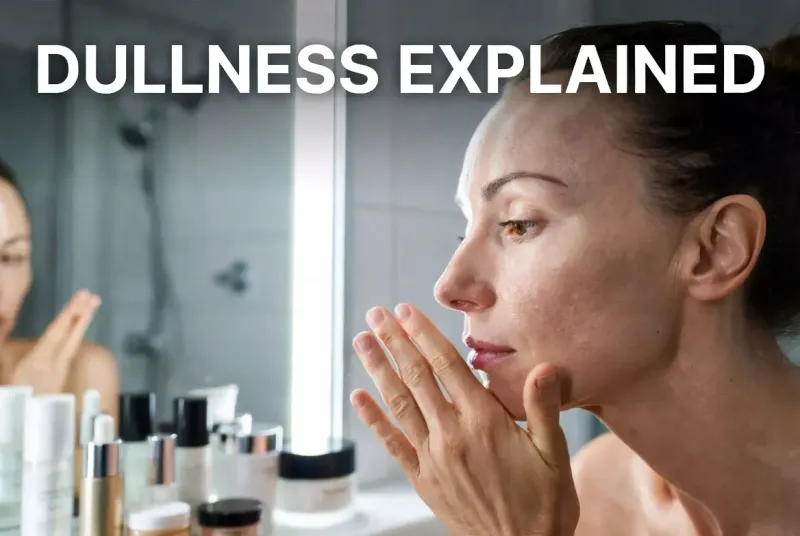
The Moisturizer Paradox When Hydration Isn't Enough for Radiance
You've followed the advice: cleanse gently, apply a quality moisturizer suited to your skin type, maybe layer a serum or two. Yet when you look in the mirror, your skin still appears dull, shadowed, or subtly "off"—as if tired despite your best efforts. This disconnect is frustrating but deeply informative: it reveals that skin radiance depends on far more than surface hydration.
Moisturizers play a crucial role in skincare—they reinforce the skin barrier, reduce transepidermal water loss (TEWL), and create a smooth surface for light reflection. But they cannot single-handedly address the complex biological, environmental, and lifestyle factors that influence how "awake" or "vital" your skin appears.
Understanding this distinction is empowering. When you recognize that a tired-looking complexion may reflect poor sleep, sluggish circulation, or cumulative oxidative stress—not inadequate moisturizing—you can shift from product-hopping to strategic, holistic support.
This guide explores the science behind why skin can appear fatigued despite proper moisturizing, identifies the hidden contributors to dullness, and provides evidence-based strategies to restore genuine radiance. Whether you're managing a demanding schedule, navigating environmental stressors, or simply seeking deeper understanding of your skin's needs, you'll find practical, globally relevant solutions grounded in dermatology and skin physiology.
The Biology of "Tired-Looking" Skin What Creates That Fatigued Appearance?
Before addressing solutions, it's essential to understand what makes skin look "tired" in the first place. Several interconnected factors contribute:
Cutaneous Microcirculation and Oxygen DeliveryHealthy skin receives steady blood flow that delivers oxygen and nutrients while removing metabolic waste. When microcirculation is sluggish:- Skin appears pale, ashen, or slightly bluish (especially under eyes)- Waste products accumulate, contributing to dullness- Cellular repair processes slow, affecting overall vitality
Factors that impair microcirculation include poor sleep, dehydration, smoking, sedentary lifestyle, and chronic stress.
Cellular Energy and Mitochondrial FunctionSkin cells, like all cells, rely on mitochondria to produce energy (ATP). When mitochondrial function declines due to aging, oxidative stress, or nutrient deficiencies:- Cellular turnover slows, leading to buildup of dull surface cells- Repair mechanisms become less efficient- Skin appears less vibrant and resilient
Oxidative Stress and InflammationFree radicals from UV exposure, pollution, and metabolic processes damage skin cells and trigger low-grade inflammation. This "inflammaging" contributes to:- Dull, uneven tone from disrupted melanin distribution- Loss of radiance from compromised cellular function- Subtle puffiness or shadowing from fluid retention
Barrier Function Beyond MoistureWhile moisturizers support the barrier, true barrier health depends on:- Balanced lipid composition (ceramides, cholesterol, fatty acids)- Appropriate pH (4.5-5.5) to support enzyme function- Intact corneocyte structure for smooth light reflection
A compromised barrier can look dull even when "moisturized" because surface texture scatters light instead of reflecting it cleanly.
Lymphatic Drainage and Fluid BalanceThe lymphatic system removes waste and excess fluid from tissues. When drainage is sluggish:- Mild puffiness develops, especially under eyes and along jawline- Shadows and contours appear less defined- Skin looks "heavy" or fatigued despite adequate hydration
Now, let's explore why moisturizing alone often doesn't resolve these underlying issues.
Why Moisturizer Isn't a Cure-All for Tired-Looking Skin
Reason 1: Moisturizers Address Hydration, Not CirculationMost moisturizers focus on:- Humectants (glycerin, hyaluronic acid) to attract water- Emollients (squalane, fatty alcohols) to smooth texture- Occlusives (petrolatum, dimethicone) to seal in moisture
While these ingredients support barrier function and prevent water loss, they don't directly enhance blood flow or oxygen delivery to skin cells. If poor circulation underlies your tired appearance, moisturizer alone won't resolve it.
Reason 2: Surface Hydration Doesn't Equal Cellular VitalityA well-moisturized stratum corneum (outer skin layer) can still overlay cells that are:- Energy-depleted from poor sleep or stress- Damaged by oxidative stress or UV exposure- Slowed in turnover due to aging or inflammation
Think of moisturizer as a protective coat—it preserves what's there but doesn't necessarily revitalize what's underneath.
Reason 3: Product Layering Can Interfere With AbsorptionApplying multiple products without considering compatibility can:- Create a film that prevents deeper penetration of beneficial ingredients- Cause pilling or uneven distribution that affects light reflection- Disrupt skin pH, impairing enzyme function and barrier repair
Even high-quality moisturizers may underperform if applied over incompatible serums or on compromised skin.
Reason 4: Environmental and Lifestyle Factors Overwhelm Topical CareNo moisturizer can fully counteract:- Chronic sleep deprivation (impairs cellular repair and increases cortisol)- High pollution exposure (generates free radicals that damage skin)- Poor nutrition (limits building blocks for healthy skin)- Chronic stress (elevates inflammation and impairs barrier function)
These systemic factors influence skin appearance at a fundamental level that topical products alone cannot address.
Reason 5: "Tired" May Reflect Structural Changes, Not Just Surface IssuesWith age or sun damage, skin undergoes structural changes:- Collagen and elastin degradation leads to subtle sagging that casts shadows- Thinning epidermis reduces light reflection, creating dullness- Loss of subcutaneous fat alters facial contours, enhancing tired appearance
Moisturizers support surface health but cannot rebuild lost structural support.
Identifying the Root Cause Is Your "Tired" Skin Circulation, Inflammation, or Something Else?
Before adjusting your routine, consider which factors may be contributing to your tired appearance
The Circulation Check- Does skin appear pale, ashen, or slightly bluish (especially under eyes)?- Do you experience cold hands/feet or feel frequently fatigued?- Does gentle facial massage or brief exercise temporarily improve radiance?→ Likely microcirculation is a contributing factor
The Inflammation/Oxidative Stress Check- Does skin look uneven, slightly red, or "stressed" despite hydration?- Do you live in a high-pollution area or have significant sun exposure?- Does skin feel sensitive or reactive alongside looking dull?→ Oxidative stress or low-grade inflammation may be involved
The Sleep/Stress Check- Do you consistently get less than 7 hours of sleep?- Is your schedule demanding with limited downtime?- Does skin look worse after particularly stressful periods?→ Sleep deprivation or chronic stress likely contributes
The Product/Barrier Check- Does moisturizer "sit on top" of skin rather than absorbing?- Do you use multiple active ingredients that might conflict?- Has your skin become more sensitive or reactive recently?→ Barrier compromise or product incompatibility may be factors
The Structural/Aging Check- Are fine lines, subtle sagging, or loss of definition more noticeable?- Has your skin's texture changed beyond surface dryness?- Do shadows appear in areas where skin has thinned?→ Structural changes may require targeted approaches beyond moisturizing
Evidence-Based Strategies to Restore Radiance Beyond Moisturizing
Strategy 1 Enhance Microcirculation for a Naturally Awake Appearance
Gentle Facial Massage- Use fingertips or a jade/gua sha tool with light pressure- Massage in upward, outward strokes for 2-3 minutes daily- Focus on areas prone to dullness: under eyes, cheeks, jawline- Benefits: Stimulates blood flow, supports lymphatic drainage, enhances product absorption
Temperature Contrast Therapy- Alternate warm and cool compresses on face for 1-2 minutes each- Warmth dilates blood vessels; coolness tones and reduces puffiness- Finish with cool to seal in benefits- Note: Avoid extreme temperatures if you have rosacea or sensitive skin
Movement and Breathwork- Brief daily movement (walking, stretching) enhances systemic circulation- Deep diaphragmatic breathing increases oxygen delivery to tissues- Even 5 minutes of mindful movement can improve skin appearance
Strategy 2 Combat Oxidative Stress With Targeted Antioxidants
Topical Antioxidant Layering- Vitamin C (L-ascorbic acid or stable derivatives): Neutralizes free radicals, brightens tone, supports collagen- Vitamin E: Works synergistically with vitamin C, protects cell membranes- Ferulic acid: Stabilizes vitamins C and E, enhances photoprotection- Niacinamide: Reduces inflammation, improves barrier function, minimizes redness
Application Guidance:- Apply antioxidants in the morning before moisturizer and sunscreen- Allow 1-2 minutes for absorption between layers- Start with lower concentrations if you have sensitive skin
Dietary Antioxidant Support- Colorful produce: Berries, leafy greens, citrus provide diverse polyphenols- Green tea: Rich in EGCG, a potent skin-protective antioxidant- Dark chocolate (70%+ cocoa): Contains flavonoids that support skin health- Omega-3 fatty acids: Reduce inflammation and support skin barrier
Strategy 3 Optimize Sleep and Stress Management for Skin Recovery
Sleep Hygiene for Skin Health- Consistent schedule: Go to bed and wake at similar times to support circadian rhythms- Wind-down routine: Dim lights, avoid screens 1 hour before bed, practice relaxation- Environment: Cool, dark, quiet room supports deeper, more restorative sleep- Position: Silk pillowcases reduce friction that can contribute to sleep lines and irritation
Stress-Reduction Practices That Benefit Skin- Daily mindfulness: Even 5-10 minutes of meditation lowers cortisol- Gentle movement: Yoga, tai chi, or walking reduce stress hormones while supporting circulation- Social connection: Strong relationships buffer stress and support overall well-being- Professional support: Therapy or counseling provides tools for managing chronic stress
Strategy 4 Refine Product Layering for Maximum Efficacy
The Order Matters: Optimal Application Sequence1. Cleanser: Start with a clean, pH-balanced canvas2. Toner/Essence (optional): Prepares skin for better absorption3. Water-based serums: Apply antioxidants, hydrators, or treatment actives4. Oil-based serums (if using): Layer after water-based products5. Moisturizer: Seals in previous layers and reinforces barrier6. Sunscreen (AM): Final protective step; never skip
Compatibility Considerations:- Avoid layering vitamin C with niacinamide if you experience flushing (though modern formulations often minimize this issue)- Don't mix retinoids with strong acids in the same routine to avoid irritation- Allow 1-2 minutes between layers for absorption to prevent pilling
Patch Testing and Introduction:- Introduce one new product at a time, waiting 3-4 days before adding another- Patch test behind ear or on jawline for 48 hours to check for reactions- Keep a skincare journal to track products and skin responses
Strategy 5 Support Skin's Energy Production and Cellular Renewal
Ingredients That Support Mitochondrial Function:- Coenzyme Q10 (Ubiquinone): Supports cellular energy production, antioxidant protection- Resveratrol: Activates sirtuins (longevity proteins), protects against oxidative stress- Peptides: Signal skin to produce more collagen, support repair processes- Alpha-lipoic acid: Potent antioxidant that regenerates other antioxidants
Application Tips:- Use energy-supporting ingredients in evening routines when skin undergoes repair- Pair with gentle exfoliation (1-2x/week) to remove dull surface cells and enhance penetration- Be patient: Cellular-level improvements take 4-8 weeks to become visible
Strategy 6 Address Environmental Aggressors Proactively
Daily Sun Protection- Broad-spectrum SPF 30+ applied generously every morning- Reapply every 2 hours with direct sun exposure- Don't forget often-missed areas: ears, neck, décolletage, hands
Pollution Defense- Antioxidant serums neutralize free radicals from pollution- Gentle but thorough evening cleansing removes particulate matter- Consider barrier-supporting ingredients (ceramides, squalane) to strengthen skin's defense
Blue Light Considerations- While research is evolving, some studies suggest blue light from screens may contribute to oxidative stress- Antioxidants (vitamin C, ferulic acid) offer broad protection- Screen breaks and blue-light filters may support overall wellness
Strategy 7 Incorporate Gentle Exfoliation for Surface Renewal
Why Exfoliation Matters for Radiance- Removes dull, pigmented surface cells that scatter light- Enhances penetration of subsequent products- Stimulates cellular turnover for fresher appearance
Gentle Approaches for Tired-Looking Skin:- PHAs (polyhydroxy acids): Larger molecules penetrate slowly, ideal for sensitive skin- Low-concentration mandelic or lactic acid: Provide gentle exfoliation with hydration benefits- Enzyme exfoliants (papain, bromelain): Work on surface proteins without irritation
Frequency Guidelines:- Start with once weekly, assess tolerance before increasing- Avoid exfoliating on same night as retinoids or strong actives- Always follow with moisturizer and sunscreen
When to Seek Professional Guidance
Consult a dermatologist if:- Tired appearance persists despite 8-12 weeks of consistent, targeted care- You notice sudden changes in skin tone, texture, or pigmentation- Dullness is accompanied by other symptoms: persistent redness, itching, or sensitivity- You suspect underlying conditions: thyroid dysfunction, anemia, or hormonal imbalances
A dermatologist can:- Perform skin analysis to identify specific concerns- Recommend medical-grade treatments: chemical peels, laser therapies, or prescription topicals- Order blood work to rule out systemic contributors to skin fatigue- Provide personalized guidance integrating lifestyle, topical care, and medical approaches
Realistic Expectations Timelines and Patience
Restoring radiance takes time because skin biology operates on cycles
Typical Timelines:- Short-term (1-2 weeks): Improved sleep, hydration, and gentle massage may enhance immediate appearance- Medium-term (4-8 weeks): Consistent antioxidant use, refined routine, and stress management begin to improve cellular function- Long-term (3-6 months): Structural support ingredients and lifestyle changes yield visible improvements in radiance and resilience
Factors Influencing Results:- Starting point: Significant lifestyle or routine shifts may yield more noticeable changes- Consistency: Daily habits compound more effectively than occasional intensive efforts- Individual variation: Genetics, age, and health status create unique response patterns
The Bigger Picture Radiance as a Reflection of Whole-Person Wellness
While achieving a vibrant complexion is a common aesthetic goal, the practices that support skin radiance also benefit overall health:
- Quality sleep enhances immune function, mood, and cognitive performance- Stress management reduces risk of chronic disease and improves quality of life- Antioxidant-rich nutrition supports cardiovascular, metabolic, and brain health- Sun protection prevents skin cancer and premature aging- Gentle movement supports circulation, lymphatic function, and mental well-being
By approaching skin radiance holistically, you invest in comprehensive wellness—not just appearance.
Conclusion Radiance Is Multi-Dimensional, Not Just Hydration
If your skin still looks tired despite proper moisturizing, remember: this isn't a sign that your products are "wrong" or that your efforts are futile. It's information—a signal that your skin needs support beyond surface hydration.
True radiance emerges from the interplay of circulation, cellular energy, inflammation balance, environmental protection, and lifestyle factors. Moisturizer is one essential piece, but not the entire puzzle.
You don't need a complete routine overhaul or expensive treatments to see improvement. Small, strategic adjustments—enhancing circulation with gentle massage, layering antioxidants, prioritizing sleep, or refining product application—can collectively restore vitality.
Start where you are. Choose one strategy from this guide to implement this week—perhaps adding a 2-minute facial massage, introducing a vitamin C serum, or setting a consistent bedtime. Notice how your skin responds. Build from there.
Your skin is a dynamic reflection of your whole self. With informed, compassionate care that addresses multiple dimensions of health, you can cultivate radiance that feels as good as it looks.
For evidence-based skincare resources, gentle products, and expert guidance to support your radiance journey, explore trusted platforms that prioritize science, transparency, and individualized care. Your path to a vibrant, healthy complexion starts with one intentional choice at a time.