

Why Some Women Lose Hair Shine Without Hair Fall
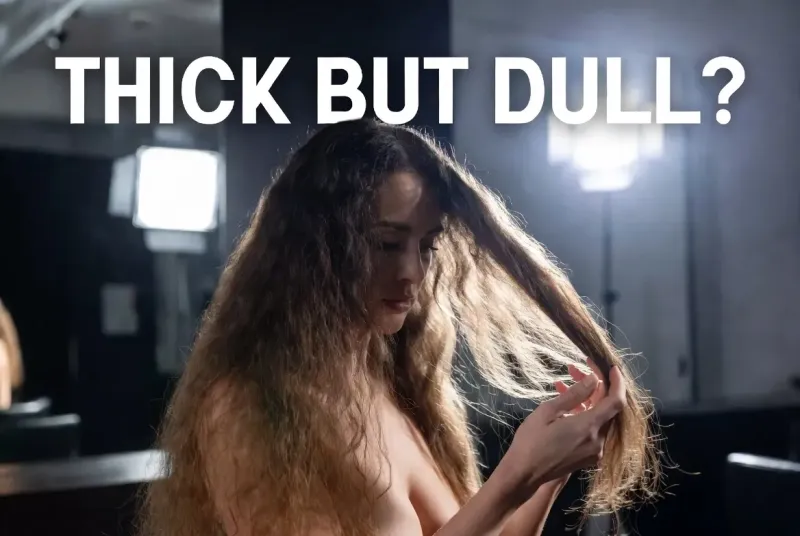
The Shine Paradox When Hair Looks Dull But Isn't Falling Out
Hair shine is one of the most visible indicators of hair health—yet it's also one of the most misunderstood. Many women notice their hair losing its luster, appearing matte or "tired," without experiencing increased shedding, breakage, or thinning. This disconnect can be confusing: if hair isn't falling out, why does it look so dull?
The answer lies in understanding what creates shine in the first place. Hair shine isn't about how much hair you have—it's about how light interacts with the surface of each strand. When that surface becomes compromised, even healthy, abundant hair can appear lackluster.
This guide explores the science behind hair shine, identifies the hidden factors that diminish luster without causing shedding, and provides practical, evidence-based strategies to restore radiance. Whether you're navigating hard water, frequent heat styling, hormonal shifts, or simply seeking healthier-looking hair, you'll find actionable solutions grounded in trichology and dermatology.
The Science of Shine What Makes Hair Reflect Light?
To understand why hair loses shine, we first need to understand what creates it.
Cuticle Structure and Light ReflectionEach hair strand is covered by a protective outer layer called the cuticle, composed of overlapping scales similar to shingles on a roof. When these scales lie flat and smooth:- Light reflects evenly off the surface, creating shine- Strands glide past each other easily, reducing friction and tangles- Moisture is retained within the hair shaft, supporting flexibility
When cuticles become raised, damaged, or uneven:- Light scatters in multiple directions instead of reflecting cleanly, creating a dull appearance- Strands catch on each other, increasing friction and potential damage- Moisture escapes more easily, leading to dryness and brittleness
This is why hair can look dull even when it's not falling out: the issue is surface texture, not hair density.
The Role of Sebum and Natural OilsScalp-produced sebum travels down the hair shaft, providing lightweight lubrication that enhances shine. Factors that disrupt sebum distribution—over-washing, harsh cleansers, or excessive product buildup—can leave hair looking dry and matte even if the scalp is healthy.
Surface Coatings and Light InterferenceAnything that coats the hair surface can interfere with light reflection:- Mineral deposits from hard water- Silicone or polymer buildup from styling products- Environmental pollutants or chlorine residue- Oxidized oils or old product residue
These coatings don't necessarily cause shedding, but they create a film that diffuses light, reducing perceived shine.
Common Causes of Shine Loss Without Shedding
Cause 1: Cuticle Damage from Heat and Mechanical StressRepeated exposure to high heat (flat irons, curling wands, blow dryers) or aggressive brushing can lift and damage cuticles without causing immediate breakage. Over time, this cumulative micro-damage creates a roughened surface that scatters light.
Key Insight: Cuticle damage often precedes visible breakage. Hair may look dull for months before strands begin snapping.
Cause 2: Product Buildup and Residue AccumulationMany hair products contain silicones, polymers, or oils that coat the hair shaft to provide temporary smoothness. While beneficial in moderation, these ingredients can accumulate over time, creating a heavy film that:- Blocks light reflection- Prevents moisture from penetrating the hair shaft- Weighs hair down, reducing volume and bounce
This buildup doesn't typically cause shedding but can make hair appear lifeless and dull.
Cause 3: Hard Water and Mineral DepositsIn regions with hard water (high in calcium, magnesium, or iron), minerals can deposit on hair during washing. These deposits:- Create a rough, uneven surface on the cuticle- Interfere with product absorption and effectiveness- Give hair a dull, sometimes slightly discolored appearance
Hard water effects are often subtle and develop gradually, making them easy to overlook.
Cause 4: Environmental StressorsUV radiation, pollution, wind, and indoor heating can all contribute to cuticle damage and moisture loss:- UV rays degrade hair proteins and lipids, weakening the cuticle- Pollution particles adhere to hair, creating a dulling film- Low humidity environments (common in winter or air-conditioned spaces) draw moisture from hair
These factors affect shine long before they cause noticeable shedding.
Cause 5: Nutritional FactorsCertain nutrient deficiencies can impact hair's optical properties without affecting growth rate:- Low omega-3 fatty acids: Reduce the lipid layer that contributes to shine- Inadequate protein: Compromise keratin structure, affecting cuticle integrity- Iron or zinc deficiency: May alter hair texture and light reflection- Dehydration: Reduces hair's internal moisture content, diminishing luster
These deficiencies often manifest as dullness before causing shedding or thinning.
Cause 6: Hormonal ShiftsHormonal changes during menstrual cycles, pregnancy, postpartum, perimenopause, or thyroid fluctuations can alter:- Sebum production and distribution- Hair texture and porosity- Cuticle smoothness and light reflection
These shifts may affect shine without changing hair density.
Cause 7: Over-Cleansing or Harsh ShampoosFrequent washing with sulfate-heavy or high-pH shampoos can strip hair of natural oils and raise the cuticle, leading to:- Increased surface roughness- Reduced light reflection- A dry, matte appearance
This is particularly common among women who wash hair daily or use clarifying products too frequently.
Diagnosing the Cause A Practical Self-Assessment
Before selecting solutions, identify which factors may be affecting your hair
The Water Test- Does your hair feel slightly rough or "squeaky" after washing? → Possible hard water or over-cleansing- Does shine improve after using a clarifying shampoo? → Likely product buildup- Does hair look duller in certain seasons or locations? → Environmental or water quality factor
The Light Test- Examine a single strand under bright, natural light- Smooth, shiny hair reflects light evenly along the shaft- Dull hair shows scattered, uneven reflection or a matte appearance- Run fingers gently down the strand: roughness suggests cuticle damage
The Product Audit- List all products used on hair in the past month- Note ingredients like dimethicone, cyclomethicone, or heavy oils- Consider frequency of use: daily application increases buildup risk
The Lifestyle Review- Heat styling frequency and temperature settings- Swimming habits (chlorine or saltwater exposure)- Water hardness in your area (check local utility reports)- Recent hormonal changes, stress levels, or dietary shifts
Evidence-Based Strategies to Restore Hair Shine
Strategy 1 Gentle Cuticle Care and Surface Smoothing
pH-Balanced CleansingHair's natural pH is slightly acidic (4.5-5.5). Using shampoos within this range helps keep cuticles flat and smooth:- Choose sulfate-free, low-pH shampoos for regular use- Reserve clarifying shampoos for monthly buildup removal- Follow with a pH-balancing conditioner to seal cuticles
Cold Water RinsesFinishing your wash with cool water helps:- Seal cuticles after cleansing- Enhance light reflection- Reduce frizz and improve manageability
Tip: Even a brief 10-15 second cool rinse at the end of your shower can make a noticeable difference.
Silk or Satin PillowcasesCotton pillowcases create friction that can roughen cuticles overnight. Switching to silk or satin:- Reduces surface abrasion- Helps maintain cuticle smoothness- Preserves shine between washes
Strategy 2 Strategic Product Selection and Application
Clarifying Without StrippingRemove buildup without compromising hair health:- Use a gentle clarifying shampoo once every 2-4 weeks- Follow with a hydrating mask to restore moisture- Avoid daily clarifying, which can over-strip natural oils
Lightweight Shine-Enhancing ProductsChoose products designed to enhance reflection without heavy buildup:- Hair serums with cyclomethicone (volatile silicone that evaporates, leaving shine without weight)- Leave-in conditioners with hydrolyzed proteins to smooth cuticles- Lightweight oils (argan, jojoba) applied sparingly to ends only
Application Technique Matters- Apply products to damp hair for even distribution- Focus on mid-lengths to ends where cuticles are oldest and most damaged- Use the "praying hands" method: smooth product between palms and glide down hair sections
Strategy 3 Address Water Quality and Environmental Factors
Hard Water SolutionsIf hard water is contributing to dullness:- Install a shower filter designed to reduce mineral content- Use a chelating shampoo monthly to remove mineral buildup- Finish with a diluted apple cider vinegar rinse (1 part ACV to 4 parts water) to help dissolve deposits
UV and Pollution Protection- Use hair products with UV filters when spending extended time outdoors- Wear hats or scarves in intense sun or polluted environments- Rinse hair after swimming in chlorinated or salt water
Humidity Management- In dry environments: Use hydrating products and consider a bedroom humidifier- In humid environments: Choose anti-humectant products to prevent frizz that scatters light
Strategy 4 Optimize Nutrition for Hair Luster
Key Nutrients for Shine- Omega-3 fatty acids: Support the lipid layer that contributes to light reflection. Sources: fatty fish, flaxseeds, walnuts- High-quality protein: Provides building blocks for keratin and cuticle integrity. Sources: eggs, lean meats, legumes, Greek yogurt- Biotin and B vitamins: Support overall hair health and metabolism. Sources: eggs, nuts, whole grains, leafy greens- Vitamin E: An antioxidant that protects hair lipids from oxidation. Sources: almonds, sunflower seeds, spinach- Zinc: Supports protein synthesis and cuticle health. Sources: pumpkin seeds, lentils, shellfish
Hydration MattersDehydrated hair appears duller. Support internal hydration by:- Drinking adequate water throughout the day- Consuming water-rich foods (cucumber, watermelon, citrus)- Limiting excessive caffeine or alcohol, which can contribute to dehydration
Strategy 5 Mindful Heat and Styling Practices
Heat Protection Is Non-NegotiableAlways apply a heat protectant before using hot tools:- Forms a protective barrier that minimizes cuticle damage- Helps maintain smoothness and shine- Reduces long-term cumulative damage
Lower Temperatures, Better Results- Use the lowest effective temperature for your hair type (typically 300-350°F for most hair)- Limit heat styling to 2-3 times weekly when possible- Embrace heatless styling alternatives: overnight braids, flexi-rods, or fabric headbands
Gentle Detangling- Use a wide-tooth comb or wet brush on damp hair- Start detangling from ends, working upward to roots- Apply a leave-in conditioner or detangling spray to reduce friction
Strategy 6 Professional Treatments Worth Considering
Gloss or Glaze TreatmentsSemi-permanent color-free treatments that:- Deposit a thin, reflective layer on the hair surface- Enhance shine for 4-6 weeks- Can be customized to neutralize brassiness or enhance tone
Professional Clarifying or Chelating ServicesSalon treatments that:- Remove stubborn buildup more effectively than home products- Often include deep conditioning to restore moisture- Recommended every 6-8 weeks for those with hard water or heavy product use
Scalp Health AssessmentA healthy scalp supports healthy hair. If shine loss persists despite home care, consider:- Professional scalp analysis to rule out underlying conditions- Targeted treatments for sebum regulation or inflammation- Personalized product recommendations from a trichologist or dermatologist
When to Seek Professional Guidance
Consult a healthcare provider or hair specialist if:- Dullness persists despite consistent care for 8-12 weeks- You notice changes in texture, elasticity, or breakage alongside dullness- You suspect hormonal imbalances, thyroid issues, or nutritional deficiencies- You experience scalp symptoms like itching, flaking, or tenderness
Types of Professionals Who Can Help:- Dermatologist: For medical evaluation of hair and scalp health- Trichologist: Specialized in hair and scalp conditions- Registered dietitian: For personalized nutrition assessment- Licensed hairstylist or colorist: For product and treatment recommendations
Realistic Expectations Patience and Consistency
Restoring hair shine is a gradual process. Unlike shedding, which may improve relatively quickly with targeted interventions, surface texture and light reflection require consistent care over time.
Typical Timelines:- Immediate (1-2 washes): Clarifying treatments may provide instant but temporary improvement- Short-term (4-6 weeks): Consistent cuticle care and product adjustments yield noticeable enhancement- Long-term (3-6 months): Nutritional support and lifestyle changes support sustained improvement
Factors That Influence Results:- Starting point: Severely damaged cuticles take longer to improve than mildly roughened ones- Consistency: Daily gentle habits compound more effectively than occasional intensive treatments- Holistic approach: Combining multiple strategies yields better results than focusing on one factor alone- Individual variation: Genetics, hair type, and environmental factors create unique timelines
Maintenance Keeping Shine Long-Term
Once you've restored luster, maintain it with these habits
Weekly Practices:- Use a gentle, pH-balanced shampoo- Apply a lightweight conditioner focused on mid-lengths to ends- Limit heat styling and always use protectant
Monthly Practices:- Clarify once to remove buildup- Deep condition to maintain moisture balance- Assess product lineup: remove items causing buildup or dryness
Seasonal Adjustments:- Winter: Boost hydration to counteract dry indoor air- Summer: Add UV protection and rinse after swimming- Humid seasons: Use anti-frizz products to maintain smoothness
The Bigger Picture Shine as a Marker of Overall Hair Health
While restoring shine is a common aesthetic goal, the strategies that enhance luster also support broader hair health:- Smooth cuticles reduce breakage and split ends- Balanced cleansing supports scalp health- Nutritional optimization benefits overall wellness- Gentle styling practices preserve hair integrity over time
By approaching shine restoration holistically, you invest in your hair's long-term resilience—not just its immediate appearance.
Conclusion Shine Is a Surface Story, Not a Density One
If your hair has lost its luster but isn't falling out, remember: this isn't a sign of failure or irreversible damage. It's a signal that your hair's surface needs attention. Shine depends on cuticle health, light reflection, and surface smoothness—factors that respond well to targeted, consistent care.
You don't need dramatic interventions or expensive treatments to see improvement. Small, informed adjustments to your routine—pH-balanced products, gentle heat practices, strategic clarification, and nutritional support—can restore radiance over time.
Start where you are. Choose one strategy from this guide to implement this week—perhaps a cool water rinse, a product audit, or adding an omega-3 source to your diet. Notice how your hair responds. Build from there.
Your hair tells a story—not just of genetics or products, but of daily care, respect, and attention. With mindful habits, you can ensure that story shines with health, strength, and quiet confidence.
For evidence-based hair care resources, gentle products, and expert guidance to support your shine restoration journey, explore trusted platforms that prioritize science, transparency, and inclusivity. Your path to healthier-looking hair starts with one intentional choice at a time.