

Why the Hazrat Shahjalal Airport 3rd Terminal is a Game-Changer for Global Travelers
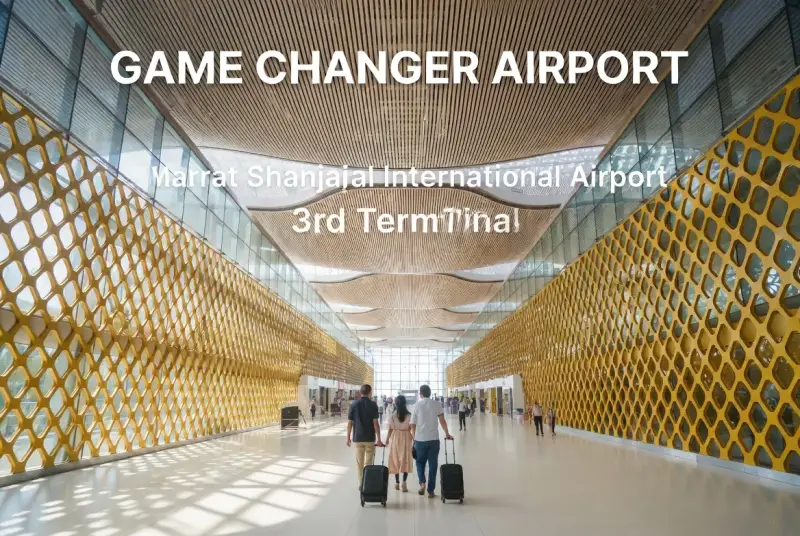
A New Era for Bangladesh Aviation Introducing Terminal 3
For decades, Hazrat Shahjalal International Airport (HSIA) in Dhaka served as Bangladesh's primary international gateway—but also as a frequent source of traveler frustration. Overcrowded halls, outdated facilities, lengthy immigration queues, and limited amenities painted a challenging picture for visitors arriving in this vibrant South Asian nation.
That narrative has fundamentally changed with the inauguration of the Third Terminal in late 2025 and its full operational rollout in 2026. Spanning 235,000 square meters with a designed annual capacity of 12 million passengers, Terminal 3 represents not just an infrastructure upgrade but a strategic repositioning of Bangladesh on the global aviation map.
This isn't merely a bigger building—it's a reimagined travel experience built to international standards, infused with Bangladeshi cultural identity, and engineered for the demands of 21st-century air travel. For global travelers, the implications are profound: faster processing, greater comfort, enhanced connectivity, and a first impression of Bangladesh that reflects its economic ambition and cultural richness.
In this comprehensive guide, we explore why Terminal 3 is a genuine game-changer, examining its design philosophy, technological innovations, passenger amenities, sustainability features, and broader impact on regional travel dynamics. Whether you're flying into Dhaka for business, tourism, or transit, understanding what Terminal 3 offers will transform how you experience travel through Bangladesh.
Architectural Vision Where Modernity Meets Bengali Heritage
Terminal 3's design, led by international architects in collaboration with Bangladeshi consultants, achieves a rare balance: world-class functionality infused with local cultural identity.
Key Design Elements
1. Cultural Motifs Integrated into Modern ArchitectureThe terminal's façade incorporates patterns inspired by traditional Bengali nakshi kantha embroidery and terracotta temple art, rendered in contemporary glass and steel. Inside, travelers encounter subtle references to Bangladesh's riverine landscape, jute heritage, and floral motifs—creating a sense of place without compromising modern aesthetics.
2. Passenger-Flow OptimizationUnlike older terminals designed around aircraft parking, Terminal 3 prioritizes human movement. Wide corridors, intuitive signage in Bengali and English, clear wayfinding technology, and logical zoning reduce confusion and stress. The layout minimizes walking distances between check-in, security, immigration, and gates.
3. Natural Light and Biophilic DesignExpansive glass walls flood the terminal with natural light, reducing reliance on artificial lighting and creating a more pleasant atmosphere. Indoor greenery, water features, and views of the tarmac connect travelers to the environment—a design principle shown to reduce travel anxiety.
4. Scalable InfrastructureThe terminal is designed for phased expansion, with modular systems that can accommodate future growth in passenger numbers, aircraft size, or service offerings. This forward-thinking approach ensures Terminal 3 remains relevant for decades.
For global travelers, these design choices translate into tangible benefits: a visually appealing arrival experience, reduced navigational stress, and an immediate sense that Bangladesh values both heritage and innovation.
Capacity and Efficiency Solving Dhaka's Historical Bottlenecks
One of Terminal 3's most significant impacts is addressing the chronic capacity constraints that long plagued HSIA.
Pre-Terminal 3 Challenges:- Annual passenger capacity capped at ~8 million across all terminals, with demand exceeding 10 million- Immigration queues stretching 1-2 hours during peak periods- Limited check-in counters causing pre-flight congestion- Baggage claim areas overwhelmed during international arrivals- Insufficient gate capacity leading to aircraft parking delays
Terminal 3 Solutions
1. Expanded Processing Capacity- 48 new check-in counters with self-service kiosks- 24 automated immigration e-gates for eligible passport holders- 16 baggage claim carousels (doubling previous capacity)- 28 contact gates with jet bridges, reducing tarmac transfers
2. Smart Queue ManagementDigital signage displays real-time wait times for security and immigration. Travelers can monitor queue status via the airport's mobile app and plan accordingly. Priority lanes for business class, families with young children, and passengers with reduced mobility ensure equitable service.
3. Advanced Baggage Handling SystemA fully automated baggage sorting system with RFID tracking reduces mishandling and speeds up claim times. Passengers can track their luggage via the airport app from check-in to carousel.
4. Peak-Hour FlexibilityThe terminal's modular design allows staff to dynamically allocate resources—opening additional security lanes or immigration counters during surges—without compromising service quality.
For international travelers, these improvements mean less time standing in lines and more time resting, working, or exploring. The psychological impact of a smooth arrival experience cannot be overstated: it sets a positive tone for the entire visit to Bangladesh.
Technology Integration The Smart Airport Experience
Terminal 3 embraces digital innovation to create a seamless, contact-light travel experience aligned with global best practices.
Key Technological Features
1. Biometric Boarding and ImmigrationEligible travelers can enroll in the airport's biometric system, enabling facial recognition for:- Expedited immigration clearance- Baggage drop verification- Boarding gate authentication
This reduces document handling, speeds processing, and enhances security through multi-factor verification.
2. Unified Mobile ExperienceThe HSIA mobile app integrates multiple functions:- Real-time flight status and gate information- Digital boarding passes and baggage tracking- Wayfinding with indoor mapping- Pre-ordering food and retail items for pickup- Access to lounge booking and premium services
3. IoT-Enabled InfrastructureSensors throughout the terminal monitor:- Passenger density to optimize staff deployment- Environmental conditions (temperature, air quality) for comfort- Equipment status for proactive maintenance- Energy usage to support sustainability goals
4. Contactless ServicesFrom check-in kiosks to payment terminals, Terminal 3 minimizes physical touchpoints. NFC-enabled payments, mobile ordering, and digital receipts reduce friction and support hygiene-conscious travelers.
5. AI-Powered Customer SupportChatbots and virtual assistants available via app or in-terminal kiosks answer common questions in multiple languages, freeing human staff for complex inquiries.
For tech-savvy global travelers, these features create a familiar, efficient experience comparable to leading airports in Singapore, Dubai, or Amsterdam. For first-time visitors to Bangladesh, they signal that the country is embracing digital transformation.
Passenger Amenities Comfort and Convenience Redefined
Terminal 3 elevates the passenger experience through thoughtful amenities that cater to diverse traveler needs.
Dining and Retail
1. Curated Food and Beverage Options- Local cuisine showcases: Restaurants featuring authentic Bengali dishes like biryani, hilsa preparations, and street-food-inspired concepts- International brands: Recognized global chains for familiar options- Health-conscious choices: Salads, fresh juices, and dietary-specific menus- 24/7 availability: Essential for passengers on irregular flight schedules
2. Retail Experience- Duty-free shopping with premium brands and local handicrafts- Bangladesh-focused offerings: Jamdani textiles, jute products, artisanal goods- Travel essentials: Electronics, books, toiletries available post-security- Click-and-collect services: Order online, pick up at the terminal
Lounges and Rest Areas
1. Premium Lounge Facilities- Multiple airline-operated and independent lounges offering:andnbsp; - Comfortable seating and workstationsandnbsp; - Complimentary food, beverages, and Wi-Fiandnbsp; - Shower facilities and rest zonesandnbsp; - Business services: Printing, meeting rooms, charging stations
2. Public Rest Zones- Dedicated quiet areas with reclining chairs for all passengers- Family rooms with changing facilities and play areas- Prayer rooms accommodating multiple faiths with ablution facilities
Accessibility and Inclusive Design
- Wheelchair-accessible pathways throughout- Visual and auditory assistance for passengers with disabilities- Multilingual staff and signage- Dedicated assistance desks for travelers requiring support
For global travelers, these amenities transform waiting time from a chore into an opportunity—to relax, work, shop, or experience Bangladeshi culture before departure or after arrival.
Connectivity and Transit Positioning Dhaka as a Regional Hub
Terminal 3's strategic design extends beyond serving point-to-point passengers—it positions Dhaka as a competitive transit hub for South and Southeast Asia.
Enhanced Transit Experience
1. Streamlined Transfer Procedures- Dedicated transit corridors minimize walking distance between international and domestic flights- Expedited security re-screening for connecting passengers- Clear signage and staff guidance in multiple languages
2. Improved Airline Partnerships- Expanded codeshare agreements and interline connectivity- Coordinated scheduling to optimize connection windows- Joint lounge access for alliance passengers
3. Ground Transportation Integration- Direct access to ride-hailing pickup zones, taxi stands, and app-based transport- Seamless connection to the Dhaka Metro Rail extension (planned)- Pre-booked car services and hotel shuttles with dedicated pickup areas
4. Cargo and Logistics Enhancement- Expanded cargo facilities support Bangladesh's growing e-commerce and manufacturing exports- Integrated customs clearance accelerates freight movement- Cold-chain capabilities for pharmaceuticals and perishables
For transit passengers, these improvements make Dhaka a more attractive connection point between South Asia, the Middle East, and Southeast Asia. For business travelers, efficient transfers and reliable connectivity support regional commerce.
Sustainability and Environmental Responsibility
Terminal 3 incorporates green building principles that align with global sustainability standards and Bangladesh's climate commitments.
Key Sustainable Features
1. Energy Efficiency- LED lighting throughout with motion sensors in low-traffic areas- High-performance glazing reduces cooling loads while maximizing natural light- Energy management systems optimize HVAC usage based on occupancy
2. Water Conservation- Low-flow fixtures and rainwater harvesting for non-potable uses- Greywater recycling for landscape irrigation- Leak detection systems to minimize waste
3. Waste Management- Comprehensive recycling stations for passengers and operations- Food waste composting programs with local partners- Reduction of single-use plastics in retail and dining
4. Sustainable Materials- Locally sourced construction materials reduce transportation emissions- Low-VOC finishes improve indoor air quality- Durable materials selected for longevity and reduced maintenance
5. Carbon Reduction Initiatives- Electric ground support equipment- Solar panel installations on terminal roof (phase 2 expansion)- Carbon offset programs for airport operations
For environmentally conscious travelers, these features demonstrate Bangladesh's commitment to sustainable development. For all passengers, they contribute to a healthier, more comfortable terminal environment.
Economic and Strategic Impact Beyond the Terminal Walls
Terminal 3's significance extends far beyond passenger experience—it catalyzes broader economic and geopolitical benefits.
Tourism Growth:- Enhanced first impressions encourage repeat visits and positive word-of-mouth- Improved capacity supports growth in leisure travel to Bangladesh's cultural and natural attractions- Streamlined processes make short-stop tourism more feasible
Business and Investment:- Efficient airport operations reduce friction for business travelers and cargo shipments- Modern infrastructure signals Bangladesh's readiness for international investment- Enhanced connectivity attracts multinational corporations and regional headquarters
Aviation Sector Development:- Increased capacity enables new airline routes and frequencies- Competitive facilities help Bangladeshi carriers expand internationally- Training and employment opportunities in aviation services and hospitality
Regional Connectivity:- Positions Dhaka as a viable hub for South Asian travel networks- Supports Bangladesh's role in regional trade and diplomatic engagement- Enhances people-to-people connections across borders
For global travelers, these macro-level impacts translate into more flight options, better service quality, and a dynamic destination that continues to evolve.
Practical Tips for Travelers Using Terminal 3
To maximize your experience at the new terminal, consider these recommendations
Before Your Flight:- Download the HSIA mobile app for real-time updates and digital services- Check if you're eligible for biometric enrollment to expedite processing- Review terminal maps to familiarize yourself with layout and amenities- Pre-book lounge access if you value premium comfort during waits
At the Terminal:- Arrive 3 hours before international flights to allow time for new procedures- Use self-service kiosks for faster check-in if you have no bags to drop- Follow digital signage for the most efficient routes through security and immigration- Explore local dining and retail options to experience Bangladeshi culture
For Transit Passengers:- Confirm your connection procedure with airline staff upon arrival- Utilize dedicated transit corridors to minimize walking and re-screening time- Take advantage of lounge facilities during longer layovers- Keep essential items in carry-on for easy access during transfers
After Arrival:- Use the airport app to track baggage and locate ground transportation- Consider pre-booking transport to avoid queues at taxi stands- Visit information desks for assistance with visas, currency, or local guidance
Addressing Common Traveler Concerns
As with any major infrastructure launch, travelers may have questions. Here are evidence-based responses:
"Is Terminal 3 fully operational yet?"Terminal 3 commenced operations in phases starting late 2025, with full international service active in 2026. Some ancillary services may still be ramping up, but core passenger functions are fully functional.
"Will the old terminals still be used?"Yes—Terminals 1 and 2 continue to handle domestic and select regional flights. Terminal 3 primarily serves international long-haul operations, with potential for future reallocation as demand evolves.
"How does security compare to international standards?"Terminal 3 meets ICAO and IATA security guidelines, with advanced screening technology, trained personnel, and layered protocols. Biometric integration enhances both security and efficiency.
"What if I have a tight connection?"The terminal's design prioritizes transit efficiency. Allow at least 90 minutes for international-to-international connections; use the airport app to monitor gate changes and transit times.
"Are language barriers an issue?"Staff are trained in English and Bengali, with multilingual support available for major international languages. Digital signage and the mobile app provide information in multiple languages.
The Human Element Training and Service Culture
Infrastructure alone doesn't create a great airport experience—people do. Terminal 3's success depends significantly on the service culture of its staff.
Investments in Human Capital:- Comprehensive training programs for customer service, security, and technical roles- Language and cultural competency development for international passenger interaction- Empowerment protocols enabling staff to resolve issues without excessive escalation- Performance metrics focused on passenger satisfaction, not just throughput
For travelers, this translates into friendly, competent assistance when needed—a critical factor in reducing travel stress and creating positive memories of Bangladesh.
Looking Ahead Future Expansions and Innovations
Terminal 3 is designed for evolution. Planned enhancements include
Phase 2 Developments:- Additional gates to accommodate growing airline interest- Expanded cargo facilities supporting e-commerce growth- Enhanced rail connectivity with Dhaka Metro integration
Technology Roadmap:- Wider biometric adoption across more passenger touchpoints- AI-driven predictive analytics for crowd management and resource allocation- Integration with regional digital travel platforms for seamless multi-country journeys
Sustainability Goals:- Net-zero operational carbon target by 2035- Circular economy initiatives for waste reduction and material reuse- Green certification pursuit (e.g., LEED, BREEAM)
For frequent travelers to Bangladesh, these plans signal continuous improvement and long-term commitment to world-class service.
Conclusion A Gateway Transformed
The Third Terminal at Hazrat Shahjalal International Airport represents more than concrete, glass, and technology—it embodies Bangladesh's aspiration to engage confidently with the global community. For international travelers, the impact is immediate and tangible: smoother arrivals, greater comfort, enhanced connectivity, and a first impression that reflects a nation in motion.
Terminal 3 doesn't just handle more passengers; it redefines what passage through Dhaka can feel like. It transforms a historically challenging transit point into a welcoming gateway that honors Bangladeshi heritage while embracing global standards.
For business travelers, it means efficiency and reliability. For tourists, it offers comfort and cultural immersion. For transit passengers, it provides seamless connections. For all, it signals that Bangladesh is open, modern, and ready to welcome the world.
As you plan your next journey through Dhaka, know that Terminal 3 isn't just a new building—it's a new beginning. One that promises to make your travel experience smoother, more enjoyable, and more connected than ever before.
Welcome to the new era of aviation in Bangladesh. Your journey starts here.