

Why You Should Visit Cox's Bazar in the Monsoon — And What to Pack
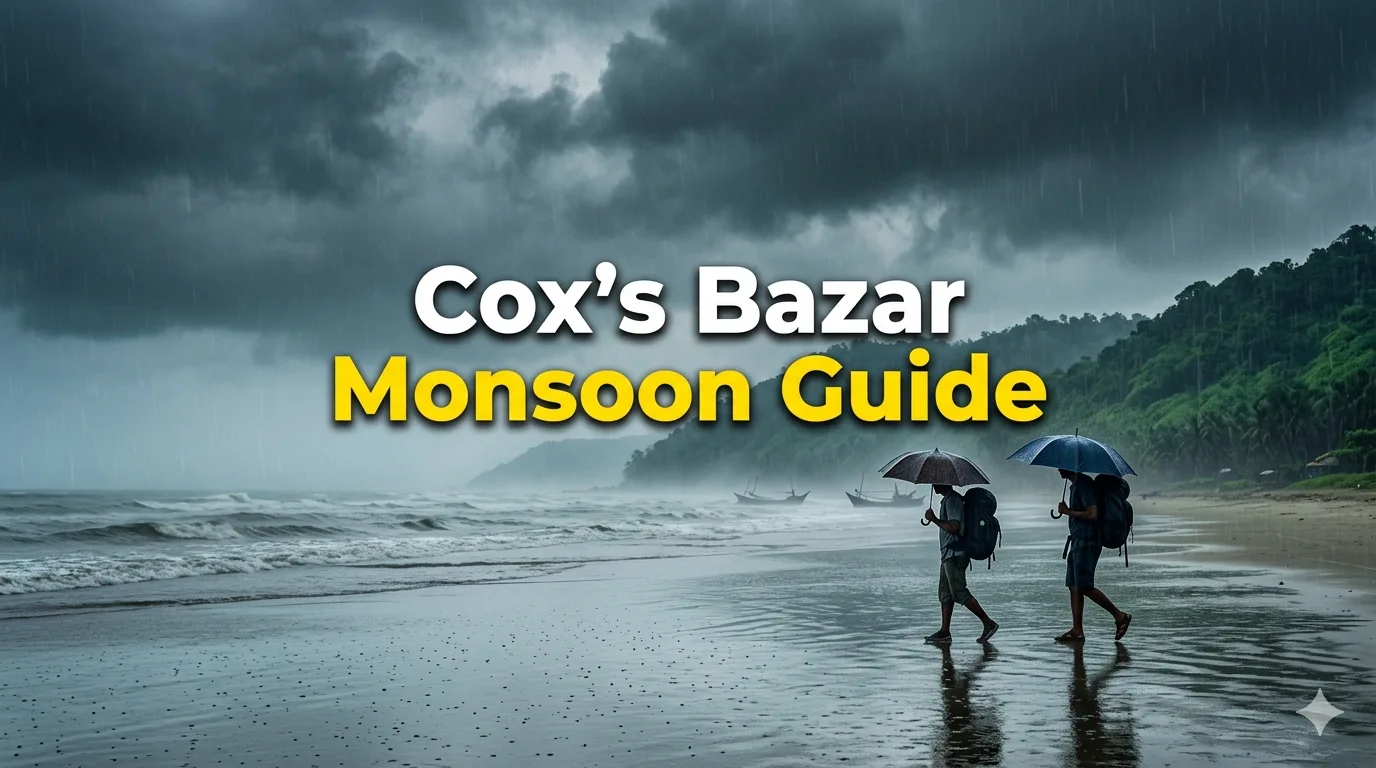
When most travelers think of Cox's Bazar, Bangladesh's crown jewel of coastal tourism, they imagine golden sunshine, clear blue skies, and perfect beach weather. But there's a magical side to the world's longest natural sea beach that few tourists experience: the monsoon season. While the rainy months from June to September might seem like an unlikely time to visit a beach destination, Cox's Bazar in monsoon offers a uniquely enchanting experience that's dramatically different from the peak tourist season—and arguably more rewarding for adventurous travelers.
The monsoon transforms Cox's Bazar into a dramatic landscape where dark storm clouds meet turquoise waves, where the beach becomes a private sanctuary, and where you can experience authentic Bangladeshi coastal culture without the crowds. Yes, you'll need to pack differently and adjust your expectations, but the rewards are extraordinary: lower prices, empty beaches, lush green surroundings, dramatic photography opportunities, and the chance to see Cox's Bazar as locals experience it year-round.
This comprehensive guide will convince you why monsoon season deserves a spot on your Cox's Bazar itinerary and provide you with an essential packing list to ensure your rainy season beach vacation is comfortable, safe, and unforgettable.
The Monsoon Magic: Why Cox's Bazar Shines in Rainy Season
Visiting Cox's Bazar during monsoon (typically June through September, with peak rainfall in July and August) requires a shift in mindset, but those who make the journey discover experiences impossible to find during peak season.
Dramatic Natural Beauty Like Nowhere Else
The monsoon transforms Cox's Bazar's landscape into something almost otherworldly. The sky becomes a canvas of moody grays, dramatic storm clouds, and occasional bursts of brilliant sunlight breaking through. The Bay of Bengal churns with powerful waves that create spectacular displays of white foam against the dark water. The beach, usually crowded with tourists, becomes your private stretch of paradise where you can walk for miles without encountering another soul.
What makes monsoon scenery special:
- Misty mountains: The nearby hills and forests become shrouded in ethereal mist, creating photographer's dreams at every turn
- Lush greenery: The surrounding landscape explodes with vibrant green vegetation, making day trips to Himchari and Inani even more stunning
- Spectacular sunrises: Monsoon clouds create the most dramatic sunrise displays, with colors ranging from deep purple to fiery orange
- Rain-kissed beaches: The wet sand reflects the sky like a mirror, creating surreal photographic opportunities
Crowd-Free Beach Experience
Peak season at Cox's Bazar means packed beaches, crowded hotels, and long waits at restaurants. During monsoon, you'll have the world's longest beach virtually to yourself. Imagine walking along 120 kilometers of uninterrupted coastline, hearing only the sound of waves and rain, with no vendors, no crowds, no noise—just pure, unadulterated natural beauty.
This solitude creates space for genuine reflection, meditation, and connection with nature that's impossible during busy tourist season. It's the perfect time for writers, artists, photographers, or anyone seeking a peaceful retreat.
Significant Cost Savings
Monsoon is considered off-season, which means:
- Hotel rates drop 40-60% compared to peak season (November-February)
- Restaurant discounts and special monsoon menus
- Cheaper transportation with more availability
- Better negotiation power for tours and activities
- Luxury resorts become affordable for budget travelers
You can stay in a beachfront resort during monsoon for the price of a budget hotel in peak season, making this the perfect time for travelers who want luxury experiences on a budget.
Authentic Cultural Experience
During peak tourist season, Cox's Bazar caters heavily to visitors, sometimes losing its authentic local character. In monsoon, when the tourist crowds disappear, you experience Cox's Bazar as locals do. You'll interact more with residents, observe daily life uninterrupted by tourism, and gain deeper insights into Bangladeshi coastal culture.
Local fishermen continue their work regardless of season, and monsoon is actually an excellent time to observe traditional fishing practices. You'll see the beach in its natural state, not staged for tourists.
Unique Monsoon Activities
Certain experiences are only possible or particularly special during monsoon:
- Waterfall viewing: Monsoon rains feed spectacular waterfalls in Himchari and surrounding areas that are dry or trickling in other seasons
- Monsoon photography: The dramatic lighting and moody atmosphere create incredible photo opportunities
- Fresh seafood: Monsoon brings certain fish species closer to shore, and you'll find incredibly fresh catches at local markets
- Monsoon cuisine: Local restaurants serve special seasonal dishes featuring monsoon vegetables and fresh catches
- Cloud watching: The ever-changing sky provides endless entertainment and meditation opportunities
Understanding Monsoon Weather Patterns
To make the most of your monsoon visit, it's essential to understand what you're getting into. Bangladesh's monsoon season is influenced by the Southwest Monsoon, which brings moisture-laden winds from the Bay of Bengal.
Typical Monsoon Weather in Cox's Bazar
June: The monsoon begins gradually with intermittent showers. Temperatures range from 25-32°C (77-90°F). Humidity increases but remains manageable. This is an excellent time to visit if you want to catch the beginning of monsoon without heavy rainfall.
July: Peak monsoon month with the heaviest rainfall. Expect daily rain, sometimes continuous for hours. Temperatures: 24-30°C (75-86°F). Humidity: 85-95%. The beach sees the most dramatic waves during this month.
August: Continues with heavy rainfall, though slightly less intense than July. Similar temperature and humidity levels. The landscape is at its greenest and most lush.
September: Monsoon begins to retreat. Rainfall decreases, with more sunny intervals. This is arguably the best monsoon month to visit, offering a balance of monsoon beauty with more predictable weather.
Rainfall Patterns to Expect
Monsoon rain in Cox's Bazar doesn't necessarily mean constant downpour. Typically, you'll experience:
- Morning: Often clear or partly cloudy, best time for beach walks
- Afternoon: Highest chance of heavy rain, usually between 2-6 PM
- Evening: Variable—could be clear, drizzling, or stormy
- Night: Often rainy, creating soothing sounds for sleep
Rain typically comes in intense bursts lasting 1-3 hours rather than all-day drizzle, meaning you'll have plenty of dry periods for activities.
Essential Packing List for Cox's Bazar Monsoon
Packing correctly is the difference between a miserable monsoon vacation and an amazing adventure. Here's your comprehensive packing guide:
Waterproof Gear (Non-Negotiable)
Rain Jacket or Poncho: Invest in a high-quality, breathable waterproof jacket with sealed seams. Look for one with a hood that stays up in wind. A poncho is also useful for covering yourself and your backpack during heavy downpours.
Waterproof Footwear: Pack at least two options:
- Water shoes or sandals: Quick-drying, with good grip for wet surfaces. Brands like Teva, Keen, or Merrell work well.
- Waterproof hiking shoes: For exploring waterfalls and hills. Ensure they have excellent traction for slippery surfaces.
Dry Bags: Essential for protecting electronics, documents, and clothes. Get various sizes:
- Small (2-5L) for phone, wallet, keys
- Medium (10-20L) for camera equipment
- Large (30L+) for clothes and towels
Waterproof Phone Case: Even if you have a waterproof phone, an extra layer of protection is wise. Get one that allows touchscreen use and takes photos through the case.
Clothing Strategy
Quick-Dry Fabrics: Avoid cotton, which stays wet and heavy. Pack:
- Quick-dry t-shirts and tank tops (synthetic or merino wool)
- Lightweight, quick-dry pants or convertible pants
- Quick-dry shorts
- Lightweight long-sleeve shirts for sun and insect protection
Swimwear: Yes, you can still swim during monsoon! Pack 2-3 swimsuits so one can dry while you wear another. The water is warm, and swimming between rain showers is invigorating.
Light Layers: Despite being tropical, air conditioning and rain can make you chilly. Pack:
- Light fleece or sweater
- Light scarf or sarong (versatile for multiple uses)
Undergarments: Pack extra—humidity means things don't dry quickly. Consider moisture-wicking underwear and sports bras.
Electronics Protection
Waterproof Camera or Housing: If you're serious about photography, consider:
- Waterproof action camera (GoPro or similar)
- Underwater housing for your DSLR/mirrorless
- Disposable waterproof camera as backup
Laptop/Tablet Protection: If you must bring electronics:
- Waterproof laptop sleeve
- Silica gel packets to absorb moisture
- Ziplock bags as additional protection
Power Bank: Humidity drains batteries faster. Bring a high-capacity power bank (20,000mAh+) to keep devices charged.
Universal Adapter: Bangladesh uses Type C, D, G, and K outlets. Bring a universal adapter with surge protection.
Health and Safety Items
Insect Repellent: Monsoon means more mosquitoes. Pack:
- DEET-based repellent (30-50% concentration)
- Natural alternatives if preferred (oil of lemon eucalyptus)
- Anti-itch cream for bites
Medications:
- Personal prescription medications (extra supply)
- Anti-diarrheal medication
- Antihistamines
- Pain relievers
- Antiseptic cream
- Band-aids and blister treatment
- Oral rehydration salts
Sunscreen: Yes, you still need it! Clouds don't block all UV rays. Pack water-resistant SPF 50+.
First Aid Kit: Include basics plus treatments for fungal infections (common in humidity) and motion sickness medication if prone.
Practical Accessories
Umbrella: A sturdy, wind-resistant compact umbrella. Look for one with at least 8-10 ribs for wind resistance.
Microfiber Towels: Quick-drying, compact, and essential when everything stays damp. Pack 2-3.
Waterproof Backpack Cover: Even with dry bags, an extra layer of protection for your daypack is wise.
Sunglasses: With polarized lenses to reduce glare from wet surfaces.
Hat: Wide-brimmed waterproof hat for rain protection and sun protection during clear periods.
Reusable Water Bottle: Stay hydrated. Consider one with a built-in filter.
Documents and Money
Waterproof Document Holder: Protect:
- Passport/ID
- Travel insurance documents
- Hotel reservations
- Emergency contacts
- Copies of important documents
Cash: While cards work in hotels and upscale restaurants, smaller establishments and local markets prefer cash. Bring Bangladeshi Taka in small denominations.
Comfort Items
Earplugs: Rain and wind can be noisy, especially in budget accommodations.
Eye Mask: Monsoon mornings can be dark, helpful for sleeping in.
Entertainment: Books, downloaded movies, or games for rainy afternoons when outdoor activities aren't possible.
Snacks: Energy bars, nuts, and dried fruit for when you're stuck indoors or exploring areas with limited food options.
Monsoon-Specific Safety Considerations
Visiting Cox's Bazar during monsoon requires extra awareness of safety issues:
Beach and Water Safety
Strong Currents: Monsoon creates powerful rip currents and rough seas. Always:
- Check with locals about current conditions
- Never swim alone
- Avoid swimming during or immediately after heavy rain
- Stay away from the water during high tide and storms
- Heed warning flags and local advice
Lightning: Bangladesh experiences frequent lightning during monsoon. If you hear thunder:
- Get off the beach immediately
- Avoid tall isolated objects
- Stay away from metal objects
- Seek shelter in a sturdy building or car
Road and Transportation Safety
Flooding: Heavy rain can cause flash flooding. When traveling:
- Check weather forecasts before day trips
- Avoid driving through flooded roads
- Allow extra travel time
- Use reputable transportation services
Landslides: The hilly areas around Cox's Bazar can experience landslides during heavy rain. If trekking:
- Hire local guides
- Check trail conditions
- Avoid steep areas during heavy rain
- Inform someone of your plans
Health Precautions
Waterborne Diseases: Monsoon increases risk of waterborne illnesses:
- Drink only bottled or purified water
- Avoid street food during heavy rain periods
- Wash hands frequently
- Use hand sanitizer
Fungal Infections: Constant humidity promotes fungal growth:
- Keep feet dry; change socks frequently
- Use antifungal powder
- Wear breathable fabrics
- Shower and dry thoroughly after getting wet
Best Activities for Cox's Bazar in Monsoon
While some activities are limited during monsoon, many are enhanced or uniquely available:
Beach Walking and Photography
The beach is most beautiful during monsoon mornings and evenings between rain showers. The dramatic sky, empty shoreline, and powerful waves create unparalleled photography opportunities. Bring your waterproof camera and capture:
- Sunrise through monsoon clouds
- Waves crashing against the shore
- Reflections on wet sand
- Local fishermen braving the weather
- Misty horizons
Visiting Himchari National Park
Monsoon is the BEST time to visit Himchari, as the waterfalls are in full flow. The park's:
- Waterfalls: Multiple cascades that are spectacular during monsoon
- Green hills: Lush vegetation at its peak
- Misty views: Ethereal atmosphere perfect for photography
Pack rain gear and waterproof footwear, and hire a local guide for safety.
Exploring Inani Beach
Inani Beach, with its coral stones and rocky formations, is beautiful in monsoon. The waves create dramatic displays against the rocks. It's less crowded than main Cox's Bazar beach, offering peaceful exploration.
Culinary Adventures
Monsoon is an excellent time to explore local cuisine:
- Fresh seafood: Try freshly caught fish, prawns, and crabs
- Monsoon specialties: Local dishes featuring seasonal vegetables
- Hot tea and snacks: Perfect for rainy afternoons
- Street food: When weather permits, sample local favorites
Cultural Experiences
Use rainy periods to:
- Visit local markets (covered areas)
- Explore Buddhist temples in the area
- Interact with local communities
- Learn about traditional fishing methods
- Visit the Cox's Bazar Museum
Spa and Wellness
Many hotels offer spa services. A massage or treatment during a rainy afternoon is incredibly relaxing and makes the most of indoor time.
Where to Stay: Monsoon Accommodation Tips
Choosing the right accommodation during monsoon enhances your experience:
Location Considerations
Beachfront vs. Inland: Beachfront hotels offer stunning monsoon views but can be noisy during storms. Inland hotels are quieter and often less expensive.
Elevation: Avoid ground-floor rooms in flood-prone areas. Request rooms on the 2nd floor or higher.
Amenities to Prioritize
- Reliable WiFi: Important for entertainment during rainy periods
- 24-hour hot water: Essential when you're constantly wet
- Good drainage: Ask about flood history
- Generator backup: Power outages can occur during storms
- On-site restaurant: Convenient when going out is difficult
- Laundry service: Clothes take forever to dry in humidity
Budget-Friendly Options
Monsoon rates mean you can afford upgrades. Consider splurging on:
- A room with sea view for dramatic storm watching
- A resort with indoor facilities (pool, gym, spa)
- Higher-end hotels with better maintenance and flood prevention
Food and Dining During Monsoon
Cox's Bazar's culinary scene adapts to monsoon, offering unique seasonal experiences:
Monsoon Specialties to Try
- Fresh Ilish (Hilsa): Monsoon is prime season for this beloved fish
- Chingri (Prawns): Freshly caught and incredibly flavorful
- Kakra (Crab): Abundant during monsoon months
- Monsoon vegetables: Local greens and vegetables at their peak
- Hot chai and pitha: Perfect comfort food for rainy days
Dining Tips
- Check hygiene: Extra important during monsoon when foodborne illness risk increases
- Eat freshly cooked food: Avoid food that's been sitting out
- Stick to bottled water: Even in restaurants
- Try hotel restaurants: During heavy rain, they're more reliable than street food
- Embrace local cuisine: Monsoon is when traditional dishes shine
Managing Expectations: What to Accept
To enjoy Cox's Bazar in monsoon, adjust your expectations:
Accept That...
- You won't have perfect beach weather every day
- Some activities may be cancelled due to weather
- Everything will feel damp and humid
- Clothes won't dry quickly
- Travel may take longer than expected
- Some areas may be inaccessible due to flooding
Embrace the Experience
Instead of fighting the monsoon, embrace it:
- Dance in the rain (safely)
- Enjoy the sound of rain on your roof
- Appreciate the dramatic scenery
- Savor the slower pace
- Connect with the authentic local experience
Frequently Asked Questions
Is it safe to visit Cox's Bazar during monsoon?
Yes, with proper precautions. Check weather forecasts regularly, avoid the beach during storms and high tide, use reputable transportation, stay informed about local conditions, and follow advice from locals and authorities. Travel insurance is essential.
Will it rain every single day?
Not necessarily all day, every day. Monsoon typically brings intense rain for 1-3 hours, often in the afternoon, with dry periods in between. Some days may be mostly dry, while others see prolonged rainfall. September usually has more sunny intervals than July or August.
Can I still swim in the ocean?
Yes, but with extreme caution. Swim only during calm periods, never alone, avoid swimming during or right after heavy rain, stay away from rough waves, and always check with locals about current conditions. The water is warm and refreshing, but monsoon creates dangerous currents.
What's the best monsoon month to visit?
September is generally the best monsoon month, offering a balance of monsoon beauty with decreasing rainfall and more sunny periods. June is good for catching the monsoon's beginning with less intense rain. July and August have the heaviest rainfall but the most dramatic scenery.
How much should I budget for a monsoon trip?
Budget 40-60% less for accommodation compared to peak season. Daily costs might range from:
- Budget: $25-40/day (hostels, local food, public transport)
- Mid-range: $50-80/day (3-star hotels, mix of local and restaurant food)
- Luxury: $100-200/day (beachfront resorts, fine dining, private transport)
Do I need travel insurance?
Absolutely essential. Ensure your policy covers:
- Trip cancellation/interruption due to weather
- Medical emergencies
- Lost or delayed baggage
- Travel delays
- Emergency evacuation
What if I get stuck due to flooding?
Stay calm and informed. Keep emergency contacts handy, have extra cash and medications, stay in your accommodation if travel is dangerous, monitor weather updates, and contact your hotel staff for local advice. Most flooding subsides within hours.
Conclusion: Monsoon Magic Awaits
Visiting Cox's Bazar during monsoon isn't for everyone—it requires flexibility, proper preparation, and an adventurous spirit. But for those willing to embrace the rain, the rewards are extraordinary. You'll experience one of the world's most beautiful beaches in its most dramatic form, enjoy solitude impossible during peak season, save significantly on costs, witness nature's raw power, and create memories that stand apart from typical tourist experiences.
The key to success is preparation. Pack the right gear, maintain realistic expectations, prioritize safety, and remain flexible with your plans. When you do, you'll discover that Cox's Bazar in monsoon isn't a compromised version of the destination—it's a different, equally magnificent experience that showcases the beach's wild, untamed beauty.
So pack your rain gear, book that off-season deal, and prepare for an adventure. Cox's Bazar's monsoon season is calling, offering a rare chance to experience this natural wonder in its most authentic, dramatic, and surprisingly magical form. The rain isn't an obstacle—it's part of the experience. Embrace it, and you'll leave with stories, photos, and memories that summer visitors can only imagine.
Your monsoon beach adventure awaits. Are you ready to get gloriously, wonderfully wet?