

Why Copy Foreign Brands Fails: Build Bangladeshi Brand
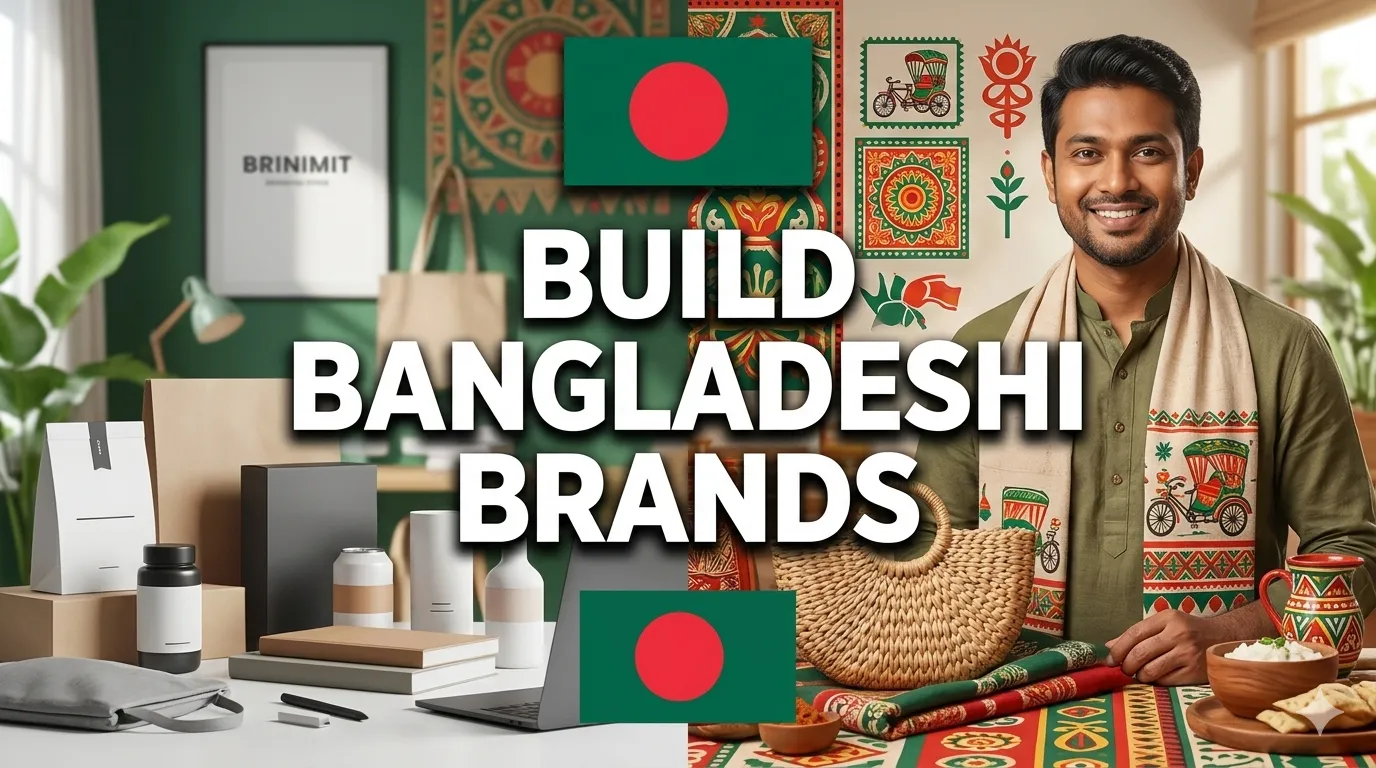
The Case for Authentic Bangladeshi Branding in a Globalized World
In an era of globalization, it's tempting for Bangladeshi entrepreneurs to look outward for inspiration. We see successful foreign brands—Apple's minimalist design, Nike's aspirational messaging, Starbucks' experiential retail—and wonder: why not replicate what works? The answer is both simple and profound: because copying foreign brands doesn't build lasting value for Bangladesh, and it rarely creates the authentic connection that drives real brand loyalty.
Building a truly Bangladeshi brand isn't about rejecting global best practices. It's about adapting them through the lens of local culture, values, and consumer needs. It's about recognizing that Bangladesh's unique heritage, challenges, and aspirations aren't obstacles to overcome—they're competitive advantages to leverage.
This comprehensive guide explores why imitating foreign brands often backfires for Bangladeshi businesses, and provides a practical framework for building authentic brands that resonate with local consumers while standing out in global markets. Whether you're launching a startup, rebranding an existing business, or simply curious about the future of Bangladeshi commerce, you'll find actionable insights to help you build a brand that's proudly, powerfully Bangladeshi.
Why Copying Foreign Brands Rarely Works in Bangladesh
The Cultural Mismatch Problem
Foreign brands succeed in their home markets because they're built on deep cultural understanding. When Bangladeshi businesses copy these brands without adapting to local context, several problems emerge:
Values misalignment: Western brands often emphasize individualism, personal achievement, and self-expression. Bangladeshi culture, by contrast, places higher value on community, family, respect for elders, and collective well-being. A brand message that celebrates "standing out from the crowd" may resonate in California but feel alienating in Comilla.
Communication style differences: Direct, assertive marketing that works in the US or Europe can come across as aggressive or disrespectful in Bangladesh, where indirect communication and relationship-building are often preferred. Copying foreign advertising copy without cultural adaptation risks alienating your target audience.
Aesthetic preferences: Minimalist design, muted color palettes, and understated branding—popular in many Western markets—may not connect with Bangladeshi consumers who often appreciate vibrant colors, intricate patterns, and expressive visual storytelling rooted in local artistic traditions.
The Authenticity Gap
Consumers are increasingly sophisticated at detecting inauthenticity. When a Bangladeshi brand clearly mimics a foreign competitor, several negative perceptions can arise:
- Lack of originality: Customers may view the brand as derivative rather than innovative
- Questionable quality: If the branding feels copied, consumers may assume the product is too
- Weak emotional connection: Authentic brands build loyalty through shared values; copied brands struggle to create genuine affinity
- Vulnerability to competition: If your brand is defined by imitation, what happens when the original brand enters your market?
Research insight: A 2025 study by the Bangladesh Brand Forum found that 73% of Bangladeshi consumers prefer brands that reflect local culture and values, even if they cost slightly more than foreign-style alternatives.
Missing Local Market Nuances
Bangladesh has unique market dynamics that foreign brand templates don't address:
Price sensitivity: While premium positioning works for some segments, most Bangladeshi consumers prioritize value. Copying luxury foreign branding without delivering corresponding value creates disappointment.
Distribution realities: Bangladesh's retail landscape—dominated by small shops, informal markets, and emerging e-commerce—requires different packaging, messaging, and customer engagement strategies than Western markets.
Trust building: In Bangladesh, trust is often built through personal relationships, community endorsements, and visible local presence—not just through polished advertising. Foreign-style branding that emphasizes slick production over authentic connection may miss the mark.
The Power of Bangladeshi Identity in Branding
Cultural Assets as Competitive Advantages
Bangladesh isn't lacking in brand-building material—it's overflowing with it. The key is recognizing and leveraging these unique assets:
Rich artistic heritage: From Nakshi Kantha embroidery and Jamdani weaving to terracotta temple art and folk music, Bangladesh offers a visual and sensory vocabulary that's instantly recognizable and deeply meaningful. Brands that incorporate these elements thoughtfully create distinctive identities that foreign competitors can't replicate.
Storytelling tradition: Bangladesh has a powerful oral and literary tradition. Brands that tell authentic stories—about their founders, their communities, their craft—connect emotionally in ways that generic marketing copy cannot.
Community orientation: Bangladeshi culture emphasizes collective well-being. Brands that demonstrate genuine commitment to community development, environmental stewardship, or social causes build trust and loyalty that transactional foreign-style branding struggles to match.
Resilience and innovation: The Bangladeshi spirit of adapting to challenges—whether flooding, resource constraints, or economic shifts—is a powerful brand narrative. Consumers respect brands that reflect their own perseverance and creativity.
Local Insights Drive Better Decisions
Building a Bangladeshi brand means leveraging intimate knowledge of local consumers:
Language nuance: Bangla is rich with idioms, proverbs, and emotional resonance that English translations often miss. Brands that communicate authentically in Bangla—or thoughtfully blend Bangla and English—create stronger connections than those relying on translated foreign copy.
Seasonal and cultural calendars: Bangladesh's festivals (Pohela Boishakh, Eid, Durga Puja), agricultural cycles, and climate patterns create natural opportunities for relevant marketing that foreign templates don't anticipate.
Regional diversity: Bangladesh isn't monolithic. Brands that acknowledge and celebrate regional differences—between Dhaka and Chittagong, urban and rural, different ethnic communities—build broader appeal than one-size-fits-all approaches.
Case Studies: Bangladeshi Brands That Got It Right
Aarong: Celebrating Craft, Building Community
Background: Aarong, founded by BRAC, started as a small initiative to support rural artisans and grew into Bangladesh's most recognized lifestyle brand.
What they did right:
- Rooted in local craft: Aarong's products showcase traditional Bangladeshi textiles, jewelry, and handicrafts, preserving cultural heritage while creating economic opportunity
- Authentic storytelling: Marketing emphasizes artisan stories, craft techniques, and community impact—not just product features
- Modern presentation: While honoring tradition, Aarong presents products in contemporary, accessible ways that appeal to urban and international customers
- Values-driven positioning: The brand's commitment to fair wages, women's empowerment, and rural development resonates with conscious consumers
Result: Aarong has built enduring loyalty among Bangladeshi consumers while gaining international recognition—proof that authentic local branding can scale globally.
Pran: Understanding Local Needs at Scale
Background: Pran-RFL Group started as a small fruit processing unit and grew into one of Bangladesh's largest food and beverage companies.
What they did right:
- Local taste preferences: Pran developed products specifically for Bangladeshi palates—mango drinks, spicy snacks, affordable dairy—rather than copying foreign formulas
- Accessible pricing: Products are priced for mass market affordability without sacrificing quality
- Ubiquitous distribution: Understanding Bangladesh's retail landscape, Pran built distribution networks reaching even remote villages
- Relatable marketing: Advertising features Bangladeshi families, festivals, and everyday moments—not imported imagery
Result: Pran dominates the Bangladeshi food and beverage market and successfully exports to over 130 countries—demonstrating that locally-rooted brands can compete globally.
Chorki: Digital Storytelling with Bangladeshi Soul
Background: Chorki, Bangladesh's first local streaming platform, launched to compete with global giants like Netflix and Amazon Prime.
What they did right:
- Local content focus: Instead of licensing foreign shows, Chorki invested in original Bangladeshi dramas, films, and documentaries
- Cultural relevance: Stories reflect Bangladeshi social issues, relationships, humor, and aspirations—creating deeper viewer connection
- Affordable access: Pricing and payment options designed for Bangladeshi consumers, including mobile wallet integration
- Community engagement: Marketing leverages local influencers, social media trends, and cultural moments
Result: Chorki has built a loyal subscriber base and proven that Bangladeshi audiences prefer locally-made content when it's high-quality and culturally resonant.
A Framework for Building Truly Bangladeshi Brands
Step 1: Start with Cultural Discovery
Before designing logos or writing taglines, invest time in understanding the cultural context your brand will inhabit:
Conduct cultural research:
- Interview potential customers about their values, aspirations, and pain points
- Study local art, literature, music, and media for aesthetic and narrative inspiration
- Observe how people actually use products in their daily lives—not just how marketers think they should
- Engage with community leaders, artisans, and cultural experts for authentic insights
Identify cultural tensions: What contradictions or challenges do Bangladeshi consumers navigate? (e.g., tradition vs. modernity, aspiration vs. affordability, individual ambition vs. family obligation). Brands that acknowledge and help resolve these tensions create powerful relevance.
Define your cultural contribution: Beyond selling products, what value does your brand add to Bangladeshi culture? Preserving craft? Creating jobs? Amplifying local voices? Solving local problems? Clarity here guides authentic brand decisions.
Step 2: Develop a Distinctive Brand Identity
With cultural insights in hand, craft a brand identity that's unmistakably Bangladeshi yet professionally executed:
Visual identity:
- Draw inspiration from local art forms, architecture, textiles, or nature—but reinterpret them for contemporary audiences
- Use colors that resonate culturally (e.g., green for prosperity, red for energy) while maintaining modern design principles
- Ensure typography works beautifully in both Bangla and English scripts
- Test visual concepts with target customers to ensure they evoke intended emotions
Verbal identity:
- Develop a brand voice that reflects Bangladeshi communication styles—warm, respectful, perhaps poetic—while remaining clear and professional
- Craft messaging in Bangla first, then adapt for English audiences, rather than translating foreign copy
- Use local idioms, proverbs, or references thoughtfully—not as gimmicks but as authentic expressions
- Ensure tone matches brand values: humble yet confident, traditional yet innovative
Brand story:
- Anchor your narrative in real Bangladeshi experiences: why you started, who you serve, what change you seek
- Highlight local ingredients, craftsmanship, or community partnerships as points of pride
- Be honest about challenges—Bangladeshi consumers respect authenticity over perfection
- Connect your brand story to broader Bangladeshi aspirations: progress, dignity, opportunity
Step 3: Design Products and Experiences for Local Reality
A beautiful brand means little if the product or service doesn't deliver value in the Bangladeshi context:
Product adaptation:
- Formulate products for local preferences: taste, texture, size, packaging
- Price for accessibility while maintaining quality and sustainability
- Design packaging for Bangladesh's climate (humidity, heat) and retail environments (small shops, informal markets)
- Ensure instructions, labels, and customer support work in Bangla
Customer experience:
- Design purchase journeys that accommodate local payment preferences (cash, mobile wallets, bKash)
- Provide customer service through channels Bangladeshi consumers actually use (phone, WhatsApp, Facebook)
- Build trust through transparency, guarantees, and community endorsements
- Create post-purchase engagement that feels personal, not automated
Distribution strategy:
- Map how your target customers actually shop: local markets, neighborhood stores, social commerce, e-commerce platforms
- Partner with existing retail networks rather than assuming Western-style distribution will work
- Consider last-mile challenges: transportation, storage, electricity reliability
- Test distribution models in one region before scaling nationally
Step 4: Communicate with Cultural Intelligence
Marketing a Bangladeshi brand requires more than translating foreign campaigns:
Channel selection:
- Prioritize platforms where Bangladeshi consumers actually spend time: Facebook, YouTube, WhatsApp, local news sites
- Don't ignore traditional channels: radio, local events, community gatherings still drive awareness in many segments
- Test emerging channels: TikTok, influencer partnerships, community groups
Content strategy:
- Create content that educates, entertains, or inspires—not just sells
- Feature real Bangladeshi customers, employees, and community members
- Align content with cultural moments: festivals, seasons, national events
- Use storytelling formats that resonate locally: testimonials, behind-the-scenes, artisan profiles
Influencer and partnership strategy:
- Partner with creators who authentically represent your brand values—not just those with large followings
- Collaborate with local organizations, NGOs, or community groups for credibility and reach
- Support Bangladeshi artists, musicians, or writers whose work aligns with your brand
Step 5: Build for Long-Term Cultural Impact
The most enduring Bangladeshi brands think beyond quarterly sales:
Community investment:
- Support local causes aligned with your brand values: education, environment, women's empowerment
- Create economic opportunities: fair wages, skills training, supplier development
- Amplify local voices: platform community stories, concerns, and aspirations
Cultural preservation:
- Document and celebrate traditional crafts, techniques, or knowledge your brand utilizes
- Invest in training the next generation of artisans, farmers, or craftspeople
- Share cultural knowledge with customers to deepen appreciation and connection
Adaptive innovation:
- Stay attuned to how Bangladeshi culture and consumer needs evolve
- Experiment with new products, messages, or channels while staying true to core values
- Learn from customer feedback and community input to refine your approach
Common Mistakes to Avoid When Building Bangladeshi Brands
Mistake 1: Tokenizing Culture
The problem: Slapping a paisley pattern or using a Bangla word in your logo doesn't make your brand authentically Bangladeshi. Superficial cultural references without genuine understanding feel exploitative.
The fix: Engage deeply with cultural elements. Work with local artists, historians, or community members. Ensure cultural references serve the brand story and respect their origins.
Mistake 2: Assuming "Local" Means "Low Quality"
The problem: Some brands underinvest in design, packaging, or customer experience because they assume Bangladeshi consumers won't value or pay for quality.
The fix: Bangladeshi consumers increasingly expect and deserve high-quality products and experiences. Invest in professional design, rigorous quality control, and excellent service—delivered with local authenticity.
Mistake 3: Ignoring Regional Diversity
The problem: Treating "Bangladesh" as a monolithic market overlooks significant differences between regions, languages, and communities.
The fix: Research regional variations in preferences, communication styles, and purchasing behaviors. Adapt messaging, product offerings, or distribution strategies accordingly while maintaining brand consistency.
Mistake 4: Over-Promising on Social Impact
The problem: Claiming to empower communities or preserve culture without delivering tangible impact damages credibility.
The fix: Be specific and transparent about your social or cultural contributions. Share measurable outcomes, challenges, and lessons learned. Let actions speak louder than marketing claims.
Mistake 5: Copying Competitors Instead of Innovating
The problem: Seeing a successful local brand and replicating their approach rather than finding your own authentic path.
The fix: Study successful brands for inspiration, not imitation. Focus on your unique strengths, perspective, and value proposition. Differentiation through authenticity beats competition through copying.
Practical Tools for Bangladeshi Brand Builders
Cultural Brand Audit Checklist
Use this framework to evaluate your brand's cultural authenticity:
Visual identity:
- Do design elements reflect Bangladeshi aesthetics thoughtfully, not stereotypically?
- Does typography work beautifully in Bangla script?
- Would local customers recognize and appreciate the visual style?
Messaging:
- Is core messaging written in Bangla first, then adapted?
- Does tone match Bangladeshi communication preferences?
- Are cultural references authentic and respectful?
Product experience:
- Does the product solve a real Bangladeshi need or desire?
- Is pricing accessible while maintaining quality?
- Does packaging work for local retail and climate conditions?
Customer engagement:
- Do you engage customers through channels they actually use?
- Is customer service delivered in Bangla with cultural sensitivity?
- Do you listen to and act on local customer feedback?
Local Insight Gathering Methods
Community immersion: Spend time in the neighborhoods, markets, or communities you serve. Observe, listen, and learn without an agenda.
Cultural interviews: Talk to elders, artisans, community leaders, and young consumers about their values, aspirations, and brand preferences.
Co-creation workshops: Invite potential customers to help design products, messaging, or experiences. Their input ensures relevance and builds early advocacy.
Social listening: Monitor Bangladeshi social media, forums, and review sites to understand authentic conversations about your category.
Authenticity Testing Framework
Before launching brand elements, test them with target customers:
Ask:
- "Does this feel authentically Bangladeshi to you? Why or why not?"
- "What emotions does this brand evoke?"
- "Would you trust this brand with your money? Why?"
- "What would make this brand more relevant to your life?"
Listen for: Specific cultural references, emotional resonance, trust indicators, and practical suggestions—not just generic praise or criticism.
The Global Opportunity in Local Authenticity
Why Bangladeshi Brands Can Compete Worldwide
Building a truly Bangladeshi brand isn't just about succeeding locally—it's about creating unique value for global markets:
Differentiation: In crowded global markets, authenticity stands out. A brand rooted in Bangladeshi culture offers something foreign competitors can't replicate.
Story appeal: International consumers increasingly seek products with meaningful stories. Bangladeshi craft, heritage, and social impact narratives resonate globally.
Quality perception: When Bangladeshi brands deliver high quality with authentic positioning, they challenge stereotypes and build premium positioning.
Diaspora connection: The global Bangladeshi diaspora represents a loyal, engaged market for authentic homegrown brands.
Examples of Global Success Through Local Roots
Aarong's international presence: By staying true to Bangladeshi craft while meeting global quality and design standards, Aarong has built demand in international markets.
Pran's export growth: Understanding Bangladeshi taste preferences helped Pran develop products that also appeal to South Asian diaspora communities worldwide.
Emerging D2C brands: New Bangladeshi brands in beauty, fashion, and food are leveraging local ingredients and stories to attract global conscious consumers.
Conclusion: Your Brand, Your Bangladesh
Building a truly Bangladeshi brand isn't about rejecting global business practices or isolating from international markets. It's about recognizing that Bangladesh's culture, values, and consumer insights aren't limitations—they're your greatest strategic assets.
When you build authentically: You create deeper customer connections, stronger competitive differentiation, and more sustainable business models. You contribute to preserving and evolving Bangladeshi culture while creating economic opportunity. And you position your brand to resonate not just locally, but globally.
The path forward: Start with curiosity about your customers and culture. Invest in understanding before executing. Test assumptions with real people. Iterate based on feedback. Stay true to your values while adapting to changing needs.
Remember: Every iconic global brand started with local roots. Apple began in a California garage. Toyota started in a Japanese loom factory. Your Bangladeshi brand can follow a similar path: deeply local in origin, universally compelling in value.
The world doesn't need another copy. It needs your authentic perspective, your local insights, your Bangladeshi soul. Build that brand. Share that story. Create that value.
Bangladesh's next great brands are being built today. Make yours one of them.