

10 Aesthetic Hobby Room Ideas for Small Apartments
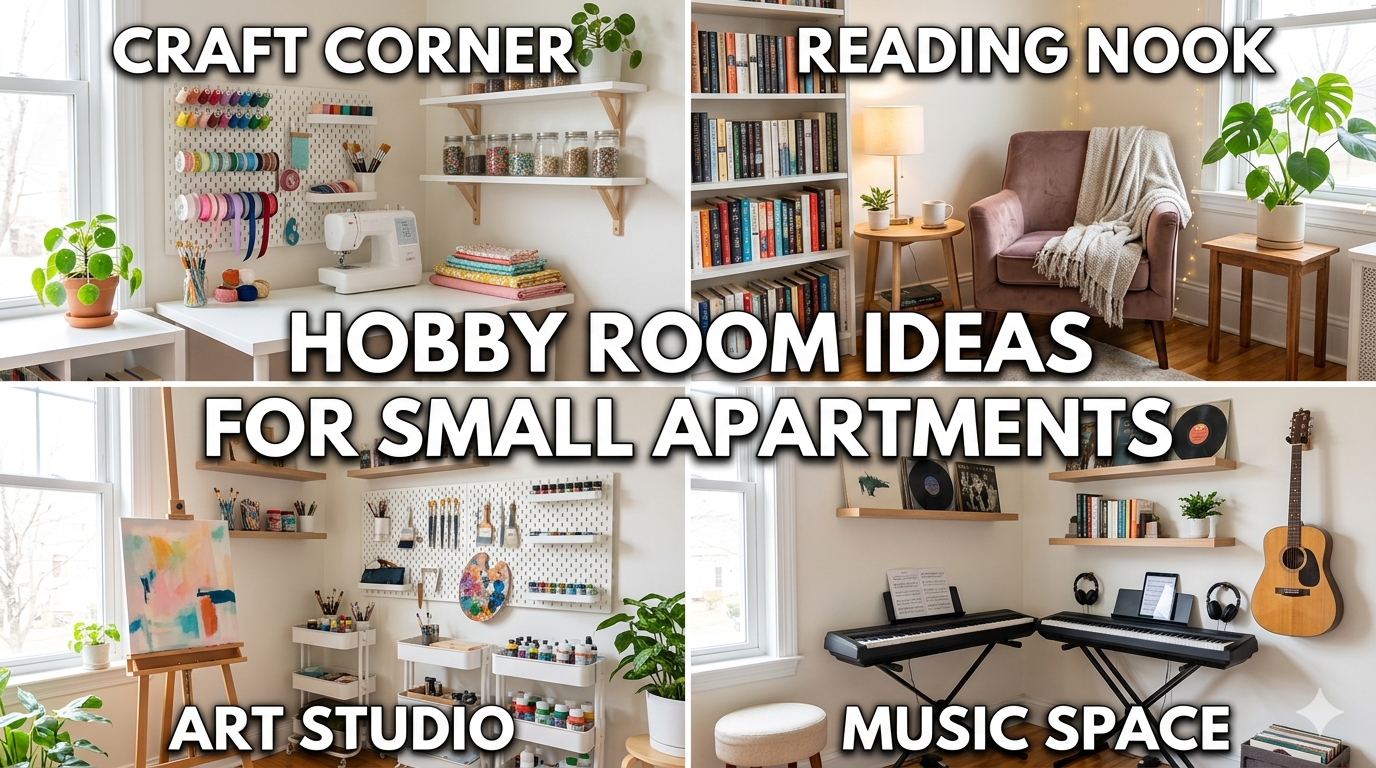
Transforming Limited Space into Creative Sanctuary
Living in a small apartment doesn't mean you have to sacrifice your hobbies or creative pursuits. In fact, some of the most inspiring and functional hobby spaces emerge from the constraints of compact living. The key lies in thoughtful design, strategic organization, and aesthetic choices that make your hobby area feel intentional rather than cramped.
The concept of a dedicated "hobby room" might seem like a luxury reserved for spacious homes, but with the right approach, even the smallest apartment can accommodate a beautiful, functional space for your passions. Whether you're into crafting, painting, reading, playing music, or any other creative pursuit, creating a designated area for your hobby can significantly enhance your enjoyment and productivity.
This comprehensive guide explores ten aesthetic hobby room ideas specifically designed for small apartment living. Each concept maximizes limited square footage while creating visually pleasing environments that inspire creativity. From Murphy desk setups to vertical storage solutions, from convertible furniture to clever corner utilization, these ideas prove that small spaces can be both beautiful and highly functional.
The beauty of small-space hobby rooms lies in their efficiency and intentionality. Every element serves a purpose, every inch is considered, and the result is often more cohesive and inspiring than sprawling rooms filled with unnecessary items. By embracing constraints and thinking creatively about space, you can design a hobby area that not only fits your apartment but elevates your entire living experience.
1. The Murphy Desk Craft Corner
The Murphy desk represents the pinnacle of small-space ingenuity, offering a full workspace that disappears when not in use. This wall-mounted folding desk system allows you to transform any wall into a functional craft or hobby station that folds flat against the wall when you're done, freeing up valuable floor space.
Design and Installation
Modern Murphy desks come in various styles, from minimalist white panels that blend seamlessly with walls to rustic wood designs that add character to your space. The installation typically requires mounting to wall studs for stability, though some lighter models can work with heavy-duty anchors. The desk surface folds down to reveal a workspace, often with built-in shelving, cork boards, or pegboard sections above for organizing supplies.
When choosing a Murphy desk, consider the depth when folded down (typically 20-24 inches for comfortable work), the height that works for your body, and the weight capacity if you'll be using heavy equipment like sewing machines. Some models include additional features like fold-out side tables, integrated lighting, or hidden storage compartments.
Maximizing the Space
The area above and around your Murphy desk becomes prime real estate for organization. Install floating shelves for frequently used supplies, use magnetic strips for scissors and metal tools, and add small baskets or bins for categorizing materials. A pegboard system above the desk allows you to hang tools and supplies visibly while keeping them off your work surface.
Consider the wall space beside your Murphy desk as well. A narrow rolling cart can slide beside the desk when in use, providing additional surface area and storage, then tuck away neatly when the desk is folded up. This creates a modular system that expands and contracts with your needs.
Aesthetic Considerations
To make your Murphy desk corner truly aesthetic, coordinate the finish with your apartment's existing decor. Paint the surrounding wall in a complementary color or add wallpaper to create a focal point. String lights or a small pendant lamp above the desk add ambiance, while a small plant or two brings life to the space. When the desk is folded up, the area should look intentional and decorative, not like a compromised workspace.
2. The Closet Conversion Studio
Your apartment's underutilized closet holds incredible potential as a dedicated hobby space. By removing the doors and reimagining the interior, you can create a compact studio that closes away completely when not in use, maintaining your apartment's aesthetic while providing serious functionality.
Closet Preparation and Design
Start by clearing out the closet completely and assessing the space. Standard coat closets are typically 24 inches deep and 3-6 feet wide, providing surprising utility. Remove the existing rod and shelves, then design a custom interior based on your specific hobby needs. For crafters, this might mean installing a fold-down desk at standard height (28-30 inches) with shelving above for supplies. Artists might prefer vertical storage for canvases and a narrow work surface. Musicians could use the space for instrument storage with a small practice area.
Install adequate lighting, as most closets are poorly lit. LED strip lights under shelves or a small battery-operated puck light can provide excellent illumination without requiring electrical work. If possible, add a small battery-operated motion sensor so lights turn on automatically when you open the closet.
Door Solutions
You have several options for the closet opening. Leaving it open creates an always-accessible workspace but requires meticulous organization to maintain aesthetics. Installing sliding barn doors adds character and can be decorated to match your style. Curtain rods with attractive fabric panels offer a soft, budget-friendly solution that's easy to change. Bi-fold doors painted in an accent color can make the closet a design feature rather than something to hide.
Interior Organization
Maximize every inch with strategic organization. Use the inside of doors for additional storage with over-door organizers, pegboards, or magnetic strips. Install shelving all the way to the ceiling, using the upper shelves for less frequently used items. Rolling carts that fit inside the closet can be pulled out when working, then stored away. Clear bins and labeled containers keep supplies visible and accessible while maintaining order.
3. The Window Nook Creative Space
Window nooks offer natural light, inspiring views, and usually underutilized space that's perfect for a hobby area. Whether you have a bay window, a deep windowsill, or just a pleasant view, transforming this area into a creative space makes excellent use of otherwise wasted square footage.
Creating the Foundation
If your window has a deep sill or bay window area, you can build or purchase a custom bench or desk that fits the space. For standard windows, consider building a platform that extends from the wall, creating a window seat with storage underneath. This platform can serve as both seating and a surface for your hobby activities.
The depth should be at least 24 inches for comfortable seating with space to work, though 30-36 inches is ideal if space allows. The height should be standard seat height (17-19 inches) or desk height (28-30 inches) depending on your primary use. Build in storage underneath with lift-up lids or drawers to maximize functionality.
Lighting and Comfort
Natural light is the window nook's greatest asset, but you'll need solutions for evening use and glare control. Install adjustable window treatments like Roman shades or cellular shades that provide privacy and light control while maintaining a clean aesthetic. Add task lighting with an adjustable desk lamp or wall-mounted reading light that doesn't take up surface space.
Comfort is crucial for a space where you'll spend extended periods. Invest in quality cushions with removable, washable covers. Add throw pillows for back support and a small throw blanket for cozy evenings. If the window area gets cold in winter, consider installing a small space heater or heated seat cushion.
Storage Solutions
Flank the window with tall, narrow bookcases or shelving units that don't block light but provide ample storage. Floating shelves on the walls beside the window keep the floor clear while offering display and storage space. Use attractive baskets and bins on shelves to corral supplies while maintaining the aesthetic. A small rolling cart can tuck beside the nook when not in use, then pull close when you're working.
4. The Vertical Wall Studio
When floor space is at a premium, look up. Vertical wall studios utilize wall space from floor to ceiling, creating a functional hobby area that occupies minimal square footage while maximizing storage and work surfaces.
Pegboard Systems
Pegboard has evolved far beyond the garage workshop aesthetic. Modern pegboard systems come in various colors and finishes, from natural wood to sleek white or bold colors that make a design statement. Cover an entire wall or a significant section with pegboard, then customize with hooks, shelves, baskets, and accessories designed for your specific hobby.
The beauty of pegboard is its flexibility. As your hobby evolves or your needs change, you can rearrange components without damaging walls. Use it to hang tools, display supplies in clear containers, mount small shelves for frequently used items, and even attach a fold-down work surface. Add LED strip lighting along the top or behind the pegboard for ambient illumination that also highlights your organized supplies.
Floating Shelf Systems
Install floating shelves in a strategic pattern that creates both display and storage space. Stagger shelves at different heights to accommodate various items and create visual interest. Use the lower shelves for everyday supplies, middle shelves for works-in-progress, and upper shelves for inspiration items, finished projects, or less frequently used materials.
Combine floating shelves with other wall-mounted elements like magnetic strips for metal tools, wire baskets for bulkier items, and clipboards or cork boards for patterns and inspiration. A wall-mounted folding table or drop-leaf desk can provide a work surface that folds flat when not needed.
Corner Utilization
Corners are often wasted space, but they're perfect for vertical studios. Install corner shelving units that wrap around the corner, maximizing storage in an otherwise awkward space. Corner desks designed for small spaces can provide a surprising amount of work surface while occupying minimal floor space. Add a tall, narrow corner cabinet for concealed storage of supplies that don't need to be visible.
5. The Convertible Coffee Table Workshop
For studio apartments or living rooms that serve multiple functions, a convertible coffee table with built-in hobby storage and work surface offers an elegant solution. This piece serves as regular furniture when not in use, then transforms into a functional workspace when needed.
Choosing or Building the Right Table
Lift-top coffee tables have become increasingly popular and sophisticated. These tables feature a hinged top that lifts and slides forward, creating a raised work surface at comfortable height while revealing storage underneath. Look for models with adequate depth (at least 20 inches) and a smooth, sturdy lifting mechanism.
For a more customized solution, consider having a table built to your specifications. Include divided storage compartments sized for your specific supplies, built-in charging ports for devices, and a top that lifts to the perfect height for your work. Add casters to make the table easy to move when you need floor space for larger projects.
Maximizing Functionality
The storage inside your convertible table should be highly organized with dividers, small bins, and compartments. Use clear containers so you can see supplies at a glance. Include a small task light that can be stored inside and plugged in when the table is in use. A power strip mounted inside allows you to charge devices or power tools without visible cords.
When the table is in its regular coffee table configuration, style the top attractively with books, a small plant, or decorative objects that don't interfere with its function. This maintains your living space's aesthetic while hiding your hobby supplies in plain sight.
Portable Additions
Pair your convertible coffee table with a rolling cart or caddy that can be tucked beside a sofa or in a closet when not in use. This cart holds additional supplies and can be pulled close when you're working, then stored away to maintain clear floor space. Look for carts with multiple tiers and locking wheels for stability.
6. The Bedroom Corner Atelier
Your bedroom, often the most private and peaceful space in a small apartment, can accommodate a small but highly functional hobby corner. This is particularly effective for quiet hobbies like journaling, sketching, reading, or detailed craft work.
Space Selection and Setup
Identify an underutilized corner of your bedroom, perhaps beside a dresser, at the foot of your bed, or in an alcove. A compact writing desk or small table (as narrow as 24 inches wide) can fit in surprisingly small spaces. Choose a design with drawers or shelving for storage, or pair a simple table with a rolling cart or wall-mounted storage.
If floor space is truly limited, consider a wall-mounted folding desk that can be used in the bedroom. When folded up, it takes up minimal visual space and can be decorated or styled to blend with your bedroom decor. Some models include a cork board or chalkboard surface that's visible even when the desk is folded up, serving as both decoration and functional space for notes or inspiration.
Maintaining Sleep Sanctuary
It's important that your hobby corner doesn't disrupt the bedroom's primary function as a restful retreat. Choose a desk and storage solutions in colors and materials that complement your bedroom's aesthetic. Keep the area tidy and organized, as visual clutter can interfere with relaxation.
Install task lighting that's focused on your work area and doesn't cast light across your sleeping space. A small, adjustable desk lamp with a warm bulb is ideal. If you work late, consider a lamp with dimming capabilities or a color temperature that won't disrupt your circadian rhythm.
Storage Integration
Use attractive storage solutions that double as decor. Baskets under the desk, pretty boxes on shelves, or a small cabinet that matches your bedroom furniture keeps supplies organized and out of sight. If your hobby involves materials that aren't particularly aesthetic, store them in opaque containers or a small armoire that can be closed when not in use.
7. The Balcony or Patio Creative Retreat
If your apartment includes outdoor space, even a small balcony or patio can become an inspiring hobby area. Fresh air and natural surroundings can enhance creativity, and keeping your hobby space separate from your living area helps maintain boundaries between work and relaxation.
Weather-Resistant Design
Choose furniture and storage solutions designed for outdoor use. Look for weather-resistant materials like teak, powder-coated metal, or all-weather wicker. A small bistro table and chair set can serve as a work surface, or invest in a compact outdoor desk designed for balconies.
For storage, use outdoor-rated cabinets or weatherproof storage boxes that can hold supplies. If your balcony is covered, you have more flexibility with materials. For exposed balconies, ensure everything can withstand sun, rain, and temperature fluctuations, or be prepared to bring sensitive items inside.
Creating Comfort and Privacy
Make your outdoor hobby space inviting with outdoor rugs, weather-resistant cushions, and string lights or lanterns for evening use. Add plants to create a more private, garden-like atmosphere that inspires creativity. Vertical planters or hanging baskets maximize greenery without using valuable floor space.
Consider privacy screens or outdoor curtains if your balcony overlooks neighbors or a busy street. These can be drawn when you want privacy and opened when you want to enjoy the view. A small outdoor umbrella provides shade and defines your workspace.
Seasonal Considerations
Depending on your climate, your outdoor hobby space might be seasonal. Plan for easy transition by using lightweight furniture that can be moved inside during harsh weather, or invest in protective covers. Store supplies inside year-round, bringing them out only when you're actively working outdoors.
8. The Under-Stair Storage Studio
If your apartment has stairs, the often-wasted space underneath can be transformed into a surprisingly functional hobby area. This hidden space is perfect for containing hobby clutter while providing a dedicated workspace.
Assessing the Space
Under-stair spaces vary greatly in size and configuration. Measure carefully, noting the height at different points, the depth, and any obstacles like support beams or electrical panels. Even a small nook can accommodate a fold-down desk and some shelving, while larger spaces might fit a full workstation.
Consider whether you can modify the space or if you need non-permanent solutions. Renters might need to work within existing parameters, while homeowners could potentially remove drywall or add windows for natural light.
Design Solutions
For smaller under-stair spaces, install a custom fold-down desk that fits the angled ceiling. Add shelving on the walls for supplies, and use the deepest part of the space for a rolling chair that can be tucked in when not in use. Install LED lighting to brighten what's naturally a dark space.
Larger under-stair areas can accommodate built-in desks, cabinets, and even a small reading nook. Consider adding a door or curtain to close off the space when not in use, maintaining your apartment's aesthetic and containing any hobby-related clutter.
Maximizing Functionality
Use every inch with custom or modular storage solutions. Install shelving that follows the angle of the stairs, use the deepest parts for filing cabinets or supply storage, and keep the area where you sit well-lit and comfortable. Add a small fan or ensure adequate ventilation if the space is enclosed.
9. The Kitchen Counter Command Center
For hobbies that don't require extensive setup or large supplies, a dedicated section of kitchen counter can serve as a functional and aesthetic hobby space. This works particularly well for journaling, planning, small crafts, or digital creative work.
Creating the Zone
Identify a section of counter that's not essential for food preparation, perhaps at the end of a run of cabinets or in a breakfast nook area. Clear this section completely, then designate it as your hobby zone. Use a attractive desk organizer, decorative boxes, or a small rolling cart beside the counter to store supplies.
Install a wall-mounted shelf or cabinet above this counter section specifically for hobby supplies. This keeps them accessible but separate from kitchen items. Use attractive containers that complement your kitchen decor, so the space looks intentional rather than like a compromise.
Maintaining Boundaries
The key to making a kitchen counter hobby space work is strict organization and boundaries. Never allow hobby supplies to spill into food preparation areas. Clean your workspace thoroughly after each use. Use a cutting board or decorative mat that can be set out when working and stored away when done, clearly defining the hobby zone.
Choose supplies and storage solutions that are kitchen-appropriate in terms of aesthetics and cleanliness. Avoid materials that shed, create dust, or could contaminate food preparation areas.
10. The Murphy Bed Multi-Use Room
If you have a spare room or even a large alcove, installing a Murphy bed transforms it from a single-purpose guest room into a daily hobby space that can accommodate overnight visitors when needed.
Designing the Dual-Purpose Space
When the bed is folded up, the room functions entirely as your hobby space. Install a proper desk, ample storage, and comfortable seating. Arrange furniture so there's clear floor space for your activities. When guests stay over, the bed folds down, and you can quickly clear the desk or work around it.
Modern Murphy bed systems often include built-in desks, shelving, and storage that remain accessible whether the bed is up or down. Some models feature a desk that stays level when the bed folds down, allowing you to leave your work set up. Others include sofas that remain usable with the bed down.
Storage Strategy
Maximize storage with built-in cabinets and shelves that surround the Murphy bed. Use attractive bins and boxes to corral supplies, making it easy to clear surfaces quickly when the bed needs to come down. Install plenty of vertical storage so supplies can be stored up and out of the way.
Essential Design Principles for Small Hobby Spaces
Lighting Matters
Good lighting is non-negotiable for any hobby space. Layer your lighting with ambient, task, and accent sources. LED strip lights under shelves, adjustable desk lamps, and overhead lighting with dimming capabilities provide flexibility for different tasks and times of day.
Color and Visual Space
Light, neutral colors make small spaces feel larger and brighter. Use white, cream, or light gray as your base, then add pops of color through accessories, supplies, or an accent wall. Mirrors strategically placed can double the visual space and reflect natural light.
Organization Systems
Every small hobby space needs a robust organization system. Use clear containers so you can see supplies, label everything, and develop a place for every item. Regular decluttering prevents small spaces from becoming overwhelming.
How can I create a hobby space in a studio apartment?
Studio apartments require creative solutions like Murphy desks, convertible furniture, and room dividers. Use vertical space extensively with wall-mounted storage and pegboards. Create visual separation with bookcases, curtains, or screens to define your hobby zone. Choose furniture that serves multiple purposes, like an ottoman with storage or a coffee table that lifts to desk height.
What's the best way to hide hobby supplies in a small space?
Use attractive storage solutions that double as decor, like woven baskets, decorative boxes, or cabinets that match your furniture. Store supplies in closets with organizers, under furniture in rolling bins, or in ottomans with hidden storage. Keep only your most-used items visible in attractive containers, and store the rest out of sight.
How do I make a small hobby space feel inspiring rather than cramped?
Focus on good lighting, keep the space organized and clutter-free, and add personal touches like plants, artwork, or inspirational quotes. Use light colors and mirrors to create visual space. Ensure comfortable seating and adequate work surface. Most importantly, design the space specifically for your needs rather than trying to make it serve multiple conflicting purposes.
Can I have a hobby space without dedicating an entire room?
Absolutely. Many of the ideas in this guide, like Murphy desks, closet conversions, window nooks, and convertible furniture, create functional hobby spaces without requiring a dedicated room. The key is choosing solutions that fit your lifestyle and can be easily set up and put away as needed.
Conclusion: Your Creative Space Awaits
Small apartment living doesn't mean sacrificing your hobbies or creative pursuits. With thoughtful planning, strategic organization, and aesthetic choices that reflect your personal style, you can create a hobby space that inspires and functions beautifully within any footprint.
The ten ideas presented here prove that constraints breed creativity. Whether you choose a Murphy desk that disappears when not in use, transform an underutilized closet, or maximize vertical wall space, the result is a dedicated area for your passions that enhances rather than detracts from your living space.
Remember that the best hobby space is one that you'll actually use. Choose solutions that fit your specific hobby needs, your apartment's layout, and your lifestyle. Prioritize good lighting, comfortable seating, and adequate storage. Keep the space organized and inspiring with personal touches that motivate you to create.
Your hobby space doesn't need to be large to be meaningful. Some of the world's greatest creative works emerged from tiny studios and cramped corners. What matters is having a designated space that signals to your brain it's time to create, surrounded by the tools and inspiration you need to pursue your passions.
Start small, stay organized, and let your creativity flourish in whatever space you have. Your perfect hobby room is waiting to be created, one aesthetic choice at a time.


0 Comments