

2026 Climate Shifts: Choosing Seasonal Baby Gear
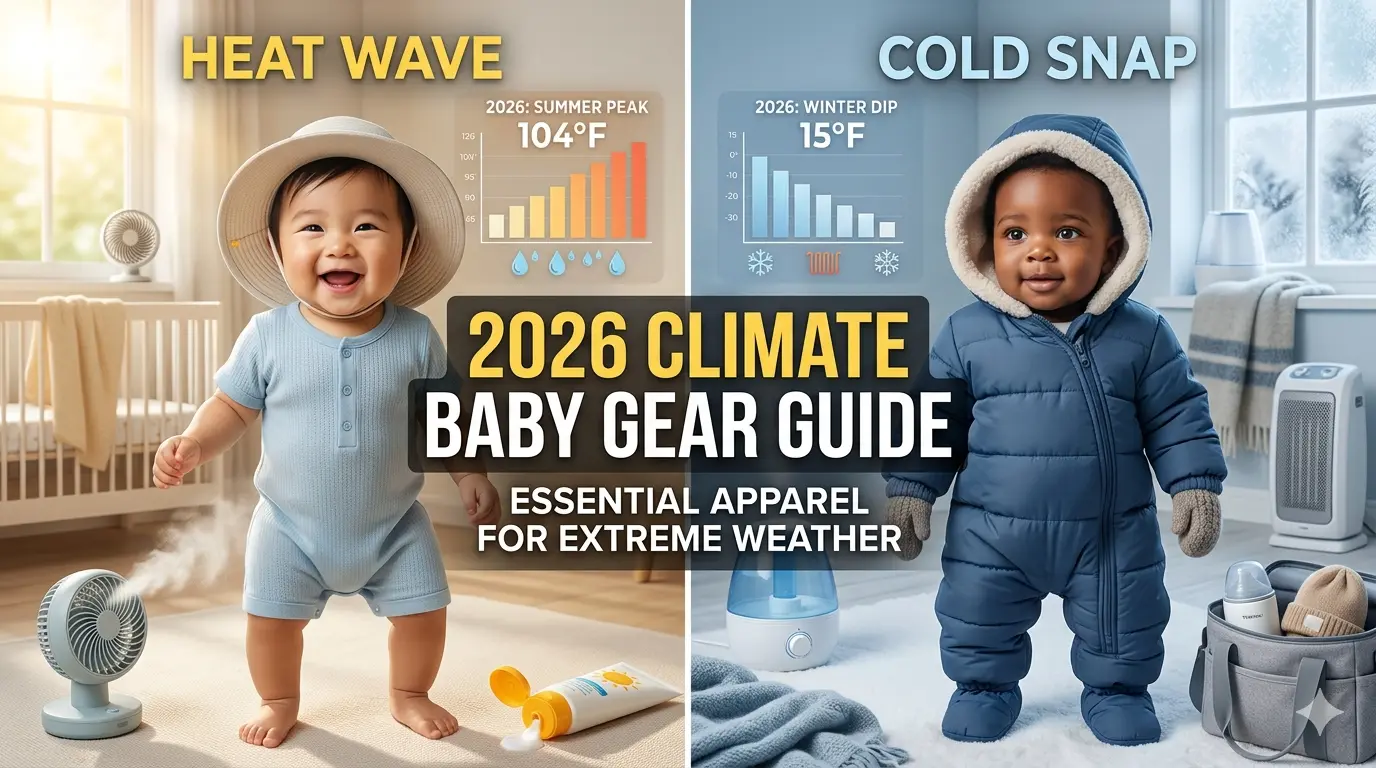
Parents in 2026 face an unprecedented challenge: selecting baby gear for a climate that's become increasingly unpredictable. Record-breaking heat waves, unexpected cold snaps, extended wildfire seasons, and intense storms are no longer anomalies—they're the new normal. For new and expecting parents, this reality transforms what was once a straightforward shopping list into a complex risk assessment: What does my baby actually need to stay safe and comfortable in a world of climate extremes?
The answer isn't simply "more stuff." It's smarter, more adaptive gear that accounts for temperature volatility, air quality concerns, and the reality that traditional seasonal boundaries have blurred. A baby born in what used to be "mild spring" might face 100°F+ temperatures one week and unseasonable cold the next. Parents need gear that's versatile, climate-resilient, and designed for the extremes their babies will actually face—not the averages of decades past.
This comprehensive guide delivers an evidence-based framework for choosing seasonal baby gear in the climate reality of 2026. You'll learn how shifting weather patterns affect baby gear needs, discover which products actually perform in temperature extremes, build a climate-adaptive gear list that prioritizes safety and versatility, and understand how to prepare for weather volatility without overspending on redundant items. Whether you're expecting your first child or expanding your family, you'll find practical, forward-thinking strategies to keep your baby safe, comfortable, and thriving—whatever the weather brings.
Understanding 2026's Climate Reality: What Parents Need to Know
Before selecting gear, it's essential to understand the climate context shaping your baby's first year. The data is clear: weather patterns have fundamentally shifted.
Key Climate Shifts Impacting Baby Care in 2026
| Climate Trend | Impact on Baby Care | Gear Implications |
|---|---|---|
| More frequent/intense heat waves | Babies at higher risk of heat stress, dehydration, and heat rash; traditional "summer" heat now extends into spring/fall | Need cooling gear, UV protection, breathable fabrics year-round; not just June-August |
| Unpredictable cold snaps | Sudden temperature drops catch parents off-guard; babies struggle with rapid temperature changes | Need layering systems, not just heavy winter gear; versatile pieces that work across seasons |
| Poor air quality days | Wildfire smoke, pollution, and allergens more common; babies' developing lungs highly vulnerable | Need air purifiers, indoor activity gear, protective masks for caregivers, air quality monitoring |
| Extended allergy seasons | Pollen seasons longer and more intense; increased respiratory irritation for sensitive babies | Need hypoallergenic materials, air filtration, easy-clean fabrics |
| Intense storms/flooding | Power outages, evacuation needs, disrupted routines more common | Need emergency preparedness gear, portable power, waterproof storage |
| Temperature volatility | 30-40°F swings within 24-48 hours becoming normal in many regions | Need adaptable layering systems, not single-season items |
Regional Variations Matter
Climate impacts vary significantly by location. Parents should assess their specific regional risks:
- Sun Belt/Southwest: Extreme heat (110°F+), wildfire smoke, monsoon flooding, extended heat seasons
- Northeast/Midwest: Temperature volatility, intense storms, extended allergy seasons, unpredictable cold snaps
- Pacific Northwest: Wildfire smoke, heat domes (previously rare), atmospheric rivers causing flooding
- Southeast: Extended hurricane season, extreme humidity, intense heat, flooding
- Mountain regions: Rapid temperature shifts, wildfire risk, variable snowfall affecting winter gear needs
Action Step: Research your region's specific 2026 climate projections (NOAA, local meteorological services) to prioritize gear accordingly.
Phase 1: Climate-Adaptive Clothing—Beyond Traditional Seasons
The old model of "spring/summer/fall/winter" baby clothes is obsolete. 2026 parents need versatile, adaptive clothing systems.
Essential Clothing Principles for Climate Volatility
Principle #1: Layering Over Single-Season Items
- Why: Temperature swings of 30-40°F within days require adaptable systems
- Strategy: Build a base of breathable layers that can be added/removed quickly
- Example: Lightweight cotton onesie + cardigan + light jacket works across 50-75°F range
Principle #2: Breathable, Temperature-Regulating Fabrics
- Prioritize: Organic cotton, bamboo, merino wool (naturally temperature-regulating)
- Avoid: Synthetic fabrics that trap heat and moisture (except for specific waterproof needs)
- Look for: Moisture-wicking properties for heat; insulating properties for cold
Principle #3: UV Protection Built-In
- UPF 50+ clothing essential even for brief outdoor exposure
- Extended sleeves/legs for sun protection without constant reapplication of sunscreen
- Hats with neck flaps for comprehensive protection
Climate-Adaptive Clothing Checklist
Base Layers (Year-Round Essentials):
- Short-sleeve bodysuits (6-8): Organic cotton, UPF-rated; work as base layer in cold, standalone in heat
- Long-sleeve bodysuits (4-6): Lightweight merino or cotton; temperature-regulating
- Lightweight pants (4-6): Breathable cotton or bamboo; elastic waist for easy diaper changes
- Sleep sacks (3-4): TOG-rated for different temperatures (0.5 TOG for heat, 2.5 TOG for cold)
Adaptive Outer Layers:
- Light cardigans/zip-ups (3-4): Easy to add/remove; breathable materials
- Lightweight jacket (2): Water-resistant, packable; works for 50-70°F
- Warmer jacket (1): For cold snaps; look for breathable insulation (down alternative)
- Rain suit (1): Waterproof, breathable; essential for unpredictable storms
Heat-Specific Gear:
- UV-protective sunsuit (2): Full coverage, UPF 50+, breathable mesh panels
- Wide-brim hat (2): Neck coverage, chin strap, breathable
- Cooling towels/wraps (2-3): Activate with water for instant cooling during extreme heat
- Lightweight muslin swaddles (4-6): Breathable for warm nights; also work as sun shades, nursing covers
Cold-Specific Gear:
- Thermal base layers (2-3): Merino wool or thermal cotton for cold snaps
- Fleece or wool bunting (1): For extreme cold; look for breathable, non-bulky options
- Warm hat + mittens (2 sets): Cover extremities; babies lose heat quickly
- Footed sleepers (4-6): For cold nights; choose appropriate TOG rating
Fabric Technology for 2026
| Fabric Type | Best For | Climate Benefit | Considerations |
|---|---|---|---|
| Merino wool | Base layers, sleepwear | Naturally temperature-regulating; wicks moisture; odor-resistant | More expensive; requires gentle washing |
| Bamboo viscose | Everyday clothing, swaddles | Breathable; moisture-wicking; naturally UV-protective | Production varies in sustainability; check certifications |
| Organic cotton | All-purpose base layers | Breathable; hypoallergenic; chemical-free | Less insulating when wet; slower drying |
| Tencel/Lyocell | Summer clothing, swaddles | Highly breathable; moisture-wicking; temperature-regulating | Requires gentle care; can be pricey |
| Recycled polyester (technical) | Outer layers, rain gear | Waterproof; wind-resistant; durable | Less breathable; use only for outer layers |
Phase 2: Sleep Environment—Climate-Controlled Safety
Babies spend 14-17 hours daily sleeping. Creating a climate-adaptive sleep environment is critical for safety and comfort in 2026's volatile weather.
Temperature Management for Safe Sleep
The Challenge:
- Ideal nursery temperature: 68-72°F (20-22°C)
- 2026 reality: Power outages, extreme outdoor temps, and HVAC strain make maintaining this range harder
- Risk: Overheating increases SIDS risk; too cold disrupts sleep and stresses baby's system
Solutions for Temperature Extremes:
- For Heat Waves:
- Portable AC unit: Battery-backed or solar-capable for power outages
- Blackout curtains: Block solar heat gain; keep room cooler during day
- Ceiling/floor fan: Improves air circulation; reduces SIDS risk by 72% when used properly
- Cooling mattress pad: Gel-infused or water-based (safe models only)
- Lightweight sleep sacks: 0.5-1.0 TOG for hot nights
- For Cold Snaps:
- Space heater with safety features: Tip-over protection, cool-touch exterior, thermostat control
- Thermal curtains: Insulate windows; retain heat
- Appropriate sleep sacks: 2.5-3.5 TOG for cold nights
- Room thermometer: Digital with alerts for temp fluctuations
- For Power Outages:
- Battery-powered fan: Essential for heat emergencies
- Portable power station: Can run small fan or heater for several hours
- Manual backup plan: Know where to go if home becomes unsafe (cooling centers, family with power)
Air Quality Management
Why It Matters:
- Babies' respiratory systems are developing; poor air quality has outsized impact
- Wildfire smoke, pollution, and allergens increasingly common in 2026
- Indoor air can be 2-5x more polluted than outdoor air without proper filtration
Essential Air Quality Gear:
- HEPA air purifier:
- Size appropriately for nursery (check CADR rating)
- Look for true HEPA (captures 99.97% of particles ≥0.3 microns)
- Activated carbon filter for VOCs and odors
- Quiet operation for sleep (≤30 dB on low setting)
- Energy-efficient for continuous operation
- Air quality monitor:
- Tracks PM2.5, PM10, VOCs, temperature, humidity
- Real-time alerts when air quality drops
- Helps decide when to keep baby indoors vs. outdoor time
- Humidity control:
- Cool-mist humidifier: For dry conditions (winter heating, arid climates); maintain 40-60% humidity
- Dehumidifier: For humid climates; prevents mold, improves comfort
- Hygrometer to monitor levels
Safe Sleep Products for Climate Extremes
| Product | Heat Wave Adaptation | Cold Snap Adaptation | Safety Notes |
|---|---|---|---|
| Crib mattress | Breathable, dual-firmness with cooling side | Waterproof cover prevents moisture buildup | Firm, flat surface essential; no pillows/blankets |
| Sleep sack | 0.5-1.0 TOG; lightweight, breathable fabric | 2.5-3.5 TOG; insulated but not bulky | Proper fit (not too loose); no hoods |
| Swaddle | Muslin or bamboo; lightweight | Merino wool blend; temperature-regulating | Stop when baby shows signs of rolling |
| Room thermometer | Alerts when temp exceeds 75°F | Alerts when temp drops below 65°F | Place away from direct sunlight/vents |
Phase 3: Feeding and Hydration—Climate Considerations
Feeding routines must adapt to climate extremes, especially for hydration needs and food safety.
Hydration in Extreme Heat
For Breastfed Babies:
- Increased nursing frequency during heat waves (babies self-regulate hydration)
- Ensure nursing parent stays hydrated (increased fluid needs)
- Cool, shaded nursing area; portable fan for comfort
- Cooling vest or wrap for nursing parent during extreme heat
For Formula-Fed Babies:
- Safe water storage critical during power outages/boil advisories
- Portable bottle warmer with battery backup
- Pre-mixed formula storage (follow safety guidelines)
- Insulated bottle bags to maintain safe temperature
For Babies 6+ Months:
- Small amounts of water between feeds during extreme heat (consult pediatrician)
- Hydrating foods: watermelon, cucumber, berries (when starting solids)
- Avoid sugary drinks; they increase dehydration risk
Food Safety in Temperature Extremes
Heat Wave Considerations:
- Baby food spoils faster; refrigerate promptly
- Use insulated bags for outings
- Single-serving portions reduce waste from spoilage
- Check expiration dates more frequently
Power Outage Preparedness:
- Keep freezer at 0°F; full freezer stays cold 48 hours if unopened
- Have shelf-stable baby food options
- Know safe food storage times during outages
- Manual can opener for emergency food
Feeding Gear for Climate Adaptability
| Gear | Climate Benefit | Essential For |
|---|---|---|
| Insulated bottle bag | Keeps milk/formula at safe temperature during heat or cold | All feeding methods; outings |
| Portable bottle warmer (battery) | Ensures safe feeding temperature during power outages | Formula-fed babies; emergencies |
| Reusable ice packs | Keeps expressed milk safe during transport/heat | Breastfeeding parents; outings |
| Collapsible silicone bowls | Easy to clean; won't crack in temperature extremes | Solids 6+ months |
| UV-protective nursing cover | Shields baby from sun during outdoor feeding | Breastfeeding in heat |
Phase 4: Transportation and Mobility—Weather-Resilient Gear
Getting baby from point A to B safely requires gear that adapts to climate extremes.
Car Seat Considerations for Temperature Extremes
Heat Wave Safety:
- NEVER leave baby in parked car: Interior temps can reach 120°F+ in minutes, even with windows cracked
- Seat covers: Breathable, light-colored covers reflect heat; avoid thick padding that traps heat
- Sun shades: UV-protective window shades for car windows
- Pre-cool car: Run AC before placing baby in seat during extreme heat
- Check buckle temperature: Metal buckles can burn; cover with cloth or use fabric-covered buckles
Cold Snap Safety:
- No bulky coats in car seat: Compress in crash, creating dangerous slack
- Layer strategy: Thin layers under harness; blanket OVER secured harness
- Car seat cover: Breathable, doesn't interfere with harness; avoid "shower cap" style covers
- Pre-warm car: Heat car before placing baby in seat during extreme cold
Stroller Systems for Climate Volatility
Essential Features for 2026:
- All-terrain wheels: Handle flooded streets, debris from storms, uneven surfaces
- Large, adjustable canopy: UPF 50+; extends for sun protection; waterproof for rain
- Ventilation: Mesh panels for airflow in heat; ability to close for cold/wind
- Weather shield: Rain/wind cover that doesn't restrict airflow
- Storage: Large basket for extra layers, water, emergency supplies
Climate-Specific Stroller Accessories:
| Accessory | Heat Wave Use | Cold Snap Use | Storm/Smoke Use |
|---|---|---|---|
| Stroller fan | Battery-powered clip-on fan for airflow | Not applicable | Not applicable |
| Insulated footmuff | Not applicable | Keeps baby warm; breathable material | Not applicable |
| Rain cover | Not applicable | Wind barrier | Protects from smoke/rain; ensure ventilation |
| Sun shade extension | Extra UV protection; creates shade | Not applicable | Not applicable |
| Stroller organizer | Hold water, cooling towels, sunscreen | Hold extra layers, hand warmers | Hold masks, air quality monitor |
Baby Carriers for Climate Adaptability
Heat-Friendly Carriers:
- Mesh carriers: Maximum breathability; look for structured mesh (not just mesh panels)
- Linen/cotton wraps: Natural fibers breathe better than synthetics
- Lightweight buckle carriers: Minimal padding; moisture-wicking fabric
Cold-Weather Carriers:
- Insulated carriers: Built-in warmth; ensure baby's airway remains clear
- Carrier covers: Wind/rain protection; must allow airflow
- Layering strategy: Thin layers under carrier; cover baby's head/neck as needed
Safety Note: Always monitor baby's temperature in carriers; check for sweating or cold extremities frequently.
Phase 5: Health and Safety—Climate-Related Risks
Climate shifts introduce new health considerations for babies. Preparedness is essential.
Heat-Related Illness Prevention
Risk Factors:
- Babies can't regulate body temperature as efficiently as adults
- Dehydration occurs faster in infants
- Heat rash, heat exhaustion, and heat stroke are real risks
Prevention Gear:
- Digital thermometer: Rectal for accuracy; know when to seek help (100.4°F+ for infants under 3 months)
- Oral rehydration solution: Pediatrician-approved; for mild dehydration
- Cooling products: Cooling mats, towels, vests (use with caution; don't overcool)
- Lightweight, loose clothing: Light colors reflect heat
Warning Signs:
- Excessive fussiness or lethargy
- Fewer wet diapers (dehydration sign)
- Rapid breathing or heartbeat
- Hot, red, dry skin (heat stroke—EMERGENCY)
- Vomiting
Air Quality Protection
Wildfire Smoke/High Pollution:
- Stay indoors: When AQI exceeds 100 (or lower for sensitive infants)
- N95 masks for caregivers: Properly fitted; babies can't wear masks
- Seal home: Close windows/doors; use AC on recirculate
- Air purifier: Run continuously on high during poor air quality
- Limit outdoor time: Even brief exposure harmful during severe smoke
Allergy Season Extensions:
- Hypoallergenic bedding: Dust mite-proof covers
- Regular washing: Bedding, stuffed animals in hot water weekly
- Bathe baby: Before bed to remove pollen from skin/hair
- Keep windows closed: During high pollen counts
Emergency Preparedness Kit for Baby
Essentials for Climate Emergencies:
| Category | Items | Purpose |
|---|---|---|
| Water/Food | 3-day supply of formula/breast milk storage; shelf-stable baby food; bottled water | Power outages, evacuation, contaminated water |
| Medications | Infant acetaminophen/ibuprofen; oral rehydration solution; any prescription meds | Fever, dehydration, illness during emergencies |
| Temperature Control | Battery-powered fan; instant cold packs; extra blankets; emergency Mylar blankets | Heat/cold emergencies; power outages |
| Air Quality | N95 masks (adult sizes); portable air purifier (battery) | Wildfire smoke, pollution events |
| Hygiene | Extra diapers; wipes; hand sanitizer; diaper rash cream | Limited water access; sanitation concerns |
| Comfort/Safety | Battery-powered nightlight; white noise machine (battery); comfort items | Power outages; stress reduction |
| Documents | Copy of birth certificate; insurance cards; pediatrician contact; medication list | Evacuation; medical emergencies |
Phase 6: Budget and Sustainability—Smart Shopping for Climate Reality
Climate-adaptive gear can feel expensive. Strategic shopping maximizes value while minimizing environmental impact.
Prioritization Framework
Tier 1: Non-Negotiable Safety Items
- Climate-appropriate car seat
- Crib mattress with appropriate firmness
- HEPA air purifier (if in high-pollution area)
- Temperature monitoring devices
- Emergency preparedness supplies
Tier 2: High-Impact Comfort Items
- Quality sleep sacks in multiple TOG ratings
- Versatile stroller with weather protection
- Climate-appropriate clothing layers
- Breathable baby carrier
Tier 3: Nice-to-Have Conveniences
- Specialized cooling/warming accessories
- Multiple stroller accessories
- Premium organic clothing (nice but not essential)
- Gadgets with limited use
Cost-Saving Strategies
Borrow and Buy Used:
- Clothing: Babies outgrow sizes quickly; gently used is economical and sustainable
- Strollers/carriers: Check for recalls; ensure all parts present
- Books/toys: Low risk; easy to sanitize
- Avoid used: Car seats (unknown crash history), crib mattresses (SIDS risk), breast pumps (hygiene)
Multi-Season Gear:
- Invest in layering pieces vs. single-season items
- Convertible items: 3-in-1 jackets, adjustable sleep sacks
- Neutral colors: Pass down to siblings or resell easier
Community Resources:
- Buy Nothing groups: Free gear from local parents
- Consignment sales: Seasonal events with quality used items
- Library of things: Some communities lend baby gear
- Rental services: For short-term needs (specialty carriers, etc.)
Sustainability Considerations
Eco-Friendly Choices:
- Materials: Organic cotton, bamboo, Tencel vs. conventional synthetics
- Durability: Quality items that last through multiple children
- Certifications: GOTS (Global Organic Textile Standard), OEKO-TEX, GREENGUARD
- End-of-life: Choose items that can be recycled, donated, or composted
Minimalism Benefits:
- Less stuff = less waste, lower cost, easier to manage during emergencies
- Focus on versatile, high-quality pieces
- Babies need far less than marketing suggests
Frequently Asked Questions
How do I know if my baby is too hot or too cold?
Check these indicators: - Too hot: Sweating, damp hair, rapid breathing, heat rash, flushed cheeks, lethargy - Too cold: Cold hands/feet (normal), but also cold chest/back, pale skin, excessive fussiness, lethargy - Best check: Feel baby's chest or back of neck (not hands/feet, which are naturally cooler) - Ideal: Warm, dry skin; normal breathing; alert when awake Use a room thermometer to maintain 68-72°F. Dress baby in one more layer than you're comfortable wearing.
What's more important: preparing for heat or cold?
It depends on your region, but in 2026: - Heat preparation is increasingly critical: Heat waves are more frequent, intense, and deadly for infants - Don't neglect cold: Cold snaps still occur and can be dangerous - Best approach: Prepare for your region's extremes with versatile gear that works across temperatures - Priority: Temperature monitoring, appropriate sleep environment, and emergency preparedness work for both extremes Research your area's specific climate projections to prioritize accordingly.
Can I use a fan in my baby's room?
Yes, and it's recommended: - SIDS reduction: Studies show fans reduce SIDS risk by 72% by improving air circulation - Temperature regulation: Helps prevent overheating in warm weather - Safety: Use oscillating fan; keep out of baby's reach; ensure cord is secured - Noise: White noise from fan can help baby sleep - Don't: Point fan directly at baby; use in extremely cold rooms (can overcool) Combine with room thermometer to monitor temperature.
How do I prepare for power outages with a baby?
Essential preparations: - Temperature: Battery-powered fan (heat); warm blankets, sleeping bags (cold) - Feeding: Pre-mixed formula or ready-to-feed; breast milk storage plan; manual bottle warmer - Lighting: Battery-powered nightlights; avoid candles (fire risk) - Communication: Charged power bank for phone - Water: Store extra water for formula preparation, hygiene - Plan: Know location of cooling/warming centers; have evacuation plan - Medications: Keep essential meds accessible Practice your plan before emergencies occur.
Is organic/natural baby gear worth the extra cost for climate resilience?
It depends on priorities: - Health benefits: Organic materials reduce chemical exposure; important for developing systems - Environmental: Organic farming is more sustainable; supports climate mitigation - Performance: Natural fibers (organic cotton, bamboo, wool) often breathe better than synthetics - Cost: Typically 20-50% more expensive - Prioritize: Organic for items touching skin most (clothing, bedding, swaddles) - Budget alternative: Conventional natural fibers (non-organic cotton, bamboo) still breathe well Balance budget with values; even partial organic choices make a difference.
Conclusion: Adapting with Confidence and Care
Parenting in 2026's climate reality requires adaptation, but it doesn't require anxiety. By understanding the specific challenges your region faces, prioritizing versatile and safe gear, and preparing for extremes without overspending, you can keep your baby safe, comfortable, and thriving—whatever the weather brings.
The key isn't buying everything. It's buying strategically: climate-appropriate sleep solutions, temperature-regulating clothing, air quality protection, and emergency preparedness. Layer versatility over single-season items. Prioritize safety and function over trends. And remember: your attentiveness and responsiveness matter far more than having the perfect gear.
Key takeaways for climate-adaptive baby gear in 2026:
- Understand your climate: Research regional projections to prioritize appropriately
- Layer for volatility: Versatile pieces beat single-season items in unpredictable weather
- Prioritize sleep environment: Temperature control and air quality are foundational to baby's health
- Prepare for extremes: Heat waves, cold snaps, and power outages require specific preparations
- Balance budget and needs: Focus on Tier 1 safety items first; borrow, buy used, and prioritize multi-use items
- Stay informed: Monitor weather, air quality, and climate projections for your area
- Trust yourself: You know your baby best; gear supports but doesn't replace your care
Your baby's first year in 2026 may look different from decades past, but with thoughtful preparation and adaptive strategies, you can navigate climate challenges with confidence. The goal isn't perfection—it's resilience, responsiveness, and love, supported by gear that helps rather than hinders.
Start today. Choose one action from this guide to implement this week: perhaps researching your region's climate projections, assessing your current gear for gaps, or creating an emergency preparedness kit. Small, intentional steps build the foundation for confident, climate-adaptive parenting.
Your baby is lucky to have a parent who's thinking ahead. Trust your instincts, prepare thoughtfully, and embrace the journey—one season, one weather event, one day at a time.
Here's to raising resilient, thriving babies in a changing world.


0 Comments