

5 Morning Sunlight Protocols for Energy Without Caffeine
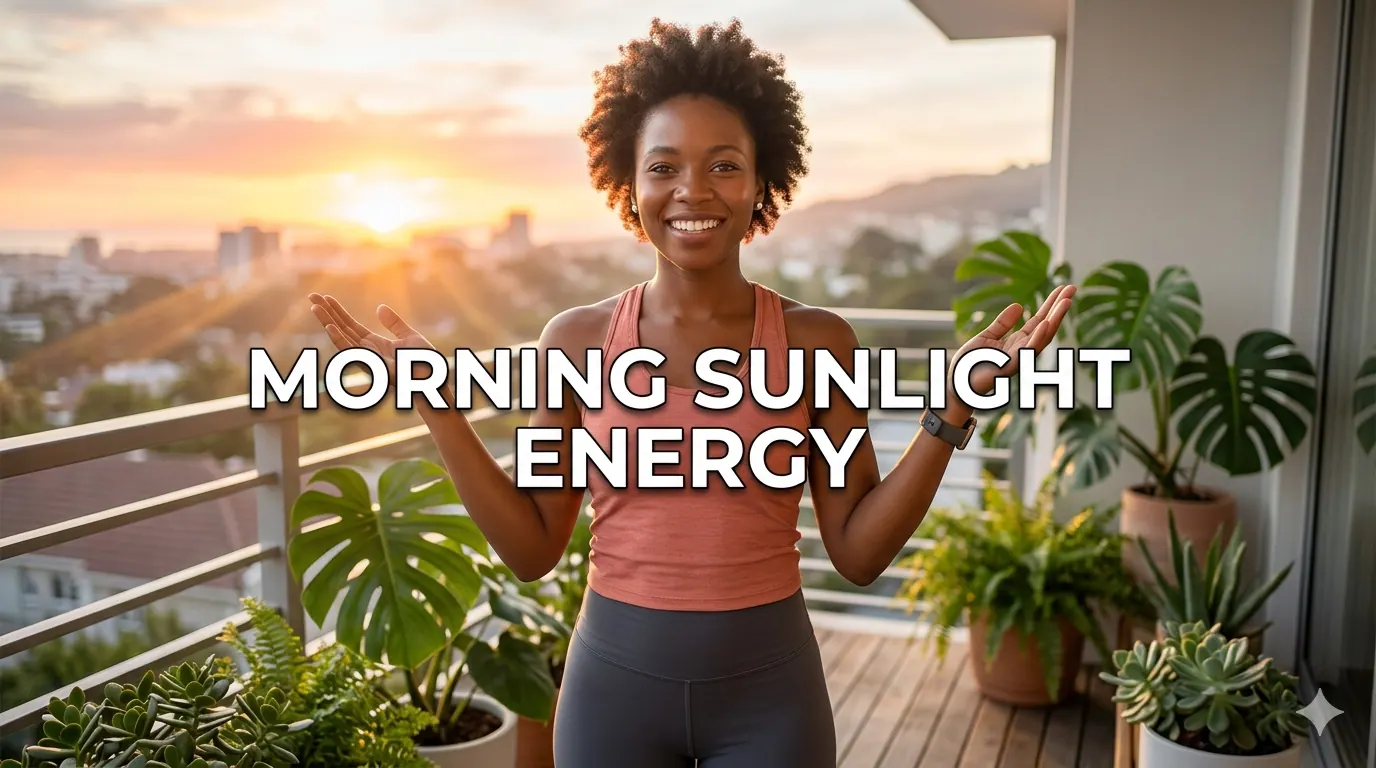
Waking up tired and reaching for coffee has become society's default morning ritual. But what if you could generate natural, sustained energy simply by stepping outside? Morning sunlight exposure is one of the most powerful, science-backed tools for boosting energy without caffeine—and it costs nothing.
When you expose your eyes and skin to natural light within the first hour of waking, you trigger a cascade of biological responses that regulate your circadian rhythm, increase alertness, and set your body up for better sleep that night. This natural energy boost comes without the jitters, crashes, or dependency associated with caffeine.
In this comprehensive guide, we'll explore five evidence-based morning sunlight protocols designed to maximize your energy levels naturally. You'll learn exactly how long to expose yourself to light, the best times and angles, what to do on cloudy days, and how to combine sunlight with other practices for amplified results. Whether you're an early riser or struggle with morning fatigue, these protocols will help you harness the sun's power for sustained, natural energy throughout your day.
Why Morning Sunlight Beats Caffeine for Energy
Short answer: Morning sunlight triggers cortisol release at the optimal time, suppresses melatonin, increases dopamine production, and synchronizes your circadian rhythm—providing clean, sustained energy without crashes, jitters, or sleep disruption that caffeine often causes.
Caffeine works by blocking adenosine receptors in your brain, essentially masking fatigue rather than eliminating it. This creates a temporary energy boost followed by an inevitable crash as adenosine builds up. Morning sunlight, conversely, addresses the root cause of fatigue by aligning your body's internal clock with the natural day-night cycle.
Here's what happens when you get morning sunlight:
- Cortisol optimization: Natural light triggers a healthy cortisol spike within 30-45 minutes of waking. This isn't the stress-related cortisol you want to avoid—it's the alertness signal that tells your body "it's daytime, be awake and active."
- Melatonin suppression: Morning light immediately stops melatonin production (the sleep hormone), helping you feel alert. This also sets a timer for melatonin to be released 12-14 hours later, improving sleep quality.
- Dopamine release: Sunlight exposure increases dopamine, a neurotransmitter associated with motivation, focus, and mood. This provides natural mental energy and drive.
- Serotonin production: Morning light boosts serotonin, which improves mood and energy while also serving as a precursor to melatonin for better sleep.
- Circadian alignment: Consistent morning light exposure anchors your circadian rhythm, making it easier to fall asleep at night and wake up refreshed—creating a positive feedback loop of better energy.
Unlike caffeine, which can interfere with sleep if consumed after 2 PM, morning sunlight actually improves sleep quality. And while caffeine tolerance builds over time requiring more for the same effect, sunlight's benefits remain consistent and may even improve as your circadian rhythm stabilizes.
The Science: How Light Exposure Creates Natural Energy
Short answer: Specialized cells in your eyes called melanopsin-containing retinal ganglion cells detect blue light wavelengths in morning sunlight, sending signals to your brain's suprachiasmatic nucleus that regulate hormone production, body temperature, and alertness levels.
Understanding the mechanism behind sunlight's energy-boosting effects helps you optimize your protocols:
The Melanopsin Pathway
Your eyes contain specialized photoreceptor cells called intrinsically photosensitive retinal ganglion cells (ipRGCs) that contain the photopigment melanopsin. These cells are most sensitive to blue light wavelengths around 460-480 nanometers—abundant in morning sunlight.
When melanopsin detects these wavelengths, it sends direct signals to your suprachiasmatic nucleus (SCN), your brain's master clock. The SCN then orchestrates hormonal and physiological changes throughout your body, essentially saying "daytime has begun—activate energy systems."
Cortisol Awakening Response (CAR)
The cortisol awakening response is a natural 50-75% increase in cortisol levels that occurs within 30-45 minutes of waking. Morning sunlight amplifies this response, creating a robust energy signal. This cortisol spike:
- Increases blood glucose for immediate energy
- Enhances mental alertness and focus
- Boosts metabolic rate
- Improves immune function
- Sets the timing for evening melatonin release
Without adequate morning light, this cortisol response is blunted, leaving you feeling groggy and reaching for caffeine to compensate.
Dopamine and Motivation
Morning sunlight triggers dopamine release in the brain's reward and motivation centers. Research shows that even brief light exposure can increase dopamine by 10-20%, providing:
- Enhanced motivation to start your day
- Improved focus and cognitive performance
- Better mood and reduced morning irritability
- Increased drive for physical activity
This dopamine boost is clean and sustainable, unlike the artificial stimulation from caffeine that depletes dopamine reserves over time.
Body Temperature Regulation
Your core body temperature naturally drops during sleep and begins rising before you wake. Morning sunlight accelerates this temperature increase, which:
- Signals metabolic activation
- Increases enzyme activity for energy production
- Enhances physical performance
- Improves cognitive function
This temperature rise is a key signal that distinguishes "wake time" from "sleep time" in your circadian system.
Protocol 1: The 10-Minute Morning Light Bath
Best for: Beginners, busy schedules, and those new to sunlight exposure
Time required: 10 minutes within 30-60 minutes of waking
This foundational protocol provides maximum benefit with minimal time investment, making it ideal for establishing a consistent habit.
Step-by-Step Instructions
Step 1: Timing
Get outside within 30-60 minutes of waking. The earlier, the better. If you wake at 7 AM, aim to be outside by 7:30 AM at the latest.
Step 2: Location
Go outside—this is non-negotiable. Window glass filters out the specific blue light wavelengths that trigger circadian responses. Stand on your balcony, porch, driveway, or anywhere with direct sky access.
Step 3: Eye Exposure
Look toward the sky (never directly at the sun) for 10 minutes. You don't need to stare—just allow natural light to enter your eyes. On clear days, face away from direct sun; on cloudy days, face toward the brightest part of the sky.
Step 4: Body Exposure (Optional)
If weather and privacy allow, expose some skin to sunlight. Even your face and hands provide additional benefits through vitamin D production and skin photoreceptors.
Step 5: Activity
You can walk slowly, stand still, do gentle stretching, or drink water. The key is being outside with eyes open (no sunglasses).
Duration Adjustments
- Clear, bright morning: 5-10 minutes sufficient
- Overcast/cloudy: 15-20 minutes needed (clouds reduce light intensity by 50-80%)
- Heavy overcast/rain: 20-30 minutes or consider a light therapy lamp
- Winter months: Extend to 15-20 minutes even on clear days due to lower sun angle
Expected Results
Most people notice increased alertness within 15-30 minutes of completing this protocol. After 3-5 days of consistency, you should experience:
- Easier morning wake-ups
- Reduced reliance on caffeine
- More stable energy throughout the day
- Earlier evening tiredness (improved sleep timing)
Protocol 2: The Sunrise Synergy Sequence
Best for: Early risers, those seeking maximum circadian alignment, and people who struggle with sleep quality
Time required: 20-30 minutes starting at sunrise
This advanced protocol leverages the exact moment of sunrise for optimal circadian entrainment and combines light exposure with movement and breathwork.
Step-by-Step Instructions
Step 1: Pre-Sunrise Preparation
Wake up 10-15 minutes before sunrise (check local sunrise times via weather apps). Drink 16 oz of water to rehydrate after sleep.
Step 2: Positioning
Position yourself outside facing the eastern horizon where the sun will rise. If you can't see the horizon, face the brightest part of the eastern sky.
Step 3: The First Light (5 minutes)
As the sun begins to rise, allow your eyes to receive the light. The first light of dawn contains a unique spectrum rich in red and infrared wavelengths that:
- Gently activate your circadian system
- Support mitochondrial function
- Reduce oxidative stress
- Prepare your body for the blue light to come
Step 4: Movement Integration (10-15 minutes)
Once the sun is fully above the horizon, begin gentle movement:
- Brisk walking or light jogging
- Yoga or stretching routine
- Tai chi or qigong
- Bodyweight exercises
Combining light exposure with movement amplifies dopamine release and increases body temperature more effectively than either alone.
Step 5: Breathwork (5 minutes)
Finish with intentional breathing:
- Box breathing: 4 seconds in, 4 hold, 4 out, 4 hold
- Or 2-3 rounds of energizing breaths (deep inhales, forceful exhales)
This oxygenates your blood and further activates your sympathetic nervous system for alertness.
Why Sunrise Specifically?
Sunrise light has unique properties:
- Low UV index reduces skin damage risk while providing circadian benefits
- High red/infrared ratio supports cellular energy production
- Gradual intensity increase mirrors your body's natural awakening process
- Earliest possible light exposure provides strongest circadian anchor
Seasonal Adjustments
Summer: Sunrise may be as early as 5:30 AM. Adjust your schedule gradually or use this protocol on weekends if weekday timing is impractical.
Winter: Later sunrises (7:30-8:00 AM) make this protocol more accessible for typical schedules. Take advantage of this timing.
Protocol 3: The Walking Light Exposure Method
Best for: People who struggle to stand still, those wanting to combine exercise with light exposure, and individuals seeking mood enhancement
Time required: 20-30 minutes of walking
This protocol combines the energy benefits of morning sunlight with the cardiovascular and mental health advantages of walking.
Step-by-Step Instructions
Step 1: Timing
Begin your walk within 60 minutes of waking. The combination of movement and light creates synergistic energy effects.
Step 2: Route Selection
Choose a route with:
- Maximum sky exposure (avoid heavily tree-covered paths)
- Eastern or southern orientation when possible
- Safe walking conditions
- Minimal traffic (to reduce stress)
Step 3: Pace
Walk at a brisk pace—fast enough to elevate your heart rate slightly and increase breathing, but slow enough to maintain conversation. This "zone 2" cardio optimizes fat burning and mitochondrial biogenesis.
Step 4: Eye Position
Keep your gaze naturally forward and upward, allowing light to enter your eyes. Avoid looking down at your phone. If wearing a hat, ensure it doesn't block too much light from reaching your eyes.
Step 5: No Sunglasses
Resist the urge to wear sunglasses unless the sun is uncomfortably bright. Your eyes need direct light exposure for the protocol to work effectively.
Enhanced Variations
The Ruck Walk: Add a weighted backpack (10-20 lbs) to increase intensity and energy expenditure while maintaining the same light exposure benefits.
The Interval Walk: Alternate between 3 minutes brisk walking and 1 minute faster pace or light jogging. This creates greater cardiovascular stimulus and dopamine release.
The Nature Walk: Choose a route through a park or green space. The combination of natural light and nature exposure (phytoncides from trees) provides enhanced stress reduction and immune support.
Weather Adaptations
Light rain: Walk anyway with appropriate gear. Overcast conditions require longer exposure (30 minutes) but still provide benefits.
Heavy rain/storm: Skip outdoor walking and either postpone or use a light therapy lamp indoors while doing indoor cardio.
Extreme cold: Dress warmly but ensure your face is exposed. Even in cold weather, morning light provides circadian benefits.
Protocol 4: The Combined Light and Cold Exposure
Best for: Advanced practitioners, those seeking maximum energy and resilience, and people who want to eliminate caffeine entirely
Time required: 15-20 minutes total
This powerful protocol combines morning sunlight with cold exposure (cold shower or cold plunge) for amplified dopamine, norepinephrine, and sustained energy.
The Science Behind the Combination
Both sunlight and cold exposure independently increase:
- Dopamine (motivation and focus)
- Norepinephrine (alertness and attention)
- Endorphins (mood elevation)
- Brown fat activation (metabolic energy)
Combined, they create a synergistic effect that can provide 4-6 hours of clean, focused energy without caffeine.
Step-by-Step Instructions
Step 1: Morning Light (10 minutes)
Begin with 10 minutes of outdoor light exposure using Protocol 1 guidelines. This primes your nervous system and begins the cortisol awakening response.
Step 2: Transition
Return inside and prepare for cold exposure. Have a towel ready and ensure your space is warm enough for after the cold exposure.
Step 3: Cold Exposure (2-5 minutes)
Choose one method:
- Cold shower: Start with warm water, gradually decrease temperature over 30 seconds, then remain in coldest tolerable temperature for 2-3 minutes
- Cold plunge: If you have access to a cold plunge tub or ice bath, immerse up to your neck for 2-5 minutes at 50-60°F (10-15°C)
- Cold face immersion: For beginners, simply splash cold water on your face or immerse your face in a bowl of ice water for 30-60 seconds repeated 3-4 times
Step 4: Controlled Breathing
During cold exposure, practice controlled breathing to manage the stress response:
- Inhale deeply through your nose
- Exhale slowly through your mouth
- Focus on extending the exhale to activate parasympathetic nervous system
Step 5: Rewarm Naturally
After cold exposure, allow your body to rewarm naturally rather than immediately jumping into hot water or wrapping in blankets. This activates brown fat and increases metabolic rate.
Safety Considerations
- Consult a doctor before cold exposure if you have cardiovascular conditions
- Never do cold exposure alone if you're new to it
- Start gradually—begin with 30 seconds and build up over weeks
- Listen to your body; extreme shivering means you've gone too long
- Avoid if you're sick or immunocompromised
Expected Energy Effects
This protocol typically produces:
- Immediate alertness and mental clarity
- Sustained energy for 4-6 hours without crash
- Enhanced mood and motivation
- Improved stress resilience throughout the day
- Reduced perceived need for caffeine by 70-90%
Protocol 5: The Weekend Light Loading Strategy
Best for: People with irregular weekday schedules, shift workers, and those who can't consistently get morning light during the workweek
Time required: 60-90 minutes on weekend mornings
This protocol uses extended weekend morning light exposure to partially compensate for weekday inconsistencies and help maintain circadian rhythm stability.
The Concept
While daily consistency is ideal, research shows that extended light exposure on weekends can help "reset" your circadian clock and reduce the impact of weekday light deprivation. Think of it as "loading" your circadian system with extra light to carry you through darker days.
Step-by-Step Instructions
Step 1: Extended Duration (60-90 minutes)
Spend 60-90 minutes outside in morning light on Saturday and Sunday. This is 6-9x the minimum daily requirement, creating a "light reserve" effect.
Step 2: Active Engagement
Don't just sit—engage in activities:
- Long walk or hike
- Outdoor yoga or exercise
- Gardening or yard work
- Outdoor reading (in the shade but with ambient light)
- Coffee or breakfast outside (yes, you can still have coffee—this is about adding light, not restriction)
Step 3: Maximum Skin Exposure
When weather and privacy allow, expose more skin surface area:
- Wear shorts and short sleeves
- Remove sunglasses when safe
- Spend some time with arms and legs exposed
This increases vitamin D production and provides additional photoreceptor stimulation beyond just the eyes.
Step 4: Midday Top-Up (Optional)
If possible, add another 20-30 minutes of light exposure around midday (11 AM - 1 PM). This provides additional circadian reinforcement and maximizes vitamin D synthesis.
Step 5: Evening Light Minimization
On these same weekend days, be extra diligent about reducing artificial light after sunset. This creates a stronger contrast between bright days and dark nights, enhancing circadian amplitude.
Weekday Maintenance
Even when using weekend loading, try to get minimum weekday exposure:
- At least 5 minutes outside each weekday morning
- Position your workspace near a window
- Take outdoor lunch breaks when possible
- Use a light therapy lamp (10,000 lux) for 20 minutes if outdoor exposure is impossible
Who Benefits Most
This protocol is particularly effective for:
- Office workers with limited weekday outdoor time
- Students with variable schedules
- Parents with unpredictable morning routines
- People living in high-latitude regions with limited winter light
Common Mistakes That Reduce Sunlight Benefits
Even with the best intentions, these common errors can significantly reduce or eliminate the energy benefits of morning sunlight:
Mistake #1: Wearing Sunglasses
Why it hurts: Sunglasses block the specific blue light wavelengths (460-480nm) that trigger circadian responses. Even light-tinted lenses reduce effectiveness by 50-80%.
Fix: Remove sunglasses for the first 10-20 minutes of morning light exposure. If the sun is painfully bright, you're looking too close to the sun—face away from direct rays or wait until the sun is higher.
Mistake #2: Standing Behind Windows
Why it hurts: Standard window glass filters out 90-95% of the blue light spectrum needed for circadian entrainment. You might feel the warmth, but your eyes aren't receiving the signal.
Fix: Go outside. If weather absolutely prevents this, open windows fully or use a light therapy lamp designed to emit the full spectrum including blue wavelengths.
Mistake #3: Getting Light Too Late
Why it hurts: Light exposure after 10 AM has significantly reduced impact on circadian timing. The earlier you get light after waking, the stronger the effect.
Fix: Prioritize light within 30-60 minutes of waking. Set your alarm 15 minutes earlier if needed to make this happen.
Mistake #4: Inconsistent Timing
Why it hurts: Your circadian rhythm thrives on predictability. Getting light at 7 AM one day and 10 AM the next creates "social jet lag" that undermines energy benefits.
Fix: Aim for consistency within a 1-hour window even on weekends. If you must vary your schedule, use Protocol 5 (weekend loading) to compensate.
Mistake #5: Not Enough Duration
Why it hurts: One minute of light isn't enough. Insufficient duration fails to trigger robust hormonal responses.
Fix: Minimum 5-10 minutes on bright days, 15-20 minutes on cloudy days. Set a timer if needed to ensure you stay out long enough.
Mistake #6: Looking at Your Phone
Why it hurts: Looking down at a screen reduces light entering your eyes and adds stimulating content that can increase stress rather than promote calm alertness.
Fix: Keep your phone in your pocket during light exposure. If you need music or a podcast, use audio only without looking at the screen.
Expert Tips for Maximizing Results
Tip #1: Combine with Hydration
Drink 16-20 oz of water immediately upon waking, then get your light exposure. Hydration amplifies the energy effects of sunlight by supporting cellular function and circulation.
Tip #2: Track Your Progress
Keep a simple journal noting:
- Time of light exposure
- Duration
- Weather conditions
- Energy levels at 10 AM, 2 PM, and 6 PM
- Caffeine consumption
After 2 weeks, you'll see patterns that help you optimize your protocol.
Tip #3: Invest in a Light Therapy Lamp
For days when outdoor exposure is impossible, use a 10,000 lux light therapy lamp positioned 12-18 inches from your face for 20-30 minutes. Choose lamps that emit full-spectrum light including blue wavelengths.
Tip #4: Adjust Seasonally
Winter requires longer exposure times and may necessitate light therapy supplementation. Summer may require shorter exposure due to higher light intensity. Listen to your body and adjust accordingly.
Tip #5: Be Patient
Circadian adaptation takes 7-14 days. Don't expect dramatic results on day one. Commit to 2 weeks of consistency before evaluating effectiveness.
Frequently Asked Questions About Morning Sunlight Exposure
What if I wake up before sunrise?
Short answer: Get outside anyway. Even before sunrise, the sky contains enough blue light to trigger circadian responses. As dawn approaches, light intensity increases gradually, providing an ideal natural wake-up signal.
If it's completely dark outside, you have two options:
- Wait inside until 20-30 minutes before sunrise, then go out
- Use a sunrise simulation alarm clock that gradually brightens your room before waking, then get outside as soon as there's natural light
Can I get the same benefits through a car windshield?
Short answer: No. Car windshields are laminated and block most UVB and significant amounts of blue light. Side windows offer slightly better transmission but still filter out crucial wavelengths.
If your commute is your only opportunity, park your car and spend 5-10 minutes outside before starting your day. This is far more effective than driving with sunlight streaming through the windshield.
How do I protect my skin while getting morning light?
Short answer: Morning sunlight (before 10 AM) has minimal UVB radiation, making skin damage unlikely during the 10-20 minute exposure periods recommended. You don't need sunscreen for brief morning exposure.
However, if you'll be outside longer than 20-30 minutes, or if you have very fair skin or a history of skin cancer:
- Expose your eyes without sunglasses for 10 minutes
- Then apply sunscreen if staying out longer
- Or wear protective clothing while keeping your face exposed to light
What if I work night shifts or have an irregular schedule?
Short answer: Get light exposure as soon as possible after waking, regardless of clock time. Your circadian system responds to the light-dark cycle relative to your wake time, not the time on the clock.
For night shift workers:
- If you wake at 3 PM, get light exposure then
- Use bright light during your "day" (work hours)
- Wear blue-blocking glasses on your commute home
- Create complete darkness in your bedroom for sleep
- This shifts your circadian rhythm to align with your schedule
Will this work in winter or cloudy climates?
Short answer: Yes, but you'll need longer exposure times. Cloudy days reduce light intensity by 50-80%, and winter sun has lower intensity due to the sun's angle. Extend your exposure to 20-30 minutes on overcast days and consider supplementing with a light therapy lamp.
Even on the cloudiest day, outdoor light intensity (1,000-5,000 lux) far exceeds indoor lighting (100-500 lux), making outdoor exposure worthwhile regardless of weather.
Can I combine morning sunlight with coffee?
Short answer: Yes, but consider delaying coffee 90-120 minutes after waking. Morning sunlight provides natural energy, and delaying caffeine prevents the afternoon crash associated with early caffeine consumption.
Try this sequence:
- Wake up
- Get 10-20 minutes of sunlight
- Drink water and eat breakfast if desired
- Wait 90 minutes
- Then have coffee if you still want it
Many people find they need less coffee or can eliminate it entirely with consistent morning light exposure.
Your 30-Day Morning Sunlight Challenge
Ready to transform your energy levels? Commit to this 30-day challenge:
Week 1: Foundation
- Get outside within 60 minutes of waking
- Stay out for minimum 10 minutes
- No sunglasses
- Track your energy levels daily
Week 2: Optimization
- Move exposure to within 30 minutes of waking
- Increase duration to 15-20 minutes
- Add gentle movement (walking or stretching)
- Delay caffeine by 90 minutes
Week 3: Integration
- Choose one advanced protocol (sunrise synergy, walking method, or cold exposure)
- Maintain consistency even on weekends
- Note changes in sleep quality
- Reduce caffeine by 50% if possible
Week 4: Mastery
- Refine your protocol based on what's working
- Experiment with timing and duration
- Share your experience with others
- Plan for long-term maintenance
The Long-Term Impact of Morning Light
Consistent morning sunlight exposure does more than boost daily energy—it fundamentally improves your health:
- Better sleep: Proper circadian alignment leads to faster sleep onset, deeper sleep stages, and more refreshing rest
- Improved mood: Regular light exposure reduces risk of seasonal affective disorder (SAD) and depression
- Enhanced cognitive function: Better sleep and circadian alignment improve memory, focus, and decision-making
- Stronger immune system: Circadian regulation optimizes immune cell function and inflammation control
- Metabolic health: Proper light exposure supports healthy blood sugar regulation and weight management
- Hormonal balance: Circadian alignment regulates cortisol, melatonin, insulin, and reproductive hormones
Morning sunlight is free, accessible, and one of the most powerful tools for optimizing your health and energy. Unlike supplements or expensive biohacks, it requires only your time and consistency.
Start tomorrow. Wake up, step outside, and let the sun energize you naturally. Your body has been waiting for this signal—give it the light it needs to thrive.


0 Comments