

AI Mood Tracking Journals: Analyze Emotional Trends
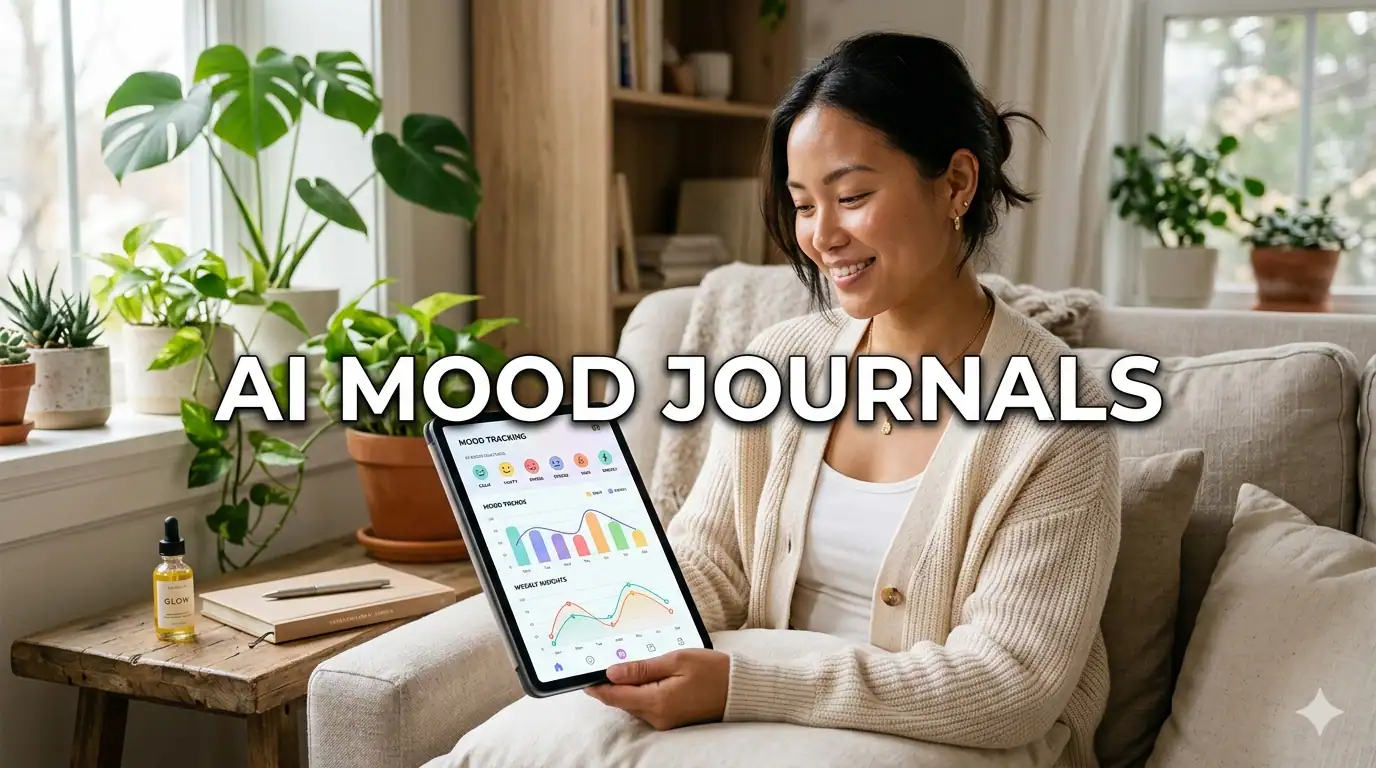
Managing your emotional wellness isn't just about mental health—it directly impacts your skin, hair, and overall beauty. When stress levels rise, cortisol spikes can trigger breakouts, dullness, and premature aging. That's why AI mood tracking journals have become essential tools for beauty-conscious individuals who understand that true radiance starts from within.
These intelligent digital companions don't just store your thoughts—they analyze your emotional patterns, identify stress triggers, and help you build routines that support both mental clarity and physical glow. Whether you're navigating hormonal fluctuations, work pressure, or seasonal mood shifts, AI-powered journaling offers personalized insights that traditional methods simply can't match.
In this comprehensive guide, we'll explore the best AI mood-tracking journals available in 2026, explain exactly how they analyze your emotional trends, and share practical ways to integrate them into your beauty and wellness routine. You'll discover which apps offer the most valuable insights for skin health, stress management, and emotional balance—all while maintaining strict privacy standards.
Why Emotional Wellness Matters for Beauty
Short answer: Emotional stress directly affects skin barrier function, collagen production, and inflammation levels, making mood tracking a powerful tool for preventing stress-related breakouts, dullness, and premature aging.
Your skin is your body's largest organ and a mirror of your internal state. When you experience chronic stress or emotional imbalance, your body releases cortisol and other stress hormones that can:
- Increase oil production leading to clogged pores and acne flare-ups
- Compromise skin barrier function causing dryness, sensitivity, and irritation
- Accelerate collagen breakdown contributing to fine lines and loss of elasticity
- Trigger inflammatory responses worsening conditions like eczema, rosacea, or psoriasis
- Disrupt sleep quality reducing skin's overnight repair processes
By tracking your moods alongside your skincare routine, you can identify patterns like "I break out two days after high-stress work meetings" or "My skin looks duller when I skip evening journaling." AI mood-tracking journals make these connections visible and actionable.
How AI Mood Tracking Journals Actually Work
Short answer: AI mood-tracking journals use natural language processing and sentiment analysis to interpret your written entries, identify emotional patterns over time, and provide personalized insights about your mental wellness trends.
Modern AI journaling apps combine several sophisticated technologies:
Natural Language Processing (NLP)
NLP algorithms analyze the words, phrases, and sentence structures in your journal entries to detect emotional tone. Unlike simple keyword matching, advanced NLP understands context, sarcasm, intensity, and nuance. For example, "I'm fine" written after a stressful event carries different emotional weight than "I'm fine" during a peaceful morning.
Sentiment Analysis
This technology assigns emotional valence scores to your entries—measuring positivity, negativity, and neutrality on a continuous scale. Over time, the AI builds a personalized emotional baseline for you, making it easier to spot meaningful deviations from your normal patterns.
Pattern Recognition
AI systems identify recurring themes, triggers, and cycles in your emotional data. They might notice that your mood dips every Sunday evening (weekend anxiety), improves after skincare routines (self-care correlation), or worsens during high-pollen seasons (allergy-mood connection). These insights help you anticipate challenges and prepare proactive strategies.
Personalized Prompting
Based on your historical data, AI journals generate tailored questions that encourage deeper reflection. If the system notices you often mention work stress on Tuesdays, it might prompt: "What's one small boundary you could set for tomorrow's meetings?" This targeted guidance makes journaling more effective and efficient.
Top 7 AI Mood-Tracking Journals for 2026
After testing dozens of apps and analyzing user reviews, privacy policies, and feature sets, these seven platforms stand out for beauty and wellness enthusiasts seeking emotional insight with practical application.
1. Rosebud: Best for CBT-Guided Emotional Reflection
Why it works for beauty lovers: Rosebud integrates cognitive behavioral therapy principles with mood tracking, helping you reframe stress thoughts that trigger skin-picking, over-washing, or skipping skincare routines.
Key features:
- AI prompts based on CBT techniques to challenge negative thought patterns
- Voice-to-text journaling for quick entries during busy mornings
- Mood trend visualizations showing emotional patterns alongside habit tracking
- Privacy-focused design with end-to-end encryption
- Cross-platform sync for seamless access across devices
Pricing: Freemium model; premium features from $7.99/month
Best for: Users who want therapeutic structure without replacing professional care
2. Reflectly: Best for Quick Daily Mood Check-Ins
Why it works for beauty lovers: Reflectly's minimalist interface makes consistent mood tracking effortless—perfect for busy mornings when you're layering skincare but still want to log your emotional state.
Key features:
- One-tap mood selection with emoji-based interface
- AI-generated daily prompts tailored to your recent entries
- Simple analytics showing weekly mood trends
- Integration with Apple Health and Google Fit for holistic wellness tracking
- Beginner-friendly onboarding with no learning curve
Pricing: Free core features; premium insights from $5.99/month
Best for: Beginners or those who prefer quick, visual mood logging
3. DeepJournal: Best for Long-Term Pattern Memory
Why it works for beauty lovers: DeepJournal's unique "memory linking" feature helps you connect past emotional experiences with current skin concerns—like recognizing that seasonal anxiety triggers your winter breakouts.
Key features:
- AI that creates connections between related entries across time
- Advanced search to find all mentions of specific triggers or skin concerns
- Confidential AI processing that never exposes raw journal content
- Exportable insights for sharing with dermatologists or therapists
- Structured reflection templates for targeted wellness goals
Pricing: Premium-focused; starts at $9.99/month
Best for: Users seeking deep, long-term emotional pattern analysis
4. Mindsera: Best for Emotion Detection and Personality Insights
Why it works for beauty lovers: Mindsera's detailed emotion analysis helps you distinguish between stress types—like work pressure versus relationship tension—so you can tailor your self-care response accordingly.
Key features:
- Granular emotion tagging beyond basic happy/sad categories
- Personality mirroring to show how your traits influence emotional responses
- Cognitive skill exercises integrated with journaling
- Multi-platform access including web, iOS, and Android
- Customizable insight dashboards
Pricing: Freemium; advanced analytics from $8.99/month
Best for: Users who want detailed emotional intelligence development
5. Lifelight: Best for Pattern Recognition and Actionable Insights
Why it works for beauty lovers: Lifelight specializes in connecting mood patterns to contextual factors like sleep quality, social interactions, and skincare habits—making it ideal for holistic wellness tracking.
Key features:
- AI that highlights repeatable emotional signals you might miss
- Guided prompts focused on turning insights into action
- Mood trend visualizations with customizable timeframes
- "Memory Vine" feature linking related emotional moments
- Privacy-first design with transparent data policies
Pricing: Freemium model; premium insights available
Best for: Users who want to transform emotional patterns into behavioral changes
6. Daylio: Best for Visual Mood Tracking Without Writing
Why it works for beauty lovers: Daylio's icon-based system lets you log moods and activities in seconds—perfect for tracking emotional states alongside your skincare routine without adding journaling time.
Key features:
- One-tap mood and activity logging with customizable icons
- Statistical insights showing correlations between activities and moods
- Goal setting and habit tracking integration
- Exportable reports for personal review or professional consultation
- No writing required, reducing barrier to consistent use
Pricing: Free with ads; premium from $4.99/month
Best for: Visual learners or those who prefer minimal text entry
7. MindSpark AI Journal: Best for Anxiety Relief and Beginner Support
Why it works for beauty lovers: MindSpark focuses on reducing anxiety through guided journaling—helpful for managing stress-related skin concerns like nervous picking or tension-induced breakouts.
Key features:
- AI-guided prompts specifically designed for anxiety management
- Sentiment analysis with gentle, supportive feedback
- Quick daily check-ins under 2 minutes
- Progress tracking showing emotional improvement over time
- Substantial free tier with core functionality
Pricing: Mostly free; optional premium upgrades
Best for: Beginners or those seeking anxiety-focused emotional support
How to Integrate AI Mood Tracking Into Your Beauty Routine
Short answer: Pair your mood logging with skincare steps, use insights to adjust product choices, and review weekly patterns to prevent stress-triggered skin issues before they appear.
Creating synergy between emotional tracking and beauty practices maximizes benefits for both mental wellness and physical radiance. Here's a practical framework:
Morning Integration (2 Minutes)
- While cleansing: Log yesterday's overall mood and today's energy level in your AI journal
- During serum application: Note any physical sensations (tightness, puffiness) that might connect to emotional state
- Before sunscreen: Set one emotional intention for the day (e.g., "I'll pause before reacting to work stress")
Evening Integration (3-5 Minutes)
- During makeup removal: Reflect on today's emotional highlights and challenges
- While applying night cream: Log specific triggers or wins that affected your mood
- Before sleep: Review the AI's pattern insights and note one small adjustment for tomorrow
Weekly Review (10 Minutes)
- Sunday evening: Analyze your week's mood trends alongside skincare results
- Identify patterns: "My skin looked clearer on days I journaled before bed"
- Adjust routine: Modify product choices or self-care practices based on emotional insights
Common Mistakes to Avoid With AI Mood Journals
Even the best tools deliver limited value if used incorrectly. Avoid these pitfalls to maximize your emotional tracking benefits:
Mistake #1: Only Logging Negative Emotions
Why it hurts: AI algorithms need balanced data to identify meaningful patterns. Logging only bad days creates skewed insights and misses protective factors that support your wellness.
Fix: Commit to logging moods daily regardless of emotional state. Note positive moments too—they reveal what supports your resilience and glow.
Mistake #2: Over-Tagging or Over-Analyzing
Why it hurts: Adding excessive labels or obsessively checking insights can increase anxiety rather than reduce it, potentially triggering stress-related skin issues.
Fix: Keep entries simple. Focus on 1-2 key observations per session. Review insights weekly, not hourly.
Mistake #3: Ignoring Physical Context
Why it hurts: Emotions don't exist in isolation. Skipping notes about sleep, diet, or skincare limits the AI's ability to connect emotional and physical patterns.
Fix: Include brief context notes: "Slept 6 hours," "Tried new serum," "High pollen day." These details enrich pattern analysis.
Mistake #4: Expecting Instant Results
Why it hurts: Emotional patterns and skin improvements develop over weeks. Impatience leads to abandonment before benefits emerge.
Fix: Commit to 30 days of consistent use before evaluating effectiveness. Track small wins along the way.
Mistake #5: Sharing Sensitive Data Unnecessarily
Why it hurts: Journal entries contain deeply personal information. Poor privacy practices risk exposure of vulnerable moments.
Fix: Choose apps with end-to-end encryption, clear data policies, and easy export/delete options. Never share login credentials.
Expert Tips for Maximizing AI Journal Benefits
Beauty and wellness professionals recommend these advanced strategies to deepen your AI journaling practice:
Tip #1: Create Custom Mood-Skin Tags
Most apps allow custom tags. Create labels like "#hormonal-breakout," "#stress-dullness," or "#glow-day" to help the AI connect emotional states with skin outcomes more precisely.
Tip #2: Use Voice Entries for Authenticity
Speaking often captures raw emotion more accurately than typing. Use voice-to-text features when you need to process intense feelings quickly—especially helpful during emotional skin-picking urges.
Tip #3: Schedule Insight Reviews
Set a recurring calendar reminder for weekly pattern reviews. Consistency transforms raw data into actionable wisdom for both emotional and skincare decisions.
Tip #4: Combine With Physical Tracking
Pair mood logs with simple skin notes: "Today my cheeks felt tight" or "Breakout on chin." This dual tracking reveals connections AI might miss from text alone.
Tip #5: Export Insights for Professional Consultation
Many apps allow data export. Share anonymized mood-skin patterns with dermatologists or therapists to enhance personalized care recommendations.
Frequently Asked Questions About AI Mood Tracking Journals
How accurate is AI at analyzing my emotions?
Short answer: Modern AI achieves 75-85% accuracy in sentiment analysis for consistent journalers, with accuracy improving as the system learns your unique language patterns over 2-4 weeks of regular use.
AI emotion detection relies on natural language processing trained on vast datasets. While not perfect, it excels at identifying broad emotional trends and patterns rather than diagnosing specific states. Your consistent, honest entries significantly improve personalization and accuracy over time.
Can AI mood tracking replace therapy for stress-related skin issues?
Short answer: No—AI journals are supportive tools for self-awareness and pattern recognition, not substitutes for professional mental healthcare or dermatological treatment.
These apps work best as complements to professional care. They help you track triggers and progress between appointments, prepare focused questions for providers, and maintain consistency with recommended routines. Always consult licensed professionals for persistent skin concerns or emotional distress.
What privacy protections should I look for in an AI journal app?
Short answer: Prioritize apps with end-to-end encryption, clear data usage policies, on-device processing options, and easy data export/deletion features.
Key privacy indicators include: transparent privacy policies explaining how your data trains (or doesn't train) AI models; options to disable cloud sync; compliance with regulations like GDPR or HIPAA where applicable; and user control over data retention periods. Never use apps that claim ownership of your journal content.
How long before I see emotional or skin benefits from mood tracking?
Short answer: Most users report increased emotional awareness within 7-10 days of consistent use, with observable skin improvements typically appearing after 3-4 weeks of pattern-based routine adjustments.
Benefits follow a progression: initial awareness (days 1-7), pattern recognition (weeks 2-3), behavioral adjustments (weeks 3-4), and visible results (weeks 4-6). Consistency matters more than duration—brief daily entries outperform occasional long sessions.
Are free AI journal apps effective, or should I pay for premium?
Short answer: Free tiers of reputable apps often provide sufficient core functionality for beginners; premium features add value for advanced users seeking deeper analytics or specialized prompts.
Start with free versions of apps like Reflectly, Daylio, or MindSpark to establish your journaling habit. Upgrade only if you consistently use the app for 30+ days and identify specific premium features that would enhance your practice—like advanced pattern visualization or custom prompt creation.
The Beauty-Emotion Connection: Why This Matters Now
In today's fast-paced digital world, emotional wellness has become inseparable from physical beauty. Social media pressures, work demands, and global uncertainties create unique stressors that manifest visibly on our skin. AI mood-tracking journals offer a proactive, personalized approach to managing this connection.
By understanding your emotional patterns, you gain power to:
- Prevent stress-triggered breakouts by adjusting skincare before hormonal or emotional shifts
- Optimize product choices based on how your skin responds to different emotional states
- Build resilient routines that support both mental clarity and physical radiance
- Communicate more effectively with skincare professionals using documented mood-skin patterns
- Cultivate self-compassion by recognizing that skin fluctuations often reflect emotional needs, not personal failure
The most beautiful skin isn't just about products—it's about peace. AI mood-tracking journals help you cultivate that peace with data-driven insights, personalized guidance, and compassionate self-awareness. When you understand your emotional landscape, you can nurture your skin with intention rather than reaction.
Start small: choose one app from this guide, commit to 2 minutes of daily logging, and watch how emotional clarity transforms not just your journal—but your glow. Your future radiant, resilient self will thank you for beginning today.


0 Comments