

Barefoot Walking and Grounding for Urban Dwellers
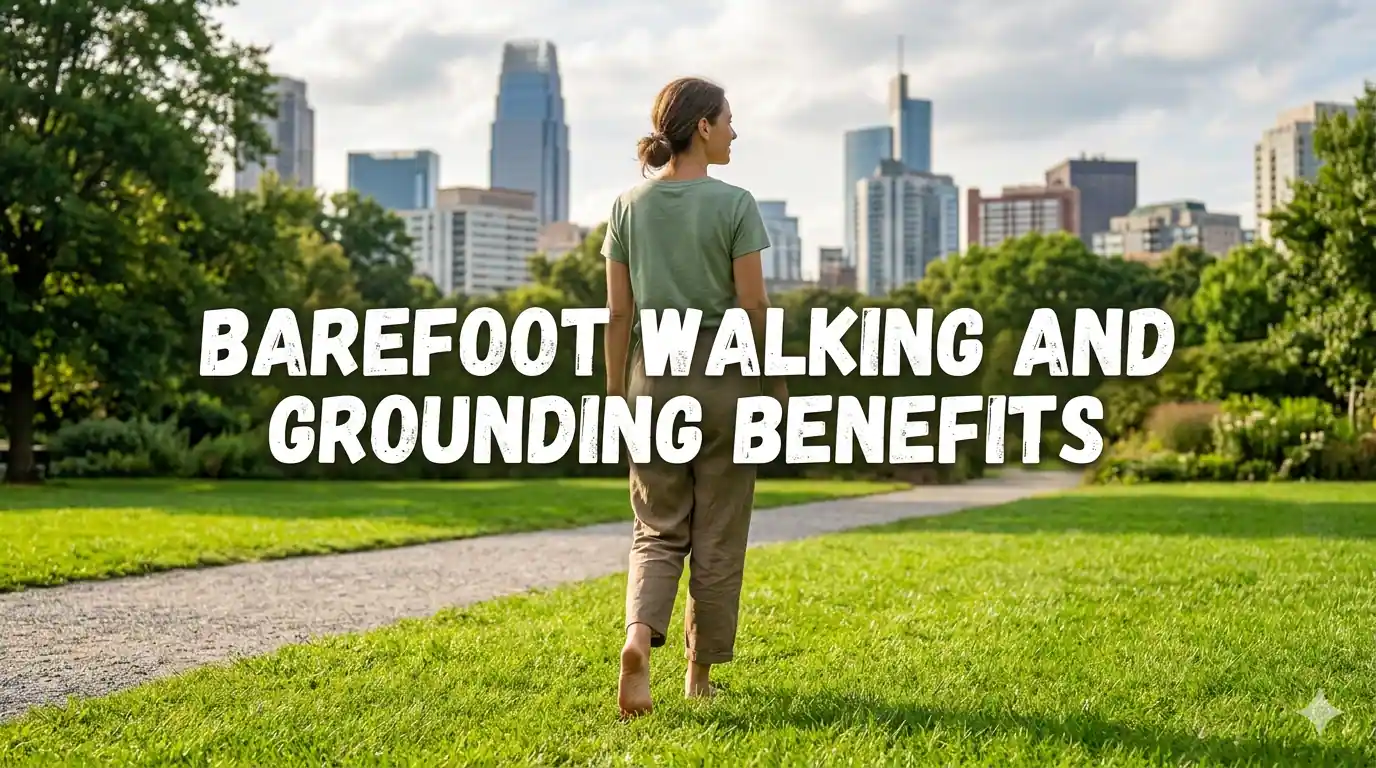
Introduction to Barefoot Walking and Grounding in Urban Life
In our increasingly disconnected world, where concrete dominates landscapes and digital screens command our attention, a simple yet profound practice is gaining recognition among health-conscious urban dwellers: barefoot walking and grounding. This ancient practice, also known as earthing, involves direct physical contact between your bare skin and the Earth's surface, allowing your body to absorb the planet's natural electrical energy. For city residents surrounded by asphalt, buildings, and synthetic materials, understanding and incorporating grounding practices may seem challenging, but the potential benefits for physical health, mental wellbeing, and stress management are compelling enough to warrant exploration.
Barefoot walking is more than just removing your shoes; it is a deliberate reconnection with the natural world that surrounds us, even in urban environments. When your bare feet touch grass, soil, sand, or other natural surfaces, an exchange of electrons occurs between your body and the Earth. This transfer of negatively charged electrons helps neutralize positively charged free radicals in your body, potentially reducing inflammation, improving sleep, alleviating pain, and promoting overall physiological balance.
For urban dwellers specifically, the practice offers unique advantages. City life often involves chronic stress, exposure to electromagnetic fields, disrupted circadian rhythms, and limited contact with nature. Grounding counteracts these modern challenges by providing a simple, accessible way to reset your nervous system, reduce cortisol levels, and restore your body's natural electrical balance. Whether you live in a high-rise apartment or a bustling neighborhood, opportunities for grounding exist if you know where to look and how to practice safely.
This comprehensive guide explores the science behind barefoot walking and grounding, examines specific benefits for urban residents, provides practical strategies for incorporating grounding into city life, addresses safety concerns, and offers evidence-based techniques to help you experience the transformative power of reconnecting with the Earth beneath your feet.
Understanding the Science of Grounding and Earthing
What Happens When You Connect with the Earth
The Earth maintains a subtle negative electrical charge on its surface, created by continuous electrical activity in the atmosphere and the planet's core. When you make direct contact with the ground through bare skin, particularly on the soles of your feet, your body becomes conductive and equalizes with the Earth's electrical potential. This process allows free electrons from the Earth to enter your body, where they act as natural antioxidants.
These electrons neutralize reactive oxygen species and free radicals that contribute to inflammation, chronic pain, and various disease processes. Research published in the Journal of Environmental and Public Health demonstrates that grounding can reduce blood viscosity, improve heart rate variability, decrease inflammation markers, and normalize cortisol secretion patterns. The practice essentially allows your body to tap into the Earth's vast reservoir of healing energy.
The soles of your feet are particularly well-suited for grounding due to their high concentration of nerve endings and relatively thin skin compared to other body parts. This anatomical feature makes foot-to-Earth contact an efficient method for electron transfer. Additionally, the feet contain numerous acupressure points that, when stimulated through barefoot walking, may enhance the therapeutic effects of grounding.
The Research Behind Grounding Benefits
While grounding may sound like alternative medicine, a growing body of scientific research supports its physiological effects. Studies have documented improvements in sleep quality, with participants falling asleep faster and experiencing deeper, more restorative rest. Pain reduction has been consistently reported, particularly for chronic inflammatory conditions, muscle soreness, and arthritis.
Cardiovascular benefits include improved blood flow, reduced blood pressure, and enhanced heart rate variability, an indicator of autonomic nervous system balance. Stress reduction occurs through normalization of cortisol rhythms, with grounding helping to shift the body from sympathetic dominance (fight or flight) to parasympathetic activation (rest and digest).
Additional research suggests grounding may accelerate wound healing, reduce muscle damage from exercise, improve glucose regulation, and support immune function. While more large-scale studies are needed, the existing evidence provides a compelling foundation for understanding how simple Earth contact can influence multiple body systems.
Specific Benefits for Urban Dwellers
Counteracting Urban Stress and Overstimulation
City living exposes you to unique stressors that grounding can help mitigate. Constant noise, crowded spaces, traffic, pollution, and the fast pace of urban life keep your nervous system in a heightened state of alert. This chronic sympathetic activation elevates stress hormones, disrupts sleep, and contributes to anxiety and burnout.
Grounding activates the parasympathetic nervous system, promoting relaxation and recovery. For urban dwellers, even brief grounding sessions can provide a physiological reset, lowering cortisol levels and creating a sense of calm that persists beyond the practice itself. This makes grounding particularly valuable for managing the cumulative stress of city living.
Reducing Exposure to Electromagnetic Fields
Urban environments saturate you with electromagnetic fields (EMFs) from cell phones, WiFi, power lines, and countless electronic devices. While research on EMF health effects continues, some studies suggest that chronic exposure may contribute to sleep disturbances, fatigue, and other health concerns. Grounding may help neutralize the positive charges accumulated from EMF exposure by providing a steady supply of negative electrons from the Earth.
For urban residents surrounded by technology, regular grounding practice offers a natural way to balance your body's electrical environment and potentially reduce the physiological impact of constant electromagnetic exposure.
Improving Sleep Disrupted by City Life
Urban dwellers frequently struggle with sleep quality due to light pollution, noise, irregular schedules, and stress. Grounding has been shown to normalize circadian rhythms by regulating cortisol secretion patterns. When cortisol follows its natural rhythm, high in the morning and low at night, sleep quality improves dramatically.
For city residents whose sleep is compromised by environmental factors, grounding before bedtime can serve as a powerful tool for signaling to your body that it is time to rest, helping you fall asleep faster and experience deeper, more restorative sleep cycles.
Enhancing Mental Clarity and Focus
The constant stimulation of urban environments can fragment attention and deplete mental energy. Grounding promotes mental clarity by reducing inflammation that may affect brain function, improving blood flow to the brain, and calming the nervous system. Many practitioners report enhanced focus, reduced brain fog, and improved mood after regular grounding practice.
For professionals navigating demanding urban careers, grounding offers a simple way to clear mental clutter and restore cognitive function without requiring significant time investment.
Finding Grounding Opportunities in Urban Environments
Urban Parks and Green Spaces
Most cities offer parks, gardens, and green spaces where barefoot walking is possible and often encouraged. Seek out areas with grass, soil, or sand where you can safely remove your shoes. Many urban parks have designated natural areas, community gardens, or beach sections if your city has waterfront access.
Research your local parks to identify less crowded areas where you can practice grounding comfortably. Early morning or weekday visits often provide more privacy and tranquility. Some cities even have barefoot parks or sensory paths specifically designed for foot-to-Earth contact.
Community Gardens and Urban Farms
Community gardens offer excellent grounding opportunities while connecting you with like-minded individuals interested in nature and sustainability. Many gardens welcome volunteers, and working with soil provides direct grounding contact. Even if you do not have a plot, some community gardens allow visitors to walk barefoot in designated areas.
Urban farms and educational gardens often host events or open hours where you can experience grounding while learning about sustainable agriculture and local food systems.
Beaches and Waterfront Areas
If your city has access to a beach, lake, or river, these locations provide ideal grounding surfaces. Sand is particularly conductive, and walking barefoot along the shoreline combines grounding with the additional benefits of negative ions from moving water. Even concrete or wooden docks can provide some grounding if they are in direct contact with water and the Earth.
Visit during off-peak hours for a more peaceful experience, and always check local regulations regarding barefoot access.
Backyards and Private Outdoor Spaces
If you have access to a backyard, balcony with soil, or rooftop garden, these private spaces offer convenient grounding opportunities. Even a small patch of grass or a container garden with soil can serve as your personal grounding station. The convenience of home access makes it easier to maintain a consistent practice.
For apartment dwellers, investigate whether your building has shared outdoor spaces, gardens, or green roofs where residents can spend time barefoot.
Practical Strategies for Daily Grounding Practice
Starting with Short Sessions
You do not need hours of barefoot walking to experience benefits. Research suggests that even twenty to thirty minutes of grounding can produce measurable physiological changes. Start with ten to fifteen minute sessions and gradually increase duration as you become comfortable with the practice.
Consistency matters more than duration. Daily short sessions provide more benefit than occasional long sessions. Incorporate grounding into your existing routine by practicing during your lunch break, before bed, or as part of your morning ritual.
Morning Grounding Rituals
Beginning your day with grounding sets a calm, centered tone that can persist throughout your urban commute and workday. Step outside barefoot for ten minutes with your morning coffee or tea. Stand or walk on grass, soil, or a natural surface while practicing deep breathing or mindfulness.
This morning practice helps regulate your cortisol rhythm, providing natural energy without the jitters of caffeine alone. It also creates a buffer between waking and the demands of city life, allowing you to start the day from a place of grounded presence rather than reactive urgency.
Midday Reset Techniques
Urban workdays often involve prolonged sitting, screen time, and mental stress. Use your lunch break or a mid-afternoon pause for a grounding reset. Find a nearby park, green space, or even a patch of grass outside your building. Remove your shoes and socks for ten to fifteen minutes of barefoot standing or walking.
This midday grounding session can reduce afternoon fatigue, improve focus for the remainder of your workday, and prevent the cumulative stress buildup that often accompanies urban professional life.
Evening Wind-Down Grounding
Grounding before bed supports the transition from activity to rest. Spend twenty to thirty minutes barefoot in the evening, ideally within an hour of bedtime. This practice helps lower cortisol, calm your nervous system, and signal to your body that it is time for sleep.
Combine evening grounding with other sleep hygiene practices like dimming lights, avoiding screens, and practicing relaxation techniques for maximum benefit.
Grounding Alternatives When Outdoor Access Is Limited
Grounding Mats and Sheets
For urban dwellers with limited outdoor access, grounding mats, sheets, and bands offer an indoor alternative. These products contain conductive material connected to the ground port of an electrical outlet or a ground rod placed in soil outside your window. While you sleep, work, or relax, the mat provides continuous grounding.
Research on grounding mats shows similar benefits to outdoor grounding, including improved sleep, reduced pain, and normalized cortisol rhythms. However, many practitioners recommend combining indoor grounding technology with regular outdoor barefoot walking for optimal results.
When purchasing grounding products, choose reputable brands that provide testing documentation and safety features. Ensure proper setup and regularly check connections to maintain effectiveness.
Grounding Footwear
Specialized grounding shoes and sandals feature conductive soles that allow electron transfer while protecting your feet from urban hazards like glass, sharp objects, or hot pavement. These shoes contain leather or conductive material that maintains contact with the ground.
Grounding footwear enables you to experience some benefits of earthing while navigating city streets safely. While not as effective as direct skin contact, they provide a practical compromise for urban environments.
Maximizing Indoor Plant Contact
While indoor plants do not provide the same grounding effect as direct Earth contact, tending to houseplants and touching soil can offer some connection to nature. Use unglazed ceramic pots that allow some conductivity, and spend time handling soil when watering or repotting plants.
Combine indoor plant care with other grounding practices for a holistic approach to nature connection in urban living spaces.
Safety Considerations for Urban Barefoot Walking
Assessing Terrain and Hazards
Urban environments present unique hazards for barefoot walking. Before removing your shoes, carefully inspect the area for broken glass, sharp objects, animal waste, chemicals, or other dangers. Stick to well-maintained grass, soil, or sand areas rather than unknown terrain.
Start with short sessions to allow your feet to adapt to different textures and temperatures. Your feet may be sensitive initially if you typically wear shoes all day. Gradually build tolerance and foot strength over time.
Hygiene and Foot Care
After grounding outdoors, wash your feet thoroughly with soap and water to remove dirt, bacteria, or potential contaminants. Inspect your feet for cuts, splinters, or irritation, and treat any wounds promptly to prevent infection.
Keep your feet healthy through regular care: trim toenails, moisturize to prevent cracking, and address any foot conditions with a healthcare provider. Healthy feet enhance the grounding experience and reduce injury risk.
Weather and Temperature Considerations
Extreme heat or cold can make barefoot walking uncomfortable or dangerous. Hot pavement, sand, or concrete can burn your feet, while frozen ground can cause frostbite or discomfort. Check surface temperatures before walking barefoot, and avoid grounding during extreme weather conditions.
In hot weather, practice early morning or evening when surfaces are cooler. In cold climates, limit winter grounding sessions or use grounding mats indoors during harsh weather.
Legal and Social Awareness
Respect local regulations and private property. Some parks or public spaces may have rules about barefoot activities or specific hours for access. Always follow posted guidelines and be considerate of other park users.
Be mindful of social context. While grounding is increasingly accepted, some urban areas may not be conducive to barefoot activities. Use discretion and choose appropriate locations where you will not make others uncomfortable or violate social norms.
Maximizing the Benefits of Grounding Practice
Combining Grounding with Mindfulness
Enhance your grounding practice by incorporating mindfulness techniques. As you stand or walk barefoot, bring full attention to the sensations in your feet. Notice the texture of the ground, temperature variations, and the subtle energy exchange occurring.
Practice deep, diaphragmatic breathing while grounded to amplify relaxation benefits. Try walking meditation, moving slowly and deliberately while maintaining awareness of each step. This combination of grounding and mindfulness creates a powerful stress-reduction practice particularly valuable for urban dwellers.
Integrating Movement and Exercise
Barefoot walking itself provides gentle exercise that strengthens foot muscles, improves balance, and enhances proprioception. You can combine grounding with other movements like stretching, yoga, tai chi, or qigong for amplified benefits.
Practice simple exercises barefoot: heel-to-toe walking, balancing on one foot, or gentle foot rolls. These movements strengthen the intrinsic foot muscles that often weaken from constant shoe wear, improving overall foot health and function.
Tracking Your Progress and Benefits
Keep a simple journal noting your grounding sessions and any changes you observe. Track sleep quality, stress levels, pain, energy, mood, and other metrics relevant to your health goals. Over time, patterns will emerge showing how grounding affects your wellbeing.
Notice both immediate effects, like feeling calmer after a session, and long-term changes, such as improved sleep patterns or reduced chronic pain. This awareness reinforces your practice and helps you optimize timing, duration, and frequency.
Common Misconceptions About Grounding
Addressing Skepticism and Doubts
Grounding sometimes faces skepticism from those who view it as pseudoscience or wishful thinking. However, the physiological mechanisms are grounded in basic physics and biology. The Earth's electrical charge is measurable, the human body is conductive, and electron transfer through direct contact is well-established science.
While more research is always valuable, existing studies provide credible evidence for grounding benefits. Approach the practice with an open but critical mind, and let your own experience guide your perspective rather than dismissing it outright or accepting claims uncritically.
Understanding Limitations and Realistic Expectations
Grounding is not a miracle cure or replacement for medical treatment. It is a complementary practice that supports overall health and wellbeing. While many people experience significant benefits, results vary based on individual factors like health status, lifestyle, consistency of practice, and environmental conditions.
Set realistic expectations: grounding may reduce stress but not eliminate it entirely, improve sleep but not cure insomnia, and decrease inflammation but not replace medical treatment for chronic conditions. View grounding as one tool among many in your wellness toolkit.
Expert Tips for Sustainable Grounding Practice
Building a Consistent Habit
Consistency transforms grounding from an occasional activity into a powerful health practice. Attach grounding to existing habits to make it automatic: practice with your morning coffee, during your lunch break, or as part of your bedtime routine. Habit stacking makes it easier to maintain regular practice despite busy urban schedules.
Start with achievable goals like ten minutes three times per week, then gradually increase frequency and duration. Celebrate small wins and be compassionate with yourself when you miss sessions. Progress, not perfection, creates lasting change.
Creating a Grounding Community
Connect with others interested in grounding and barefoot practices. Join local walking groups, online communities, or social media groups focused on earthing and natural health. Sharing experiences, tips, and encouragement makes the practice more enjoyable and sustainable.
Invite friends or family to join your grounding sessions. Practicing together provides accountability, enhances social connection, and introduces others to the benefits of earthing.
Adapting to Seasonal Changes
Urban grounding requires adaptation to seasonal variations. In warmer months, take advantage of extended daylight and comfortable temperatures for longer outdoor sessions. During cold seasons, adjust your practice: shorten outdoor sessions, use grounding mats indoors, or practice during the warmest part of the day.
Prepare for seasonal challenges by identifying indoor alternatives, investing in grounding technology for winter months, and maintaining flexibility in your approach. Year-round consistency provides cumulative benefits that seasonal practice alone cannot achieve.
Frequently Asked Questions
How long does it take to feel the benefits of grounding?
Some people report immediate effects like reduced stress or increased calm within minutes of grounding. Other benefits, such as improved sleep or reduced inflammation, may take days to weeks of consistent practice to become noticeable. Individual responses vary based on health status, stress levels, and frequency of grounding. Most people experience some benefit within the first few sessions, with cumulative improvements developing over time.
Can I ground through clothing or socks?
No, grounding requires direct skin contact with the Earth or a conductive surface. Clothing and typical socks act as insulators, preventing electron transfer. You must have bare skin touching grass, soil, sand, or a conductive grounding product. Some specialized grounding socks contain conductive material, but regular socks will not work.
Is grounding safe for everyone?
Grounding is generally safe for most people, but consult a healthcare provider if you have concerns, particularly if you take blood-thinning medication, have diabetes with neuropathy, or have open wounds on your feet. Pregnant women can safely practice grounding, and many report benefits, but should follow standard safety precautions for outdoor activities. Always assess terrain for hazards and practice good foot hygiene.
Does grounding work through concrete or asphalt?
Generally no, unless the concrete is unpainted, unsealed, and in direct contact with the Earth. Most urban concrete and asphalt is sealed, painted, or contains insulating materials that prevent electron transfer. Natural surfaces like grass, soil, sand, and untreated stone are far more effective for grounding. When in doubt, choose natural surfaces over constructed ones.
Can I ground if I live in a high-rise apartment?
Yes, through grounding mats, sheets, or bands that connect to the ground port of an electrical outlet. These products allow you to experience grounding benefits indoors. Additionally, seek out nearby parks, green roofs, or community gardens where you can practice outdoor grounding. Even brief weekly sessions in natural settings combined with daily indoor grounding can provide significant benefits.
Conclusion: Reconnecting with Earth in the Heart of the City
Barefoot walking and grounding offer urban dwellers a simple yet profound way to counteract the stresses of city life and reconnect with the natural world. In a world of constant stimulation, electromagnetic exposure, and disconnection from nature, grounding provides an accessible antidote that requires no special equipment, expensive memberships, or dramatic lifestyle changes.
The benefits extend beyond physical health to encompass mental clarity, emotional balance, and spiritual connection. By regularly touching the Earth with bare feet, you remind your body of its fundamental connection to the planet that sustains all life. This practice, ancient in origin yet increasingly relevant in our modern age, offers a bridge between the urban environment and the natural world.
Start where you are. Find a patch of grass in a nearby park, remove your shoes for ten minutes, and notice how you feel. Let your experience guide you toward a sustainable practice that fits your urban lifestyle. Whether you ground daily or weekly, outdoors or with indoor technology, the simple act of reconnecting with the Earth beneath your feet can transform your relationship with your body, your environment, and yourself.
In the concrete jungle, your connection to the Earth remains just steps away. Walk barefoot. Breathe deeply. Ground yourself. And discover the healing power that has been beneath your feet all along.


0 Comments