

Best Sustainable Outdoor Gear for Eco Hikers
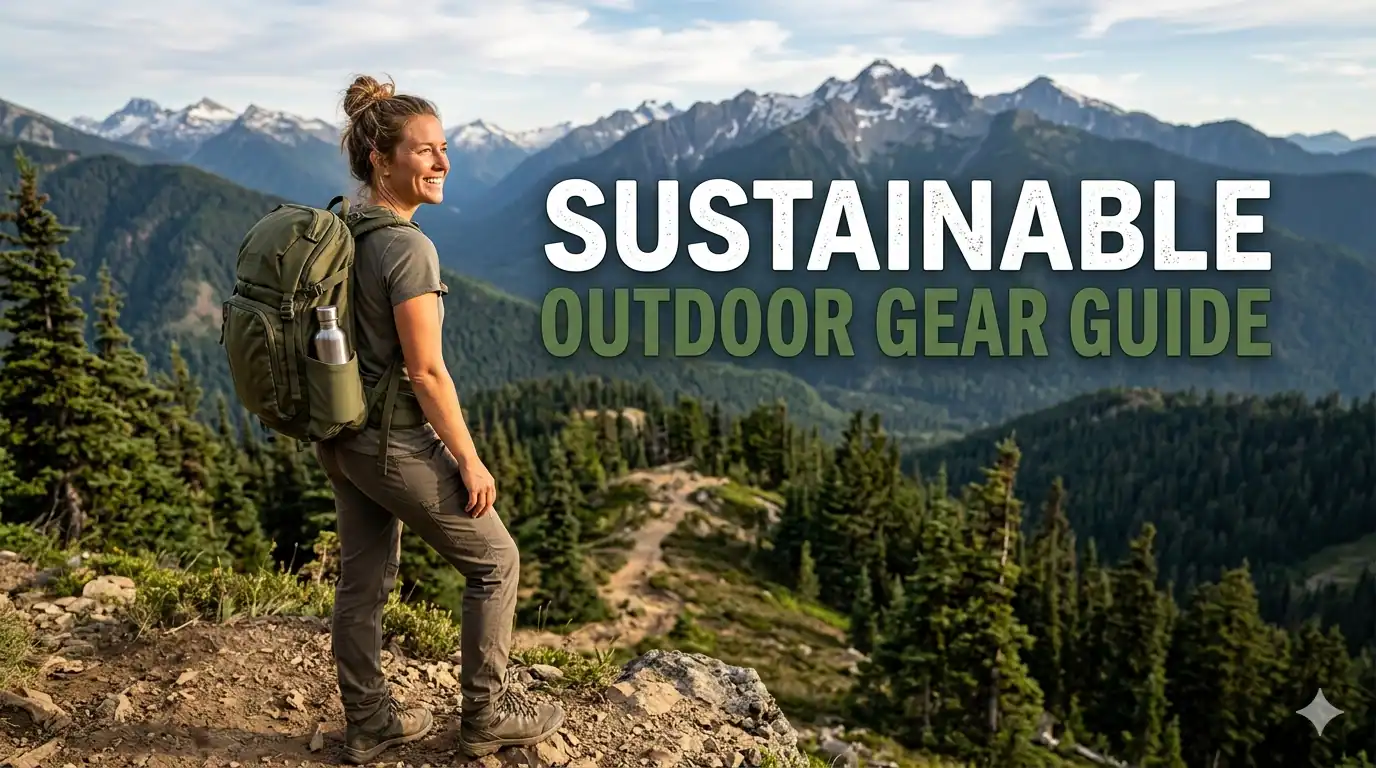
Introduction to Sustainable Outdoor Gear for Weekend Hikers
The call of the wilderness has always drawn humans outdoors, but today's hikers face a new responsibility: protecting the very landscapes they love to explore. As environmental awareness grows, more weekend warriors are seeking sustainable outdoor gear that minimizes ecological impact without compromising performance, durability, or comfort. The good news is that the outdoor industry has responded with innovative eco-friendly options that prove sustainability and functionality can go hand in hand.
Sustainable outdoor gear encompasses products made from recycled materials, organic fibers, responsibly sourced components, and manufactured through processes that reduce waste, water usage, and carbon emissions. For the eco-conscious weekend hiker, choosing sustainable gear is not just about making an ethical statement; it is about investing in products that often last longer, perform better, and align with values of environmental stewardship and conservation.
This comprehensive guide explores the best sustainable outdoor gear options for weekend hikers, from backpacks and footwear to clothing and accessories. We examine what makes gear truly sustainable, highlight leading eco-friendly brands, discuss key features to consider, and provide practical advice for building a sustainable hiking kit that supports both your adventures and the planet. Whether you are new to hiking or a seasoned trail enthusiast looking to reduce your environmental footprint, this guide will help you make informed choices that benefit both your outdoor experiences and the natural world.
Understanding What Makes Outdoor Gear Sustainable
Key Sustainability Criteria for Outdoor Equipment
Not all gear marketed as eco-friendly truly deserves the label. Understanding the key criteria that define sustainable outdoor gear helps you make informed purchasing decisions and avoid greenwashing. Look for products that meet multiple sustainability standards rather than relying on single claims.
- Recycled Materials: Gear made from post-consumer or post-industrial recycled content reduces waste and decreases demand for virgin materials. Common recycled materials include polyester from plastic bottles, nylon from fishing nets, and aluminum from recycled sources.
- Organic and Natural Fibers: Organic cotton, hemp, wool, and other natural fibers grown without synthetic pesticides or fertilizers reduce chemical pollution and support soil health.
- Durable Construction: Products built to last reduce the frequency of replacement, ultimately decreasing waste and resource consumption over time.
- Repair and Warranty Programs: Brands offering repair services and strong warranties demonstrate commitment to product longevity and reducing disposable culture.
- Certified Standards: Look for third-party certifications like bluesign, Global Recycled Standard, Fair Trade Certified, or Responsible Down Standard that verify sustainability claims.
- Carbon Neutral Operations: Companies measuring and offsetting their carbon footprint, using renewable energy, or implementing carbon reduction strategies.
- End-of-Life Programs: Take-back, recycling, or upcycling programs that ensure gear does not end up in landfills at the end of its useful life.
The Environmental Impact of Traditional Outdoor Gear
Understanding why sustainable gear matters requires examining the environmental costs of conventional outdoor equipment. Traditional gear production often involves petroleum-based synthetic materials, energy-intensive manufacturing processes, toxic chemical treatments for water resistance, and global supply chains with significant carbon footprints.
The outdoor industry generates substantial waste, with millions of tons of gear ending up in landfills annually. Synthetic materials can take hundreds of years to decompose, releasing microplastics and chemicals into ecosystems. Water-resistant treatments using perfluorinated compounds persist in the environment and accumulate in wildlife and human bodies.
By choosing sustainable alternatives, hikers can significantly reduce their environmental impact while still enjoying high-performance gear. The cumulative effect of individual choices creates market demand that drives industry-wide change toward more sustainable practices.
Sustainable Backpacks for the Eco-Conscious Hiker
Top Eco-Friendly Backpack Features
Your backpack is arguably the most essential piece of hiking gear, carrying everything you need on the trail. Sustainable backpacks combine environmental responsibility with ergonomic design, durability, and functionality. When shopping for an eco-friendly pack, prioritize these features:
- Recycled Fabric Construction: Look for packs made from recycled nylon or polyester, often derived from post-consumer plastic bottles or discarded fishing nets. These materials perform identically to virgin synthetics while diverting waste from landfills and oceans.
- PFC-Free Water Resistance: Traditional water-repellent coatings use perfluorinated chemicals that persist in the environment. Choose packs with PFC-free DWR treatments or naturally water-resistant materials.
- Bluesign Certified Materials: This certification ensures fabrics are produced with minimal environmental impact and safe working conditions.
- Repairable Design: Packs with modular components, accessible zippers, and replaceable parts extend product lifespan.
- Lifetime Warranty: Brands standing behind their products with lifetime warranties demonstrate confidence in durability and commitment to reducing waste.
Leading Sustainable Backpack Brands
Several brands have emerged as leaders in sustainable backpack design, each with unique approaches to environmental responsibility:
Fjallraven: This Swedish brand uses G-1000 fabric, a durable blend of organic cotton and recycled polyester that can be waxed for water resistance. Their Kanken line, made from recycled polyester, has become iconic among eco-conscious hikers. Fjallraven emphasizes timeless design, repairability, and offers comprehensive repair guides and services.
Patagonia: A pioneer in sustainable outdoor gear, Patagonia uses recycled materials extensively and offers the Ironclad Guarantee. Their Ascensionist and Nine Trails packs feature recycled nylon and Fair Trade Certified construction. Patagonia's Worn Wear program encourages repair and resale rather than replacement.
United By Blue: For every product sold, this company removes one pound of trash from oceans and waterways. Their backpacks use recycled materials and organic cotton, combining sustainability with stylish design suitable for both trail and urban environments.
Tentree: True to their name, Tentree plants ten trees for every item purchased. Their backpacks incorporate recycled polyester, organic cotton, and cork, with transparent tracking of environmental impact.
Eco-Friendly Footwear for Sustainable Hiking
Sustainable Hiking Boot and Shoe Features
Footwear is critical for comfortable, safe hiking, and sustainable options now match traditional boots in performance and durability. When selecting eco-friendly hiking footwear, consider these important features:
- Recycled and Natural Materials: Look for uppers made from recycled polyester, organic cotton, hemp, or responsibly sourced leather. Some brands experiment with innovative materials like pineapple leather or mushroom-based alternatives.
- Vegan Options: For those avoiding animal products, many brands offer high-performance vegan hiking boots using synthetic materials and innovative plant-based alternatives.
- Recycled Rubber Outsoles: Some manufacturers incorporate recycled rubber into outsoles, reducing waste while maintaining traction and durability.
- PFC-Free Waterproofing: Waterproof membranes and treatments should be PFC-free to avoid persistent environmental contaminants.
- Resoleable Construction: Boots designed to be resoled extend product life significantly, reducing waste and long-term costs.
- Bluesign or Leather Working Group Certification: These certifications verify responsible material sourcing and manufacturing practices.
Top Sustainable Hiking Footwear Brands
Several footwear brands lead the industry in sustainable innovation and ethical manufacturing:
Allbirds: Known for merino wool and eucalyptus fiber uppers, Allbirds creates comfortable hiking shoes with minimal environmental impact. Their Dasher and Trail Runners SWT models use recycled materials and natural fibers, with carbon footprint labeling on every product.
Merrell: Their M Select Green line features recycled materials, eco-friendly treatments, and responsible manufacturing. The Moab series, one of hiking's most popular boots, now incorporates recycled content and PFC-free water resistance.
Salomon: The Index.01 represents Salomon's commitment to circular design, fully recyclable at end of life. Their broader lineup increasingly incorporates recycled materials and sustainable practices.
Vivobarefoot: Focusing on minimalist design and natural materials, Vivobarefoot offers hiking shoes made from recycled and bio-based materials. Their repair and recycling programs support circular economy principles.
Keen: Keen's sustainability initiatives include recycled polyester webbing, PFC-free treatments, and the Keen Effect, supporting environmental and community causes. Their hiking boots combine durability with responsible manufacturing.
Sustainable Hiking Clothing and Layering Systems
Eco-Friendly Base Layers and Mid Layers
Proper layering is essential for comfort and safety on the trail, and sustainable options abound for every layer of your system. Base layers manage moisture and regulate temperature, while mid layers provide insulation.
Merino Wool: This natural fiber is renewable, biodegradable, and naturally odor-resistant, requiring less frequent washing. Look for brands using responsibly sourced merino wool certified by the Responsible Wool Standard. Merino regulates temperature effectively, wicks moisture, and remains comfortable across varying conditions.
Recycled Synthetic Fabrics: For those preferring synthetic base layers, recycled polyester and nylon perform excellently while reducing petroleum dependence. These materials dry quickly and provide reliable moisture management.
Organic Cotton Blends: While pure cotton is unsuitable for active hiking, organic cotton blends work well for casual trail wear and camp clothes, offering comfort with reduced environmental impact.
Hemp and Tencel: These innovative natural fibers provide excellent moisture management, durability, and biodegradability. Hemp requires minimal water and no pesticides, while Tencel (lyocell) is produced from sustainably sourced wood pulp using closed-loop processes.
Sustainable Outer Layers and Shell Systems
Your outer layer protects against wind, rain, and snow, and sustainable options now match traditional shells in performance:
Recycled Nylon and Polyester Shells: High-performance rain jackets and windbreakers made from recycled materials provide reliable weather protection. Look for PFC-free DWR treatments that avoid persistent environmental contaminants.
Natural Fiber Insulation: Down insulation certified by the Responsible Down Standard ensures ethical sourcing, while recycled synthetic insulation provides warmth even when wet. Some brands experiment with plant-based insulation alternatives.
Wool Outer Layers: Heavyweight wool jackets offer natural water resistance, temperature regulation, and odor control, making them excellent sustainable alternatives to synthetic shells for moderate conditions.
Eco-Friendly Hiking Accessories and Essentials
Sustainable Hydration Systems
Staying hydrated on the trail is non-negotiable, and sustainable hydration options eliminate single-use plastic waste:
Stainless Steel Water Bottles: Durable, non-toxic, and infinitely recyclable, stainless steel bottles from brands like Klean Kanteen and Hydro Flask last for years. Choose wide-mouth designs for easy filling and cleaning.
Hydration Bladders with Recycled Materials: Modern hydration reservoirs increasingly use BPA-free, recycled materials. Look for brands offering recycling programs for worn-out bladders.
Water Filtration Systems: Sustainable water filters and purifiers allow you to safely drink from natural sources, eliminating the need for single-use plastic bottles. Options include pump filters, gravity systems, and UV purifiers.
Eco-Conscious Trekking Poles and Navigation Tools
Sustainable Trekking Poles: Look for poles made from recycled aluminum or bamboo, with cork or recycled foam grips. Brands like Black Diamond and Leki increasingly incorporate sustainable materials and manufacturing practices.
Solar-Powered Chargers: Keep devices charged on multi-day trips with solar panels, reducing reliance on grid electricity. Choose models with recycled materials and repairable designs.
Recycled Map Cases and Compasses: Traditional navigation tools require no batteries and last indefinitely. Choose cases made from recycled materials and support companies with environmental commitments.
Sustainable Sleep Systems for Overnight Hikers
For backpackers and multi-day hikers, sustainable sleep gear is essential:
Recycled Sleeping Bags: Many brands now offer sleeping bags made from recycled shell fabrics and insulation. Look for Responsible Down Standard certification for down bags or recycled synthetic insulation for wet conditions.
Natural Fiber Sleeping Pads: While most pads use synthetic materials, some brands incorporate recycled content and offer repair programs to extend product life.
Organic Cotton or Hemp Liners: Sleeping bag liners made from organic materials add warmth, protect your bag, and reduce washing frequency.
Building a Sustainable Hiking Kit on a Budget
Prioritizing Sustainable Purchases
Transitioning to sustainable gear does not require replacing everything at once. Strategic prioritization maximizes environmental impact while respecting budget constraints:
Start with High-Impact Items: Focus first on gear you use frequently or that has the greatest environmental impact. A sustainable backpack, worn on every hike, provides more value than rarely used accessories.
Buy Used When Possible: The most sustainable gear is often already made. Explore used gear markets, gear libraries, rental programs, and swap meets. Platforms like REI Used Gear, Geartrade, and local outdoor groups offer quality used equipment at reduced prices.
Invest in Quality: While sustainable gear may cost more upfront, superior durability means fewer replacements over time. Calculate cost per use rather than focusing solely on purchase price.
Repair Before Replacing: Learn basic repair skills or utilize brand repair programs. Fixing a zipper, patching a tear, or resoling boots extends product life and reduces waste.
DIY and Upcycling Solutions
Creative hikers can reduce waste and save money through DIY projects:
- Upcycle Old Gear: Transform worn clothing into repair patches, stuff sacks, or camp accessories
- Make Your Own Gear: Simple items like stuff sacks, bandanas, or pot holders can be sewn from fabric scraps
- Natural Alternatives: Use beeswax to waterproof gear instead of chemical treatments, or make natural insect repellent from essential oils
Caring for Sustainable Gear to Maximize Lifespan
Proper Cleaning and Maintenance
Extending gear lifespan is one of the most sustainable practices available. Proper care keeps equipment performing well and delays replacement:
Wash Less Frequently: Over-washing degrades fabrics and treatments. Spot clean when possible, and wash only when necessary using gentle, eco-friendly detergents.
Air Dry Always: Skip the dryer to save energy and prevent heat damage to fabrics and treatments. Air drying extends gear life significantly.
Reapply DWR Treatments: When water resistance diminishes, reapply PFC-free DWR treatments rather than replacing gear. This simple maintenance restores performance.
Store Properly: Keep gear clean, dry, and loosely packed when not in use. Never store sleeping bags or insulated jackets compressed, as this damages loft.
Repair and Restoration Strategies
Developing repair skills or utilizing professional services keeps gear in use longer:
- Learn Basic Repairs: Sewing on buttons, patching holes, and replacing zippers are skills worth developing through online tutorials or local workshops
- Use Brand Repair Programs: Many sustainable brands offer repair services, sometimes free or at minimal cost
- Find Local Repair Shops: Support local tailors and gear repair specialists who can fix zippers, seams, and other issues
- Participate in Repair Cafes: Community repair events provide tools, expertise, and camaraderie for fixing gear
The Future of Sustainable Outdoor Gear
Emerging Innovations in Eco-Friendly Materials
The outdoor industry continues innovating, with exciting developments on the horizon:
Bio-Based Materials: Researchers develop alternatives to petroleum-based synthetics using algae, mushrooms, agricultural waste, and other renewable resources. These materials promise similar performance with reduced environmental impact.
Circular Design: Brands increasingly design products for disassembly and recycling at end of life, creating closed-loop systems where old gear becomes new gear.
Carbon-Negative Materials: Some innovations actually sequester more carbon than they emit during production, offering climate benefits beyond simple sustainability.
Transparency Technology: Blockchain and other tracking technologies enable complete supply chain transparency, allowing consumers to verify sustainability claims.
How Consumer Choices Drive Industry Change
Every purchase is a vote for the kind of world you want. When hikers consistently choose sustainable gear, manufacturers respond by expanding eco-friendly offerings and improving practices. Your choices influence:
- Product Development: Demand for sustainable options drives research and innovation
- Supply Chain Practices: Consumer expectations push brands toward greater transparency and responsibility
- Industry Standards: Widespread adoption of sustainable practices raises the bar for all manufacturers
- Policy and Regulation: Market shifts influence governmental environmental policies and regulations
Common Mistakes to Avoid When Buying Sustainable Gear
Greenwashing and False Sustainability Claims
Not all products marketed as eco-friendly deserve the label. Avoid these greenwashing traps:
- Vague Claims: Terms like "eco-friendly" or "green" without specific certifications or details are meaningless
- Single Attribute Focus: A product made from recycled materials but manufactured in energy-intensive, polluting facilities is not truly sustainable
- Hidden Trade-Offs: Bamboo fabric sounds natural but often involves toxic chemical processing
- Lack of Transparency: Brands unwilling to share supply chain information or third-party certifications warrant skepticism
Overconsumption Disguised as Sustainability
Buying new sustainable gear to replace functional existing equipment contradicts sustainability principles. The most eco-friendly choice is using what you already own. Only replace gear when necessary, and consider whether repairs could extend its life.
Expert Tips for the Eco-Conscious Hiker
Beyond Gear: Sustainable Hiking Practices
Sustainable gear is just one aspect of eco-conscious hiking. Complement your equipment choices with responsible practices:
- Follow Leave No Trace Principles: Pack out all waste, stay on designated trails, respect wildlife, and minimize campfire impacts
- Choose Local Trails: Reducing travel distance to hiking destinations lowers your carbon footprint
- Carpool or Use Public Transit: Share rides to trailheads or use shuttle services when available
- Support Conservation Organizations: Contribute to groups protecting public lands and trails
- Advocate for Public Lands: Support policies protecting natural areas and promoting sustainable recreation
Frequently Asked Questions
Is sustainable outdoor gear more expensive than traditional gear?
Sustainable gear often has higher upfront costs due to ethical manufacturing, quality materials, and smaller production scales. However, superior durability means fewer replacements over time, often making sustainable gear more economical long-term. Additionally, buying used, prioritizing purchases, and investing in repairable gear can make sustainability accessible on various budgets.
How can I verify if a brand's sustainability claims are legitimate?
Look for third-party certifications like bluesign, Global Recycled Standard, Fair Trade Certified, B Corp certification, or Responsible Down Standard. Review brand sustainability reports, supply chain transparency, and independent assessments from organizations like Outdoor Industry Association or Sustainable Apparel Coalition. Be wary of vague claims without specific data or verification.
Can sustainable gear perform as well as traditional outdoor equipment?
Absolutely. Modern sustainable gear matches or exceeds traditional equipment in performance, durability, and comfort. Advances in recycled materials, natural fibers, and eco-friendly treatments have eliminated performance gaps. Many professional athletes and expedition teams now use sustainable gear exclusively.
What is the most important piece of sustainable gear to invest in first?
Prioritize based on your hiking frequency and needs. For most hikers, a quality sustainable backpack offers the best combination of frequent use, environmental impact reduction, and long-term value. Footwear is another high-priority investment, as proper boots prevent injuries and last years with proper care.
How do I properly dispose of old outdoor gear?
Never send gear to landfill if alternatives exist. First, attempt repair or repurposing. If gear is still functional, donate to thrift stores, outdoor gear libraries, or community organizations. For worn-out items, utilize brand take-back programs, textile recycling facilities, or specialized recyclers like Terracycle. Some brands offer recycling incentives or discounts for returning old gear.
Conclusion: Embracing Sustainable Hiking for Future Generations
Choosing sustainable outdoor gear is more than a purchasing decision; it is a commitment to preserving the natural spaces we love for future generations of hikers. Every eco-friendly backpack, pair of boots, and recycled water bottle represents a vote for environmental responsibility and a step toward reducing the outdoor industry's ecological footprint.
The sustainable gear market has matured remarkably, offering weekend hikers high-performance options that rival traditional equipment while honoring planetary boundaries. From recycled materials and organic fibers to circular design and repair programs, innovation continues expanding what is possible in eco-conscious outdoor equipment.
Remember that sustainability extends beyond gear choices to encompass how we hike, where we go, and how we treat the landscapes we visit. Combine sustainable equipment with Leave No Trace principles, conservation advocacy, and mindful consumption to maximize your positive impact.
Start your sustainable hiking journey today, one thoughtful choice at a time. The trails will be here for generations to come, thanks to hikers who care enough to protect them.


0 Comments