
Build a Personal Uniform to End Decision Fatigue
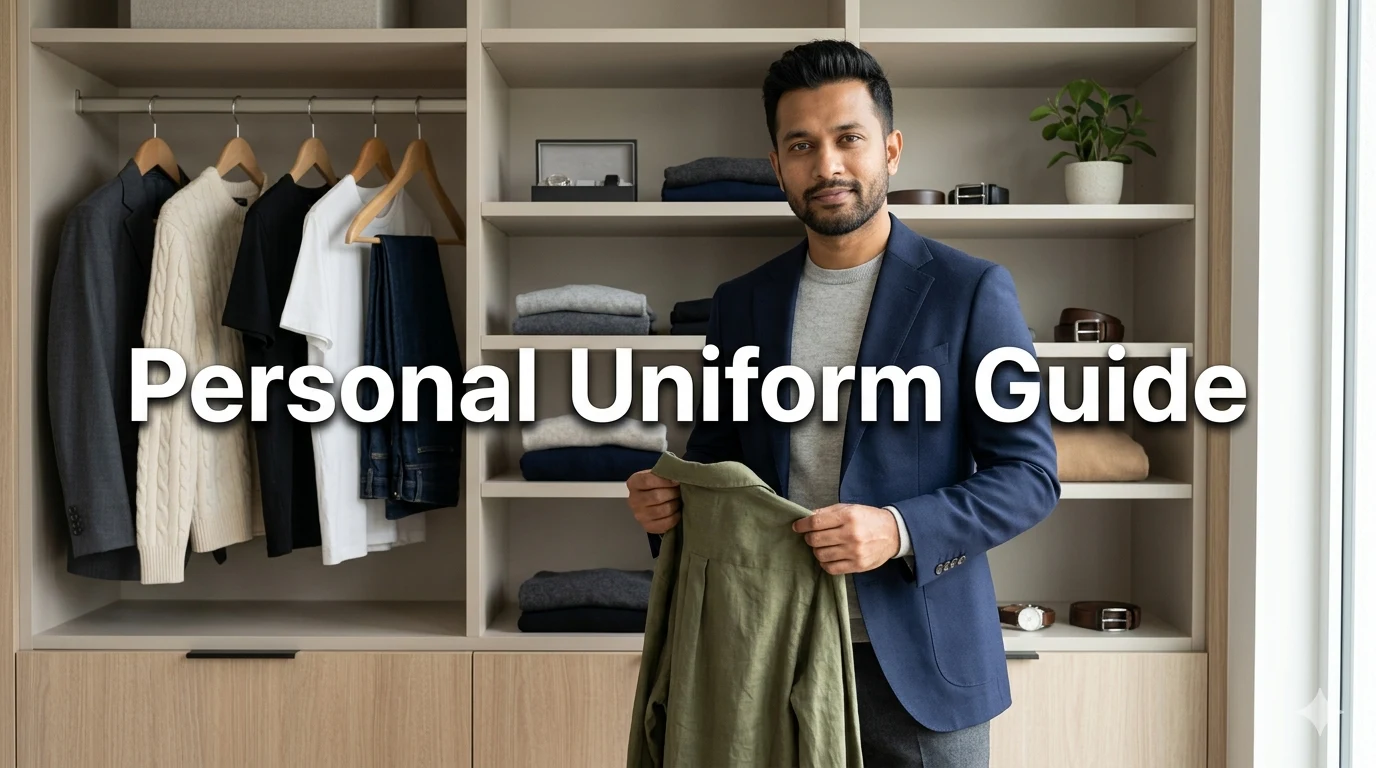
Every morning, millions of people stand in front of their closets, overwhelmed by choices. What to wear? Does this match? Is it appropriate? This seemingly simple decision consumes mental energy that could be better spent on work, creativity, or relationships. The solution? Building a personal uniform—a curated, repeatable wardrobe system designed to eliminate decision fatigue and streamline your daily life.
Popularized by visionaries like Steve Jobs, Mark Zuckerberg, and Anna Wintour, the personal uniform isn't about sacrificing style or personality. It's about intentional simplicity: selecting a signature look that reflects your values, fits your lifestyle, and frees your mind for what truly matters. For professionals, parents, entrepreneurs, and anyone juggling multiple responsibilities, this strategy can be transformative.
This comprehensive guide walks you through exactly how to build your own personal uniform. You'll learn the psychology behind decision fatigue, discover step-by-step methods to curate your wardrobe, avoid common pitfalls, and implement a system that saves time, reduces stress, and elevates your confidence—forever.
What Is Decision Fatigue and Why Does It Matter?
Decision fatigue refers to the deteriorating quality of decisions made after a long session of continuous choice-making. Every decision, no matter how small, depletes your mental energy. By the time you face important choices later in the day, your willpower and judgment may be compromised.
How decision fatigue affects your daily life:
- Morning overwhelm: Spending 15-30 minutes choosing outfits drains energy before your day even begins.
- Reduced productivity: Mental bandwidth spent on trivial choices leaves less for high-value tasks.
- Impulse decisions: Fatigued minds default to easy, often regrettable choices (like unhealthy snacks or procrastination).
- Increased stress: Constant micro-decisions create low-grade anxiety that accumulates over time.
Research shows that the average adult makes about 35,000 decisions per day. While we can't eliminate all choices, we can strategically automate low-stakes decisions—like what to wear—to preserve mental energy for what truly counts.
Why a Personal Uniform Works: The Science of Simplification
A personal uniform isn't about wearing the exact same outfit every day. It's about creating a flexible framework of interchangeable pieces that align with your identity and lifestyle. This approach leverages several psychological principles:
Cognitive offloading: By pre-deciding your wardrobe parameters, you transfer decision-making from daily execution to occasional planning, freeing up mental resources.
Identity reinforcement: Consistent styling reinforces your professional brand and personal values, building confidence through repetition.
Reduced choice overload: Limiting options paradoxically increases satisfaction. When choices are curated, you spend less time second-guessing and more time acting.
Habit formation: Repeating a simple routine strengthens neural pathways, making the behavior automatic and effortless over time.
Step-by-Step Guide to Building Your Personal Uniform
Creating a personal uniform requires intentionality, not deprivation. Follow this proven framework to design a wardrobe system that works for you.
Step 1: Define Your Lifestyle and Values
Before selecting clothing, clarify what your uniform needs to accomplish. Ask yourself:
- What environments do I navigate daily? (office, home, client meetings, creative work)
- What message do I want my appearance to convey? (professional, approachable, creative, authoritative)
- What values matter most? (comfort, sustainability, affordability, versatility)
- What activities require special considerations? (travel, physical work, frequent video calls)
Featured snippet answer: To build a personal uniform, first define your lifestyle needs and values. Identify your daily environments, desired professional image, and non-negotiable priorities like comfort or sustainability. This foundation ensures your uniform supports your real life, not an idealized version.
Step 2: Audit Your Current Wardrobe
Before buying anything new, assess what you already own. This step reveals patterns, preferences, and gaps.
Conduct a wardrobe audit:
- Remove everything from your closet and sort items into keep, donate, and discard piles.
- Keep only items that fit well, make you feel confident, and align with your defined lifestyle.
- Note recurring colors, fabrics, and silhouettes in your "keep" pile—these reveal your natural preferences.
- Identify gaps: Are you missing versatile basics? Do you need more season-appropriate pieces?
This process often reveals that you wear 20% of your wardrobe 80% of the time. Your personal uniform will focus on expanding that high-value 20%.
Step 3: Choose Your Signature Silhouette and Palette
The core of a personal uniform is a repeatable formula. Most successful uniforms follow a simple structure:
Signature silhouette examples:
- Professional: Tailored blazer + neutral top + dark denim or trousers + minimalist shoes
- Creative: Oversized shirt + structured pants + statement accessory + comfortable boots
- Casual: High-quality tee + well-fitting jeans + layering piece (cardigan or jacket) + clean sneakers
- Minimalist: Monochrome set (matching top and bottom) + one textured accent + simple footwear
Color palette guidelines:
- Select 3-5 core neutral colors (black, navy, white, beige, gray) that mix and match effortlessly.
- Add 1-2 accent colors that complement your skin tone and bring personality.
- Stick to cohesive tones (all warm or all cool) to ensure everything coordinates.
Pro tip: Take photos of your favorite outfits. Patterns will emerge that inform your uniform formula.
Step 4: Invest in Quality Basics
A personal uniform relies on versatile, high-quality foundation pieces. These items should be durable, comfortable, and timeless.
Essential basics for most uniforms:
- Tops: Well-fitting t-shirts, button-downs, or blouses in neutral colors
- Bottoms: Dark denim, tailored trousers, or versatile skirts in your signature silhouette
- Layers: A structured blazer, cardigan, or jacket that elevates any outfit
- Footwear: One or two pairs of comfortable, versatile shoes (e.g., loafers, minimalist sneakers, ankle boots)
- Accessories: Simple jewelry, a quality belt, or a signature bag that adds personality without complexity
Focus on fit and fabric over trends. Natural fibers like cotton, wool, and linen often offer better comfort and longevity than synthetic alternatives.
Step 5: Create a Capsule Collection
Your personal uniform doesn't mean owning only five items. It means curating a small collection of pieces that all work together.
Capsule wardrobe framework:
- 10-15 core items that mix and match to create 30+ outfit combinations
- All items align with your signature silhouette and color palette
- Seasonal rotation: Store off-season items to reduce visual clutter
- One "wildcard" piece for variety (a patterned scarf, colorful shoe, or statement jacket)
This approach ensures you always have options while maintaining simplicity. Every new addition must earn its place by working with existing pieces.
Step 6: Implement Systems for Maintenance
A personal uniform only works if it's sustainable. Build habits that keep your system functioning effortlessly.
Maintenance strategies:
- Weekly prep: Spend 10 minutes each Sunday reviewing your upcoming week and pre-selecting outfits if needed.
- One-in, one-out rule: When adding a new item, remove an existing one to maintain capsule size.
- Seasonal review: Every 3-4 months, reassess your collection for wear, fit changes, or lifestyle shifts.
- Laundry workflow: Keep basics in duplicate (e.g., two black tees) to avoid decision stress when items are in wash.
Common Mistakes to Avoid When Building a Personal Uniform
Even with good intentions, pitfalls can undermine your uniform strategy. Avoid these common errors:
Mistake 1: Copying someone else's uniform exactly
Steve Jobs' black turtleneck worked for his context and personality. Your uniform must reflect your unique lifestyle, body type, and values. Use inspiration, not imitation.
Mistake 2: Over-restricting your options
A personal uniform should simplify, not deprive. Include enough variety to prevent boredom while maintaining cohesion. Allow for seasonal updates and occasional experimentation.
Mistake 3: Ignoring comfort and fit
No amount of style justifies discomfort. If an item doesn't fit well or feel good, it will create decision friction. Prioritize fit above all else.
Mistake 4: Neglecting context switching
If your life includes diverse settings (office, gym, social events), build modular layers or keep a small "context kit" (e.g., a blazer for meetings, sneakers for walking) rather than forcing one rigid look everywhere.
Mistake 5: Skipping the values alignment
If sustainability matters to you, fast-fashion basics will create cognitive dissonance. Ensure your uniform reflects your deeper values to maintain long-term commitment.
Personal Uniform Examples Across Lifestyles
To spark inspiration, here are real-world personal uniform formulas adapted for different contexts:
The Professional Minimalist
Formula: Navy blazer + white or light blue shirt + dark charcoal trousers + black leather loafers
Variations: Swap trousers for dark denim on casual Fridays; add a silk scarf or pocket square for subtle personality.
Why it works: Projects authority and polish while requiring zero daily decision-making. All pieces coordinate effortlessly.
The Creative Freelancer
Formula: Oversized black turtleneck + high-waisted wide-leg trousers + minimalist sneakers + one statement accessory
Variations: Change the accessory (bold earrings, colorful socks, unique watch) to refresh the look without complexity.
Why it works: Balances creative expression with practical simplicity. Comfortable for long work sessions yet camera-ready for client calls.
The Busy Parent
Formula: Soft jersey dress or tunic + leggings or comfortable jeans + slip-on shoes + crossbody bag
Variations: Layer with a denim jacket or cardigan for weather changes; choose machine-washable fabrics for practicality.
Why it works: Maximizes comfort and mobility while maintaining a put-together appearance. Easy to dress quickly during chaotic mornings.
The Remote Worker
Formula: Elevated knit top + tailored joggers or soft trousers + clean slides or socks
Variations: Add a structured blazer for video meetings; swap joggers for jeans for errands.
Why it works: Bridges comfort and professionalism for hybrid work life. Looks intentional on camera while feeling relaxed at home.
Expert Tips for Long-Term Success
Maintaining a personal uniform requires ongoing intentionality. These expert strategies ensure your system evolves with you:
Start small and iterate: Don't overhaul your entire wardrobe overnight. Begin with one signature outfit formula and expand gradually as you refine your preferences.
Document your uniform: Create a simple style guide (digital or physical) with your silhouette formula, color palette, and approved items. Reference it when shopping to avoid impulse buys.
Embrace "good enough": Perfectionism undermines simplicity. If an outfit meets your criteria and makes you feel confident, wear it without overthinking.
Reassess annually: Life changes—new job, relocation, shifting priorities. Schedule a yearly review to ensure your uniform still serves your current reality.
Celebrate the mental freedom: Notice the extra mental space your uniform creates. Use that energy for creativity, relationships, or rest. This positive reinforcement strengthens the habit.
Frequently Asked Questions
How many outfits should a personal uniform include?
A personal uniform typically includes 3-5 core outfit formulas that can be mixed and matched. This might translate to 10-15 individual pieces that create 30+ combinations. The goal isn't minimalism for its own sake, but eliminating daily decision stress while maintaining variety.
Can I have different uniforms for different contexts?
Absolutely. Many people maintain 2-3 uniform formulas for different settings (work, weekend, formal events). The key is keeping each formula simple and pre-decided. For example: work uniform = blazer + trousers; weekend uniform = tee + jeans + jacket.
What if I get bored wearing similar outfits?
Prevent boredom by incorporating subtle variations: change accessories, layering pieces, or textures while keeping your core silhouette consistent. Schedule seasonal refreshes to introduce one new piece that works with your existing palette.
Does a personal uniform work for all body types?
Yes. The personal uniform concept is about finding your most flattering, comfortable silhouette and repeating it. Focus on fit and proportion rather than trends. A well-tailored uniform enhances any body type by emphasizing confidence over conformity.
How do I handle special occasions or dress codes?
Keep a small "exception kit" for events that fall outside your uniform: a versatile dress, a formal shirt, or elegant accessories. Store these separately so they don't clutter your daily system but remain accessible when needed.
The Psychological Benefits Beyond Decision Fatigue
While eliminating decision fatigue is the most cited benefit, a personal uniform delivers additional psychological rewards:
Enhanced confidence: Wearing a signature look that aligns with your identity reinforces self-perception. You step into your day feeling prepared and authentic.
Reduced morning stress: Simplifying your routine creates calm starts, setting a positive tone for the entire day.
Financial clarity: With a defined wardrobe framework, shopping becomes intentional. You buy less, choose better, and reduce impulse spending.
Environmental impact: A curated, quality-focused wardrobe typically means fewer purchases and less waste, aligning with sustainable values.
Time reclamation: Saving 15-30 minutes daily on outfit decisions adds up to over 90 hours per year—time you can reinvest in relationships, hobbies, or rest.
Getting Started Today: Your First Week Action Plan
Ready to build your personal uniform? Follow this simple 7-day launch plan:
Day 1: Define your lifestyle needs and values. Write down your top 3 priorities for your wardrobe.
Day 2: Audit your closet. Remove items that don't fit, flatter, or align with your priorities.
Day 3: Identify your signature silhouette. Note the 2-3 outfits you reach for most often.
Day 4: Choose your color palette. Select 3-5 core neutrals and 1-2 accent colors.
Day 5: List your essential basics. Note any gaps to fill gradually over time.
Day 6: Create your uniform formula. Write it down: "My uniform = [top] + [bottom] + [layer] + [shoes]."
Day 7: Test your uniform. Wear your formula outfit and notice how it feels. Adjust as needed.
Remember: Your personal uniform is a living system, not a rigid rule. Allow it to evolve as you do. The goal isn't perfection—it's progress toward a simpler, more intentional life.
Conclusion: Freedom Through Intentional Simplicity
Building a personal uniform isn't about limiting self-expression. It's about redirecting your creative energy from daily trivialities to what truly matters. By curating a wardrobe that reflects your values, fits your life, and eliminates decision fatigue, you reclaim mental bandwidth, reduce stress, and step into each day with quiet confidence.
The most powerful uniforms aren't copied—they're crafted. Yours should feel unmistakably like you: comfortable, authentic, and effortlessly repeatable. Start small, stay intentional, and trust that simplicity, when chosen wisely, creates space for complexity where it counts.
Your future self will thank you for the mornings spent creating, connecting, or simply breathing—instead of staring into a closet, overwhelmed by choice. The uniform isn't the destination. It's the tool that frees you to live more fully.
What will you do with the mental space you reclaim? That's the real question worth answering.


0 Comments